📐 "First 50 Enterprise Queries Get Custom 3D Warehouse Design" Plan


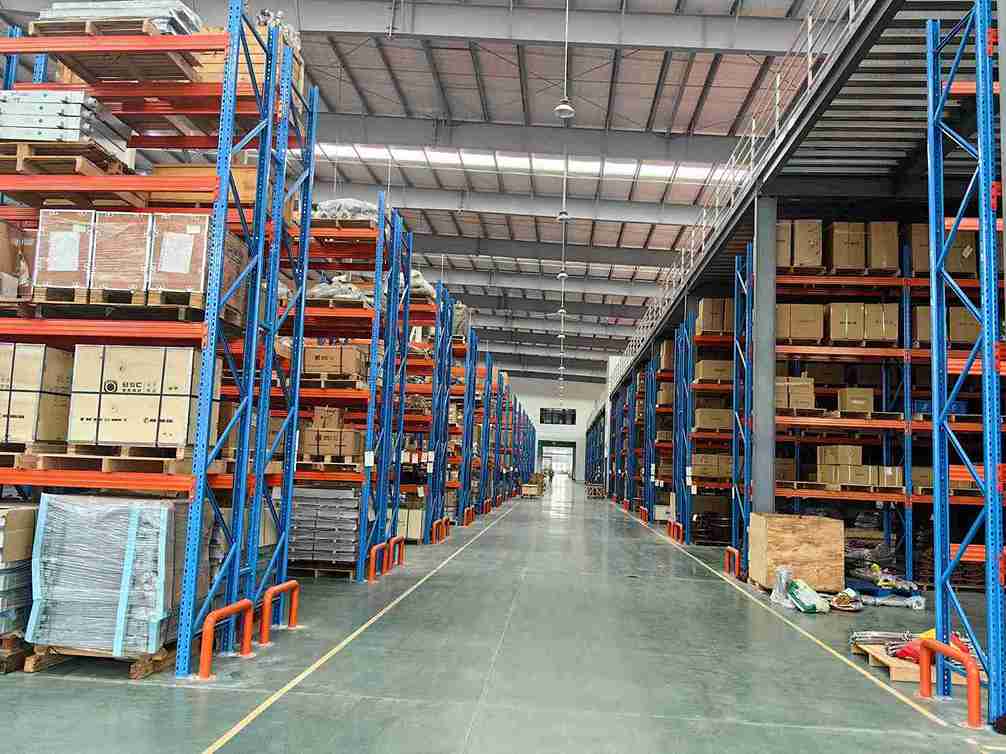
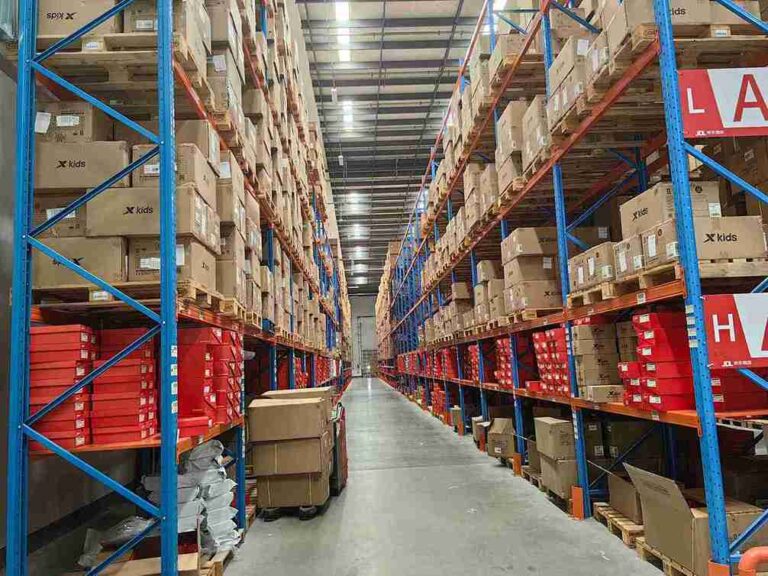
In the high-stakes world of logistics, the choice of shelf racking for logistics centers serves as the fundamental determinant of operational success or failure. An optimized system acts as a dynamic engine for growth, while a suboptimal setup creates invisible bottlenecks that systematically constrain logistics throughput and erode profitability. This comprehensive analysis moves beyond superficial symptoms to examine the fundamental relationship between storage infrastructure and material flow efficiency.
The discussion provides actionable frameworks for evaluating current configurations of shelf racking for logistics centers and presents advanced solutions incorporating modern storage methodologies, automated storage and retrieval systems (AS/RS), and integrated material handling technologies specifically engineered for high-performance shelf racking for logistics centers.
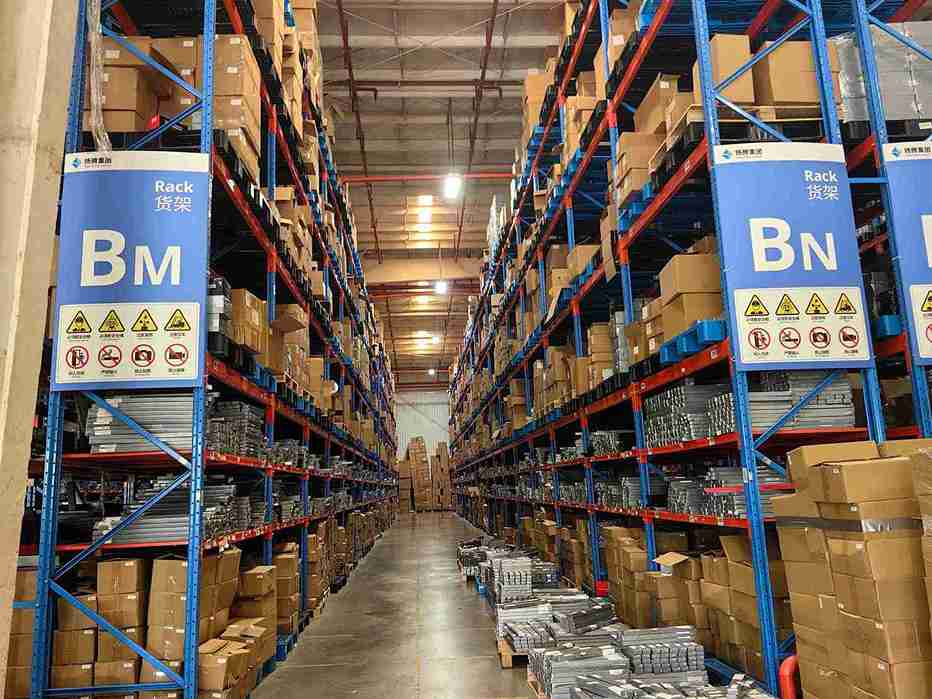
H2: The Silent Dictator of Warehouse Efficiency: How Shelf Racking Governs Logistics Throughput
Beneath the visible activity of any distribution facility operates an invisible force that dictates performance parameters with absolute authority. This force comprises the beams, uprights, and configurations of the shelf racking for logistics centers that form the physical foundation of all material movement. Decision-makers frequently make the critical error of perceiving their shelf racking for logistics centers as passive infrastructure rather than understanding it as the active circulatory system of their operation. The specific design, configuration, and implementation of shelf racking for logistics centers establishes the absolute upper limits of what the operation can achieve in terms of velocity, accuracy, and volume.
When logistics professionals encounter performance plateaus despite software upgrades and personnel training, they’re confronting the physical constraints imposed by their shelf racking for logistics centers. The relationship between storage infrastructure and throughput capacity represents the most frequently overlooked opportunity for transformational improvement in modern distribution. Through systematic evaluation and strategic reengineering of shelf racking for logistics centers, operations can achieve breakthrough performance levels that translate directly to competitive advantage and substantial bottom-line impact.
H2: The High Cost of Complacency: Quantifying the Impact of Suboptimal Storage Solutions
The financial implications of inadequate shelf racking for logistics centers extend far beyond the initial purchase price of the storage equipment. Organizations committed to underperforming shelf racking for logistics centers inevitably face a cascade of compounding operational costs that fundamentally impact profitability. These hidden expenses manifest across multiple dimensions of warehouse operations, creating a pervasive drag on organizational performance.
Labor productivity represents the most significant variable cost affected by inefficient shelf racking for logistics centers. Facilities utilizing outdated configurations of shelf racking for logistics centers typically see pickers spending 50-60% of their shift in non-value-added travel rather than productive material handling. The physical layout of shelf racking for logistics centers directly determines travel distances, with poorly planned systems adding thousands of unnecessary steps to each worker’s daily routine. Beyond labor inefficiency, space utilization suffers dramatically with primitive approaches to shelf racking for logistics centers, where operations may forfeit 30-40% of their available cubic storage capacity through inefficient vertical usage and excessive aisle spacing.
The safety implications represent another critical dimension often compromised by inadequate shelf racking for logistics centers. Systems not specifically engineered for the operation’s specific requirements create hazardous conditions including obstructed sightlines, improperly secured loads, and navigation challenges for material handling equipment. The operational flexibility required to respond to shifting market demands becomes severely constrained when relying on rigid, monolithic configurations of shelf racking for logistics centers that cannot adapt to changing inventory profiles or fulfillment methodologies.
H2: Diagnostic Framework: Five Critical Indicators of Shelf Racking Deficiency
H3: Indicator 1: The Throughput Plateau – When Increased Effort Fails to Generate Increased Output
The most telling symptom of inadequate shelf racking for logistics centers manifests as a consistent failure to meet order deadlines despite increased labor hours and apparent effort. This throughput plateau indicates that the physical storage infrastructure has reached its maximum capacity for supporting material flow. Operations experiencing this symptom typically report lengthening picking cycle times and diminishing returns on labor investments, clear indicators that the current shelf racking for logistics centers cannot support higher performance levels.
The root cause typically traces to fundamental design flaws in the shelf racking for logistics centers layout. Traditional selective pallet rack configurations with long, parallel aisles create inherent inefficiencies by maximizing travel distances between picks. When the configuration of shelf racking for logistics centers forces workers to traverse the entire facility to complete multi-SKU orders, the system itself becomes the primary constraint on productivity. Compounding this issue, poor slotting strategies within the shelf racking for logistics centers often position high-velocity products outside the optimal “golden zone” between knee and shoulder height, adding precious seconds of reach time to every interaction with the storage system.
Modern remediation strategies for throughput-constrained shelf racking for logistics centers involve implementing dynamic storage methodologies that fundamentally reengineer material flow. Data-driven slotting optimization represents the foundational approach, using WMS analytics to position A-items in the most accessible locations within the shelf racking for logistics centers, potentially reducing travel time by over 20%. For operations requiring radical throughput improvement, transitioning to carton flow racking or implementing goods-to-person technologies integrated with automated shelf racking for logistics centers can generate order-of-magnitude improvements in picking efficiency.
H3: Indicator 2: The Inventory Integrity Crisis – When System Records and Physical Reality Diverge
Chronic inventory inaccuracy represents a particularly insidious symptom of deficient shelf racking for logistics centers. When perpetual inventory records consistently fail to match physical counts, the root cause frequently traces to fundamental design flaws in the storage infrastructure rather than procedural failures. The specific configuration and implementation of shelf racking for logistics centers either enables inventory integrity or systematically undermines it through physical constraints that promote error.
Deep, double-row configurations of shelf racking for logistics centers create inherent visibility challenges that obscure products stored in rear positions, leading to lost inventory and systematic count discrepancies. Inadequate labeling systems and poorly defined location schematics within the shelf racking for logistics centers encourage mis-slotting during put-away operations, where workers place products in convenient but incorrect locations. Additionally, storage positions that are difficult to access within the shelf racking for logistics centers increase the likelihood of product damage during retrieval, creating disparities between system quantities and sellable units.
Rectifying inventory inaccuracy requires engineering precision into the physical storage environment through strategic enhancements to the shelf racking for logistics centers. Implementing high-visibility components like wire mesh decking in the shelf racking for logistics centers improves sightlines and product identification. Comprehensive labeling and barcoding systems that assign unique identifiers to every storage location within the shelf racking for logistics centers create the foundation for scan-verified transactions. For operations requiring absolute inventory integrity, automated storage systems like unit-load AS/RS integrated with the shelf racking for logistics centers provide WMS-controlled put-away and retrieval that eliminates human error in product placement.
H3: Indicator 3: The Safety Compromise – When Storage Infrastructure Shows Visible Stress
Compromised safety conditions represent both an ethical imperative and a clear operational indicator that the current shelf racking for logistics centers cannot adequately support the operation’s requirements. Visible damage to storage components, persistently cluttered aisles, and frequent near-miss incidents all signal that the shelf racking for logistics centers is operating beyond its designed capacity or in a manner inconsistent with its engineering specifications.
The safety signals emitted by overstressed shelf racking for logistics centers manifest in multiple dimensions. Bent beam connectors and damaged upright frames indicate systematic overloading or impact beyond the design specifications of the shelf racking for logistics centers. Aisles that feel constricted and necessitate complex maneuvers for material handling equipment signal that the original layout of the shelf racking for logistics centers cannot accommodate current operational tempo or equipment profiles. The absence of protective features like column guards and rack protectors in critical areas of the shelf racking for logistics centers transforms minor incidents into major structural compromises.
Transforming safety performance requires a systematic approach to reinforcing and reengineering the shelf racking for logistics centers. Professional racking audits conducted by certified inspectors provide the necessary assessment of the current shelf racking for logistics centers condition and loading. Transitioning to narrow-aisle or very-narrow-aisle configurations of shelf racking for logistics centers increases storage density while maintaining appropriate clearances for equipment operation. The most advanced safety approach involves integrating automation technologies that physically separate workers from the most hazardous interactions with the shelf racking for logistics centers, using AGVs for horizontal transport and AS/RS for vertical storage operations.
H3: Indicator 4: The Capacity Illusion – When Apparent Fullness Masks Inefficient Utilization
The paradoxical situation of simultaneously having a “full” warehouse while lacking sufficient storage capacity represents a classic symptom of inefficient shelf racking for logistics centers. This condition occurs when the existing configuration of shelf racking for logistics centers prioritizes accessibility over density, creating a situation where the facility appears fully utilized while substantial storage potential remains untapped, particularly in the vertical dimension.
The capacity shortfall in underutilized shelf racking for logistics centers typically stems from fundamental design limitations in the original storage approach. Traditional selective pallet rack configurations consume disproportionate floor area for access aisles, sacrificing potential storage positions to accommodate equipment maneuverability. Operations experiencing this symptom frequently resort to floor storage and aisle blocking, further compromising safety and efficiency while indicating that the current shelf racking for logistics centers cannot meet volumetric requirements. The inability to leverage the full clear height of the facility represents the most common waste associated with outdated approaches to shelf racking for logistics centers.
Maximizing storage potential requires rethinking the fundamental density capabilities of the shelf racking for logistics centers. High-density storage configurations like push-back racking and drive-in racking reconfigure the shelf racking for logistics centers to store multiple pallets deep, dramatically increasing pallet positions within the same footprint. For operations requiring ultimate density and height utilization, automated storage and retrieval systems integrated with the shelf racking for logistics centers can safely leverage clear heights exceeding 100 feet, potentially tripling storage capacity within the existing facility dimensions while maintaining exceptional throughput performance.
H3: Indicator 5: The Flexibility Deficit – When Storage Infrastructure Cannot Adapt to Changing Requirements
Operational rigidity represents a particularly challenging symptom of inadequate shelf racking for logistics centers in an era defined by rapidly evolving market demands. When introducing new product categories, fulfillment channels, or operational processes requires disproportionate effort and disruption, the root cause frequently traces to storage infrastructure that cannot adapt to changing requirements. The monolithic, static nature of traditional shelf racking for logistics centers creates significant barriers to operational evolution and scalability.
The flexibility limitations of outdated shelf racking for logistics centers manifest when operations attempt to accommodate new business requirements. The introduction of e-commerce fulfillment into traditionally wholesale-oriented facilities often reveals the inflexibility of storage systems not designed for each-picking operations. Operations experiencing rapid SKU proliferation frequently discover that their existing shelf racking for logistics centers cannot efficiently accommodate changing inventory profiles without costly reconfiguration. The inability to scale storage capacity incrementally represents another common limitation of rigid approaches to shelf racking for logistics centers that cannot expand organically with business growth.
Building adaptive capability requires implementing modular, scalable approaches to shelf racking for logistics centers designed specifically for evolution and reconfiguration. Modern storage methodologies emphasize creating hybrid zones within the facility where different configurations of shelf racking for logistics centers address specific operational requirements, from bulk storage to case picking to value-added services. The most sophisticated approach integrates the physical shelf racking for logistics centers with intelligent software systems that can dynamically manage inventory across multiple storage media and direct automated equipment to adapt workflows in response to real-time demand patterns.
H2: The Strategic Evolution Pathway: From Static Storage to Dynamic Throughput Engine
Addressing deficiencies in shelf racking for logistics centers requires a systematic approach that progresses from assessment through implementation in clearly defined phases. The transformation begins with a comprehensive operational audit that evaluates current performance metrics, inventory profiles, material flows, and growth projections specific to the shelf racking for logistics centers. This diagnostic phase establishes quantitative baselines and identifies the most significant constraints imposed by the existing storage infrastructure.
The conceptual design phase translates diagnostic findings into strategic solutions for the shelf racking for logistics centers, presenting multiple approaches with clearly articulated benefits, implementation requirements, and return-on-investment projections. This phase typically explores a spectrum of options from optimized selective racking layouts to fully automated shelf racking for logistics centers integrated with robotic material handling systems. The implementation methodology emphasizes phased deployment that delivers incremental improvements while minimizing operational disruption, ensuring that enhancements to the shelf racking for logistics centers generate value throughout the transformation process rather than only upon project completion.
The final critical component involves comprehensive training and organizational capability development centered on the new shelf racking for logistics centers. The most sophisticated storage infrastructure cannot achieve its potential without properly trained personnel who understand its operational principles, capabilities, and maintenance requirements. This knowledge transfer ensures that the organization can fully leverage the enhanced performance capabilities of the modernized shelf racking for logistics centers while maintaining the system appropriately throughout its operational lifecycle.
H2: Conclusion: Transforming Storage Infrastructure from Liability to Strategic Asset
The fundamental role of shelf racking for logistics centers extends far beyond commodity storage equipment to constitute a critical determinant of supply chain performance. The diagnostic indicators outlined—throughput plateaus, inventory inaccuracies, safety compromises, capacity illusions, and flexibility deficits—represent interconnected symptoms of storage infrastructure that cannot support contemporary operational requirements. Addressing these challenges requires recognizing that shelf racking for logistics centers serves as the physical manifestation of the operation’s material flow logic, either enabling seamless movement or creating systematic constraints.
Organizations facing these symptoms stand at a critical decision point regarding their shelf racking for logistics centers. The path of least resistance maintains the status quo while accepting the compounding costs of inefficiency, inflexibility, and underperformance. The alternative path embraces strategic transformation of the shelf racking for logistics centers to unlock previously constrained capacity, accuracy, and adaptability. In an increasingly competitive logistics landscape, the organizations that prosper will be those that recognize their shelf racking for logistics centers not as passive infrastructure but as dynamic throughput engines worthy of strategic investment and continuous optimization.
H2: Frequently Asked Questions (FAQs)
H3: What financial justification supports investment in modern shelf racking for logistics centers?
The business case for upgrading shelf racking for logistics centers extends beyond simple equipment replacement to encompass comprehensive operational improvement. Modernized shelf racking for logistics centers typically delivers return on investment through multiple channels including labor productivity improvements of 20-40%, space utilization enhancements recovering 30% or more of existing facility cube, damage reduction decreasing inventory shrinkage by 5-15%, and throughput increases of 25-50% or more. The financial analysis should evaluate the total cost of ownership rather than simply the initial investment, capturing the substantial operational savings generated by high-performance shelf racking for logistics centers over its operational lifespan.
H3: How do implementation timelines vary for different scales of shelf racking for logistics centers projects?
Project duration for enhancing shelf racking for logistics centers depends entirely on scope and complexity. Basic optimization of existing shelf racking for logistics centers through re-slotting and minor reconfiguration may require only 2-4 weeks. Comprehensive retrofits of existing facilities with new shelf racking for logistics centers configurations typically span 8-20 weeks depending on facility size and operational constraints. Greenfield implementations of highly automated shelf racking for logistics centers with integrated AS/RS commonly require 12-18 months from design through commissioning. Phased implementation approaches for shelf racking for logistics centers can deliver incremental benefits while distributing investment over multiple budget cycles.
H3: Can diverse product profiles with varying storage requirements be accommodated within unified shelf racking for logistics centers?
Contemporary approaches to shelf racking for logistics centers specifically address product diversity through zoned storage strategies. Rather than attempting to force dissimilar products into identical storage configurations, modern shelf racking for logistics centers implementations create distinct zones optimized for specific product characteristics and handling requirements.
Pallet racking zones within the comprehensive shelf racking for logistics centers handle full-unit loads, carton flow racking addresses case-picking requirements, mezzanine systems create multi-level space for value-added services, and automated systems manage high-velocity SKUs. The various zones within the integrated shelf racking for logistics centers are connected through material handling technologies and unified by warehouse management systems.
H3: Has automation technology become accessible for mid-sized operations implementing shelf racking for logistics centers?
The automation landscape for shelf racking for logistics centers has undergone dramatic democratization, making advanced technologies accessible to organizations beyond Fortune 500 corporations. Modular AS/RS solutions specifically designed for integration with shelf racking for logistics centers now serve mid-market companies with compelling ROI profiles.
Autonomous mobile robots (AMRs) can deploy in scalable fleets that integrate with existing shelf racking for logistics centers, delivering automation benefits without comprehensive infrastructure overhaul. The prevailing approach involves scalable automation that enhances rather than replaces existing shelf racking for logistics centers, creating hybrid environments where manual and automated workflows coexist optimally.
H3: What maintenance protocols ensure long-term performance and safety of sophisticated shelf racking for logistics centers?
Advanced configurations of shelf racking for logistics centers require correspondingly sophisticated maintenance protocols to preserve performance and safety. For high-density mechanical systems like push-back racking within the shelf racking for logistics centers, this involves regular inspection of carts, rails, and wheel assemblies. Automated components integrated with shelf racking for logistics centers require scheduled maintenance contracts similar to other capital equipment.
Comprehensive safety protocols for shelf racking for logistics centers include regular inspections by certified rack safety professionals, employee training on load capacity limits and proper interaction with the system, and documented processes for reporting and addressing damage or misalignment in the shelf racking for logistics centers.
Welcome to contact us, if you need warehouse rack CAD drawings. We can provide you with warehouse rack planning and design for free. Our email address is: jili@geelyracks.com