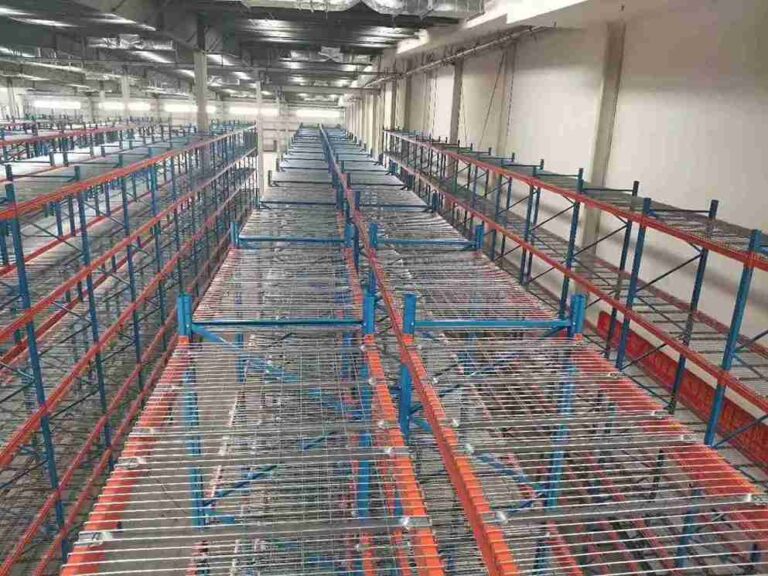
📐 "First 50 Enterprise Queries Get Custom 3D Warehouse Design" Plan
















The Critical Role of Heavy-Duty Beam Racking in Supply Chain Resilience
In an era of globalized supply chains and just-in-time delivery, warehouse storage is no longer a passive activity; it is an active, strategic function. The choice of storage system directly impacts a company’s agility, responsiveness, and resilience. Heavy-duty beam racking stands as the most reliable and adaptable backbone for a resilient supply chain. Its modular nature allows businesses to scale storage capacity up or down, reconfigure layouts for seasonal peaks, and adapt to new inventory profiles without monumental capital expenditure.
When a logistics manager invests in a professionally engineered heavy-duty beam racking system, they are not just purchasing steel; they are purchasing operational flexibility. This flexibility is the key to weathering market fluctuations and seizing new opportunities, making heavy-duty beam racking a strategic asset rather than a simple storage solution. The robustness of heavy-duty beam racking ensures that the core of the storage operation remains uncompromised, even when other parts of the supply face disruptions.

A Deep Dive into the Manufacturing and Quality Control of Heavy-Duty Beam Racking
The performance of any heavy-duty beam racking system is determined long before it is installed in a warehouse. It is forged in the manufacturing process and through rigorous quality control protocols. Superior heavy-duty beam racking begins with high-tensile steel, which is cold-rolled into precise profiles for both upright frames and beams. This cold-forming process increases the steel’s strength and durability, allowing the heavy-duty beam racking to withstand constant loading and unloading cycles.
Material Integrity: Reputable manufacturers source steel from certified mills and provide mill certification sheets, verifying the material’s grade and properties. This traceability is non-negotiable for ensuring the stated capacity of the heavy-duty beam racking.
Precision Fabrication: The hole patterns in upright frames are punched with laser precision to ensure perfect alignment, which is critical for the easy and secure installation of beams. Inconsistencies here can lead to misaligned beams, compromised safety locks, and a structurally weak heavy-duty beam racking system.
Surface Treatment: The longevity of heavy-duty beam racking is heavily dependent on its finish. A high-quality powder-coat finish, applied after a multi-stage phosphating pretreatment, provides superior resistance to corrosion, chipping, and scratching compared to standard paint. This protective layer is essential for heavy-duty beam racking operating in environments with varying humidity levels or where incidental impacts might expose bare metal.
Advanced Configurations: Leveraging Heavy-Duty Beam Racking for Specialized Applications
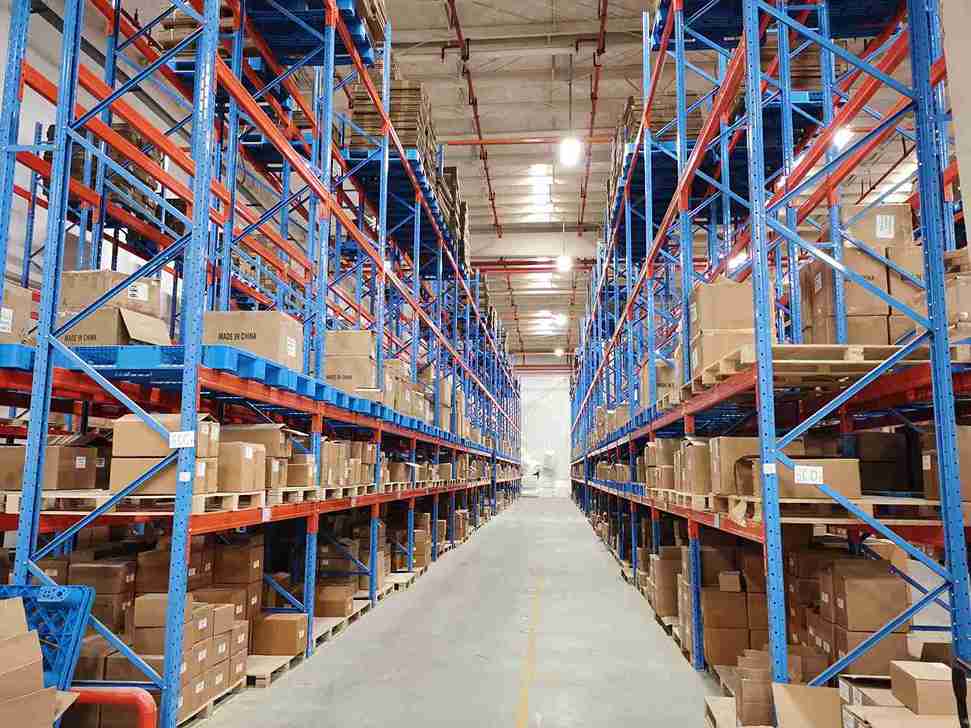
While selective heavy-duty beam racking is the workhorse of the industry, its fundamental design can be leveraged in more advanced, high-density configurations. These systems use the core components of heavy-duty beam racking but arrange them in a way that dramatically increases storage density for specific inventory types.
Drive-In and Drive-Through Racking: Maximizing Density for LIFO and FIFO
Drive-in and drive-through heavy-duty beam racking systems represent a significant leap in storage density for high-volume, low-SKU operations. In these configurations, the heavy-duty beam racking is designed to support a continuous rack structure where forklifts drive directly into the racking bays to place and retrieve pallets.
Drive-In Racking (LIFO): This system uses a single entrance aisle, making it ideal for storing large quantities of the same product where the last pallet in is the first pallet out (LIFO). The heavy-duty beam racking structure itself becomes a multi-deep storage lane, with the upright frames and specially reinforced beams engineered to withstand the lateral forces of forklift entry and exit.
Drive-Through Racking (FIFO): This configuration allows access from both ends, facilitating first-in, first-out (FIFO) inventory management. It is perfect for goods with expiry dates. The engineering for this type of heavy-duty beam racking requires careful consideration of the flow-through and the potential for higher impact on the guiding upright frames.
In both cases, the integrity of the heavy-duty beam racking is paramount, as any failure in a single upright can compromise an entire lane of stored goods.
Pallet Flow Racking: High-Density Dynamic Storage for FIFO
Pallet flow racking is a high-density, dynamic system that utilizes gravity to move pallets. It is constructed using the same core principles of heavy-duty beam racking but incorporates a slight decline and wheel or roller tracks within each lane. Pallets are loaded from the rear and flow gently to the front for picking. This system is exceptionally efficient for high-turnover, FIFO inventory.
The supporting structure for the flow tracks is a robust heavy-duty beam racking framework, which must be engineered to handle not only the static load of full pallets but also the dynamic forces as pallets move. The precision of the heavy-duty beam racking installation is critical to ensure a consistent and jamming-free flow.
The Financial Justification: Analyzing the Total Cost of Ownership for Heavy-Duty Beam Racking
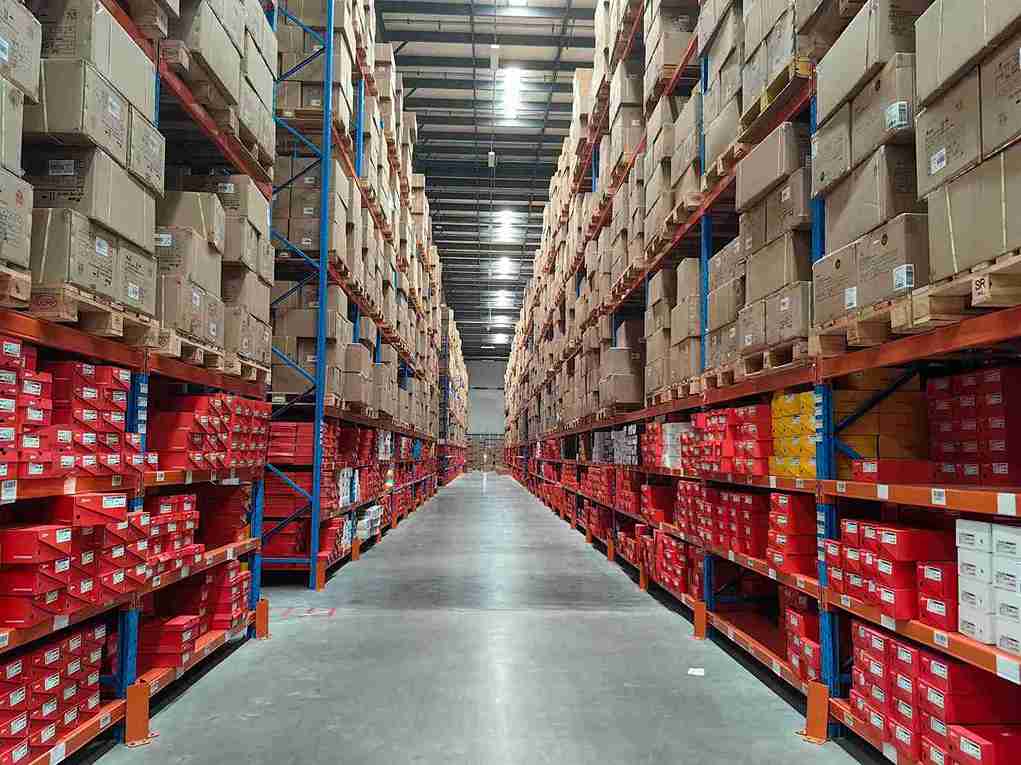
A common mistake in procurement is focusing solely on the initial purchase price. For critical infrastructure like heavy-duty beam racking, a Total Cost of Ownership (TCO) analysis provides a far more accurate financial picture. The TCO for a heavy-duty beam racking system encompasses:
Acquisition Cost: The initial price of the heavy-duty beam racking components and accessories.
Installation Cost: The cost of professional installation, which ensures safety and optimal performance.
Maintenance and Repair Costs: High-quality heavy-duty beam racking requires minimal maintenance. Cheap, low-grade systems are prone to damage, leading to frequent and costly repairs or replacements of components.
Operational Efficiency Gains: The revenue gained from increased storage capacity and faster order picking facilitated by a well-organized heavy-duty beam racking system. This is often the most significant financial benefit.
Risk Mitigation Cost: The value of avoiding catastrophic racking failure, which includes costs associated with inventory loss, equipment damage, operational downtime, and potential liability.
When evaluated through the TCO lens, a premium heavy-duty beam racking system from a reputable supplier consistently outperforms a low-cost alternative. The initial investment is amortized over a longer, more productive lifecycle with far lower operational risk, making it the most financially sound decision.
Global Standards and Compliance for Heavy-Duty Beam Racking
Specifying and installing heavy-duty beam racking is a serious engineering undertaking governed by international standards. Compliance is not optional; it is a legal and moral imperative. Key standards include:
Rack Manufacturer Institute (RMI) Standards: In North America, the RMI sets the benchmark for the design, testing, and utilization of heavy-duty beam racking. Its specifications cover everything from load capacity calculations and safety factors to the design of beam connectors.
FEM 10.2.02 Standards: In Europe and many other international markets, the Fédération Européenne de la Manutention (FEM) provides comprehensive standards for the design of heavy-duty beam racking.
Seismic Standards: For regions like the Pacific Rim, parts of North and South America, and others, heavy-duty beam racking must be designed to withstand seismic forces as per local building codes, which are often based on standards like the International Building Code (IBC) and ASCE 7.
A professional heavy-duty beam racking supplier will design all systems in strict compliance with the relevant standards, providing structural calculations and documentation. This due diligence is a core component of the EEAT (Experience, Expertise, Authoritativeness, Trustworthiness) principle, demonstrating to clients that they are dealing with a credible and responsible partner.
The Future of Heavy-Duty Beam Racking: Integration and Innovation
The evolution of heavy-duty beam racking continues. While the fundamental principle remains, innovation focuses on integration, data, and material science.
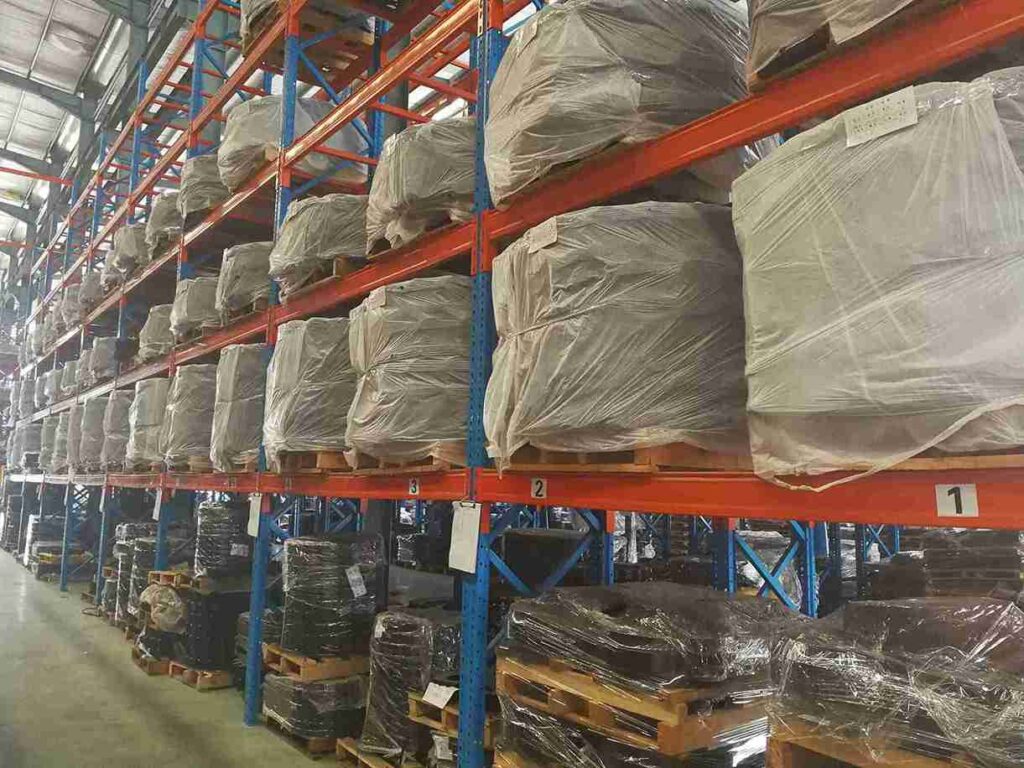
Integration with Warehouse Management Systems (WMS): Modern warehouses use location codes for every pallet position in the heavy-duty beam racking. The next step is using RFID tags and readers to provide real-time, automated inventory visibility directly within the heavy-duty beam racking structure.
Advanced Materials: Research into new steel alloys and composite materials promises even stronger and lighter components for heavy-duty beam racking, potentially increasing load capacities and simplifying installation.
Modular and Scalable Design: The future of heavy-duty beam racking lies in even more adaptable designs that can be easily reconfigured or expanded with minimal downtime, supporting the dynamic needs of modern e-commerce fulfillment centers.
The heavy-duty beam racking of tomorrow will be smarter, stronger, and more deeply integrated into the digital supply chain, but its role as the physical foundation of the warehouse will remain unchanged.
Conclusion: Building Your Warehouse’s Foundation on Robust Heavy-Duty Beam Racking
The selection of a storage system is one of the most consequential decisions a logistics or warehouse manager will make. It dictates daily operational efficiency, long-term scalability, and, most importantly, workplace safety. Heavy-duty beam racking, in its various forms, offers an unparalleled combination of strength, flexibility, and proven performance. From the fundamental selective pallet rack to the high-density sophistication of drive-in and pallet flow systems, heavy-duty beam racking provides the reliable, engineered backbone that modern supply chains demand.
By partnering with an expert provider who prioritizes engineering integrity, compliance, and a deep understanding of material flow, businesses can transform their warehouse from a cost center into a powerful, strategic asset. The journey toward a more efficient and resilient operation begins with investing in the right heavy-duty beam racking foundation.
Frequently Asked Questions (FAQs)
1. How does the design of heavy-duty beam racking accommodate different pallet sizes and non-standard loads?
The adjustability of heavy-duty beam racking is its key feature. Beam levels can be set at incremental heights to accommodate various pallet heights. For non-standard loads, custom-engineered heavy-duty beam racking solutions can be designed, incorporating wider or deeper beams, additional support bars, or specialized decking to safely and securely support unusual load shapes and sizes.
2. What is the process for conducting a site survey before proposing a heavy-duty beam racking system?
A professional site survey involves a certified engineer or consultant visiting the facility to take precise measurements of the warehouse, including floor flatness, ceiling clearances, column locations, and door placements. They will also assess the building’s structure, electrical and sprinkler layouts, and discuss operational workflows. This data is crucial for creating a safe and optimized heavy-duty beam racking layout that integrates seamlessly with the existing infrastructure.
3. Can existing heavy-duty beam racking be safely expanded or reconfigured?
Yes, one of the primary advantages of modular heavy-duty beam racking is its scalability. A reputable supplier can assess the existing system, source compatible components, and design an expansion or reconfiguration that maintains the structural integrity and safety of the entire heavy-duty beam racking installation. It is critical that this is done by professionals to ensure all connections and capacities are correctly calculated.
4. What are the load capacity limitations for the highest-grade heavy-duty beam racking systems?
The load capacities for heavy-duty beam racking can be exceptionally high. While standard systems might handle 1,000 to 5,000 kg per level, custom-engineered heavy-duty beam racking using reinforced upright frames and box beams can be designed for loads exceeding 15,000 kg per level for specialized industrial applications, such as storing heavy machinery parts or large rolls of materials.
5. How does a supplier ensure the long-term compatibility of components for future expansion of a heavy-duty beam racking system?
Reputable suppliers maintain detailed records of the heavy-duty beam racking systems they install, including the specific profiles and connector types used. They often maintain stock of key components or have consistent manufacturing processes to ensure that new components will be fully compatible with the existing heavy-duty beam racking system years down the line, future-proofing the client’s investment.
If you require perfect CAD drawings and quotes for warehouse racking, please contact us. We can provide you with free warehouse racking planning and design services and quotes. Our email address is: jili@geelyracks.com