📐 "First 50 Enterprise Queries Get Custom 3D Warehouse Design" Plan















Factory-Direct Bulk Heavy Duty Standard Pallet Racking: Reliable Storage for Large-Scale Logistics Operations
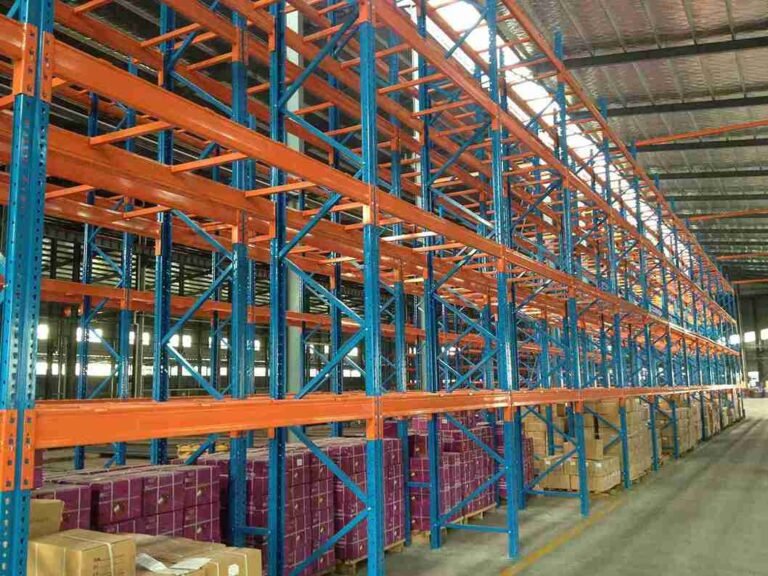
This comprehensive technical guide serves as the definitive resource for global procurement officers and warehouse managers seeking to optimize their supply chain infrastructure. We analyze the strategic deployment of Heavy Duty (Standard) Pallet Racking within high-growth logistics hubs. From the structural engineering requirements of Heavy Duty (Standard) Pallet Racking to the integration of automated guided vehicles (AGVs) and Stereoscopic Warehouse systems, this article details how to achieve maximum storage density and operational safety in large-scale environments.
In the complex landscape of global commerce, the architectural integrity of a warehouse is defined by its ability to scale. For logistics enterprises operating in Southeast Asia, the Middle East, and beyond, the implementation of Heavy Duty (Standard) Pallet Racking represents the critical junction between capital investment and operational throughput. As supply chains become increasingly volatile, the reliance on robust Heavy Duty (Standard) Pallet Racking systems has moved from a simple storage requirement to a foundational pillar of logistics resilience.
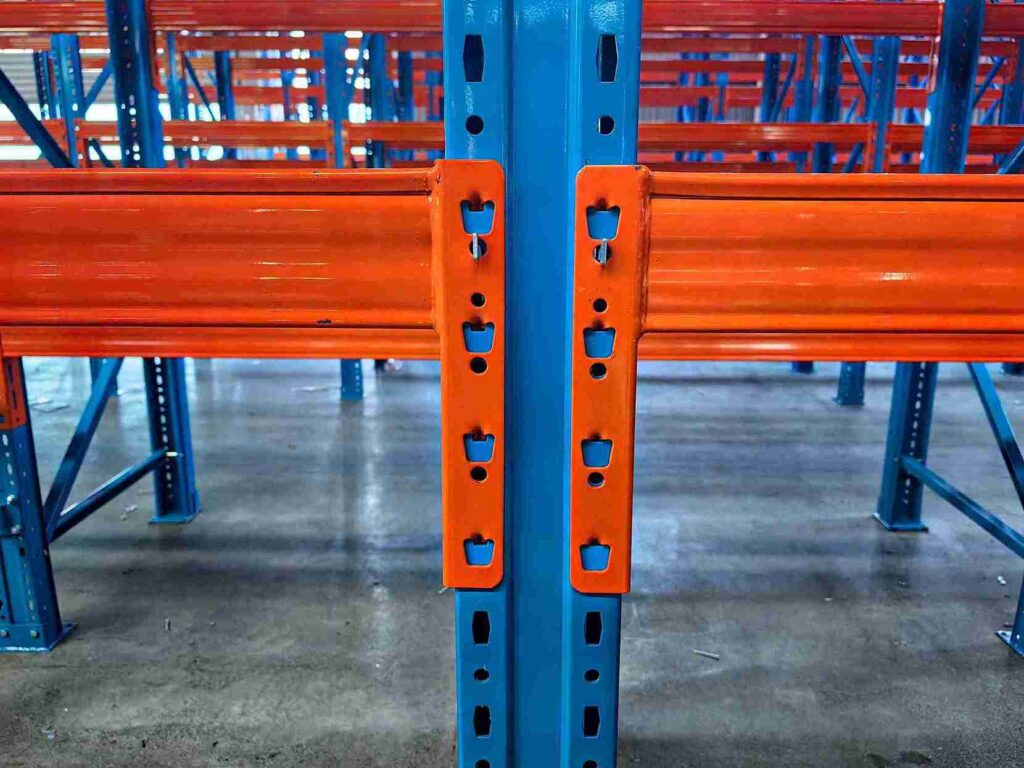
The Engineering Standards of Heavy Duty (Standard) Pallet Racking
When analyzing the structural requirements for a modern distribution center, the selection of Heavy Duty (Standard) Pallet Racking must be governed by rigorous engineering metrics. We prioritize high-tensile steel grades, typically Q235B or Q355B, to ensure that each Heavy Duty (Standard) Pallet Racking frame can withstand the immense static and dynamic loads of bulk goods.
The upright profiles of Heavy Duty (Standard) Pallet Racking are designed with multiple folds to increase the moment of inertia, effectively preventing buckling under extreme pressure. In large-scale logistics operations, the Heavy Duty (Standard) Pallet Racking system must account for “deflection ratios”—the minute bending of beams that occurs when a pallet is placed. Our factory-direct Heavy Duty (Standard) Pallet Racking solutions are engineered to keep this ratio within a strict 1/200 limit, ensuring that automated systems, such as unmanned forklifts, can operate without sensor interference.
Material Science and Load Distribution in Heavy Duty (Standard) Pallet Racking
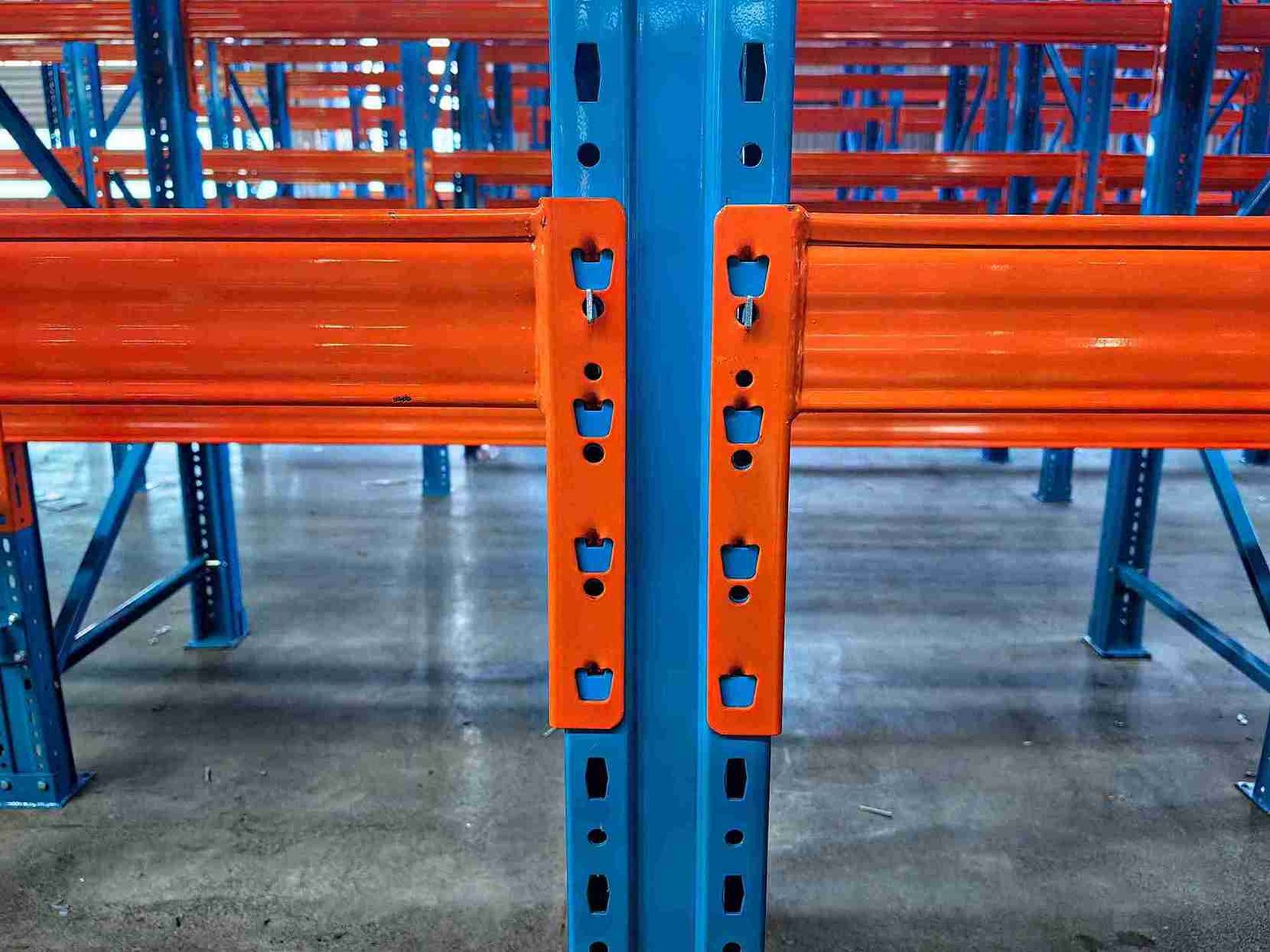
The load-bearing capacity of Heavy Duty (Standard) Pallet Racking is not merely a function of steel thickness but of structural geometry. Each beam in a Heavy Duty (Standard) Pallet Racking configuration is connected via high-precision safety pins that prevent accidental dislodgement by forklift operators. For bulk storage, Heavy Duty (Standard) Pallet Racking must accommodate pallet weights often exceeding 2,500kg per level. This requires the Heavy Duty (Standard) Pallet Racking uprights to be anchored with heavy-duty baseplates to redistribute the downward force across the concrete slab.
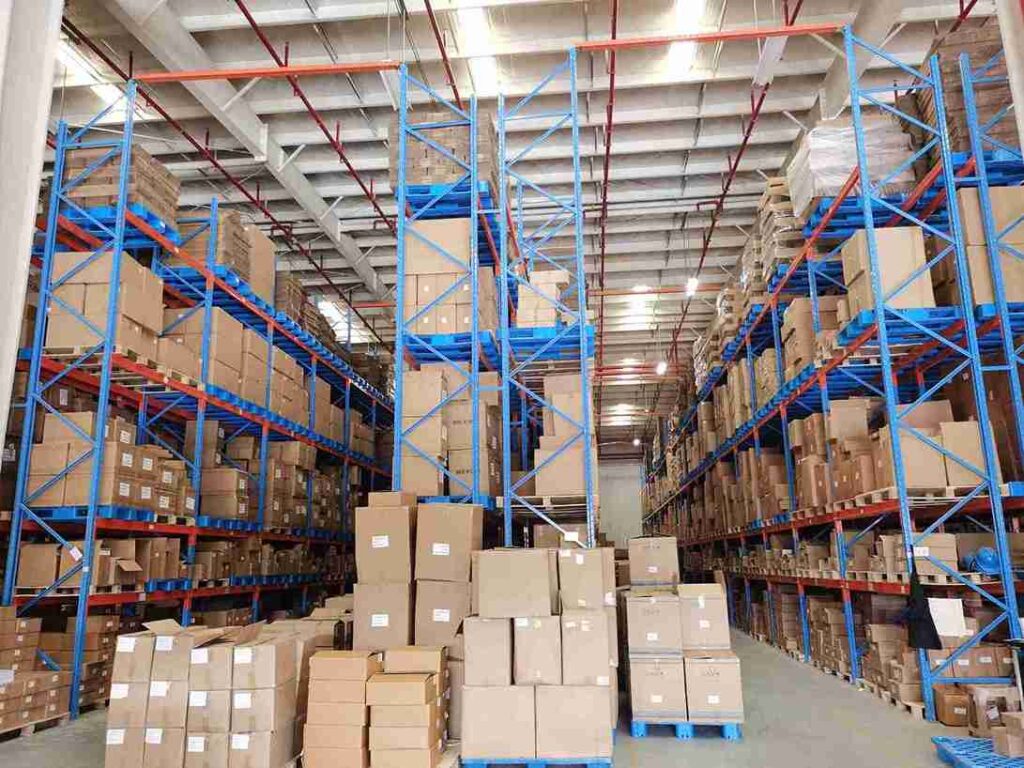
Strategic Market Deployment: Heavy Duty (Standard) Pallet Racking in Emerging Economies
In regions like Central Asia and Africa, the rapid urbanization and growth of the middle class have led to an explosion in logistics demand. Here, Heavy Duty (Standard) Pallet Racking serves as the primary infrastructure for importing and distributing consumer goods. Procurement managers in these regions often face the challenge of sourcing Heavy Duty (Standard) Pallet Racking that can withstand harsh environmental conditions, such as high heat or humidity.
By utilizing a factory-direct model for Heavy Duty (Standard) Pallet Racking, enterprises in Latin America and the Middle East can customize the surface treatment of their Heavy Duty (Standard) Pallet Racking. Whether it is high-durability electrostatic powder coating or hot-dip galvanization, the finish on the Heavy Duty (Standard) Pallet Racking ensures a lifespan that exceeds twenty years, even in non-climate-controlled environments.
Customizing Heavy Duty (Standard) Pallet Racking for E-commerce Growth
The e-commerce boom in Southeast Asia has necessitated a shift in how Heavy Duty (Standard) Pallet Racking is utilized. Unlike traditional bulk storage, e-commerce requires high SKU fluidity. Therefore, the Heavy Duty (Standard) Pallet Racking must be configured for maximum selectivity. By designing the Heavy Duty (Standard) Pallet Racking with adjustable beam levels (typically at 50mm or 75mm increments), logistics providers can adapt their Heavy Duty (Standard) Pallet Racking to varying box sizes and pallet heights on the fly.
Integrating Automation: From Heavy Duty (Standard) Pallet Racking to Smart Warehouses
A significant trend in modern logistics is the transition from manual labor to automation. However, even the most advanced AGV or unmanned forklift requires a stable Heavy Duty (Standard) Pallet Racking framework to function. The precision of the Heavy Duty (Standard) Pallet Racking installation determines the success of these technologies. If the Heavy Duty (Standard) Pallet Racking is misaligned by even a few millimeters, an automated crane or shuttle may fail to retrieve a pallet.
The Role of AGVs in Heavy Duty (Standard) Pallet Racking Environments
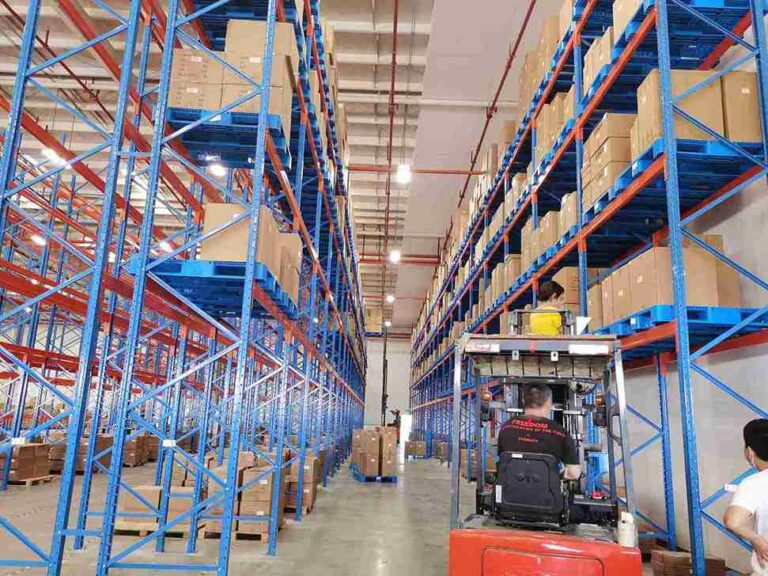
AGVs (Automated Guided Vehicles) rely on the consistent spacing provided by high-quality Heavy Duty (Standard) Pallet Racking. When we deploy Heavy Duty (Standard) Pallet Racking in an automated facility, we include floor-level guidance systems that allow AGVs to navigate between the Heavy Duty (Standard) Pallet Racking aisles with sub-centimeter accuracy. This synergy between Heavy Duty (Standard) Pallet Racking and robotics significantly reduces operational costs and increases picking speeds.
Unmanned Forklifts and Heavy Duty (Standard) Pallet Racking Safety
Unmanned forklifts are becoming a staple in large-scale logistics. These machines interact with Heavy Duty (Standard) Pallet Racking in a more controlled manner than human operators, but they require the Heavy Duty (Standard) Pallet Racking to be perfectly leveled. Our factory-direct Heavy Duty (Standard) Pallet Racking undergoes a rigorous pre-shipment inspection to ensure every component of the Heavy Duty (Standard) Pallet Racking meets the global FEM 10.2.02 and RMI standards.
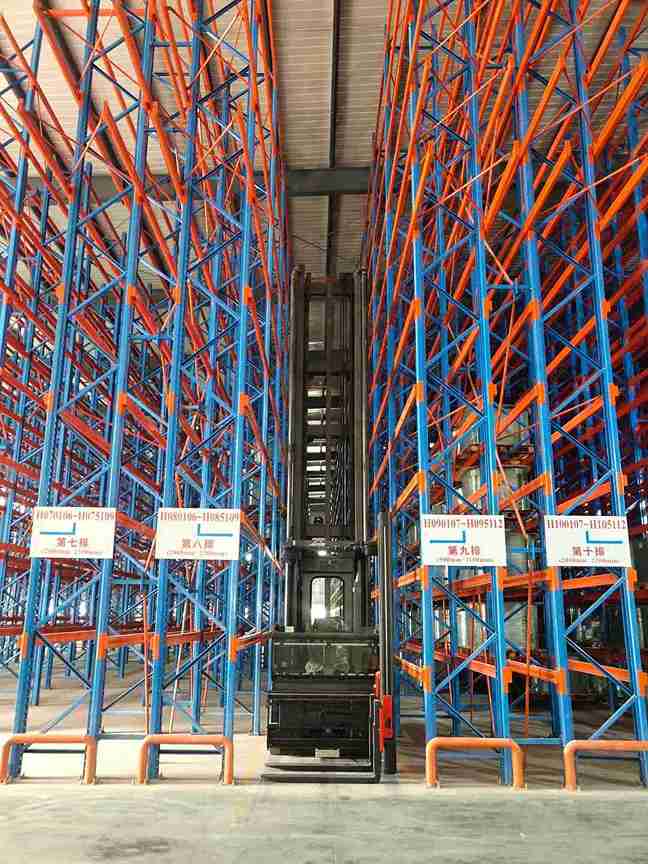
Advanced Storage Solutions: Stereoscopic Warehouse Systems
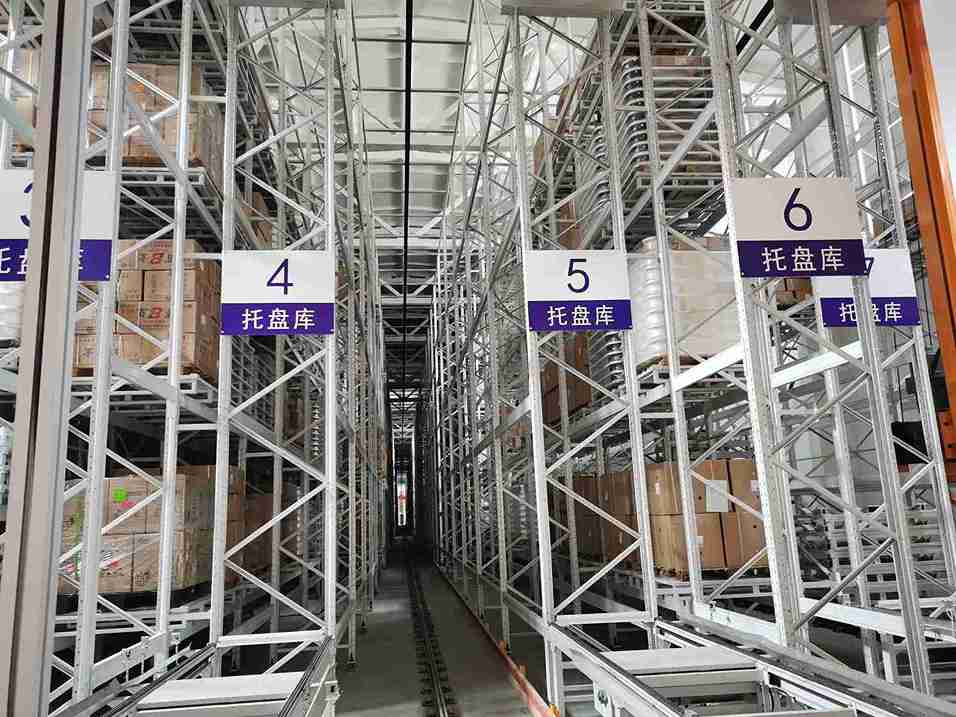
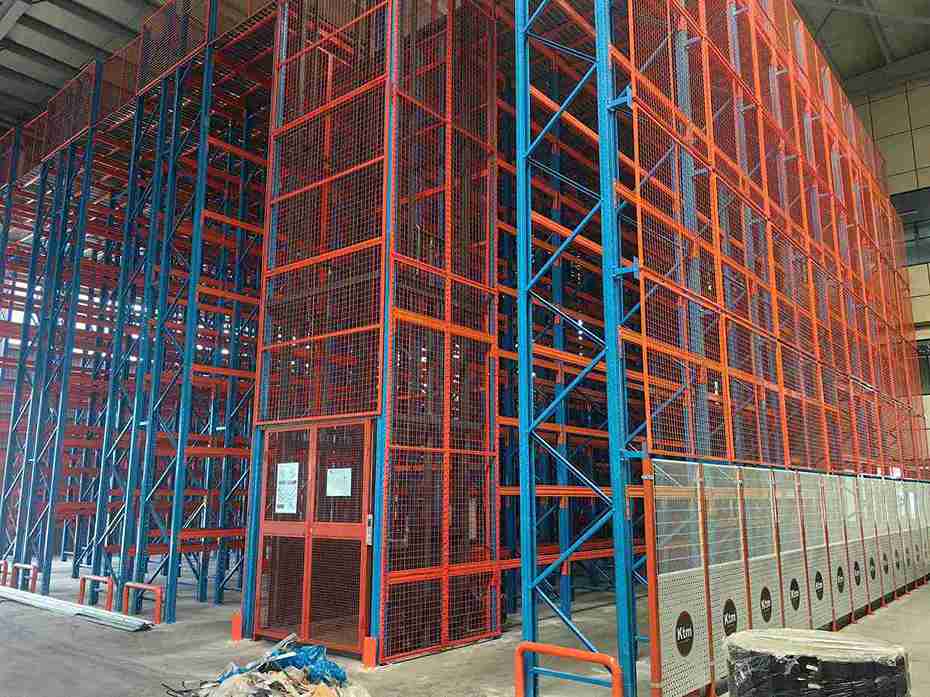
The pinnacle of warehouse optimization is the Stereoscopic Warehouse, also known as an AS/RS (Automated Storage and Retrieval System). A Stereoscopic Warehouse utilizes specialized, ultra-high Heavy Duty (Standard) Pallet Racking that can reach heights of 30 meters or more. In a Stereoscopic Warehouse, the Heavy Duty (Standard) Pallet Racking structure is often the building itself, a design known as rack-clad construction.
The Heavy Duty (Standard) Pallet Racking used in a Stereoscopic Warehouse must possess extraordinary verticality and rigidity. Because the stacker cranes in a Stereoscopic Warehouse move at high speeds, the Heavy Duty (Standard) Pallet Racking must absorb the vibrations and centrifugal forces generated during operation. Choosing the right Heavy Duty (Standard) Pallet Racking for a Stereoscopic Warehouse is a decision that impacts the long-term safety and ROI of the entire logistics operation.
Optimizing Bulk Storage with Heavy Duty (Standard) Pallet Racking
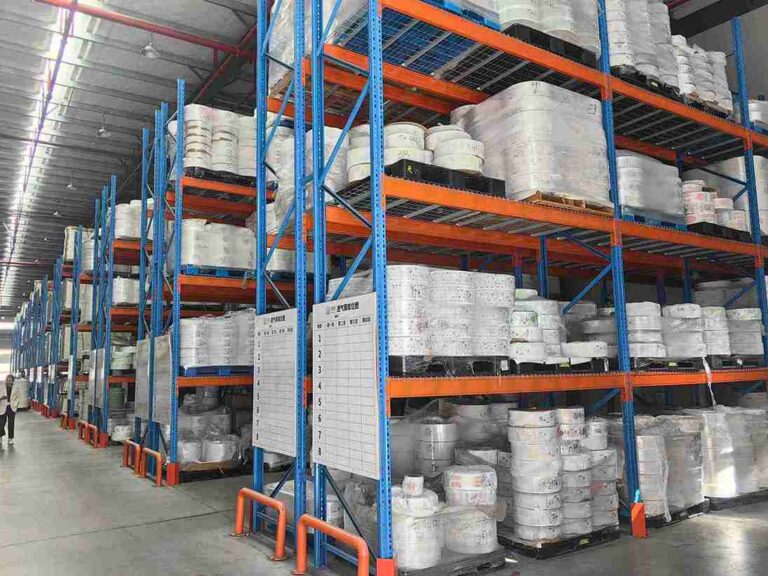
For large-scale logistics operations dealing with bulk commodities, the density of the Heavy Duty (Standard) Pallet Racking is the most important factor. Standard selective Heavy Duty (Standard) Pallet Racking is excellent for diversity, but for bulk storage, we often recommend “Drive-In” or “Double-Deep” Heavy Duty (Standard) Pallet Racking configurations. These variants of Heavy Duty (Standard) Pallet Racking reduce the number of aisles needed, allowing for more Heavy Duty (Standard) Pallet Racking bays to be installed in the same footprint.
High-Rise Logistics and Heavy Duty (Standard) Pallet Racking
In land-scarce markets like Singapore or the UAE, vertical expansion is the only viable strategy. High-rise Heavy Duty (Standard) Pallet Racking allows logistics companies to multiply their storage capacity without purchasing additional land. However, high-rise Heavy Duty (Standard) Pallet Racking requires sophisticated fire suppression systems and specialized seismic bracing to ensure that the Heavy Duty (Standard) Pallet Racking remains stable during an earthquake or fire event.
The Economics of Factory-Direct Bulk Heavy Duty (Standard) Pallet Racking
Procuring Heavy Duty (Standard) Pallet Racking directly from the manufacturer offers significant competitive advantages. When a company buys Heavy Duty (Standard) Pallet Racking in bulk, the per-unit cost drops dramatically, which is essential for the thin margins of 3PL logistics. Furthermore, factory-direct Heavy Duty (Standard) Pallet Racking allows for the implementation of custom dimensions that match the specific pallet sizes used in a particular region.
Global Shipping and Logistics for Heavy Duty (Standard) Pallet Racking
Shipping hundreds of tons of Heavy Duty (Standard) Pallet Racking across oceans requires expert logistics management. Our Heavy Duty (Standard) Pallet Racking components are designed to be “flat-packed” to maximize container space. This optimization ensures that the Heavy Duty (Standard) Pallet Racking arrives at its destination in Africa, Central Asia, or Latin America with the lowest possible freight cost. Once on-site, the modular nature of the Heavy Duty (Standard) Pallet Racking allows for rapid assembly, minimizing warehouse downtime.
Safety Protocols and Maintenance of Heavy Duty (Standard) Pallet Racking
No Heavy Duty (Standard) Pallet Racking system is “set and forget.” In a high-traffic logistics hub, the Heavy Duty (Standard) Pallet Racking is constantly exposed to potential forklift impacts. We emphasize the importance of installing upright protectors and guardrails around the Heavy Duty (Standard) Pallet Racking perimeter.
Regular inspections of the Heavy Duty (Standard) Pallet Racking are mandatory to identify any structural fatigue or damage. If a Heavy Duty (Standard) Pallet Racking beam is bent, it must be replaced immediately to prevent a catastrophic collapse. The longevity of your Heavy Duty (Standard) Pallet Racking depends on a culture of safety and proactive maintenance.
The Evolution of Logistics: Why Heavy Duty (Standard) Pallet Racking Remains King
Despite the rise of various mezzanine and shelving systems, the Heavy Duty (Standard) Pallet Racking remains the most versatile and cost-effective solution for palletized goods. Whether it is a small e-commerce startup or a massive multinational logistics provider, the Heavy Duty (Standard) Pallet Racking provides the structural flexibility required to evolve with the market.
As we look toward the future of warehousing, the integration of Heavy Duty (Standard) Pallet Racking with AI-driven sorting systems and conveyor networks will only deepen. The Heavy Duty (Standard) Pallet Racking of tomorrow will likely include integrated sensors to monitor load weight and structural health in real-time. By investing in high-quality Heavy Duty (Standard) Pallet Racking today, you are preparing your facility for the technological leaps of tomorrow.
Ensuring Compliance: International Standards for Heavy Duty (Standard) Pallet Racking
Every Heavy Duty (Standard) Pallet Racking system we design is compliant with international safety codes. This is particularly important for clients in the Middle East and Southeast Asia, who often follow European or American standards. Our Heavy Duty (Standard) Pallet Racking is tested for load-bearing capacity, seismic resistance, and coating thickness. When you procure our Heavy Duty (Standard) Pallet Racking, you receive full documentation certifying that the Heavy Duty (Standard) Pallet Racking is fit for purpose in a high-density industrial environment.
The Versatility of Heavy Duty (Standard) Pallet Racking Accessories
To further enhance the utility of Heavy Duty (Standard) Pallet Racking, a range of accessories can be added. From wire mesh decking for fire safety to pallet support bars for non-standard loads, the Heavy Duty (Standard) Pallet Racking can be tailored to handle anything from heavy machinery to fragile electronics. This modularity is why Heavy Duty (Standard) Pallet Racking is the preferred choice for bulk logistics globally.
Conclusion: Securing Your Supply Chain with Heavy Duty (Standard) Pallet Racking
In summary, the selection of Heavy Duty (Standard) Pallet Racking is a strategic decision that influences the efficiency, safety, and scalability of your logistics operations. By choosing factory-direct, bulk Heavy Duty (Standard) Pallet Racking, you ensure that your facility is equipped with the highest grade of structural steel and engineering precision. From the basic selective setup to the advanced Stereoscopic Warehouse configuration, Heavy Duty (Standard) Pallet Racking is the indispensable asset for any large-scale logistics venture.
Investing in Heavy Duty (Standard) Pallet Racking means investing in the future of your business. Whether you are expanding in the burgeoning markets of Africa or optimizing an e-commerce hub in Southeast Asia, our Heavy Duty (Standard) Pallet Racking solutions provide the reliability and performance needed to outperform the competition. This article includes detailed insights into the integration of Stereoscopic Warehouse technology and the fundamental role of Heavy Duty (Standard) Pallet Racking in modern automated supply chains.
Frequently Asked Questions (FAQ)
1. What is the maximum height a Heavy Duty (Standard) Pallet Racking system can reach?
While a standard Heavy Duty (Standard) Pallet Racking installation typically reaches 6 to 12 meters, specialized configurations for a Stereoscopic Warehouse can reach over 30 meters. The height is generally limited by the building’s clear height and the reach capacity of the forklifts or cranes being used with the Heavy Duty (Standard) Pallet Racking.
2. How does seismic bracing affect the design of Heavy Duty (Standard) Pallet Racking?
In seismic-prone regions like parts of Latin America or Central Asia, Heavy Duty (Standard) Pallet Racking must be equipped with X-bracing on the back and sides. This prevents the Heavy Duty (Standard) Pallet Racking from swaying during an earthquake, protecting both the inventory and the warehouse staff.
3. Is it possible to use Heavy Duty (Standard) Pallet Racking in cold storage environments?
Yes. For cold storage, we recommend Heavy Duty (Standard) Pallet Racking with a hot-dip galvanized finish. This prevents the steel in the Heavy Duty (Standard) Pallet Racking from becoming brittle or rusting due to condensation in sub-zero temperatures.
4. What is the difference between Q235B and Q355B steel in Heavy Duty (Standard) Pallet Racking?
Q355B steel has a higher yield strength than Q235B. For ultra-heavy loads or high-bay Heavy Duty (Standard) Pallet Racking, we use Q355B to ensure the Heavy Duty (Standard) Pallet Racking uprights can handle the increased pressure without needing excessively thick profiles.
5. How often should a Heavy Duty (Standard) Pallet Racking system be inspected for safety?
We recommend a professional inspection of the Heavy Duty (Standard) Pallet Racking at least once every 12 months. However, daily visual checks of the Heavy Duty (Standard) Pallet Racking by warehouse supervisors are recommended to catch any immediate forklift damage to the Heavy Duty (Standard) Pallet Racking uprights.
If you require perfect CAD drawings and quotes for warehouse racking, please contact us. We can provide you with free warehouse racking planning and design services and quotes. Our email address is: jili@geelyracks.com