📐 "First 50 Enterprise Queries Get Custom 3D Warehouse Design" Plan















Selecting the Right Standard Pallet Racking for Logistics: Load Capacity Requirements and Cost-Effective Solutions for E-commerce
Executive Summary
In the contemporary global trade environment, the strategic implementation of warehouse infrastructure is no longer a matter of simple storage; it is a critical component of supply chain resilience. This definitive guide explores the multifaceted role of Standard Pallet Racking in modern logistics, particularly within the surging e-commerce sectors of Southeast Asia, the Middle East, Central Asia, Africa, and Latin America. As logistics managers face increasing pressure to optimize vertical space while maintaining rigorous safety standards, understanding the nuances of Standard Pallet Racking becomes paramount.
We examine how Standard Pallet Racking serves as the structural foundation for both manual operations and advanced automation, including AGVs and AS/RS systems. By analyzing load capacity requirements, cost-engineering strategies, and environmental adaptations, this article provides a comprehensive blueprint for selecting Standard Pallet Racking that balances immediate financial constraints with long-term scalability and operational excellence.
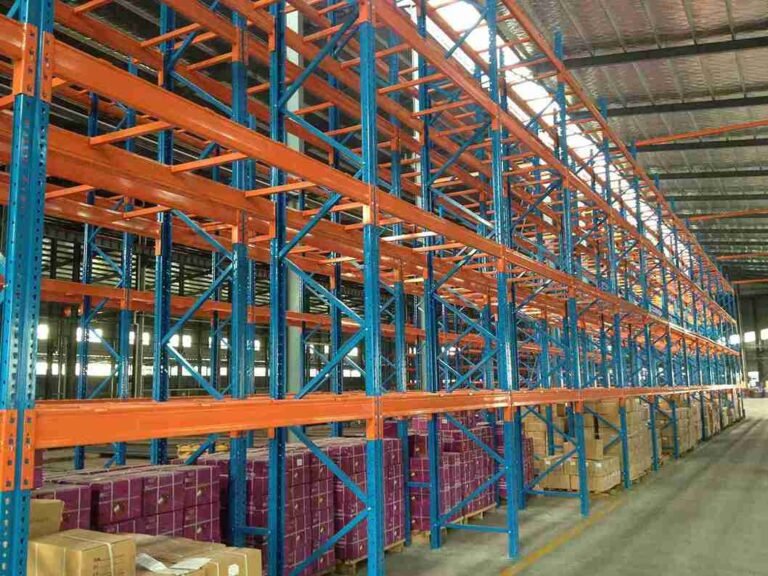
The backbone of any high-performing distribution center is its storage architecture. Among the various options available to facility designers, Standard Pallet Racking remains the most versatile and widely adopted solution across the globe. Whether a business is a burgeoning e-commerce startup in Mexico City or a massive third-party logistics (3PL) provider in Dubai, the reliance on Standard Pallet Racking is a common thread.
The reason for this ubiquity is simple: Standard Pallet Racking offers an unparalleled balance of accessibility, durability, and cost-efficiency. However, the process of selecting the correct Standard Pallet Racking involves far more than merely choosing the lowest-priced steel. It requires a deep dive into material science, mechanical engineering, and the specific velocity of e-commerce fulfillment.
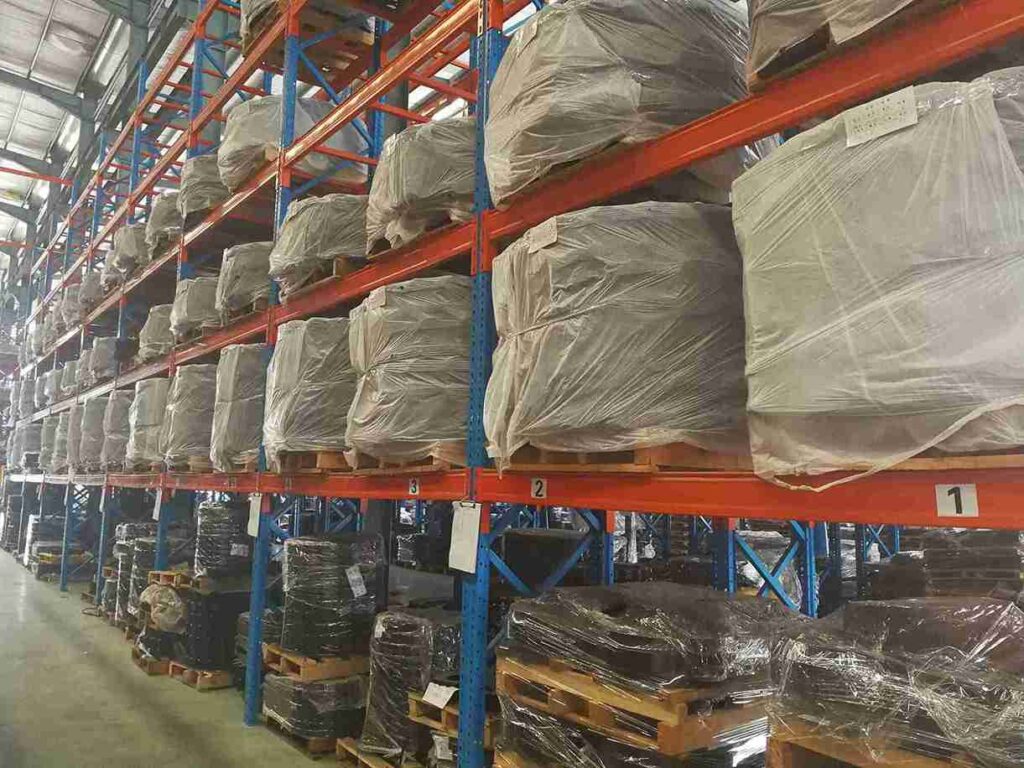
The Fundamental Role of Standard Pallet Racking in Global Supply Chains
The logistics industry perceives Standard Pallet Racking as the essential skeleton of the warehouse. Without a robust Standard Pallet Racking system, the efficiency of the entire supply chain is compromised. In regions like Southeast Asia, where the digital economy is expanding at an unprecedented rate, Standard Pallet Racking provides the necessary density to manage diverse SKU (Stock Keeping Unit) profiles. The adaptability of Standard Pallet Racking allows it to accommodate everything from heavy industrial machinery to lightweight consumer electronics, making it the go-to choice for multi-tenant logistics hubs.
When engineers discuss Standard Pallet Racking, they are referring to a system designed for maximum flexibility. The modular nature of Standard Pallet Racking means that as a company grows, its Standard Pallet Racking can grow with it. This scalability is particularly vital in emerging markets where capital expenditure must be carefully managed. By investing in a high-quality Standard Pallet Racking setup initially, businesses avoid the “rip-and-replace” costs associated with substandard equipment.
An In-Depth Analysis of Load Capacity in Standard Pallet Racking Systems
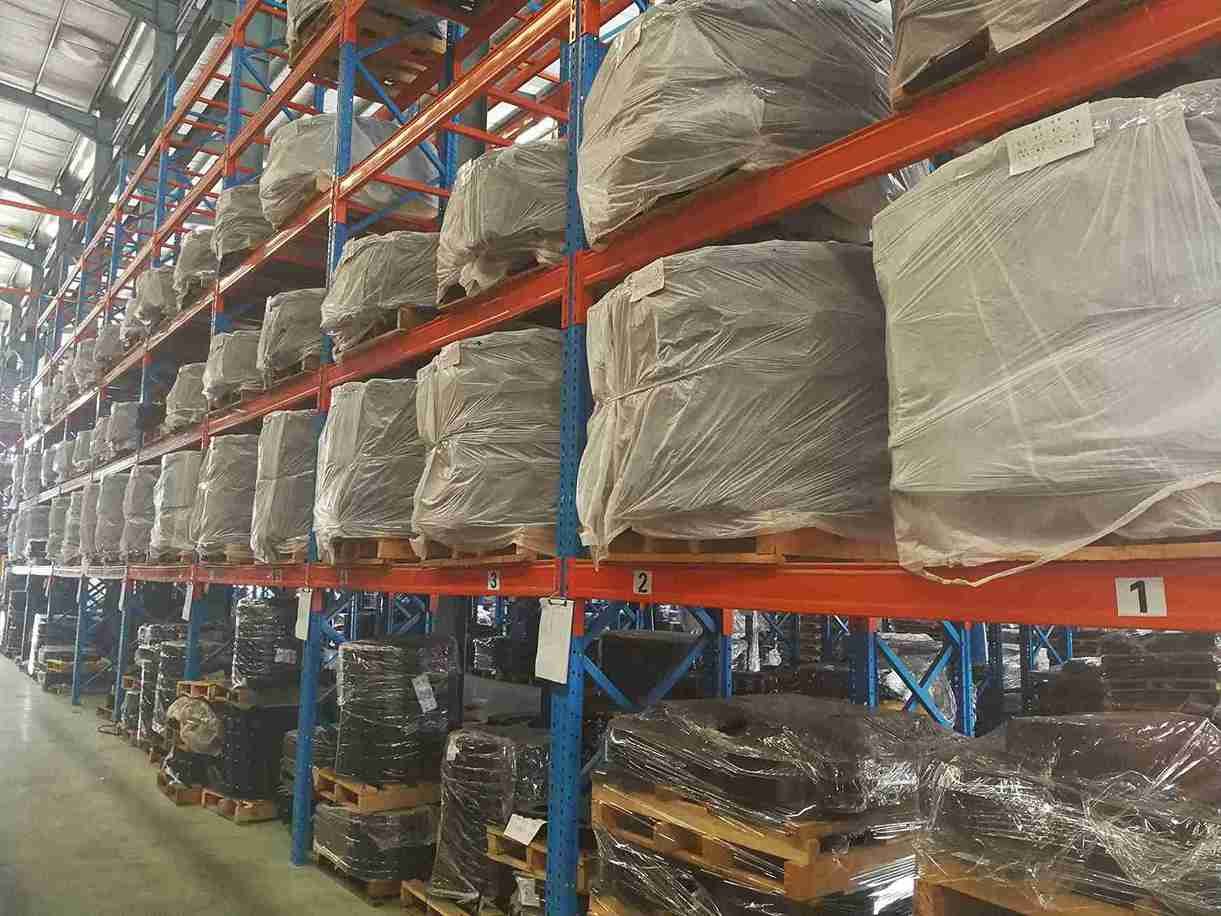
The most critical technical specification for any Standard Pallet Racking installation is its load capacity. A failure to accurately calculate the weight requirements for Standard Pallet Racking can lead to catastrophic structural collapse, resulting in property damage and, more importantly, a risk to human life. When we evaluate Standard Pallet Racking, we must distinguish between static loads and dynamic loads.
In a typical e-commerce environment, Standard Pallet Racking is subject to constant movement. The load capacity of Standard Pallet Racking is not just about the weight of the pallets; it is also about the impact force of forklifts or automated systems placing those pallets. Therefore, the uprights of the Standard Pallet Racking must be engineered to handle the vertical compression while the beams must resist horizontal deflection. A well-designed Standard Pallet Racking system will utilize high-tensile steel, such as Q235B or Q355, to ensure that the Standard Pallet Racking remains stable under peak seasonal inventory surges.
Furthermore, the “unsupported span” between beam levels significantly affects the total capacity of the Standard Pallet Racking frames. If a warehouse manager decides to increase the height between levels in their Standard Pallet Racking to accommodate taller goods, they effectively reduce the overall weight the Standard Pallet Racking can support. This is a common pitfall in logistics management that professional Standard Pallet Racking designers work to prevent through rigorous calculation and adherence to RMI (Rack Manufacturers Institute) or FEM standards.
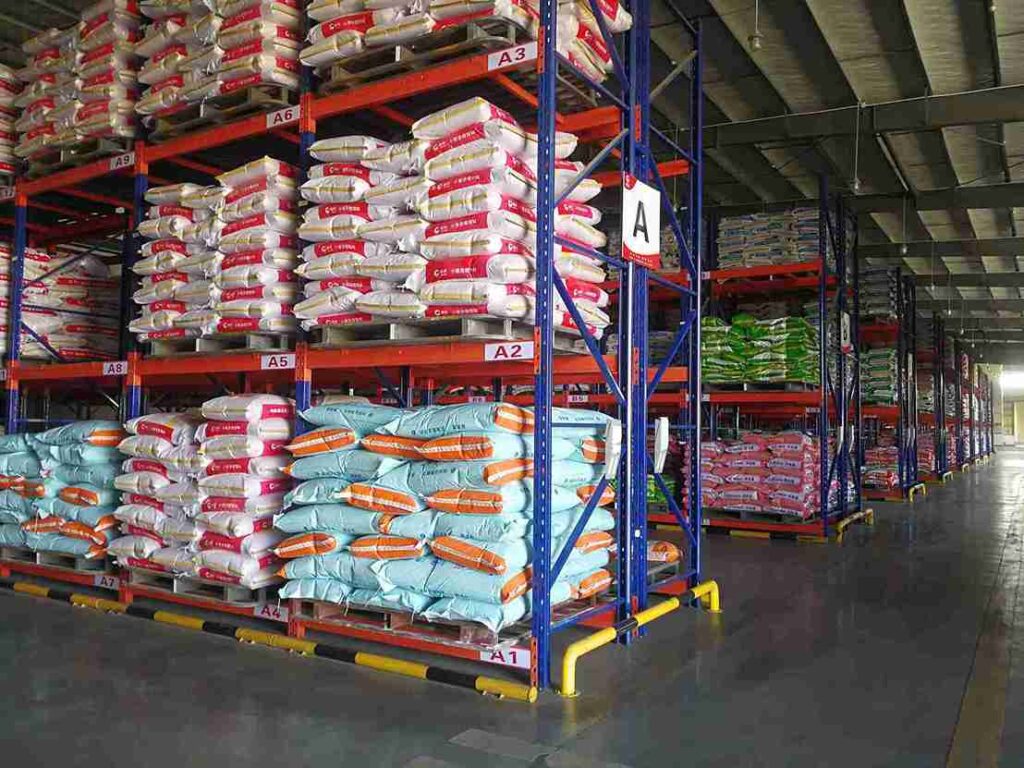
Economic Considerations: Achieving Cost-Effective Standard Pallet Racking Solutions
For many logistics enterprises in Africa and Latin America, the primary driver for purchasing Standard Pallet Racking is the initial cost. However, a truly cost-effective Standard Pallet Racking strategy considers the Total Cost of Ownership (TCO). A cheap Standard Pallet Racking system may save money upfront but often results in higher maintenance costs, frequent repairs due to forklift damage, and a shorter lifespan.
To achieve long-term savings with Standard Pallet Racking, it is essential to focus on durability. For instance, incorporating column protectors and end-of-aisle barriers into the Standard Pallet Racking layout can extend the life of the system by decades. When we look at the ROI (Return on Investment) of Standard Pallet Racking, we must consider the throughput efficiency. A Standard Pallet Racking configuration that allows for faster picking and fewer errors will ultimately be more cost-effective than a cramped, low-quality Standard Pallet Racking setup that hinders operational flow.
Moreover, the globalization of the supply chain has allowed for more competitive pricing on Standard Pallet Racking. By sourcing Standard Pallet Racking from manufacturers that utilize automated production lines, companies can benefit from high-precision components at lower price points. This mass-production capability ensures that every beam and upright in the Standard Pallet Racking system meets identical quality benchmarks, which is crucial for large-scale logistics deployments.
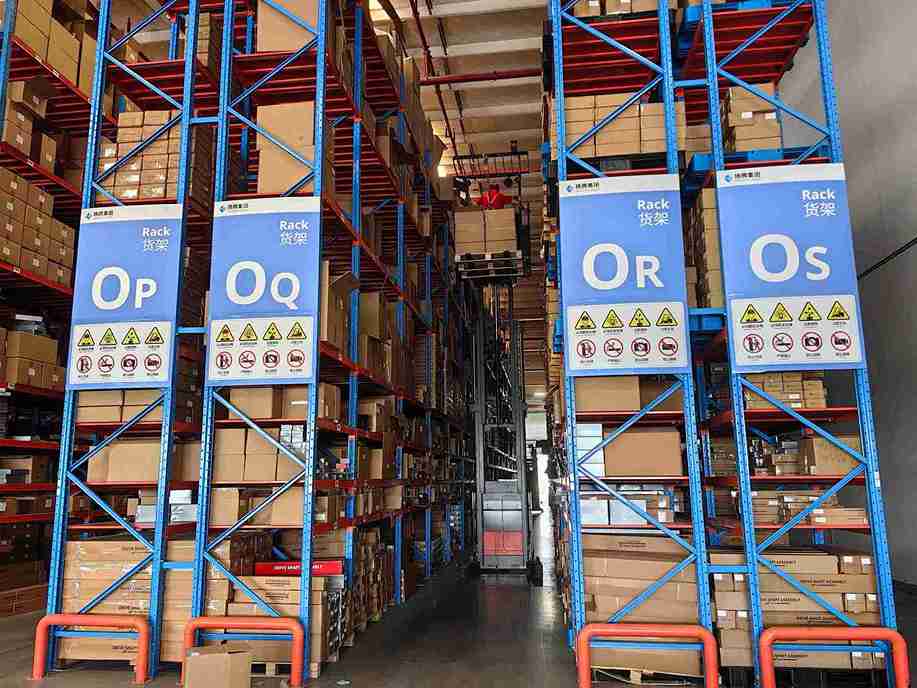
E-commerce Challenges: How Standard Pallet Racking Adapts to High Velocity
The rise of e-commerce has fundamentally changed the demands placed on Standard Pallet Racking. Unlike traditional retail storage where goods might sit for months, e-commerce demands that Standard Pallet Racking supports rapid turnover. In this context, Standard Pallet Racking must facilitate “100% selectivity,” meaning every pallet position is accessible at all times.
Selective Standard Pallet Racking is the most common subtype used in e-commerce fulfillment centers. The design of this Standard Pallet Racking allows for high SKU diversity, which is essential for platforms like Amazon or Shopee. Because e-commerce orders are often small and varied, the Standard Pallet Racking must often be integrated with “pick modules” or shelving levels at the lower reaches of the Standard Pallet Racking frames. This hybrid use of Standard Pallet Racking maximizes the utility of the warehouse floor space while catering to both palletized bulk stock and individual item picking.
Integrating Automation: The Evolution of Standard Pallet Racking into the Digital Age
As we move toward Industry 4.0, Standard Pallet Racking is no longer a “dumb” asset. In modern logistics hubs across the Middle East and Central Asia, Standard Pallet Racking is being designed specifically to work alongside Automated Guided Vehicles (AGVs) and unmanned forklifts. These automated systems require a level of precision in the Standard Pallet Racking installation that exceeds traditional human-operated requirements.
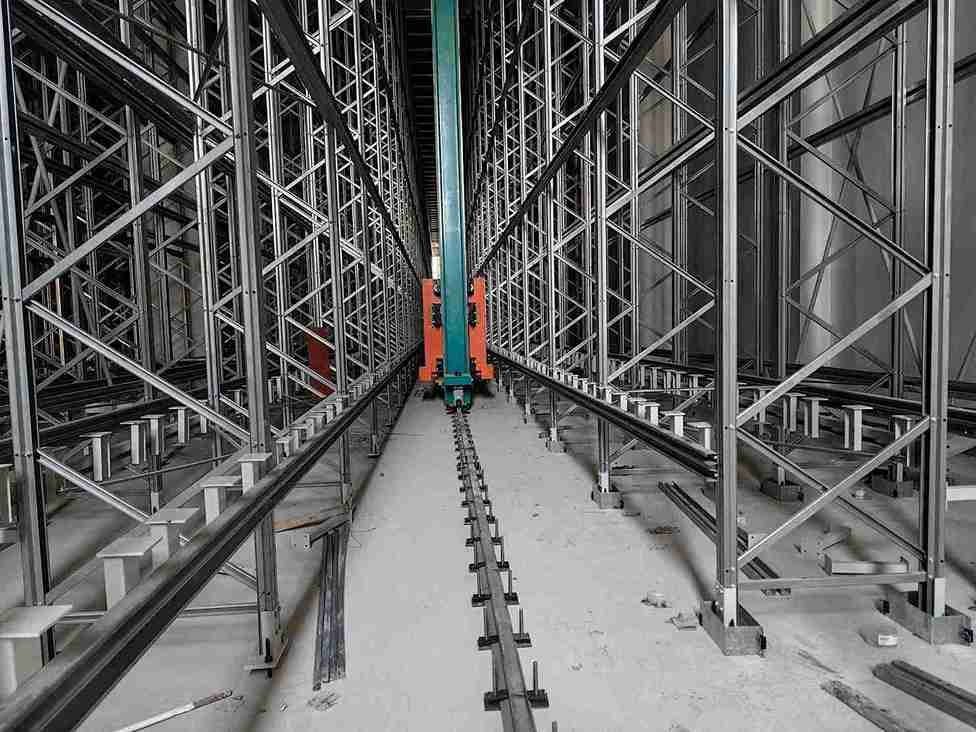
For an AGV to operate safely within a Standard Pallet Racking aisle, the tolerances for plumbness and leveling must be near perfect. If the Standard Pallet Racking is even slightly misaligned, the automated sensors may fail to correctly place or retrieve a pallet. Furthermore, the floor-to-rack interface must be exceptionally stable. High-quality Standard Pallet Racking manufacturers are now providing “automation-ready” systems that feature reinforced baseplates and specialized guidance rails, ensuring that the Standard Pallet Racking can transition from manual to automated use without major structural modifications.
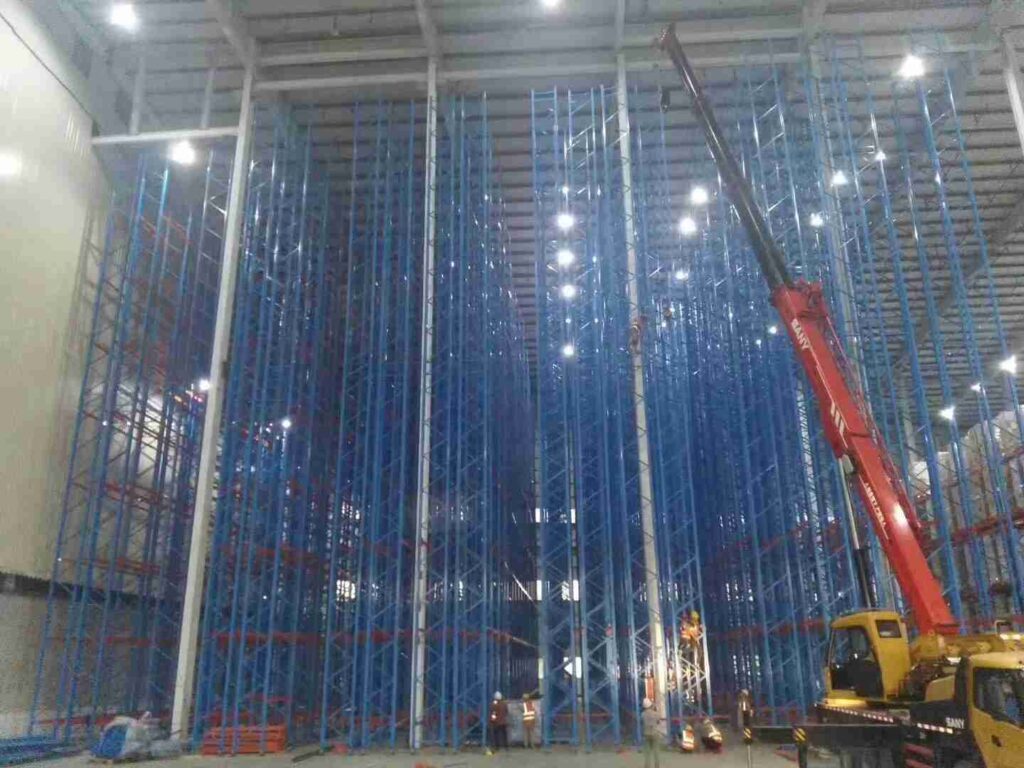
In more advanced scenarios, Standard Pallet Racking serves as the framework for Automated Storage and Retrieval Systems (AS/RS). In a stereoscopic or “high-bay” warehouse, the Standard Pallet Racking can reach heights of over 30 meters. At this scale, the Standard Pallet Racking must also act as part of the building’s structural support, often referred to as “rack-clad” buildings. This represents the pinnacle of Standard Pallet Racking engineering, where the racking itself supports the roof and walls of the warehouse.
Environmental Resilience: Protecting Standard Pallet Racking in Diverse Climates
The global nature of logistics means that Standard Pallet Racking must perform in a wide range of environmental conditions. In the humid, tropical climates of Southeast Asia, the biggest threat to Standard Pallet Racking is corrosion. Oxidation can weaken the steel of the Standard Pallet Racking, leading to a reduction in load capacity over time. To combat this, professional Standard Pallet Racking providers offer specialized finishes, such as hot-dip galvanization or high-durability powder coatings.
In seismic zones throughout Latin America and parts of Central Asia, Standard Pallet Racking must be designed to withstand earthquakes. This involves complex seismic calculations that determine the necessary bracing and anchoring for the Standard Pallet Racking. A seismic-certified Standard Pallet Racking system will use larger baseplates and additional diagonal bracing to dissipate the energy of a tremor. For any logistics company operating in a high-risk zone, investing in seismic-rated Standard Pallet Racking is an absolute necessity for business continuity and employee safety.
The Importance of Precision Installation for Standard Pallet Racking
One of the most overlooked aspects of warehouse management is the installation of the Standard Pallet Racking. Even the highest quality Standard Pallet Racking components will fail if they are not assembled correctly. Precision in the installation of Standard Pallet Racking ensures that loads are distributed evenly across the floor and that the structural integrity of the system is maintained.
During the installation of Standard Pallet Racking, professionals use laser-leveling tools to ensure that every row of Standard Pallet Racking is perfectly straight. This is not just for aesthetics; a crooked Standard Pallet Racking row creates internal stresses in the steel that can lead to premature failure. Furthermore, the use of proper safety pins and locking mechanisms in the Standard Pallet Racking beams is a non-negotiable step. Without these safety features, a forklift accidentally bumping a beam could dislodge it, causing a collapse of that section of the Standard Pallet Racking.
Standard Pallet Racking and the Optimization of Pick Paths
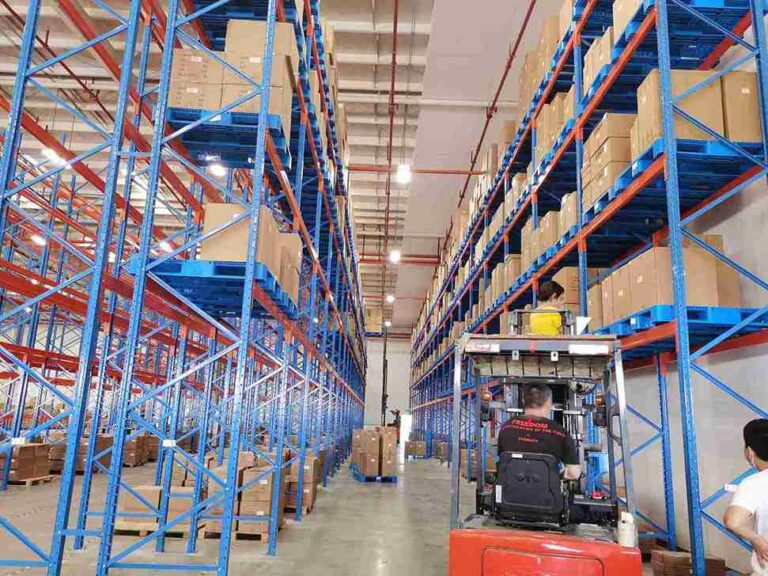
Efficiency in logistics is measured by the speed at which an order moves from the Standard Pallet Racking to the shipping dock. The layout of the Standard Pallet Racking significantly influences the “pick path”—the distance a worker or machine travels to fulfill an order. By strategically arranging Standard Pallet Racking into wide aisles, narrow aisles (VNA), or double-deep configurations, warehouse managers can drastically reduce travel time.
In a VNA (Very Narrow Aisle) Standard Pallet Racking setup, the aisles are minimized to create more room for storage. This requires specialized forklifts but can increase the storage density of the Standard Pallet Racking by up to 40%. For e-commerce companies dealing with thousands of small parcels, this extra density in the Standard Pallet Racking can be the difference between needing one warehouse or two, representing a massive cost saving in real estate and utilities.
Maintaining Your Investment: The Lifecycle of Standard Pallet Racking
A high-quality Standard Pallet Racking system should last for 20 to 30 years if properly maintained. Maintenance of Standard Pallet Racking begins with regular inspections. Logistics managers should look for signs of “rack lean,” dented uprights, or cracked welds in the Standard Pallet Racking. In the high-speed world of e-commerce, forklift collisions are almost inevitable, but the damage to Standard Pallet Racking must be addressed immediately.
Replacing a damaged component of the Standard Pallet Racking is a routine part of warehouse maintenance. Because Standard Pallet Racking is modular, a single upright or beam can be replaced without dismantling the entire row. This ease of maintenance is another reason why Standard Pallet Racking is considered a cost-effective solution for long-term logistics operations.
Future Trends: The Next Generation of Standard Pallet Racking
Looking forward, the design of Standard Pallet Racking continues to evolve. We are seeing the integration of IoT (Internet of Things) sensors directly into the Standard Pallet Racking structure. These sensors can monitor the “health” of the Standard Pallet Racking in real-time, detecting unusual vibrations or structural shifts before they become dangerous. This data-driven approach to Standard Pallet Racking management is becoming increasingly popular in high-tech logistics hubs in the Middle East.
Additionally, the sustainability of Standard Pallet Racking is becoming a focal point. Modern Standard Pallet Racking manufacturers are utilizing recycled steel and eco-friendly coating processes to reduce the carbon footprint of their products. As global brands prioritize “green logistics,” the environmental impact of their Standard Pallet Racking will become a key factor in their procurement decisions.
Customizing Standard Pallet Racking for Unique Inventory Needs
While it is called “Standard Pallet Racking,” the system is far from “one-size-fits-all.” Customization options for Standard Pallet Racking include various decking choices, such as wire mesh decks, timber slates, or steel panels. These additions to the Standard Pallet Racking allow for the storage of non-palletized goods, which is frequent in the e-commerce sector.
In some logistics warehouses, Standard Pallet Racking is fitted with “tunnel bays,” allowing forklifts to pass through the racking rows to save travel time. Other Standard Pallet Racking systems might include “back-to-back” ties to increase stability. The ability to customize Standard Pallet Racking ensures that it remains the most functional tool in the warehouse manager’s arsenal, capable of adapting to the specific physical characteristics of any inventory.
Conclusion
In conclusion, the selection of the right Standard Pallet Racking is a foundational decision that dictates the safety, efficiency, and scalability of a logistics operation. From the high-density requirements of modern e-commerce to the precision needed for AGV integration, Standard Pallet Racking proves its value through its inherent versatility. By prioritizing load capacity accuracy, investing in durable and cost-effective materials, and ensuring professional installation, businesses can leverage Standard Pallet Racking to achieve a significant competitive advantage.
As the logistics landscapes in Southeast Asia, the Middle East, Africa, and Latin America continue to mature, Standard Pallet Racking will remain the essential infrastructure that supports the flow of global commerce. Whether you are building a traditional manual warehouse or a cutting-edge stereoscopic automated facility, the principles of high-quality Standard Pallet Racking design remain the same: strength, flexibility, and a commitment to operational excellence.
Frequently Asked Questions (FAQ)
1. What determines the beam length in a Standard Pallet Racking system?
The beam length in Standard Pallet Racking is primarily determined by the width of the pallets being stored and the required clearance between them. Typically, a Standard Pallet Racking beam is designed to hold two pallets, with a 100mm gap between the pallets and the uprights to ensure safe loading and unloading by forklift operators.
2. How does a VNA (Very Narrow Aisle) system differ from a traditional Standard Pallet Racking setup?
A VNA system is essentially a Standard Pallet Racking configuration where the aisle width is reduced to roughly 1.5 to 1.8 meters. This is significantly narrower than the 3+ meters required for a standard forklift. While the Standard Pallet Racking components remain similar, VNA requires specialized “swing-reach” trucks or guided automated systems to operate within the tight constraints.
3. Is it possible to relocate an existing Standard Pallet Racking system to a new warehouse?
Yes, one of the primary benefits of Standard Pallet Racking is its modularity. Standard Pallet Racking can be dismantled, transported, and reassembled in a new location. However, it is vital to have the Standard Pallet Racking inspected during this process to ensure no components were damaged during transit and that the new floor can support the Standard Pallet Racking load requirements.
4. What safety accessories are essential for a high-traffic Standard Pallet Racking installation?
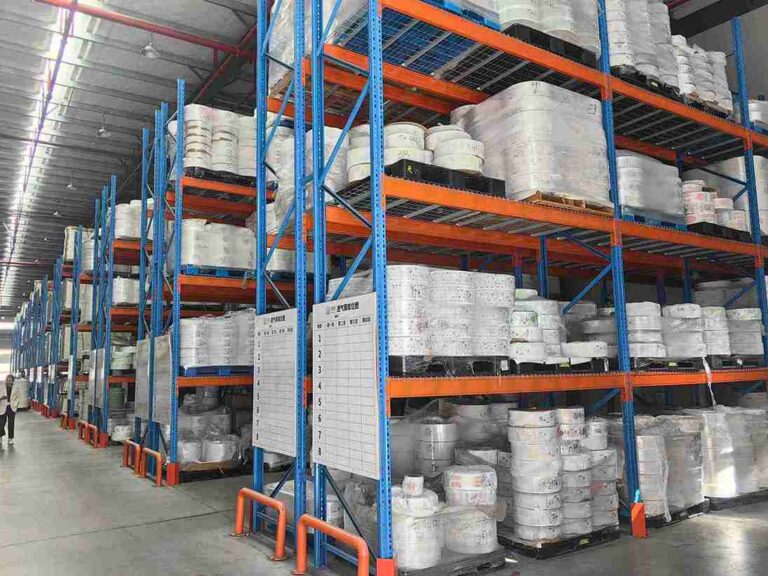
For any Standard Pallet Racking system in a busy e-commerce environment, we recommend at least three key accessories: upright protectors (to absorb forklift impacts), safety mesh or back-stops (to prevent pallets from falling out the back of the Standard Pallet Racking), and load signs that clearly state the maximum capacity for every level of the Standard Pallet Racking.
5. How often should a Standard Pallet Racking system be inspected by a professional?
While warehouse staff should perform daily visual checks, a formal, professional inspection of the Standard Pallet Racking should occur at least once every 12 months. In high-velocity e-commerce hubs where the Standard Pallet Racking is under constant use, semi-annual inspections are often preferred to maintain the highest safety standards and comply with local labor regulations.
If you require perfect CAD drawings and quotes for warehouse racking, please contact us. We can provide you with free warehouse racking planning and design services and quotes. Our email address is: jili@geelyracks.com