📐"前 50 个企业查询可获得定制 3D 仓库设计" 计划















Advanced Engineering and Optimization of Drive-in Racking Systems for Regulated Warehousing
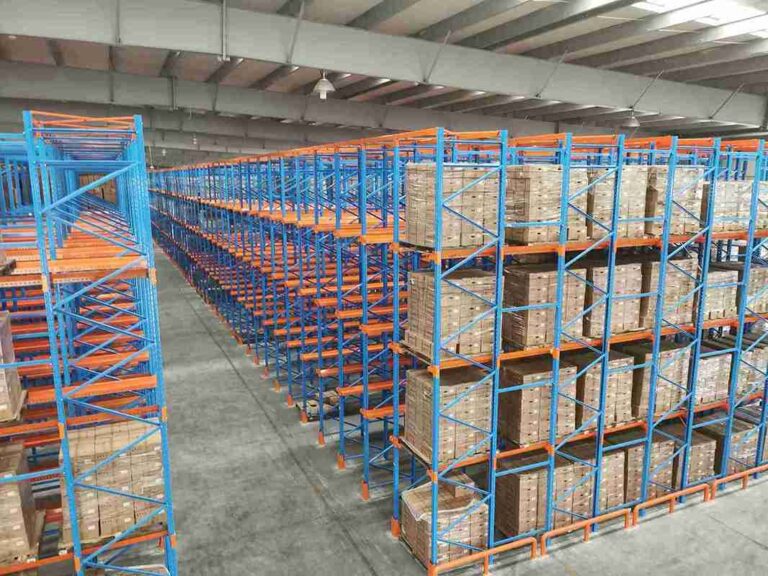
In modern logistics environments where compliance, density, and efficiency must coexist, Drive-in Racking Systems are no longer treated as standard storage equipment—they are engineered infrastructure. For food & beverage and pharmaceutical warehouses, the design, specification, and implementation of Drive-in Racking Systems require a deep understanding of regulatory frameworks, operational workflows, and long-term scalability.
A well-designed Drive-in Racking System does not simply increase pallet positions; it restructures how space is utilized, how inventory flows, and how compliance is maintained. In high-demand global markets, companies that invest in optimized Drive-in Racking Systems gain a measurable advantage in cost control and operational efficiency.
Structural Design Principles Behind High-Performance Drive-in Racking Systems
Professional manufacturers approach Drive-in Racking Systems as load-bearing structures rather than modular shelving. Every Drive-in Racking System must be calculated based on precise engineering parameters, including:
- Static and dynamic load distribution
- Forklift impact resistance
- Seismic compliance (especially in regions like Latin America and Southeast Asia)
- Steel grade and thickness optimization
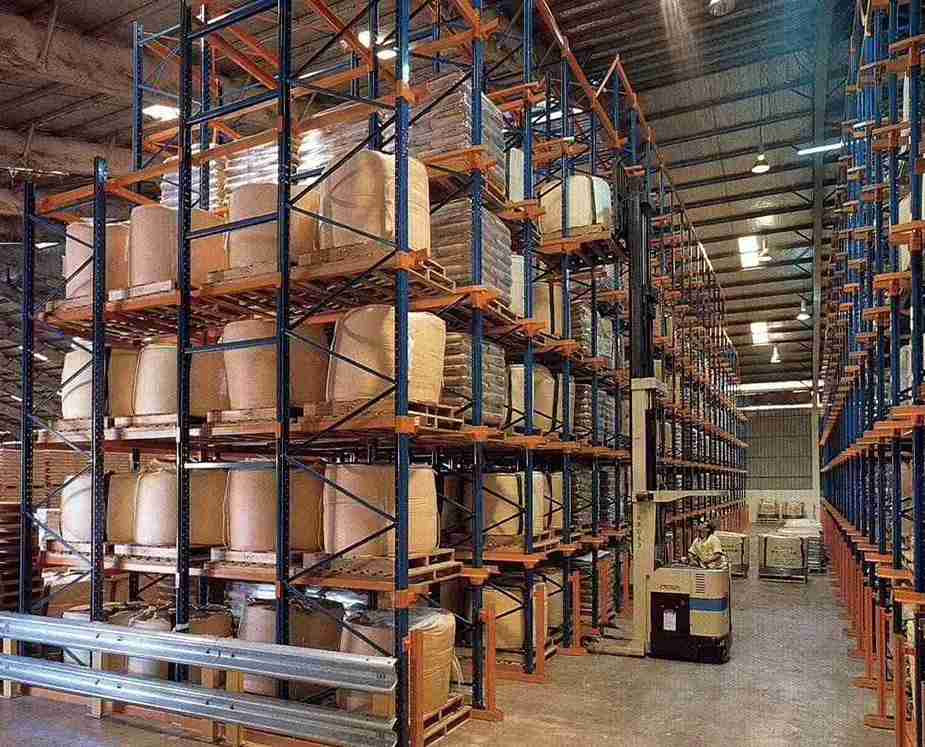
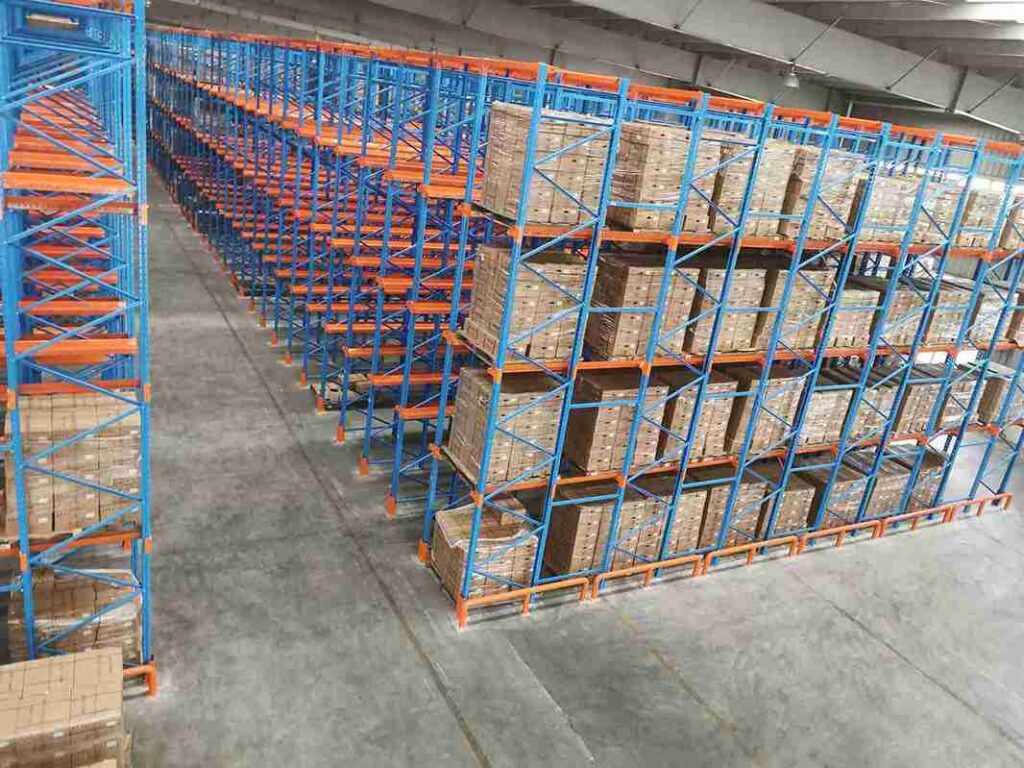
Each Drive-in Racking System is designed to withstand years of heavy-duty use while maintaining structural integrity. Unlike selective racking, Drive-in Racking Systems must support continuous forklift entry, which introduces additional stress factors.
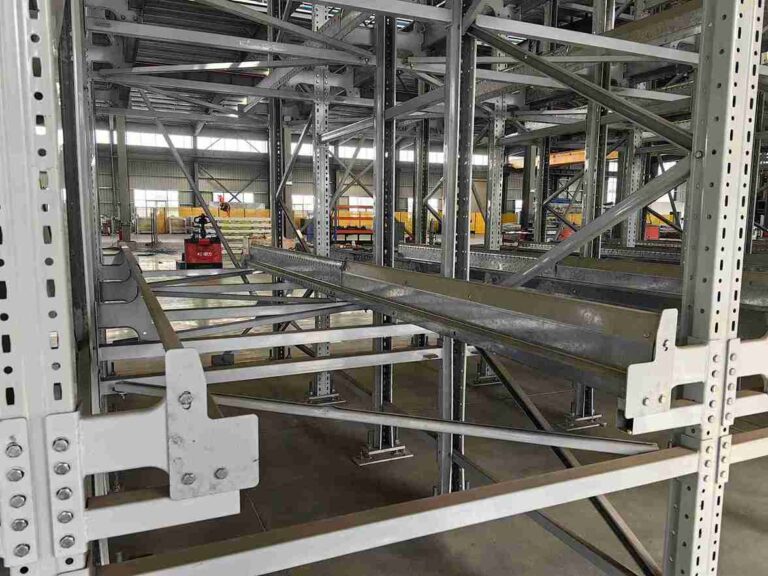
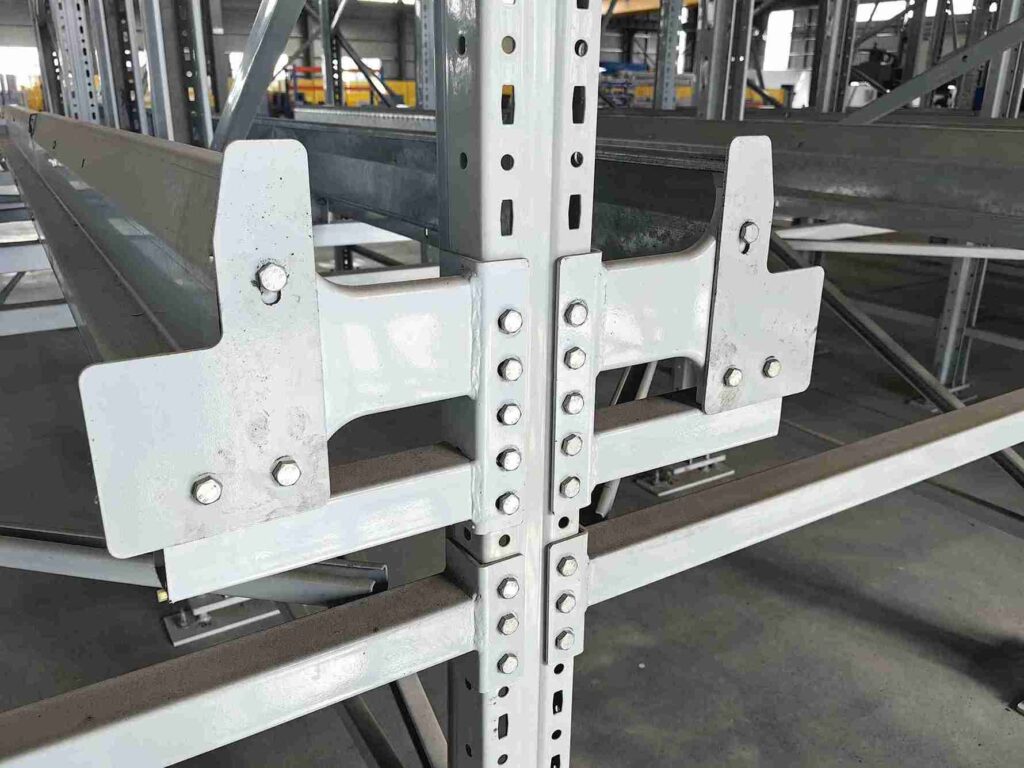
Because of this, premium Drive-in Racking Systems incorporate reinforced uprights, heavy-duty rail beams, and advanced bracing systems. These features ensure that the Drive-in Racking System remains stable even under intensive operational conditions.
Material Selection and Surface Treatment for Drive-in Racking Systems
Material quality directly impacts the lifespan and safety of Drive-in Racking Systems. For food and pharmaceutical environments, manufacturers prioritize:
- High-grade cold-rolled steel
- Anti-corrosion coatings (powder coating or hot-dip galvanization)
- Smooth surface finishing for hygiene compliance
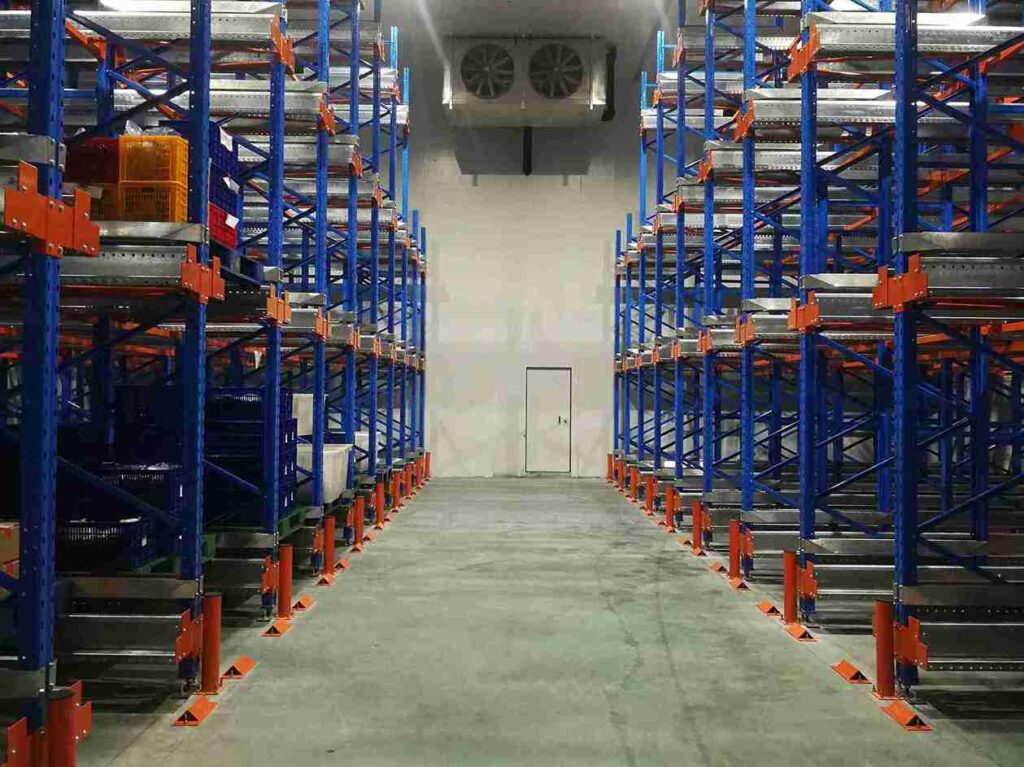
A properly treated Drive-in Racking System resists moisture, chemical exposure, and temperature fluctuations. This is particularly critical in cold storage environments, where Drive-in Racking Systems must maintain performance at sub-zero temperatures.
高级 Drive-in Racking Systems are often equipped with galvanized components to prevent rust, ensuring that the Drive-in Racking System meets both ISO and GMP requirements.
Drive-in Racking Systems in Cold Chain Logistics
Cold chain logistics presents one of the most demanding applications for Drive-in Racking Systems. In these environments, warehouse operators rely on Drive-in Racking Systems to maximize storage density while minimizing energy consumption.
Temperature Resistance and Structural Stability
A cold storage Drive-in Racking System must withstand extreme conditions without compromising safety. Steel brittleness, condensation, and frost accumulation are key challenges.
To address these issues, specialized Drive-in Racking Systems include:
- Low-temperature resistant steel
- Frost-resistant coatings
- Optimized airflow design
These features ensure that the Drive-in Racking System performs reliably even in frozen food warehouses.
Energy Efficiency Through High-Density Storage
By reducing aisle space, Drive-in Racking Systems significantly decrease the volume of air that needs to be cooled. This makes the Drive-in Racking System an energy-efficient solution for refrigerated warehouses.
Companies using Drive-in Racking Systems in cold storage often report:
- Lower energy costs
- Increased pallet capacity
- Improved operational efficiency
Optimizing Drive-in Racking Systems for Pharmaceutical Storage
Pharmaceutical warehouses demand precision, cleanliness, and traceability. While Drive-in Racking Systems operate on a LIFO basis, they can still be optimized for regulated environments.
Cleanroom Compatibility and Hygiene Standards
A pharmaceutical-grade Drive-in Racking System must support strict hygiene protocols. Smooth surfaces, minimal dust accumulation, and easy cleaning are essential.
High-end Drive-in Racking Systems are designed with:
- Seamless welding
- Anti-bacterial coatings
- Reduced dirt traps
These features ensure that the Drive-in Racking System complies with GMP guidelines.
Integration with Warehouse Management Systems (WMS)
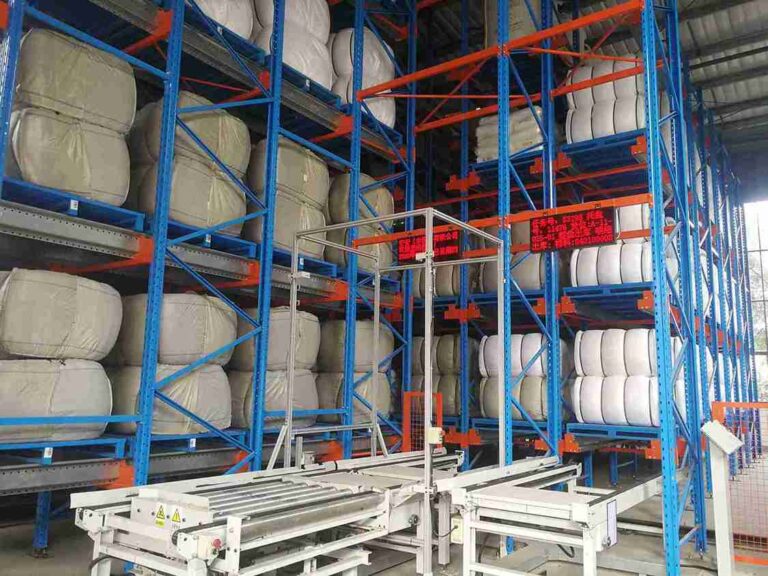
现代 Drive-in Racking Systems can be integrated with digital tracking systems. By combining Drive-in Racking Systems with WMS software, warehouses can:
- Track batch numbers
- Monitor expiration dates
- Maintain full traceability
This integration enhances the functionality of the Drive-in Racking System, making it suitable even for sensitive pharmaceutical applications.
Customization Strategies for Drive-in Racking Systems
Every warehouse has unique requirements, which means that Drive-in Racking Systems must be fully customizable.
Layout Optimization
The configuration of a Drive-in Racking System depends on:
- Warehouse dimensions
- Pallet size and weight
- Throughput requirements
A customized Drive-in Racking System maximizes both storage density and operational efficiency.
Forklift Compatibility
Different forklifts require different aisle widths and turning radii. Therefore, each Drive-in Racking System must be designed to match the equipment used on-site.
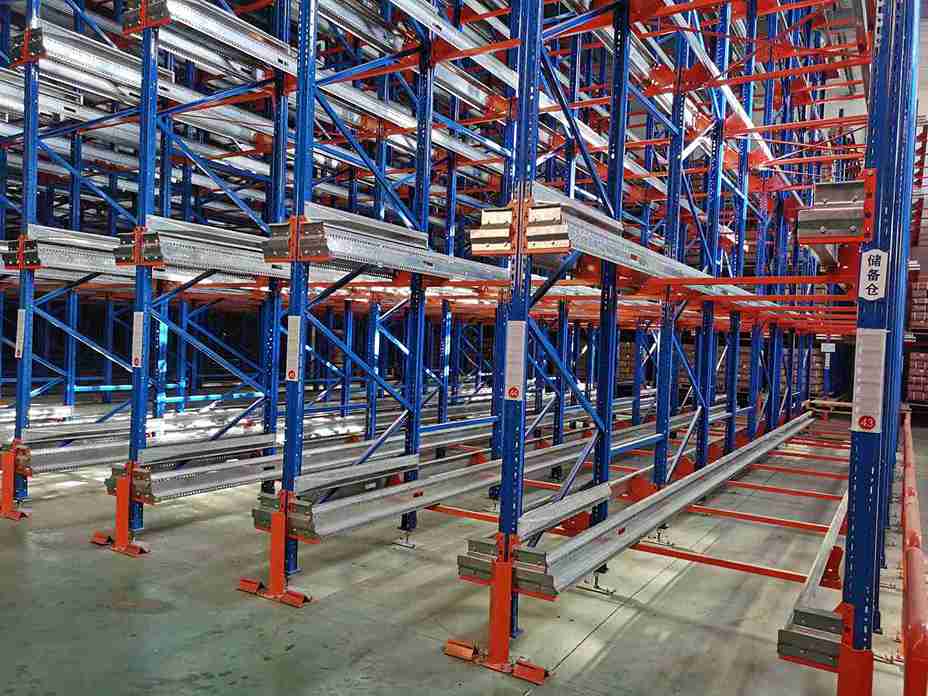
Well-designed Drive-in Racking Systems include guide rails and impact protection systems to ensure safe forklift operation.
Drive-in Racking Systems vs. Alternative Storage Solutions
When evaluating storage options, decision-makers often compare Drive-in Racking Systems with other solutions such as:
- 选择性托盘货架
- Shuttle racking systems
- Automated storage systems
Why Choose Drive-in Racking Systems
Compared to alternatives, Drive-in Racking Systems offer:
- Higher storage density
- Lower initial investment
- Simpler operation
For businesses prioritizing cost efficiency and bulk storage, Drive-in Racking Systems remain the preferred choice.
Safety Enhancements in Modern Drive-in Racking Systems
Safety is a critical consideration in the design of Drive-in Racking Systems.
Impact Protection and Structural Reinforcement
高级 Drive-in Racking Systems include:
- Upright protectors
- Guide rails
- Reinforced load beams
These features reduce the risk of damage and extend the lifespan of the Drive-in Racking System.
Compliance with International Safety Standards
每一个 Drive-in Racking System must comply with international safety codes. Regular inspections and maintenance ensure that the Drive-in Racking System continues to operate safely over time.
Cost Analysis and ROI of Drive-in Racking Systems
投资 Drive-in Racking Systems delivers strong returns over time.
Initial Investment vs Long-Term Value
While the upfront cost of a Drive-in Racking System depends on customization, the long-term benefits include:
- Reduced warehouse expansion costs
- Lower operational expenses
- Increased storage capacity
Reducing Cost per Pallet Position
One of the main advantages of Drive-in Racking Systems is the reduction in cost per pallet. By maximizing space utilization, the Drive-in Racking System delivers superior ROI.
Global Project Experience with Drive-in Racking Systems
Across Southeast Asia, the Middle East, Africa, and Latin America, companies are adopting Drive-in Racking Systems to improve warehouse performance.
International projects involving Drive-in Racking Systems typically focus on:
- High-density storage
- Compliance with local regulations
- Cost optimization
Experienced suppliers deliver Drive-in Racking Systems tailored to regional requirements, ensuring smooth project execution.
Future Trends in Drive-in Racking Systems
The evolution of Drive-in Racking Systems is closely linked to advancements in warehouse automation and smart logistics.
Semi-Automated Drive-in Racking Systems
Hybrid solutions combining Drive-in Racking Systems with automation technologies are becoming increasingly popular.
Data-Driven Warehouse Optimization
By integrating Drive-in Racking Systems with data analytics tools, businesses can further optimize storage efficiency.
结论
In global supply chains where efficiency, compliance, and scalability are essential, Drive-in Racking Systems stand out as a proven solution. From cold storage to pharmaceutical warehouses, Drive-in Racking Systems provide unmatched storage density and operational reliability.
Organizations that invest in professionally engineered Drive-in Racking Systems benefit from long-term cost savings, improved warehouse performance, and full compliance with international standards. As demand for high-density storage continues to grow, Drive-in Racking Systems will remain a cornerstone of modern warehousing strategies.
常见问题(FAQ)
1. How do Drive-in Racking Systems improve warehouse efficiency?
They reduce aisle space and increase storage density, allowing more pallets to be stored within the same footprint.
2. Are Drive-in Racking Systems suitable for cold storage?
Yes, they are widely used in cold chain logistics due to their high-density design.
3. What industries benefit most from Drive-in Racking Systems?
Food & beverage, pharmaceuticals, FMCG, and bulk storage industries.
4. Can Drive-in Racking Systems be customized?
Yes, they can be tailored to specific warehouse layouts and operational requirements.
5. What factors affect the cost of Drive-in Racking Systems?
Material quality, design complexity, warehouse size, and installation requirements.
如果您需要完美的 CAD 图纸和仓库货架报价、, 请联系我们. 我们可以为您提供免费的仓库货架规划、设计服务和报价。我们的电子邮件地址是 jili@geelyracks.com