📐 "First 50 Enterprise Queries Get Custom 3D Warehouse Design" Plan


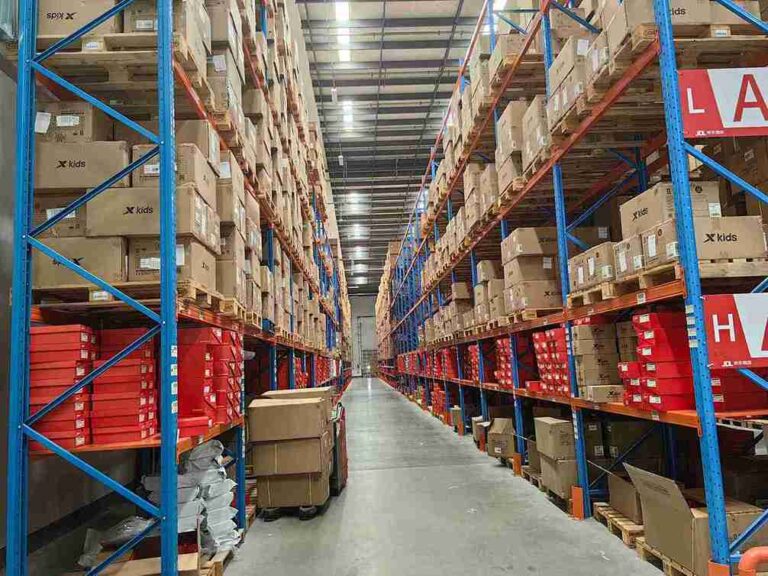
In today’s competitive logistics landscape, the strategic implementation of optimized shelf racking for warehouses represents the most significant opportunity for operations to dramatically improve storage capacity without expanding their physical footprint. This comprehensive analysis explores the engineering principles, configuration strategies, and economic considerations that define successful high-density storage projects centered around professional-grade shelf racking for warehouses. Operations managers, warehouse designers, and logistics professionals will find detailed methodologies for transforming storage environments through precisely engineered shelf racking for warehouses that addresses both current operational requirements and future scalability needs.
Shelf Racking for Warehouses The Critical Link Between Storage Density and Operational Economics
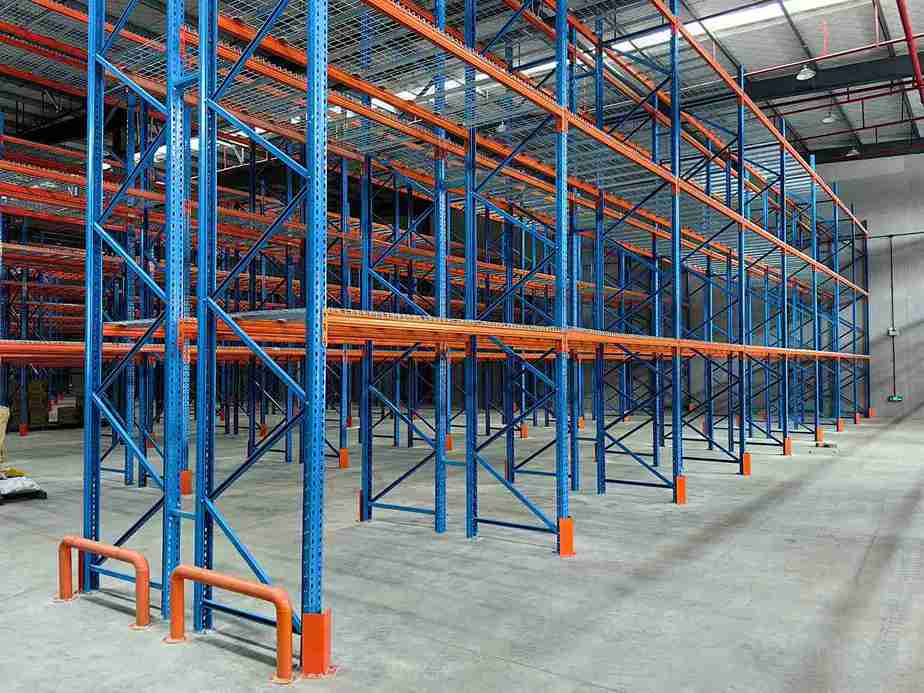
The relationship between properly configured shelf racking for warehouses and operational profitability demonstrates direct correlation across multiple performance metrics. Operations implementing optimized shelf racking for warehouses solutions typically report 25-40% improvements in storage utilization, creating substantial financial advantages through better utilization of existing real estate assets.
Shelf Racking for Warehouses The True Cost of Underutilized Vertical Space
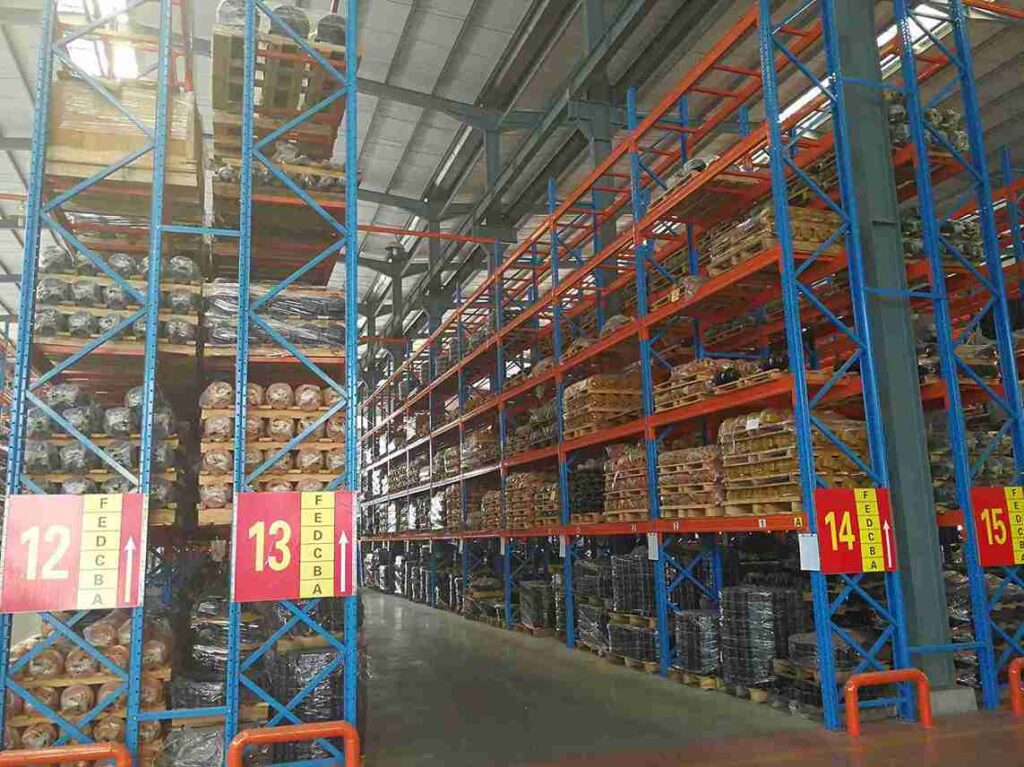
Conventional storage approaches frequently ignore the economic potential contained within a facility’s cubic volume. Professional-grade shelf racking for warehouses specifically addresses this opportunity through engineered vertical storage solutions that systematically capture unused airspace. The financial implications extend beyond simple storage metrics, influencing energy consumption, equipment requirements, and labor productivity. Operations implementing comprehensive shelf racking for warehouses strategies report significant reductions in their cost-per-pallet-stored metrics, often realizing full return on investment within 18-24 months through avoided expansion costs and improved operational throughput.
Shelf Racking for Warehouses Operational Efficiency Metrics in High-Density Environments
The transition to optimized shelf racking for warehouses creates measurable improvements in multiple operational dimensions. Order picking cycles typically accelerate by 15-30% due to reduced travel distances between picks. Inventory accuracy improves through more organized storage protocols enabled by properly configured shelf racking for warehouses. Safety incident rates frequently decline as high-density shelf racking for warehouses solutions eliminate cluttered aisles and create defined material pathways. These cumulative benefits position strategically implemented shelf racking for warehouses as a comprehensive operational improvement methodology rather than simply a storage solution.
Shelf Racking for Warehouses Engineering Principles Behind Heavy-Duty Storage Systems
The structural integrity of any shelf racking for warehouses installation depends on fundamental engineering principles that dictate load capacity, seismic resilience, and long-term durability. Understanding these technical foundations enables operations professionals to specify appropriate shelf racking for warehouses solutions matched to their specific operational requirements.
Structural Dynamics and Load Distribution Mechanics
Professional-grade shelf racking for warehouses employs sophisticated engineering approaches to manage substantial weight distributions across multiple vertical levels. The structural mathematics governing beam deflection, upright compression strength, and connection point integrity differentiate industrial-grade shelf racking for warehouses from commercial shelving alternatives. Engineering specifications for heavy-duty shelf racking for warehouses typically include detailed calculations for uniform distributed loading, concentrated loading scenarios, and dynamic impact factors from material handling equipment. These precise engineering parameters ensure that implemented shelf racking for warehouses solutions provide appropriate safety margins under actual operating conditions.
Material Science and Manufacturing Standards
The production quality of components used in shelf racking for warehouses directly influences system performance and service life. Industrial-grade shelf racking for warehouses utilizes high-strength steel alloys with yield strengths typically ranging from 34,000 to 50,000 psi, substantially exceeding conventional shelving materials. Manufacturing processes for professional shelf racking for warehouses include robotic welding, precision punching, and standardized powder coat finishing that provides consistent corrosion resistance. These material and manufacturing specifications create the foundation for reliable shelf racking for warehouses capable of withstanding the demanding conditions of industrial storage environments.
Comprehensive Configuration Analysis for Maximum Density
Achieving optimal storage density requires systematic analysis of inventory characteristics, material flow patterns, and operational requirements. This analytical approach ensures that selected shelf racking for warehouses configurations precisely match specific storage applications.
Inventory Profiling Methodology
The foundation of any successful shelf racking for warehouses project begins with comprehensive inventory analysis. This process categorizes stock keeping units by physical dimensions, weight profiles, turnover velocity, and special handling requirements. This detailed profiling informs critical decisions regarding shelf racking for warehouses configuration, including beam elevations, decking selections, and aisle specifications. Operations implementing data-driven shelf racking for warehouses configurations typically achieve 15-25% better space utilization compared to conventional approaches using standardized rack layouts.
Selective Pallet Racking Systems
As the most versatile configuration of shelf racking for warehouses, selective pallet systems provide direct accessibility to every stored pallet while offering substantial density improvements over conventional storage approaches. The flexibility of selective shelf racking for warehouses enables operations to accommodate multiple pallet sizes within the same system and reconfigure storage layouts as inventory profiles evolve. When paired with appropriate material handling equipment, selective shelf racking for warehouses can utilize facility clear heights up to 45 feet, dramatically increasing storage capacity within existing footprints.
High-Density Storage Configurations
For operations storing larger quantities of fewer SKUs, specialized configurations of shelf racking for warehouses provide substantially increased storage density. Drive-in shelf racking for warehouses creates storage lanes where forklifts operate within the rack structure, reducing aisle requirements by up to 70% compared to selective configurations. Push-back shelf racking for warehouses utilizes inclined cart systems that nest multiple pallets deep while maintaining selectivity within each storage lane. These specialized implementations of shelf racking for warehouses typically double or triple storage density for appropriate inventory categories.
<h2>Integration With Modern Material Handling Technologies</h2>
The performance of any shelf racking for warehouses installation depends significantly on its integration with material handling equipment and operational technologies. This integration creates synergistic improvements in both storage density and operational throughput.
Equipment Interface Specifications
The operational efficiency of shelf racking for warehouses directly correlates with the material handling equipment deployed within the facility. Narrow-aisle forklifts specifically designed for use with high-density shelf racking for warehouses can reduce aisle widths to 6-7 feet, substantially increasing storage capacity. Very-narrow-aisle equipment designed for use with specialized shelf racking for warehouses configurations can further reduce aisle requirements to the width of the load plus necessary clearances. These equipment partnerships enable operations to maximize the density potential of their shelf racking for warehouses investments.
Automated Storage and Retrieval Systems
The integration of shelf racking for warehouses with automated storage technologies represents the pinnacle of storage density and operational efficiency. Automated shelf racking for warehouses systems utilize computer-controlled cranes or shuttles to store and retrieve loads within extremely narrow aisles, typically just inches wider than the load itself. These automated implementations of shelf racking for warehouses can increase storage density by up to 80% compared to conventional manual systems while simultaneously improving inventory accuracy and reducing labor requirements.
Safety Engineering and Risk Management Protocols
The substantial weights and heights involved in high-density shelf racking for warehouses installations require rigorous safety protocols and systematic risk management approaches to ensure operational security.
Structural Integrity Assurance
Maintaining the structural integrity of shelf racking for warehouses requires systematic inspection protocols and damage response procedures. Professional operations implement formal inspection schedules for their shelf racking for warehouses that include documented weekly visual assessments, quarterly formal evaluations, and comprehensive annual inspections by qualified engineers. These systematic approaches to shelf racking for warehouses maintenance identify potential issues before they compromise system integrity, ensuring continuous operational safety.
Load Management and Seismic Considerations
Proper loading procedures for shelf racking for warehouses require strict adherence to engineered capacity specifications and weight distribution principles. Operations must implement clear protocols ensuring that loads placed within shelf racking for warehouses do not exceed rated capacities and are properly positioned to prevent instability. In seismic zones, specialized engineering of shelf racking for warehouses includes additional bracing, connection reinforcements, and load placement strategies that maintain system stability during seismic events.
Financial Analysis and Return on Investment Calculations
The economic justification for investing in optimized shelf racking for warehouses requires comprehensive financial analysis that captures both direct and indirect benefits across the operation.
Total Cost of Ownership Modeling
Sophisticated financial analysis of shelf racking for warehouses investments extends beyond initial purchase prices to include installation costs, ongoing maintenance requirements, and potential reconfiguration expenses. This comprehensive approach to evaluating shelf racking for warehouses investments provides operations with accurate projections of payback periods and lifetime value. Typically, professionally implemented shelf racking for warehouses solutions demonstrate complete return on investment within 18-36 months through combined savings in real estate, labor, and improved operational throughput.
Strategic Value Beyond Storage Metrics
The strategic benefits of optimized shelf racking for warehouses extend beyond simple storage capacity calculations. Operations utilizing properly configured shelf racking for warehouses experience improved inventory accuracy, faster order cycle times, and enhanced scalability to accommodate business growth. These strategic advantages position operations with advanced shelf racking for warehouses solutions for competitive advantage in their markets, enabling faster response to customer demands with lower operational costs.
Implementation Methodology and Project Management
Successful deployment of high-density shelf racking for warehouses requires disciplined project management and systematic implementation approaches to minimize operational disruption while achieving project objectives.
Phased Deployment Strategies
Professional implementations of shelf racking for warehouses typically utilize phased approaches that maintain operational continuity throughout the project timeline. This methodology for installing shelf racking for warehouses involves sequential installation zones, temporary relocation of inventory, and systematic commissioning of completed sections. This approach to deploying shelf racking for warehouses minimizes operational disruption while ensuring proper installation quality across the entire project scope.
Commissioning and Performance Validation
The final phase of any shelf racking for warehouses installation involves comprehensive commissioning and performance validation to ensure the system meets all design specifications and operational requirements. This process for shelf racking for warehouses includes load testing, equipment interface verification, and operator training to ensure safe and efficient system utilization. Properly commissioned shelf racking for warehouses installations deliver consistent performance across their service life, providing reliable storage infrastructure supporting daily operations.
Conclusion: Strategic Advantages of Optimized Storage Infrastructure
The implementation of professionally engineered shelf racking for warehouses represents one of the most impactful investments operations can make to improve storage density, operational efficiency, and economic performance. The systematic approach to planning, configuring, and implementing shelf racking for warehouses detailed in this analysis provides a roadmap for operations seeking to maximize their storage potential. Through appropriate application of the principles governing high-density shelf racking for warehouses, operations can transform their storage environments into strategic assets that support business objectives and create sustainable competitive advantage in increasingly demanding markets.
Frequently Asked Questions (FAQs)
What technical documentation should operations require from suppliers of shelf racking for warehouses?
Professional suppliers of shelf racking for warehouses should provide certified load tables, engineering calculations, installation specifications, and compliance documentation. This technical documentation for shelf racking for warehouses ensures the system meets all relevant safety standards and performance requirements.
How does the procurement process for specialized shelf racking for warehouses differ from standard storage equipment?
The procurement process for specialized shelf racking for warehouses typically involves detailed site surveys, engineering reviews, and custom fabrication timelines. Unlike standard storage products, professional shelf racking for warehouses requires precise configuration to specific operational requirements and facility parameters.
What building infrastructure considerations impact the design of shelf racking for warehouses?
The design of shelf racking for warehouses must account for floor flatness specifications, column locations, overhead clearances, and sprinkler system requirements. These building infrastructure elements directly influence the configuration and capacity of implemented shelf racking for warehouses solutions.
How do operations manage inventory transition during implementation of new shelf racking for warehouses?
Successful transitions to new shelf racking for warehouses typically involve detailed migration plans that sequence product movement, maintain inventory accessibility, and minimize operational disruption. Professional implementers of shelf racking for warehouses develop comprehensive transition methodologies specific to each operation’s requirements.
What ongoing maintenance responsibilities are associated with professional shelf racking for warehouses?
Operations utilizing shelf racking for warehouses must implement regular inspection protocols, damage reporting procedures, and preventive maintenance schedules. These maintenance practices for shelf racking for warehouses ensure ongoing system integrity and operational safety throughout the equipment service life.
Welcome to contact us, if you need warehouse rack CAD drawings. We can provide you with warehouse rack planning and design for free. Our email address is: jili@geelyracks.com