📐 "First 50 Enterprise Queries Get Custom 3D Warehouse Design" Plan


Pallet Racking Safety Standards: The Definitive Framework for Warehouse Integrity and Operational Resilience
In the global logistics and warehousing sector, the structural integrity of storage systems is not a matter of optional best practice; it is the foundational pillar upon which safety, efficiency, and profitability rest. At the core of this integrity lies a rigorous adherence to established pallet racking safety standards. For operations across Southeast Asia, the Middle East, Africa, and Latin America, navigating these protocols is paramount.
This comprehensive examination delves beyond basic compliance checklists, presenting a holistic view of how pallet racking safety standards govern every phase—from initial design and installation to daily operation, systematic inspection, and timely repair. A profound understanding of these safety standards is what separates proactive, resilient facilities from those operating on borrowed time, risking catastrophic collapse, monumental financial loss, and unthinkable human tragedy. This resource serves as an authoritative guide, detailing the implementation of pallet racking safety standards to foster a culture of unwavering safety and operational excellence.

The Non-Negotiable Imperative: Why Pallet Racking Safety Standards Are the Bedrock of Modern Warehousing
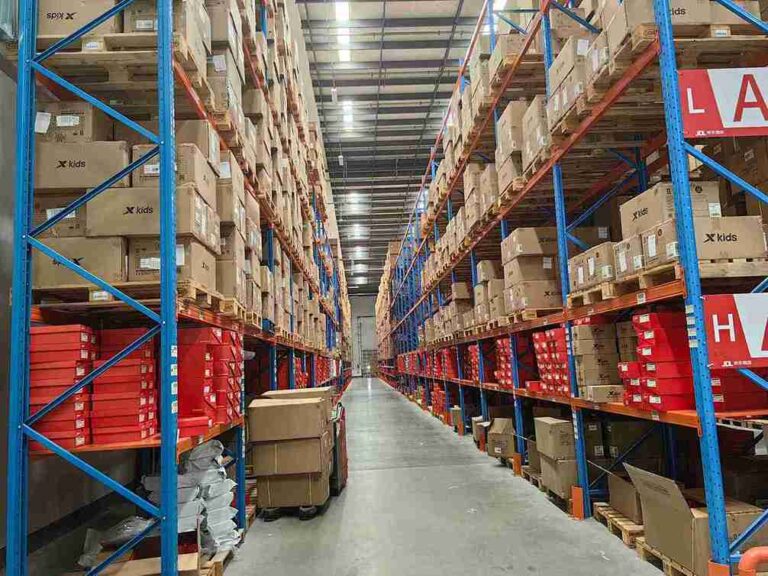
Warehouse managers often view racking as static infrastructure—a simple metal skeleton. This perception is dangerously flawed. Industrial storage racking is a dynamic, load-bearing structure interacting constantly with forces from material handling equipment, human activity, and the stored inventory itself. The primary function of comprehensive pallet racking safety standards is to provide a codified, engineering-based framework that manages these interactions to prevent failure.
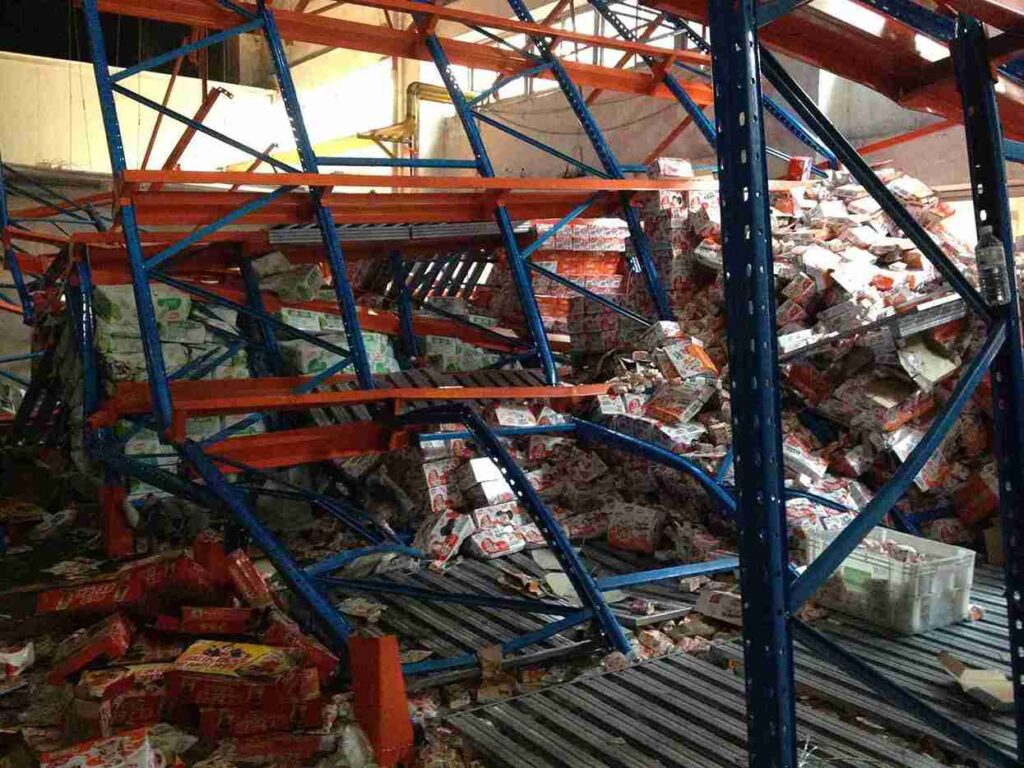
Ignoring these safety standards carries consequences that cascade far beyond a regulatory fine. A failure event typically follows a devastating sequence: an overloaded beam or a compromised upright triggers a progressive collapse. This can obliterate thousands of pallet loads of inventory, cause severe facility damage, and bring operations to a complete standstill for weeks or months. The ensuing financial hemorrhage from business interruption, insurance complexities, and potential litigation can cripple an organization. Most critically, such failures pose a direct and severe threat to personnel. Warehouse staff work in close proximity to these structures; a collapse can result in fatal injuries, representing an irreversible moral and legal failure of management.
Therefore, implementing pallet racking safety standards is an exercise in comprehensive risk management. It is an investment in asset protection, business continuity, and, above all, human life. In emerging markets where industrial growth is rapid, proactively adopting internationally recognized pallet racking safety standards is a strategic decision that signals maturity, responsibility, and long-term operational intelligence.
Decoding the Global Framework: Key International Pallet Racking Safety Standards
A robust approach to safety begins with understanding the governing codes and specifications. Various international bodies have developed detailed pallet racking safety standards, which often form the basis for national regulations in target markets. Familiarity with these frameworks is essential for any warehouse operator aiming for global best practices.
RMI ANSI MH16.1: The American Benchmark for Design and Utilization
The Rack Manufacturers Institute (RMI) standard, published as ANSI MH16.1, is a cornerstone document in the Americas and highly influential worldwide. This standard provides exhaustive specifications for the design, testing, and utilization of steel storage racks. It is not merely a safety guideline but a comprehensive engineering manual. It dictates precise load capacities, permissible deflection limits, connection details, and the testing methodologies for beam-to-upright connectors. For any procurement or audit, verifying that equipment is manufactured and labeled in accordance with RMI pallet racking safety standards is the critical first step. It ensures the racking system possesses the inherent structural integrity required for safe service.
OSHA 1910.176(b): The Regulatory Imperative for a Safe Workplace
While the Occupational Safety and Health Administration (OSHA) provides performance-based regulations rather than detailed product specifications, its influence is profound. OSHA 1910.176(b) states that stored materials “shall be secured against sliding or collapse.” This places a direct legal obligation on employers to ensure their storage systems are safe. OSHA inspectors will evaluate whether an employer has recognized the hazards associated with racking and taken steps to abate them. This often involves demonstrating adherence to other consensus pallet racking safety standards, like those from RMI, and maintaining documented inspection and maintenance programs. In essence, OSHA enforces the outcome of safety, making documented compliance with detailed safety standards the best defense.
EN 15512 and EN 15635: The European Gold Standard for a Total Safety System
The European approach is widely regarded as one of the most rigorous and holistic. It is encapsulated in two key standards: EN 15512, which covers the design and specification of racking, and the crucial EN 15635, which governs its “use and maintenance.” EN 15635 is particularly significant because it mandates a formal, accountable management system for rack safety. It requires the appointment of a “Person Responsible for Storage Equipment” (PRSE) with defined authority and competence. It prescribes tiered inspection frequencies (e.g., weekly visual checks, formal annual inspections) and strict documentation protocols. This framework transforms pallet racking safety standards from a technical specification into an integrated operational discipline, a model that significantly de-risks warehouse operations.
AS 4084: The Australian Standard Emphasizing Integrated Planning
The Australian Standard AS 4084 provides another exemplary model, with a strong focus on the interplay between racking systems and material handling equipment. It offers detailed guidance on aisle widths, the selection and installation of collision protection, and the operational interface between racks and forklifts or automated systems. For facilities implementing or planning for automation—such as Automated Guided Vehicles (AGVs) or robotic forklifts—the principles within AS 4084 are invaluable. This standard acknowledges that pallet racking safety standards must account for the dynamic environment in which the racking exists.
Operators in regions like the GCC, Southeast Asia, or Latin America may find their local regulations in development. The astute strategy is to proactively implement the most stringent applicable international pallet racking safety standards, thereby future-proofing the operation and establishing a recognized benchmark for safety and quality.
The Anatomy of Safety: Component-Level Analysis Under the Microscope of Pallet Racking Safety Standards
True safety mastery requires a granular understanding of each rack component and its specific failure modes, as defined by engineering-based pallet racking safety standards.
Upright Frames: Guardians of Vertical Load, Vulnerable to Impact
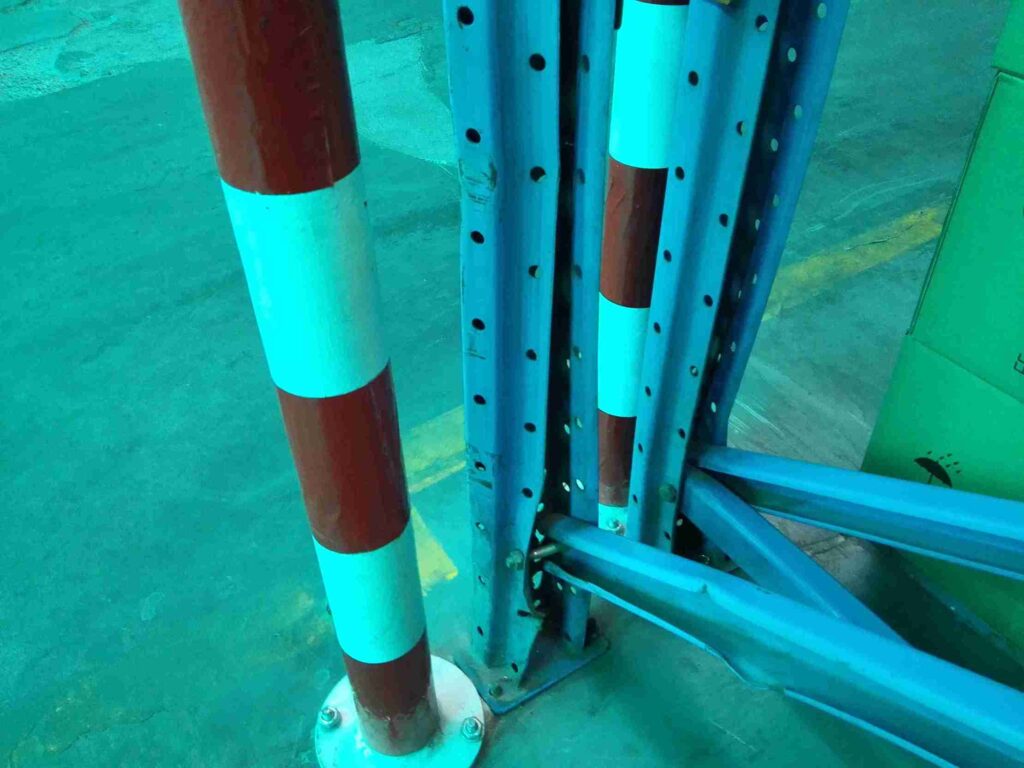
Uprights are the primary columns bearing the vertical load. Their most insidious enemy is lateral impact, typically from a forklift or AGV. Even a minor dent in a critical load-bearing area, especially near the base or at the first beam connection, can reduce the upright’s load capacity by 50% or more. Pallet racking safety standards like those from RMI provide explicit guidelines on the maximum permissible damage (depth and location) before a component must be replaced. Regular inspections specifically target these vulnerabilities, a direct application of the safety standards.
Load Beams and Connectors: The Critical Horizontal Link
Beams support the direct pallet load, and their connectors (tear-drop, bolt-on, or safety-lock) are the vital link to the uprights. Pallet racking safety standards specify the exact performance criteria for these connections under load. Common failures include beam overload (visible as excessive downward bowing), connector disengagement due to impact, or the use of non-compatible, non-original parts. A cardinal rule enforced by all pallet racking safety standards is the prohibition of mixing components from different manufacturers, as this creates an untested and unpredictable assembly.
The Foundation: Floor Anchorage and System Stability
An unanchored racking system is inherently unstable. Pallet racking safety standards mandate proper anchorage to the concrete floor to resist seismic forces, prevent “racking walk” from vibration, and ensure overall structural stability. The type, size, placement, and torque specifications for anchors are engineering requirements dictated by the specific rack design and local seismic codes, all falling under the umbrella of comprehensive safety standards.
Proactive Protection: The Role of Safety Accessories
Safety accessories are the first line of physical defense and a practical manifestation of applied pallet racking safety standards. Column guards, end-of-aisle protectors, pallet backstops, and post protectors are not optional extras. They are engineered components designed to absorb kinetic energy from impacts, sacrificing themselves to preserve the structural integrity of the primary rack components. Investing in these accessories is a direct and cost-effective method of upholding the intent of pallet racking safety standards—to prevent catastrophic failure.
Implementing the Protocol: A Tiered Inspection Regime as Mandated by Pallet Racking Safety Standards
Compliance with pallet racking safety standards is not an annual event but a continuous cycle of vigilance. A multi-tiered inspection hierarchy, as formally outlined in standards like EN 15635, is the proven methodology for early detection and intervention.
Level 1: Operator Awareness and Frequent Visual Checks
The most frequent layer of inspection involves all warehouse personnel. Forklift drivers, order pickers, and floor staff must be trained to identify obvious hazards as part of their daily duties. This includes looking for visible damage, leaning frames, dislodged beams, or improperly seated pallets. This cultivates a pervasive safety culture and serves as the initial, rapid-response filter aligned with basic pallet racking safety standards principles.
Level 2: Formalized Periodic Inspections by Designated Personnel
On a monthly or quarterly basis, a trained staff member—often a supervisor or the appointed safety officer—conducts a more systematic inspection. This involves using tools like a proprietary rack inspection gauge to measure dent depth against the allowances specified in the relevant pallet racking safety standards. Findings are meticulously documented on floor plans, and any damaged bay is immediately tagged out of service (using a “Red Tag” system) until assessed and repaired. This documentation is legal evidence of due diligence.
Level 3: Comprehensive Annual Audit by a Competent Person
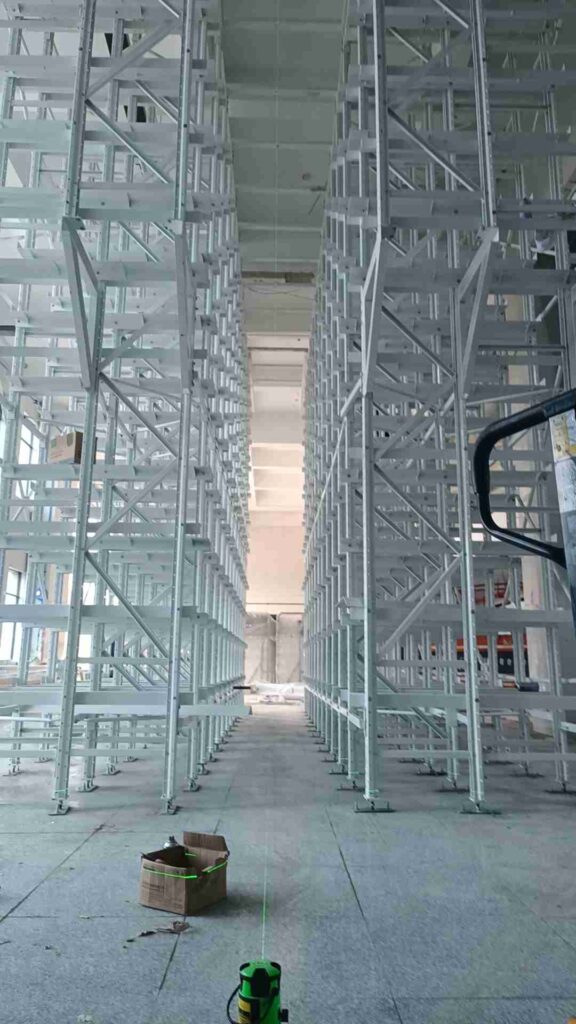
The cornerstone of a professional safety program is an annual audit performed by a “Competent Person.” This is ideally an independent third-party expert or a highly qualified engineer from the racking supplier. This audit is exhaustive, utilizing precision tools (laser levels, torque wrenches, ultrasonic thickness gauges) to assess plumb, anchor integrity, and component condition. The output is a formal report rating the system’s health and providing a corrective action plan. This deep dive is a direct fulfillment of the most rigorous pallet racking safety standards and is the ultimate risk assessment tool.
The Cornerstone Document: Understanding Load Notices and Application Protocols
Every engineered rack system is governed by a Load Notice or Upright Legend. This placard, affixed to the rack, is the system’s operational passport and is a non-negotiable element of pallet racking safety standards. It lists the manufacturer, the exact configuration, and the maximum permissible loads per level and per bay.
A critical principle enshrined in pallet racking safety standards is that the safe load capacity for any position is determined by the weakest component in that load path. If a beam is rated for 3,000 kg but the upright connector at that level is rated for 2,700 kg, the maximum safe load is 2,700 kg. Furthermore, loads must be evenly distributed and centered. Warehouses that modify configurations without recalculating and updating the Load Notice are operating outside the bounds of approved safety standards, voiding certifications and inviting failure.
The Synergy of Automation: Enhancing Compliance with Pallet Racking Safety Standards
The integration of automated storage and retrieval systems, such as AGVs and unmanned forklifts, presents a powerful opportunity to elevate compliance with pallet racking safety standards. Automation, when properly implemented, directly addresses the most common cause of rack damage: human-operated vehicle impact.
Precision Operations: AGVs follow precise digital paths, eliminating the erratic movements and human error associated with manual forklift operation.
Embedded Safety Protocols: Advanced sensors (LiDAR, 3D cameras) on automated equipment can detect deviations and obstructions, initiating immediate stops to prevent collisions.
System-Enforced Compliance: The controlling Warehouse Management System (WMS) can be integrated with racking load data. It can prevent an overloaded pallet from being assigned to a location incapable of supporting it, enforcing the pallet racking safety standards at a digital control level.
Reduced Congestion: Fewer manual vehicles decrease traffic density, lowering the overall probability of impacts.
However, this synergy demands that the physical racking infrastructure is itself installed to exacting tolerances, as automation systems require perfect alignment. Thus, the move toward automation should be accompanied by a renewed commitment to the foundational pallet racking safety standards governing the rack structure itself.
Corrective Action and Repair: The “Red Tag” Protocol and Beyond
Discovering damage is an expected outcome of a vigilant inspection program; the response defines the safety culture. A formal “Red Tag” system is a procedural requirement under many pallet racking safety standards.
Immediate Isolation: The damaged bay is immediately tagged and taken out of service. Adjacent bays may also be isolated as a precaution.
Professional Assessment: A qualified person evaluates the damage against the criteria in the applicable pallet racking safety standards to determine if repair or replacement is needed.
Safe Decommissioning and Repair: The affected bays must be safely unloaded. Crucially, field repair of damaged structural components (e.g., welding, straightening) is universally condemned by all major pallet racking safety standards. Such repairs alter the metallurgy and stress distribution in unknown ways. The only acceptable remedy is replacement with original manufacturer parts installed by qualified technicians. The damaged components must be destroyed to prevent re-use.
Cultivating a Culture of Compliance: Leadership, Training, and Documentation
Ultimately, the most sophisticated pallet racking safety standards are ineffective without organizational buy-in. Safety must be a core value, championed from leadership down.
Leadership Accountability: Management must allocate budget for training, inspections, protective equipment, and timely repairs, visibly prioritizing safety over short-term convenience.
Comprehensive Training: Recurring, mandatory training for all personnel—from forklift drivers to senior managers—on the principles of pallet racking safety standards, inspection procedures, and emergency protocols.
Meticulous Documentation: Maintaining a “life-cycle file” for the racking system is critical. This includes original design drawings, Load Notices, all inspection reports, damage logs, repair records, and training certificates. This portfolio is the definitive proof of compliance and due diligence, satisfying both internal audits and external inquiries.
A Global Perspective: Applying Pallet Racking Safety Standards in Key Growth Regions
The application of pallet racking safety standards must be contextualized for operations in target markets. While local regulations may be in varying stages of development, the trajectory is clear: convergence with international benchmarks.
Middle East (GCC): Major logistics hubs, oil & gas facilities, and free zones increasingly demand compliance with EN or RMI pallet racking safety standards as a condition for tenancy or partnership.
Southeast Asia: Markets like Singapore and Malaysia have well-defined codes, while Vietnam, Indonesia, and Thailand are rapidly formalizing regulations. Proactively adopting recognized safety standards provides a competitive advantage.
Africa: While regulations vary, multinational corporations and major port authorities often set de facto standards aligned with international pallet racking safety standards.
Latin America: Countries like Brazil, Chile, and Mexico have established norms. Operators here benefit from viewing pallet racking safety standards not as a cost, but as an investment in facility resilience and international credibility.
In all regions, the most successful operators use internationally recognized pallet racking safety standards as their internal blueprint, ensuring their facilities are safe, efficient, and prepared for the future.
(Conclusion)
Adherence to comprehensive pallet racking safety standards represents the highest form of operational intelligence in the warehousing industry. It is a multifaceted discipline encompassing engineering design, systematic processes, continuous education, and proactive investment. These safety standards provide the only reliable roadmap to prevent the devastating cascade of consequences that follow a racking failure.
For businesses operating in the dynamic markets of Asia, the Middle East, Africa, and the Americas, mastering and implementing these pallet racking safety standards is not merely about avoiding penalties—it is about building a foundation of resilience. It protects valuable assets, ensures business continuity, safeguards reputation, and, most importantly, honors the fundamental duty to provide a safe working environment. The journey toward full compliance begins with a decision to move beyond perception and embrace the rigorous, documented reality of world-class pallet racking safety standards.
(Frequently Asked Questions)
1. We have different types of racking (e.g., selective, drive-in, cantilever). Do the same pallet racking safety standards apply?
Yes, the core principles of all major pallet racking safety standards apply to all types of steel storage racking. However, each configuration has unique hazards and specific considerations. For example, drive-in racks require stricter protocols for guide rail alignment and forklift operator training, while cantilever racks have specific rules for arm loading and column stability. The applicable standard will have annexes or sections addressing these variations. Always consult the manufacturer’s specific load notices and engineering documents for your rack type.
2. How do environmental factors, like coastal salt air or high humidity, impact racking safety and compliance with standards?
Environmental factors are a critical consideration often addressed under the “use” sections of pallet racking safety standards. Corrosion from salt air or high humidity can progressively reduce the thickness and strength of steel components, compromising their load capacity. Standards mandate that inspections must consider corrosion and that protective coatings be maintained. In corrosive environments, inspection frequency should increase, and the use of hot-dip galvanized racking is often recommended as a more durable solution to maintain long-term compliance with safety standards.
3. What is the role of the forklift or AGV operator in maintaining pallet racking safety standards?
Operators are the first and most frequent line of defense. Their responsibilities under typical pallet racking safety standards include: operating equipment at safe speeds, avoiding impacts with rack structures, correctly positioning pallets fully on beams, immediately reporting any damage they cause or witness, and participating in daily visual check protocols. Their training is therefore a vital component of any safety management system compliant with pallet racking safety standards.
4. After a seismic event, what does compliance with pallet racking safety standards require?
Most pallet racking safety standards, and certainly all building codes in seismic zones, require an immediate post-event inspection by a competent person before the racking system can be put back into service. This inspection focuses on anchor integrity, frame plumb, beam connector engagement, and any signs of deformation or cracking that may have occurred due to the shaking. Operations must not resume until this inspection is completed and any damaged components are replaced.
5. Can we perform our own formal annual audit to comply with pallet racking safety standards, or must it be external?
While pallet racking safety standards like EN 15635 require an audit by a “Competent Person,” they do not universally mandate that this person be externally employed. The key is competence—demonstrable training, knowledge, and independence. An internal employee can fulfill this role if they possess the required expertise and can perform the audit without conflict of interest. However, many organizations opt for a third-party audit to gain an independent perspective, specialized tools, and a certificate that carries additional weight with insurers and regulators.
If you require perfect CAD drawings and quotes for warehouse racking, please contact us. We can provide you with free warehouse racking planning and design services and quotes. Our email address is: jili@geelyracks.com