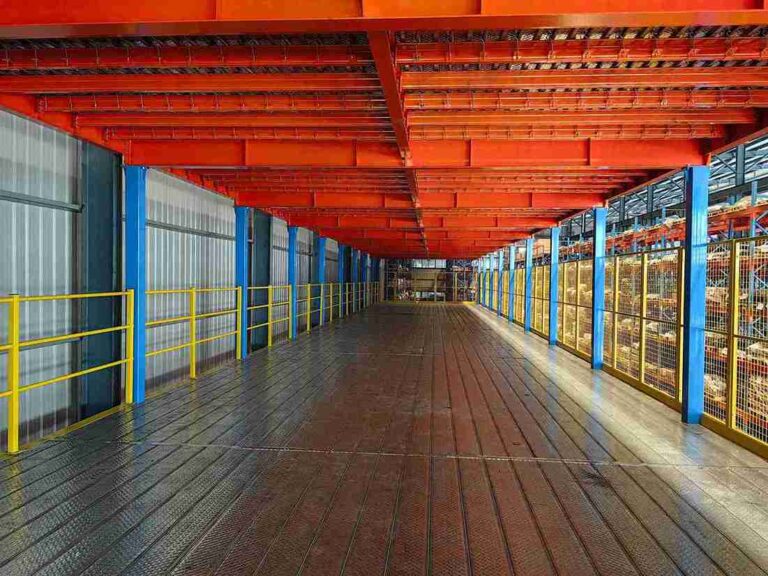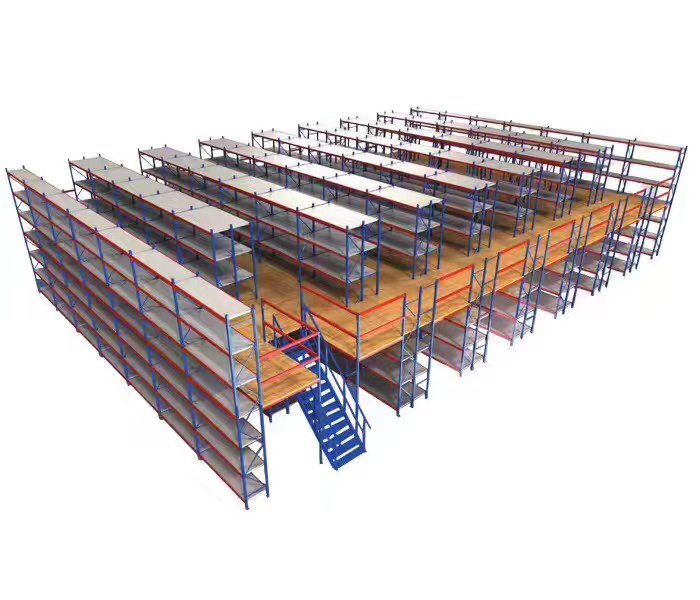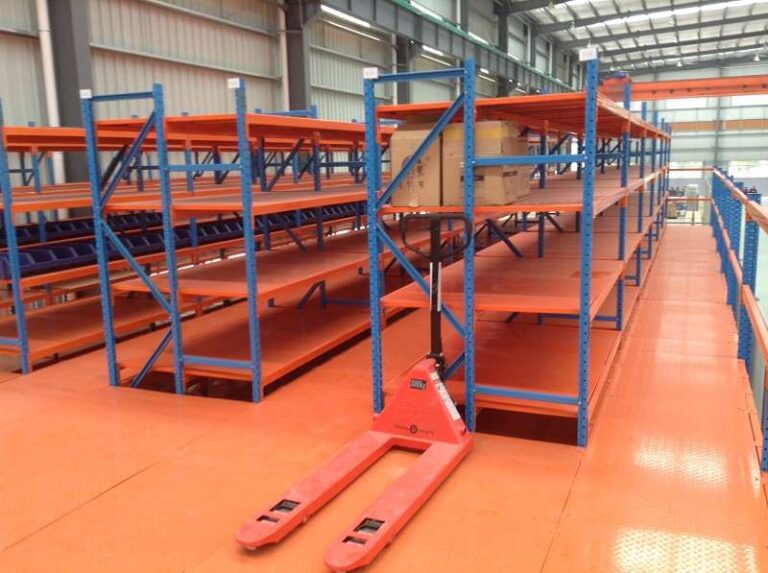
📐 "First 50 Enterprise Queries Get Custom 3D Warehouse Design" Plan















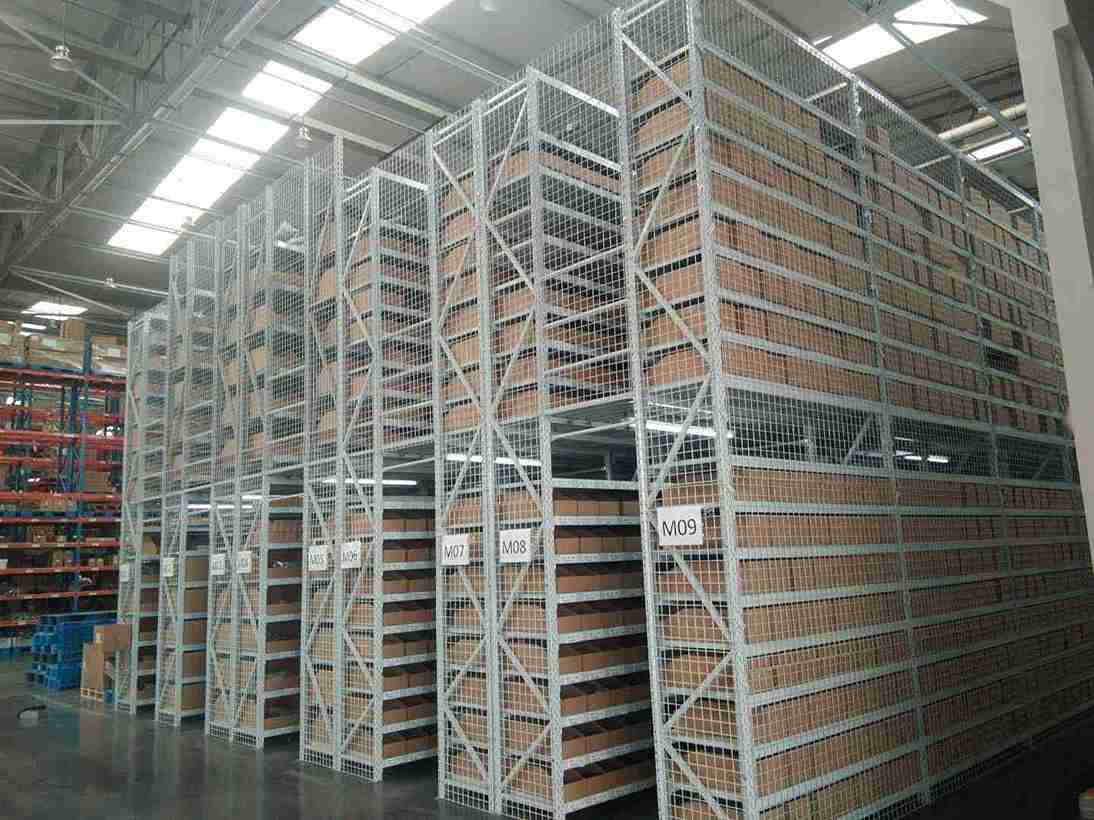
Ultimate Guide to Pharmaceutical Mezzanine Racking: Maximizing Space & Ensuring Full Compliance
In the highly regulated and precision-driven world of pharmaceutical logistics, the quest for efficient storage solutions is constant. For operations spanning the burgeoning markets of Southeast Asia, the Middle East, Africa, and Latin America, the challenge is twofold: to expand operational capacity within existing footprints and to do so while adhering to the uncompromising standards of Good Manufacturing Practice (GMP) and Good Distribution Practice (GDP). Within this complex landscape, the strategic implementation of mezzanine racking for pharmaceuticals has emerged as a cornerstone strategy for intelligent warehouse optimization.
This comprehensive guide delves deep into the critical nuances of pharmaceutical mezzanine racking, illustrating why a custom-engineered approach is not merely an option but a necessity for companies aiming to balance aggressive growth with rigorous compliance. The discussion will extend beyond the structural basics to explore the integral role of mezzanine racking for pharmaceuticals in creating a seamless, audit-ready, and future-proof storage environment.
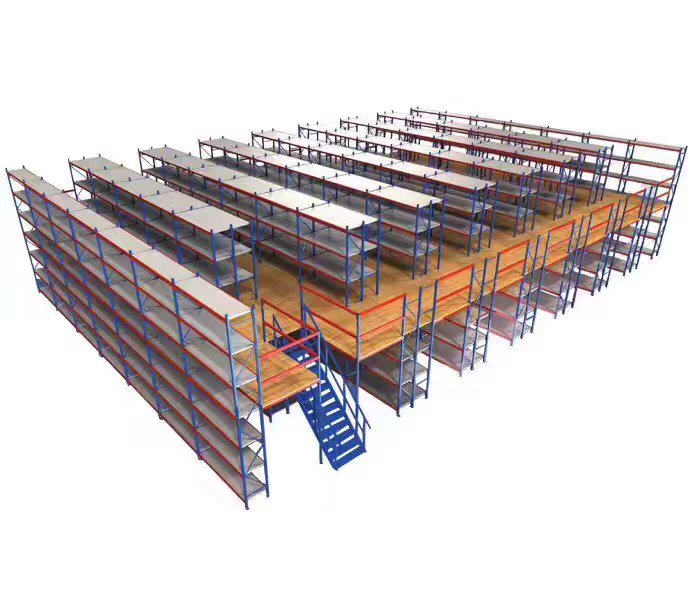
Why Standard Mezzanine Solutions Are a Calculated Risk in Pharma Warehousing
The appeal of an off-the-shelf storage solution is understandable from a short-term cost perspective. However, in the context of pharmaceutical storage, where product integrity and patient safety are paramount, standard mezzanine systems represent a significant and often underestimated liability. The very design principles that make standard mezzanine racking cost-effective for general commerce are the same features that create vulnerabilities in a pharmaceutical setting. A facility storing sensitive vaccines, high-potency active pharmaceutical ingredients (APIs), or temperature-controlled biologics requires a fundamentally different engineering philosophy.
The Paramount Issue of Cleanability and Contamination Control
When evaluating mezzanine racking for pharmaceuticals, the first and most critical differentiator is its design for uncompromising hygiene. Standard systems, designed for simplicity and speed of installation, often feature:
Complex, open-truss structures with numerous bolted joints, creating a labyrinth of ledges, crevices, and hard-to-reach corners. These are breeding grounds for dust, microbial contaminants, and particulate matter, directly threatening product sterility.
Economical surface coatings that may chip, peel, or degrade when exposed to the aggressive cleaning agents and disinfectants required in pharmaceutical sanitization protocols.
Poor integration with building envelopes, leaving gaps between the mezzanine structure and walls or ceilings that breach environmental control and hinder effective area segregation.
In stark contrast, a dedicated pharmaceutical mezzanine racking system is conceived with contamination control as its foundational principle. This involves specifying sealed beam structures, utilizing smooth, coved transitions at all column-to-deck junctions to eliminate sharp, 90-degree angles, and applying industrial-grade, chemically inert coatings that withstand repeated cleaning cycles.
Structural Dynamics: Beyond Static Load Ratings
The operational reality of a pharmaceutical warehouse involves constant dynamic stress—the movement of heavy pallets via forklifts, the vibration from material handling equipment, and the concentrated loads of dense product stacks. A standard mezzanine racking system might be rated for a specific uniform load but can fail under these real-world dynamic and point-load pressures. A properly engineered mezzanine racking for pharmaceuticals solution accounts for these forces through advanced finite element analysis, ensuring long-term structural integrity, preventing deflection that can misalign automated systems, and ultimately safeguarding both product and personnel.
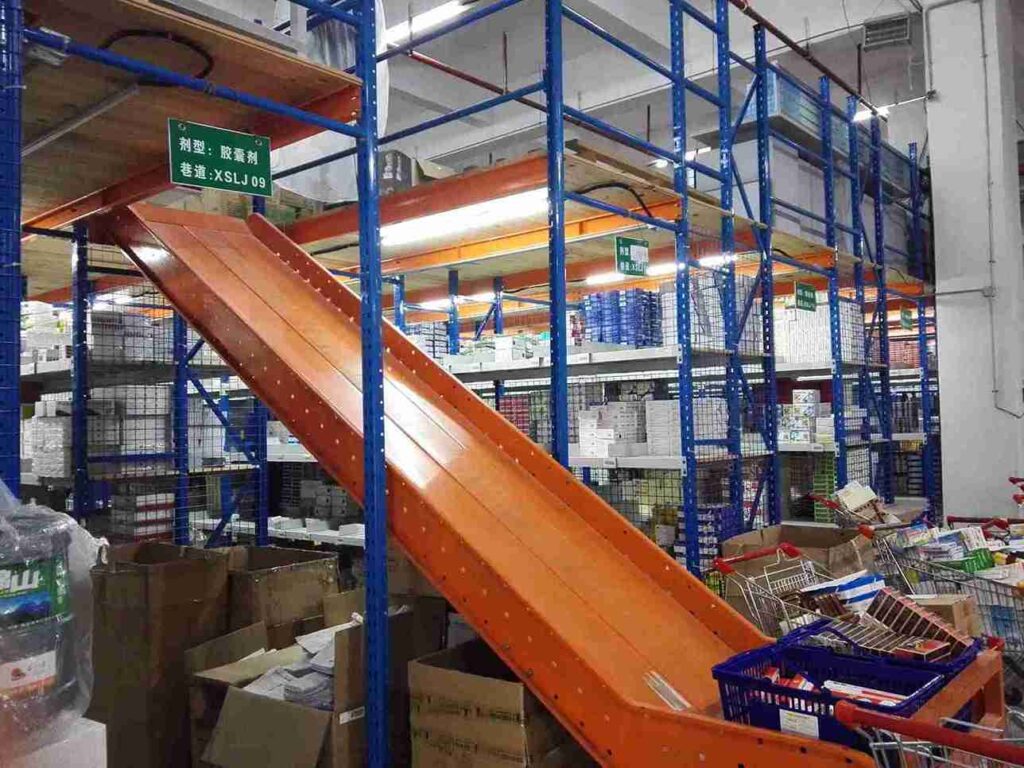
The Engineering Pillars of World-Class Pharmaceutical Mezzanine Rack Systems
Constructing a mezzanine racking for pharmaceuticals system that consistently satisfies the scrutiny of regulatory audits requires a holistic approach, integrating several non-negotiable engineering pillars. It is the synergy between these elements that defines a truly compliant and high-performance installation.
1. Material Science and Sanitary-First Design Philosophy
The selection of materials is the first and most critical step in specifying mezzanine racking for pharmaceuticals.
High-Strength Steel and Superior Finishes: Primary structures are fabricated from high-yield strength steel. The protective finish, however, is what distinctly qualifies it as pharmaceutical mezzanine racking. Epoxy-polyester hybrid powder coatings, often in light colors for easy contaminant identification, are a minimum standard. For areas demanding the highest hygiene, such as sterile processing or potent compound handling, critical components are constructed from electropolished 304 or 316-grade stainless steel, providing a seamless, non-porous, and corrosion-resistant surface.
Decking Configurations for Specific Applications: The choice of decking is strategic. Options include:
Solid Steel Plate with Fully Welded and Ground Seams: Creates a monolithic, impervious surface ideal for bulk storage areas, preventing any liquid or particulate ingress.
Press-Locked Perforated Panels: Facilitates crucial vertical airflow for temperature and humidity-controlled environments and can help dissipate static electricity, a critical consideration in certain packaging operations.
Sealed and Coved Architecture: Every connection point in a pharmaceutical mezzanine racking system is designed to be sealed. The implementation of custom-fabricated coving at the base of all columns—a smooth, curved transition replacing the standard sharp corner—is a hallmark of pharmaceutical-grade design, eliminating a primary location for debris accumulation and enabling efficient cleaning.
2. Proactive GMP/GDP Integration: Designing for the Audit
A superior mezzanine racking for pharmaceuticals system is designed with the regulatory auditor’s checklist in hand. This proactive integration is a core value of a specialized provider.
Cross-Contamination Prevention: The layout of the mezzanine racking for pharmaceuticals must enforce strict material segregation. This involves designing for clear physical separation between zones for quarantined, released, raw material, and finished goods, often integrated directly into the mezzanine deck layout.
Unimpeded Cleaning and Maintenance: The structure must not create shadow zones or inaccessible areas that disrupt cleaning protocols. Ample clearance for cleaning equipment, the strategic routing of utilities, and the avoidance of overhead clutter are all essential design parameters for any pharmaceutical mezzanine racking project.
Comprehensive Documentation and Traceability: From certified material test reports and detailed structural calculations to validated installation procedures, a complete documentation dossier is provided. This traceability proves the mezzanine racking for pharmaceuticals was fabricated and installed to a verifiable and auditable standard.
3. Engineered for Real-World Load and Seismic Safety
The load capacity of mezzanine racking for pharmaceuticals is a multi-faceted engineering consideration, far beyond a single number.
Uniformly Distributed Load (UDL): The standard load rating across the entire deck area.
Concentrated Load (CL): The maximum weight permissible on a specific, small area, critical for the legs of pallet racking placed on the mezzanine.
Point Load Capacity: The resilience against heavy weights applied at non-standard points.
Seismic Load Analysis: For facilities in seismically active regions like parts of Latin America and Southeast Asia, the design of the mezzanine racking for pharmaceuticals must include specific engineering to absorb and dissipate seismic forces, a non-negotiable safety requirement.
Operationalizing Efficiency: Integrating Mezzanine Racking into Pharmaceutical Workflow
The ultimate value of mezzanine racking for pharmaceuticals is realized not when it is merely installed, but when it becomes a seamless and dynamic part of the warehouse’s operational workflow. A well-conceived system acts as the central nervous system for material flow.
Strategic Access: Stairs, Gates, and Vertical Material Transport
The movement of personnel and products to and from the mezzanine level is a critical efficiency and safety determinant.
Industrial Staircases: Positioned for optimal workflow, these are designed with appropriate width, slope, and intermediate landings. Handrails are robust, seamlessly welded, and easy to clean.
Self-Closing Safety Gates: These are mandatory fall-protection devices installed at all mezzanine deck access points, a critical safety feature in any pharmaceutical mezzanine racking installation.
Integrated Material Lifts and Vertical Conveyors: To efficiently move products between levels, a dedicated mezzanine-integrated material lift is far superior to ramps or manual carrying. These lifts are specified with exact weight capacities and platform sizes, creating a seamless and efficient vertical link that is integral to the pharmaceutical mezzanine racking ecosystem.
Creating Hybrid Storage Ecosystems: The Mezzanine as a Platform
The most powerful applications of mezzanine racking for pharmaceuticals occur when it is synergistically combined with other storage technologies.
Mezzanine with Underneath Pallet Racking: This classic configuration uses the volume underneath the deck for high-density bulk storage via selective pallet racking, while the deck itself hosts activities like order picking, kitting, repackaging, or storing slower-moving items.
Mezzanine Deck for High-Velocity Picking: Integrating a carton live storage (flow rack) system onto the pharmaceutical mezzanine racking deck can create an immensely efficient picking face for fulfilling small-item orders, dramatically reducing walk time and increasing order accuracy.
The Automated Mezzanine: The structure itself can be engineered to support and interact with automation. This includes designing for the loads and vibrations of Automated Guided Vehicles (AGVs) operating underneath or on the deck, or supporting the integration of automated conveyor systems, making the pharmaceutical mezzanine racking a future-proof investment.
Global Case Study: Implementing cGMP Mezzanine Racking for a Vaccine Facility in Southeast Asia
A recent project for a major vaccine manufacturer in Vietnam exemplifies the application of these principles. The client required a near-doubling of their capacity for temperature-sensitive vaccines within their existing warehouse, which featured high ceilings but a constrained footprint. The challenges were multifaceted: maintaining a strict 2-8°C cold chain, ensuring compliance with cGMP for international export, and executing the installation with zero disruption to ongoing, critical operations.
The Customized Engineering and Project Management Approach:
CFD Analysis and Thermal Integration: The project began with computational fluid dynamics (CFD) modeling of the space to understand the airflow patterns of the existing cold room. The design of the pharmaceutical mezzanine racking specifically incorporated perforated decking to facilitate uniform cold air circulation to the upper level, preventing the formation of temperature differentials.
Sanitary Stainless Steel Fabrication: The entire structure of the mezzanine racking for pharmaceuticals was fabricated from 304-grade stainless steel, with electropolished finishes for all critical surfaces. All structural joints were welded and polished to a smooth, seamless finish.
Integrated Storage and Safety: The lower level was configured with high-density pallet racking, while the upper deck of the pharmaceutical mezzanine racking was outfitted with static shelving for carton-level picks. The perimeter was secured with high-impact, transparent kickplates and handrails to ensure fall protection without disrupting the designed airflow.
Phased, Zero-Disruption Installation: The installation of the mezzanine racking for pharmaceuticals was meticulously planned and executed in phases during weekends and planned shutdowns, ensuring the client’s vital cold chain operations continued uninterrupted.
The outcome was a resounding success: a 200% increase in viable storage capacity, flawless integration with the cold chain infrastructure, and a pharmaceutical mezzanine racking system that passed a stringent pre-approval cGMP audit with zero non-conformities, directly enabling the client’s market expansion.
The Partner Selection Process: Engineering Expertise Over Commodity Supply
Choosing a supplier for mezzanine racking for pharmaceuticals is a strategic decision with long-term implications. The right partner functions as an extension of your engineering and quality teams.
Demand Proven Pharmaceutical Experience: Request detailed case studies and client references specifically from pharmaceutical, biotech, or medical device projects. Scrutinize their understanding of relevant regulatory standards.
Evaluate the Design and Engineering Depth: Inquire about their design process. Do they employ advanced CAD and structural simulation software? Is their engineering team involved from the initial consultation?
Insist on Comprehensive Documentation: A credible provider of pharmaceutical mezzanine racking will proactively offer detailed load calculations, material certifications, and fully documented installation methodologies.
Assess their Regulatory Fluency: Their team should be able to discuss contamination control strategies, cleanroom protocols, and audit preparedness with authority, demonstrating a intrinsic understanding of the pharmaceutical operating environment.
Conclusion: The Strategic Imperative of Pharmaceutical-Grade Mezzanine Racking
In the precision-critical and rapidly evolving global pharmaceutical sector, investing in a custom mezzanine racking for pharmaceuticals system is a strategic decision that transcends simple storage expansion. It is an investment in operational resilience, regulatory confidence, and scalable growth.
By partnering with a specialist to implement a pharmaceutical mezzanine racking solution engineered from the ground up for the unique demands of the industry, companies secure not just additional square footage, but a robust, efficient, and audit-ready platform that supports safe and reliable distribution to patients worldwide. The discerning choice in mezzanine racking for pharmaceuticals is the definitive step towards transforming warehouse constraints into a competitive advantage.
Frequently Asked Questions (FAQs) on Pharmaceutical Mezzanine Racking
1. What specific fire safety considerations are integrated into your pharmaceutical mezzanine racking designs?
Fire safety is a paramount, non-negotiable aspect of our pharmaceutical mezzanine racking engineering. We conduct a thorough review of the existing facility’s fire protection plan. Our designs ensure the mezzanine racking for pharmaceuticals does not obstruct sprinkler coverage. This often necessitates a redesign of the sprinkler head layout to meet code requirements for coverage both above and below the deck, and may include the integration of additional fire-rated partitions or draft curtains as part of the overall pharmaceutical mezzanine racking package.
2. How does the design of mezzanine racking for pharmaceuticals accommodate potential future expansion or reconfiguration?
Modularity and future-proofing are key design parameters for our pharmaceutical mezzanine racking systems. We engineer primary support structures with potential future vertical expansion in mind. Furthermore, the modular nature of the decking and secondary support beams allows for relatively straightforward reconfiguration of the deck layout itself. This inherent flexibility in the pharmaceutical mezzanine racking design protects our clients’ investment by allowing the storage system to evolve alongside their changing operational needs.
3. Can your pharmaceutical mezzanine racking support the structural and vibrational demands of fully automated robotic picking systems?
Absolutely. This capability is a key differentiator of our engineering expertise in pharmaceutical mezzanine racking. When automation is a current or future requirement, we design for specific dynamic loads, including the unique vibrational frequencies and point loads generated by robotic arms and automated guided carts. We can incorporate reinforced picking stations, embedded tracking systems for robots, and ensure the overall stability of the pharmaceutical mezzanine racking structure to serve as a high-precision platform for automation.
4. What is the typical process for validating and qualifying a new pharmaceutical mezzanine racking installation?
The qualification process for a pharmaceutical mezzanine racking system is rigorous and typically follows a GEP-based approach encompassing Installation Qualification (IQ) and Operational Qualification (OQ). The IQ verifies that the mezzanine racking for pharmaceuticals is installed exactly per the approved design drawings and specifications, using the specified materials. The OQ demonstrates that the system performs as intended under operational loads, confirming load capacity, stability, and integration with material handling flows. We provide the necessary documentation and support to facilitate our clients’ internal qualification protocols for the pharmaceutical mezzanine racking.
5. How do you address the challenge of static electricity in mezzanine racking for pharmaceuticals, especially in areas handling sensitive packaging or powders?
Controlling electrostatic discharge (ESD) is a critical safety and product integrity consideration in certain pharmaceutical operations. For applications of mezzanine racking for pharmaceuticals in these zones, we specify ESD-controlled flooring panels as the decking surface. These panels are designed to safely dissipate static charges. Furthermore, all components of the pharmaceutical mezzanine racking structure are electrically bonded and grounded to a common earth ground, creating a comprehensive ESD-protected area (EPA) and mitigating risks associated with static electricity.
Welcome to contact us, if you need warehouse rack CAD drawings. We can provide you with warehouse rack planning and design for free. Our email address is: jili@geelyracks.com