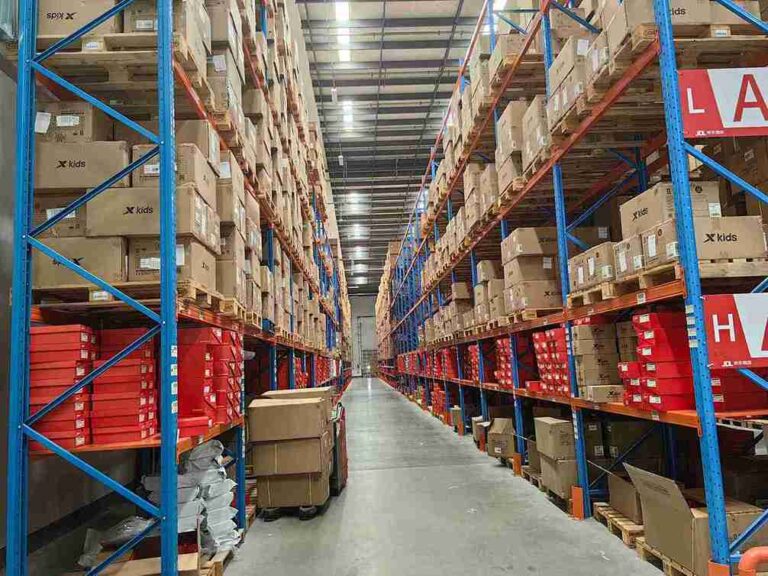
📐 "First 50 Enterprise Queries Get Custom 3D Warehouse Design" Plan


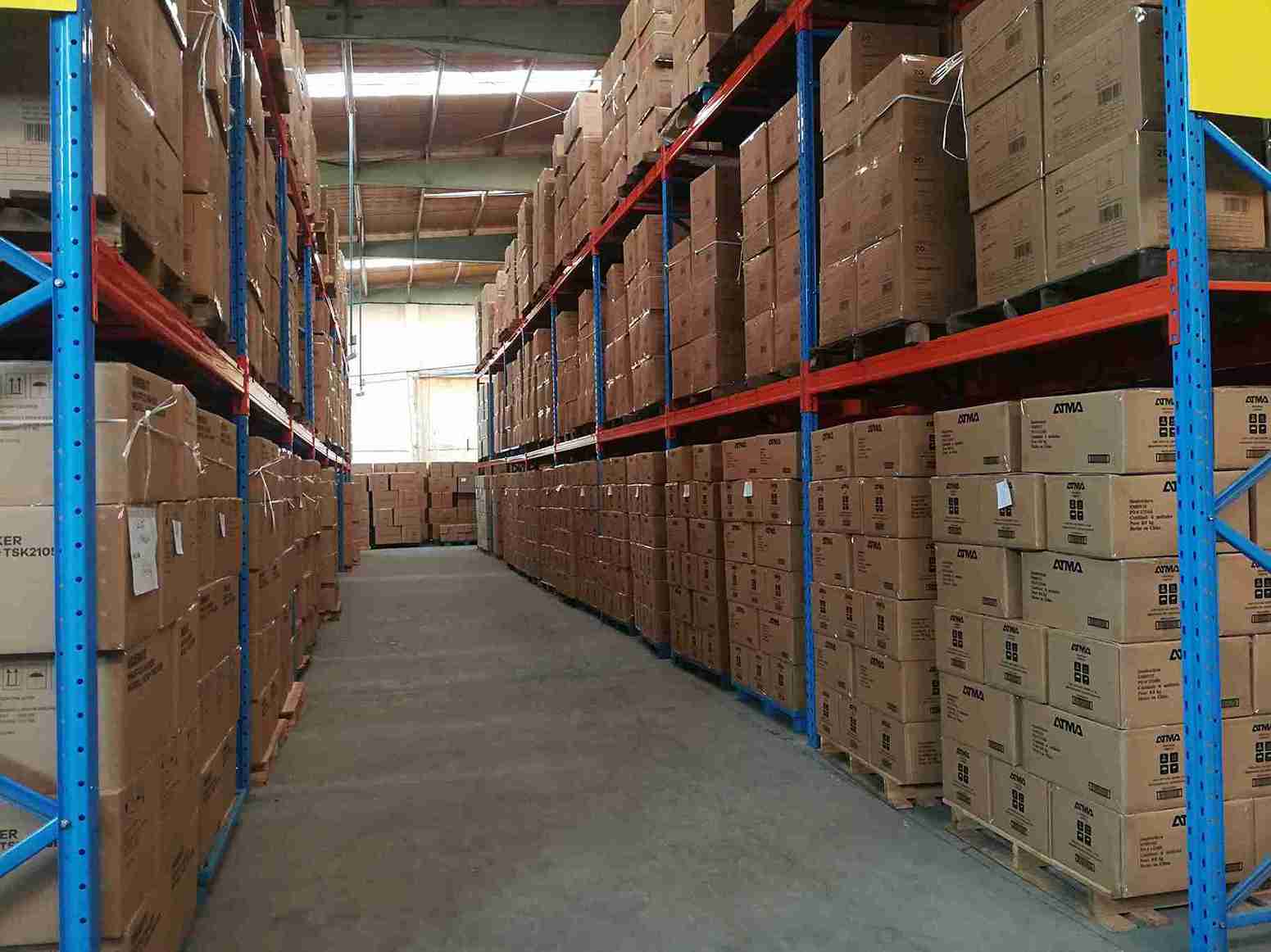
Maximize Density & Efficiency: The Strategic Imperative of a Bespoke Custom Racking System Design
In the high-stakes arena of global logistics and warehousing, from the bustling ports of Southeast Asia to the rapidly expanding industrial hubs of the Middle East, Africa, and Latin America, a silent revolution is underway. The era of treating storage as a passive, overhead cost is over. Forward-thinking operations directors and logistics managers now recognize the warehouse as a dynamic, profit-influencing center.
The key to unlocking this potential lies in a singular, strategic investment: a professionally engineered custom racking system design. This is not merely about installing metal structures; it is a comprehensive process of re-engineering a facility’s very DNA to achieve transformative gains in storage density and operational efficiency. This definitive guide explores the intricate engineering, strategic planning, and technological integration that define a world-class custom racking system design, providing a roadmap for businesses ready to transcend the limitations of standard storage solutions and build a warehouse that actively drives competitive advantage.
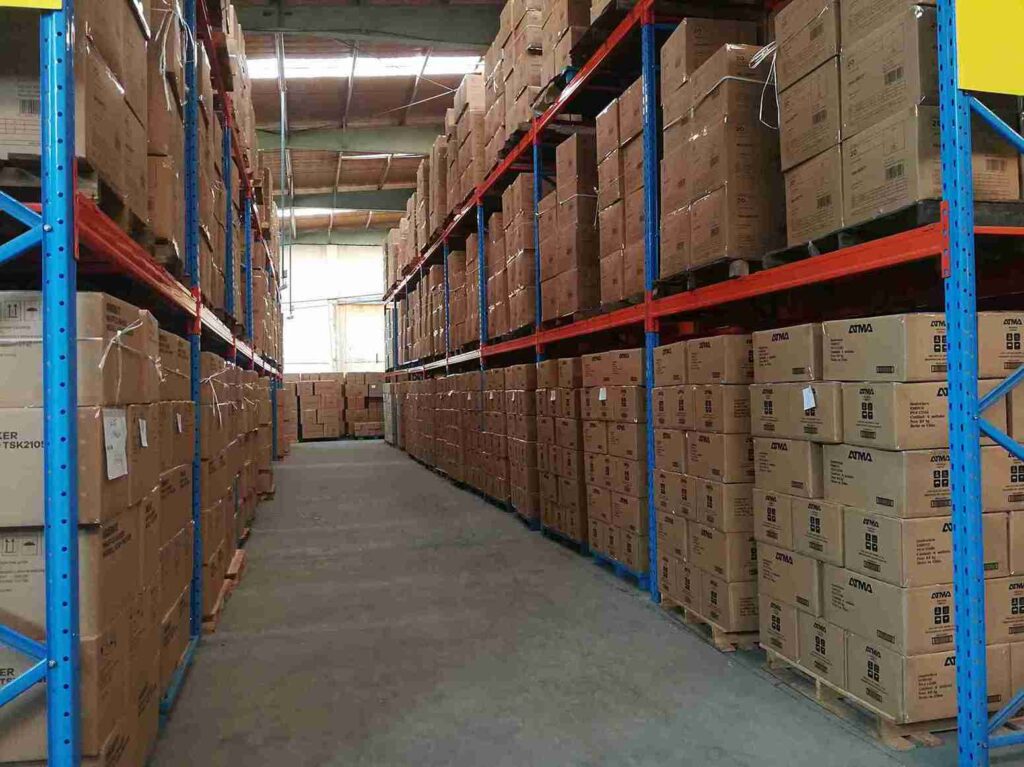
Beyond Standard Shelving: The Critical Business Case for a Custom Racking System Design
Why does a custom racking system design command such a pivotal role in modern supply chain strategy? Standard, catalog-based racking solutions operate on a one-size-fits-all premise, which inherently creates compromise. They force a business to adapt its unique operational flow to a generic layout, inevitably creating inefficiencies, wasted space, and safety vulnerabilities. In contrast, a true custom racking system design inverts this relationship.
It begins with a deep forensic analysis of the business itself—its inventory profiles, order velocity, material handling equipment, and growth trajectory. The resulting custom racking system design is a perfect, synergistic fit, a physical manifestation of operational intelligence. For companies facing soaring real estate costs, labor shortages, and intense pressure to accelerate order fulfillment, the ROI of a custom racking system design is calculated not just in pallet positions gained, but in labor hours saved, errors eliminated, and throughput dramatically amplified. This strategic approach to a custom racking system design is what separates market leaders from the rest.
The Foundational Engineering Pillars of a High-Performance Custom Racking System Design
Every successful storage solution is built upon non-negotiable engineering principles. These pillars ensure that the final installation is not only highly efficient but also inherently safe, durable, and scalable.
Pillar 1: Volumetric Space Utilization – Engineering in Three Dimensions
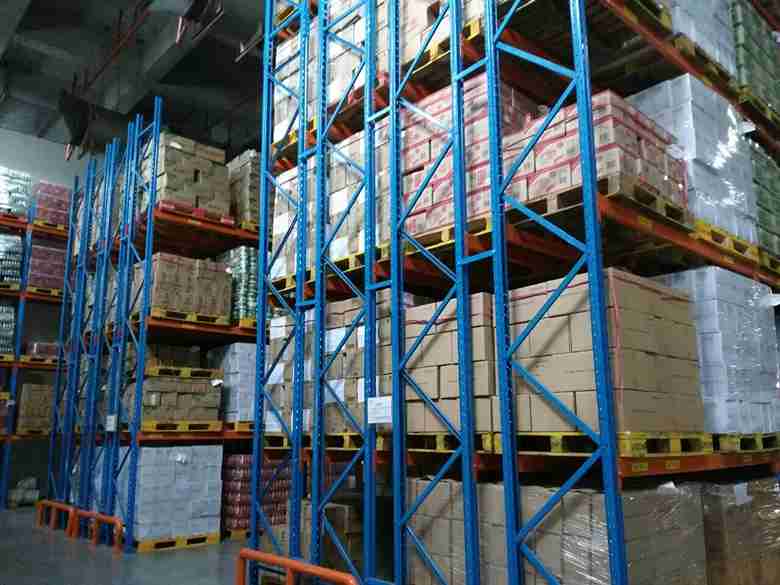
The most common and costly waste in any warehouse is the neglect of its cubic air space. A standard layout might efficiently cover the floor but completely ignore the potential soaring above it. The first mandate of any effective custom racking system design is a rigorous volumetric analysis. Engineers calculate clear ceiling heights, account for sprinkler mandates and lighting infrastructure, and model the vertical potential to its absolute safe limit. The objective is to systematically maximize pallet positions from the floor to the ceiling, dramatically increasing storage capacity without a single brick being laid in expansion. This three-dimensional thinking is the cornerstone of achieving true warehouse density through a custom racking system design.
Pillar 2: Material Flow Dynamics – The Physics of Operational Efficiency
A warehouse is a kinetic environment, a symphony of moving parts. A storage system that only addresses static storage is fundamentally flawed. The second pillar of a superior custom racking system design is the engineering of optimal material flow dynamics. This involves meticulously mapping the entire operational workflow—from truck unloading at receiving, through put-away, storage, picking, replenishment, and final dispatch. By analyzing travel paths, identifying potential bottlenecks, and understanding peak activity periods, the custom racking system design can create a logical, unidirectional, or multi-directional flow that minimizes travel time, reduces forklift congestion, and slashes handling effort. This is where efficiency is scientifically engineered directly into the floor plan of the custom racking system design.
Pillar 3: Comprehensive Load and Operational Profiling – The Data-Driven Blueprint
An assumption-based custom racking system design is a liability waiting to happen. Professional design is irrevocably rooted in hard data. This process involves a granular analysis of two critical profiles:
Load Profiling: Documenting the precise dimensions, weights, center of gravity, and packaging types of every SKU or product category.
Operational Profiling: Analyzing inventory turnover rates (ABC analysis), order profiles, pick quantities, and seasonal demand fluctuations.
A custom racking system design intended for slow-moving, full-pallet loads of building materials will be fundamentally different from a custom racking system design for fast-moving, case-pick e-commerce items. This rigorous profiling ensures the final custom racking system design is a perfect, data-validated reflection of the business’s unique reality and requirements.
Advanced Racking Configurations: The Tools of a Truly Custom Racking System Design
With the foundational pillars established, the conversation turns to the advanced racking configurations that form the toolkit of a world-class custom racking system design. These are integrated systems, each with distinct applications and benefits, often combined within a single facility.
Narrow Aisle and Very Narrow Aisle Systems: Reclaiming Wasted Aisle Space
The traditional wide-aisle warehouse, designed for counterbalance forklifts, can dedicate over 50% of its floor space purely to access aisles. A custom racking system design that incorporates a Narrow Aisle (NA) strategy reduces these aisles to 8-9 feet, requiring specialized narrow aisle forklifts. Pushing the envelope further, a Very Narrow Aisle (VNA) custom racking system design utilizes turret trucks or guided vehicles to operate in aisles as narrow as 5-6 feet. The result is a direct and substantial increase in storage density, often by 20-40%, by systematically reclaiming wasted aisle space. This approach is a cornerstone of a custom racking system design for operations with a high number of SKUs that require selective access to every single pallet position.
Drive-In and Drive-Through Racking: The High-Density Champion for FIFO and LIFO
For operations requiring intense storage density for homogeneous products, a custom racking system design featuring Drive-In or Drive-Through racking is unparalleled. In this configuration, forklifts drive directly into the rack structure itself, storing pallets in deep, multi-pallet lanes. This eliminates virtually all internal access aisles, creating an incredibly dense storage block. A Drive-In custom racking system design is ideal for Last-In-First-Out inventory, while a Drive-Through custom racking system design provides similar density with access from both ends for First-In-First-Out rotation. These systems are engineered with robust guide rails and reinforced columns to ensure structural integrity under constant, dynamic loads, a critical aspect of this specific custom racking system design.
Push Back Racking: Dynamic Live Storage with Enhanced Selectivity
A custom racking system design utilizing Push Back Racking offers a sophisticated compromise between high-density storage and selective access. Pallets are stored on inclined, nested carts that ride on rails within a structural frame. When a forklift places a new pallet into the lane, it pushes the existing pallets back. Upon retrieval, the next pallet moves forward automatically by gravity. This custom racking system design typically provides 2-6 pallets deep of storage per lane, offering significantly higher density than selective racking while maintaining far better stock selectivity than a Drive-In system. It is an ideal component of a custom racking system design for operations with multiple SKUs that require medium-density storage and batch management without sacrificing accessibility.
Pallet Flow and Carton Flow Systems: Harnessing Gravity for Unmatched Efficiency
Harnessing gravity is one of the most reliable and energy-efficient methods for creating operational efficiency. In a custom racking system design that incorporates Pallet Flow, engineers install a slight decline in the racking lane, equipped with high-capacity, low-friction rollers. Pallets are loaded from the rear and glide smoothly to the front pick face.
This automatically enforces perfect FIFO inventory rotation, making this custom racking system design indispensable for perishable goods, chemicals, or any product with strict expiry dates. Similarly, for case picking, a custom racking system design with integrated Carton Flow systems uses wheel tracks within shelving to bring individual cartons to the picker, eliminating walking, reaching, and searching. This specific custom racking system design dramatically boosts pick rates and accuracy in high-volume order fulfillment centers.
The Structural Demands of an ASRS-Centric Custom Racking System Design
An Automated Storage and Retrieval System represents the pinnacle of density, speed, and accuracy. However, an ASRS is not a standalone machine; it is a fully integrated system where the racking is the machine’s runway and support structure. The tolerances here are measured in millimeters. A custom racking system design for an ASRS requires an unparalleled level of precision engineering and structural analysis.
The racking must support not only the static load of the inventory but also the dynamic forces of the S/R machines moving, accelerating, and decelerating at high speeds. This necessitates sophisticated finite element analysis and a profound understanding of the symbiotic relationship between the racking structure and the automation hardware. This highly specialized custom racking system design is what enables the breathtaking performance of fully automated warehouses.
AGV and AMR Integration: Future-Proofing the Custom Racking System Design
The rapid adoption of Autonomous Mobile Robots and Automated Guided Vehicles is fundamentally reshaping distribution centers. A forward-thinking custom racking system design must be future-proofed for this robotic workforce. This involves critical considerations that are integrated into the custom racking system design from the outset:
Ensuring aisle widths are laser-calibrated for the specific dimensions and turning radii of the intended AGV/AMR models.
Incorporating guidance features, fiducial markers, or RFID tags directly into the racking design to facilitate pinpoint navigation.
Designing robust upright frame protections and impact-resistant components to withstand occasional minor interactions.
Configuring pick faces and shelf heights to be ergonomic for both human operators and robotic arms in collaborative environments. A custom racking system design conceived with this level of integration is a system built for the logistics landscape of the next decade and beyond.
The Non-Negotiable Engineering: Safety, Load Capacity, and Global Compliance
A high-density racking system is a significant structural undertaking. Its safety and longevity are governed by rigorous, non-negotiable engineering standards that must be embedded in every custom racking system design.
Seismic and Wind Load Calculations for International Deployment
Operating across diverse geographies like the seismically active zones of Southeast and Latin America or the wind-prone coastal areas of the Middle East requires a custom racking system design that accounts for environmental forces. Professional structural calculations always include detailed seismic analysis and wind load calculations, designing to both international standards (such as FEM or RMI) and stringent local building codes. This diligence, integral to the custom racking system design, ensures the asset and its personnel are protected against unforeseen natural events.
Professional Load Capacity Analysis and Upright Frame Protection
Every single component specified in a professional custom racking system design—from the steel grade of the upright frames to the locking mechanism of the beam connectors—is determined by a certified professional load capacity analysis. Furthermore, a comprehensive custom racking system design mandates the strategic installation of robust upright frame protectors, column guards, and end-of-aisle barriers. These components are a critical part of the custom racking system design, serving as the first and most cost-effective line of defense against costly damage from forklift impacts, thereby preserving the structural integrity and safety of the entire investment.
A Proven, Collaborative Process: From Initial Challenge to Operational Triumph
The journey to a transformative custom racking system design is a collaborative partnership, following a meticulous, phase-gated process to ensure flawless execution.
Deep-Dive Discovery & Data Analysis: The process begins with immersion. Engineers and consultants conduct on-site interviews, study WMS data exports, and perform time-and-motion studies to construct a complete digital twin of the operation’s current state and future aspirations.
3D Modeling & Simulation: Moving beyond static 2D drawings, the team creates a full, photorealistic 3D BIM model of the proposed custom racking system design. For complex operations, discrete-event simulation software is employed to model material flow, stress-testing the custom racking system design against peak season volumes and various “what-if” scenarios long before fabrication begins.
Iterative Design Refinement & Client Collaboration: The 3D model is presented in an interactive workshop, allowing the client’s team to take a virtual walkthrough of their future warehouse. This collaborative stage is crucial for refining the custom racking system design, incorporating frontline operator feedback, and ensuring the final plan has full organizational buy-in.
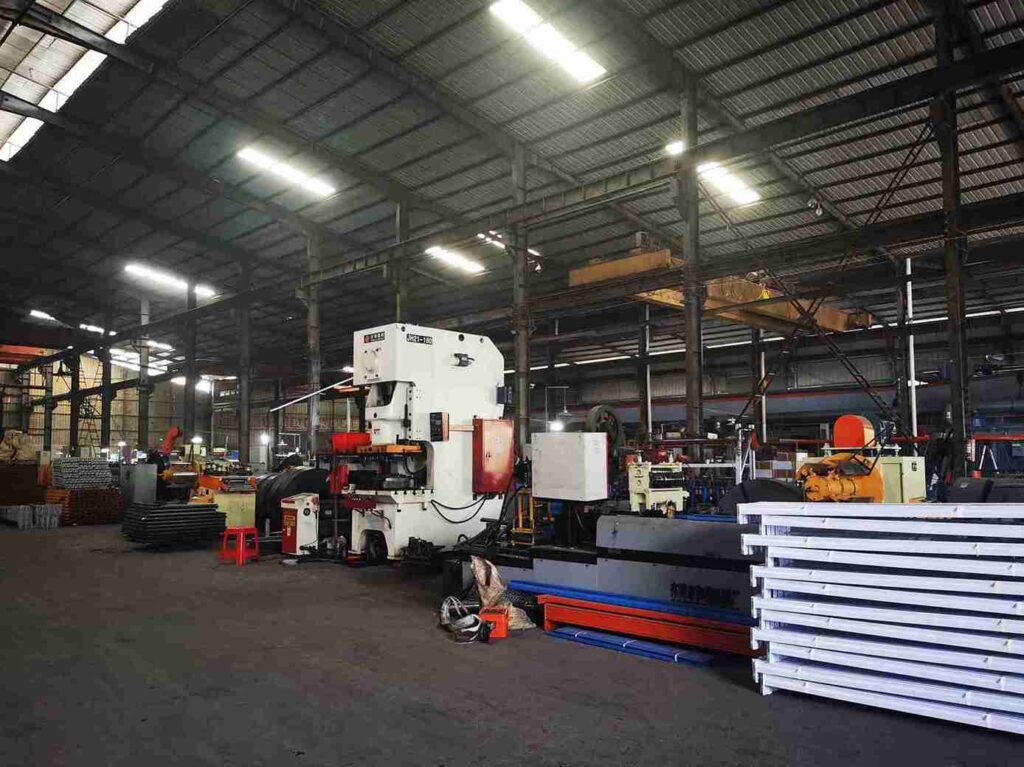
Precision Fabrication & Meticulous Project Management: Upon final sign-off, the approved custom racking system design is sent to a controlled manufacturing environment for precision fabrication. A dedicated project manager oversees every milestone, from material procurement and quality checks to shipping logistics and the meticulously planned on-site installation, ensuring the project remains on-time and on-budget.
Post-Installation Optimization & Long-Term Partnership: The relationship extends beyond the handover. Comprehensive training is provided for all personnel, and ongoing support and periodic system audits are offered to ensure the custom racking system design continues to perform optimally as the business evolves.
Conclusion: The Warehouse as a Strategic Asset, Engineered by Your Custom Racking System Design
The pursuit of maximum density and efficiency is no longer a tactical improvement project; it is a strategic imperative. The decision to invest in a professionally engineered custom racking system design is the decision to stop adapting to limitations and start engineering for possibilities. It is the choice to build a warehouse that is not a cost center, but a powerful, scalable, and intelligent engine for growth. This ultimate custom racking system design is the physical embodiment of a company’s operational strategy—a precise, dynamic, and resilient tool crafted for safety, engineered for performance, and designed for the future.
For business leaders in emerging global markets, it is the definitive solution to the pressing challenges of space, speed, and scalability. The first step toward this transformation is a conversation centered on the potential of a custom racking system design built specifically for you.
Frequently Asked Questions
1. How does the initial consultation for a custom racking system design work, and what data should we prepare?
The initial consultation is a discovery phase where engineers seek to understand your business holistically. To prepare, companies should gather their facility layout drawings, a list of SKUs with dimensions/weights, inventory turnover reports (ABC analysis), recent order history profiles, details of existing material handling equipment, and a clear articulation of their growth projections and pain points. This information forms the essential raw material for the initial conceptual custom racking system design.
2. Can a new custom racking system design be implemented in phases to minimize operational disruption?
Yes, a phased implementation is a core competency of professional installers. A detailed phasing plan is developed as part of the overall custom racking system design project plan. This often involves sectioning the warehouse and migrating inventory in a carefully orchestrated sequence, sometimes during off-peak hours or weekends, to ensure that a significant portion of the operation continues to function throughout the installation process.
3. What are the key differences between the structural tolerances in a standard racking layout and a custom racking system design for automation?
The difference is monumental. Standard racking may have tolerances of several centimeters for plumb and level. A custom racking system design for an ASRS or other automated system requires tolerances often tighter than ±3mm across the entire structure. This precision is non-negotiable, as the racking serves as the fixed guidance path for the automated machinery; any deviation can lead to system failure, downtime, or damage. This level of precision is a defining characteristic of an automation-ready custom racking system design.
4. How do you approach the design of a custom racking system for a warehouse with a very low, clear ceiling height?
Low ceilings present a unique challenge that demands a highly creative custom racking system design. The focus shifts from vertical density to optimizing horizontal density and pick-face efficiency. Solutions often involve a custom racking system design that utilizes multi-level pick modules, mezzanines, or ultra-compact mobile shelving systems. The engineering prioritizes maximizing every cubic inch available while ensuring the design does not feel cramped or hinder airflow and light, a critical aspect of this specific type of custom racking system design.
5. What is the typical lifespan of a professionally engineered custom racking system design, and what factors influence its longevity?
A properly engineered and maintained custom racking system design can have a functional lifespan of 20+ years. The primary factors influencing longevity are the quality of the initial engineering and steel, the severity of the operating environment (e.g., humidity, temperature fluctuations), the rigor of adherence to load capacities, and the effectiveness of the ongoing inspection and maintenance regimen to promptly address any accidental damage. The durability is fundamentally baked into the initial custom racking system design.
Welcome to contact us, if you need warehouse rack CAD drawings. We can provide you with warehouse rack planning and design for free. Our email address is: jili@geelyracks.com