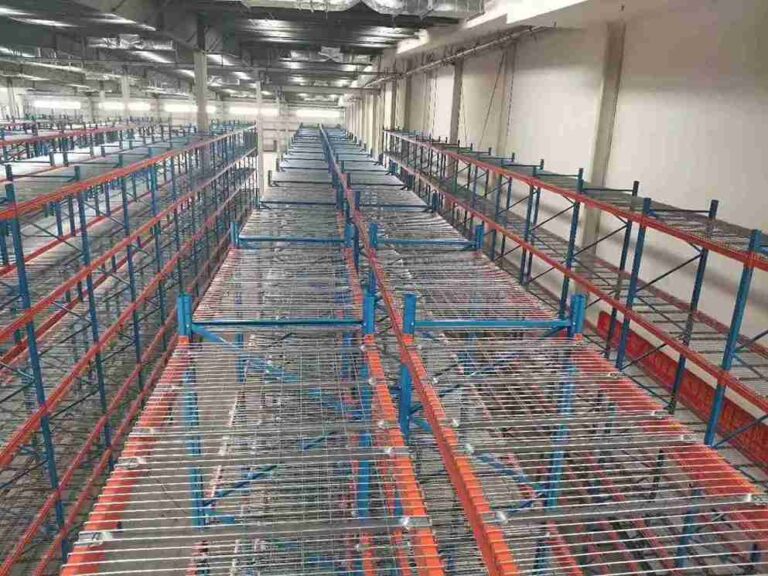
📐 "First 50 Enterprise Queries Get Custom 3D Warehouse Design" Plan















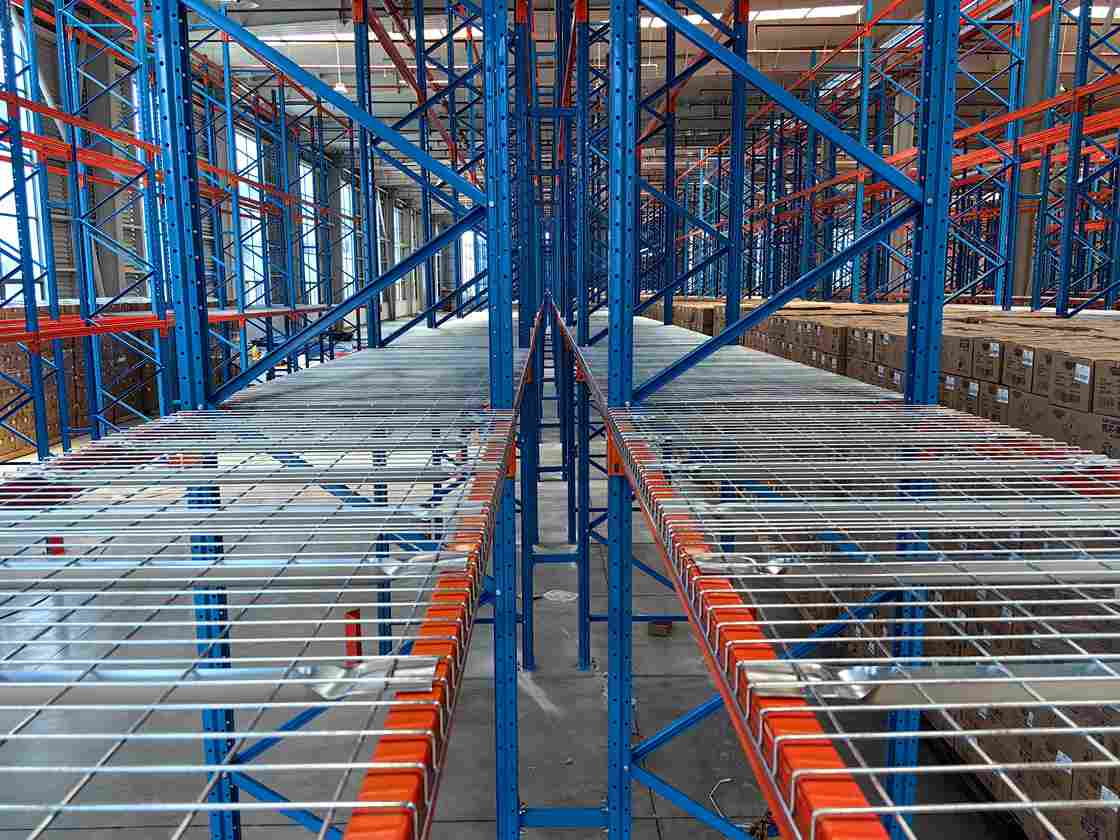
Maximizing Warehouse Space: Advanced Beam Rack Strategies for Unprecedented Storage Density
In today’s rapidly evolving logistics landscape, warehouse managers across global markets face unprecedented challenges in balancing storage capacity with operational efficiency. The conventional approach to warehouse management often overlooks the significant potential hidden in vertical space utilization and optimized storage configurations.
This comprehensive guide explores how advanced beam rack systems transform ordinary storage facilities into high-performance operations, delivering measurable improvements in storage density, inventory management, and operational throughput. The evolution of beam rack technology represents a fundamental shift in how companies approach warehouse optimization, moving beyond simple storage solutions to integrated systems that drive business value.
The Hidden Costs of Traditional Warehouse Storage Methods
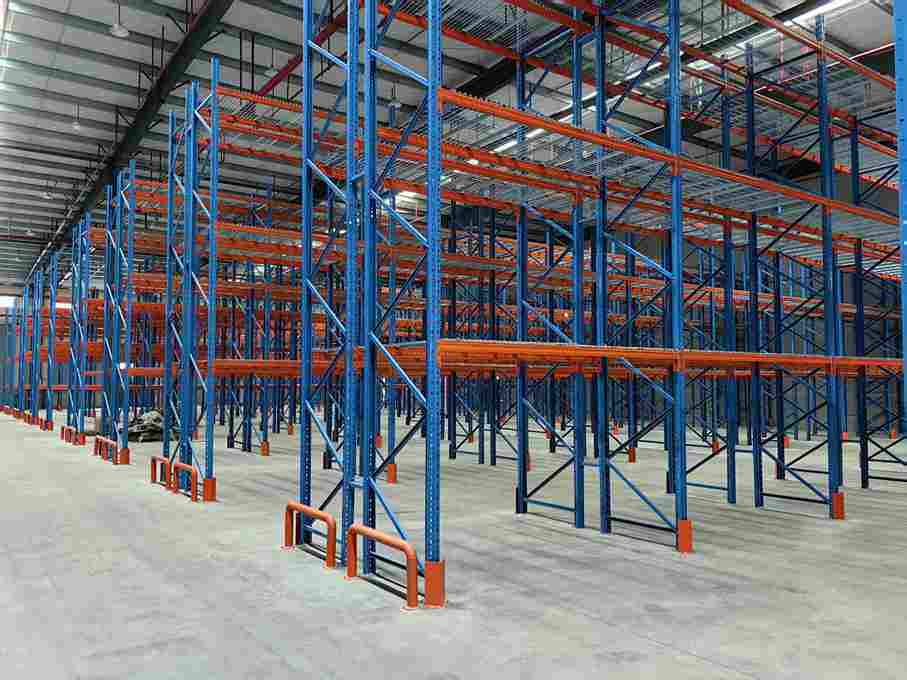
Many operations continue to utilize outdated storage systems that fail to address modern supply chain demands. Traditional shelving and basic storage solutions often create invisible inefficiencies that accumulate significant costs over time. The limitations of these conventional approaches become particularly evident when examining key performance indicators such as cost per pallet position, inventory turnover rates, and order fulfillment accuracy. Operations relying on outdated storage infrastructure typically experience higher labor costs due to excessive travel time and inefficient picking paths. Additionally, these systems often demonstrate poor adaptability to changing inventory profiles and seasonal fluctuations, creating operational bottlenecks during peak demand periods.
The fundamental advantage of implementing a properly engineered beam rack system lies in its ability to transform these operational weaknesses into competitive strengths. Unlike conventional storage methods, a strategically designed beam rack installation addresses space utilization challenges through systematic analysis and precision engineering. The flexibility inherent in modern <b>beam rack</b> designs allows operations to continuously optimize their storage layout in response to changing business requirements, ensuring that the storage infrastructure evolves alongside the organization rather than constraining its growth potential.
Advanced Engineering Principles in Modern Beam Rack Design
The structural integrity of contemporary beam rack systems stems from sophisticated engineering methodologies that account for both static and dynamic load conditions. Premium beam rack manufacturers employ finite element analysis and computational modeling to optimize component design, ensuring maximum strength-to-weight ratios while maintaining operational flexibility. The engineering specifications for commercial-grade beam rack systems typically exceed industry standards, incorporating safety factors that account for potential impact loads, seismic considerations, and long-term material fatigue.
The manufacturing process for high-quality beam rack components involves precision roll-forming of high-tensile steel, creating structural elements with consistent mechanical properties and dimensional accuracy. The connection systems in advanced beam rack designs incorporate patented safety locks that prevent accidental disengagement while maintaining the adjustability that makes these systems so versatile. This attention to engineering detail ensures that each beam rack installation delivers reliable performance throughout its operational lifecycle, typically exceeding decades of continuous service in demanding industrial environments.
Strategic Implementation of High-Density Storage Solutions
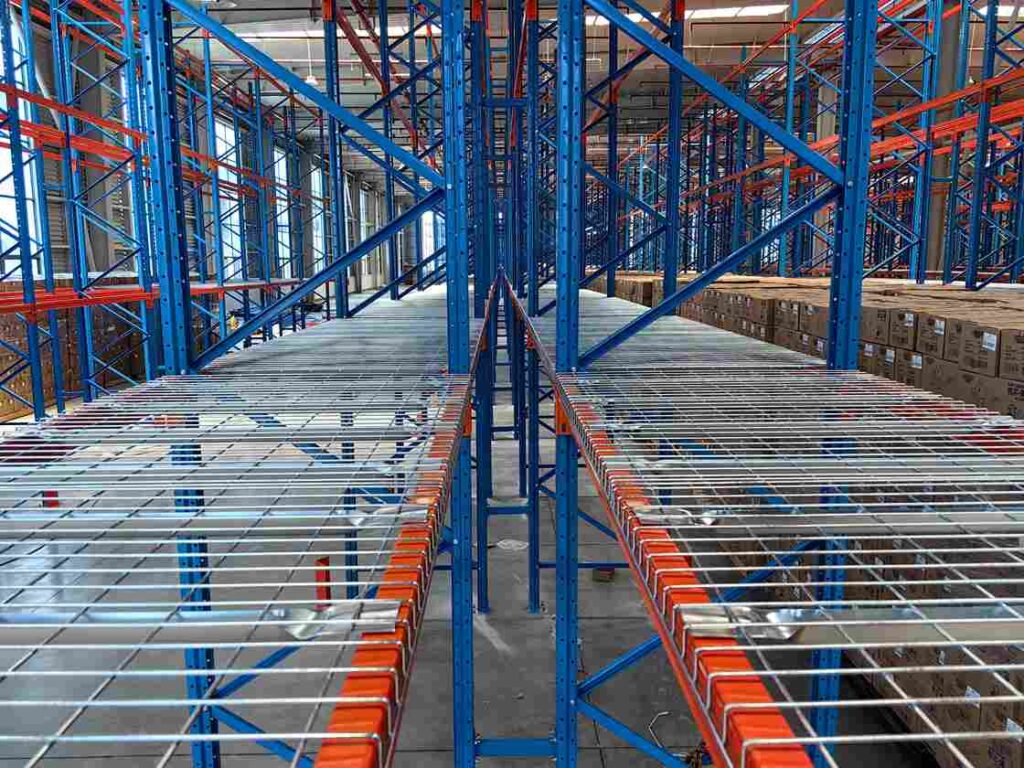
The transition to high-density storage requires careful planning and systematic implementation. Organizations considering beam rack upgrades should begin with comprehensive analysis of current operations, including detailed inventory profiling, throughput requirements, and growth projections. This data-driven approach ensures that the selected beam rack configuration aligns with both immediate operational needs and long-term strategic objectives. The implementation process typically involves multiple phases, from initial assessment through final commissioning, each requiring specialized expertise and careful coordination.
Successful beam rack implementations share several common characteristics, including thorough site preparation, professional installation, and comprehensive staff training. The physical installation of a new beam rack system requires precise alignment and proper anchoring to ensure structural stability and operational safety. Following installation, organizations should conduct detailed operational testing to verify system performance and identify any necessary adjustments before full-scale implementation. This methodical approach to beam rack deployment minimizes operational disruption while maximizing the return on investment.
Integration with Material Handling Equipment and Automation Systems
The full potential of a beam rack system emerges when properly integrated with material handling equipment and warehouse automation technologies. The compatibility between beam rack configurations and various types of forklifts, order pickers, and automated retrieval systems significantly impacts overall operational efficiency. Operations implementing narrow-aisle beam rack configurations typically require specialized material handling equipment with enhanced maneuverability and lifting capabilities, creating a synergistic relationship between storage infrastructure and handling equipment.
The integration of beam rack systems with warehouse management software represents another critical dimension of operational optimization. Modern warehouse management systems can optimize storage assignments based on the specific characteristics of the beam rack installation, considering factors such as accessibility, weight distribution, and inventory turnover patterns. This digital-physical integration enables operations to achieve unprecedented levels of visibility and control over their storage environment, transforming the beam rack system from a passive storage structure into an active component of the operational intelligence infrastructure.
Performance Metrics and Return on Investment Analysis
Evaluating the performance of a beam rack installation requires tracking multiple key performance indicators beyond simple storage capacity measurements. Operations should monitor metrics such as storage density achieved, inventory accuracy improvements, order picking efficiency gains, and space utilization rates. These quantitative measures provide valuable insights into the operational impact of the beam rack system and help justify future investments in storage optimization.
The financial analysis of beam rack implementations should consider both direct and indirect benefits. Direct savings typically include reduced real estate costs through higher storage density, lower labor expenses through improved operational efficiency, and decreased product damage through better inventory organization. Indirect benefits often encompass improved customer satisfaction through faster order fulfillment, enhanced scalability to accommodate business growth, and reduced safety incidents through better warehouse organization. This comprehensive approach to ROI calculation demonstrates the full value proposition of modern beam rack systems.
Maintenance Protocols and Lifecycle Management
Proper maintenance is essential for ensuring the long-term performance and safety of any beam rack installation. Organizations should establish regular inspection schedules that include visual examinations for impact damage, verification of connection integrity, and assessment of structural alignment. High-throughput facilities typically require more frequent inspections, with quarterly assessments recommended for operations with multiple shifts and continuous material handling activity.
The lifecycle management of a beam rack system involves proactive planning for component replacement, system reconfiguration, and potential expansion. The modular design of quality beam rack systems facilitates straightforward reconfiguration and expansion, allowing operations to adapt their storage infrastructure as requirements evolve. Organizations should maintain detailed documentation of their beam rack installation, including engineering specifications, installation records, and maintenance history, to support informed decision-making throughout the system’s operational lifecycle.
Industry-Specific Applications and Custom Solutions
The versatility of beam rack systems enables applications across diverse industries, each with unique requirements and challenges. Manufacturing operations often utilize heavy-duty beam rack configurations to store raw materials and work-in-process inventory, prioritizing accessibility and weight capacity. Distribution centers typically implement high-density beam rack solutions to maximize storage capacity while maintaining efficient order picking operations. Cold storage facilities require specialized beam rack designs that account for temperature variations and material compatibility with low-temperature environments.
The adaptability of modern beam rack systems allows for customization to address specific operational challenges. Operations handling oversized or irregularly shaped items can benefit from custom-engineered beam rack solutions with extended beam lengths and reinforced structural elements. Facilities with height restrictions might implement mezzanine-integrated beam rack systems to maximize vertical space utilization within existing building parameters. This flexibility makes beam rack technology suitable for virtually any storage application, from traditional warehousing to specialized industrial operations.
Future Trends in Storage Technology and Innovation
The continuing evolution of beam rack technology reflects broader trends in digitalization and automation within the logistics sector. Emerging innovations include sensor-equipped beam rack systems that monitor load conditions and usage patterns in real-time, providing valuable data for predictive maintenance and operational optimization. The integration of beam rack infrastructure with Internet of Things platforms enables new levels of visibility and control, creating intelligent storage environments that continuously self-optimize based on operational data.
Advancements in materials science promise further improvements in beam rack performance, with new alloys and composite materials offering enhanced strength and durability while reducing overall weight. Digital twin technology enables virtual modeling and simulation of beam rack configurations before physical implementation, reducing implementation risks and optimizing system design. These innovations ensure that beam rack technology will continue to evolve, maintaining its relevance in an increasingly automated and data-driven logistics landscape.
Implementation Best Practices and Professional Guidance
Successful beam rack implementations require careful planning and professional expertise throughout the project lifecycle. Organizations should engage experienced storage professionals during the initial planning phase to ensure that the selected beam rack configuration aligns with operational requirements and building constraints. The design phase should include detailed analysis of load requirements, seismic considerations, and material flow patterns to optimize system performance and safety.
Professional installation is critical for ensuring the structural integrity and operational safety of any beam rack system. Certified installers follow established protocols for component assembly, system alignment, and safety verification, reducing installation risks and ensuring compliance with relevant standards. Post-installation services should include comprehensive staff training, detailed documentation delivery, and ongoing support services to ensure optimal system performance throughout its operational lifecycle.
Conclusion: Strategic Value of Advanced Beam Rack Systems
The implementation of advanced beam rack systems represents a strategic investment in operational excellence and business resilience. These systems deliver measurable improvements in storage density, operational efficiency, and inventory management while providing the flexibility to adapt to changing business requirements. The engineering sophistication of modern beam rack designs ensures reliable performance in demanding industrial environments, supporting continuous operations and protecting valuable inventory assets.
As supply chain complexities continue to increase, the strategic importance of optimized storage infrastructure becomes increasingly apparent. Advanced beam rack systems provide a foundation for operational excellence, enabling organizations to meet evolving customer demands while controlling costs and maximizing resource utilization. The ongoing innovation in beam rack technology ensures that these systems will continue to play a critical role in warehouse optimization strategies, supporting business growth and competitive advantage in an increasingly challenging global marketplace.
Frequently Asked Questions
What are the key differences between commercial-grade and industrial-grade beam rack systems?
Commercial-grade and industrial-grade beam rack systems differ significantly in their load capacities, structural specifications, and engineering requirements. Industrial-grade beam rack systems typically feature heavier gauge materials, reinforced connection points, and more rigorous engineering analysis to accommodate higher load capacities and more demanding operating conditions. These systems often incorporate additional safety factors and specialized components to ensure reliable performance in high-throughput environments with continuous material handling activity.
How does seismic rating impact beam rack selection in geographically active regions?
Seismic rating significantly influences beam rack selection in geographically active regions, affecting system design, component specifications, and installation requirements. Beam rack systems designed for seismic zones incorporate additional bracing, specialized anchoring systems, and enhanced connection details to withstand lateral forces during seismic events. The engineering analysis for these systems includes dynamic modeling that accounts for specific seismic zone requirements, ensuring structural integrity and operational safety under anticipated seismic conditions.
What documentation should organizations maintain for their beam rack installations?
Organizations should maintain comprehensive documentation for their beam rack installations, including engineering drawings, load capacity charts, installation records, and maintenance history. This documentation should detail system configuration, component specifications, and any modifications or reconfigurations performed throughout the system’s operational lifecycle. Proper documentation supports informed decision-making regarding system use, maintenance planning, and future expansion while providing essential information for safety inspections and regulatory compliance.
How frequently should beam rack systems be professionally inspected?
Beam rack systems should undergo professional inspection at least annually, with more frequent inspections recommended for high-throughput operations or environments with aggressive operating conditions. Professional inspections typically include comprehensive assessment of structural components, connection integrity, alignment verification, and safety device functionality. These inspections help identify potential issues before they impact operations or safety, supporting optimal system performance and extending operational lifespan.
What factors determine the optimal beam rack configuration for specific operations?
The optimal beam rack configuration depends on multiple factors including inventory characteristics, material handling equipment, throughput requirements, and facility constraints. Operations should consider SKU profile, pallet specifications, inventory turnover patterns, and growth projections when selecting beam rack configurations. Professional storage analysis typically evaluates these factors through detailed assessment of current operations and future requirements, ensuring the selected configuration delivers optimal performance across key operational metrics.
Welcome to contact us, if you need warehouse rack CAD drawings. We can provide you with warehouse rack planning and design for free. Our email address is: jili@geelyracks.com