📐 "First 50 Enterprise Queries Get Custom 3D Warehouse Design" Plan















The Definitive Guide to Pallet Racking Bolting Requirements: Engineering Warehouse Safety from the Ground Up
In the dynamic landscape of modern logistics and warehousing across Southeast Asia’s growing economies, the silent infrastructure of pallet racking systems forms the critical backbone of supply chain operations. Yet beneath the surface of these towering steel structures lies a fundamental safety consideration that often receives insufficient attention: the comprehensive understanding and implementation of proper pallet racking bolting requirements. These technical specifications represent far more than mere installation guidelines—they constitute the engineering foundation upon which entire warehouse operations depend for safety, stability, and regulatory compliance.
The precise pallet racking bolting requirements for any facility are not arbitrary; they are scientifically derived protocols that ensure the structural integrity of storage systems under dynamic operational conditions. This definitive guide explores the critical nature of these pallet racking bolting requirements, providing warehouse operators, facility managers, and logistics professionals with the essential knowledge needed to maintain safestandards and prevent catastrophic failures.
The fundamental principle underlying all pallet racking bolting requirements recognizes that a pallet racking system functions as a unified structural entity rather than a collection of independent components. The system’s ability to withstand the complex forces encountered in warehouse environments—including forklift impacts, vibrational loads from material handling equipment, and the substantial weight of stored inventory—depends entirely on the integrity of its connections to the building structure and between components.
Comprehensive pallet racking bolting requirements address these connection points with exacting specifications that cover everything from the metallurgical properties of fasteners to the precise installation protocols and ongoing maintenance procedures. Disregarding these detailed pallet racking bolting requirements compromises the entire structural system, effectively converting an essential storage asset into a significant safety liability.
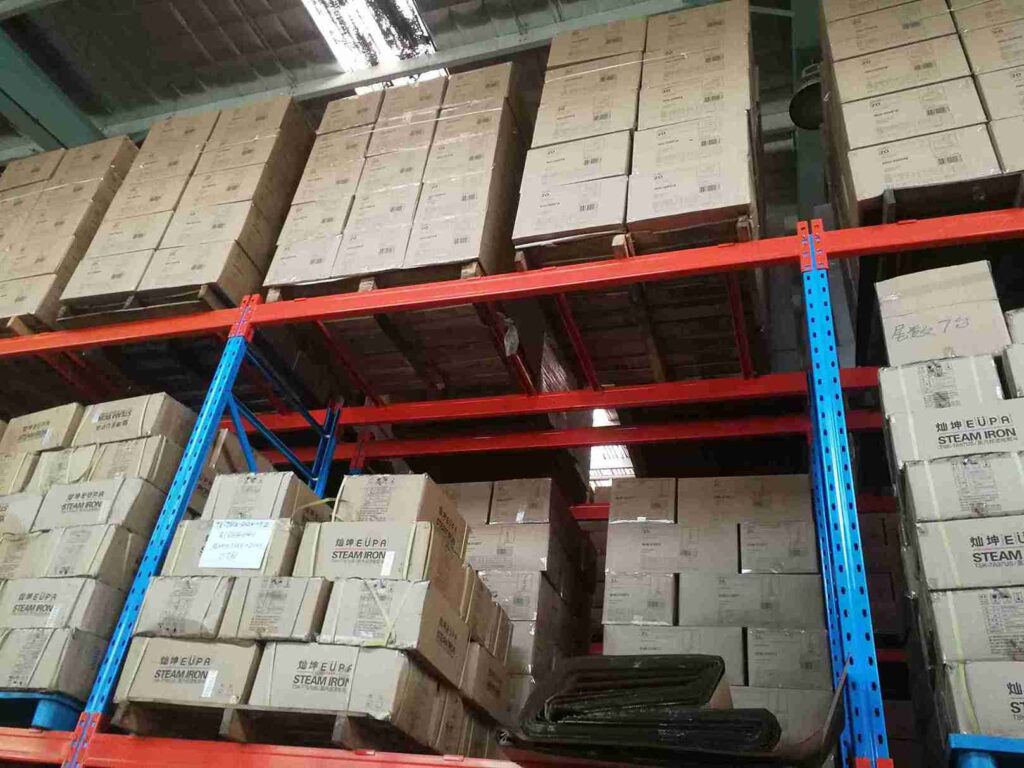
The Engineering Science Behind Pallet Racking Bolting Requirements
The development of proper pallet racking bolting requirements represents an exercise in applied physics and structural engineering. Each bolted connection within a racking system serves specific load-bearing functions, and the collective pallet racking bolting requirements ensure the entire structure behaves predictably and safely under various loading conditions.
Structural Mechanics: Understanding the Forces Addressed by Pallet Racking Bolting Requirements
A correctly specified and installed bolting system, developed according to comprehensive pallet racking bolting requirements, provides a warehouse’s primary defense against multiple destructive force vectors.
Uplift and Overturning Moments: Among the most critical functions outlined in any set of pallet racking bolting requirements is resistance to uplift forces. In tall, narrow racking configurations, or during seismic events common to many Southeast Asian regions, the entire structure can behave like a lever, generating significant forces that attempt to pull upright frames from the concrete floor. The anchor bolts specified in professional pallet racking bolting requirements provide the sole resistance to this catastrophic failure mode. Their holding capacity directly results from their specific type, embedment depth, and the concrete’s structural properties—all meticulously defined within the project’s pallet racking bolting requirements.
Shear Forces and Lateral Stability: Professional pallet racking bolting requirements comprehensively address shear forces that attempt to slide racking baseplates laterally across the floor surface. These forces commonly result from lateral forklift impacts, which occur frequently in busy warehouse environments. The bolts must effectively transfer this lateral energy into the concrete slab without compromising connection integrity. Additionally, the pallet racking bolting requirements governing diagonal and horizontal bracing connections within upright frames prove crucial for maintaining lateral stability, preventing frames from collapsing under asymmetric loading conditions.
Vibrational Loads and Material Fatigue: In modern high-throughput distribution centers, particularly e-commerce fulfillment facilities, the constant operation of automated equipment and material handling vehicles generates persistent, low-amplitude vibration. This operational reality receives significant attention in advanced pallet racking bolting requirements, as vibration can induce metal fatigue and cause progressive loosening of fasteners over time. Consequently, specific pallet racking bolting requirements often mandate vibration-dampening hardware, specialized locking mechanisms, or chemical anchoring systems to counter these insidious threats.
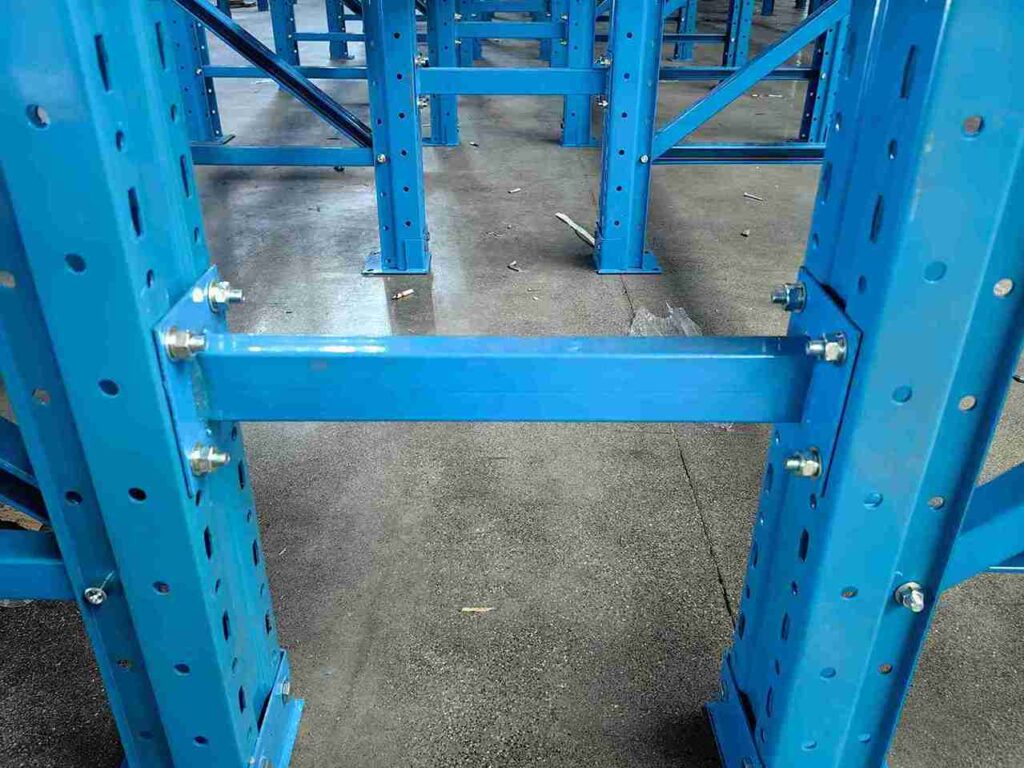
Consequences of Non-Compliance: The Critical Importance of Adhering to Pallet Racking Bolting Requirements
The ramifications of deviating from established pallet racking bolting requirements extend far beyond immediate compliance issues, presenting severe safety, financial, and operational consequences.
Progressive Structural Collapse: The most catastrophic potential outcome of ignoring pallet racking bolting requirements is progressive structural collapse. A single improperly bolted connection can initiate a chain reaction where the failure of one structural component overloads adjacent elements, potentially resulting in the collapse of entire racking sections. Such events endanger personnel, destroy inventory, and cripple operations—precisely what proper pallet racking bolting requirements are designed to prevent.
Hidden Damage and Cumulative Structural Weakening: Warehouse environments remain inherently dynamic, with minor impacts occurring regularly. A seemingly insignificant forklift contact that leaves only cosmetic damage on an upright can simultaneously shock-load anchor bolts, compromising their integrity without visible indication. This creates hidden weaknesses that accumulate with subsequent incidents. Rigorous pallet racking bolting requirements address this reality by mandating immediate inspection and potential re-torquing following any impact event.
Warranty and Insurance Implications: Manufacturers’ warranties for storage equipment remain contingent upon installation that fully complies with their specified pallet racking bolting requirements. Failure to provide certified documentation of compliant installation—typically from qualified engineers—voids these warranties automatically. Following incidents, insurance investigators meticulously examine installation records, and evidence of non-compliance with pallet racking bolting requirements frequently becomes grounds for claim denial, leaving companies fully responsible for substantial financial losses.
Regulatory and Operational Consequences: Throughout Southeast Asia, occupational safety regulations enforced by bodies like Singapore’s WSH Council or Malaysia’s DOSH implicitly require safe installation practices. While they may not explicitly cite pallet racking bolting requirements, structural failures resulting from non-compliant bolting clearly violate these regulations. Potential consequences include significant financial penalties, mandated operational shutdowns, and lasting reputational damage that affects business viability.
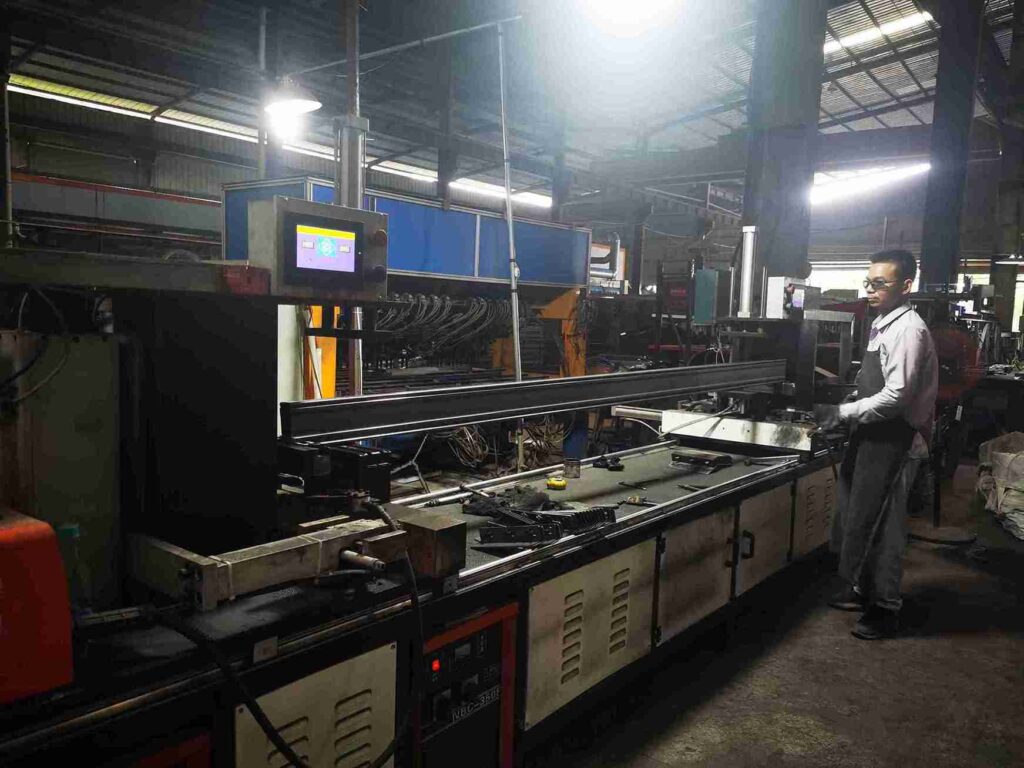
International Standards and Specifications: The Foundation of Professional Pallet Racking Bolting Requirements
The pallet racking bolting requirements implemented by qualified engineering professionals derive from decades of research, testing, and practical experience codified by international standards organizations.
Global Benchmarking: RMI and FEM Standards in Pallet Racking Bolting Requirements
The Rack Manufacturers Institute (RMI) in North America and the Federation Européenne de la Manutention (FEM) in Europe establish the most influential standards governing storage rack design and installation, forming the basis for professional pallet racking bolting requirements worldwide.
These standards provide mathematical models for calculating loads that each connection must withstand. Engineers developing project-specific pallet racking bolting requirements utilize these standards to determine:
Required tensile and shear capacities for anchor bolts
Appropriate safety factors applied to calculated loads
Specific load combinations considering dead loads, live loads, and environmental forces
Derating factors for concrete of questionable quality or cracked condition
Therefore, any credible set of pallet racking bolting requirements demonstrates clear traceability to these internationally recognized standards.
Component Specifications: Understanding Hardware in Pallet Racking Bolting Requirements
A crucial aspect of any pallet racking bolting requirements document involves precise specification of components, leaving no room for interpretation or substitution.
Bolt Grades and Material Properties: Comprehensive pallet racking bolting requirements explicitly state the property class of all structural bolts (e.g., 8.8, 10.9, or 12.9), indicating their tensile strength and yield points. Using lower-grade, unmarked bolts from general hardware sources constitutes a direct violation of project pallet racking bolting requirements and represents one of the most common failures in non-compliant installations.
Anchor Bolt Selection: The strategic selection of appropriate anchor types forms a cornerstone of effective pallet racking bolting requirements.
Mechanical Anchors: While popular for perceived installation simplicity, pallet racking bolting requirements for mechanical anchors demand strict adherence to hole diameter, depth, and concrete quality specifications. Their performance remains particularly sensitive to vibration and concrete surface conditions.
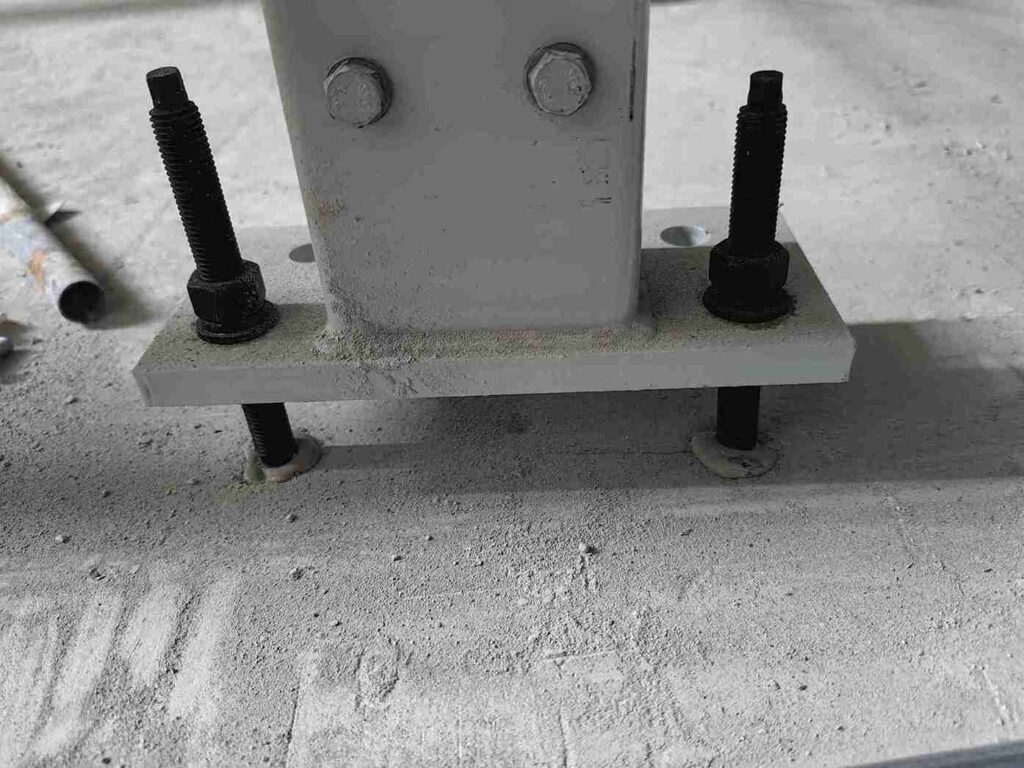
Chemical Anchors: Increasingly specified in high-performance pallet racking bolting requirements, chemical anchoring systems provide superior performance in demanding environments. The epoxy resin bonds threaded rods to concrete, distributing stress over larger areas and offering exceptional resistance to vibration and dynamic loading. For variable concrete conditions prevalent throughout Southeast Asia, chemical anchors frequently provide more reliable connections, making them preferred in modern pallet racking bolting requirements.
Torque Specifications and Installation Control: Proper bolt tensioning remains critical to performance, and all professional pallet racking bolting requirements include specific torque values for each fastener size and grade. Under-torquing fails to establish proper clamp load, while over-torquing risks thread damage or stress fracturing. The use of calibrated torque wrenches represents a non-negotiable requirement within any professional pallet racking bolting requirements protocol.
Regional Adaptation: Contextualizing Pallet Racking Bolting Requirements for Southeast Asian Conditions
Implementing effective pallet racking bolting requirements in Southeast Asia requires careful consideration of regional environmental factors and operational practices that differ from other global regions.
Environmental Factors Influencing Pallet Racking Bolting Requirements
The tropical climate and construction practices common throughout Southeast Asia significantly impact the development and implementation of appropriate pallet racking bolting requirements.
Concrete Performance Characteristics: The performance of any anchoring system depends fundamentally on concrete quality and strength. Design assumptions typically reference specified compressive strengths (e.g., 25-30 MPa), but actual in-situ strength often varies due to construction practices, curing conditions, and material quality. Prudent pallet racking bolting requirements for new projects should mandate concrete core testing to establish actual strength before finalizing anchor designs.
Climate Impacts on Materials: High humidity, temperature fluctuations, and rainfall accelerate carbonation processes in concrete, reducing its natural protection for embedded steel. Coastal facilities face additional challenges from salt exposure. These conditions necessitate pallet racking bolting requirements that specify appropriate corrosion protection, potentially including hot-dip galvanizing or stainless-steel components.
Thermal Cycling Effects: In facilities without climate control, daily temperature variations cause differential expansion and contraction between steel and concrete. This cyclic loading can fatigue mechanical anchors over time, influencing the selection of anchoring systems in pallet racking bolting requirements for such environments.
Operational Considerations in Pallet Racking Bolting Requirements
The specific use case of a warehouse directly influences the stringency and focus of its pallet racking bolting requirements.
High-Cycle Distribution Facilities: E-commerce fulfillment centers and parcel distribution hubs generate significant vibration from continuous material handling equipment operation. Standard pallet racking bolting requirements may prove inadequate, necessitating enhanced protocols that include vibration-resistant anchors, frequent re-torquing schedules, and potentially thread-locking adhesives in specialized pallet racking bolting requirements.
Specialized Storage Environments: Temperature-controlled warehouses, particularly freezer facilities, create unique challenges addressed by specialized pallet racking bolting requirements. The extreme thermal differentials between storage areas and external environments generate substantial thermal stress, requiring pallet racking bolting requirements that specify low-temperature steels and anchoring designs accommodating significant movement.
Industrial and Corrosive Environments: Facilities supporting chemical, automotive, or food processing industries may expose racking to corrosive substances. The pallet racking bolting requirements for these applications must specify corrosion-resistant materials throughout the bolting system to prevent degradation and maintain long-term structural integrity.
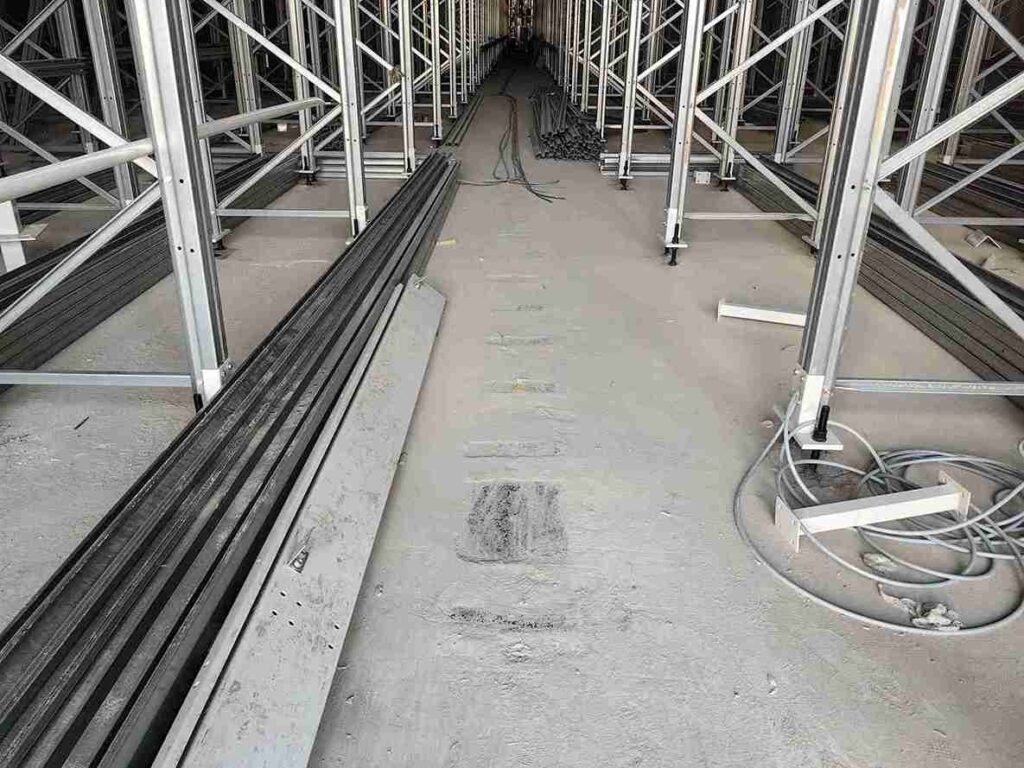
Implementation Framework: Executing Compliant Pallet Racking Bolting Requirements
Translating theoretical understanding of pallet racking bolting requirements into practical implementation requires a structured, phased approach that embeds compliance throughout the project lifecycle.
Design Phase: Establishing Project-Specific Pallet Racking Bolting Requirements
This initial phase transforms general guidelines into engineered directives specific to site conditions and operational requirements.
Comprehensive Site Assessment: Qualified structural engineers or certified racking professionals must conduct detailed site assessments before developing pallet racking bolting requirements. This assessment should include architectural drawing reviews, visual slab inspections, and crucially, concrete core testing to determine compressive strength and condition.
Engineered Design Documentation: Using site assessment data and projected operational loads, engineers create formal pallet racking bolting requirements documentation. This becomes the project’s binding reference, specifying anchor types, diameters, quantities, embedment depths, edge distances, torque values, and referencing relevant international standards.
Material Specification and Verification: All bolting components must match exactly the specifications within the pallet racking bolting requirements documentation. Upon delivery, materials require verification against this specification, with any discrepancies resolved before installation commences.
Installation Phase: Implementing Pallet Racking Bolting Requirements with Precision
The installation phase represents where designed pallet racking bolting requirements become physical reality, demanding meticulous execution.
Qualified Installation Personnel: Installation teams must possess specific training and certification, ideally from racking manufacturers or recognized industry bodies. They must understand that pallet racking bolting requirements constitute mandatory instructions rather than suggestions and demonstrate proficiency with specialized installation tools and techniques.
Precision in Preparation and Execution: The pallet racking bolting requirements dictate exact hole diameters and depths for each anchor type. For mechanical anchors, minimal deviations dramatically reduce capacity. For chemical anchors, holes require meticulous cleaning using specialized equipment to ensure optimal bond performance.
Quality Assurance through Torque Control: Each bolt must be tightened using calibrated torque wrenches to achieve exact values specified in the pallet racking bolting requirements. Maintaining installation logs providing torque verification creates essential quality assurance records.
Final Verification and Certification: Before rack loading, supervising engineers or inspectors should conduct final audits, including torque spot-checks and comprehensive verification that as-built conditions match designed pallet racking bolting requirements in all details.
Operational Phase: Maintaining Compliance with Pallet Racking Bolting Requirements
Since warehouse conditions evolve continuously, the pallet racking bolting requirements must function as living documents guiding ongoing maintenance and inspection.
Scheduled Maintenance Protocols: The initial pallet racking bolting requirements documentation should establish formal re-torquing schedules. New installations typically require initial re-torquing after 3-6 months to account for concrete creep and settlement, followed by annual or semi-annual schedules in high-vibration environments.
Impact Response Procedures: The pallet racking bolting requirements must clearly mandate immediate inspection following any forklift impact, regardless of apparent severity. This inspection should include complete re-torquing of bolts in the affected area to identify potential loosening.
Comprehensive Documentation Management: A dedicated racking logbook provides the ongoing record of compliance with pallet racking bolting requirements, containing original design documents, installation certifications, and all subsequent inspection, maintenance, and impact reports. This documentation proves invaluable for safety audits, management reviews, and insurance compliance.
Integrated Safety: Connecting Pallet Racking Bolting Requirements to Comprehensive Warehouse Protocols
While rigorous pallet racking bolting requirements provide the technical foundation for rack safety, they function most effectively when integrated within broader safety management systems.
Complementary Operational Controls: Even perfect compliance with pallet racking bolting requirements cannot withstand repeated high-energy impacts. Comprehensive forklift operator training, physical protection systems like column guards, and formal rack inspection programs work synergistically with proper pallet racking bolting requirements to create layered protection.
Management Systems Integration: The procedural aspects of pallet racking bolting requirements—including documentation, scheduled maintenance, and incident response—should integrate seamlessly with broader warehouse safety management systems, ensuring consistent application and management oversight.
Performance Monitoring and Continuous Improvement: Organizations should treat their pallet racking bolting requirements as dynamic documents subject to continuous improvement based on operational experience, incident analysis, and evolving industry standards.
Conclusion: The Strategic Imperative of Professional Pallet Racking Bolting Requirements
In the competitive landscape of modern logistics, where operational efficiency and throughput metrics often dominate management attention, the foundational importance of professional pallet racking bolting requirements cannot be overstated. These technical specifications represent far more than compliance obligations—they constitute the essential engineering discipline that enables safe, reliable warehouse operations.
The rigorous development, precise implementation, and diligent maintenance of comprehensive pallet racking bolting requirements demonstrates an organization’s commitment to operational excellence, risk management, and most importantly, workplace safety. In an industry where structural failures carry catastrophic potential, investment in proper pallet racking bolting requirements represents not merely a regulatory cost, but a fundamental strategic imperative for sustainable business operations.
Frequently Asked Questions (FAQs)
1. What specific qualifications should professionals possess when developing pallet racking bolting requirements?
Professionals developing pallet racking bolting requirements should possess recognized credentials in structural engineering with specific experience in storage rack design. Relevant certifications include Professional Engineer (PE) licenses with structural expertise, and specialized qualifications from organizations like the Rack Manufacturers Institute (RMI) or similar international bodies. Their experience should include demonstrated work with seismic design, dynamic loading analysis, and concrete anchorage systems.
2. How frequently should professional audits of existing pallet racking bolting requirements be conducted?
Comprehensive professional audits of implemented pallet racking bolting requirements should occur at least annually, with more frequent quarterly visual inspections by trained facility personnel. Additional audits should follow any significant operational changes, structural modifications, or seismic events. Facilities with high-throughput operations or older installations may benefit from semi-annual professional audits to ensure ongoing compliance with pallet racking bolting requirements.
3. What documentation beyond torque values should proper pallet racking bolting requirements include?
Comprehensive pallet racking bolting requirements documentation should include material certifications for all fasteners, concrete test reports, installation methodology statements, as-built drawings indicating anchor locations, inspection and maintenance schedules, and specific procedures for addressing non-conformances. This documentation package provides complete traceability for the pallet racking bolting requirements implementation.
4. How do pallet racking bolting requirements interact with building code compliance?
Professional pallet racking bolting requirements must align with local building codes, which often reference international standards for structural design. In many jurisdictions, the pallet racking bolting requirements for rack-supported structures or high-density storage installations require formal building department review and approval. Even for freestanding racks, pallet racking bolting requirements typically must satisfy general structural safety provisions within building codes.
5. What are the cost implications of upgrading existing facilities to meet current pallet racking bolting requirements?
The cost implications vary significantly based on facility condition, but typically represent a minor fraction of potential loss from structural failure. Implementation of updated pallet racking bolting requirements may involve engineering assessment costs, potential concrete reinforcement, anchor replacement, and possible operational downtime. However, these costs generally pale in comparison to potential inventory loss, liability claims, and business interruption resulting from racking collapses that proper pallet racking bolting requirements are designed to prevent.
Welcome to contact us, if you need warehouse rack CAD drawings. We can provide you with warehouse rack planning and design for free. Our email address is: jili@geelyracks.com