📐 "First 50 Enterprise Queries Get Custom 3D Warehouse Design" Plan















The Unseen Anchor of Warehouse Operational Integrity
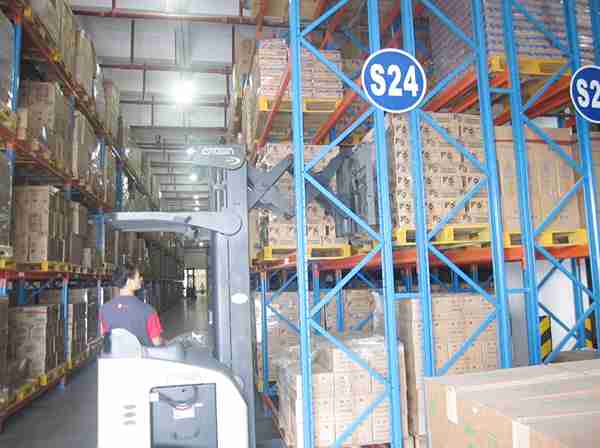
In the dynamic, high-velocity world of global logistics, where every second of uptime translates directly to revenue, the integrity of a warehouse’s storage infrastructure is paramount. Across regions like Southeast Asia, the Middle East, Africa, and Latin America, operations managers and logistics directors face a universal, relentless challenge: the incremental degradation of their most critical static asset—the pallet racking system.
The primary culprit is rarely a single, catastrophic event, but the cumulative effect of dozens of daily, low-impact collisions from forklifts, AGVs, and pallet jacks. This is where the strategic implementation of engineered pallet rack column protectors transitions from a discretionary safety item to a core component of operational and financial strategy. These protectors are not mere plastic sleeves; they are sophisticated, energy-absorbing guardians specifically designed to intercept kinetic energy that would otherwise compromise the structural steel of rack uprights.
For businesses aiming to slash maintenance budgets, enforce safety protocols, and ensure uninterrupted workflow, a deep understanding and correct application of pallet rack column protectors is indispensable. This guide delves into the engineering, economics, and execution of deploying these critical devices to fortify warehouses against predictable damage.
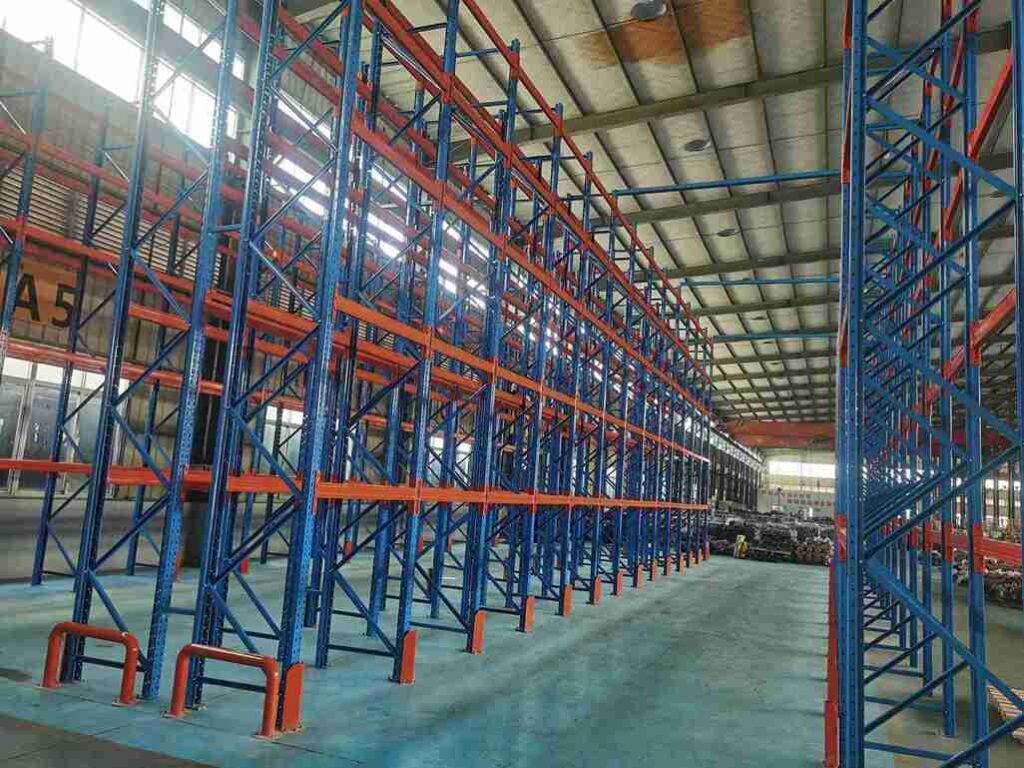
The Anatomy of Impact: Understanding the Forces at Play in Your Aisles
To appreciate the value proposition of pallet rack column protectors, one must first comprehend the physics of a typical warehouse impact. A standard counterbalance forklift operating in a congested aisle may weigh over 5,000 kg when laden. Even at a cautious travel speed of 3-5 km/h, the energy transferred in a collision with a fixed rack upright is substantial. An unprotected steel column, while robust under vertical load, is highly vulnerable to lateral point impacts.
The resulting dent or bend creates a focal point for stress concentration, effectively reducing the load-bearing capacity of the entire upright by up to 70% depending on the depth and location of the damage. This degradation is often invisible to the untrained eye during routine checks, creating a latent hazard.
The financial narrative unfolds predictably: each incident necessitates a formal inspection, potential derating of storage capacity, and, in severe cases, a full, disruptive column replacement process. This cycle represents a direct, recurring drain on capital and productivity. The installation of purpose-built pallet rack column protectors fundamentally alters this equation. By acting as a sacrificial, high-strength barrier, these protectors absorb and dissipate the impact force across a broader area, preventing the steel from deforming.
The protector itself may show a scuff or dent—a clear visual indicator of its service—but the critical rack structure beneath remains fully intact and rated. Thus, pallet rack column protectors function as both a preventive maintenance tool and a continuous safety monitor.
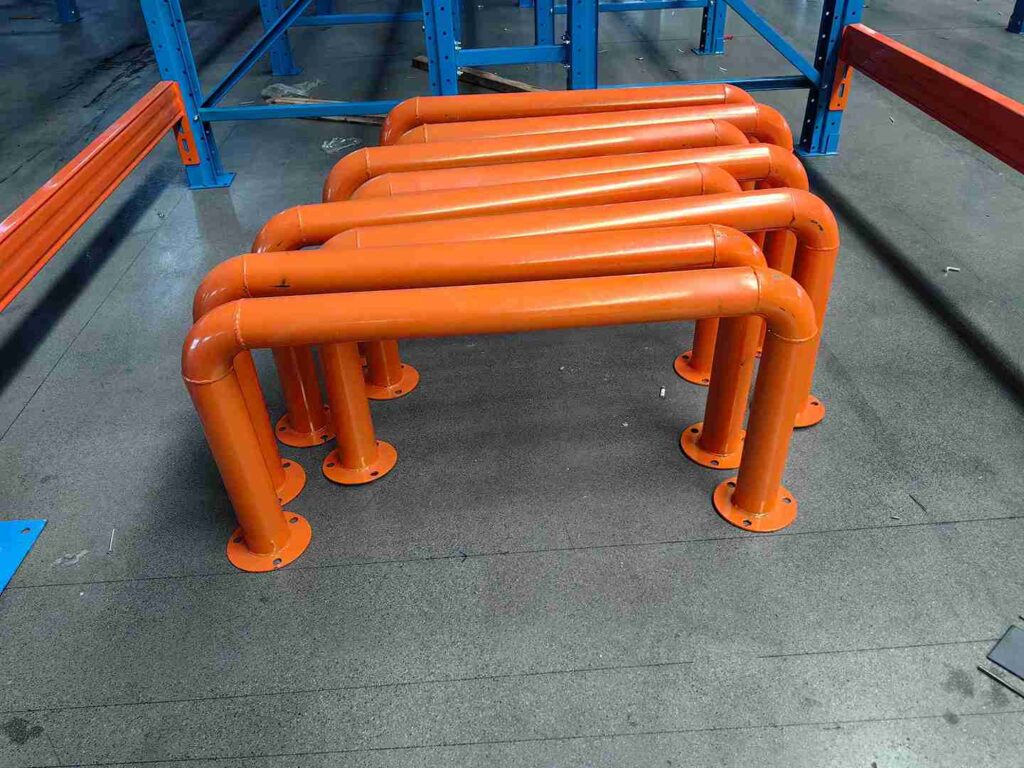
Material Science and Design: What Separates a True Protector from a Cosmetic Sleeve
The market offers a wide range of products marketed as column guards, but their performance varies dramatically based on material composition and design integrity. Discerning the difference is crucial for procurement specialists.
Core Materials: HDPE vs. UHMW-PE
High-Density Polyethylene (HDPE): A common, economical polymer. While durable for light duty, standard HDPE can crack or deform plastically under significant, repeated impacts, offering diminishing protection over time.
Ultra-High Molecular Weight Polyethylene (UHMW-PE): This is the engineered material of choice for high-performance pallet rack column protectors. UHMW-PE possesses an exceptional combination of properties: an extremely low coefficient of friction (causing forklift forks to glance off), outstanding impact strength (highest among all plastics), and high resistance to abrasion and chemicals. Its molecular structure allows it to absorb tremendous energy and return to shape, providing consistent, long-term protection. Premium pallet rack column protectors often use cross-linked UHMW-PE for enhanced dimensional stability and temperature resistance, a critical feature in cold storage or Middle Eastern heat.
Critical Design Specifications
Wall Thickness and Density: Thickness typically ranges from 3/8″ to 1.25″. In high-traffic areas with heavy equipment, a minimum of 3/4″ (19mm) thick UHMW is recommended. Density, measured in g/cm³, further indicates material purity and strength.
Profile and Coverage: Effective pallet rack column protectors employ a three-sided “C-channel” design that encapsulates the front and sides of the upright, safeguarding against direct and glancing blows. The height must protect the primary impact zone, usually from the floor to 48-60 inches (1200-1500mm).
Attachment System: This is a frequent failure point in inferior products. Professional-grade pallet rack column protectors utilize full-length, galvanized or stainless steel retaining straps that pass behind the upright and are secured with high-grade bolts and load-distributing washers. This method ensures a rigid, rattle-free fit that does not loosen over time, unlike adhesive-backed or flimsy plastic strap solutions.
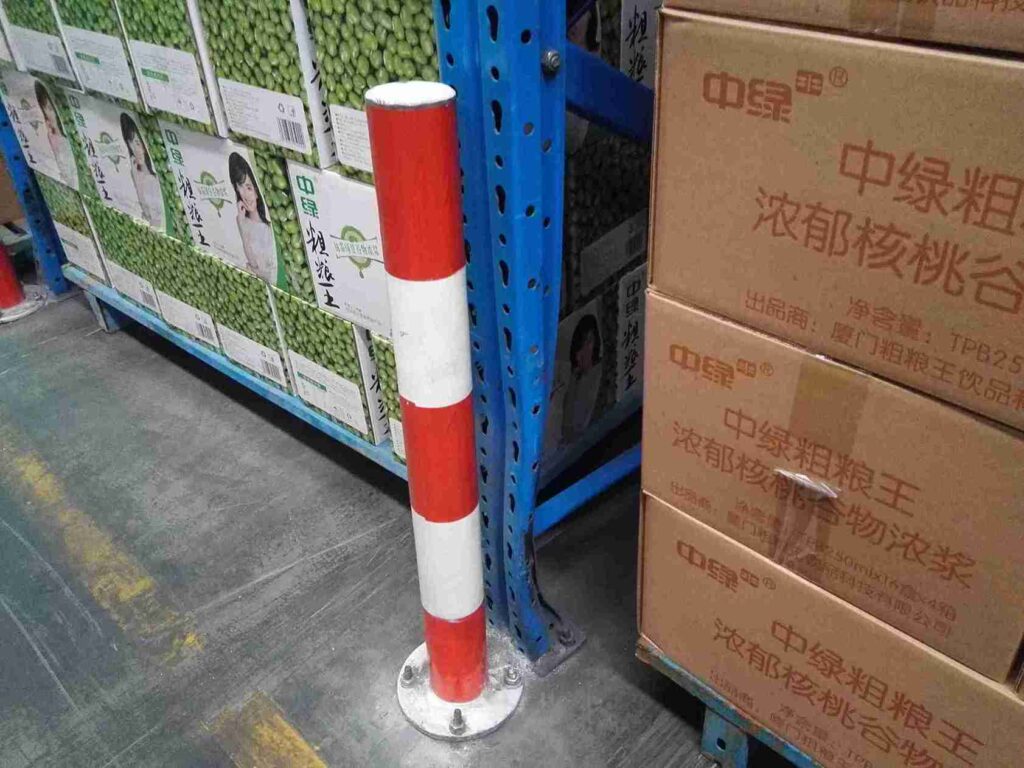
The Global Application: Tailoring Pallet Rack Column Protectors to Regional Challenges
Warehouse operations in Jakarta, Dubai, Lagos, and Santiago face distinct environmental and operational challenges, necessitating a nuanced approach to specifying pallet rack column protectors.
Southeast Asia’s High-Growth, High-Humidity Environments: Here, rapid warehouse expansion often outpaces operator training. The constant humidity can accelerate corrosion on racking and fasteners. Pallet rack column protectors specified for this region should be paired with stainless steel hardware. Furthermore, the high frequency of novice driver incidents makes a highly visible protector with reflective striping a wise investment for accident prevention.
The Middle East: Extreme Heat and Dust: Prolonged exposure to intense UV radiation and ambient temperatures exceeding 45°C (113°F) can degrade lower-quality polymers. Pallet rack column protectors destined for Gulf Cooperation Council (GCC) markets require UV-stabilized UHMW-PE to prevent brittleness and cracking. Dust accumulation can also reduce visibility, making bright-colored protectors a functional necessity.
Africa and Latin America: Diverse Infrastructures and Supply Chains: These markets often feature a mix of state-of-the-art automated warehouses and older facilities with non-standard, sometimes imported, racking profiles. The value of a supplier who can provide custom-extruded pallet rack column protectors to fit unique upright dimensions is immense, as finding replacement uprights can be time-consuming and costly. The robustness of pallet rack column protectors becomes a key strategy for extending the safe service life of older racking systems.
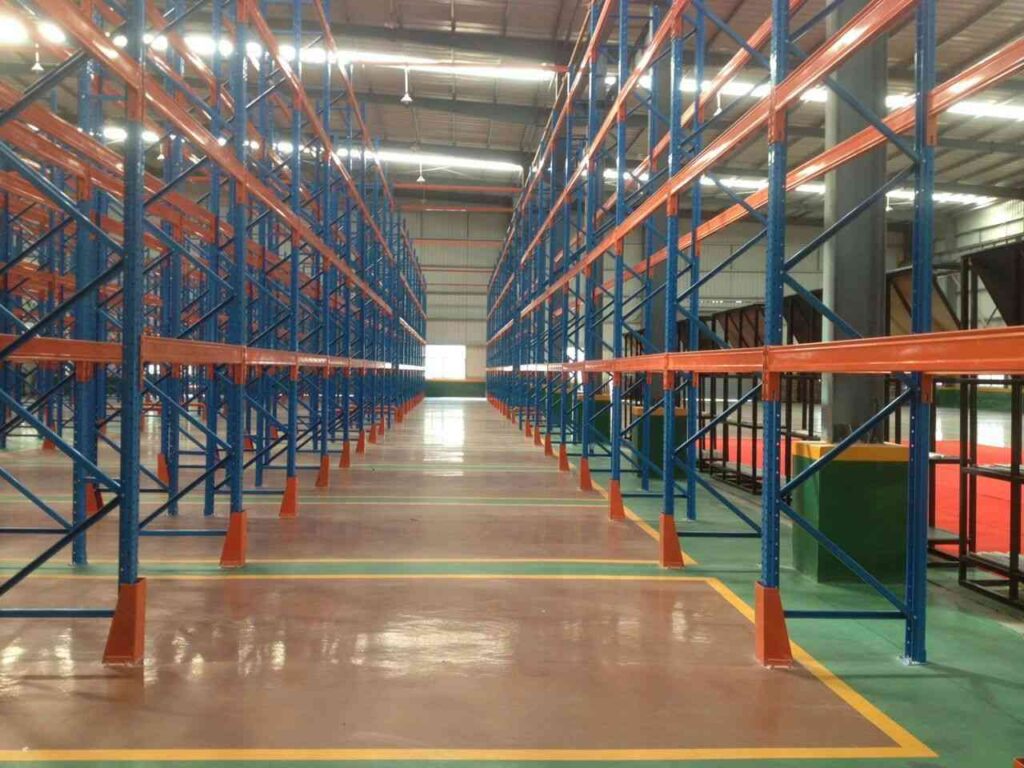
The Quantifiable ROI: How Pallet Rack Column Protectors Drive Down Total Cost of Ownership
The investment in a comprehensive pallet rack column protector system must be framed as a capital expenditure with a clear and rapid return. The financial model is compelling.
Consider a distribution center with 800 vulnerable uprights. Without protection, it might experience 60 recordable impacts annually, with two requiring full column replacements.
Annual Cost Without Pallet Rack Column Protectors:
Minor Impact Inspections & Repairs (60 x $200): $12,000
Major Column Replacements (2 x $4,500): $9,000
Estimated Annual Loss: $21,000
Investment in a UHMW-PE Pallet Rack Column Protector System:
One-Time Installed Cost (800 units @ $85): $68,000
Post-Installation Annual Impact (Estimated, reduced by ~90%): 6
New Annual Cost (6 x $50 for check): $300
Annual Savings Realized: $20,700
Simple Payback Period: $68,000 / $20,700 ≈ 3.3 years.
Crucially, from Year 4 onward, the facility realizes over $20,000 in annual avoided costs, translating directly to improved operational margin. This calculation excludes the significant, though harder-to-quantify, savings from avoided product damage, prevented injuries, stable insurance premiums, and uninterrupted throughput. When these factors are incorporated, the payback period for pallet rack column protectors often shrinks to under two years, presenting an undeniable business case.
Installation Excellence: Why Professional Deployment is Critical
The performance of even the highest-quality pallet rack column protectors is contingent upon correct installation. A poorly fitted protector can shift upon impact, exposing the steel or creating a tripping hazard.
A professional installation protocol, conducted by certified technicians, follows a rigorous process:
Pre-Installation Audit: A final site survey confirms counts, profiles, and identifies any obstructions like electrical conduits or sprinkler lines that require custom notching of the pallet rack column protectors.
Surface Preparation: Uprights are cleaned of grease and dirt to ensure a solid mounting surface.
Precision Fitting and Torqueing: Protectors are fitted snugly, and retaining straps are tensioned to a specified torque value using calibrated tools. This ensures optimal holding power without distorting the upright.
Quality Assurance Documentation: Each installed pallet rack column protector is logged, and a final installation certificate is issued, which can be vital for safety compliance and insurance audits.
Integration into a Holistic Warehouse Damage Prevention System
While supremely effective, pallet rack column protectors represent the foundational layer of a comprehensive damage prevention strategy. Their effectiveness is magnified when integrated with other systems:
Secondary Protection: Installing pallet rack column protectors at the end of aisles should be complemented by post protectors and barrier rails for equipment like wrap machines and floor-mounted obstacles.
Operational Awareness: Technology such as RFID tags on pallet rack column protectors can be paired with impact sensors to provide real-time alerts and data on collision frequency and location, enabling targeted operator re-training.
Aisle Management: The bright colors of pallet rack column protectors contribute to better visual delineation of aisles, especially when combined with floor tape and signage.
Maintenance, Inspection, and End-of-Life Protocol
A system of pallet rack column protectors requires minimal but consistent oversight as part of a routine warehouse safety inspection.
Visual Inspections (Monthly/Quarterly): Warehouse staff should look for severe gouging, cracking, or deformation of any pallet rack column protector. Significant damage indicates the protector has fulfilled its role and must be replaced.
Professional Annual Audit: During the mandatory annual rack inspection conducted by a qualified engineer (per RMI and FEM standards), the condition of the pallet rack column protectors should also be assessed. The inspector can check for any indication that an impact has transferred force to the upright behind the protector.
Replacement Guidelines: A pallet rack column protector showing an indentation deeper than 25-30% of its wall thickness, or any penetrating crack, should be scheduled for replacement immediately. Having a small inventory of spares on-site ensures rapid turnover without waiting for shipments.
Conclusion: The Cornerstone of a Resilient and Profitable Operation
In the final analysis, the decision to equip a facility with professional-grade pallet rack column protectors is a definitive marker of sophisticated warehouse management. It reflects a proactive, data-driven approach to asset preservation, risk mitigation, and human safety. The ongoing narrative in global logistics is the relentless pursuit of efficiency and cost control; unplanned maintenance events and catastrophic rack failures are direct antagonists to these goals.
By deploying a robust system of pallet rack column protectors, operations managers transform a vulnerable fixed cost center into a resilient, predictable, and safeguarded asset. The initial investment is not an expense but a capital reallocation that yields continuous returns through avoided downtime, preserved safety records, and optimized maintenance budgets. For any warehouse serious about its long-term operational and financial health, a thorough audit of impact risks and the subsequent specification of correct pallet rack column protectors is not just advisable—it is imperative.
Frequently Asked Questions (FAQs)
1. Can pallet rack column protectors be effectively used in drive-in or push-back racking systems, where the design is different?
Yes, but the application differs. For the interior, structural columns of drive-in racks, standard pallet rack column protectors are essential on the entry/exit aisles. However, the critical wear points are often the guide rails. For these systems, specialized rail protectors or structural post guards with a different profile are recommended to shield the horizontal rails from repeated pallet base impact, a complementary solution to the vertical pallet rack column protectors.
2. How do we handle the installation of pallet rack column protectors in a refrigerated or freezer warehouse (-25°C / -13°F)?
Cold environments demand specific material grades. Standard UHMW-PE remains functional, but for extreme cold, pallet rack column protectors made from specifically formulated, low-temperature UHMW-PE are critical. These materials retain their impact-absorbing flexibility and do not become brittle. Installation crews also require cold-weather protocols, and all fasteners should be corrosion-resistant stainless steel to withstand condensation.
3. Our warehouse uses automated guided vehicles (AGVs). Are pallet rack column protectors still necessary, and do they interfere with navigation sensors?
Absolutely. While AGVs are programmed for precision, software glitches, sensor obstruction, or floor debris can cause deviations. Pallet rack column protectors are a vital failsafe. To address navigation concerns, many providers offer protectors with a matte, non-reflective finish that minimizes LiDAR/optical sensor interference. Coordination with the AGV systems integrator during the protector selection phase is highly recommended.
4. Is there a standard (like ISO, RMI, or FEM) that governs the performance or testing of pallet rack column protectors?
While there is no single, universal ISO standard exclusively for pallet rack column protectors, their performance is intrinsically linked to rack safety standards (e.g., RMI/ANSI MH16.1, FEM 10.2.02). Reputable manufacturers conduct and can provide documentation for in-house or third-party impact testing, such as drop tests or pendulum tests, which simulate forklift collisions. This data validates the energy-absorption claims of their pallet rack column protectors.
5. For a warehouse with thousands of uprights, is it necessary to protect every single column, or can we use a risk-based zoning approach?
A strategic, risk-based approach is both practical and cost-effective. A professional site survey will zone the warehouse based on traffic frequency, equipment type, aisle width, and historical damage data. High-risk zones (main thoroughfares, tight corners, receiving/shipping areas) receive pallet rack column protectors on every upright. Medium-risk zones may have protectors on alternating columns or only on the traffic-facing side. Low-risk zones in static storage may require minimal protection. This tiered strategy maximizes the ROI of the pallet rack column protector investment.
If you require perfect CAD drawings and quotes for warehouse racking, please contact us. We can provide you with free warehouse racking planning and design services and quotes. Our email address is: jili@geelyracks.com