📐 "First 50 Enterprise Queries Get Custom 3D Warehouse Design" Plan















Scalable Modular Industrial Racking Systems: The Definitive Guide to Future-Proofing Your Global Warehouse Operations
In an era defined by supply chain volatility and the relentless growth of e-commerce, static warehouse infrastructure is a strategic liability. The paradigm has shifted from building a warehouse for a fixed capacity to creating a dynamic, adaptive storage ecosystem. At the heart of this transformation are scalable modular industrial racking systems. These are not mere storage shelves; they are intelligent, engineered frameworks designed for continuous evolution.
This definitive guide explores why modular industrial racking systems are the cornerstone of a resilient logistics strategy for businesses across Southeast Asia, the Middle East, Africa, and Latin America. It delves into the engineering excellence, seamless automation integration, and profound financial logic that make these modular industrial racking systems a superior investment, turning a capital expense into a long-term competitive advantage that grows in lockstep with market demands.
The End of Static Storage: Why Scalability is Now a Non-Negotiable Feature
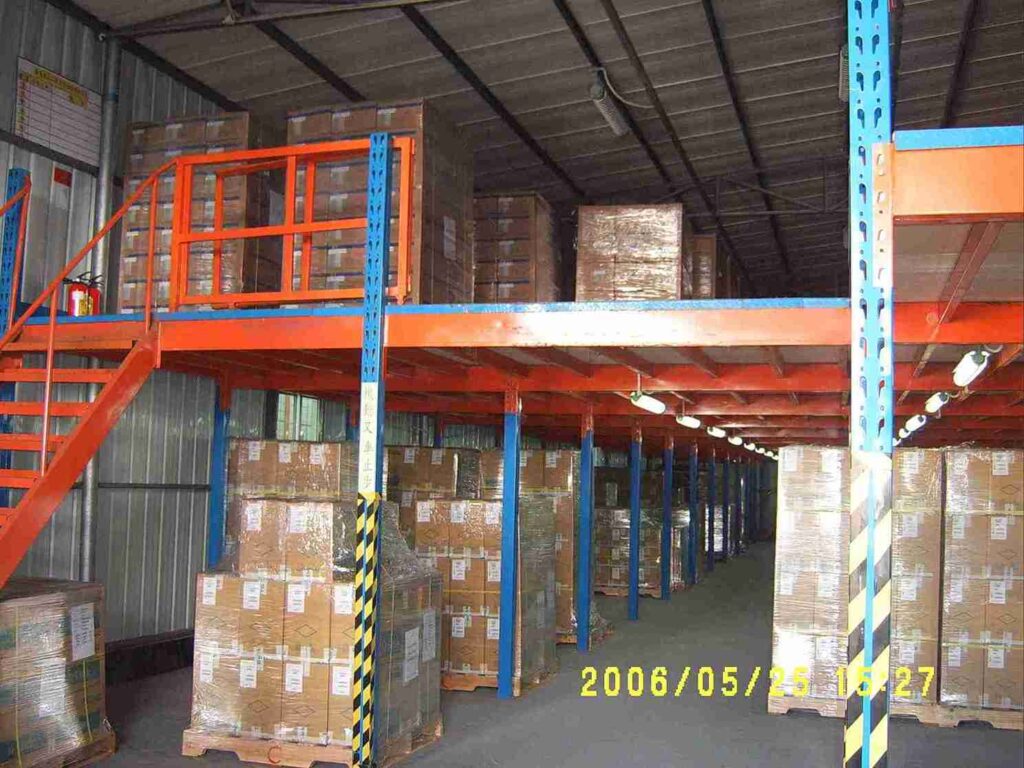
The traditional approach to warehouse design—projecting a peak capacity for the next decade and investing in a fixed, rigid structure—is fundamentally broken. This model creates a perpetual cycle of either crippling under-capacity or wasteful over-investment. Modern modular industrial racking systems are engineered to break this cycle. The core principle of these advanced modular industrial racking systems is fluid adaptability.
A business can start with a system that meets its current throughput and volume, confident that the identical, standardized components will be available years later to expand capacity vertically or horizontally. This philosophy is particularly critical in high-growth emerging markets, where business forecasts can be rendered obsolete in a single quarter. The inherent flexibility of a well-designed modular industrial racking system provides a buffer against uncertainty, allowing operational capacity to be dialed up or down with remarkable agility.
Quantifying the Hidden Costs of Traditional, Non-Modular Racking
To fully appreciate the value proposition of modern modular industrial racking systems, one must first understand the true total cost of ownership of their static predecessors. The financial risks are twofold and significant:
Capital Stranding through Over-Investment: Sinking capital into a massive, fixed-capacity industrial racking system for projected growth that is slow to materialize ties up valuable financial resources. This capital could be better deployed in revenue-generating activities like marketing, technology, or inventory. Furthermore, the unused capacity still incurs costs in terms of floor space, lighting, and environmental control.
The Extreme Disruption and Expense of Reactive Expansion: When growth exceeds expectations, a congested warehouse with a static industrial racking system becomes a bottleneck. Picking efficiency plummets, safety incidents increase, and customer fulfillment times lengthen. The solution—a traditional expansion—is a logistical and financial nightmare, often requiring a partial or full shutdown, inventory relocation, demolition, and new construction. The downtime and associated costs can severely impact customer satisfaction and profitability.
In contrast, a strategically implemented modular industrial racking system is designed from the ground up to make expansion a planned, phased, and minimally disruptive event, transforming a potential crisis into a manageable operational procedure.
Deconstructing the Engineering: The Core Components of a Truly Scalable System
The scalability of advanced modular industrial racking systems is not a marketing slogan; it is a function of precision engineering and standardized design. Every component is conceived with future adaptation in mind.
The Critical Role of Standardized Connectors and Beam Profiles
The integrity and scalability of any modular industrial racking system hinge on its connection points. The system relies on standardized, often patented, connector profiles that allow beams to be securely attached to upright frames of various heights and configurations. This interoperability is non-negotiable. It ensures that a beam purchased today will fit perfectly with an upright frame manufactured five years from now. This protects the client’s investment from obsolescence and prevents vendor lock-in. High-quality modular industrial racking systems often feature a robust hook-and-claw or similar positive-locking mechanism that provides exceptional load-bearing capacity and seismic resistance, all while allowing for relatively straightforward reconfiguration.
Upright Frames: The Backbone Engineered for Multi-Dimensional Growth
The upright frame is the foundational pillar of the entire modular industrial racking system. For a system to be genuinely scalable, these frames must be engineered to facilitate both vertical and horizontal expansion:
Vertical Scalability: Engineered for significant safe working heights, these frames allow businesses to capitalize on unused cubic air space. This is achieved through structurally rated splice kits that bolt securely to the top of existing frames, enabling safe upward extension. This is often a far more cost-effective method of increasing capacity than acquiring additional land and constructing a new building.
Horizontal Reconfigurability: A key feature of superior modular industrial racking systems is a consistent, versatile bolt-hole pattern on the upright frames. This allows logistics managers to easily adjust beam levels to accommodate changing inventory profiles—for instance, converting a pallet location into a multi-level carton flow lane—without any need for complex disassembly or specialized tools.
Load Beams and Decking: The Adaptive Elements for Evolving Inventory
The beams and decking within a modular industrial racking system are the adaptive elements that directly interface with the stored goods. Beams are available in a wide array of lengths and load capacities, all maintaining the same critical connection profile. Similarly, decking options—from wire mesh for ventilation and sprinkler compliance to solid steel for small parts storage—are designed as modular components themselves. They can be easily added, removed, or repositioned as needed, ensuring that the modular industrial racking system can evolve from storing palletized goods to supporting a complex multi-tiered picking operation for e-commerce fulfillment.
The Symbiotic Relationship with Warehouse Automation
A scalable modular industrial racking system is the essential physical substrate upon which a smart, automated warehouse is built. While static racking creates fixed constraints, a dynamic modular industrial racking system is designed to complement and enhance automation technologies.
Optimizing for AGVs and Autonomous Mobile Robots (AMRs)
Automated Guided Vehicles (AGVs) and Autonomous Mobile Robots (AMRs) require a predictable and optimizable physical environment. The reconfigurable nature of a modular industrial racking system means that aisle widths, pick-face densities, and travel paths can be continuously refined to maximize the efficiency of the robotic fleet. Companies can design dense storage blocks with narrow aisles for certain inventory and wider cross-aisles for robot traffic, all within the same adaptable modular industrial racking system framework. This ability to “tune” the warehouse layout to the robots’ operational parameters is a significant competitive advantage.
Forming the Superstructure for Automated Storage and Retrieval Systems (ASRS)
For operations demanding maximum density and speed, modular industrial racking systems form the critical superstructure for Automated Storage and Retrieval Systems (ASRS). The precision, strength, and consistency of the racking are paramount for the reliable operation of the ASRS cranes. A high-quality modular industrial racking system is manufactured to exacting tolerances, ensuring perfect alignment over long aisles. The scalability aspect is transformative here: a business can commission a single ASRS aisle within its broader modular industrial racking system and then add identical aisles as volume increases, using the same proven components and design principles. This creates a seamlessly integrated, high-throughput automated environment that grew organically from a manual or semi-automated start.
Real-World Implementation: A Philippine E-Commerce Logistics Provider
A leading logistics provider in the Philippines faced a 250% surge in order volume during the holiday season. Their existing static racking created crippling bottlenecks. We worked with them to replace their old infrastructure with a high-density, scalable modular industrial racking system. Initially configured for manual picking, the system was designed with a “robot-ready” profile. Within a year, they integrated a fleet of AMRs. The existing modular industrial racking system was easily reconfigured in a weekend to create optimized zones for the AMRs, with no wasted components or structural changes. This phased approach, centered on a flexible modular industrial racking system, saved an estimated 70% in capital outlay compared to a greenfield automated warehouse project.
The Compelling Financial Logic: A Detailed ROI Analysis
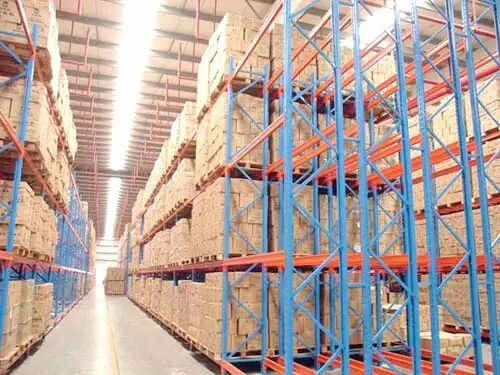
The decision to invest in a scalable modular industrial racking system must be justified by a clear and compelling financial model. The return on investment manifests in several powerful ways.
Phased Capital Expenditure and Superior Cash Flow Management
A scalable modular industrial racking system enables a phased capital expenditure strategy. Instead of a single, massive upfront investment, capital is deployed incrementally, aligned with verified business growth. This preserves cash for other strategic initiatives and ensures that storage capacity costs are closely matched with revenue generation. This “pay-as-you-grow” model is a fundamentally healthier approach to corporate finance, especially for small and medium-sized enterprises in growth markets.
The Immense Value of Operational Continuity
The cost of warehouse downtime during a traditional expansion is often grossly underestimated. It includes not only direct construction costs but also massive indirect costs: lost revenue from delayed shipments, overtime labor to clear backlogs, permanent loss of customers due to poor service, and potential penalties for breaching service-level agreements (SLAs). An expansion using a modular industrial racking system can be executed with minimal disruption, often during off-peak shifts or in a segregated section of the warehouse. This preservation of operational continuity is a massive financial benefit that directly protects the top and bottom lines.
Maximizing Cube and Driving Down Cost Per Storage Location
Warehouse efficiency is measured in cubic meters, not square meters. A scalable modular industrial racking system is inherently designed for cubic optimization. The ease of vertical extension allows businesses to dramatically increase storage capacity within the same building footprint. Given that real estate and construction are typically the largest fixed costs, this ability to generate more capacity from the same asset drastically reduces the cost per pallet or per-item storage location, a key metric in warehouse economics.
Engineering for Global Challenges: Regional Adaptations of Modular Systems
A world-class modular industrial racking system must be adaptable to local environmental and economic conditions. Our global experience directly informs the specifications and implementation strategies for these robust modular industrial racking systems.
Combating Corrosion in High-Humidity and Coastal Climates
In the port cities of Vietnam, Thailand, the UAE, and Brazil, salt-laden air accelerates corrosion. Standard powder coatings are insufficient. For these environments, we specify modular industrial racking systems with advanced protective finishes. This includes hot-dip galvanizing, which provides a metallurgically bonded zinc layer, or the application of multi-stage epoxy coatings specifically formulated for salt spray resistance. This ensures the long-term structural integrity and safety of the modular industrial racking system, protecting the client’s investment.
Seismic and Wind Load Engineering for Active Geologies
Countries like Chile, Indonesia, and parts of Central Asia require specialized engineering for seismic resilience. Standard industrial racking systems are not adequate. We design and supply seismically rated modular industrial racking systems that incorporate specialized moment-resistant frames, increased bracing, and unique base plate connections designed to absorb and dissipate seismic energy. This specialized engineering is not an add-on but a core part of the design process for modular industrial racking systems destined for these regions, ensuring the safety of personnel and inventory.
Designing for Localized Supply Chains and Technical Skill Availability
In parts of Africa and remote areas of Latin America, access to complex tools or highly specialized technicians can be limited. Our modular industrial racking systems are engineered for straightforward assembly with commonly available tools. We provide comprehensive, visually-driven installation guides and can conduct train-the-trainer programs for local crews. This empowers local teams to maintain, manage, and expand their modular industrial racking system independently, reducing long-term reliance on international support and fostering local operational expertise.
A Strategic Implementation Blueprint: From Assessment to Scalable Operation
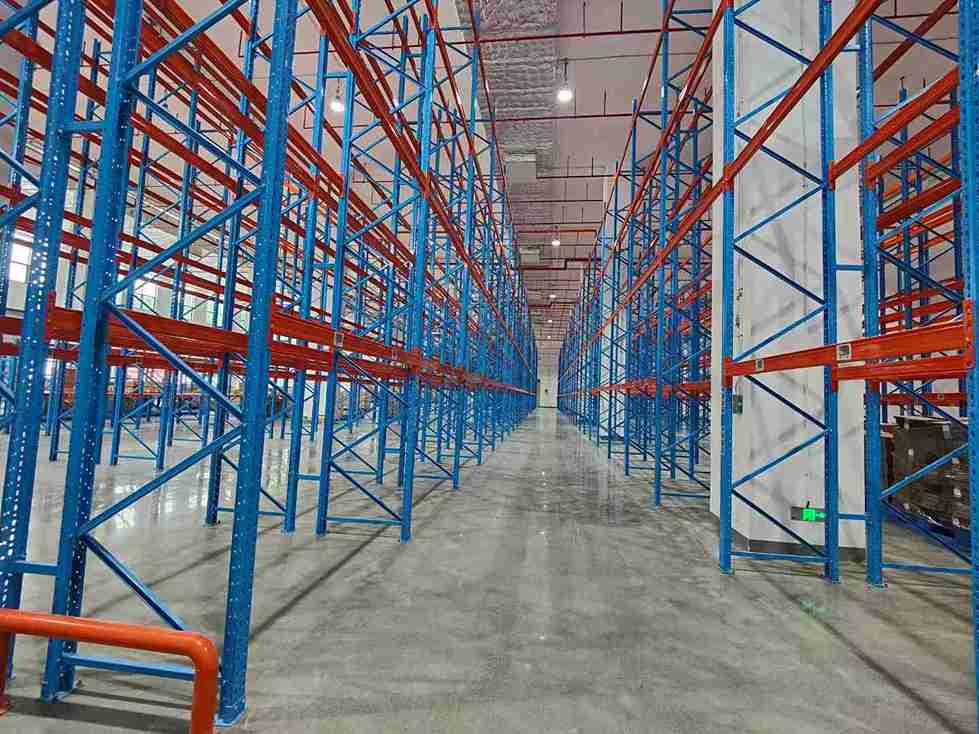
Deploying a future-proof warehouse powered by a modular industrial racking system requires a methodical, partnership-based approach.
Comprehensive Operational Diagnostics: The process begins with a deep dive into the client’s data: SKU profiles, order history, velocity analysis, seasonality trends, and a clear-eyed growth forecast. We also conduct time-motion studies and interview floor staff to identify hidden inefficiencies that the new modular industrial racking system must solve.
Phased Master Planning and Digital Twin Modeling: We create a master plan that outlines a phased roadmap. Phase 1 addresses immediate needs, Phase 2 prepares for mid-term growth (e.g., automation insertion), and Phase 3 visualizes long-term expansion. Advanced clients often receive a digital twin of the proposed modular industrial racking system, allowing for simulation and optimization before any metal is cut.
Global Component Sourcing and Standardization: We specify the exact components that will form the client’s standardized “kit of parts,” leveraging our global supply chain to ensure consistency, quality, and availability for future phases, regardless of local market fluctuations.
Staged Installation and Empowerment-Based Training: We execute the Phase 1 installation with a focus on knowledge transfer, ensuring the client’s team is fully proficient in the assembly, disassembly, and safety protocols of their new modular industrial racking system.
Long-Term Strategic Partnership: We transition into a long-term partner. When the client is ready for Phase 2, the components, plans, and knowledge are already in place, turning a complex expansion project into a simple, efficient operational upgrade.
Beyond the Racking: Integrating a Complete Ecosystem
A scalable modular industrial racking system is the foundational layer of a modern warehouse, but its value is multiplied when integrated with other modular subsystems.
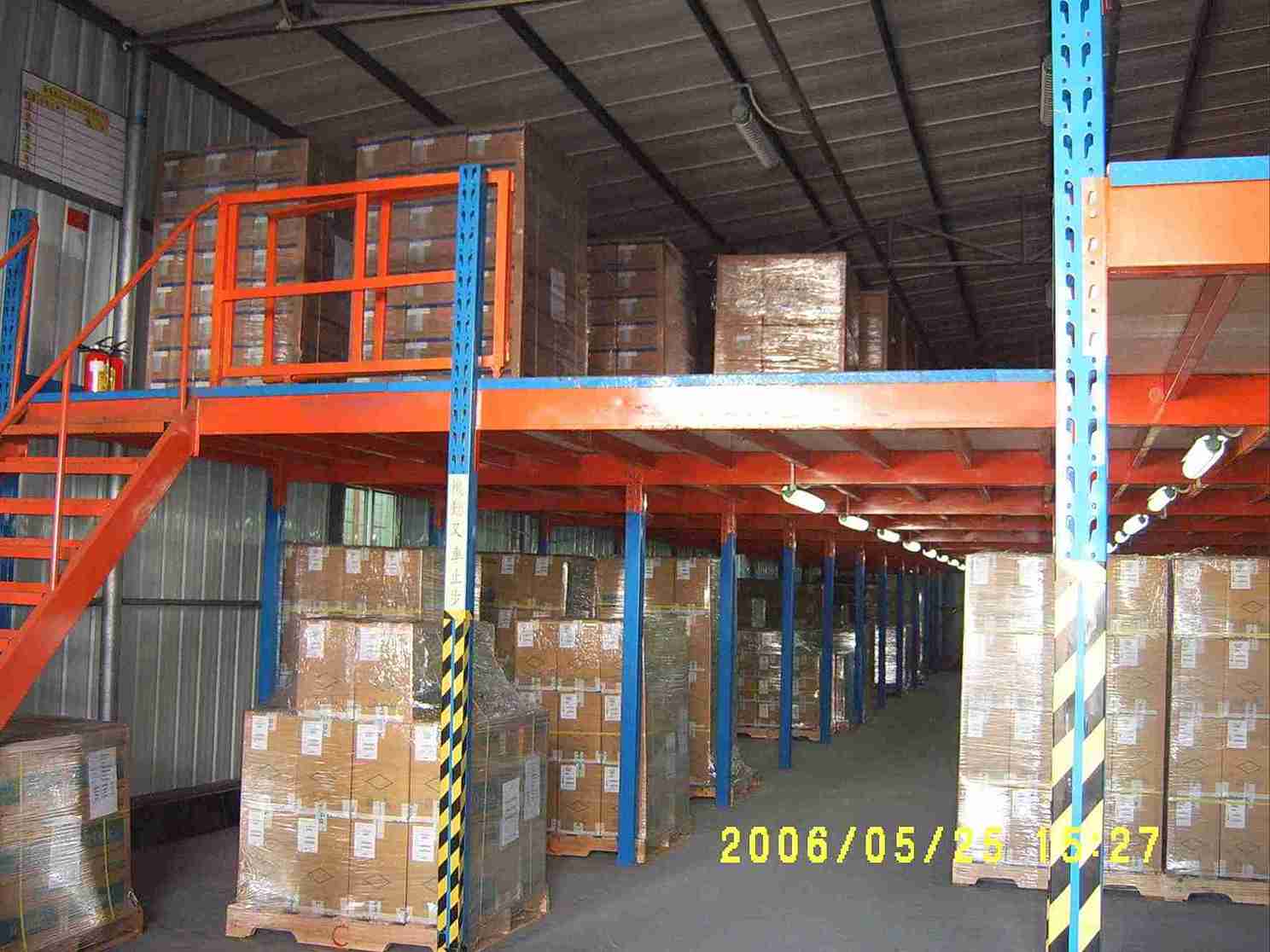
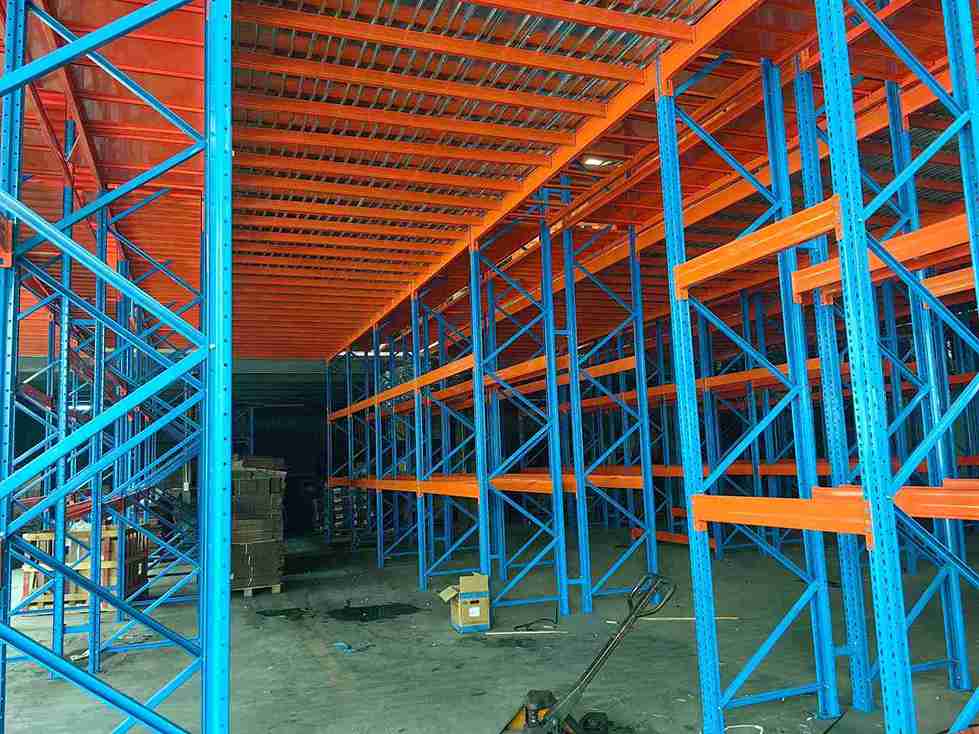
Structural Mezzanine Floors: Create additional office or bulk storage space, often designed to be supported by the primary modular industrial racking system structure, maximizing cube utilization.
Adaptable Conveyor and Sortation Systems: We design material handling conveyors that can be easily extended, rerouted, or reconfigured as the layout of the modular industrial racking system evolves over time.
Warehouse Management System (WMS) Synergy: The WMS is the brain; the modular industrial racking system is the agile skeleton. We ensure deep integration, so the WMS has a dynamic, real-time understanding of the storage landscape, enabling optimized put-away and picking strategies that leverage the system’s inherent flexibility.
Conclusion: Making Adaptability Your Core Competitive Advantage
In a global economic environment where change is the only constant, the ability to adapt with speed and efficiency is the ultimate strategic differentiator. Investing in a scalable modular industrial racking system is a decisive move that positions a company for long-term leadership. It is an investment in operational agility, financial resilience, and strategic foresight. The initial cost is not for shelving, but for a dynamic asset that ensures a company’s logistics infrastructure will always be an engine of growth, never a barrier to it. The future is unpredictable; with the right modular industrial racking system, a company’s warehouse operations don’t have to be.
Frequently Asked Questions (FAQs)
1. How does the structural integrity and safety of a scalable system compare over time to a traditional, one-time installed system?
The structural integrity of a properly engineered and professionally installed scalable modular industrial racking system is designed to be as safe and robust as any traditional system, if not more so. The key is that all components, including splice kits for vertical expansion, are rigorously tested and certified to meet international standards (e.g., RMI, FEM, SEMA). The critical factor is that any modification or expansion must be reviewed and approved by a qualified engineer to ensure the entire structure’s integrity is maintained. A modular industrial racking system designed with this discipline offers long-term reliability and safety.
2. Can we integrate different brands or older models of racking into a new scalable modular industrial racking system in the future?
This is highly discouraged and is often a critical safety violation. The term “modular” applies within a specific manufacturer’s engineered system and component family. Connection profiles, steel grades, and bolt-hole patterns are proprietary and designed to work together. Mixing brands or generations of modular industrial racking systems can lead to mismatched load capacities, connection failures, and catastrophic collapse. The only safe approach is to select a single, reputable supplier with a long-term commitment to product consistency and to plan all future expansions using their certified components.
3. What is the typical lead time for additional components when we are ready to scale up, especially in remote locations?
Lead time is a crucial operational metric. A significant advantage of partnering with a global provider is their “Scalability-on-Demand” supply chain. We maintain strategic regional inventory hubs—for instance, in Singapore, Dubai, and Miami—stocked with the most common components for our modular industrial racking systems. This strategy can reduce lead times for expansion kits from several months to a few weeks, ensuring that a company’s growth trajectory is never stalled waiting for essential storage infrastructure.
4. How do we effectively train our in-house staff to safely reconfigure and maintain our modular industrial racking system?
Safety is the paramount concern. Beyond the initial hands-on training provided during the first installation, we supply detailed, task-specific video tutorials and easy-to-follow pictorial manuals. We strongly advocate for the certification of an in-house “Racking Safety Officer” or a dedicated team. This internal expert becomes responsible for overseeing all reconfiguration work, conducting periodic inspections, and ensuring that every modification to the modular industrial racking system adheres to the original engineered design and safety protocols.
5. Are scalable modular industrial racking systems suitable for harsh environments like cold storage warehouses?
Absolutely. In fact, the economic and operational arguments for a scalable modular industrial racking system are even more compelling in cold storage, where the cost of space and the disruption of expansion are exponentially higher. We offer specialized cold-storage optimized modular industrial racking systems. These systems utilize specific steel alloys and coatings (like our PolarShield™ epoxy) that remain ductile and corrosion-resistant at constant sub-zero temperatures, preventing brittle fracture. The ability to scale vertically within an expensive refrigerated building offers an enormous return on investment and operational flexibility.
If you require perfect CAD drawings and quotes for warehouse racking, please contact us. We can provide you with free warehouse racking planning and design services and quotes. Our email address is: jili@geelyracks.com