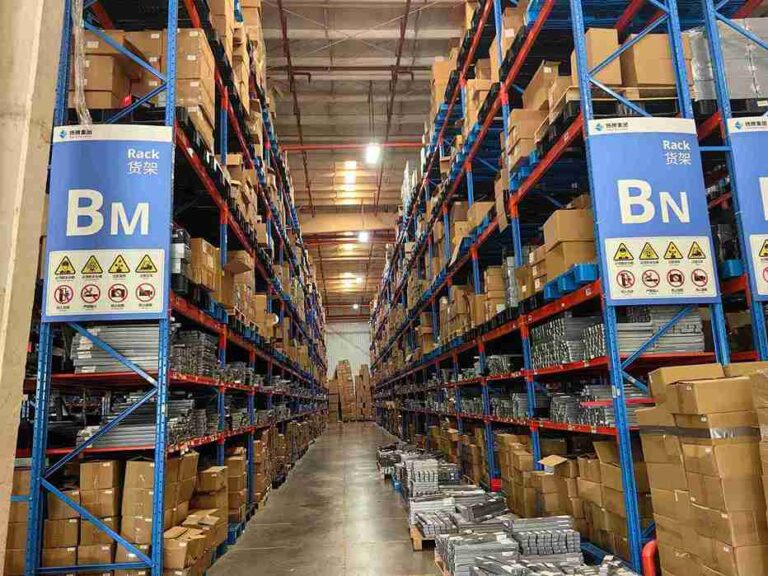
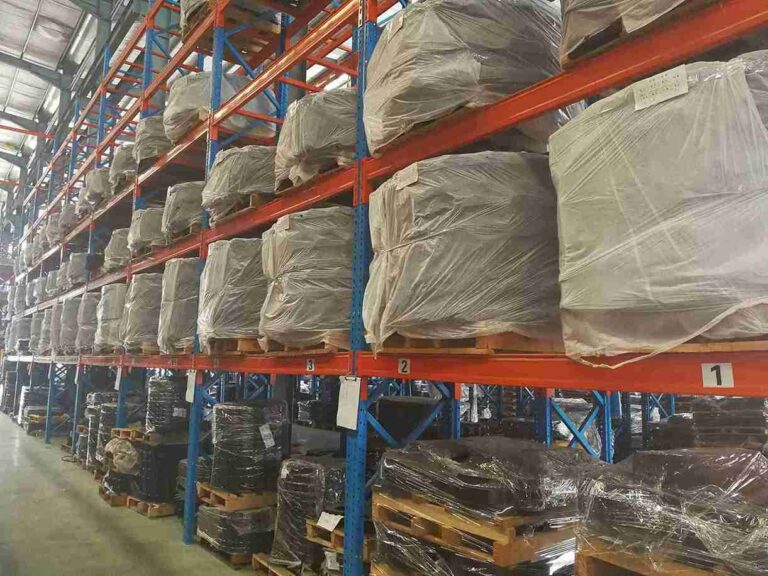
📐"前 50 个企业查询可获得定制 3D 仓库设计" 计划















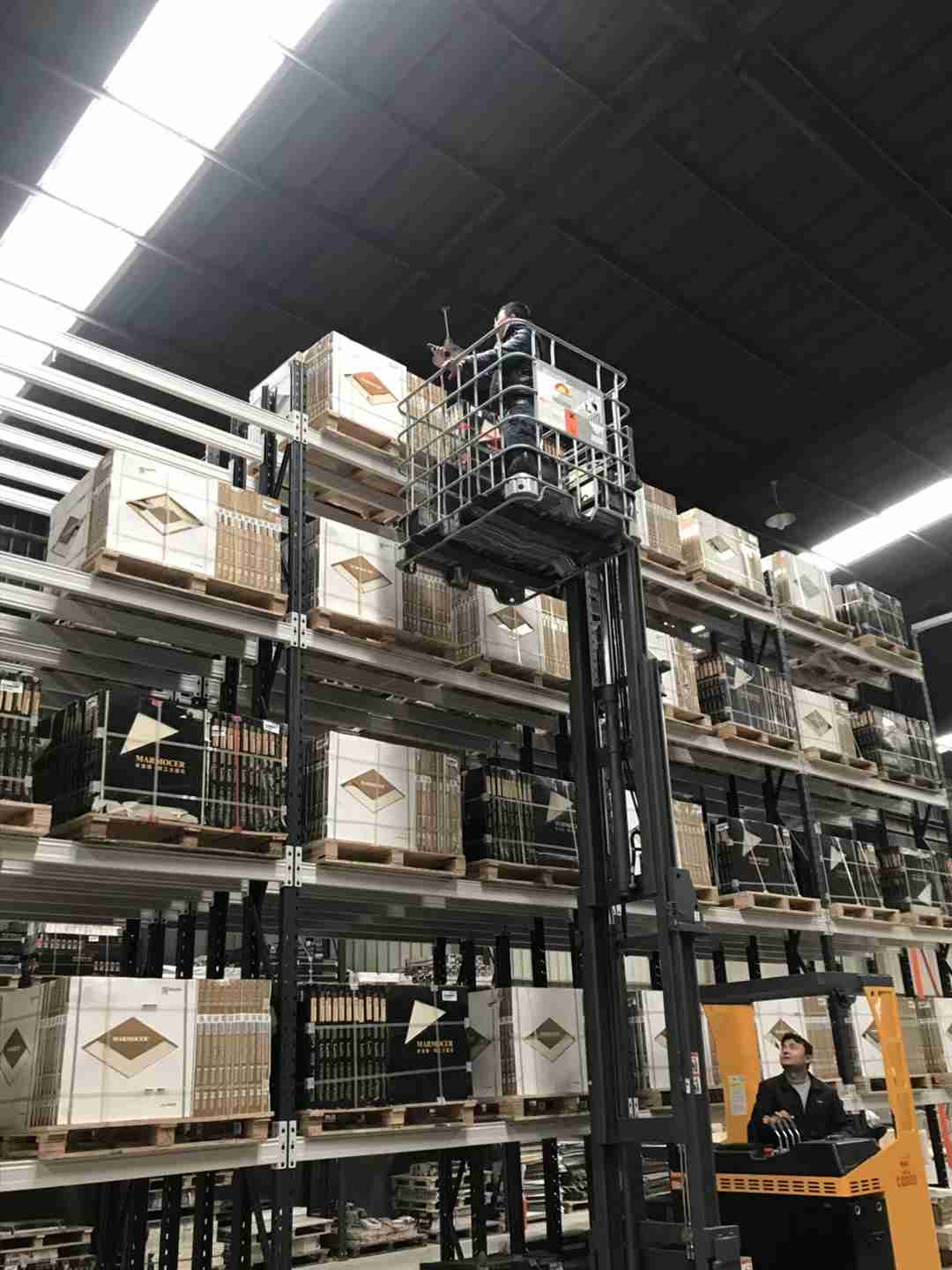
2026 年横梁式货架价格趋势:亚洲和中东地区如何利用智能供应链战略锁定更低成本
摘要:自信领航 2026 年横梁式货架市场
2026 年,全球物料搬运行业将继续前进、, 横梁式货架价格趋势 仓库运营商、物流经理和采购专家必须了解亚洲和中东地区的独特模式,才能做出明智的资本投资。经过数十年内部物流行业的集体经验,行业专家观察到 横梁式货架定价 原材料成本、地区制造能力、不断变化的供应链动态以及技术集成要求等因素的复杂相互作用,都会对 "生产率 "产生影响。.
本综合分析汲取了广泛的行业专业知识,可帮助买家了解当前的市场格局,做出明智的采购决策,并最终在不同的运营环境中确保仓库基础设施投资的最佳价值。.
"(《世界人权宣言》) 横梁货架市场 在经历了前几年的波动之后,2026 年的价格将趋于稳定,但东南亚、中东以及非洲和拉丁美洲新兴市场的地区差异仍然很大。东南亚制造商正在调整产能,以应对不断增长的国内需求和出口机会,而中东市场则在经济多元化举措的推动下,生产本地化程度不断提高。.
了解这些 横梁式货架价格趋势 这不仅仅是要知道买家今天会支付多少钱,而是要从战略上把握采购时机,优化系统设计,并建立供应商关系,以便在未来数年内为仓库运营服务,同时使企业能够利用有利的市场条件。.
通过这一广泛的分析,行业专业人士将获得有关以下方面的实用信息 横梁式货架定价 本报告介绍了全球供应链的发展趋势,预测了 2026 年剩余时间和 2027 年的走势,并介绍了领先企业为在其区域运营中锁定较低成本而采取的供应链战略。无论是在迪拜装备新的配送中心、在雅加达扩建生产设施、在利雅得升级传统仓储设施,还是在新兴市场开发全新的仓储项目,这里介绍的见解都将帮助买家做出决策,在眼前的预算限制与长期的运营效率和可扩展性要求之间取得平衡。.

了解基本面:2026 年横梁式货架价格趋势的驱动因素是什么?
在深入研究成本控制和采购优化的具体战略之前,采购人员需要对实际驱动因素有一个扎实的了解。 横梁式货架价格趋势 亚洲、中东和其他地区的目标市场。掌握了这些基础知识,采购专业人员就能预测市场动向,而不是简单地对市场动向做出反应,从而做出更具战略性的采购决策,并与供应商取得更好的谈判结果。.
原材料动态及其对横梁货架定价的影响
任何一个项目的最大组成部分 横梁式货架系统 钢材,而全球钢材价格仍然是决定钢材价格的主要因素。 横梁式货架价格趋势 所有地区和细分市场。钢材通常占总产量的 60-70% 横梁式货架定价, 因此,原材料成本成为任何采购决策中最重要的因素。2026 年,行业观察家们看到热轧卷板价格在 2020 年代初的剧烈波动之后趋于稳定,但这种稳定因地区而异,并受到持续的地缘政治和经济压力的影响。.
据材料处理行业分析师称, 横梁式货架价格趋势 与公布的钢材指数密切相关,制造商通常每季度或每半年根据原材料成本变动调整一次报价。重型托盘货架市场包括大部分 横梁式货架系统, 到 2035 年,预计将达到 11.655 亿美元,复合年增长率为 3.9%。这一稳定增长表明潜在需求强劲,支持了 横梁式货架定价 即使个别细分市场出现波动,也能保持稳定。.
这对亚洲和中东地区的买家意味着什么?对亚洲和中东地区的买家意味着什么? 横梁式货架价格趋势 在很大程度上,这取决于企业采购的是进口系统还是本地制造的产品。国内钢铁生产强盛的市场,如沙特阿拉伯,制造商可以从沙特基础工业公司(SABIC)等国内供应商那里采购原材料,因此通常比较稳定。 横梁式货架定价 因为它们部分不受国际运输成本、进口关税和汇率波动的影响。相反,严重依赖进口钢材的市场则更容易受到全球价格波动和物流变数的影响,从而给市场带来更大的不确定性。 横梁式货架价格趋势 并需要更复杂的采购战略。.
制造能力和地区生产能力
影响 横梁式货架价格趋势 整个亚洲和中东地区的生产能力分布在不同地区和国家。东南亚在以下领域进行了大量投资 货架系统 在过去十年中,越南、马来西亚和泰国等国发展了强大的制造业生态系统,为整个亚太地区的国内需求和出口市场提供服务。这种区域能力有助于缓和 横梁式货架定价 减少对远距离供应商的依赖,缩短供应链,在制造商之间形成竞争压力。.
然而,行业专家注意到 2026 年的一个重要转变:中东市场,尤其是海湾合作委员会国家,包括沙特阿拉伯、阿拉伯联合酋长国和卡塔尔,正越来越多地投资于本地市场。 货架系统 作为更广泛的经济多样化举措的一部分,中国正在提高制造能力。这种本地化趋势正开始影响 横梁式货架价格趋势 通过创造更具竞争力的本地市场,降低以往与中东项目相关的成本溢价,以及改善售后支持的可用性。对于买家来说,这意味着更多的选择和更好的服务 横梁式货架定价, 特别是在大规模安装时,当地制造可大大节省物流成本,加快项目完工时间。.
全球重型托盘货架市场包括 横梁式货架系统, 按类型细分,可分为单深选择性机架(占市场的 62.3%)、双深选择性机架、驶入式机架、后推式机架和其他配置。每种类型都有不同的制造要求和成本结构,这反过来又影响了 横梁式货架价格趋势 针对特定应用和行业。仓储和物流中心是最主要的应用领域,约占市场的 71.8%,其次是一般制造业、食品和饮料存储以及汽车零部件存储应用。.
技术集成及其对横梁货架定价的影响
现代 横梁式货架系统 它们不再是简单的钢结构,而是越来越多地与自动化技术相结合。 横梁式货架定价 买家在评估提案和规划未来操作要求时,必须了解其几个重要方面。随着制造商将有助于未来自动化的功能--精密公差、集成制导系统、强化连接点和传感器就绪设计--整合到基座中,基座将成为未来自动化的基础。 货架系统 成本可能会略有增加,但在最终部署自动化时,这些投资往往会收回成本。.
行业分析师预计,自动化技术的集成将极大地影响 横梁式货架价格趋势 在本十年的剩余时间里,该市场将继续保持增长势头。横梁式堆垛机市场包括自动化存储和检索应用,2024 年的市场价值为 11 亿美元,预计到 2033 年将达到 18 亿美元,复合年增长率为 6.5%。这一增长反映了对自动化存储解决方案的需求不断增长,并表明 横梁式货架定价 对于为适应未来自动化而设计的系统来说,其溢价将反映出其能力的增强。.
亚洲和中东地区的买家越来越多地要求 梁架 即使即时的自动化计划尚未敲定或资金尚未到位,也能实现 “自动化就绪”。这种具有前瞻性的 横梁式货架定价 我们认识到,在初始安装过程中,自动化就绪功能的增量成本远远低于后期改造,因为后期改造通常会导致运行中断、额外的工程成本以及潜在的兼容性问题。在评估 横梁式货架价格趋势 采购专业人员不仅要考虑当前的需求,还要考虑未来可能的需求,平衡当前的预算限制与长期的灵活性和可扩展性要求。.
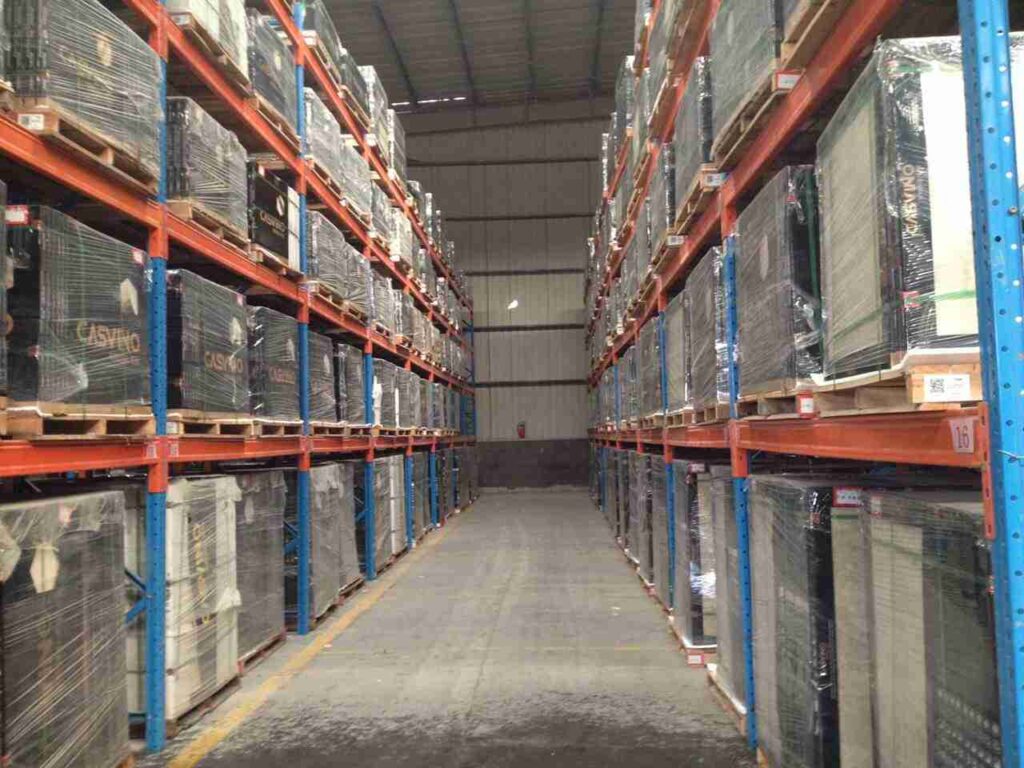
区域深度调查:亚洲和中东地区横梁式货架的价格趋势
了解广泛 横梁式货架价格趋势 对高层次的规划很有价值,但有效的采购需要对具体的市场条件、地区差异和当地动态有细微的了解,而这些都会影响到 横梁式货架定价 在每个目标市场。根据与这些地区客户合作的丰富行业经验以及对当前市场数据的分析,以下是买家对 2026 年主要市场的看法。.
东南亚市场:具有竞争力的定价与不断提高的复杂性
东南亚仍然是最具竞争力的地区之一。 横梁式货架定价 得益于已建立的生产基地、激烈的供应商竞争和有利的原材料采购安排,这些国家在全球范围内都享有盛誉。泰国、马来西亚和越南等国家已发展成熟 货架系统 在整个亚太地区,服务于国内需求和出口市场的产业创造了一个竞争环境,通过更优惠的价格使买方普遍受益 横梁式货架价格趋势 .
泰国 的制造中心 横梁式货架系统, 与 横梁式货架价格趋势 与其他地区市场相比,泰国市场在 2026 年初之前都表现出明显的稳定性。泰国市场得益于发达的供应链、经验丰富的制造劳动力以及便利原材料进口和成品出口的战略位置。这些优势使 横梁式货架定价 在保持符合国际要求的质量标准的同时,还具有竞争力。对于缅甸、老挝和柬埔寨等邻国的买家来说,泰国制造的系统往往能在成本和质量之间取得有吸引力的平衡,但运输成本必须仔细考虑在内。 横梁式货架定价 计算。.
越南 已成为 梁架 制造业的生产能力迅速扩大,既服务于国内工业增长,也服务于整个亚洲和其他地区的出口市场。. 横梁货架价格趋势 越南的产能扩张反映了这一点--买家看到了具有竞争力的 横梁式货架定价 随着制造商为争夺市场份额和提高生产效率而进行的投资,质量水平也在不断提高。不过,采购专业人员应核实质量认证和制造标准,因为制造业的快速发展导致新进入市场的企业在质量水平上存在一些差异。.
印度尼西亚, 尽管拥有巨大的市场潜力和不断增长的工业基础,美国仍面临着独特的物流挑战,这些挑战影响着 横梁式货架定价 和可用性。与东南亚大陆市场相比,群岛内的基础设施限制和物流复杂性会使交付成本增加 15% 至 25%,从而严重影响最终产品的质量。 横梁式货架定价 对于主要城市中心以外的项目而言。精明的买家会将这些内部物流成本考虑在内。 横梁式货架价格趋势 分析,并考虑战略性的库存定位,以减少这些费用,有可能合并订单或与地区分销商协调,以优化运输经济效益。.
马来西亚 继续作为重要的生产基地和战略物流枢纽,为 横梁式货架系统 服务于东南亚市场。该国发达的工业基础设施、熟练的劳动力和战略位置使其成为区域经济发展的重要因素。 横梁式货架价格趋势. .从马来西亚制造商采购的买家通常受益于既定的质量标准、可靠的交货期和具有竞争力的价格。 横梁式货架定价 这反映了该国成熟的制造业。.
中东市场:本地化重塑横梁货架定价
中东 货架系统 在雄心勃勃的经济多元化计划、制造业日益本地化以及整个海湾地区物流业务日益复杂化的推动下,2026 年的海湾市场正在经历重大变革。这些因素共同重塑了 横梁式货架价格趋势 并为了解地区动态的买家创造新机遇。.
沙特阿拉伯 在这个市场中 横梁式货架价格趋势 国内生产举措和战略性工业发展正在从根本上重塑沙特的经济。随着 Alsamaani 金属工厂等设施在当地生产并从沙特供应商处采购原材料,沙特王国正在系统地减少对进口的依赖。 货架系统 同时建设国内制造能力 .
这种本地化正在逐渐缓和 横梁式货架定价 同时提高产品可用性,缩短交货时间,并加强对沙特王国各地买家的售后支持。对于在沙特阿拉伯开展项目的组织来说,探索本地制造的选择应该是任何采购战略的第一步,因为这些选择通常能提供最有利的条件 横梁式货架价格趋势 和供应链的可靠性。.
United Arab Emirates continues to serve as the region’s primary trading and logistics hub, with Dubai’s world-class infrastructure facilitating 货架系统 imports and distribution throughout the Middle East, East Africa, and parts of Central Asia. 横梁货架价格趋势 in the UAE reflect its dual role as both a consumption market and a re-export hub—prices here are influenced by global steel markets but also benefit from the exceptional efficiency of Jebel Ali Port, Dubai’s logistics ecosystem, and the presence of numerous international suppliers.
The UAE market offers perhaps the widest selection of 梁架 options in the region, from budget-oriented imported systems to premium European-engineered solutions, giving buyers significant choice in balancing 横梁式货架定价 against quality and feature requirements.
Qatar and Kuwait, while smaller individual markets, exhibit 横梁式货架价格趋势 that warrant attention from regional buyers and international suppliers. Both countries continue investing heavily in logistics infrastructure as part of broader economic development initiatives, creating consistent demand for quality 货架系统 across multiple sectors.
However, their smaller market sizes mean less supplier competition and higher overhead for market entry, which can result in 横梁式货架定价 premiums of 10 to 20 percent compared to larger, more competitive markets like the UAE or Saudi Arabia. Savvy buyers in these countries often consolidate purchases, coordinate with regional procurement offices, or partner with suppliers serving multiple Gulf markets to access better 横梁式货架定价 and more favorable terms.
Emerging Markets: Opportunities and Challenges Across Africa and South Asia
Beyond the established markets of Southeast Asia and the Gulf region, emerging economies across Africa, South Asia, and parts of Central Asia present both opportunities and challenges for 梁架 buyers seeking to optimize 横梁式货架定价 while building modern warehouse infrastructure.
Pakistan and Bangladesh are seeing growing industrial sectors and corresponding demand for organized storage solutions as their manufacturing bases expand and logistics operations professionalize. 横梁货架价格趋势 in these markets are heavily influenced by import duties, which can range from 15 to 30 percent depending on product classifications, and logistics costs associated with serving these developing markets. These factors can significantly inflate final 横梁式货架定价 compared to more established regional markets. However, local fabrication is beginning to emerge in both countries, offering more accessible 横梁式货架定价 for smaller projects and domestic buyers, though quality standards and engineering capabilities require careful evaluation before committing to locally manufactured systems.
East African markets, particularly Kenya, Ethiopia, and Tanzania, represent frontier opportunities for 梁架 suppliers and buyers alike. 横梁货架价格趋势 here are less predictable than in more developed markets, with pricing often reflecting project-specific logistics challenges rather than underlying market dynamics. The cost of serving these markets includes significant transportation expenses, import clearance complexities, and limited local technical support, all of which affect final 横梁式货架定价. For buyers operating in these environments, partnering with experienced international suppliers who understand local conditions and have established logistics channels is essential for managing both costs and project risk effectively.
Nigeria and West African markets present similar challenges and opportunities, with growing demand for organized storage solutions across multiple sectors but significant infrastructure and logistics hurdles affecting 横梁式货架定价 and availability. Buyers in these markets often face 横梁式货架价格趋势 that reflect the costs and risks of serving challenging operating environments, making procurement strategy and supplier selection particularly important for project success.
Regional Availability and Its Effect on Beam Racking Pricing
An often-overlooked factor in 横梁式货架价格趋势 is the availability of local inventory and the regional distribution of used and surplus 货架系统. Geography fundamentally changes everything about availability, pricing, and service levels—a 50 to 60 percent savings on used materials can disappear entirely when shipping costs consume the margin .
For buyers considering used or surplus 横梁式货架系统 as a cost-saving strategy, understanding regional availability is essential for accurate 横梁式货架定价 analysis. Local inventory enables quick pickup and lower logistics expenses, while lack of local inventory means either paying significant transport costs or finding alternative suppliers. Small orders of used materials, such as four uprights and eight beams for a small facility expansion, become nearly impossible to fulfill economically without local inventory because handling costs alone make the transaction unviable .
Large facility decommissions can temporarily transform regional 横梁式货架价格趋势 by flooding local markets with available inventory. When a major facility closes in a particular region—for example, a 400,000 to 1,000,000 square foot warehouse generating 2,000 or more uprights—that material becomes locally available, fundamentally changing 横梁式货架定价 dynamics in that area . This temporary abundance creates opportunities for buyers with flexible timing who can coordinate purchases with regional availability windows.
Markets like California currently demonstrate high used material availability due to ongoing decommissioning activity, which affects 横梁式货架价格趋势 in that region through increased supply and competitive pricing . For buyers in Asia and the Middle East, understanding these regional dynamics helps set realistic expectations about availability and 横梁式货架定价 for both new and used systems, enabling more informed procurement decisions.
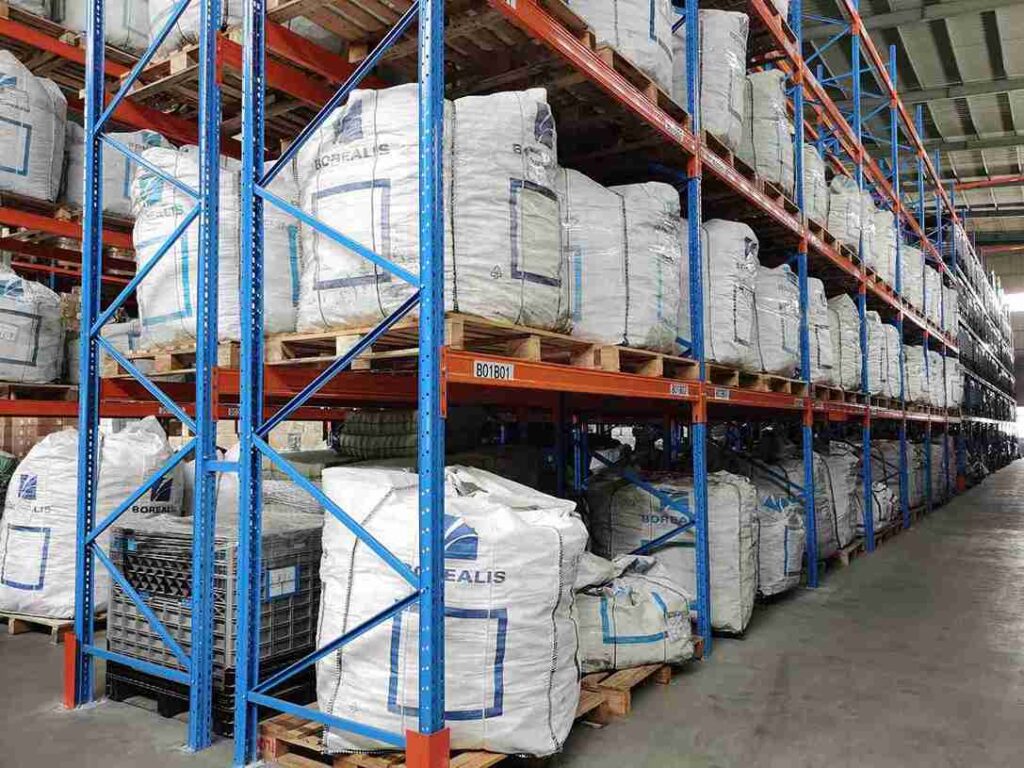
Smart Supply Chain Strategies to Optimize Beam Racking Pricing
Now that the landscape of 横梁式货架价格趋势 across target regions has been established, the focus shifts to actionable strategies for locking in lower costs and maximizing value from storage infrastructure investments. These approaches go far beyond simple price negotiation—they’re about fundamentally optimizing how organizations procure, design, deploy, and maintain 货架系统 throughout their operational lifecycle.
Strategic Procurement Timing Based on Beam Racking Price Trends
One of the most effective ways to manage 横梁式货架定价 is simply timing purchases strategically based on observable market patterns and industry cycles. While it’s impossible to perfectly predict market movements, understanding seasonal and cyclical patterns can inform better procurement timing and improve negotiation outcomes with suppliers.
Historical 横梁式货架价格趋势 show some seasonality, with pricing often firming in the first quarter as buyers commit annual budgets and soften in the fourth quarter as suppliers seek to meet year-end sales targets and clear inventory before fiscal year-end . However, 2026 presents a more nuanced picture influenced by global economic conditions, regional manufacturing developments, and ongoing supply chain adjustments. Steel markets have shown moderate price adjustments through mid-2025, with industry projections suggesting continued gradual movement rather than dramatic swings through the remainder of 2026 .
For buyers with project flexibility, considering these timing strategies can optimize 横梁式货架定价 outcomes:
First Quarter procurement typically sees pricing reflect post-year-end adjustments as manufacturers implement new price lists based on raw material costs and market conditions. This period can be good for budget confirmation and long-term planning but may not offer optimal negotiation leverage unless buyers are committing to significant volumes.
Second Quarter often brings increased supplier flexibility as manufacturers assess their order books for the year and seek to build momentum. This period can be favorable for competitive bidding and supplier negotiations, particularly if market conditions are stable and manufacturers are seeking to secure capacity utilization.
Third Quarter traditionally experiences slower activity in some markets as summer periods in various regions reduce decision-making velocity, which can motivate supplier negotiations for buyers ready to move forward. However, buyers should verify lead times carefully, as some manufacturers may have extended delivery schedules during this period.
Fourth Quarter typically offers the best negotiation leverage as suppliers focus on year-end targets, inventory management, and fiscal year goals. However, lead times may extend into the following year, and buyers must balance 横梁式货架定价 advantages against project timing requirements.
Volume Consolidation and Phased Implementation Approaches
Another powerful strategy for optimizing 横梁式货架定价 is consolidating purchasing volume, either within a single organization or through collaborative arrangements with other buyers. Racking system manufacturers operate on economies of scale—larger orders mean more efficient production runs, better material purchasing leverage, reduced per-unit overhead, and ultimately lower 横梁式货架定价 for buyers.
Industry data indicates that volume discounts from major manufacturers typically follow predictable patterns based on order size: orders of 10 to 20 bays might achieve 3 to 5 percent savings, orders of 50 to 100 bays can secure 7 to 12 percent discounts, and orders exceeding 200 bays often qualify for 15 to 20 percent savings plus freight concessions . These volume advantages can significantly affect final 横梁式货架定价 and should factor into procurement planning and budget development.
For companies with multiple facilities or phased expansion plans, developing a master 横梁式货架系统 specification that can be used across locations enables volume consolidation without requiring simultaneous delivery. This standardization approach allows organizations to:
Negotiate volume discounts with preferred suppliers based on consolidated purchasing commitments rather than individual project volumes. Maintain consistent quality standards and operational characteristics across multiple facilities, simplifying training, maintenance, and future expansions. Reduce spare parts inventory requirements through component standardization. Simplify future reconfigurations and modifications when standard components are used throughout the facility network.
If immediate needs don’t justify a large order, buyers should consider whether project timelines allow for phased implementation approaches. Ordering a complete 横梁式货架系统 but scheduling delivery in phases can sometimes secure volume 横梁式货架定价 while managing cash flow constraints and installation capacity limitations. This approach requires careful supplier coordination and clear contractual terms but can deliver significant savings for growing organizations.
Design Optimization for Better Beam Racking Pricing
The design of a 横梁式货架系统 has a profound impact on final 横梁式货架定价, and this is where experienced suppliers and engineers add tremendous value to procurement processes. Industry experts have observed countless cases where thoughtful design optimization reduced 货架系统 costs by 10 to 15 percent without compromising functionality, safety, or future expansion capability .
Key design factors that influence 横梁式货架定价 include:
Bay Sizing and Configuration: Standard bay sizes generally offer the most economical 横梁式货架定价 because they maximize material utilization, minimize fabrication complexity, and enable efficient production runs. While custom sizing may be necessary for specific applications or unusual inventory profiles, challenging every non-standard dimension can reveal significant savings opportunities without sacrificing operational functionality .
Load Specifications: Over-specifying load capacities is a common and costly mistake in 梁架 procurement. Beam racking pricing escalates rapidly with capacity requirements—a light-duty system rated for 5,000 pounds per level can cost 45 percent less than a heavy-duty system rated for 20,000 pounds or more per level . Accurately assessing actual loads, including reasonable safety margins and future growth allowances, prevents paying for capacity that will never be used while ensuring safety and compliance.
Warehouse Height Utilization: Maximizing vertical space through appropriate system height can significantly affect 横梁式货架定价 on a per-pallet-position basis. However, racking over 20 feet tall requires specialized forklifts (adding USD 25,000 to USD 80,000 to equipment costs), seismic bracing (adding USD 8 to USD 12 per square foot), and potential fire suppression system upgrades . Buyers must balance 横梁式货架定价 against these associated costs to determine the optimal system height for specific facilities.
Seismic Considerations: In regions with seismic activity, 货架系统 design must comply with local building codes and safety standards, which adds cost to 横梁式货架定价. However, working with engineers who understand both code requirements and cost-effective compliance strategies can optimize 横梁式货架定价 while ensuring safety and regulatory compliance.
Supplier Partnerships and Long-Term Agreements
Perhaps the most underutilized strategy for managing 横梁式货架价格趋势 is developing genuine partnerships with reliable suppliers who understand organizational needs and can provide value beyond basic transactions. Too often, procurement is treated as a purely transactional exercise—soliciting bids for each project and awarding to the lowest bidder without considering long-term relationship value. While this approach may yield competitive 横梁式货架定价 on individual projects, it often fails to optimize total cost of ownership over time and may leave buyers without reliable partners during capacity-constrained periods.
Suppliers who view buyers as long-term partners are more likely to provide early visibility into 横梁式货架价格趋势 and market developments that could affect future projects. They may offer preferential 横梁式货架定价 on both initial installations and subsequent expansion projects based on relationship value rather than spot-market considerations.
They typically invest more time in understanding specific operations, inventory profiles, and future plans, enabling them to recommend optimizations that reduce costs and improve functionality. They often prioritize projects from established partners during capacity-constrained periods when demand exceeds manufacturing capacity. And they typically provide more responsive after-sales support and service, reducing downtime and maintenance costs over the system lifecycle.
For companies with ongoing 货架系统 needs across multiple facilities or over time, establishing framework agreements with two or three qualified suppliers is recommended. These agreements can specify 横梁式货架定价 formulas tied to observable market indices (such as published steel prices), quality standards and certification requirements, delivery and service expectations, and terms for future expansions or modifications. This approach streamlines procurement while maintaining competitive pressure through periodic reviews and benchmarking.
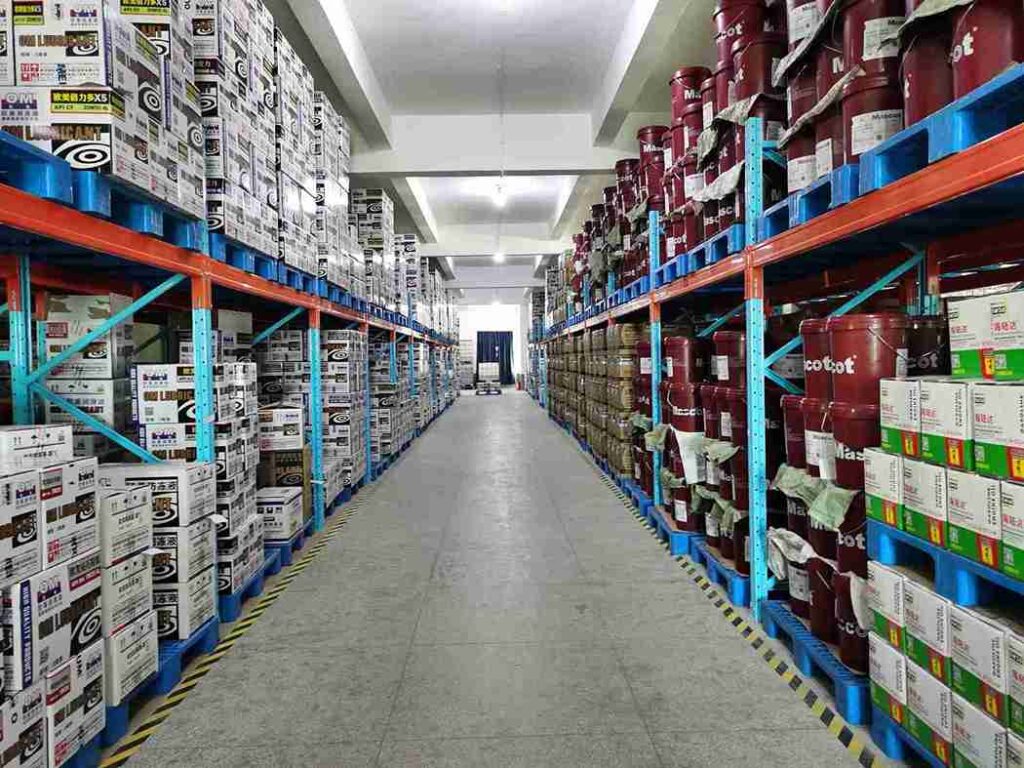
The Automation Connection: How Beam Racking Pricing Relates to Future-Proofing
As buyers analyze 横梁式货架价格趋势 in 2026, the growing relationship between traditional racking and warehouse automation cannot be ignored. This connection is fundamentally reshaping how sophisticated buyers evaluate 横梁式货架定价 and what they expect from their storage infrastructure investments over time.
Automation-Ready Design and Its Impact on Beam Racking Pricing
The concept of “automation-ready” 梁架 has gained significant traction in recent years, and 2026 is seeing this become a standard consideration rather than a niche requirement for forward-thinking organizations. Automation-ready 货架系统 incorporate features that facilitate future integration with automated guided vehicles, autonomous mobile robots, automated storage and retrieval systems, and other material handling technologies .
What does automation readiness mean for 横梁式货架定价? Typically, these features add a modest premium—perhaps 5 to 10 percent—to initial 货架系统 costs compared to basic systems without automation considerations. However, this premium must be evaluated against the alternative: retrofitting a standard 梁架 system for automation later, which can cost several times more and may require significant operational disruptions, facility downtime, and potential system replacement .
Key automation-ready features affecting 横梁式货架定价 include:
Precision Tolerances: Automated equipment requires consistent, predictable interfaces for reliable operation. 横梁式货架 designed for automation maintains tighter tolerances in upright alignment, beam levelness, connection points, and floor anchoring, ensuring compatibility with robotic systems that have limited tolerance for variation .
Integrated Guidance: Some automation-ready 货架系统 include features like floor-mounted guidance rails, reflective markers, or embedded positioning points that facilitate automated guided vehicle navigation and ensure accurate positioning for automated put-away and retrieval operations.
Reinforced Connections: Automated systems often operate with less human oversight, meaning impacts or misalignments may go undetected longer than with manual operations. Automation-ready 梁架 typically includes reinforced connections, enhanced safety features, and more robust structural elements to accommodate automated equipment operation.
Sensor Integration Points: 高级 梁架 designs may include mounting points, wiring channels, or connection interfaces for future sensor installation, enabling load detection, inventory tracking, or structural health monitoring without major retrofitting.
The ROI Calculation: Balancing Beam Racking Pricing Against Automation Benefits
When evaluating 横梁式货架价格趋势 and making procurement decisions, experienced logistics professionals encourage clients to consider total cost of ownership over the full system lifecycle rather than just initial 横梁式货架定价. This broader perspective often reveals that paying a moderate premium for quality, automation-ready 货架系统 delivers superior long-term value through enhanced capabilities, longer service life, and greater flexibility.
The economics of warehouse automation are increasingly compelling for organizations across Asia and the Middle East. According to recent industry analysis, smarter automation deployment can deliver up to 22 percent lower warehousing costs and 20 percent greater productivity through reduced labor requirements, higher space utilization, fewer operational errors, and improved inventory accuracy . These improvements fundamentally change the ROI calculation for storage infrastructure investments.
对于 梁架 buyers, this means the storage infrastructure must support—or at least not impede—future automation initiatives. Racking systems with inconsistent dimensions, inadequate load ratings, layouts that don’t accommodate automation workflows, or insufficient structural integrity become obstacles to future efficiency improvements and may require premature replacement when automation initiatives arise.
The beam stacker market, which includes automated storage applications, is projected to grow at a compound annual rate of 6.5 percent through 2033, driven by increasing demand for automation across manufacturing, logistics, and distribution applications . This growth indicates that automation considerations will increasingly influence 横梁式货架价格趋势 and procurement decisions across all major markets.
Real-World Examples: Automation Success Built on Quality Racking
Industry observers have documented numerous cases where thoughtful 梁架 investments enabled successful automation deployments that delivered significant operational improvements. One notable example involves a regional distribution center that installed precision-engineered 货架系统 with consistent dimensions, verified load capacities, and automation-ready features. When the operator later deployed autonomous mobile robots for put-away and retrieval operations, the predictable environment enabled rapid integration, minimal modification requirements, and immediate productivity gains.
Conversely, facilities where inconsistent 货架系统 quality created automation challenges are equally instructive. Variations in beam height, upright alignment, or floor anchoring forced expensive adjustments to automation equipment, limited the types of systems that could be deployed, or required partial replacement of recently installed 货架系统—all representing significant cost overruns that could have been avoided with more thoughtful initial procurement.
The lesson from both positive and negative examples is clear: when evaluating 横梁式货架价格趋势 and supplier proposals, buyers should consider not just what a system costs today, but what it enables—or prevents—tomorrow as operations evolve and automation becomes more accessible and economically justified.
Total Cost of Ownership: Beyond Initial Beam Racking Pricing
Experienced logistics professionals and procurement specialists understand that 横梁式货架定价 is just one component of the total cost of owning and operating a storage system over its full lifecycle. This broader perspective is essential for making procurement decisions that optimize long-term value rather than simply minimizing initial expenditure.
Installation and Integration Costs
The installed cost of a 横梁式货架系统 typically exceeds the material cost by 20 to 40 percent, depending on project complexity, site conditions, regional labor rates, and installation requirements . These installation costs are influenced by multiple factors that buyers should consider when evaluating 横梁式货架定价 proposals:
Site Preparation: Floor flatness, existing utilities, column locations, ceiling height, and overall facility condition all affect installation complexity and cost. Beam racking pricing quotes that don’t include thorough site assessment may lead to unpleasant surprises during installation when unforeseen conditions require additional work or materials .
Assembly Complexity: Systems with many custom components, complex configurations, or unusual layouts take longer to install, increasing labor costs and potentially extending project timelines. Standardized designs with consistent components typically offer lower installed 横梁式货架定价 through more efficient assembly processes.
Integration Requirements: If a 货架系统 must integrate with existing equipment, conveyors, automation systems, or material handling equipment, installation becomes more complex and costly. Early coordination between racking suppliers and equipment vendors minimizes integration challenges and associated costs.
Permits and Engineering Fees: Building permits typically range from USD 200 to USD 2,000 depending on jurisdiction, while structural engineer stamps for certified drawings can add USD 1,500 to USD 5,000 to project costs . These necessary expenses should be factored into total project budgets when evaluating 横梁式货架定价 proposals.
Professional installation by qualified contractors typically costs USD 100 to USD 150 per hour for labor, with total installation expenses varying by project scope and complexity . While professional installation adds to project costs, the investment pays dividends in safety, code compliance, system longevity, and operational performance. Attempting to reduce 横梁式货架定价 by using unqualified installers often leads to safety violations, OSHA fines averaging USD 15,625 per violation, product damage, and premature system failure .
Operational Costs Throughout System Life
Once installed, a 横梁式货架系统 generates ongoing operational costs that should inform procurement decisions and influence how buyers evaluate 横梁式货架价格趋势 and supplier proposals:
Maintenance Requirements: Higher-quality 货架系统 from reputable manufacturers typically require less maintenance over their service life, which can extend 15 to 30 years with proper care . While quality systems may command a premium in initial 横梁式货架定价, this premium is often recovered through reduced maintenance expenses, fewer repairs, and longer useful life.
Annual Inspections: Regular safety inspections by qualified professionals typically cost USD 500 to USD 3,000 annually depending on facility size and system complexity . These inspections identify potential issues before they become safety hazards or cause operational disruptions.
Repair and Replacement: Inevitably, 货架系统 experience damage from forklift impacts, normal wear, and occasional operational errors. Systems with readily available replacement components, modular designs, and standardized parts minimize the cost and disruption of repairs when damage occurs. Beam replacement typically costs USD 75 to USD 200 per beam depending on size and capacity requirements .
Reconfiguration Flexibility: As warehouse operations evolve, inventory profiles change, and business requirements shift, 货架系统 may need reconfiguration. Designs that allow easy beam adjustment, component reuse, layout changes, and capacity modifications reduce the cost of adapting to new requirements and extend useful system life.
End-of-Life Considerations
Finally, responsible buyers increasingly consider end-of-life scenarios when evaluating 横梁式货架定价 and making procurement decisions. Steel is highly recyclable, and quality 货架系统 retain significant scrap value at the end of their service life, potentially offsetting some portion of initial investment.
Additionally, modular designs may allow components to be repurposed in other facilities, sold to secondary markets, or used for expansions elsewhere in an organization. These end-of-life considerations affect total cost of ownership calculations and should factor into 横梁式货架定价 evaluations, particularly for organizations with multiple facilities or long planning horizons.
Safety and Compliance: Non-Negotiable Factors in Beam Racking Pricing
Throughout the discussion of 横梁式货架价格趋势 and cost optimization strategies, it must be emphasized that safety and regulatory compliance cannot be compromised in pursuit of lower 横梁式货架定价. Responsible suppliers incorporate safety features into their 横梁式货架定价 as fundamental requirements, and buyers should view these as essential investments rather than optional extras that can be eliminated to reduce costs.
Regulatory Requirements Across Regions
The regulatory landscape for 货架系统 varies across Asia, the Middle East, Africa, and Latin America, but common themes include structural integrity requirements, seismic design standards where applicable, fire safety provisions, and occupational safety regulations that affect 横梁式货架定价 and system design.
东南亚: Countries in this region increasingly adopt international standards such as Rack Manufacturers Institute guidelines, European norms, or other recognized standards for 货架系统 design and installation. Beam racking pricing should reflect compliance with applicable local regulations, which may include specific requirements for seismic performance in Indonesia, the Philippines, and other earthquake-prone areas.
Middle East: Gulf countries have developed comprehensive building codes that address 货架系统 design, installation, and safety requirements. The UAE and Saudi Arabia, in particular, enforce strict standards for storage systems, especially in facilities open to the public, handling hazardous materials, or operating in seismic zones. CE certification for European-style systems adds approximately 5 to 7 percent to 横梁式货架定价 compared to non-certified alternatives .
International Standards: Many multinational operators specify compliance with global standards regardless of local regulatory requirements, ensuring consistent safety and quality across their facility networks. Beam racking pricing for these clients includes certification, testing, and documentation that may exceed local regulatory minimums.
Safety Features and Their Impact on Beam Racking Pricing
现代 横梁式货架系统 incorporate numerous safety features that affect 横梁式货架定价 but provide essential protection for personnel, inventory, and equipment:
Column Guards and Impact Protection: Protecting uprights from forklift impacts is essential for long-term safety and system integrity. These protective devices, typically costing USD 200 per unit or more, add to initial 横梁式货架定价 but prevent costly and dangerous damage that could compromise structural safety .
Safety Clips and Locks: Beam-to-upright connections must be secured with mechanical locks that prevent accidental dislodgement from forklift impacts or seismic events. Quality 横梁式货架定价 includes these essential safety components, which represent minimal cost relative to the protection they provide.
Wire Decking and Load Containment: Wire mesh decking, typically costing USD 150 per shelf, provides load containment and prevents items from falling between beams . This safety feature also improves fire protection by allowing sprinkler water to penetrate storage levels.
Load Signage: Clear, durable load capacity signage at each bay is a simple but critical safety feature that prevents overloading. While the cost is minimal, its importance cannot be overstated for safe operation.
Seismic Bracing: In earthquake-prone regions, seismic bracing adds 10 to 30 percent to 横梁式货架定价 but is essential for life safety and property protection . Buyers in seismic zones should verify that quoted 横梁式货架定价 includes appropriate seismic design and bracing.
The Cost of Non-Compliance
While safety features add to 横梁式货架定价, the cost of non-compliance is far higher in both financial and human terms. Regulatory penalties, liability from accidents, business interruption, inventory damage, and reputational damage far outweigh any savings from specifying substandard 货架系统 or eliminating essential safety features.
In industry experience, reputable suppliers build compliance into their 横梁式货架定价 as a fundamental requirement rather than an optional extra. Buyers should verify that quoted systems meet applicable standards and should be wary of 横梁式货架定价 that seems too good to be true—it often reflects compromises that create unacceptable safety risks and long-term liability.
Technology Integration: Smart Racking and Its Effect on Beam Racking Pricing
The convergence of physical storage infrastructure with digital technologies is creating new categories of “smart” 货架系统 that offer enhanced capabilities for warehouse optimization, inventory management, and operational visibility. These innovations are beginning to influence 横梁式货架价格趋势 and offer new value propositions for buyers willing to invest in technology-enhanced storage solutions.
Sensor-Enabled Racking Systems
高级 梁架 can now incorporate various sensors that provide real-time visibility into warehouse operations and inventory status:
Load Detection Sensors: Monitoring which pallet positions are occupied enables real-time inventory visibility, automates cycle counting, and can trigger automated replenishment workflows when stock levels reach reorder points. This capability adds to 横梁式货架定价 but delivers significant operational benefits through reduced labor requirements and improved inventory accuracy.
Temperature Monitoring: For cold storage applications, pharmaceutical warehouses, or food distribution facilities, 货架系统 with integrated temperature sensors provide granular visibility into temperature variations throughout the facility. This capability supports quality control for temperature-sensitive products and provides audit trails for regulatory compliance.
Structural Health Monitoring: Some advanced 货架系统 include sensors that detect impacts, deflection, tilt, or other indicators of potential damage or unsafe conditions. This technology supports proactive maintenance, safety management, and insurance risk reduction but increases 横梁式货架定价 compared to conventional systems .
Basic monitoring capabilities typically add approximately USD 120 per bay to 横梁式货架定价, while advanced analytics capabilities can add USD 400 per bay or more depending on sensor density and integration requirements . Organizations considering these investments should evaluate potential returns through reduced labor, improved inventory accuracy, and enhanced safety management.
Integration with Warehouse Management Systems
The value of any 横梁式货架系统 is significantly amplified when it’s fully integrated with warehouse management systems that optimize inventory placement, task allocation, and workflow execution. This integration ensures that inventory locations are accurately tracked, put-away and retrieval tasks are optimized based on travel distance and worker location, and space utilization is maximized through intelligent slotting.
现代 梁架 designed for integration features consistent, machine-readable location identifiers (barcodes, QR codes, or RFID tags), configurations that support efficient put-away and picking routes, and compatibility with various identification technologies and data capture methods. While these features may not dramatically affect 横梁式货架定价, they significantly impact the operational value the system delivers over its lifetime.
Automated Storage and Retrieval Integration
For organizations considering full automation, 横梁式货架系统 must be designed to interface with automated storage and retrieval systems, autonomous mobile robots, and other material handling technologies. This integration affects 横梁式货架定价 through structural requirements:
Reinforced base plates for automated guided vehicle interfaces add approximately USD 300 per aisle to 横梁式货架定价
Structural upgrades for AS/RS compatibility add 20 to 35 percent to standard racking costs
Precision manufacturing requirements may increase costs but enable reliable automated operation
Buyers planning eventual automation should discuss these requirements with suppliers during initial procurement to ensure 横梁式货架定价 reflects appropriate specifications and that systems are designed for future integration.
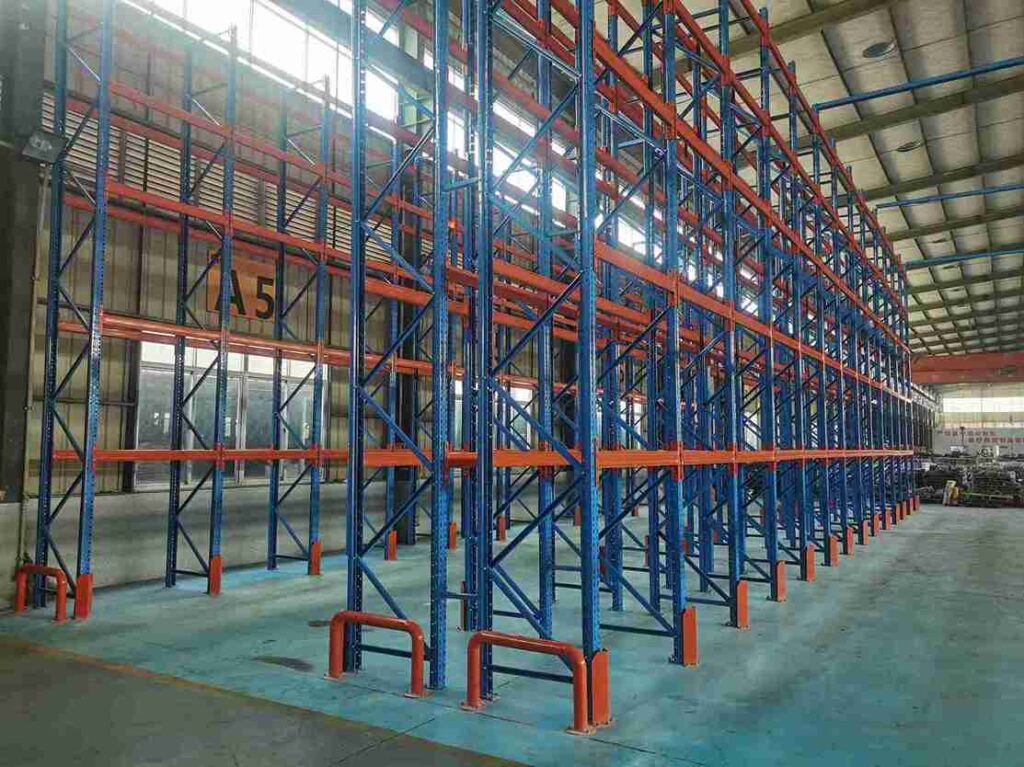
Implementation Strategies: From Beam Racking Pricing to Installed Reality
Successfully implementing a 横梁式货架系统 requires more than just negotiating favorable 横梁式货架定价 and selecting appropriate equipment. The process from specification through operation involves numerous steps, each with opportunities for optimization or pitfalls that can erode value and extend project timelines.
Professional Installation: Worth the Investment
One of the most common mistakes in 梁架 procurement is treating installation as a secondary consideration that can be handled by general contractors or in-house maintenance staff without specialized experience. While professional installation adds to project costs, typically representing 20 to 35 percent of total 横梁式货架定价 , the investment pays significant dividends in safety, performance, code compliance, and system longevity.
Qualified installers bring specialized experience with proper assembly techniques, safety protocols, and quality standards. They have access to specialized equipment for efficient installation, including lifting equipment, alignment tools, and safety systems. They understand local codes and inspection requirements, ensuring installations pass regulatory review without costly rework. And they can identify and address site-specific challenges before they become problems, potentially avoiding delays and additional costs .
When evaluating 横梁式货架定价 proposals, buyers should require separate line items for materials and installation. This transparency allows accurate assessment of total project cost and verification that installation is being handled by qualified professionals with appropriate experience and credentials.
Phased Implementation Approaches
For large-scale 横梁式货架系统 deployments across multiple facilities or significant expansions, phased implementation offers several strategic advantages:
Capital Expenditure Spreading: Phasing allows capital investments to be spread over multiple budget periods, aligning expenditures with available funding and reducing pressure on any single fiscal year.
Operational Learning: Early phases provide opportunities to learn about system performance, operator preferences, and potential improvements before committing to later phases. This learning can inform specification adjustments that optimize subsequent installations.
Minimized Disruption: Phased implementation allows facilities to maintain partial operation during installation, reducing business interruption costs and maintaining customer service levels. A 10,000 square foot warehouse might lose USD 8,000 to USD 20,000 in productivity during a two-week full installation, losses that phased approaches can minimize .
Flexibility for Adjustments: As business needs evolve during multi-phase projects, phased implementation provides flexibility to adjust specifications, capacities, or configurations for later phases based on changing requirements.
While phased implementation may not reduce 横梁式货架定价 on a per-unit basis, it can optimize the overall project by aligning investment with operational benefits, reducing risk, and maintaining business continuity throughout the installation process.
Acceptance Testing and Documentation
Before accepting a 横梁式货架系统 installation and releasing final payment, thorough acceptance testing is essential to verify that the installed system meets all specifications, safety requirements, and contractual obligations. This testing should verify:
Compliance with Design Specifications: Verify that all components match ordered specifications, dimensions are correct, load capacities are as specified, and system configuration matches approved drawings.
Proper Installation of Safety Features: Confirm that all safety features—column guards, safety clips, load signage, seismic bracing—are properly installed and functional.
Accurate Load Ratings: Verify that load capacity signage is correct, clearly visible, and matches actual system capabilities.
Compatibility with Material Handling Equipment: Test system compatibility with forklifts, pallet jacks, and other equipment to ensure smooth operation and adequate clearances.
Documentation Completeness: Ensure receipt of all required documentation—as-built drawings, material certifications, warranty information, maintenance instructions, and safety manuals.
Quality suppliers factor acceptance testing into their 横梁式货架定价 and welcome the opportunity to demonstrate that installed systems meet all requirements. Buyers should never skip this critical step, as identifying issues after final payment is far more difficult than addressing them during acceptance.
Future Outlook: Beam Racking Price Trends Through 2026 and Beyond
As industry professionals look ahead to the remainder of 2026 and into 2027 and beyond, several key factors will shape 横梁式货架价格趋势 across Asia, the Middle East, Africa, and Latin America. Understanding these forward-looking dynamics enables more strategic procurement planning and better capital allocation for storage infrastructure investments.
Raw Material Market Projections
Steel markets are expected to remain relatively stable through late 2026, with moderate price adjustments rather than dramatic swings characterizing 横梁式货架价格趋势 in most regions. According to industry forecasts, global steel prices showed gradual increases through mid-2025, with projections suggesting continued modest adjustment through 2026 rather than the volatility experienced in previous years .
However, regional factors will create variations in 横梁式货架价格趋势 across different markets. The heavy duty pallet rack market is projected to grow at a compound annual rate of 3.9 percent through 2035, reaching USD 1,165.5 million by that time . This steady growth suggests underlying demand strength that will support 横梁式货架定价 even as individual market segments experience fluctuations.
Markets with strong local steel production and 货架系统 fabrication capabilities—such as Saudi Arabia, Thailand, and increasingly Vietnam—will likely see more stable 横梁式货架定价 than those dependent on imports. Buyers in these markets may benefit from greater price predictability and shorter supply chains, reducing exposure to global market volatility.
Technology-Driven Price Trends
As 货架系统 incorporate more technology features and automation capabilities, a bifurcation in 横梁式货架定价 is expected to emerge:
Basic, conventional 货架系统 will remain competitively priced, with modest increases tracking steel costs and inflation. These systems will continue serving applications where simplicity and initial cost are primary considerations.
Technology-enabled systems incorporating automation-ready features, sensor integration, and smart capabilities will command premiums but deliver corresponding value through enhanced operational capabilities, reduced labor requirements, and improved inventory management.
Fully integrated automated storage solutions will represent a distinct category with different pricing dynamics, reflecting the value of comprehensive material handling automation rather than standalone storage equipment .
Buyers should evaluate which technology features genuinely support their operational requirements and which represent unnecessary sophistication for their specific applications. This evaluation should inform 横梁式货架定价 expectations and procurement decisions.
Regional Market Development
The continued development of local 货架系统 manufacturing across target regions will influence 横梁式货架价格趋势 in several important ways:
Increased Competition: Growing numbers of local manufacturers will pressure 横梁式货架定价 through increased competition, potentially benefiting buyers through more favorable terms and broader supplier options.
Reduced Logistics Costs: Shorter supply chains will reduce transportation expenses and associated costs, potentially lowering delivered 横梁式货架定价 for buyers in regions with developing local manufacturing.
Improved Service Capabilities: Local manufacturing enables better after-sales support, faster response times for repairs or modifications, and more accessible spare parts inventory.
Evolving Quality Standards: As local industries mature, quality standards will evolve, potentially reducing variability in 横梁式货架定价 and improving overall value propositions.
For buyers, these developments are broadly positive, offering more options, better value, and improved support. However, they also require more sophisticated supplier evaluation to identify truly capable partners amid a growing field of competitors with varying capabilities and quality standards.
Conclusion: Making Informed Decisions in the 2026 Beam Racking Market
As this comprehensive analysis has demonstrated, 横梁式货架价格趋势 in 2026 reflect a complex interplay of global steel markets, regional manufacturing development, technology integration, evolving customer requirements, and varying regulatory landscapes across Asia, the Middle East, Africa, and Latin America. Success in this environment requires more than simply comparing quoted prices—it demands a strategic approach that considers total cost of ownership, future operational needs, supplier partnership value, and regional market dynamics.
For buyers across these diverse regions, the current market offers significant opportunities for well-planned storage infrastructure investments. Competitive 横梁式货架定价, expanding local manufacturing options, increasing availability of technology-enabled systems, and growing supplier expertise mean that carefully planned projects can achieve exceptional value when procurement is approached strategically rather than transactionally. However, capturing this value requires diligence in specification development, thorough supplier evaluation, thoughtful contract negotiation, and careful implementation management.
Industry experts recommend that organizations with ongoing 货架系统 needs take a portfolio approach to procurement across their facility networks. Developing preferred supplier relationships that provide visibility into 横梁式货架价格趋势 and priority access to manufacturing capacity during constrained periods creates strategic advantages. Standardizing designs where possible enables volume purchasing, simplifies future expansions, and reduces spare parts inventory requirements. And always evaluating 横梁式货架定价 within the context of total cost of ownership—considering installation, operation, maintenance, safety, and eventual reconfiguration or replacement—ensures that procurement decisions optimize long-term value rather than simply minimizing initial expenditure.
The warehouses and distribution centers being equipped in 2026 will serve their organizations for decades, supporting operations through evolving business conditions, changing inventory profiles, and advancing technologies. By making informed decisions about 横梁式货架系统—balancing initial 横梁式货架定价 against long-term value, functionality against cost, immediate needs against future flexibility, and local conditions against global best practices—organizations are not just buying storage infrastructure. They are investing in operational capability that will support their success for years to come while positioning them to capitalize on emerging opportunities in rapidly evolving markets.
As the year progresses, monitoring 横梁式货架价格趋势 and market developments closely will remain essential for procurement professionals seeking to optimize storage investments. Engaging with experienced suppliers who understand regional dynamics and can provide guidance based on extensive industry experience will help buyers navigate this dynamic market and secure 货架系统 that deliver exceptional value throughout their operational lifecycle.
Frequently Asked Questions About Beam Racking Price Trends
1: How frequently should companies reassess beam racking budgets and pricing expectations?
Quarterly reviews of 横梁式货架价格趋势 align well with steel market volatility and typical manufacturer pricing adjustments, enabling procurement teams to stay current with market conditions . However, comprehensive audits of 横梁式货架定价 and supplier performance every 12 to 18 months are recommended to ensure alignment with organizational requirements and market developments. These periodic assessments should consider not just 横梁式货架价格趋势 but also supplier performance, technology evolution, and changing operational needs.
2: What is the price difference between roll-formed and structural steel beam racking?
Structural steel 横梁式货架系统 typically cost 25 to 40 percent more than comparable roll-formed systems, reflecting the additional material and manufacturing requirements . However, structural systems offer superior durability for heavy loads and harsh operating environments, potentially justifying the 横梁式货架定价 premium for demanding applications. The choice between these types should be based on specific load requirements, operating conditions, and expected service life rather than initial cost alone.
3: How do trade policies and tariffs affect beam racking pricing in different regions?
Trade policies significantly influence 横梁式货架价格趋势 across regions, with Section 232 tariffs adding 12 to 18 percent to imported systems in the US market serving as one example of policy impacts . In Asia and the Middle East, varying import duties, local content requirements, and trade agreements create a complex landscape that affects 横梁式货架定价. Buyers should understand applicable trade policies in their regions and consider local manufacturing options that may offer more favorable 横梁式货架定价 through reduced tariff exposure.
4: Can price lock agreements protect against beam racking price increases during project development?
Most reputable suppliers offer 横梁式货架定价 guarantees for 60 to 90 days on confirmed orders, providing protection against short-term market movements during project finalization . For larger projects with extended timelines, some manufacturers may offer extended price locks or pricing formulas tied to observable market indices, though these typically require significant commitments and may include adjustment mechanisms for substantial market movements. Buyers should discuss price protection explicitly during negotiations and document any agreements in contract terms.
5: What percentage of total project cost typically comes from installation?
Professional installation typically represents 20 to 35 percent of total 横梁式货架定价 when considering complete project costs, varying by region, project complexity, site conditions, and labor rates . This significant percentage underscores the importance of obtaining detailed installation quotes from qualified contractors and verifying that quoted 横梁式货架定价 accurately reflects total project costs rather than just material expenses. Attempting to reduce costs by using unqualified installers rarely produces satisfactory results and often leads to safety issues, compliance problems, and premature system failure.
6: Are used beam racking systems a viable option for cost reduction?
Used 横梁式货架系统 can offer 30 to 50 percent savings compared to new equipment, making them attractive for budget-constrained projects or temporary applications . However, buyers must carefully evaluate used systems for damage, corrosion, missing components, and compliance with current safety standards. Grade A refurbished systems from reputable suppliers offer the best combination of savings and reliability, while as-is purchases from liquidation sales require careful inspection and may lack engineering certification. Regional availability significantly affects used 横梁式货架定价, with transportation costs potentially eroding savings for projects far from available inventory .
7: How do warehouse height and configuration affect beam racking pricing?
Warehouse height significantly influences 横梁式货架定价 on a per-pallet-position basis, with taller systems generally offering better space utilization and lower per-position costs. However, systems over 20 feet tall require specialized forklifts (adding USD 25,000 to USD 80,000), seismic bracing (USD 8 to USD 12 per square foot), and potential fire suppression upgrades . These associated costs must be factored into total project budgets when evaluating 横梁式货架定价 for high-bay applications. The optimal height balances storage density against equipment and infrastructure requirements for specific facilities and operations.
8: What is the typical lead time for beam racking orders in 2026?
Lead times for 横梁式货架系统 vary significantly by region, manufacturer, and order complexity. Standard configurations from local manufacturers might ship in 4 to 8 weeks, while custom systems or orders requiring imported components can extend to 12 to 20 weeks . Buyers should confirm current lead times during quotation and build appropriate buffers into project schedules. Framework agreements with preferred suppliers can improve lead time predictability and priority access during capacity-constrained periods.
如果您需要完美的 CAD 图纸和仓库货架报价、, 请联系我们. 我们可以为您提供免费的仓库货架规划、设计服务和报价。我们的电子邮件地址是 jili@geelyracks.com