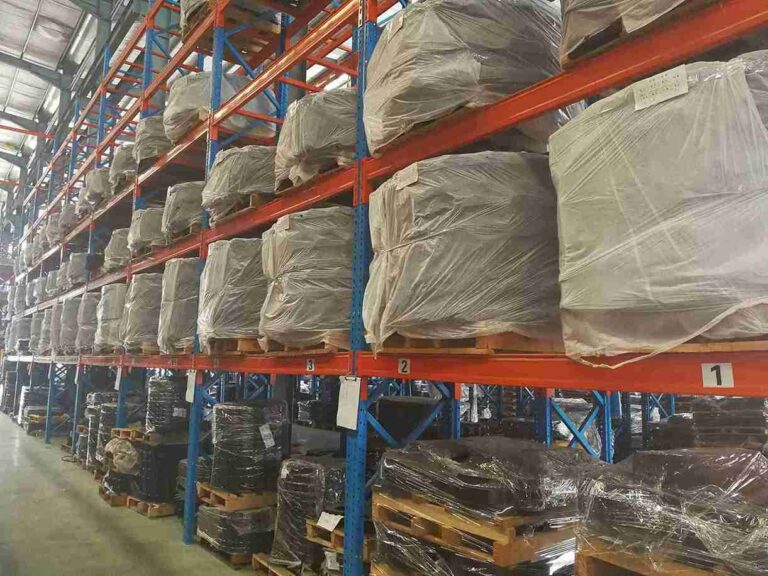
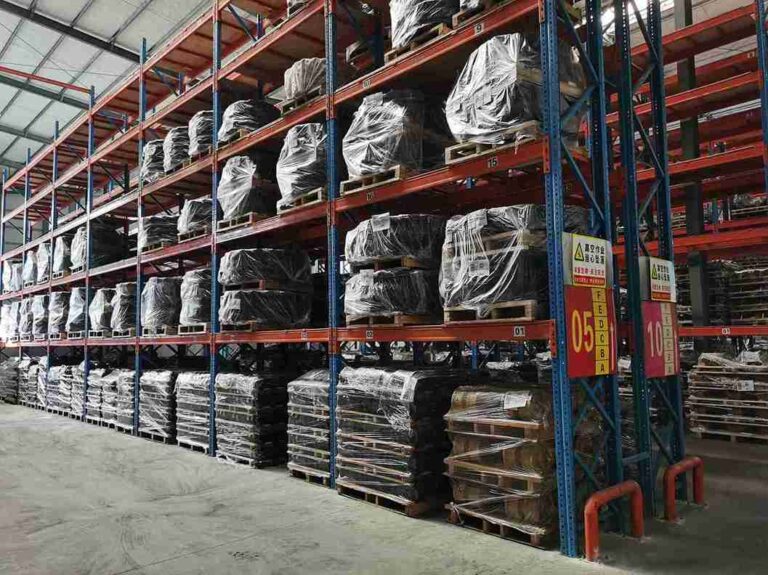
📐 "First 50 Enterprise Queries Get Custom 3D Warehouse Design" Plan


Quick Ship Used Beam Racking Prices: Heavy-Duty & Rust-Free Solutions for Emerging Markets
Your Strategic Advantage in Warehouse Expansion
In today’s rapidly evolving logistics landscape across Southeast Asia, the Middle East, Africa, and Latin America, warehouse operators face a common challenge: how to scale storage capacity rapidly without exhausting capital budgets. Quick ship used beam racking prices represent the single most effective strategy for achieving this balance.
When warehouse managers search for used beam racking prices, they are not simply looking for the lowest cost option—they are seeking a partner who can deliver heavy-duty, rust-free inventory that arrives on time and performs reliably in their specific climate conditions. The evaluation of used beam racking prices must therefore encompass far more than the initial per-component cost; it must factor in the total value delivered over the equipment’s extended lifecycle.
This comprehensive guide draws upon decades of experience supplying used beam racking to emerging markets. It will walk through everything from pricing structures and quality assessment to integration with automated systems like AGVs and. Whether a facility is in Dubai expanding a cold storage operation, in Nairobi upgrading a distribution center, or in Jakarta launching a new e-commerce warehouse, this article provides the technical depth and practical wisdom needed to make an informed investment.
The market for used beam racking has matured significantly. What was once a risky gamble on unknown equipment condition has transformed into a sophisticated supply channel offering certified, inspected, and often warranty-backed solutions. Quick ship used beam racking prices now reflect a market where speed and quality are as important as cost savings. This analysis will show how to navigate this landscape with confidence and precision.

Why Quick Ship Used Beam Racking Dominates Emerging Market Warehouse Strategies
The warehouse development boom across emerging economies has created unprecedented demand for storage infrastructure. Yet new equipment lead times stretching 12-20 weeks simply do not align with the aggressive timelines of modern logistics operations. This is where quick ship used beam racking has become the unsung hero of warehouse expansion. When procurement teams begin researching used beam racking prices, they quickly discover that the gap between new equipment availability and project deadlines can only be bridged by the secondary market.
When evaluating quick ship used beam racking prices, warehouse operators are addressing a fundamental reality: time is money, and empty warehouse space generates zero revenue. The ability to secure heavy-duty, rust-free racking that ships within days rather than months transforms warehouse economics. A facility in Lagos can receive and install used beam racking in the time it would take to merely process the paperwork for new equipment. This speed advantage alone justifies competitive used beam racking prices for operators facing fixed launch dates or seasonal demand spikes.
But speed alone is not the value proposition. The cost differential between new and used beam racking typically ranges from 40-60% savings, depending on condition and specifications . For a warehouse requiring 500 bays, this difference can fund an entire AGV system or expand the project scope dramatically. When operators compare used beam racking prices against new equipment quotations, the capital preservation benefits become immediately apparent. The savings from favorable used beam racking prices can be redirected toward automation, workforce training, or additional storage capacity—creating a compound return on the initial procurement decision.
The emerging market context adds another layer of consideration. Humidity in Southeast Asia, sand in the Middle East, and temperature extremes across Africa and Latin America demand equipment that can withstand harsh conditions. This is why the focus on rust-free inventory is not merely marketing language—it is a technical specification that determines whether used beam racking delivers five years of service or twenty. When warehouse managers evaluate used beam racking prices, they must weigh the upfront savings against the long-term durability requirements of their specific operating environment. A slightly higher investment in quick ship used beam racking prices that guarantees rust-free condition often proves far more economical than accepting lower-grade equipment that deteriorates rapidly in tropical or coastal climates.
The availability of used beam racking has also expanded dramatically in recent years. As developed markets upgrade their warehouse infrastructure, a steady stream of high-quality equipment enters the secondary market. This increased supply has kept used beam racking prices competitive while improving overall quality. Warehouse operators in emerging markets now have access to equipment that was previously unavailable or prohibitively expensive. The key is identifying suppliers who can consistently deliver quick ship used beam racking prices that reflect both the equipment’s inherent value and the logistics costs associated with international delivery.
Deconstructing Quick Ship Used Beam Racking Prices: What You’re Really Paying For
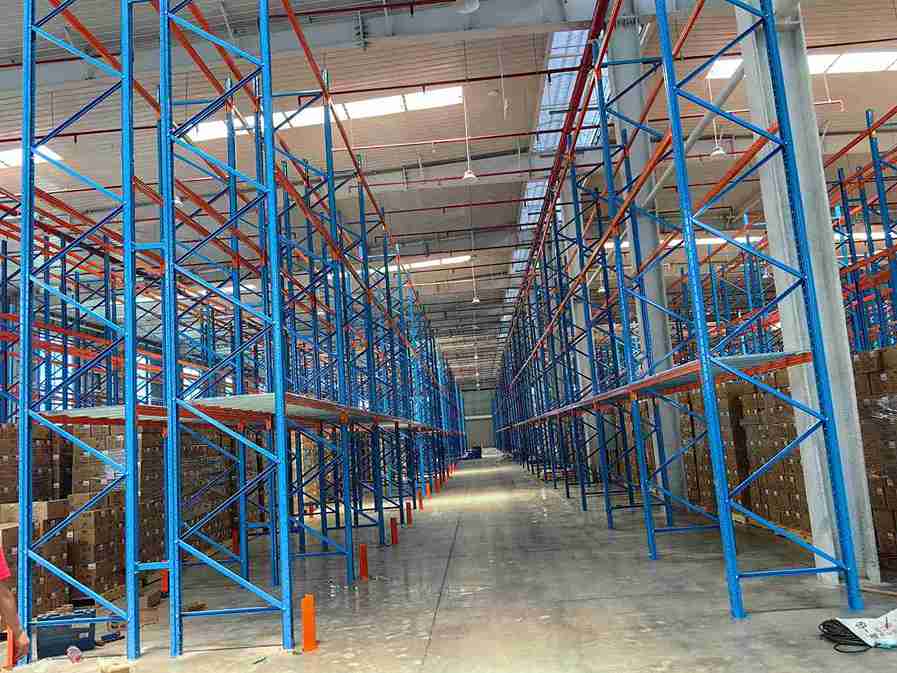
Understanding quick ship used beam racking prices requires looking beyond the per-bay figure to the components and services that comprise the total investment. When suppliers provide pricing for used beam racking, they are typically quoting a system that includes several elements, each with its own value proposition. Sophisticated buyers recognize that the lowest used beam racking prices may conceal critical omissions that become apparent only after delivery.
The upright frames or columns form the backbone of any used beam racking system. These vertical supports typically account for 40-50% of total used beam racking prices. When evaluating uprights, inspectors look for straightness within 1/240 of height as specified by ANSI MH16.1-2023 standards . Any deviation beyond this affects both safety and compatibility with automated equipment. Heavy-duty uprights designed for capacities exceeding 20,000 pounds command premium used beam racking prices because their thicker steel tolerates reinstallation better than lighter-duty components. The condition of these uprights—particularly the absence of rust or prior damage—directly influences whether quoted used beam racking prices represent genuine value.
The beams themselves represent another 30-40% of quick ship used beam racking prices. Step beams, box beams, and structural channel beams each have different load characteristics and compatibility with decking types. Industry experience shows that beam pricing varies significantly based on length—4-foot beams are abundant and relatively inexpensive, while 12-foot beams for bulk storage command higher used beam racking prices due to scarcity and shipping considerations . When comparing used beam racking prices from multiple suppliers, buyers should verify that beam counts and specifications match operational requirements precisely.
Decking, whether wire mesh, particle board, or roll-formed steel, adds 10-15% to total used beam racking prices. Wire mesh decking often retains value better because it is easily inspected for rust and damage . For operations integrating AGVs and无人叉车, wire decking provides the visibility and debris control these systems require. The contribution of decking to overall used beam racking prices should be evaluated not just as a cost component but as a performance enabler. High-quality decking justifies its portion of used beam racking prices through extended service life and improved safety.
Hardware—the bolts, shims, and anchors that secure used beam racking—might seem minor but typically represents 5% of total quick ship used beam racking prices. Experienced warehouse managers never compromise on hardware quality. Using mismatched or worn hardware is the leading cause of used beam racking failures during seismic events or high-impact operations . When suppliers quote used beam racking prices, buyers should explicitly confirm whether new hardware is included or whether the quoted figure assumes reuse of existing components.
The “quick ship” premium deserves mention. Expedited inspection, specialized packaging for rust prevention during ocean transit, and priority loading all add modestly to used beam racking prices but deliver immense value when warehouse opening dates are fixed. For operators facing firm deadlines, the ability to secure quick ship used beam racking prices that guarantee delivery within specific windows often justifies a premium over standard offerings. The cost of delayed warehouse opening—lost revenue, idle labor, missed customer commitments—far exceeds any savings from marginally lower used beam racking prices that cannot meet schedule requirements.
Heavy-Duty Specifications: Matching Used Racking to Your Load Requirements
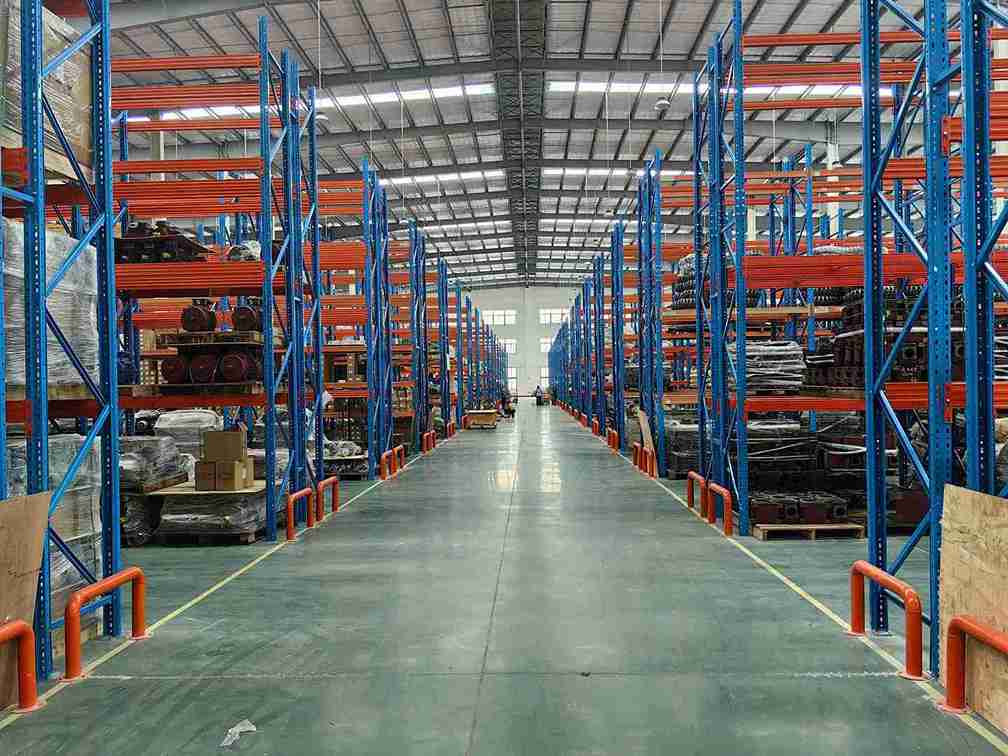
The term heavy-duty is frequently encountered in discussions of used beam racking, but its meaning varies dramatically across applications. For warehouses serving automotive, mining, or heavy manufacturing sectors, heavy-duty used beam racking means systems rated for 20,000 pounds or more per bay. For e-commerce fulfillment, heavy-duty might mean 5,000-pound capacity with frequent dynamic loading from automated equipment. Understanding this distinction is essential when evaluating quick ship used beam racking prices for specific operational contexts.
When assessing used beam racking prices, a systematic evaluation of actual load requirements is essential. The frame capacity depends on height, depth, steel gauge, and bracing configuration. A 24-foot tall upright obviously carries less weight than a 12-foot upright of identical construction. Used beam racking from pharmaceutical warehouses often has lighter duty cycles than equipment from automotive parts distribution—and used beam racking prices should reflect this history. Buyers should request documentation of original load ratings whenever possible, as this information provides the foundation for safe reuse .
Beam capacity involves both weight rating and deflection limits. For operations integrating, beam deflection under load becomes critical. If beams sag beyond specified tolerances, automated vehicles may misalign during pickup and deposit cycles . Industry standards recommend that deflection should not exceed 1/180th of the span length . When comparing used beam racking prices, buyers serving automated facilities should verify that beams meet current deflection standards, as this directly impacts system performance and safety.
The heavy-duty designation also encompasses impact resistance. Warehouses in emerging markets often experience more varied material handling equipment—from modern AGVs to older counterbalance forklifts. Used beam racking intended for these environments should have column protectors, reinforced base plates, and adequate anchoring systems . These features add marginally to quick ship used beam racking prices but prevent catastrophic failures when inevitable impacts occur. The investment in protection equipment is significantly less than the cost of repairing or replacing damaged racking .
Seismic considerations matter increasingly across target markets. Parts of Southeast Asia, the Middle East, and Latin America face significant earthquake risks. Heavy-duty used beam racking intended for these regions must comply with local seismic design categories. This affects everything from anchor specifications to frame bracing. When comparing used beam racking prices, buyers should factor in whether the equipment meets current seismic standards or requires retrofitting. The height-to-depth ratio becomes particularly important in seismic zones—for racks exceeding a 6:1 ratio, additional safety measures such as stronger anchors or overhead ties are typically recommended .
Rust-Free Assurance: Protecting Your Investment in Challenging Climates
Nothing degrades warehouse operations faster than rust compromising structural integrity. For facilities in coastal Southeast Asia, humid Latin American ports, or the variable climates of the Middle East and Africa, specifying rust-free used beam racking is not optional—it is essential for long-term safety and performance. The most attractive used beam racking prices become meaningless if equipment deteriorates within months of installation.
What does rust-free actually mean when evaluating quick ship used beam racking prices? At a minimum, it indicates that the equipment has been inspected and graded for surface corrosion. Superficial oxidation that has not penetrated the protective zinc coating may be acceptable. However, used beam racking with pitting, flaking, or section loss should be rejected regardless of price . Thorough inspection should focus on connection points, weld areas, and horizontal surfaces where moisture collects . When suppliers quote used beam racking prices, they should be prepared to document their rust inspection methodology and findings.
The manufacturing process significantly influences rust resistance. Hot-dip galvanized used beam racking offers superior protection compared to painted systems. When reviewing quick ship used beam racking prices, buyers should identify the original coating type and assess its remaining effectiveness. Equipment from climate-controlled warehouses in temperate regions often retains excellent coating integrity, commanding premium used beam racking prices for good reason. The cost differential between galvanized and painted used beam racking in the secondary market typically reflects the long-term durability advantage of the former.
Storage conditions before shipment matter enormously. Used beam racking stored outdoors even briefly can develop surface rust that compromises appearance and, over time, structural capacity . Reputable suppliers maintain indoor storage and apply protective measures for equipment destined for challenging climates. The quick ship aspect should not mean rushing equipment from outdoor yards to containers without proper inspection and preparation. When evaluating used beam racking prices, buyers should inquire about storage conditions and request photographs of inventory prior to packaging.
For warehouses already operating in corrosive environments, additional measures may justify higher used beam racking prices. These include stainless steel hardware, enhanced coating systems, and designs that minimize moisture-trapping crevices. While these features add to initial used beam racking prices, they prevent the astronomical costs of premature replacement and operational downtime. In coastal facilities across Southeast Asia and Latin America, the premium for genuinely rust-free used beam racking pays for itself many times over through extended service life.
The inspection process for rust should be systematic and thorough. Experienced inspectors use tools to measure coating thickness and identify hidden corrosion in connections and hard-to-reach areas . Used beam racking that appears pristine may harbor corrosion at tube ends or inside box sections. Thorough inspection justifies premium used beam racking prices by eliminating unpleasant surprises after installation. For critical applications, buyers should consider having samples tested for remaining steel thickness—a small investment that validates whether quoted used beam racking prices reflect genuine quality.
AGV and Compatibility: Future-Proofing Your Used Racking Investment
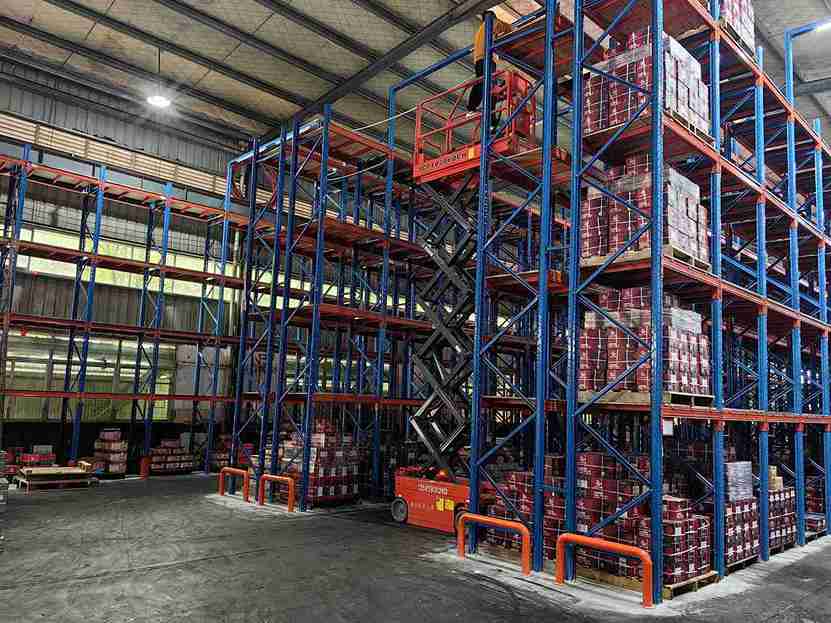
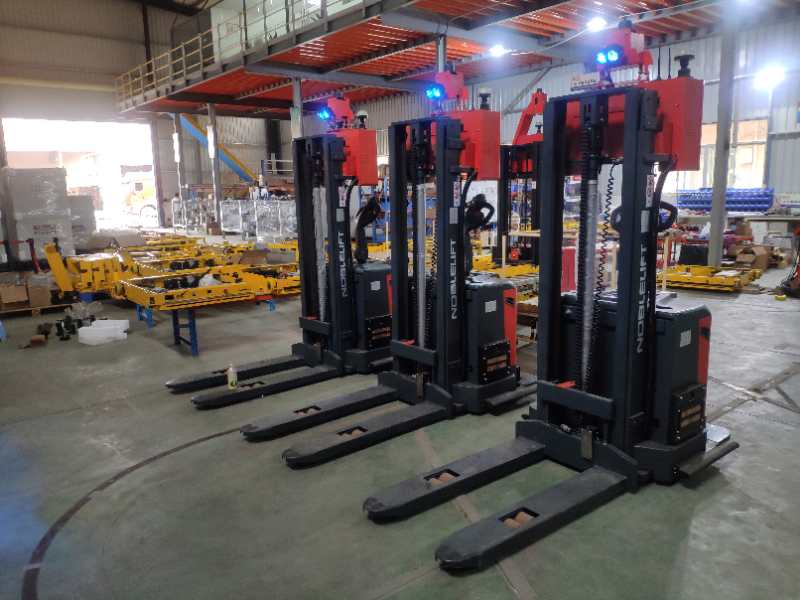
The warehouse automation revolution has not bypassed emerging markets. From Bangkok to Dubai to Nairobi, accelerating adoption of AGVs and is transforming material handling operations. This trend raises a critical question: can used beam racking support these technologies effectively? The answer, supported by recent industry research, is a qualified yes—with important caveats. Used beam racking can absolutely accommodate AGV operations, but only when selected and installed with automation requirements in mind . This makes understanding quick ship used beam racking prices in the context of automation readiness essential.
AGVs and demand precision that traditional forklift operations do not. These systems navigate using lasers, magnets, QR codes, or natural feature recognition. Used beam racking intended for automated environments must maintain tighter tolerances for plumbness and alignment . The Rack Manufacturers Institute emphasizes that racks supporting mobile robotic automation require “millimeter-level” precision . When evaluating used beam racking prices, buyers must consider whether the equipment can achieve these tolerances after reinstallation. The cost savings from lower used beam racking prices can quickly evaporate if automation systems cannot interface reliably with the installed racking.
Beam heights must accommodate AGV mast requirements and sensor fields. Used beam racking with adjustable beam connectors offers flexibility here. Fixed-position used beam racking may limit automation options. Industry experts recommend verifying that beam face dimensions match planned AGV specifications before committing to quick ship used beam racking prices . The integration of used beam racking with automated vehicles requires consistent access pocket locations and even distribution throughout the rack structure . Any damaged racking will further reduce automation effectiveness.
Floor-level considerations multiply when automation enters the picture. interactions at the rack base create repetitive forces that used beam racking must withstand. Reinforced footplates, column protectors, and low-level guards become essential . These features may add to used beam racking prices but prevent ongoing maintenance headaches. When comparing used beam racking prices for automated applications, buyers should verify that these protective elements are included or budget for their addition separately.
Reflectivity matters for laser-guided systems. Shiny used beam racking surfaces can confuse AGV sensors. Some operations apply matte finishes or strategically place reflective targets. Buyers should verify that used beam racking can accommodate these modifications without structural compromise . The precision navigation capabilities of modern AGVs actually enable tighter rack spacing compared to manual operations, potentially increasing storage density . This advantage should factor into the evaluation of used beam racking prices for automated facilities.
Perhaps most importantly, consider the used beam racking layout’s impact on AGV navigation. Aisle widths, turning radii, and pallet overhang all affect automated vehicle performance. Quick ship used beam racking prices might tempt buyers toward non-optimal configurations, but resisting this temptation pays dividends in automation efficiency . For warehouses planning future automation, investing in higher-quality used beam racking that meets precision requirements represents a strategic decision that transcends immediate cost considerations.
The Quick Ship Advantage: Logistics Strategies for Emerging Markets
The phrase quick ship promises speed, but delivering on that promise across international borders requires sophisticated logistics coordination. Understanding how quick ship used beam racking prices translate to actual delivery timelines helps buyers plan with confidence. The logistics component of used beam racking prices often determines whether a project succeeds or fails to meet critical deadlines.
For clients in the Middle East, particularly UAE and Saudi Arabia, air freight occasionally makes sense for urgent used beam racking needs. However, the weight and volume of heavy-duty systems typically favor ocean freight. Quick ship in this context means vessels departing within days rather than weeks, with transit times optimized for specific ports of entry. When evaluating used beam racking prices, buyers should clarify whether quoted figures include expedited loading and priority booking on next-available vessels.
Southeast Asian destinations benefit from major shipping lanes and frequent sailings. Quick ship used beam racking prices for Jakarta, Bangkok, or Ho Chi Minh City often include expedited container loading and priority booking advantages. For African ports like Mombasa, Lagos, or Durban, quick ship involves careful routing to avoid transshipment delays that can extend transit times by weeks. Experienced suppliers maintain relationships with freight forwarders who understand local requirements for used beam racking imports.
Latin American destinations from Mexico to Argentina require navigating diverse customs regimes. Quick ship used beam racking prices should include documentation packages that streamline clearance. Suppliers with deep experience in these markets prepare documentation specifically formatted to meet local customs requirements. When comparing used beam racking prices, buyers should verify that customs documentation support is included, as unexpected clearance delays can negate the quick ship advantage entirely.
The rust-free commitment intersects with shipping strategy significantly. Ocean containers experience temperature swings and humidity spikes that can cause condensation damage. Quick ship does not mean cutting corners on preservation. Quality suppliers use VCI packaging, desiccants, and careful container loading to ensure used beam racking arrives in promised condition . These preservation measures add marginally to used beam racking prices but prevent the disappointment of receiving rust-damaged equipment after weeks of transit.
For warehouses handling their own shipping coordination, obtaining used beam racking prices with and without freight included provides valuable comparison data. Some buyers prefer controlling their own logistics; others value the simplicity of delivered pricing. Either approach works when the components of quick ship used beam racking prices are fully understood. The key is ensuring that the logistics portion of used beam racking prices reflects realistic transit times and includes appropriate protection for ocean travel.
Quality Verification: Inspection Protocols for Used Racking
The gap between disappointing used beam racking and outstanding value lies in inspection rigor. When buyers evaluate quick ship used beam racking prices, they are essentially paying for expertise in separating salvageable equipment from scrap. Understanding what competent inspection entails helps verify that quoted used beam racking prices reflect genuine value rather than mere appearance.
Visual inspection forms the first line of defense. Every beam and upright should be examined for obvious damage—bent flanges, cracked welds, elongated bolt holes, or signs of previous impact . Heavy-duty used beam racking from industrial applications may show more wear than equipment from retail distribution. The question is not whether wear exists, but whether it affects structural capacity. Buyers should be wary of used beam racking prices that seem too good to justify thorough inspection—they often hide significant damage that becomes apparent only after installation .
Dimensional verification matters enormously for used beam racking intended to integrate with existing systems or automated equipment. Upright column spacing, beam connector dimensions, and overall squareness should be measured against original specifications. Even minor variations can compound during installation, creating misalignments that compromise safety . When evaluating used beam racking prices, buyers should request dimensional data or conduct their own measurements if inspecting inventory personally.
Load capacity verification represents the most technical aspect of used beam racking inspection. Original manufacturer labels provide baseline information, but for used beam racking of uncertain provenance, engineering analysis may be necessary. This typically involves measuring steel thickness, evaluating connection designs, and comparing to known standards . Higher quick ship used beam racking prices often reflect this engineering investment. For facilities requiring OSHA, AS4084, or RMI compliance, inspection documentation becomes legally important .
Certified used beam racking suppliers provide reports identifying each component’s condition and calculated load capacity. These documents protect buyers if incidents occur and demonstrate due diligence to insurers and regulators . When comparing used beam racking prices, buyers should factor in the cost of obtaining equivalent certification independently. A supplier offering comprehensive documentation as part of their used beam racking prices delivers value beyond the equipment itself.
For critical applications, professional inspection services provide an additional layer of verification. Third-party inspectors can assess used beam racking before purchase, offering unbiased evaluation of condition and suitability . The cost of professional inspection is modest compared to the total investment in used beam racking prices and provides peace of mind that cannot be obtained through visual examination alone.
Installation Excellence: Making Your Used Racking Perform
Superior quick ship used beam racking prices mean nothing if installation compromises equipment performance. Across emerging markets, industry observation shows that installation quality varies more dramatically than equipment quality. The used beam racking investment deserves professional attention during this critical phase to ensure that quoted used beam racking prices translate to operational value.
Site preparation begins with floor assessment. Used beam racking requires floors within specified flatness tolerances—typically 1/8 inch over 10 feet for automated applications. Uneven floors can be addressed with shimming, but excessive compensation indicates deeper problems . ANSI MH16.1-2023 provides specific guidance on shim materials and stacking limits that protect structural integrity. When evaluating used beam racking prices, buyers should confirm whether site assessment is included or must be arranged separately.
Layout accuracy determines how well used beam racking performs. Row spacing, aisle widths, and bay positions should match warehouse management system and material handling equipment requirements. For operations integrating AGVs, layout deviations of even an inch can cause navigation failures . Professional installers use laser levels and total stations to achieve required precision. The investment in professional installation preserves the value represented by competitive used beam racking prices.
Anchoring represents the most permanent aspect of used beam racking installation. Anchor type, depth, and torque specifications vary with floor condition, seismic zone, and rack loading. The ACI 318 Chapter 17 standards referenced in ANSI MH16.1 provide detailed requirements for anchor design and installation . Cutting corners on anchoring to preserve savings from favorable used beam racking prices creates unacceptable risk. Proper anchoring ensures that the structural integrity of used beam racking is fully realized.
Beam installation requires attention to locking mechanisms. All beams in used beam racking systems should have intact locking devices capable of resisting 1,000 pounds of upward force without disengagement . These safety features prevent accidental beam dislodgement during pallet handling. When inspecting installed used beam racking, buyers should verify that all beam locks are present and functional—a detail sometimes overlooked in the focus on used beam racking prices.
Post-installation inspection verifies that used beam racking meets specified tolerances for plumb and level. The ANSI standard allows maximum out-of-plumb of 1/2 inch per 10 feet of height . For tall used beam racking installations, meeting this tolerance requires careful adjustment during assembly. Professional installers document these measurements for buyer records, providing verification that the value represented by used beam racking prices has been fully realized through correct installation.
Load Plaques and Compliance Documentation
One often-overlooked aspect of used beam racking installations is proper load signage. ANSI MH16.1-2023 Section 4.5 requires permanent plaques showing maximum unit loads, average loads, and bay capacities . These plaques protect operations by ensuring all personnel understand system limits. When evaluating used beam racking prices, buyers should confirm that appropriate signage is included or budget for its procurement separately.
When purchasing used beam racking through professional channels, updated load plaques should be part of quick ship used beam racking prices. The plaques must reflect the actual configuration and capacity of the installed system—not the original equipment’s specifications. This distinction matters for legal compliance and operational safety . Suppliers who include updated plaques in their used beam racking prices demonstrate commitment to safety and regulatory compliance.
For facilities in Australia, AS4084 imposes similar requirements. European operations reference EN 15512 and SEMA guidelines . Understanding local regulatory context helps buyers specify used beam racking that meets all applicable standards. Suppliers experienced in international markets can guide buyers through these requirements, adding value that extends beyond quoted used beam racking prices.
Documentation packages for quality used beam racking include layout drawings showing exact positions of all components. These drawings become essential for future modifications, capacity verification, and insurance purposes . When comparing quick ship used beam racking prices, buyers should ask what documentation accompanies the equipment. Comprehensive documentation justifies higher used beam racking prices by reducing future engineering costs and regulatory uncertainty.
For operations seeking certified inspection, the inspection process verifies both equipment condition and installation quality . This independent validation provides peace of mind that used beam racking meets professional standards. Some suppliers include certification in their used beam racking prices; others offer it as an optional upgrade. Buyers should evaluate which approach aligns with their regulatory requirements and risk tolerance.
Sustainability Benefits: The Green Case for Used Racking
Environmental considerations increasingly influence warehouse investment decisions. Used beam racking represents one of the most sustainable choices in material handling equipment, and this value extends beyond immediate cost savings. When procurement teams compare used beam racking prices against new equipment quotations, the environmental dimension adds another layer to the value proposition.
The steel in heavy-duty used beam racking embodies significant energy investment. Manufacturing new steel racks requires mining, transportation, and processing that generate substantial carbon emissions. Extending the service life of used beam racking avoids these impacts while delivering identical functionality . For companies with sustainability commitments, specifying used beam racking supports environmental goals while meeting operational requirements. The favorable used beam racking prices that attract budget-conscious buyers also deliver environmental benefits that resonate with stakeholders.
Quick ship used beam racking prices reflect the circular economy in action. Rather than scrapping perfectly serviceable equipment, the used beam racking market redirects it to new applications. This reduces landfill burden and preserves the embedded energy in existing steel . When buyers choose used beam racking, they participate in this virtuous cycle, and competitive used beam racking prices make this participation economically attractive.
For warehouses pursuing LEED certification or similar green building standards, used beam racking contributes to Materials and Resources credits. The equipment’s recycled content and potential for future reuse align with circular economy principles. Documentation from reputable suppliers supports these certification efforts . When comparing used beam racking prices, buyers pursuing green building certification should verify that suppliers can provide the documentation needed for credit applications.
The rust-free requirement connects to sustainability through longevity. Used beam racking that remains rust-free through proper inspection and preservation will serve longer before requiring replacement. This extended service life multiplies the environmental benefits of choosing used beam racking in the first place. The slightly higher used beam racking prices associated with genuinely rust-free inventory deliver compounded environmental returns over the equipment’s extended lifecycle.
Compatibility Verification: Ensuring Components Work Together
When purchasing used beam racking, compatibility between components from different sources presents one of the greatest challenges. Even attractive used beam racking prices lose their appeal if beams do not fit uprights or if connection methods prove incompatible. Understanding what to verify before purchase prevents costly surprises after delivery.
The connector type and fit require careful examination. Even if two beams “seem to fit” uprights, that does not mean they are safe together . When inspecting used beam racking, buyers should check hook pattern, number of hooks, spacing, and shape. Hook thickness should be similar to existing beams, and the face plate contact should sit flush without visible gapping. Safety locks must be present, intact, and able to engage properly. If connectors do not match exactly with existing systems, the beams should be treated as not compatible unless engineering confirmation is obtained .
Upright profile, hole pitch, and depth represent the next compatibility dimension. The profile—upright shape and steel thickness—must match system requirements. Hole pitch, the vertical distance from center-to-center of the keyhole pattern, determines whether beams can be positioned at desired heights. Frame depth, the front-to-back measurement of the frame, must accommodate pallet sizes and maintain required clearances . When evaluating used beam racking prices, buyers should measure these dimensions against their requirements and existing equipment.
Frame height, bracing pattern, and baseplates require similar scrutiny. Used frames often look similar at a glance, but details matter. Frame height must accommodate facility clearances. Bracing pattern affects lateral stability and impact resistance. Baseplate size, style, and anchor hole configuration determine whether frames can be securely anchored . These details may not be reflected in used beam racking prices but significantly affect installation feasibility and cost.
Beam length, section, and capacity clues provide final verification data. Overall beam length and clear span determine whether beams will fit planned bay widths. Beam section—box, open, step beam—affects both capacity and compatibility with decking types . Original labels or stickers indicating capacity or manufacturer provide valuable verification data. When these are missing, buyers should factor in the cost of engineering assessment when comparing used beam racking prices.
Regulatory Compliance: Navigating International Standards
Warehouse operators across emerging markets must navigate a complex landscape of regulatory requirements. Used beam racking must comply with applicable standards regardless of its origin or age. Understanding these requirements helps buyers evaluate whether quoted used beam racking prices include compliance verification or leave this responsibility to the purchaser.
In the United States and markets following US standards, ANSI MH16.1 provides the governing framework for pallet rack design and utilization . OSHA regulations incorporate these standards and require that racking be inspected regularly and used within design parameters. When evaluating used beam racking prices for facilities under US jurisdiction, buyers should verify that equipment meets these standards or can be certified to do so.
For Australian and New Zealand markets, AS4084 establishes requirements for steel storage racking . This standard addresses design, testing, and utilization, with specific provisions for seismic performance. Non-compliant used beam racking can create significant legal exposure for warehouse operators . When comparing used beam racking prices for these markets, buyers should verify that suppliers can provide AS4084 compliance documentation.
European operations reference EN 15512 and SEMA guidelines . These standards address static steel pallet racking systems and establish performance requirements. Buyers evaluating used beam racking prices for European facilities should confirm that equipment meets these standards or can be upgraded to compliance through engineering assessment.
For markets without established local standards, international frameworks provide guidance. Many buyers in emerging markets specify compliance with US or European standards as a quality benchmark. When evaluating used beam racking prices, buyers should clarify which standards the equipment meets and what documentation supports this claim. Reputable suppliers incorporate compliance verification into their used beam racking prices, providing documentation that protects buyers regardless of local regulatory frameworks.
Cost Analysis: Comparing Used vs. New Over Full Lifecycle
The decision between used beam racking and new equipment extends beyond initial purchase price. A comprehensive cost analysis considers installation, maintenance, compliance, and eventual replacement. Understanding this full lifecycle helps buyers evaluate whether quoted used beam racking prices deliver genuine long-term value.
Initial cost savings represent the most obvious advantage of used beam racking. Savings of 40-60% compared to new equipment are typical . These savings preserve capital for other investments and can significantly expand project scope. When comparing used beam racking prices to new equipment quotations, buyers should calculate the absolute dollar savings and consider how these funds might be deployed elsewhere.
Installation costs for used beam racking may differ from new equipment. If components require cleaning, repair, or modification before installation, these costs should be factored into the comparison. Professional installation ensures that the value represented by favorable used beam racking prices is fully realized . Buyers should obtain installation quotations that reflect the specific condition and configuration of used beam racking under consideration.
Maintenance requirements for used beam racking depend on equipment condition and operating environment. Well-maintained used beam racking from quality sources may require no more maintenance than new equipment. However, equipment with incipient rust or prior damage may demand ongoing attention . When evaluating used beam racking prices, buyers should consider whether the equipment’s condition suggests higher future maintenance costs.
Compliance costs can add significantly to the total investment in used beam racking. Engineering assessment, load certification, and safety signage may be required to bring used beam racking into compliance with current standards . These costs should be factored into the comparison between used beam racking prices and new equipment quotations. Some suppliers include compliance services in their used beam racking prices; others leave these costs for buyers to address separately.
The eventual replacement timeline for used beam racking depends on current age, condition, and remaining service life. Quality used beam racking may deliver 20+ additional years of service, making its effective cost per year highly competitive. Buyers evaluating used beam racking prices should consider the expected remaining life and calculate annualized cost for comparison with new equipment alternatives.
Conclusion: Making Confident Used Racking Decisions
Navigating quick ship used beam racking prices requires balancing multiple factors: speed, quality, cost, and future compatibility. Throughout this analysis, the emphasis has been that the lowest used beam racking prices rarely deliver the best long-term value. Instead, successful used beam racking investments result from clear requirements, thorough inspection, and professional installation.
For warehouses across Southeast Asia, the Middle East, Africa, and Latin America, used beam racking offers a proven path to rapid capacity expansion. The combination of quick ship availability, heavy-duty construction, and rust-free condition creates equipment that performs reliably in challenging environments. When buyers add compatibility with AGVs and 无人叉车, used beam racking becomes not just a cost-saving measure but a strategic enabler of warehouse modernization.
Buyers are encouraged to approach used beam racking purchases with the same rigor applied to new equipment. Supplier credentials should be verified, samples inspected when possible, and documentation insisted upon. The used beam racking market includes everything from premium-grade equipment barely distinguishable from new to damaged systems requiring extensive repair. Understanding this difference determines whether used beam racking prices represent bargains or false economies.
The warehouses winning in emerging markets today combine capital efficiency with operational excellence. Quick ship used beam racking at fair prices enables this combination, freeing resources for automation investments that drive competitive advantage. Whether expanding existing facilities or launching new operations, used beam racking deserves serious consideration as part of storage strategy. By applying the principles outlined in this guide, buyers can secure used beam racking that delivers exceptional value while meeting the most demanding operational requirements.
Frequently Asked Questions
1. How does the age of used beam racking affect insurance premiums for warehouse operations?
Insurance providers often evaluate used beam racking based on certification and condition rather than age alone. Properly certified used beam racking with current load documentation typically does not attract higher premiums than new equipment. However, facilities with uncertified used beam racking of unknown provenance may face increased scrutiny or higher rates. When evaluating used beam racking prices, buyers should consider whether supplier-provided certification will satisfy insurance requirements or whether independent assessment will be needed.
2. What specific modifications might be needed to make used beam racking compatible with cold storage environments?
Cold storage applications impose unique requirements on used beam racking. The equipment must accommodate thermal contraction and expansion, which can affect connections and stability. Additionally, condensation cycles in cold storage accelerate corrosion risks, making the rust-free specification particularly critical. Used beam racking intended for freezer environments may require special coatings, stainless steel hardware, and modified anchoring systems. These modifications should be factored into used beam racking prices when equipment is destined for temperature-controlled facilities.
3. Can used beam racking be safely installed outdoors for temporary or seasonal storage needs?
Outdoor installation of used beam racking presents significant challenges. Even rust-free equipment will deteriorate when exposed to weather unless specifically designed and protected for outdoor use. Wind loads, which are not typically considered in indoor rack design, become critical factors for outdoor installations. Additionally, UV exposure can degrade coatings over time. While used beam racking can sometimes be adapted for outdoor use with engineering review and protective measures, standard used beam racking prices assume indoor installation and do not include these adaptations.
4. How do fire safety regulations impact the configuration of used beam racking systems?
Fire safety requirements significantly influence used beam racking layout and configuration. Local fire codes typically mandate specific clearances between top of loads and sprinkler systems—often 18 inches or more depending on sprinkler design and commodity classification . These clearance requirements affect maximum beam heights and load profiles. Additionally, fire safety regulations may limit the use of solid shelving versus wire decking in certain applications. When evaluating used beam racking prices, buyers should verify that proposed configurations will comply with applicable fire codes.
5. What should buyers look for when inspecting used beam racking that has been previously installed in seismic zones?
Used beam racking from seismic zones requires particularly careful evaluation. Look for signs of seismic stress such as elongated anchor holes, bent baseplates, or cracked welds at critical connections. Equipment that has experienced significant seismic events may have hidden damage not apparent during casual inspection . Additionally, verify that the original seismic design category matches requirements for the new installation location. Used beam racking prices for equipment from seismic zones should reflect the additional engineering review typically required for reuse in similar applications.
6. How do dimensional tolerances for used beam racking differ between standard forklift operations and fully automated systems?
The dimensional requirements for used beam racking vary significantly between manual and automated operations. Standard forklift operations can typically accommodate variations of up to 1 inch in rack alignment. Automated systems, however, often require tolerances measured in millimeters . When evaluating used beam racking prices for facilities with existing or planned automation, buyers should verify that equipment can achieve and maintain the tighter tolerances these systems demand. This may affect both the selection of used beam racking and the installation specifications.
7. What documentation should buyers absolutely require when purchasing used beam racking from international suppliers?
At minimum, buyers should require:
(1) original manufacturer identification for all major components,
(2) load capacity documentation or engineering assessment reports,
(3) inspection reports documenting condition, including rust assessment and damage evaluation,
(4) photographs of actual inventory,
(5) commercial invoices suitable for customs clearance, and
(6) packing lists detailing container contents . Suppliers who cannot provide this documentation should offer correspondingly lower used beam racking prices to account for the additional verification buyers will need to perform independently.
If you require perfect CAD drawings and quotes for warehouse racking, please contact us. We can provide you with free warehouse racking planning and design services and quotes. Our email address is: jili@geelyracks.com