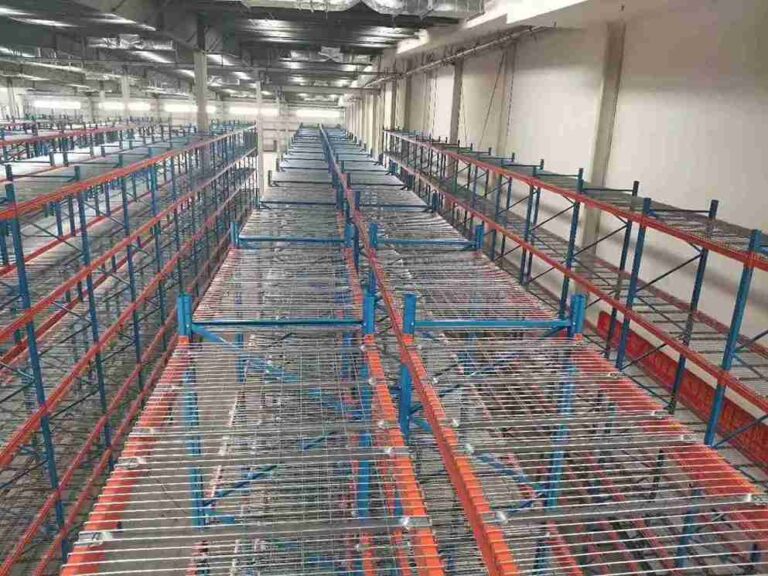
📐 "First 50 Enterprise Queries Get Custom 3D Warehouse Design" Plan


The Strategic Imperative: Selective Pallet Racking as the Cornerstone of Modern Warehousing
In the dynamic landscape of global logistics, particularly within the high-growth corridors of Southeast Asia, the Middle East, Africa, and Latin America, operational efficiency is not merely a goal—it is a prerequisite for survival and expansion. At the heart of this efficiency lies a seemingly simple yet profoundly critical decision: the selection and implementation of the primary storage infrastructure. For the vast majority of operations, from bustling third-party logistics (3PL) hubs in Vietnam to manufacturing plants in Mexico and retail distribution centers in Saudi Arabia, the answer consistently points to one system: selective pallet racking.
This ubiquitous framework is far more than a collection of steel beams and uprights; it represents the foundational, scalable, and intelligent backbone of a modern, agile warehouse. A well-chosen selective pallet racking system directly translates to enhanced accessibility, optimized cubic space utilization, and a tangible reduction in the cost per pallet position. More critically, in an era rapidly embracing automation, the right selective pallet racking installation is the essential, non-negotiable physical grid upon which technologies like Automated Guided Vehicles (AGVs) and sophisticated Warehouse Management Systems (WMS) rely.
This discourse delves into the multifaceted value proposition of selective pallet racking, providing a comprehensive blueprint for businesses seeking not just to store goods, but to build a competitive advantage through smarter, more adaptable storage solutions.

Decoding the Universal Appeal of Selective Pallet Racking Systems
Why does selective pallet racking maintain its dominance as the global standard for unit-load storage? The answer is rooted in its unmatched balance of simplicity, flexibility, and direct-access efficiency. Unlike high-density alternatives such as drive-in or push-back racking, a selective pallet racking configuration provides unimpeded access to every single pallet location within the system.
Each pallet sits independently on its dedicated load beams, meaning any SKU can be stored or retrieved at any moment without the need to move other inventory. This principle of 100% selectivity is paramount for operations with diverse product ranges, where First-In-First-Out (FIFO) inventory management is crucial, or where random-access picking is a daily requirement.
For a distributor in Jakarta handling perishable goods, a manufacturer in Durban managing components for just-in-time assembly, or an e-commerce fulfiller in Bogotá processing thousands of individual SKUs, this immediate accessibility is not a luxury—it is the engine of throughput and customer satisfaction. The intrinsic design of selective pallet racking fosters operational fluidity, making it the logical starting point for any business aiming to rationalize its storage processes.
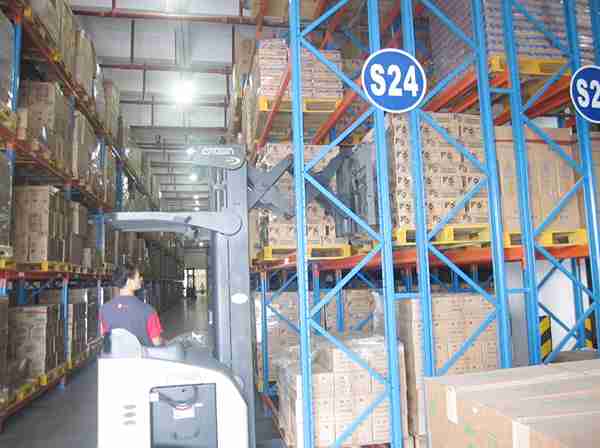
Engineering Excellence: The Components of a Reliable Selective Pallet Racking System
The enduring performance and safety of any selective pallet racking installation are direct results of its engineered components. Understanding this anatomy is crucial for making an informed procurement decision that prioritizes long-term value over short-term cost savings.
Upright Frames: The Vertical Backbone: The upright frames form the vertical pillars of the selective pallet racking system, bearing the entirety of the vertical load. Their design is a critical determinant of overall system capacity and stability. High-quality selective pallet racking utilizes roll-formed or structural steel columns, manufactured from high-tensile steel with precise perforations (typically teardrop or slotted patterns). These perforations allow for secure beam connection and easy height adjustability without compromising structural integrity.
The gauge, or thickness, of the steel and its yield strength are non-negotiable specifications; they must be calculated to handle not only the static load of stored pallets but also dynamic forces from forklift interactions and, in relevant regions, seismic activity. The footplate design and the method of anchoring—using robust chemical or mechanical anchors—transform the selective pallet racking from a freestanding structure into a permanent, integral part of the warehouse’s physical plant.
Load Beams: The Horizontal Workhorses: Beams create the horizontal shelves of the selective pallet racking system, directly supporting the palletized loads. The most common and cost-effective design for selective pallet racking is the roll-formed step-beam, which features a distinctive profile that locks securely into the upright’s column via integrated connectors or bolts. Each beam is rated for a specific Uniformly Distributed Load (UDL), a figure that must account for the weight of the heaviest pallet plus a prudent safety factor.
The choice between box beams for heavier capacities and step-beams for standard applications is a key engineering consideration. In a well-designed selective pallet racking layout, beam levels are easily adjustable, typically in increments of 50mm or 75mm, allowing the system to adapt to changing pallet heights and product profiles over time.
Integral Safety and Accessory Ecosystem: A professional selective pallet racking solution is incomplete without its integrated safety features. These components are not optional extras but fundamental to protecting both personnel and inventory. Key elements include heavy-duty column protectors (upright guards) to absorb inevitable forklift impacts, positive beam safety locks that provide a secondary securing mechanism beyond the connector, and pallet supports or wire mesh decking to ensure pallets are fully supported and to prevent debris from falling.
For installations in regions with stringent safety regulations or operations with high foot traffic, additional safety features like end-of-aisle guardrails, post protectors, and clear aisle markings are integrated into the selective pallet racking design from the outset.
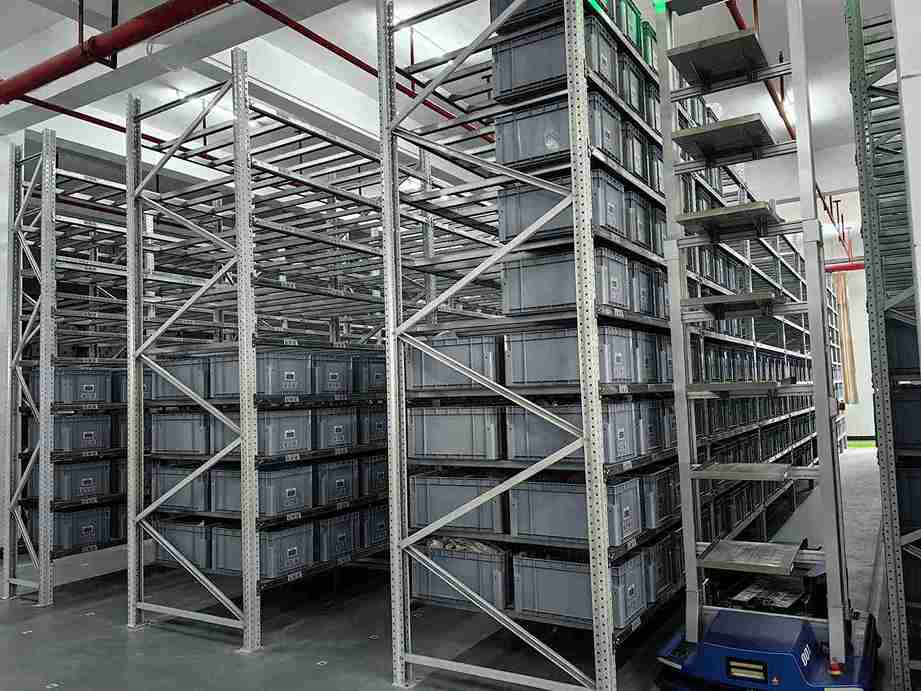
The Economic Calculus: Analyzing the True Cost-Effectiveness of Selective Pallet Racking
For procurement managers and business owners in cost-sensitive growth markets, the term “cost-effective” demands rigorous definition. True cost-effectiveness in selective pallet racking is a holistic measure calculated over the entire asset lifecycle, far surpassing the simplistic metric of initial purchase price.
Initial Capital Outlay vs. Total Cost of Ownership (TCO): While competitive pricing is important, the TCO framework evaluates durability, maintenance costs, operational impact, and scalability. A slightly higher initial investment in a superior-grade selective pallet racking system—featuring thicker gauge steel, a more durable powder-coat finish, and certified components—often pays for itself multiple times over by avoiding premature replacement, reducing frequency of repairs from damage, and minimizing operational downtime. A cheap, under-specification selective pallet racking system poses a significant safety risk and can become a recurring cost center.
Operational Efficiency Gains: The design of selective pallet racking directly influences labor productivity. A well-planned layout minimizes travel distances for forklifts, reduces time spent searching for SKUs, and accelerates both put-away and picking cycles. These efficiency gains translate into lower cost per pallet moved, higher throughput per shift, and the ability to handle greater volumes without proportional increases in labor—a critical advantage in markets experiencing rapid sales growth.
Maximizing Real Estate Value: In many urban centers across Southeast Asia and the Middle East, warehouse space is at a premium. Selective pallet racking is the primary tool for maximizing the vertical cube of a facility. By enabling safe storage to greater heights—often utilizing the full clear height of a modern warehouse—selective pallet racking dramatically increases storage density. This can delay or eliminate the need for expensive facility expansion or relocation, representing one of its most significant financial benefits. The strategic use of selective pallet racking effectively lowers the cost per square meter of occupied space.
Designing for the Future: Selective Pallet Racking as the Scalable Automation Foundation
The most forward-thinking warehouse operators view their storage infrastructure not as a static asset but as a dynamic platform for technological evolution. In this context, selective pallet racking is redefined as the essential “first layer” of digital-physical integration—the scalable foundation upon which automation is built.
Precision Alignment for AGV Navigation: The integration of AGVs and unmanned forklifts requires a level of precision in the warehouse environment that far exceeds traditional standards. For these vehicles to operate reliably, the selective pallet racking grid must be installed with exceptional accuracy. Aisle widths must be consistent to the millimeter, and upright frames must be perfectly plumb and aligned. Any deviation can confuse an AGV’s guidance system (laser, LiDAR, or vision-based), leading to operational failures or safety stops. Therefore, specifying an automation-ready selective pallet racking system involves stricter tolerances, potentially more robust uprights to withstand occasional minor contact, and a commitment to professional, surveyed installation.
Interface with WMS and IoT: A modern selective pallet racking system provides the physical address matrix for a digital warehouse. Each location, defined by its rack, level, and bay, corresponds to a unique identifier in the WMS. When designed with future integration in mind, the selective pallet racking layout can incorporate considerations for optimal data capture points, locations for RFID readers, or pathways for autonomous mobile robots (AMRs). The racking itself becomes a component of the Internet of Things (IoT) ecosystem within the warehouse.
Inherent Scalability and Reconfigurability: The modular nature of selective pallet racking is its greatest asset for growth. A system designed with scalability in mind allows a business to start with a core storage area and expand laterally, vertically, or in-depth by adding compatible components. This modularity ensures that the initial investment in selective pallet racking is protected. Businesses can scale their storage capacity in phases, aligned with their growth, without the need for a costly and disruptive complete system overhaul. This “future-proofing” is a core element of the value proposition for selective pallet racking in volatile, high-growth markets.
Regional Adaptation: Specifying Selective Pallet Racking for Unique Market Challenges
A one-size-fits-all approach is a recipe for failure in international logistics. Successful deployment of selective pallet racking in diverse regions requires thoughtful adaptation to local conditions.
Climatic and Environmental Considerations: The specification of the selective pallet racking must account for the local environment. In the high-humidity climates of coastal Southeast Asia, a standard powder-coated finish may be insufficient. Here, specifications might call for epoxy-based paints or hot-dip galvanizing to prevent corrosion. In the dusty, arid conditions of parts of the Middle East and Africa, design considerations might include tighter mesh decking to contain debris. For cold storage applications in food distribution centers, the steel and connectors of the selective pallet racking must be rated for sub-zero temperatures to maintain ductility and strength.
Regulatory and Seismic Compliance: Local building codes and safety regulations vary significantly. A reputable supplier of selective pallet racking for these markets must have expertise in navigating these requirements. In seismically active zones, such as parts of the Philippines or Chile, the selective pallet racking design must incorporate specific engineering protocols—including specialized bracing, increased anchor specifications, and potentially lower load capacities—to meet seismic performance criteria. Compliance is not optional; it is a fundamental aspect of responsible system design.
Local Skill Levels and Maintenance Infrastructure: The design of the selective pallet racking system should reflect the local availability of technical expertise. Systems that prioritize simple, tool-less beam adjustment, clear labeling, and straightforward maintenance procedures will have a longer, safer, and more productive life in regions where highly specialized technicians are not readily available. Providing comprehensive, locally-translated documentation and training for in-house teams is an essential part of the service package for a selective pallet racking supplier.
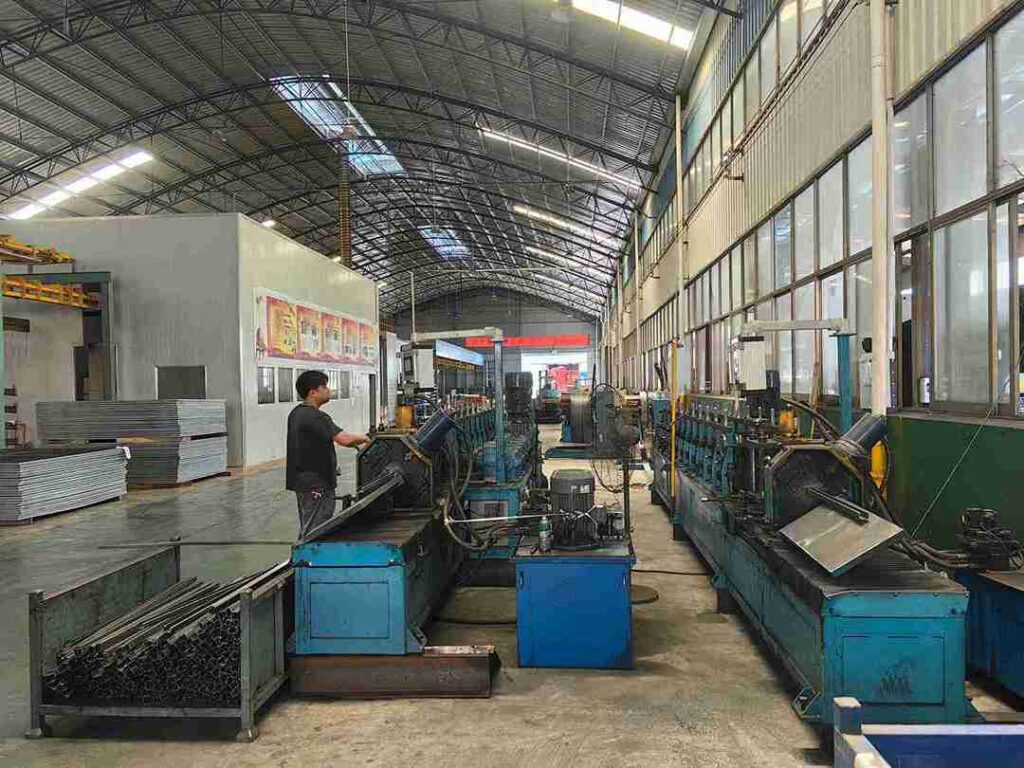
The Procurement and Implementation Journey: From Concept to Operational Asset
Turning the specification for a selective pallet racking system into a live, operational asset requires a managed, professional process.
Comprehensive Site Survey and Needs Analysis: The journey begins with a detailed assessment of the warehouse space, including precise measurements of floor dimensions, clear heights, column locations, door placements, and sprinkler layouts. Equally important is an analysis of the inventory profile: pallet dimensions and weights, SKU velocity, and growth projections. This data forms the basis for all subsequent design work.
Professional Layout Design and Engineering: Using industry-standard software, designers create optimized layout plans for the selective pallet racking. This phase determines aisle widths (balancing density with accessibility), overall configuration, and beam levels. Crucially, certified engineers perform static and dynamic load calculations, generating stamped drawings and a full bill of materials. This engineering package ensures the proposed selective pallet racking system is safe, compliant, and fit for purpose.
Expert Installation and Quality Assurance: The installation of selective pallet racking is a specialized task. Professional installers use laser levels and torque wrenches to ensure perfect alignment and correct bolt tension. They follow a meticulous sequence to erect, anchor, and brace the system. A final quality audit, including plumb checks and load beam installation verification, is conducted before handover. For automation-ready projects, this installation phase is even more critical, as tolerances are significantly tighter.
Ongoing Inspection and Maintenance Regime: Once operational, the selective pallet racking system requires a formal inspection regimen. This includes daily visual checks by operators, scheduled monthly inspections by a designated safety officer, and an annual audit by a qualified engineer. A proactive maintenance culture, with immediate repair or replacement of any damaged component (especially upright frames), is essential for preserving the integrity and safety of the selective pallet racking investment for its entire lifespan.
Conclusion: Building Competitive Advantage on a Foundation of Steel and Strategy
In the final analysis, the decision to invest in a high-quality, professionally engineered selective pallet racking system is a strategic business decision with profound implications for operational capability, cost structure, and future readiness. It is the fundamental step in transforming warehouse space from a cost center into a dynamic, value-generating asset. For businesses operating in the fast-paced, competitive markets of Southeast Asia, the Middle East, Africa, and Latin America, the flexibility, efficiency, and scalability offered by a well-designed selective pallet racking installation are not merely beneficial—they are indispensable.
By choosing a system designed not just for today’s pallets but for tomorrow’s automated workflows, leaders lay a foundation for growth that is both physically robust and digitally compatible. In the architecture of modern logistics, selective pallet racking remains the essential, unwavering framework upon which success is built.
Frequently Asked Questions (FAQs)
1: We have a mix of different pallet sizes and non-standard loads. Can selective pallet racking handle this variability?
Absolutely. The inherent adjustability of selective pallet racking is one of its key strengths. Beam levels can be easily reconfigured, typically without tools, to accommodate different pallet heights within the same bay. For non-standard loads, custom beam lengths, supplemental support bars, or specialized decking (like particle board or slip sheets) can be integrated into the selective pallet racking design. A professional site survey will identify these variables to ensure the final system layout is perfectly tailored to your specific inventory mix.
2: How does the load capacity of selective pallet racking interact with the choice of forklift equipment?
This is a critical interface. The load capacity of your selective pallet racking beams must exceed the weight of your heaviest pallet. Furthermore, the forklift’s capabilities—specifically its lift height and capacity at that height—dictate the maximum usable height of the selective pallet racking system. A high-reach truck can safely service taller racking, maximizing vertical space. It is essential to coordinate the specification of the selective pallet racking with the planned material handling equipment to ensure seamless and safe operation.
3: What are the lead time implications for sourcing high-quality selective pallet racking in a remote location?
Lead times are a function of manufacturing complexity, shipping logistics, and installation scheduling. For standard selective pallet racking systems, a reputable supplier with a streamlined global supply chain can typically manufacture and containerize goods within 6-10 weeks. Ocean freight to most major ports in the target regions adds 2-5 weeks. A detailed project plan will always include a phase-by-phase timeline, and experienced suppliers factor in buffer time for customs clearance and local transport. For urgent requirements, inquire about modular or “quick-ship” selective pallet racking programs that may offer faster turnaround on standard configurations.
4: Can your selective pallet racking be certified to international standards, even if our local regulations are less strict?
Yes, and this is a hallmark of a quality-focused supplier. Reputable manufacturers design and test their selective pallet racking components to meet or exceed recognized international standards such as the European FEM 10.2.02 or the American RMI/ANSI MH16.1. These standards govern design methodologies, load testing protocols, and safety factors. Procurement of selective pallet racking certified to these benchmarks provides an additional layer of safety assurance and engineering rigor, which is a wise investment regardless of local code minimums.
5: What is the typical process for expanding or modifying an existing selective pallet racking system in a few years’ time?
A primary advantage of selective pallet racking is its modularity. Expansion usually involves purchasing additional upright frames, beams, and bracing that are compatible with the original system. The first step is to consult the original layout drawings and engineering specs. It is highly recommended to engage the original supplier or a qualified engineer to assess the existing structure and design the expansion, ensuring the new selective pallet racking integrates safely and that the overall system, including floor anchoring, can support the added load and configuration changes.
If you require perfect CAD drawings and quotes for warehouse racking, please contact us. We can provide you with free warehouse racking planning and design services and quotes. Our email address is: jili@geelyracks.com