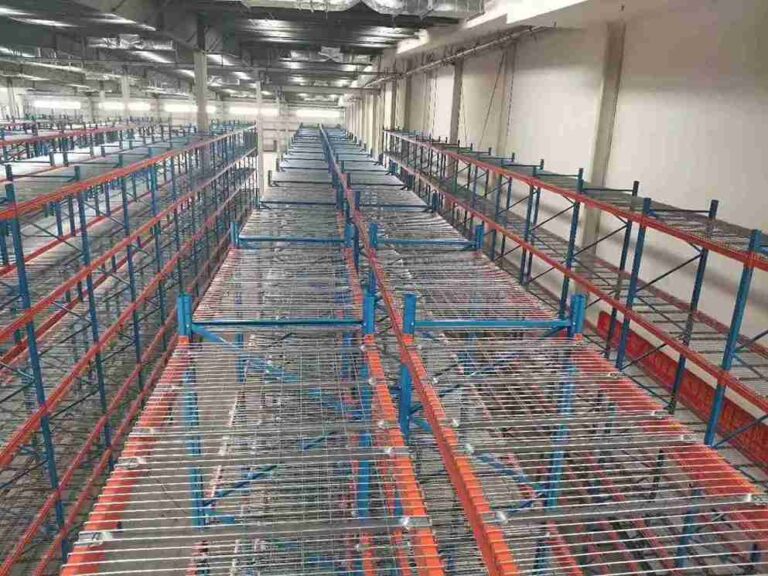
📐 "First 50 Enterprise Queries Get Custom 3D Warehouse Design" Plan


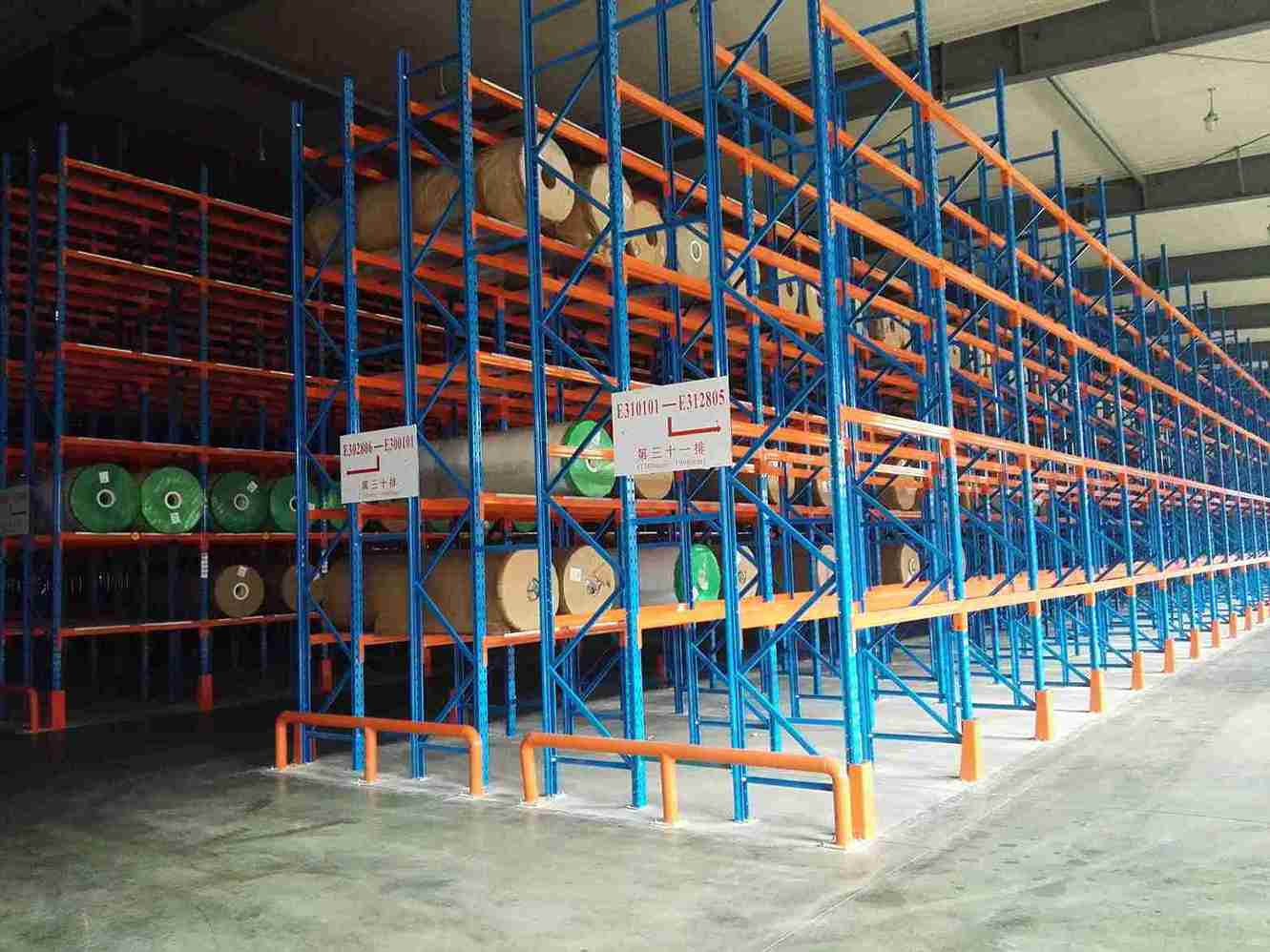
Introduction: Revolutionizing Warehouse Operations with Pallet Live Storage Racking
In today’s competitive logistics landscape, warehouses constantly seek innovative solutions to boost storage capacity, improve workflow efficiency, and reduce operational costs. Among the most effective high-density storage systems available, pallet live storage racking stands out as a game-changing solution. By utilizing gravity-fed movement, this system ensures seamless FIFO (First-In, First-Out) inventory management, making it indispensable for industries dealing with perishable goods, pharmaceuticals, and time-sensitive products.
This in-depth guide explores how pallet live storage racking transforms warehouse operations, its key advantages, optimal design configurations, and best practices for implementation. Whether managing a cold storage facility, e-commerce fulfillment center, or automotive parts warehouse, this system delivers unparalleled efficiency.
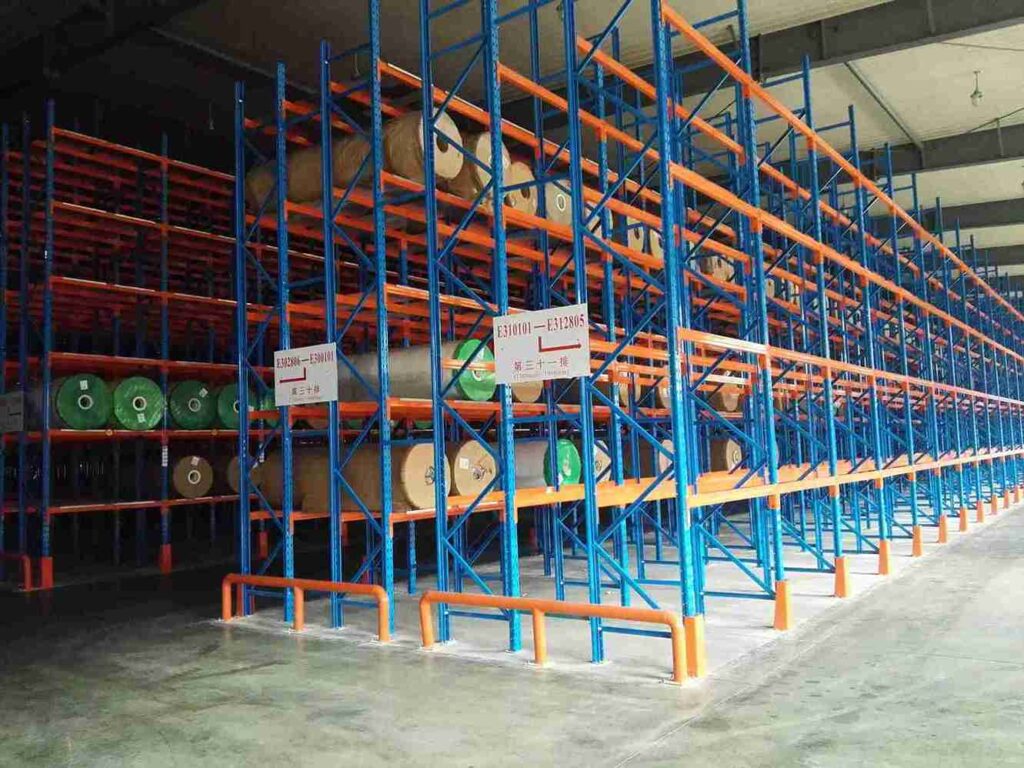
H1: Understanding Pallet Live Storage Racking
H2: How Pallet Live Storage Racking Works
Pallet live storage racking operates on a simple yet highly effective principle:
Loading Zone – Pallets are placed at the elevated entry point.
Gravity Rollers/Wheels – The inclined track allows pallets to glide smoothly toward the unloading end.
Unloading Zone – Forklifts or automated systems retrieve pallets in sequence.
This automated flow system eliminates manual handling, reduces labor costs, and ensures perfect FIFO compliance—critical for food, pharmaceuticals, and other time-sensitive inventory.
H2: Core Components of Pallet Live Storage Racking
A well-designed pallet live storage racking system consists of:
Roller/Wheel Tracks – Engineered for smooth pallet movement.
Braking & Speed Controls – Prevents pallet collisions.
Load Beams & Frame – Heavy-duty steel construction for durability.
End Stops & Safety Guards – Prevents pallets from sliding off.
Each element ensures safe, high-speed pallet movement, maximizing throughput.
H1: Key Benefits of Pallet Live Storage Racking
H2: 1. Unmatched Storage Density
Compared to traditional selective racking, pallet live storage racking increases storage capacity by up to 60%, making it ideal for warehouses with limited space.
H2: 2. Perfect FIFO Inventory Control
Industries like food & beverage, pharmaceuticals, and chemicals rely on FIFO compliance to minimize waste. Pallet live storage racking guarantees stock rotation without manual intervention.
H2: 3. Dramatic Labor Cost Reduction
Since pallets move automatically, forklift travel time decreases by over 50%, significantly cutting labor expenses.
H2: 4. Enhanced Safety & Fewer Product Damages
With controlled movement and minimal manual handling, accidents and product damage drop substantially.
H2: 5. Customizable for Any Warehouse Need
Pallet live storage racking adapts to various pallet sizes, weights, and storage heights, offering flexibility across industries.
H1: Top Industries Using Pallet Live Storage Racking
H2: 1. Food & Beverage Distribution
Ensures freshness compliance for perishable goods.
H2: 2. Pharmaceutical & Medical Supply Warehouses
Maintains expiration date accuracy for critical medications.
H2: 3. Automotive & Manufacturing Parts Storage
Handles heavy components efficiently while reducing retrieval time.
H2: 4. Cold Storage & Frozen Goods Warehousing
Optimizes space in temperature-controlled environments.
H2: 5. E-Commerce & Retail Fulfillment Centers
Speeds up order picking and shipping processes.
H1: Designing the Optimal Pallet Live Storage Racking System
H2: 1. Warehouse Layout & Space Utilization
Aisle Width: Must accommodate forklifts or automated retrieval systems.
Floor Load Capacity: Must support heavy palletized goods.
H2: 2. Pallet Specifications & Load Requirements
Weight Limits: Typically 1,000–3,000 kg per pallet (custom options available).
Pallet Dimensions: Standard (48×40 inches) or custom sizes.
H2: 3. Speed Control & Safety Mechanisms
Adjustable Incline Angle: Regulates pallet movement speed.
Braking Systems & Buffers: Prevents pallet collisions.
H2: 4. Integration with Warehouse Automation
Compatible with AS/RS (Automated Storage & Retrieval Systems).
Syncs with WMS (Warehouse Management Software) for real-time tracking.
H1: Installation & Maintenance Best Practices
H2: 1. Professional Installation for Peak Performance
Improper setup can cause jams, safety hazards, or inefficiencies. Always engage experienced installers.
H2: 2. Regular Maintenance for Longevity
Monthly roller/wheel inspections.
Lubrication of moving parts to prevent wear.
H2: 3. Employee Training for Safe Operations
Workers must understand proper loading/unloading techniques to prevent accidents.
H1: Pallet Live Storage Racking vs. Alternative Systems
| Feature | Pallet Live Storage Racking | Selective Racking | Drive-In Racking |
|---|---|---|---|
| Storage Density | High | Low | Very High |
| FIFO Compliance | Yes | No | No (LIFO) |
| Accessibility | Medium | High | Low |
| Labor Efficiency | High | Medium | Low |
H1: Future Innovations in Pallet Live Storage Racking
AI-Powered Inventory Tracking (Predictive restocking).
Robotic Pallet Retrieval Systems (Fully automated workflows).
Energy-Efficient Roller Designs (Reduced friction for smoother movement).
Conclusion: Is Pallet Live Storage Racking the Right Choice?
For warehouses struggling with space constraints, labor inefficiencies, or strict FIFO requirements, pallet live storage racking delivers unmatched efficiency, cost savings, and scalability.
Before implementation, assess:
✔ Warehouse layout & floor strength
✔ Pallet weight & dimensions
✔ Budget & ROI expectations
FAQs
1. What’s the maximum weight capacity for pallet live storage racking?
Most systems handle 1,000–3,000 kg per pallet, with heavy-duty options available.
2. Can this system store non-palletized goods?
No, it’s designed exclusively for standard or custom pallets.
3. How long does pallet live storage racking last?
With proper maintenance, 15–20 years.
4. Are there fire safety risks with this system?
Proper sprinkler systems & fire-resistant materials should be incorporated.
5. Can existing warehouses retrofit this system?
Yes, but a professional evaluation is necessary for compatibility.