📐 "First 50 Enterprise Queries Get Custom 3D Warehouse Design" Plan


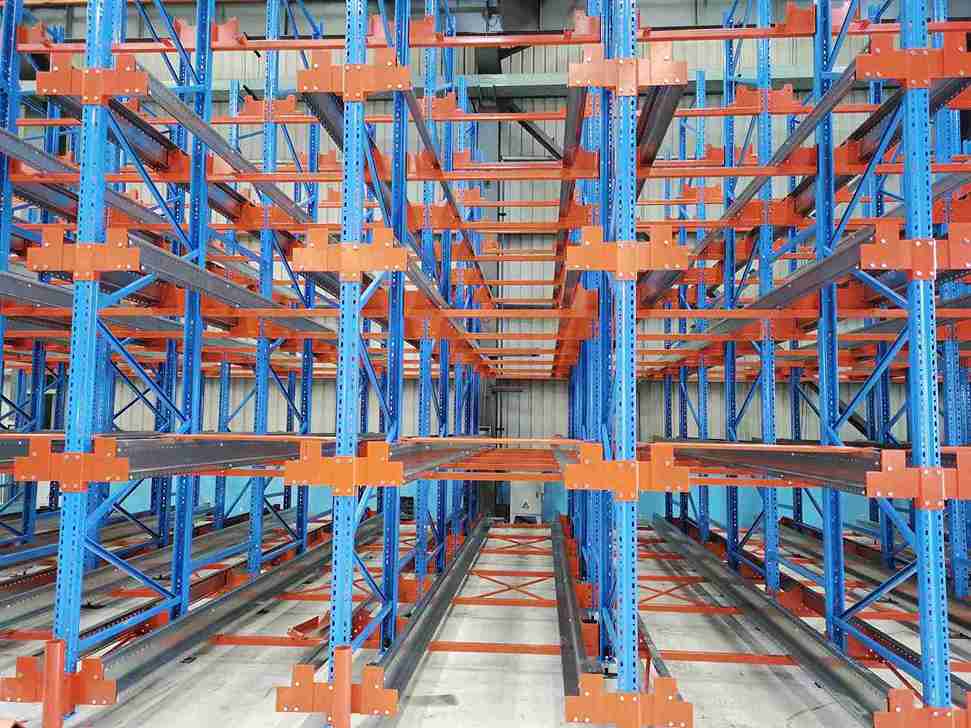
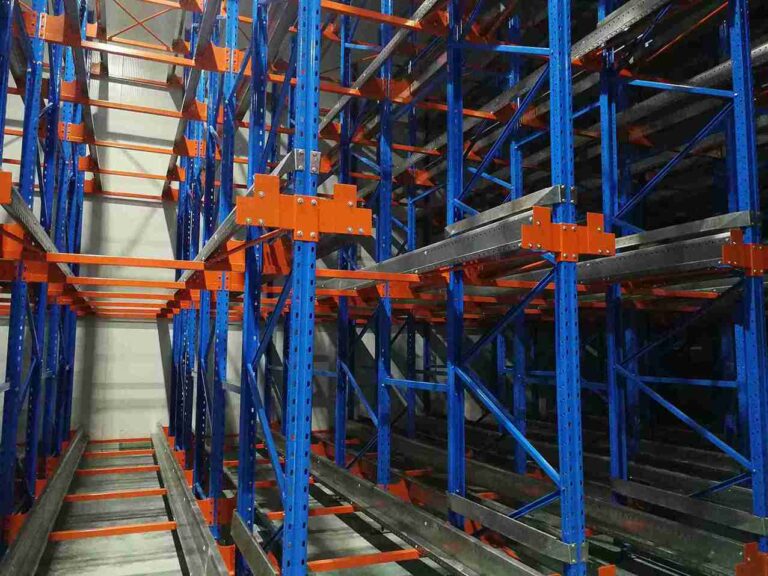
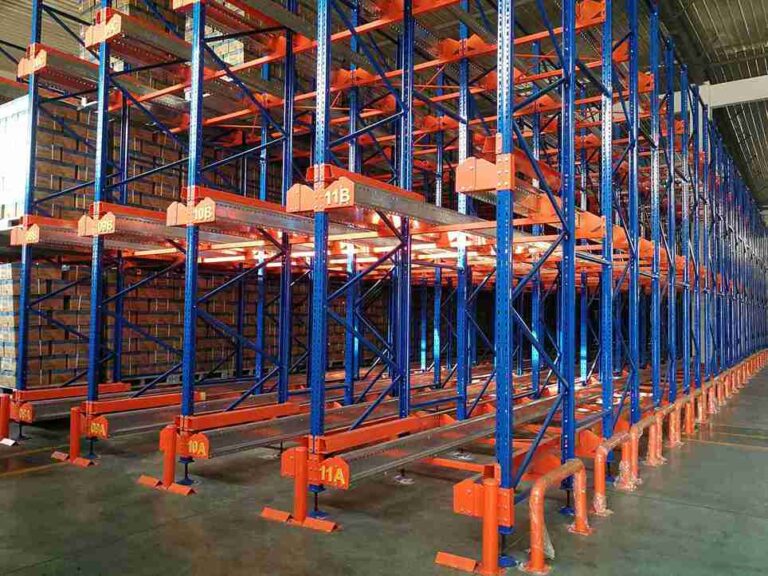
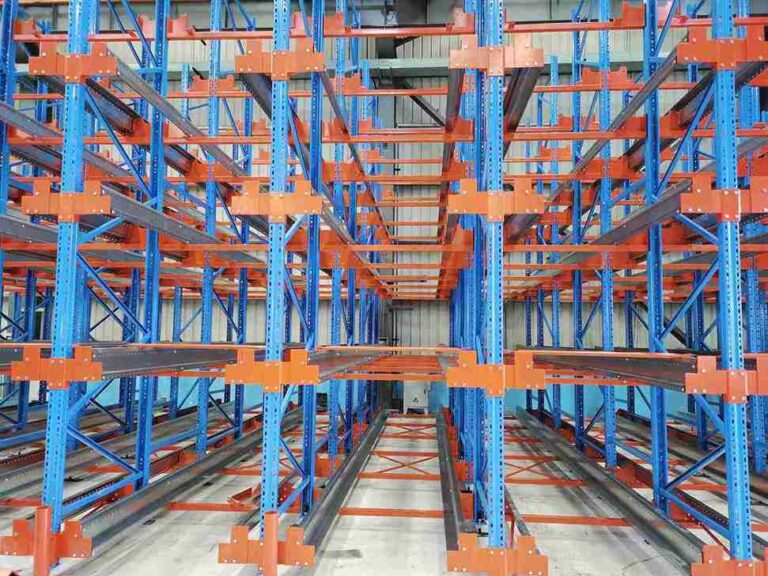
In the high-stakes calculus of warehouse management, the difference between profit and loss is often measured in inches. For operations leveraging or considering shuttle racking systems, the most critical, yet frequently miscalculated, design parameter is the shuttle racking aisle width. This is not merely a technical specification on a blueprint; it is a fundamental lever controlling storage density, throughput velocity, and long-term return on investment. An improperly sized shuttle racking aisle width—even a few centimeters off—can silently erode operational efficiency for years. An aisle that is too wide constitutes a permanent sacrifice of valuable real estate.
An aisle that is too narrow becomes a persistent bottleneck, throttling productivity and elevating safety risks. Many logistics managers rely on generic guidelines or competitor benchmarks for their shuttle racking aisle width, only to discover systemic underperformance post-installation. At [Your Company Name], we operate on a different principle: precision. This definitive guide moves beyond basic manuals to explore the engineering and operational imperatives that dictate the optimal aisle width for shuttle racking.
We will demonstrate why a meticulously calculated, custom-tailored shuttle racking aisle width is the non-negotiable foundation of a world-class automated storage and retrieval system (AS/RS). For those planning a new facility or optimizing an existing one, the following insights will clarify why a professional layout analysis is not an expense, but a strategic investment in competitive advantage.
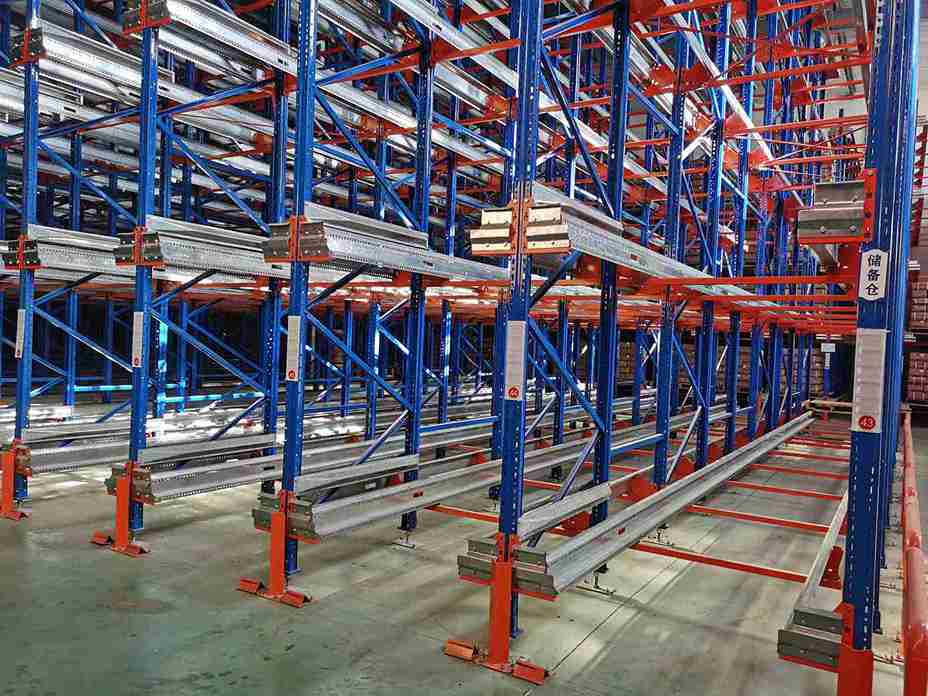
The High Cost of Approximation: Why Standard Shuttle Racking Aisle Widths Are a Strategic Compromise
Under the pressure of tight project timelines and capital constraints, the allure of a “standard” solution is powerful. For shuttle racking aisle width, this often translates to adopting a round number—perhaps 1000mm or 1200mm—based on a supplier’s recommendation or an industry anecdote. This approach is fundamentally flawed. In the context of high-performance warehousing, a “standard” shuttle racking aisle width is a myth. What is standard for a facility handling uniform, lightweight plastic totes is entirely unsuitable for one managing heavy, non-standard pallets of industrial goods.
The financial impact of an incorrectly sized shuttle racking aisle width is both significant and insidious, compounding over the system’s entire lifecycle:
The Real Estate Drain: Industrial storage space is a premium asset. Every superfluous centimeter in the shuttle racking aisle width, multiplied by the aisle length and the total number of aisles, represents a substantial and permanent loss of potential storage locations. In our audits, we have identified facilities where a precision-engineered reduction of just 50mm per aisle unlocked sufficient space for hundreds of additional pallet positions, effectively deferring a multi-million dollar expansion project for a decade.
Accelerated Equipment Degradation: A shuttle vehicle operating in an aisle that is too narrow is under constant kinematic stress. Its guidance systems, drive mechanisms, and wheels are perpetually making micro-corrections to avoid collision with the racking uprights. This relentless friction leads to premature wear, unplanned downtime, and costly component replacements. Conversely, an excessively wide shuttle racking aisle width can permit lateral sway at high speeds, compromising load stability and increasing the risk of damage to both the inventory and the racking structure.
Throughput Inefficiency: The core promise of automation is speed. However, an improperly sized shuttle racking aisle width can act as a silent governor on system performance. An overly narrow aisle may force the shuttle to operate at sub-optimal speeds for safety, effectively extending a 10-hour retrieval cycle into a 12-hour ordeal. This latency ripples through the entire supply chain, impacting order fulfillment times and customer satisfaction.
Choosing a “close enough” shuttle racking aisle width is a direct compromise on profitability—a decision made during the planning phase that incurs a daily operational tax.
Beyond the Blueprint: The Five Critical Factors Dictating Your Optimal Shuttle Racking Aisle Width
Determining the ideal shuttle racking aisle width is a sophisticated exercise in systems engineering, not a simple measurement. It demands a holistic analysis of integrated components and dynamic operational conditions. At [Your Company Name], our custom layout assessment rigorously evaluates these five critical factors to define the precise shuttle racking aisle width for your unique environment.
1. The Shuttle Vehicle: Dimensional Tolerances and Guidance System Kinematics
While the physical width of the shuttle vehicle is the primary input, our analysis delves deeper into its operational envelope:
Manufacturing Tolerances: Industrial equipment has inherent variances. We account for these tolerances across your entire fleet to ensure consistent, reliable performance within the designated shuttle racking aisle width.
Guidance System Technology: The choice between rail-guided, wire-guided, or laser-guided systems has profound implications. Rail-guided shuttles typically require tighter clearances than free-ranging laser-guided models. The technology selected directly defines the necessary running clearance and thus the final shuttle racking aisle width.
Load Handling Deployment: The mechanism for handling pallets—whether forks, rollers, or clamps—may shift the vehicle’s center of gravity or physical footprint during operation. The dynamic clearance required during load engagement and disengagement is a critical component of the shuttle racking aisle width calculation.
2. The Pallet Variable: Accounting for Real-World Imperfections
Pallets are often the greatest source of variability in a warehouse. Your shuttle racking aisle width must be resilient enough to accommodate not just the ideal, but the actual:
Pallet Condition and Integrity: Warped, damaged, or inconsistently repaired pallets can exceed their nominal dimensions. A system designed for theoretical perfection will fail under real-world conditions. Our analysis incorporates data on your specific pallet pool’s condition.
Dimensional Variations: Even within “standard” pallet types (e.g., EUR, GMA), there are allowable variations. We design the shuttle racking aisle width to accommodate the upper limit of your expected pallet size range.
Load Stability and Overhang: Pallets with unstable or overhanging loads necessitate additional clearance to prevent product contact with the racking during high-speed movement. This safety margin is a non-negotiable part of the shuttle racking aisle width specification.
3. Racking Precision and Structural Deflection: The Static Framework is Dynamic
While selective pallet racking can tolerate minor imperfections, shuttle racking is unforgiving. The racking structure itself is a vital variable in the shuttle racking aisle width equation.
Installation Tolerances: The precision of the racking installation is paramount. We mandate installation by certified teams who understand that uprights must be perfectly plumb and beams perfectly level across the entire system. Even a slight deviation can catastrophically reduce the effective shuttle racking aisle width.
Load-Induced Deflection: Under maximum capacity, steel racking beams will deflect. Our structural engineering calculations proactively account for this deflection to ensure the clear shuttle racking aisle width remains sufficient under all load conditions. Ignoring beam deflection is a common and critical error in amateur designs.
4. The Human Factor: Maintenance and Emergency Protocols
Although the shuttle system is automated, human intervention for maintenance and emergencies must be designed into the shuttle racking aisle width from the outset.
Maintenance and Recovery Access: How will a technician safely retrieve a disabled shuttle from the center of a 100-meter aisle? Our designs incorporate protocols for maintenance, sometimes specifying slightly wider transfer areas or planning for specialized recovery tools. This foresight in planning the shuttle racking aisle width prevents a single point of failure from halting operations.
Regulatory Safety and Egress: While personnel should never enter an active aisle, regulations and prudence require planning for emergencies. Our shuttle racking aisle width considerations always incorporate necessary clearances for safe emergency access, ensuring compliance with OSHA and other relevant safety standards.
5. Future-Proofing the Investment: Scalability and Technological Evolution
Your operational needs will evolve. A strategically defined shuttle racking aisle width incorporates scalability to protect your capital investment.
Shuttle Technology Upgrades: Future generations of shuttle vehicles may have different physical profiles or performance characteristics. Building reasonable tolerance for future upgrades into the initial shuttle racking aisle width design is far more economical than retrofitting the entire racking system later.
Changing Inventory Profiles: Shifts in product mix or the introduction of new pallet types can alter requirements. We build a strategic buffer into the shuttle racking aisle width to accommodate foreseeable operational changes.
The Domino Effect: How Shuttle Racking Aisle Width Influences Overall System Design
The shuttle racking aisle width is not an isolated parameter; it is the primary domino in a chain reaction that influences the entire warehouse design. An error here cascades through the system, while precision creates synergies of efficiency.
Direct Impact on Storage Density and volumetric Cube Utilization
The relationship is direct and powerful: a narrower, optimized shuttle racking aisle width allows for more storage aisles within the same building footprint, dramatically increasing pallet positions and volumetric efficiency. Our engineering focus is on identifying the operationally optimal minimum shuttle racking aisle width, balancing density gains against reliability and performance.
Interplay with Picking Aisles and Material Flow Pathways
The configuration of the shuttle racking aisles dictates the layout of adjacent manual picking zones and cross-docking pathways. An inefficient shuttle racking aisle width can force a suboptimal layout for other warehouse functions, creating travel inefficiencies for AGVs (Automated Guided Vehicles) and personnel.
Integration with Conveyor Systems and Sortation Equipment
The shuttle system must interface seamlessly with automated conveyor systems and sortation equipment. The retrieval pace, determined in part by the shuttle’s velocity within its aisle, must be synchronized with the downstream equipment’s capacity. An improperly sized shuttle racking aisle width that impedes shuttle speed can create a bottleneck at the conveyor interface, negating the benefits of automation. Our integrated design approach ensures the shuttle racking aisle width is calibrated for end-to-end system harmony.
Case Study: Achieving an 18% Storage Density Increase via Precision Shuttle Racking Aisle Width Optimization
A recent client, a third-party logistics (3PL) provider, was designing a new greenfield facility centered on a semi-automated storage and retrieval system (AS/RS). Their initial plan specified a shuttle racking aisle width of 1100mm, based on a supplier’s general recommendation.
The Challenge: The client was concerned that this conservative shuttle racking aisle width was leaving significant storage density—and therefore revenue potential—on the table.
Our Analysis: We executed a comprehensive custom layout analysis, which included:
3D Pallet Profiling: Laser scanning a representative sample of their pallets to model true dimensions and common deformities.
Shuttle Kinematics Analysis: Collaborating with the manufacturer to obtain precise data on the shuttle’s dynamic behavior and guidance system tolerances.
Finite Element Analysis (FEA): Modeling racking deflection under full load to understand its impact on the clear shuttle racking aisle width.
Discrete Event Simulation: Running throughput simulations under peak seasonal loads to analyze the performance of various shuttle racking aisle width scenarios.
The Finding: Our engineering analysis demonstrated that a shuttle racking aisle width of 970mm was optimal for their specific combination of equipment, pallets, and operational requirements. This 130mm reduction per aisle was achievable without compromising safety or performance.
The Result: The client achieved an 18% increase in storage capacity within the same building footprint. Furthermore, the precision alignment resulted in smoother shuttle operation, predicting lower long-term maintenance costs and higher system availability. This case underscores how a data-driven approach to the shuttle racking aisle width parameter can yield transformative financial returns.
The Imperative of a Custom Layout Analysis for Modern Warehouses
Given the complexity and interconnectivity of these variables, a custom layout analysis is the only method to de-risk a multi-million dollar automation investment. It transforms the specification of shuttle racking aisle width from an educated guess into an engineered certainty. Our analysis process is exhaustive and collaborative:
Phase 1: Comprehensive Data Acquisition
We analyze your SKU profile, pallet data, throughput requirements, and future business plans to build a complete operational model.
Phase 2: Advanced 3D Modeling and Dynamic Simulation
Using tools like AutoCAD Revit and specialized simulation software, we create a digital twin of your operation. We stress-test the design, including the proposed shuttle racking aisle width, against thousands of operational cycles to validate performance before construction begins.
Phase 3: Collaborative Design Validation
We present the analysis as an interactive workshop, not a static report. We guide your team through the simulations, explain the trade-offs, and refine the shuttle racking aisle width and overall layout based on your intimate operational knowledge.
Conclusion: Precision Engineering as the Cornerstone of Warehouse Profitability
In the pursuit of logistical excellence, mastery over details like the shuttle racking aisle width separates industry leaders from the rest. Treating this parameter with a “good enough” mindset inevitably leads to capitalized waste in the form of lost space, higher operating costs, and constrained growth. By embracing a culture of precision engineering and evidence-based decision-making, you can transform your warehouse from a cost center into a formidable competitive weapon. The investment in a custom layout analysis pays for itself many times over through maximized storage density, enhanced system reliability, and a design built for future evolution. Do not allow an imprecise shuttle racking aisle width to perpetually cost you space, time, and profit.
Frequently Asked Questions (FAQs)
Q1: Can the same shuttle racking aisle width be used for both pallet shuttles and case shuttles (mini-load systems) within one warehouse?
This is highly inadvisable. Pallet shuttles and case shuttles have fundamentally different dimensional profiles, guidance tolerances, and dynamic performance characteristics. Designing a universal shuttle racking aisle width typically forces a compromise that undermines the efficiency of one or both systems. The optimal strategy is to design dedicated zones, each with a shuttle racking aisle width precision-engineered for the specific technology in use.
Q2: How critical is warehouse floor flatness to the required shuttle racking aisle width?
Floor flatness is a paramount consideration. An uneven floor can induce shuttle tilt or trajectory drift, necessitating a wider shuttle racking aisle width to maintain a safe clearance. Our site assessments always include a floor flatness survey to standards like FM 4/100 or DIN 15185. If tolerances are exceeded, we recommend corrective grinding or factor a larger safety margin into the shuttle racking aisle width calculation.
Q3: What are the fire safety implications of a very narrow shuttle racking aisle width?
Very Narrow Aisle (VNA) configurations, including shuttle systems, challenge conventional fire suppression. Dense racking can obstruct ceiling-level sprinklers. Our designs integrate with fire safety engineers to implement solutions like in-rack sprinkler systems. The placement of these systems must be coordinated with the shuttle racking aisle width to ensure both effective fire protection and unimpeded shuttle operation.
Q4: How is the ROI calculated for investing in a custom layout analysis versus using a standard shuttle racking aisle width?
The ROI is calculated by quantifying the value of gained storage space (additional pallet locations over time) and the cost savings from reduced maintenance and higher throughput (e.g., labor savings). The cost of the analysis is typically a fraction of these gains. We provide a detailed ROI projection with our proposal, clearly demonstrating the financial benefit of optimizing the shuttle racking aisle width.
Q5: For non-standard pallets or containers, how does the shuttle racking aisle width calculation change?
It becomes exponentially more critical. With non-standard loads, we conduct extensive analysis of the load handling device’s engagement mechanics and the load’s dynamic stability during movement. In these scenarios, physical mock-ups and advanced dynamic simulation are strongly recommended to de-risk the project and pinpoint the exact shuttle racking aisle width required for safe and efficient operation.
Welcome to contact us, if you need warehouse rack CAD drawings. We can provide you with warehouse rack planning and design for free. Our email address is: jili@geelyracks.com