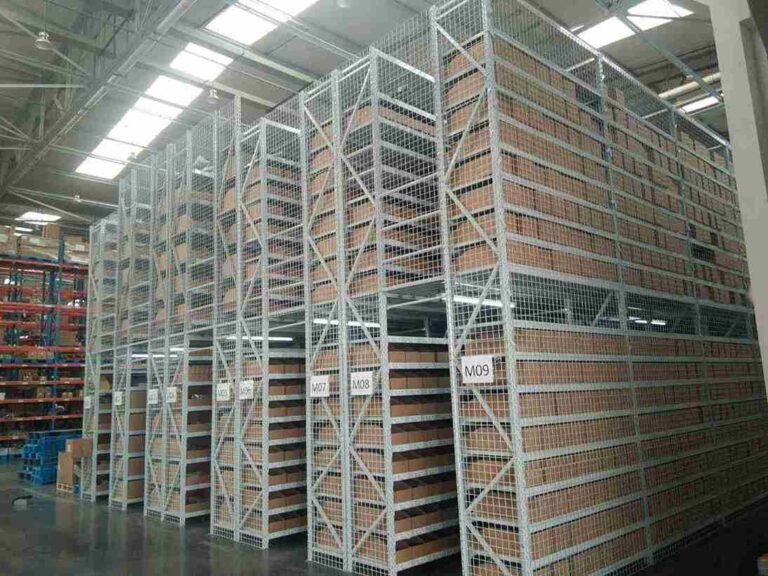
📐 "First 50 Enterprise Queries Get Custom 3D Warehouse Design" Plan


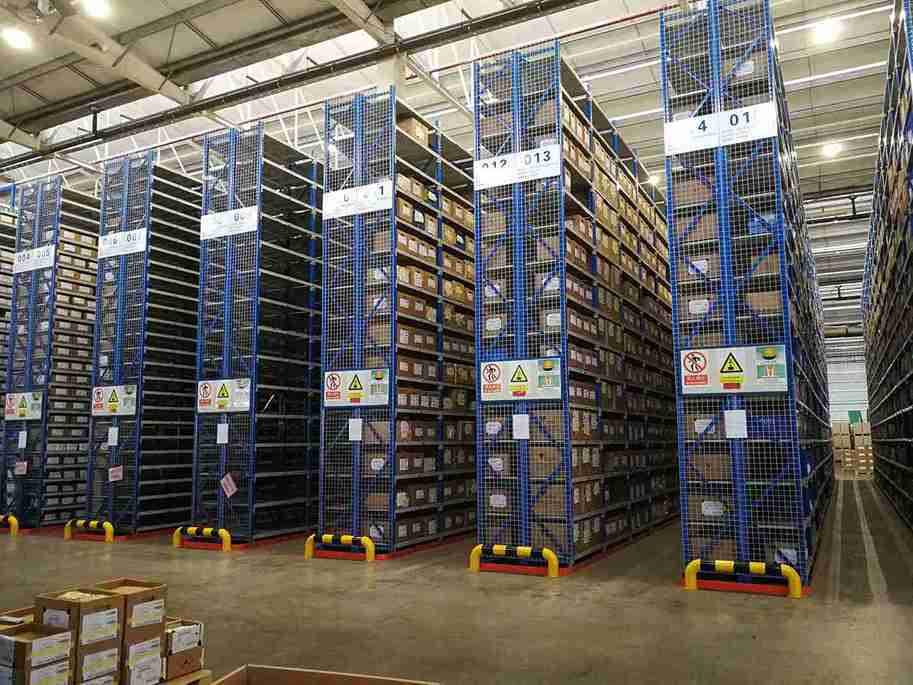
Within the highly regulated and dynamic landscape of pharmaceutical logistics, warehouse managers and operational directors face a relentless challenge: storing more within precious, costly, compliance-critical space while enabling faster, error-free access. This comprehensive guide addresses that challenge head-on by exploring the sophisticated application of narrow aisle racking in pharma environments.
It moves beyond basic product specifications to examine the strategic integration of high-density storage as a core component of Good Manufacturing Practice (GMP). The discussion encompasses the critical engineering nuances that differentiate a standard storage system from a pharma-grade narrow aisle racking solution, including seismic resilience, cleanroom-compatible finishes, and symbiotic integration with specialized material handling equipment.
By dissecting total cost of ownership, regional adaptation for markets from Southeast Asia to Latin America, and future-proofing for automation, this resource provides the actionable intelligence needed to specify, justify, and implement a narrow aisle racking in pharma system that delivers measurable ROI, reinforces supply chain integrity, and withstands the scrutiny of global regulatory audits.

The Pharmaceutical Storage Conundrum: Density, Compliance, and Velocity
The modern pharmaceutical warehouse is a controlled ecosystem, a vital organ in a supply chain where product integrity is synonymous with patient safety. Inventory profiles are complex, encompassing high-value active pharmaceutical ingredients (APIs), temperature-sensitive biologics, clinical trial materials, and finished goods—all governed by stringent traceability mandates like FIFO (First-In, First-Out) and FEFO (First-Expired, First-Out). Simultaneously, commercial pressures mount: SKU proliferation, the need for rapid fulfillment of time-critical orders, and the astronomical cost of building and maintaining GMP-classified space.
In this context, conventional wide-aisle storage represents a significant strategic liability. It surrenders over half of a facility’s footprint to aisle space, directly constraining capacity and forcing costly expansion projects. Its reliance on counterbalance forklifts introduces unnecessary risks of collision, particulate generation, and inefficiency. The industry requires a precision tool, not a blunt instrument. This is where the deliberate, engineered approach to narrow aisle racking in pharma logistics becomes non-negotiable. Implementing narrow aisle racking in pharma facilities is not merely a storage decision; it is a strategic investment in operational resilience and regulatory adherence.
Engineering the Foundation: Core Principles of Pharma-Specific Narrow Aisle Racking
A robust system designed for narrow aisle racking in pharma applications begins with a fundamental understanding of the operational and environmental stressors. The design philosophy must account for more than static pallet weight. It must consider dynamic forces from material handling equipment (MHE), potential seismic activity in geographies like Southeast Asia or parts of Latin America, and the relentless protocols of cleaning and sanitation. The structural calculus for narrow aisle racking in pharma warehouses therefore incorporates higher safety factors and specific material choices.
Upright frames are typically constructed from high-tensile steel, with closed-section profiles that eliminate dust-collecting ledges. Beam-to-column connections employ robust, positive-locking mechanisms—often bolted or with patented mechanical locks—that exceed standard requirements for stability in tall, dense configurations. For any project involving narrow aisle racking in pharma, a professional site evaluation is the critical first step.
This includes a floor flatness survey to ensure compliance with the tight tolerances required by very narrow aisle (VNA) equipment, often within ±3mm over 3 meters. Furthermore, a seismic analysis per the Rack Manufacturers Institute (RMI) guidelines and local codes informs the design of bracing systems and anchor bolts, ensuring the narrow aisle racking in pharma installation remains stable under dynamic loads, a paramount safety consideration.
The Compliance-Centric Design: Finishes, Cleanability, and Particulate Control
When specifying narrow aisle racking in pharma environments, the finish is not an aesthetic choice but a functional requirement for contamination control. Standard industrial powder coatings are insufficient. Experts recommend epoxy-based or sanitary-grade paint systems that are non-shedding, chemically resistant to sporicidal disinfectants (e.g., hydrogen peroxide, bleach solutions), and capable of withstanding repeated cleaning cycles without degradation. Light colors are often specified to enhance light reflectance, improving picking accuracy and safety, while also making contamination more visible.
The physical design of components for narrow aisle racking in pharma must prioritize cleanability. Components feature smooth, radiused corners and are configured to minimize horizontal surfaces. Column guards and end-of-aisle protectors are integrated seamlessly, designed to absorb low-speed impacts from MHE without flaking or creating particulate debris. In sterile or aseptic processing support areas, the specification for narrow aisle racking in pharma may extend to electropolished stainless steel frames, which offer the highest level of cleanability and corrosion resistance, albeit at a premium cost. The goal is to create a system where the narrow aisle racking in pharma installation actively supports the facility’s contamination control strategy rather than presenting a risk.
Achieving Faster Access: The Critical Synergy Between Racking and Material Handling
The dramatic space savings of narrow aisle racking in pharma warehouses—often increasing storage density by 40-50%—would be meaningless if it created a retrieval bottleneck. The system’s efficiency is unlocked through the careful selection and integration of specialized Material Handling Equipment (MHE). This synergy is the heartbeat of an effective narrow aisle racking in pharma operation.
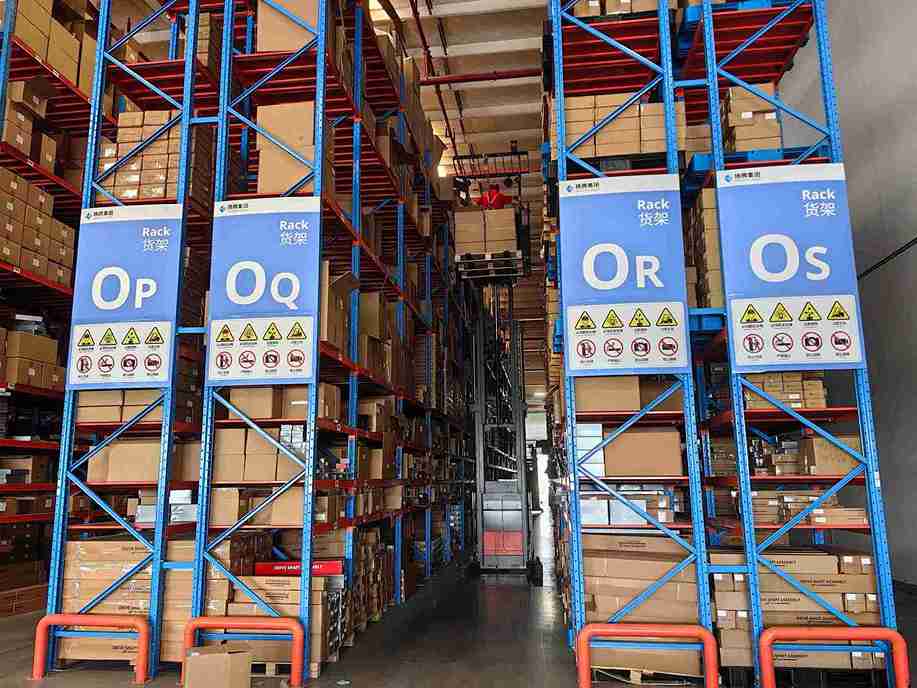
For high-velocity case-picking operations, such as assembling kits for clinical trials or fulfilling hospital orders, man-aboard order pickers are the tool of choice. Rail-guided systems offer the highest level of safety and precision for narrow aisle racking in pharma applications. The fixed guide rail physically separates the vehicle from the rack structure, virtually eliminating collision risk. Operators can travel safely at height directly to the pick face, dramatically reducing walk-and-pick time. The design of the narrow aisle racking in pharma system must include precisely positioned guide rail mounting points and clearances for the vehicle’s pantograph mechanism.
For full-pallet movements in bulk storage zones, wire-guided or camera-guided Very Narrow Aisle (VNA) turret trucks are employed. These vehicles can operate in aisles as narrow as 1.5 meters. The success of this setup hinges on the precision of the narrow aisle racking in pharma installation: uprights must be perfectly plumb, beams level, and pallet clearances (typically 150mm minimum) consistently maintained. This precision allows the VNA truck’s forks to engage and retract smoothly without contacting the racking, a key to preventing particulate generation and equipment damage. This meticulous coordination defines a professional-grade narrow aisle racking in pharma project.
Future-Proofing with Automation: Designing for AGVs and AS/RS Integration
The trajectory of pharmaceutical logistics points toward increased automation for accuracy, traceability, and labor optimization. A forward-thinking strategy for narrow aisle racking in pharma must include inherent automation readiness. Modern systems are engineered for compatibility with Automated Guided Vehicles (AGVs) and Automated Storage and Retrieval Systems (AS/RS).
This involves designing the narrow aisle racking in pharma structure with exceptionally consistent aperture dimensions and reinforced lower beams to withstand the repetitive engagement of automated pallet shuttles or AGV forks. Provisions are made for integrating navigation targets, barcodes, or RFID tags directly onto the rack uprights to guide autonomous vehicles. By considering these requirements during the initial design phase, a facility can implement a semi-automated narrow aisle racking in pharma system today and transition seamlessly to a fully automated, lights-out retrieval process in the future without costly racking modifications. This strategic approach to narrow aisle racking in pharma protects the capital investment and ensures scalability.
Advanced Configurations for Specific Pharmaceutical Challenges
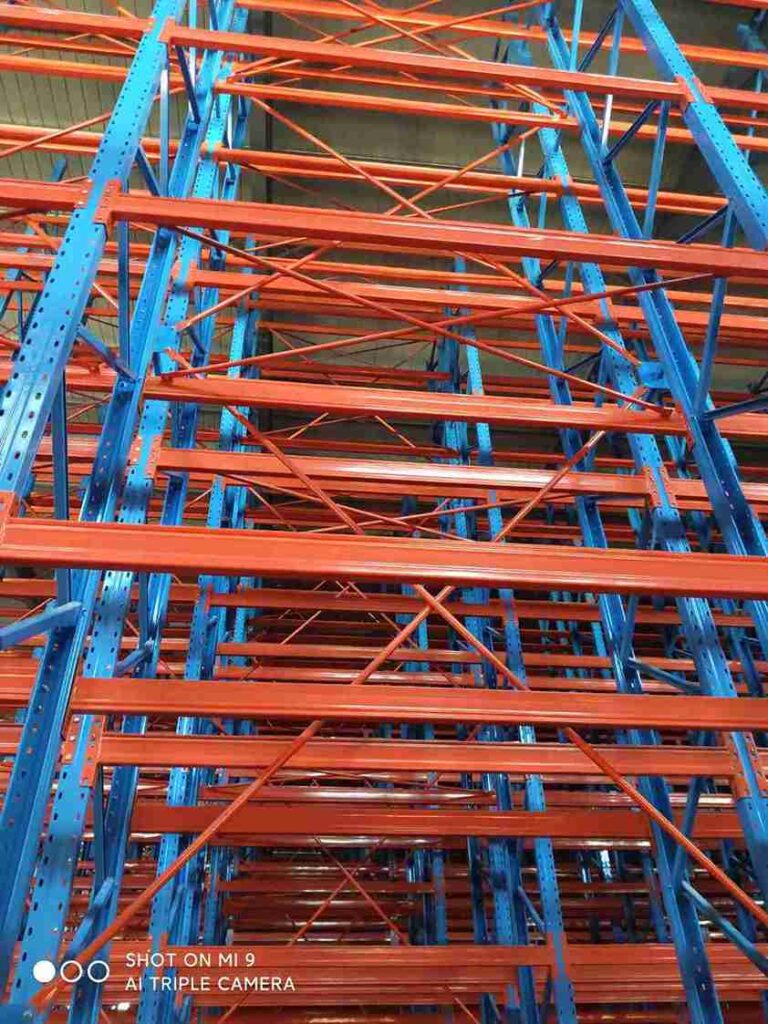
Beyond standard selective pallet configurations, several advanced forms of narrow aisle racking in pharma warehouses address unique operational challenges.
Double-Deep Racking: This configuration effectively doubles storage density for medium-turnover products by storing pallets two deep within the narrow aisle racking in pharma framework. It is ideal for storing buffer stock of stable APIs, excipients, or packaging materials. It requires forklifts equipped with telescopic forks but offers an excellent compromise between high density and reasonable accessibility within a narrow aisle racking in pharma layout.
Mobile Pallet Racking (Mobile Aisles): For the highest possible density of low-turnover items—such as archived records, retained stability samples, or seasonal products—mobile racking systems are unparalleled. In this application of narrow aisle racking in pharma, entire rows of racks are mounted on electrically driven carriages that move on rails, creating only one access aisle at a time. While retrieval speed is slower, the space utilization can exceed 80%. For pharma, these systems include enhanced safety features like integrated safety floors, pressure-sensitive safety edges, and anti-tilt mechanisms, making them a viable option for specific, controlled zones within a broader narrow aisle racking in pharma master plan.
Quantifying the Investment: Total Cost of Ownership (TCO) and ROI for Pharma
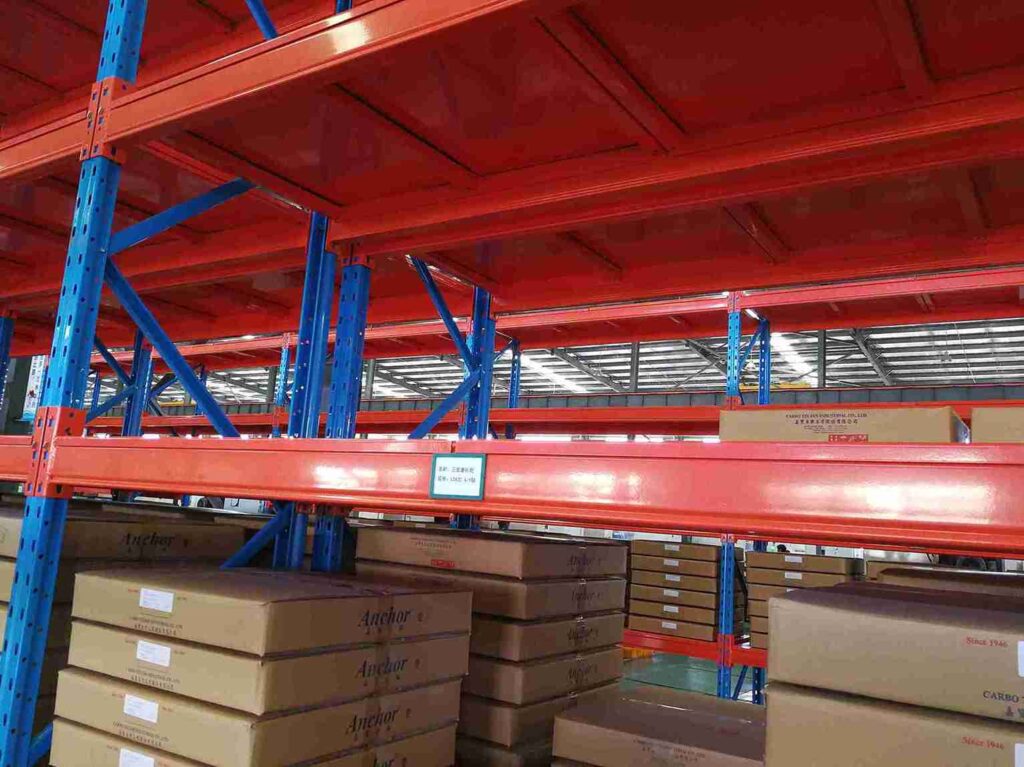
For financial decision-makers, the justification for investing in a high-specification narrow aisle racking in pharma system requires a clear, numbers-driven narrative focused on Total Cost of Ownership (TCO). A comprehensive analysis for narrow aisle racking in pharma projects typically reveals compelling savings across multiple vectors:
Real Estate Deferral or Avoidance: The primary driver. By increasing storage capacity within the existing cleanroom footprint, a narrow aisle racking in pharma project can delay or eliminate the need for a facility expansion, saving tens of millions in construction, validation, and ongoing HVAC costs for GMP space.
Operational Efficiency Gains: Reduced travel distances for pickers, faster cycle times, and higher accuracy directly lower labor costs per order and increase throughput capacity. This operational leverage is a direct benefit of optimized narrow aisle racking in pharma workflows.
Compliance and Risk Mitigation: The inherent safety, cleanability, and traceability of a well-designed narrow aisle racking in pharma system reduce the risk of audit observations, product contamination, or recall events. This protective value, while harder to quantify, is immense.
Energy Efficiency: A denser storage footprint means a smaller volume of conditioned (temperature and humidity-controlled) air is required, leading to significant long-term reductions in HVAC energy consumption—a critical factor for sustainable narrow aisle racking in pharma operations.
A detailed financial model for a narrow aisle racking in pharma project often demonstrates a payback period of under three years, positioning it as a strategic capital improvement rather than a mere expense.
Global Implementation: Adapting Narrow Aisle Solutions for International Markets
The successful deployment of narrow aisle racking in pharma facilities requires adaptation to regional conditions across Southeast Asia, the Middle East, Africa, and Latin America. A globally experienced provider tailors the approach:
Climate Adaptation: In the high humidity of Southeast Asia and coastal Africa, specifications for narrow aisle racking in pharma emphasize enhanced anti-corrosion protocols, potentially including hot-dip galvanizing beneath paint systems. In the arid, dusty environments of the Middle East and Central Asia, designs focus on superior sealing to prevent particulate ingress into clean storage zones.
Supply Chain and Support Networks: In emerging markets, robustness and serviceability become key. Designs for narrow aisle racking in pharma in these regions might favor slightly more generous tolerances and equipment with globally available spare parts. Investing in comprehensive local technician training ensures the long-term performance and safety of the narrow aisle racking in pharma installation.
Regulatory Nuances: While cGMP, WHO, and PIC/S guidelines provide a global foundation, local health authority regulations can vary. Expertise in applying narrow aisle racking in pharma principles within these specific regulatory contexts is crucial for a smooth validation and inspection process.
A Phased, Partnership Approach to Implementation
Executing a major narrow aisle racking in pharma project is a complex undertaking that benefits from a structured, collaborative methodology led by an experienced partner.
Discovery and Data Analysis: The process begins with a deep dive into the facility’s SKU data, turnover profiles (ABC analysis), order history, and growth projections. This data forms the blueprint for the narrow aisle racking in pharma design.
Conceptual Design and Simulation: Using advanced warehouse simulation software, designers model multiple narrow aisle racking in pharma layout scenarios. These simulations predict throughput, identify potential bottlenecks, and optimize the placement of fast-moving SKUs before finalizing the design.
Detailed Engineering and Documentation: This phase produces shop drawings, load notices, and a comprehensive compliance dossier. This documentation is essential for both the installation team and the client’s validation team to execute Installation Qualification (IQ) and Operational Qualification (OQ) protocols for the narrow aisle racking in pharma system.
Project Management and Supervised Installation: Professional project management coordinates manufacturing, logistics, and on-site installation. Installation teams work under strict protocols to minimize disruption to ongoing pharmaceutical operations, adhering to cleanroom entry procedures and safety standards.
Training, Commissioning, and Ongoing Support: The project culminates in hands-on training for operators and maintenance staff, full system commissioning, and the establishment of a plan for ongoing professional inspections. This long-term partnership ensures the narrow aisle racking in pharma system continues to perform safely and efficiently for its entire lifecycle.
Conclusion: Building a Strategic Asset for Pharmaceutical Supply Chain Excellence
In the high-stakes world of pharmaceutical logistics, storage infrastructure is a foundational strategic asset. A professionally engineered and integrated narrow aisle racking in pharma system resolves the core tension between the imperative for maximum storage density and the non-negotiable requirements of regulatory compliance and rapid access. It transforms the warehouse from a cost-intensive necessity into a driver of efficiency, reliability, and scalability.
For global pharmaceutical and biotech companies operating in diverse markets, partnering with experts who possess deep, practical experience in narrow aisle racking in pharma applications is a critical success factor. Such a partnership ensures the implemented solution not only stores more but does so smarter, safer, and in unwavering support of the ultimate goal: delivering safe, effective medicines to patients worldwide with unmatched integrity and speed.
H2: Frequently Asked Questions (FAQs)
FAQ 1: How does the presence of narrow aisle racking in pharma warehouses affect fire sprinkler system design, and who is responsible for this coordination?
The integration of narrow aisle racking in pharma facilities significantly impacts fire protection engineering. Tall, dense storage can obstruct sprinkler spray patterns, requiring a specially designed system. Typically, this involves installing in-rack sprinklers at vertical intervals within the narrow aisle racking in pharma structure itself. The racking supplier, the client’s engineering team, and the fire protection contractor must collaborate from the early design stages. A reputable provider of narrow aisle racking in pharma systems will include designated pipe routing channels and attachment points in their engineering drawings to facilitate this integration, ensuring the final design meets NFPA 13 or equivalent local standards and is approved by the relevant authorities.
FAQ 2: Can our existing standard pallet racking be converted or retrofitted into a narrow aisle racking in pharma system, or is a complete replacement necessary?
While retrofitting is sometimes explored, it requires extreme caution for narrow aisle racking in pharma applications. The structural demands of a narrow aisle system—particularly the lateral stability needed for VNA truck operation and different load dynamics—are often beyond the original design intent of standard racking. A professional engineering assessment is mandatory. This audit might reveal that upright frames lack the necessary perpendicular aisle stiffness or that beam connectors are insufficient. Often, for the safety and performance required in narrow aisle racking in pharma, a complete new system designed from the ground up is the most reliable and cost-effective long-term solution.
FAQ 3: What are the typical lead times for a turnkey narrow aisle racking in pharma project, from initial design to operational handover?
Lead times vary based on scale, automation level, and customization, but a realistic timeline for a fully integrated narrow aisle racking in pharma system (racking, MHE, controls) is typically 7 to 12 months. This encompasses 2-3 months for detailed design and validation documentation, 4-5 months for manufacturing (including coating curing), 2-3 months for supervised installation and integration, and 1-2 months for commissioning, site acceptance testing (SAT), and validation support. A professional project manager will provide a detailed critical path schedule at the outset of any narrow aisle racking in pharma engagement.
FAQ 4: For facilities storing hazardous or flammable materials (e.g., certain solvents), are there specific modifications required for the narrow aisle racking in pharma design?
Yes, storing hazardous materials necessitates specialized design adaptations within the broader narrow aisle racking in pharma plan. This often involves creating a dedicated, segregated zone with integrated secondary containment (diked bases). The narrow aisle racking in pharma structure in this zone may require modifications such as conductive coatings and bonding for static electricity dissipation, enhanced ventilation access, and the use of non-sparking materials. The design must strictly comply with local and international codes like NFPA 30. These areas are typically designed as distinct modules within the overall narrow aisle racking in pharma layout.
FAQ 5: What does an optimal maintenance and inspection program look like for a narrow aisle racking in pharma installation to ensure ongoing safety and compliance?
A proactive, documented maintenance regimen is essential for the lifespan of narrow aisle racking in pharma systems. It should include:
Daily/Operator Checks: Visual inspections for visible damage or impacts.
Quarterly Internal Inspections: Conducted by trained facility staff, checking for loose bolts, beam deflection, and column plumbness.
Annual Professional Inspection: Performed by a certified racking inspector or the original supplier. This is a comprehensive audit per ANSI MH16.1/RMI standards, measuring wear, assessing anchor integrity, and verifying all safety-critical components. The annual report for your narrow aisle racking in pharma system serves as vital evidence of due diligence for internal quality audits and regulatory inspections.
If you require perfect CAD drawings and quotes for warehouse racking, please contact us. We can provide you with free warehouse racking planning and design services and quotes. Our email address is: jili@geelyracks.com