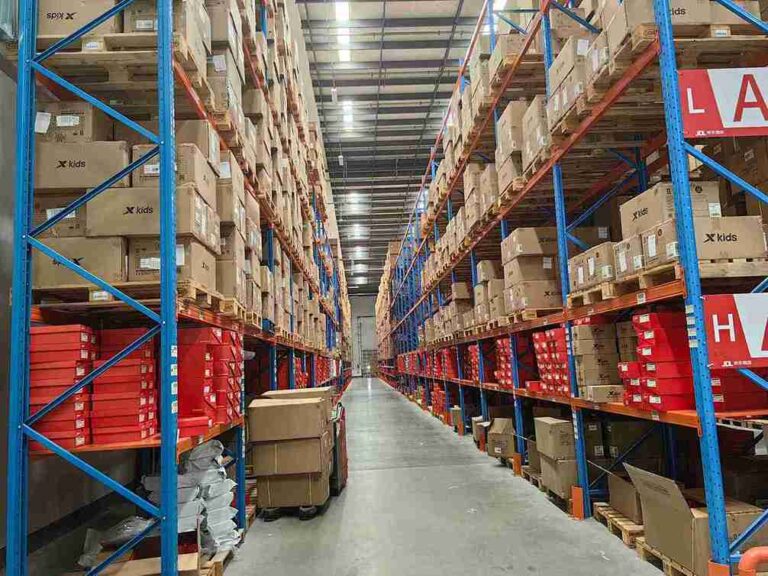
📐 "First 50 Enterprise Queries Get Custom 3D Warehouse Design" Plan


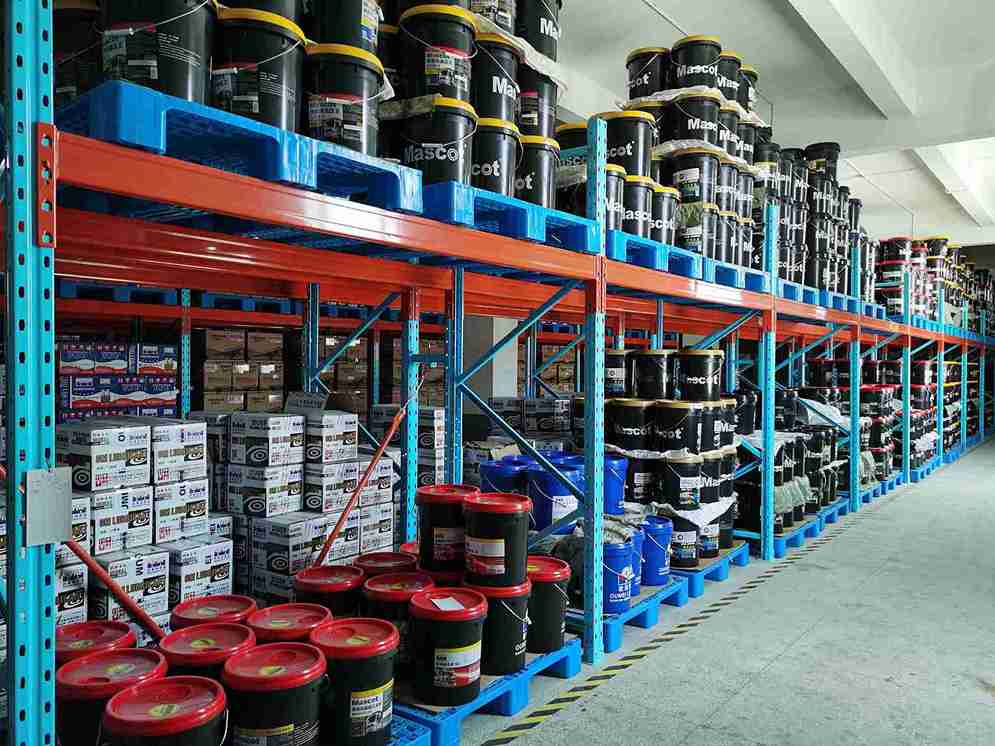
Safer & Smarter Loading Zones: Integrating Racking with AGVs for Zero Accidents & Maximum Space
For decades, the loading dock and the initial staging area of any warehouse have represented a necessary bottleneck—a zone of controlled chaos where speed, safety, and space are perpetually at odds. Industry professionals know the scene all too well: the frantic search for the correct pallet, the heart-stopping near-misses between forklifts and floor personnel, and the costly delays as trucks sit idle, waiting for the slow, manual process of unloading to conclude.
This critical interface, the very point where storage racking meets the supply chain, has historically been one of the most hazardous and inefficient segments of industrial operations. However, a technological revolution is redefining this space. The future of warehouse logistics no longer hinges on merely managing this chaos but on eradicating it entirely. Through a fundamental re-engineering of loading and unloading zones for racking via deep, systemic integration with Automated Guided Vehicles (AGVs), companies can transform these danger zones into pinnacles of efficiency, safety, and density.
This transformation transcends the simple addition of a piece of technology; it involves orchestrating a seamless, intelligent workflow where static storage infrastructure and dynamic mobile automation communicate flawlessly. The result is a system that is not only faster but inherently safer and smarter. This holistic ecosystem moves beyond isolated solutions, creating an environment where the ambitious goal of zero accidents works in perfect harmony with the relentless pursuit of maximum space utilization, effectively turning a warehouse’s most vulnerable point into its most powerful competitive asset. The strategic redesign of loading and unloading zones for racking is, therefore, not an incremental improvement but a foundational shift in modern logistics philosophy.
The Unsustainable Cost of Conventional Loading Zone Operations
A thorough appreciation of the solution requires a clear-eyed assessment of the problem. Many warehouse and logistics managers have come to accept the inherent challenges of their receiving and shipping areas as an unavoidable cost of doing business. However, a detailed breakdown of the tangible and intangible costs reveals a starkly different picture: the status quo is financially and operationally unsustainable. The traditional model for loading and unloading zones for racking is fraught with inefficiencies that ripple throughout the entire supply chain.
The Persistent Safety Crisis at the Dock
The conventional loading and unloading zones for racking are a hotbed for potential disaster. The constant, high-stakes interaction between heavy machinery, human workers, and moving goods creates a perfect storm of risk that management constantly struggles to mitigate.
Forklift-Pedestrian Collisions: This remains one of the most frequent and severe accidents in warehouses globally. In the congested environment of a typical loading and unloading zones for racking, sightlines are notoriously poor, and the immense pressure to maintain loading schedules can lead to catastrophic errors in judgment. The proximity of workers to reversing forklifts in these tight spaces is a primary concern for safety officers.
Pallet Falls and Load Instability: Improperly secured, overhung, or damaged pallets can collapse during the unloading process, posing a grave crushing hazard to workers below. The manual handling often required to stabilize these unstable loads is a leading cause of debilitating musculoskeletal injuries, leading to lost time and claims. The design of standard loading and unloading zones for racking often does not account for the dynamic forces involved in manual load transfer.
Dock Walk-Overs and Falls: The ever-present gap between the truck bed and the dock leveler is a deathtrap. A moment of inattention in a hectic loading and unloading zones for racking can lead to a serious fall, resulting in broken bones, spinal injuries, or worse. This risk is compounded by poor lighting and slick surfaces.
Repetitive Strain and Fatigue-Related Injuries: The constant climbing on and off forklifts, the manual pushing of loads, and the awkward postures adopted to secure cargo within the trailer take a cumulative and devastating toll on the workforce. This fatigue not only causes injury but also slows down the entire operation, creating a vicious cycle of delay and risk in the loading and unloading zones for racking.
These incidents represent profound human tragedies, but they also carry enormous financial burdens through skyrocketing workers’ compensation claims, increased insurance premiums, regulatory fines, and devastating losses in productivity and morale. The traditional loading and unloading zones for racking are, from a safety perspective, a significant liability.
The Profound Inefficiency and Space Wastage
Beyond the immediate and alarming safety concerns, traditional methods for managing loading and unloading zones for racking are incredibly wasteful of two critical resources: time and floor space.
The Congestion Tax: When forklifts are forced to maneuver in the confined spaces of standard loading and unloading zones for racking, waiting for paths to clear, or traveling long, inefficient distances to and from the storage racks, the company pays a severe “congestion tax.” This tax is levied in the form of lost time, wasted fuel or battery charge, and excessive wear and tear on equipment.
The Staging Area Black Hole: A significant portion of valuable floor space, often located in the most critical throughput area of a facility, is perpetually dedicated to staging. Pallets are left temporarily in the loading and unloading zones for racking, waiting for inspection, system entry, or transport to their next location. This is essentially dead space that adds no value but is necessitated by the fundamental disconnects in a manual workflow. Inefficient loading and unloading zones for racking can consume thousands of square feet that could otherwise be revenue-generating storage.
Labor Inefficiency and Misallocation: Highly skilled and well-compensated forklift operators are often stuck performing the most mundane and repetitive tasks—traveling back and forth with single pallets. This is a poor return on investment for a high-cost resource and leads to operator fatigue and boredom, which statistically increases the risk of accidents within the loading and unloading zones for racking. Companies are paying a premium for talent to perform a task that is ripe for automation.
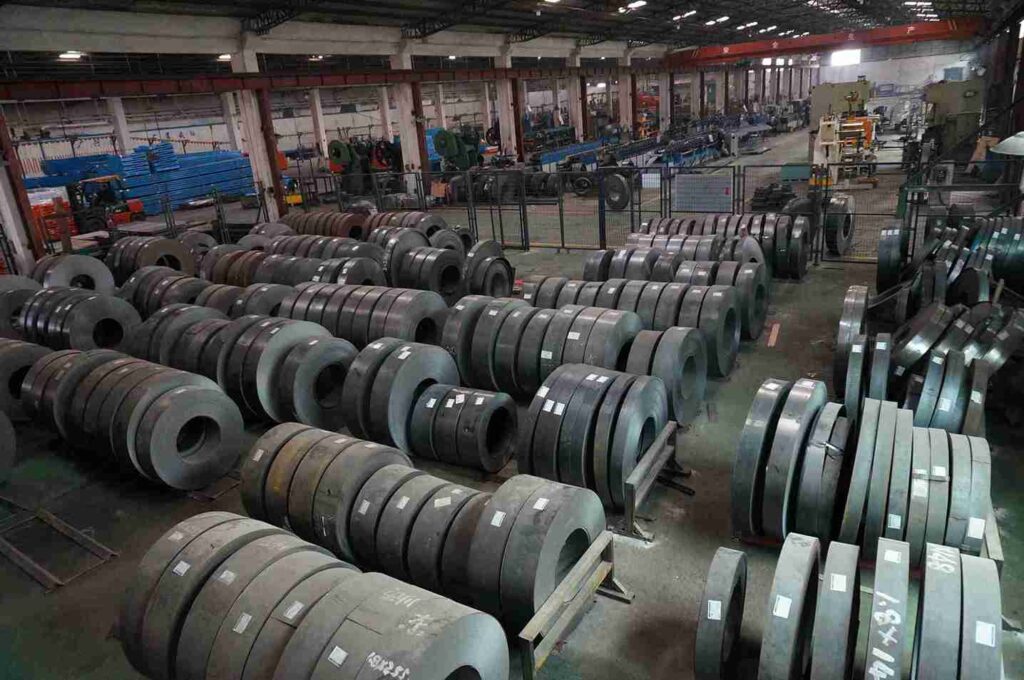
The Necessary Paradigm Shift: From Isolated Systems to an Integrated Ecosystem
The solution to the myriad problems plaguing the dock is not a faster forklift or a different type of pallet jack. The solution is a fundamental, philosophical shift in how the entire material handling process is conceived. Instead of viewing the racking, the loading dock, and the material transport as separate, siloed entities, they must be designed and operated as a single, integrated, and intelligent ecosystem. In this new paradigm, the racking system and the AGVs are not just pieces of equipment; they are collaborative partners in a synchronized dance. The strategic redesign of loading and unloading zones for racking is the cornerstone of this new approach.
A powerful analogy is that of a well-conducted orchestra. The racking is the stage and the sheet music—it defines the physical structure and the master plan for storage. The AGVs are the virtuoso musicians, precisely executing their parts with unerring accuracy. The Warehouse Management System (WMS) and the Fleet Management Software are the conductor, ensuring perfect harmony, timing, and rhythm across the entire operation.
When a truck arrives at a modernized loading and unloading zones for racking, the entire system springs into a pre-orchestrated sequence of actions. AGVs move to the precise hand-off points within the optimized loading and unloading zones for racking, retrieving or depositing pallets from dynamically assigned locations within the racking, all without the need for human intervention in the most dangerous part of the cycle. This integration is what makes the loading and unloading zones for racking not just a location, but a high-performance process.
The Core Components of an AGV-Integrated Loading Zone
Constructing this integrated, high-performance system requires a synergistic and meticulous approach to several key components. Excellence in each domain is non-negotiable to achieve the promised benefits of zero accidents and maximum space that define the modern loading and unloading zones for racking.
Intelligent Racking Design for Automated Workflows
In an automated ecosystem, racking can no longer be a passive storage structure. It must be an active and intelligent participant in the material flow process. The design of the loading and unloading zones for racking must reflect this new role.
Dynamic Picking Faces and Hand-off Points: Specific pallet locations within the racking are engineered to serve as the primary interface points for AGVs. These are not randomly selected locations; they are strategically positioned through sophisticated simulation software to minimize AGV travel distance from the dock, creating a highly efficient “last-meter” delivery system. The layout of the loading and unloading zones for racking is optimized for machine efficiency, not human convenience.
Reinforced Uprights and Beam Design: The constant, precise interaction between AGVs and the racking in the loading and unloading zones for racking demands a robust and resilient structure. Standard racking is often insufficient. Engineers specify racking with reinforced uprights and specially designed, often box-beam, configurations to withstand the repeated minor impacts and the exacting positioning of automated pallet handling. This ensures the long-term structural integrity of the entire loading and unloading zones for racking under the new automated workflow.
Integrated Guidance and Safety Systems: The racking structure itself can be leveraged to mount subtle guidance infrastructure. This can include RFID tags or magnetic strips that provide additional navigation cues for AGVs, enabling millimeter-level accuracy in the congested zone immediately adjacent to the racks. This eliminates the potential “wander” or positional drift that can occur with some laser-guided systems in tight spaces, ensuring perfect alignment every time a vehicle approaches the loading and unloading zones for racking.
Selecting the Right AGV for the Task
The philosophy of “one-size-fits-all” does not apply to automation. The choice of the AGV is paramount to the success of the integration, and it must be perfectly matched to the specific demands of the loading and unloading zones for racking.
Fork-Type AGVs: These vehicles are the undisputed workhorses for palletized goods in warehouse environments. They mimic the core function of a traditional forklift but with robotic precision and consistency. Modern fork-type AGVs are equipped with advanced sensors that allow them to handle a vast range of pallet types, conditions, and even slight misalignments, adjusting fork width and height on the fly to ensure a secure pickup from the loading and unloading zones for racking.
Unit Load Carriers with Roller Decks: For facilities with a high degree of conveyor integration, these AGVs are the ideal solution for automating the loading and unloading zones for racking. They position themselves with pinpoint accuracy at the end of a conveyor line, receive a pallet automatically, and transport it directly to the pre-assigned location in the racking, or vice-versa. This creates a seamless, touchless flow between the conveyor and the loading and unloading zones for racking.
Laser Guided (LGV) vs. Natural Feature Navigation: While Laser Guided Vehicles (LGVs) are historically known for their high accuracy, the industry trend is decisively moving towards AGVs that utilize Natural Feature Navigation (NF). NF vehicles use the existing environment—the walls, columns, and the racking itself—to navigate via sophisticated software algorithms. This makes them exceptionally flexible; if a company needs to reconfigure its layout or expand its loading and unloading zones for racking, engineers simply remap the environment in the software. There is no need for the expensive and disruptive process of re-installing floor tapes, wires, or reflector strips.
The Mission Control: Warehouse Management System (WMS) Integration
The most advanced hardware is rendered nearly useless without the sophisticated intelligence to command it. The seamless, real-time integration of the AGV fleet management software with the core Warehouse Management System (WMS) is the central nervous system and brain of the entire operation. It is the WMS that transforms a simple loading and unloading zones for racking into an intelligent logistics hub.
Real-Time Task Dispatch and Orchestration: When a truck is scheduled for arrival, the WMS doesn’t just record the event; it pre-plans the entire unloading or loading operation. It knows precisely which pallets need to be moved and their ultimate destinations within the storage racking. It then dispatches tasks to the AGVs in an optimal, non-conflicting sequence, preventing traffic jams at the loading and unloading zones for racking and maximizing throughput from the moment the truck door opens.
Dynamic Slotting Optimization: A sophisticated WMS does not merely assign incoming goods to the first available empty location. It uses complex, rules-based logic to slot goods in the most efficient location possible. This decision is based on multiple factors, including proximity to the loading and unloading zones for racking, the product’s velocity, its expiry date (if applicable), and its eventual picking or shipping point. This minimizes travel time for the AGVs for the entire lifecycle of the product in the warehouse, not just the initial put-away.
Exception Handling and Predictive Analytics: The system is designed to be resilient, not rigid. If an AGV’s sensors detect an obstacle, a misplaced pallet, or a system anomaly, the software can instantly re-route other vehicles and alert human supervisors to the exception. Furthermore, the system continuously collects vast amounts of operational data on travel times, task completion rates, and potential bottlenecks. This data is transformed into actionable analytics via dashboards, providing management with the insights needed for continuous improvement of the processes within the loading and unloading zones for racking and beyond.
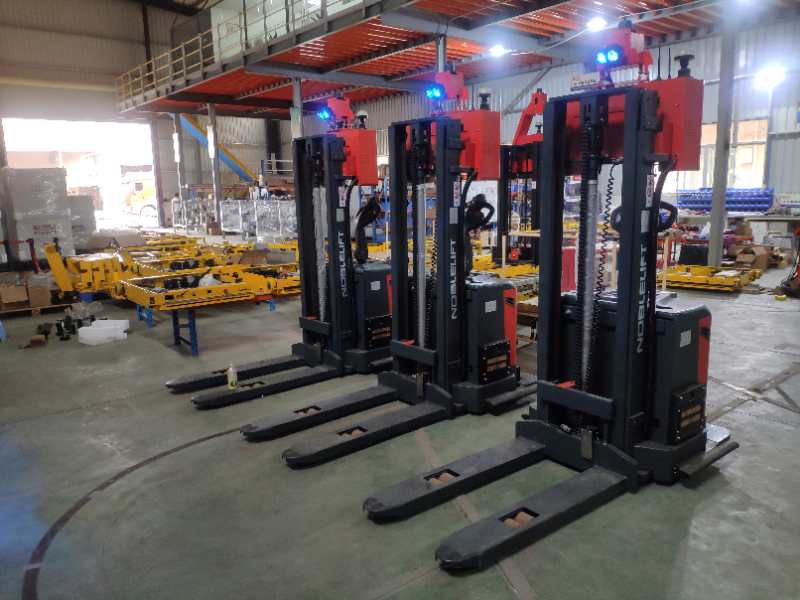
Achieving “Zero Accidents”: The Safety Mechanisms in Action
This is where the theoretical benefits of integration become profoundly practical and life-saving. An AGV-integrated racking system engineers safety not primarily through rules, caution signs, and human vigilance, but through its very architecture and operational protocols. The design of the loading and unloading zones for racking is inherently safer.
Physical Segregation of Man and Machine: The most powerful and effective safety feature is the creation of a true, enforceable “no-go zone” for personnel. The area where AGVs operate between the dock and the racking can be physically demarcated with barriers and, more importantly, monitored by a network of laser scanners and area scanners. If a person steps into this protected zone, the AGVs in the immediate vicinity automatically slow down or come to a complete and safe stop. This single feature virtually eliminates the possibility of forklift-pedestrian collisions, the most common severe accident in traditional loading and unloading zones for racking.
Predictable, Programmed Movement: Human operators are, by nature, unpredictable. AGVs are not. They follow precisely defined paths at consistent, pre-set speeds. This inherent predictability alone drastically reduces the “surprise” factor and situational uncertainty that so often leads to accidents. Workers in the vicinity of the automated loading and unloading zones for racking know with certainty where the vehicles will be and how they will behave, allowing for safe and confident co-working.
Multi-Layered Advanced Sensor Suites: Modern AGVs are equipped with a redundant, multi-layered safety system that far surpasses human reaction times. This typically includes:
Non-Contact Safety Scanners: These create an invisible protective “bubble” or field around the vehicle that can detect obstacles—whether a person, a stray pallet, or another vehicle—and trigger graduated slowdowns or immediate stops.
Contact Bumpers: As a physical failsafe, a compliant bumper surrounds the vehicle. Any physical contact with this bumper will immediately halt the AGV.
Audible and Visual Alerts: Clear warning signals, such as beeping, flashing lights, and spoken warnings, announce the AGV’s movement and intentions to anyone in the area, enhancing situational awareness around the loading and unloading zones for racking.
Elimination of High-Risk Manual Tasks: By removing the need for workers to be inside trailers or on the dock to manually secure, break down, or stabilize loads, the system eliminates an entire category of risks, including falls from docks, crushing injuries, and repetitive strain from forceful manual labor. The automated loading and unloading zones for racking become a place of supervision, not manual labor.
Unlocking “Maximum Space”: The Density and Efficiency Dividend
While the dramatic enhancement of safety is often the primary driver for adoption, the operational and spatial efficiencies delivered by a redesigned loading and unloading zones for racking are what consistently deliver a rapid and compelling return on investment.
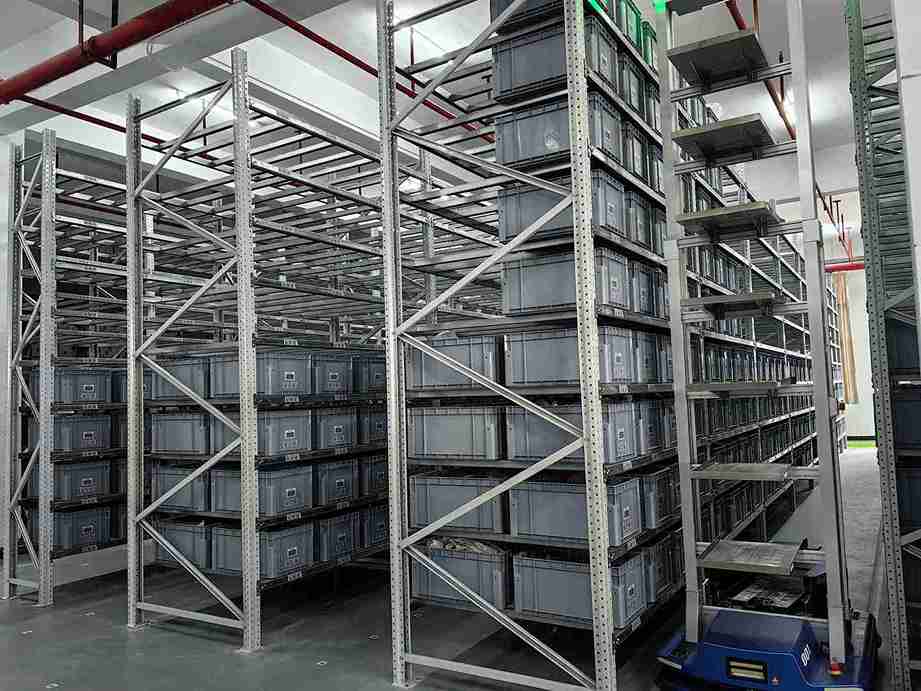
Radical Reduction in Aisles and Staging Areas: AGVs, especially those specifically designed for very narrow aisle (VNA) operation, can work confidently in aisles that are only inches wider than the load they are carrying. This engineering reality allows for the installation of significantly more storage racking into the same existing warehouse footprint. Furthermore, because the hand-off between the truck and the rack is continuous, synchronized, and automated, the need for large, floor-level staging areas within the loading and unloading zones for racking is dramatically reduced or, in some cases, eliminated entirely. This reclaimed space can be converted into additional, revenue-generating storage or other value-added activities like kitting or custom packaging.
24/7 Operational Capability and Cube Utilization: A warehouse powered by automation does not need to sleep. AGVs can work tirelessly through breaks, shift changes, and the night, maximizing the utilization of the entire storage cube, including the vertical space that is often underutilized in manual operations. This “lights-out” capability for the loading and unloading zones for racking and storage retrieval allows a facility to handle a substantially higher volume of goods without the prohibitive cost of a physical building expansion—a key strategic advantage in high-cost or land-constrained markets prevalent in Southeast Asia, the Middle East, and Latin America.
Optimized Labor Deployment and Value Shift: By automating the most repetitive, physically demanding, and mentally monotonous transport tasks, companies free up their human workforce to focus on higher-value activities that require judgment and skill. These include quality control, complex exception handling, system supervision and maintenance, and intricate value-added services. This leads to a more engaged, skilled, and stable workforce and represents a far better return on human capital investment. The staff in an automated facility are system orchestrators, not manual laborers.
A Step-by-Step Guide to Implementation
Embarking on this transformative journey can seem daunting, but a methodical, phased approach, guided by experienced system integrators, de-risks the process and ensures a successful outcome. The implementation of a new loading and unloading zones for racking system is a project, not just a purchase.
In-Depth Process Audit and Data Collection: The journey begins with a thorough and unbiased mapping of the client’s current receiving and shipping processes. Engineers analyze truck turnaround times, peak volume patterns, pallet types and conditions, and the granular data from the existing WMS. This comprehensive assessment forms the foundational blueprint for the new design of the loading and unloading zones for racking and the broader automated system.
Customized System Design and Digital Simulation: Using the collected data, engineering teams design the integrated racking layout and AGV pathway system in sophisticated CAD software. Crucially, this digital model is then imported into simulation software to create a dynamic digital twin of the entire operation. This allows engineers to run thousands of virtual trucks through the system, stress-testing the design, identifying potential bottlenecks, and optimizing the flow and logic of the loading and unloading zones for racking before a single piece of steel is fabricated or a single vehicle is deployed.
Phased Installation and Commissioning: Experienced integrators work closely with the client’s team to create a meticulous installation plan that minimizes disruption to ongoing operations. This often involves building the new automated loading and unloading zones for racking in a phased manner, perhaps during off-shifts or in a segregated section of the warehouse, allowing a significant portion of the business to continue functioning normally throughout the transition.
Rigorous Testing and Comprehensive Staff Training: Once the system is physically installed, it undergoes exhaustive testing with real pallets and simulated workflows. Simultaneously, a critical change management process begins, focused on training the client’s staff. This training is not on how to drive a forklift, but on how to manage, supervise, troubleshoot, and maintain the new automated ecosystem. User adoption is critical, and the training empowers the workforce to become masters of the new technology.
Go-Live and Continuous Optimization Support: The integrator’s team is present and deeply involved on go-live day and throughout the stabilization period. They monitor system performance in real-time, fine-tune software parameters, and provide immediate support. This partnership extends into the long term, with ongoing support agreements ensuring that the client continues to extract maximum value and efficiency from their investment in the loading and unloading zones for racking automation.
Real-World Applications Across Industries
The integrated approach to modernizing loading and unloading zones for racking is not a theoretical concept confined to trade shows. It is delivering measurable, dramatic results today in diverse warehouses across the globe.
E-Commerce Fulfillment Centers: Handling massive, unpredictable peak volumes and an enormous SKU count, these facilities use AGV-integrated receiving to sort incoming vendor shipments directly to put-away walls or dynamic storage locations immediately upon arrival. This slashes the receiving cycle time in the loading and unloading zones for racking from hours to minutes, a critical advantage in the world of next-day and same-day delivery.
Cold Storage and Freezer Warehouses: In sub-zero freezer environments, where every second a door is open represents a significant energy cost and where working conditions are harsh and dangerous for humans, AGVs operate flawlessly 24/7. Automating the loading and unloading zones for racking in these environments dramatically reduces energy loss, improves product integrity, and enhances worker safety and comfort by allowing them to work in temperature-controlled offices.
Manufacturing and Raw Material Handling: For manufacturing plants requiring strict Just-In-Time (JIT) delivery of components, an integrated system ensures raw materials and sub-assemblies are unloaded and delivered directly to the production line staging area with perfect timing. This synchronization, managed through the intelligent loading and unloading zones for racking, eliminates production stoppages due to material shortages and minimizes line-side inventory, freeing up critical factory floor space.
The Future is Already Here: Next-Generation Innovations
The evolution of this technology is rapid and continuous. The next wave of innovation, already in pilot phases and early adoption, is set to make these integrated systems even more powerful, resilient, and intelligent.
AI-Powered Predictive Workflow: The next generation of WMS will not just react to incoming trucks; it will predict them with high accuracy. By integrating with Transportation Management Systems (TMS) and even leveraging AI on traffic and weather data, the warehouse’s intelligent loading and unloading zones for racking will know precisely when a truck will arrive. The system can then pre-position AGVs, pre-allocate optimal racking space, and pre-assign labor for any required exceptions, moving from a reactive to a predictive operational model.
Fleet Mixing and Multi-Agent Collaboration: The future will see the development of more sophisticated “fender-bender” communication protocols that allow different types of automation—such as AGVs from different manufacturers, or AGVs and autonomous mobile robots (AMRs)—to safely and efficiently collaborate in the same space. This heterogeneous fleet approach will further optimize material flow by assigning the right vehicle for the right task within and beyond the loading and unloading zones for racking.
Self-Diagnosing and Self-Healing Systems: Predictive maintenance will evolve into prescriptive maintenance. AGVs and sensors embedded in the racking of the loading and unloading zones for racking will be able to diagnose their own maintenance needs, order their own replacement parts, and schedule their own service during natural planned downtime. This evolution will maximize system uptime and further reduce the total cost of ownership.
Conclusion
The journey toward a safer, smarter, and supremely efficient warehouse unequivocally begins at its most critical and challenging juncture: the loading and unloading zones for racking. The era of accepting high risks, chronic inefficiencies, and massive space wastage in this area is conclusively over. By embracing a holistic, engineered strategy that deeply integrates static storage infrastructure with intelligent, mobile automation, companies can achieve what was once considered a set of conflicting goals. They can create an operational environment where zero accidents is a measurable, daily achievement, and where maximum space utilization is a fundamental characteristic of the design.
This transformation is not a minor upgrade or a simple equipment purchase; it is a fundamental re-imagination of core logistics operations. It is an investment that pays compelling dividends not just on the corporate balance sheet through reduced costs and increased throughput, but in the enhanced well-being of the workforce and the fortified resilience of the entire supply chain. The technology is proven, the implementation roadmaps are clear, and the future of the warehouse loading dock—the intelligent, high-throughput loading and unloading zones for racking—is ready to be deployed.
Frequently Asked Questions (FAQs)
1. How does the system handle non-standard or damaged pallets that an AGV might not be able to pick up?
Systems are designed with built-in exception handling protocols. Designated exception lanes are integrated near the loading and unloading zones for racking. If an AGV’s onboard sensors (e.g., fork cameras, laser profilers) detect a misaligned, overhung, or structurally damaged pallet that it cannot safely lift according to its programming, it will automatically abort the task. It then sends an immediate alert to a human operator via the control system. The operator can then resolve the issue using a traditional forklift, moving the problematic pallet to the exception area for manual processing. The rest of the AGV fleet continues its work in the loading and unloading zones for racking uninterrupted, ensuring overall throughput remains high.
2. What is the typical ROI period for an integrated AGV and racking system in the loading zone?
While the return on investment is highly dependent on site-specific factors such as existing labor costs, current accident rates, shift patterns, and real estate value, most clients experience a full return on investment within 18 to 36 months. This calculation is derived from the powerful synergy of multiple savings streams: direct labor reduction in the loading and unloading zones for racking, lower insurance premiums due to a improved safety record, the elimination of accident-related costs, and the new revenue generated from utilizing the reclaimed staging space for additional storage.
3. Can this system be retrofitted into an existing warehouse, or does it require a new greenfield building?
Retrofitting automation into existing facilities is not only possible but is a common and highly successful application. System integrators specialize in designing solutions that work within the constraints of standing buildings. This process typically involves a detailed survey and may include a partial reconfiguration of the current racking layout adjacent to the dock to create optimized loading and unloading zones for racking and dedicated, efficient AGV pathways. The flexibility of modern navigation technologies like Natural Feature Navigation makes retrofitting more feasible and less disruptive than ever before.
4. How do you ensure the AGVs and the racking interface remains accurate over time, preventing misalignments?
This is a critical engineering consideration. The system employs a multi-faceted approach to ensure lasting accuracy at the interface of the loading and unloading zones for racking. This includes the use of highly accurate navigation systems (like laser targeting or vision systems), the installation of physical guide structures on the racking for final positioning, and the implementation of regular software-based calibration routines. Furthermore, AGVs are often programmed with intelligent “search” behaviors, using their sensors to actively find the pallet pick-up face if a minute misalignment occurs, ensuring a reliable and successful hand-off every single time.
5. What happens during a power outage or a critical system failure? Do operations grind to a complete halt?
System resilience and business continuity are paramount in the design phase. Automated facilities are built with multiple layers of fail-safes. AGVs are equipped with sufficient battery backup to either complete their current active task or safely navigate to a designated parking location outside the critical loading and unloading zones for racking. For critical software or network failures, the system architecture includes manual override protocols. This allows managers to deploy traditional forklifts and manual procedures to keep essential operations moving while the technical issue is resolved by support staff, ensuring that business is never brought to a full standstill.
Welcome to contact us, if you need warehouse rack CAD drawings. We can provide you with warehouse rack planning and design for free. Our email address is: jili@geelyracks.com