📐 "Le prime 50 richieste aziendali ricevono un design personalizzato del magazzino 3D". Piano















Best Load Capacity Pallet Shuttle System for Logistics – Low Cost, High Duty (2.5T+) | Factory Direct
This expanded guide examines why a high-density pallet shuttle system with a load capacity of 2.5 tons or more has become the preferred automation choice for logistics warehouses, pharmaceutical cold chains, and third‑party distribution centers in emerging markets. The article compares storage density improvements against traditional racking, breaks down total pallet shuttle system cost, and proves ROI through real‑world data.
Readers will understand how a high-density pallet shuttle system can increase storage density by 60–80%, cut labor costs by over 50%, and deliver payback in as little as 12–24 months. Special attention is given to high-density pallet shuttle system configurations for pharmaceutical warehouses requiring -25°C operation, as well as factory direct purchasing models that make high-density storage affordable for logistics operations across Southeast Asia, the Middle East, Africa, and Latin America.
The Unmatched Value of a High-Density Pallet Shuttle System
Modern logistics warehouses face a relentless pressure to store more products within the same building footprint. Land prices in cities like Jakarta, Nairobi, Dubai, and São Paulo have climbed steadily, making warehouse expansion extremely expensive or simply impossible. At the same time, SKU proliferation continues to increase the number of pallet positions required. The answer to this dilemma lies not in building bigger buildings, but in high-density storage.
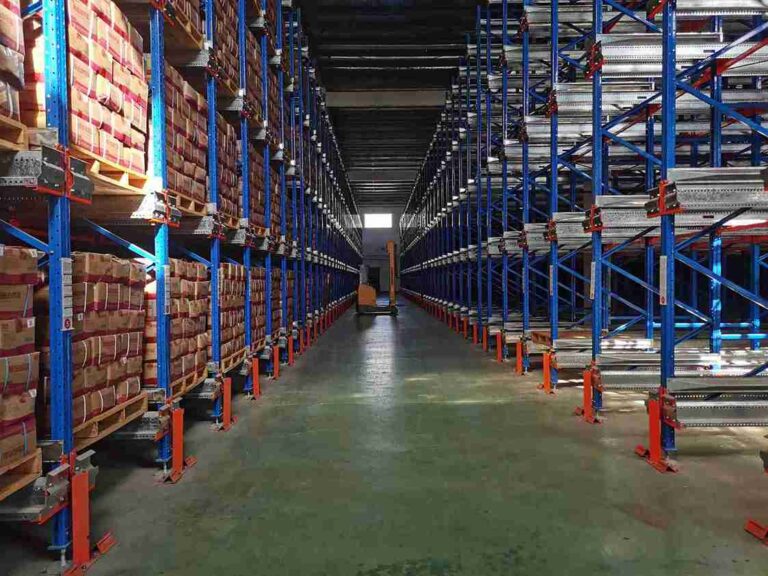
A high-density pallet shuttle system is specifically engineered to maximize storage density while maintaining full accessibility to every pallet. Unlike selective racking that sacrifices density for access, or drive‑in racking that offers density but restricts inventory rotation, the high-density pallet shuttle system delivers the best of both worlds.
When a logistics warehouse switches from selective racking to a high-density pallet shuttle system, storage density can increase by 60 to 80 percent. For a 100,000‑square‑foot facility, that translates to an additional 60,000 to 80,000 square feet of effective storage without any building expansion. Warehouses that previously held 15,000 pallet positions can suddenly accommodate 25,000 or more.
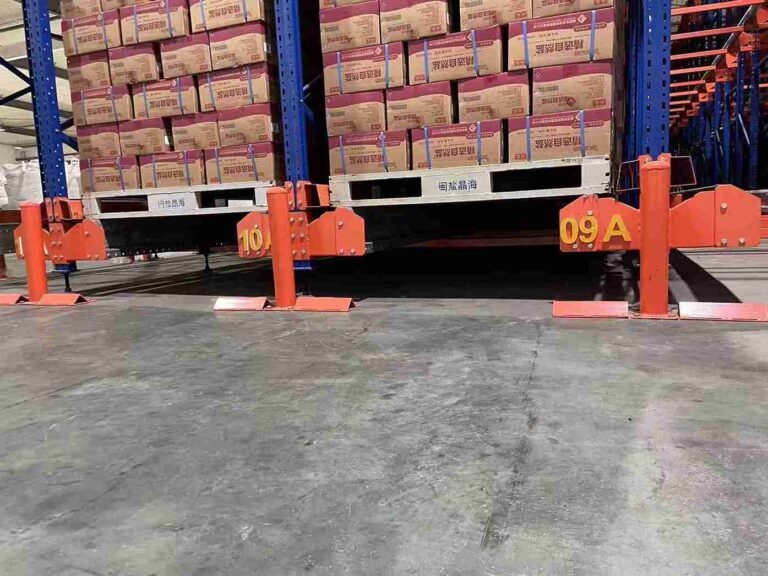
How does a high-density pallet shuttle system achieve such remarkable storage density? The answer lies in lane depth. Selective racking forces wide aisles between every row because forklifts need space to maneuver. A typical selective racking layout has an aisle‑to‑storage ratio of 1:1 or 1:2, meaning half the floor space is dedicated to aisles. By contrast, a high-density pallet shuttle system reduces aisles to only the minimal number required for forklift access at lane ends. Shuttles run on rails inside very deep lanes—often 25 to 40 pallets deep. The result is storage density that can reach 90% of the available floor area.
For logistics operators in emerging markets, where building costs per square meter continue to rise, the economic argument for a high-density pallet shuttle system becomes overwhelming. Every extra pallet position generated by higher storage density reduces the cost per stored unit. Over the system’s 15‑year lifespan, these savings often exceed the initial equipment investment by a factor of three or four.
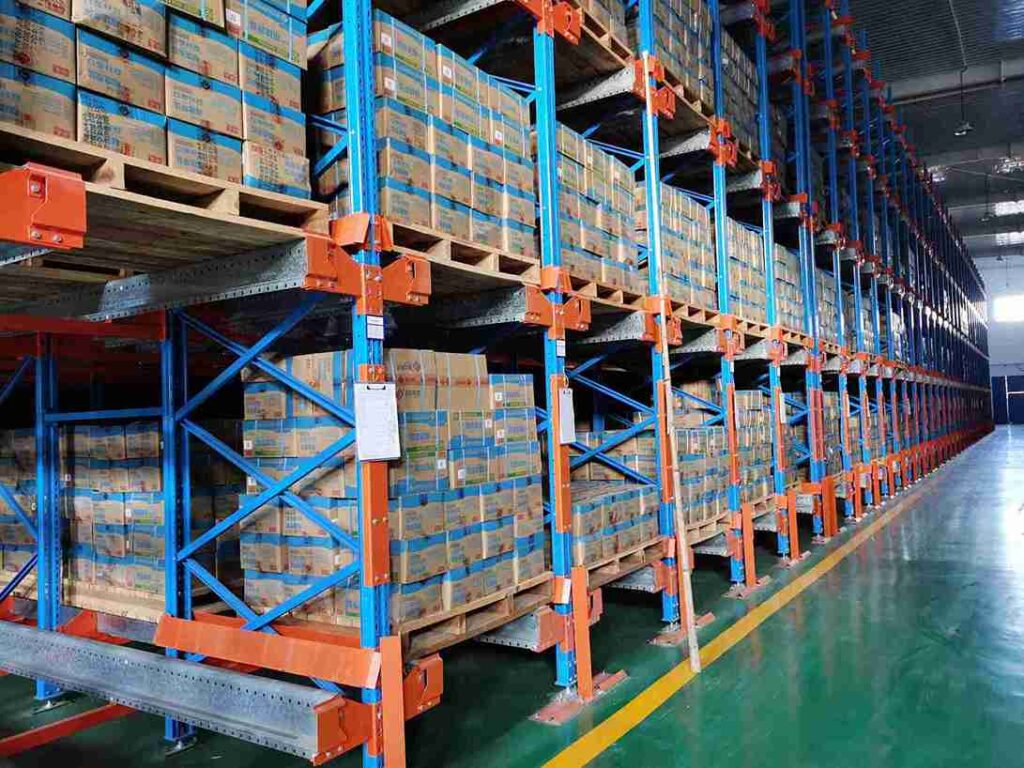
Load Capacity and Storage Density – Two Sides of the Same Coin
Load capacity e storage density are not independent variables in a warehouse design. They interact in ways that many buyers overlook. A high-density pallet shuttle system with insufficient load capacity forces compromises that reduce storage density. For example, if a shuttle can handle only 1,500 kg but the heaviest pallets in the warehouse weigh 2,200 kg, operators cannot use the deep lanes for those heavy SKUs. They must reserve shallow lanes or separate racking zones for heavy products, fragmenting the layout and lowering overall storage density.
That is why a high-density pallet shuttle system rated for 2.5T+ load capacity is the correct choice for logistics warehouses handling industrial goods, beverages, auto parts, construction materials, or pharmaceutical cold chain pallets with dense ice packs. A high-density pallet shuttle system with 2.5T load capacity handles the full range of typical pallet weights, allowing the entire warehouse to be designed around deep lanes of uniform depth. This consistency maximizes storage density across the whole facility.
The relationship between load capacity e storage density becomes even more critical in multi‑temperature pharmaceutical warehouses. Cold chain pallets often combine heavy liquids or bulk drug substances with insulated containers and phase‑change materials, easily reaching 2,200–2,400 kg. If the high-density pallet shuttle system cannot handle those weights, the pharmacy must use lower‑density racking in the most expensive part of the building—the refrigerated or frozen zone. Because cold storage construction costs are two to three times higher than ambient warehousing, the loss of storage density in those areas carries an amplified financial penalty.
Case studies from pharmaceutical distribution centers in the Middle East show that switching to a high-density pallet shuttle system with 2.5T+ load capacity increased storage density in their -25°C freezer zone by 72 percent. The project paid for itself in 18 months purely from avoided cold storage expansion costs. That is the power of matching load capacity with storage density in a unified system.
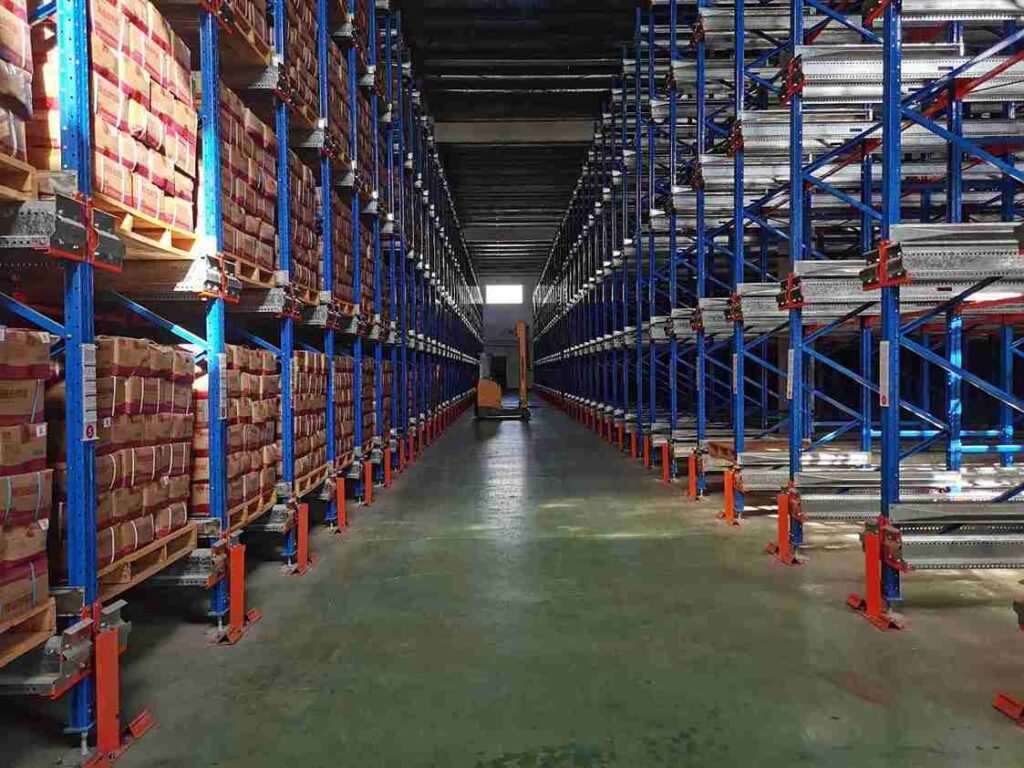
Storage Density Comparison – Pallet Shuttle vs. Every Other Racking Type
To truly appreciate what a high-density pallet shuttle system delivers, warehouse managers need to see side‑by‑side storage density numbers for each technology.
Selective Racking – The Baseline for Storage Density
Selective pallet racking provides the lowest storage density among all major racking types. Each pallet position is individually accessible, but the space efficiency is poor. Typical layouts achieve storage density of only 35–45% of the total floor area. Aisle widths of 3.2 to 3.5 meters consume the rest. A warehouse with 100,000 square feet of floor space might store only 2,500 pallet positions using selective racking.
Drive‑In Racking – Improved Storage Density with Tradeoffs
Drive‑in racking improves storage density by allowing forklifts to enter the racking structure. Densità di stoccaggio can reach 60–70%, representing a significant upgrade over selective racking. However, drive‑in racking has well‑known limitations: it only supports LIFO inventory rotation, lane depth is limited to 6–8 pallets before forklift reach becomes problematic, and accident rates are higher due to forklifts maneuvering inside the racks. Densità di stoccaggio gains come with operational friction.
Pallet Flow Racking – Moderate Storage Density, FIFO Only
Pallet flow racking uses gravity to move pallets forward. Densità di stoccaggio is similar to drive‑in racking, around 60–70%. But lane depth is limited to 10–12 pallets because gravity loses force over longer distances. Plus, pallet flow racking only supports FIFO rotation, which is not optimal for many inventory profiles. Maintenance costs for wheels and rollers also reduce the long‑term value of its storage density advantages.
High-Density Pallet Shuttle System – The Storage Density Champion
A properly designed high-density pallet shuttle system achieves storage density of 85–90% of usable floor area. This is the highest storage density possible for palletized goods without resorting to crane‑based AS/RS, which costs five to ten times more. The high-density pallet shuttle system reaches this storage density through three mechanisms: very deep lanes (20–40 pallet positions deep), extremely narrow aisle ends (only 3.2–3.4 meters for forklift access), and elimination of cross aisles within the racking block.
For a logistics warehouse currently operating at 40% storage density (selective racking), moving to a high-density pallet shuttle system more than doubles the storage density. That is not incremental improvement—it is a transformation. A facility that struggled to meet peak season demand can suddenly handle 120% of its previous volume without adding a single square meter.
One logistics service provider in Indonesia documented the change in detail. Before installing a high-density pallet shuttle system, their storage density measured 42% against total warehouse footprint. After the installation, storage density rose to 86%. The same building now stores 5,200 pallet positions where previously it held only 2,400. Their customer service levels improved because inventory was always available, and they won three new contracts using the freed‑up capacity.
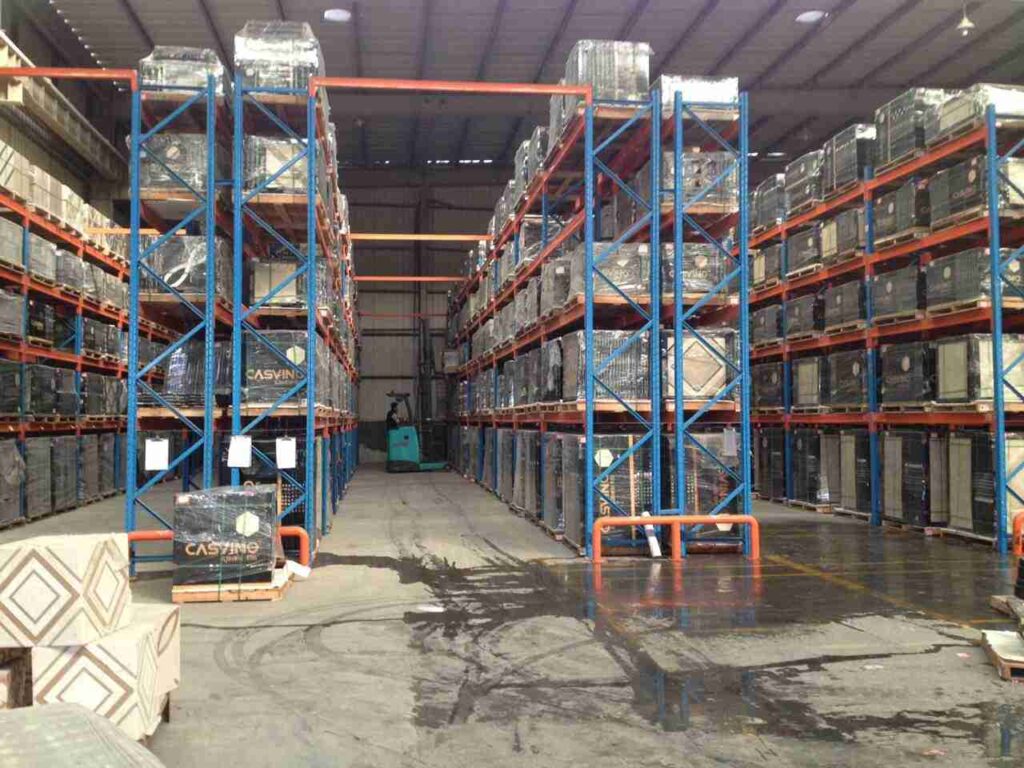
How High-Density Pallet Shuttle Systems Achieve Low Cost Per Pallet Position
A frequent question from logistics decision‑makers is whether the impressive storage density of a high-density pallet shuttle system comes at a prohibitive price. The answer depends on how one calculates cost.
Quando si valuta pallet shuttle system cost, the correct metric is cost per pallet position after factoring in storage density. A selective racking system might have a lower upfront equipment cost, but its low storage density means the same building stores far fewer pallets. The cost per pallet position in terms of building footprint (rent or construction cost) is much higher.
A high-density pallet shuttle system flips this equation. The racking and shuttle equipment cost more than selective racking for the same number of pallet positions. However, because storage density is much higher, the total building area required for a given number of pallets is 50–60% less. When the building cost (or rental cost) is added to the equipment cost, the high-density pallet shuttle system often shows a lower total cost per pallet position, especially in markets where industrial real estate is expensive or in short supply.
Consider a real‑world comparison for a logistics warehouse needing 3,000 pallet positions:
Selective racking: Requires approximately 75,000 square feet. Equipment cost: 120,000.Annualbuildingcost(rentaloramortizedconstruction)at8 per square foot: 600,000.Five‑yeartotalbuildingcostplusequipment:3,120,000. Cost per pallet position over five years: $1,040.
High-density pallet shuttle system: Requires approximately 32,000 square feet (43% of the selective racking footprint). Equipment cost: 250,000.Annualbuildingcostatsame8/sq ft: 256,000.Five‑yeartotalbuildingcostplusequipment:1,530,000. Cost per pallet position over five years: $510.
Il high-density pallet shuttle system costs about half as much per pallet stored over five years, despite having higher upfront equipment costs. The savings come entirely from storage density reducing the required building footprint.
For warehouse operators in emerging markets, where capital for expansion may be constrained, this analysis is critical. A high-density pallet shuttle system allows a company to defer or avoid expensive building expansions. The improved storage density can make a leased warehouse work for years longer than originally planned, saving millions in relocation or expansion costs.
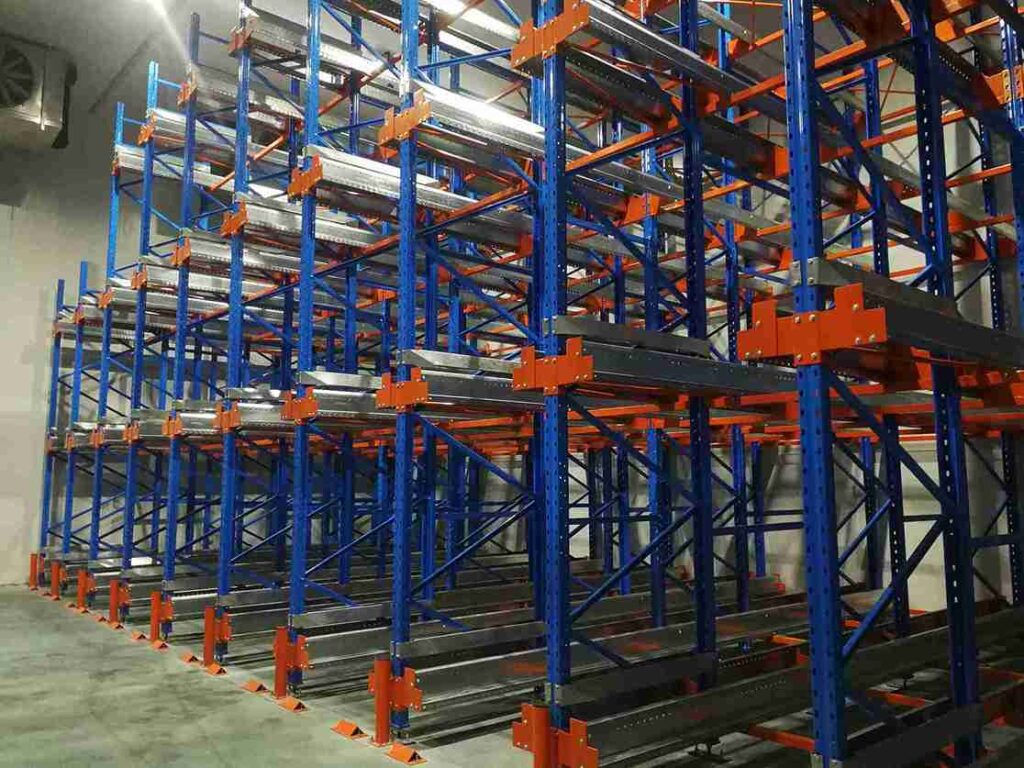
Storage Density and Throughput – The Hidden Relationship
Many warehouse professionals assume that storage density always comes at the expense of throughput. The thinking goes: deeper lanes mean longer travel distances for shuttles, which must reduce the number of transactions per hour. With a high-density pallet shuttle system, this assumption is wrong for most logistics operations.
The reason is that a high-density pallet shuttle system can handle many simultaneous movements. While one shuttle travels deep into a lane, another shuttle in a different lane can be retrieving or storing pallets. The system’s overall throughput depends on the number of shuttles deployed and the lane layout, not on the depth of individual lanes.
Moreover, the time lost to deeper lane travel is minor compared to the gains from eliminating forklift entry into the racks. In a drive‑in racking system, a forklift might take 90 seconds to travel to the deepest pallet, lift it, and back out. In a high-density pallet shuttle system, the forklift only travels to the lane entrance and places the shuttle. The shuttle then moves the pallet at speeds of 0.5‑1.0 meters per second while the forklift moves to the next task.
Real‑world time studies from logistics warehouses in Saudi Arabia show that a high-density pallet shuttle system reduced lane‑related transaction time by 67% compared to drive‑in racking, even with lane depths of 30 pallets. The improved storage density did not hurt throughput; it improved throughput because operators spent less time driving.
For pharmaceutical warehouses with high daily pallet movements (e.g., regional distribution centers serving dozens of hospitals), the combination of storage density and throughput in a high-density pallet shuttle system is a winning formula. One pharma logistics operator in Kenya reported that after installing a high-density pallet shuttle system, their storage density increased by 55% and their throughput per labor hour increased by 41%. The two benefits came together, not in opposition.
The Role of Factory Direct Sourcing in Making High-Density Storage Affordable
Pallet shuttle system cost remains one of the biggest barriers to adoption, especially for mid‑sized logistics companies in emerging markets. However, the factory direct model has changed the economics significantly.
By purchasing a high-density pallet shuttle system directly from the manufacturer, logistics operators eliminate the 20–35% markup that system integrators and distributors typically add. That saving can make the difference between a positive and negative ROI.
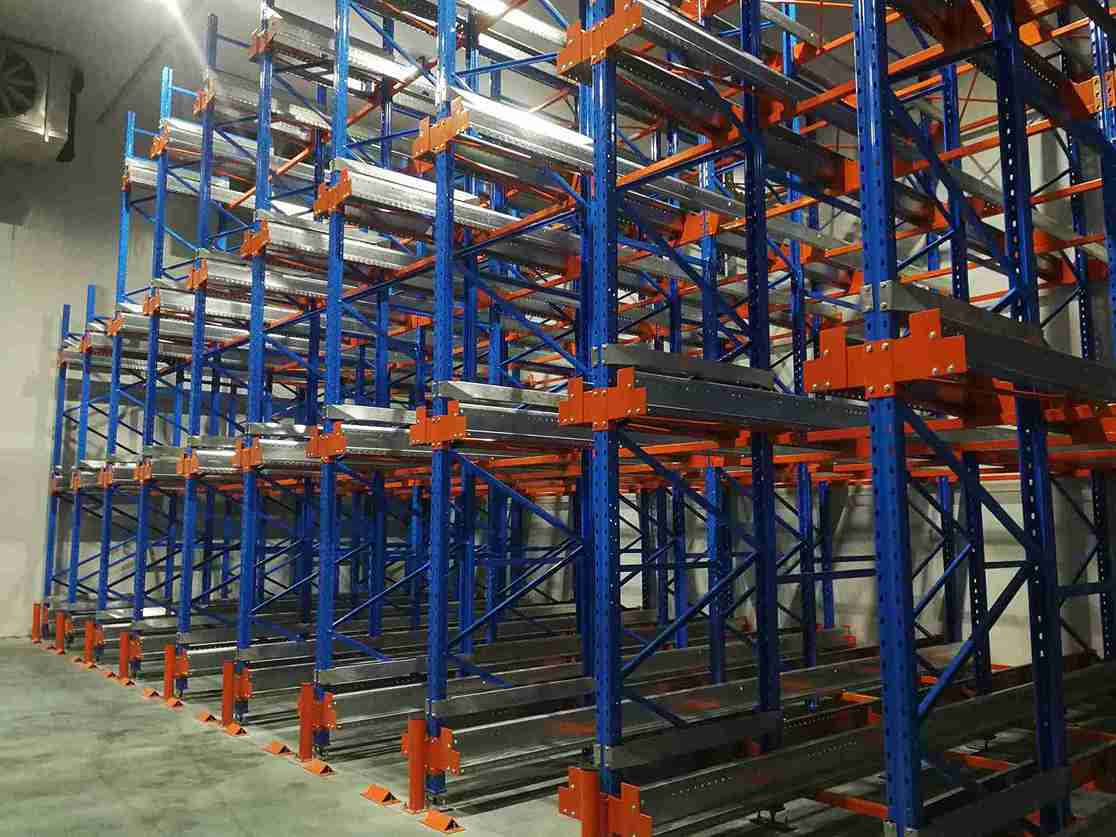
Factory direct suppliers of high-density pallet shuttle systems often provide complete solutions including shuttle vehicles, racking structures, control software, and installation. Because they manufacture the shuttles themselves, they have deep engineering knowledge and can customize load capacity, lane depth, and storage density characteristics to match specific logistics requirements.
For a logistics warehouse in Vietnam, sourcing a high-density pallet shuttle system factory direct from a Chinese or Indian manufacturer reduced total pallet shuttle system cost by 28% compared to quotations from European integrators. The system achieved the same storage density e load capacity (2.5T+) at a price that made the project viable. Within 22 months, the warehouse had fully recovered its investment through labor savings and avoided expansion costs.
Factory direct does not mean inferior quality. Many factory direct suppliers hold ISO 9001 certifications and export to dozens of countries. Their high-density pallet shuttle systems are field‑proven across thousands of installations. The only difference is the sales channel—no unnecessary middlemen.
High-Density Pallet Shuttle System Configurations for Pharmaceutical Warehouses
Pharmaceutical warehouses present some of the most demanding requirements for storage density e load capacity simultaneously. Because pharmaceutical products often have strict expiration dates and temperature requirements, maximizing storage density in cold zones is a top financial priority.
A high-density pallet shuttle system designed for pharmaceutical cold chain storage must address three primary challenges:
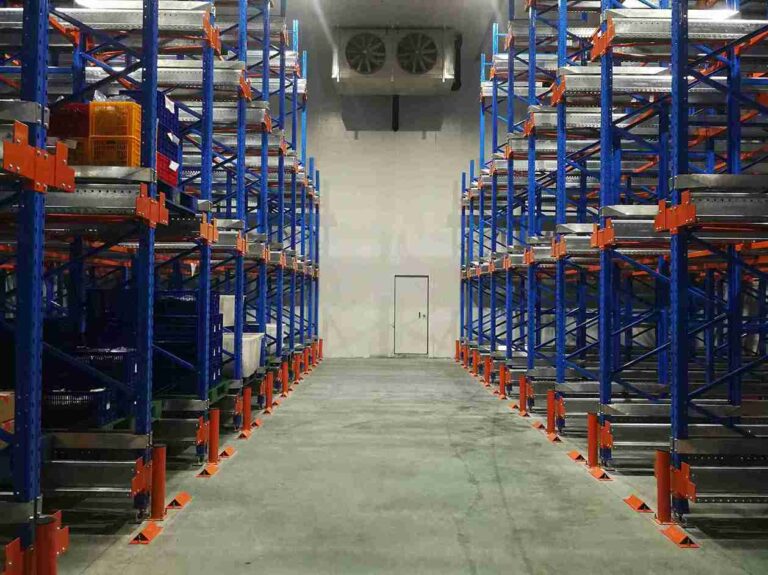
Temperature extremes: The high-density pallet shuttle system must operate reliably at -25°C for frozen storage and at +2°C to +8°C for chilled storage. This requires cold‑rated batteries, special lubricants, and sealed electronics. Many standard shuttles fail below 0°C, but a true high-density pallet shuttle system for pharma is engineered for the cold.
Sanitation and cleaning: Pharmaceutical warehouses require regular cleaning to prevent cross‑contamination. The high-density pallet shuttle system must have smooth surfaces, minimal crevices, and corrosion‑resistant coatings. Stainless steel components are common in wet or high‑humidity zones.
Traceability: Each pallet movement in a high-density pallet shuttle system should be logged with timestamps and operator IDs. Integration with the warehouse management system (WMS) is mandatory for regulatory compliance.
When these requirements are met, the storage density of a pharmaceutical high-density pallet shuttle system can reach 85–90% in cold storage zones. That is a game‑changer for pharma logistics because cold storage construction costs often exceed $400 per square foot. A 60% improvement in storage density can save millions of dollars in capital expenditure.
A leading pharmaceutical distributor in Nigeria recently installed a high-density pallet shuttle system in its new -20°C freezer. The system increased storage density by 74% compared to the drive‑in racking used in its previous facility. The load capacity was rated at 2.5 tons per pallet position, fully accommodating the heavy vaccine and IV fluid pallets. The pallet shuttle system cost was recouped in 14 months, almost entirely from avoided freezer expansion costs.
Storage Density in Emerging Markets – A Competitive Weapon
In Southeast Asia, the Middle East, Africa, and Latin America, logistics infrastructure is developing rapidly, but modern warehouse space remains scarce and expensive in many urban centers. A high-density pallet shuttle system provides a way for local logistics operators to compete with larger, better‑funded multinationals.
By deploying a high-density pallet shuttle system, a regional logistics company can offer the same or better storage density as a global competitor without needing to own vast tracts of land. The improved storage density reduces the operator‘s cost per pallet, which can be passed to customers as lower prices or higher margins.
For third‑party logistics (3PL) providers in markets like Indonesia, Mexico, or Egypt, a high-density pallet shuttle system becomes a key selling point. Customers want to know that their products are stored efficiently, that space won’t run out during peak seasons, and that inventory accuracy is high. A high-density pallet shuttle system delivers all of these benefits.
Moreover, the storage density of a high-density pallet shuttle system allows 3PLs to accept smaller or irregularly shaped warehouses that might otherwise be unusable. A long, narrow building that would be inefficient with selective racking can become highly productive with deep shuttle lanes designed to fit the building‘s geometry. This flexibility gives logistics operators an edge in tight real estate markets.
Implementation Roadmap for a High-Density Pallet Shuttle System
Deploying a high-density pallet shuttle system requires careful planning to achieve the promised storage density and ROI. The following steps are essential:
Step 1 – Data collection: Gather 12 months of pallet movement data. Understand the weight distribution of SKUs. Identify which products are suitable for deep‑lane high-density storage (high volume, low to medium turnover velocity) versus those that need more accessible locations.
Step 2 – Layout design: Work with the high-density pallet shuttle system supplier to create lane layouts that maximize storage density while respecting building columns, fire codes, and forklift turning radii. Use simulation software to test different lane depths and shuttle quantities.
Step 3 – Load capacity confirmation: Ensure the high-density pallet shuttle system selected has a load capacity of at least 2.5 tons. If any pallet exceeds that, the system cannot store it in deep lanes, which will fragment storage density. Consider a safety margin of 10–15%.
Step 4 – Racking installation: Install the racking structure with millimetre‑level precision. Rail straightness is critical for deep‑lane high-density pallet shuttle system operation. Use laser alignment tools.
Step 5 – Shuttle deployment and testing: Deploy shuttles and test each lane with loaded pallets. Verify cycle times and storage density targets. Train forklift operators on lane‑end procedures and shuttle remote control.
Step 6 – WMS integration: For fully automated high-density pallet shuttle system configurations, integrate shuttle movement data with the WMS. Real‑time inventory visibility is necessary to fully leverage storage density without misplacing pallets.
Step 7 – Continuous improvement: Monitor system performance after go‑live. Adjust lane assignments based on changing SKU velocity. Replace shuttle batteries on schedule to maintain availability.
A logistics warehouse in Malaysia followed this roadmap for its high-density pallet shuttle system installation. Within three months of going live, storage density had increased by 68%, labor productivity had improved by 44%, and the warehouse had eliminated weekend shifts. The system paid for itself in 19 months.
Common Myths About High-Density Pallet Shuttle Systems
Despite the clear benefits of storage density and automation, several myths discourage logistics operators from adopting a high-density pallet shuttle system. Let us address them directly.
Myth 1: High-density storage means slow retrieval.
Fact: A high-density pallet shuttle system with multiple shuttles can achieve retrieval rates of 30–50 pallets per hour per shuttle, comparable to or better than selective racking, because operators don’t waste time driving into aisles. Densità di stoccaggio does not reduce speed; it changes the pattern of movement.
Myth 2: Pallet shuttle systems are only for large warehouses.
Fact: Even a modest 30,000‑square‑foot logistics warehouse can benefit from a high-density pallet shuttle system. Densità di stoccaggio improvements allow smaller facilities to handle volumes that would otherwise require a larger building. The system scales down as easily as it scales up.
Myth 3: Load capacity above 2 tons is rarely needed.
Fact: Many logistics pallets exceed 2 tons, especially in industrial, beverage, and pharmaceutical cold chain sectors. A high-density pallet shuttle system with 2.5T+ load capacity future‑proofs the investment. Upgrading load capacity later is impossible without replacing shuttles.
Myth 4: High-density pallet shuttle systems are too expensive for emerging markets.
Fact: Factory direct purchasing reduces pallet shuttle system cost by 20–35%. When combined with the building savings from higher storage density, the total cost of ownership is often lower than selective racking over five years, as shown in the earlier comparison.
Myth 5: Installation disrupts warehouse operations for months.
Fact: A high-density pallet shuttle system can be installed in phases. One aisle at a time can be converted from selective or drive‑in racking to the new system while the rest of the warehouse continues operating. Most logistics warehouses complete installation in 4–8 weeks without stopping daily shipments.
Future Trends – Higher Storage Density Through Next‑Generation Shuttles
L'evoluzione di high-density pallet shuttle systems continues. Several emerging technologies will push storage density even higher in the coming years.
Four‑way pallet shuttles are the most significant innovation. Unlike traditional shuttles that move only forward and backward within a single lane, four‑way shuttles can also move laterally between lanes using transfer cars or integrated wheel systems. This allows a high-density pallet shuttle system to have virtually no fixed aisles, increasing storage density from 85% to 95% or more. The four‑way pallet shuttle market is expected to grow from USD 307 million in 2024 to USD 1.413 billion by 2031, a CAGR of 19.7%.
AI‑driven slotting will further improve storage density by automatically assigning pallets to the optimal lane depth based on turnover velocity, weight, and dimensions. A high-density pallet shuttle system with AI slotting can achieve higher effective storage density than static lane assignments because fast‑moving SKUs are placed at lane fronts and slow‑moving SKUs at lane backs, reducing shuttle travel time.
Cold‑chain optimized shuttles will become more affordable as manufacturing scales up. Today, a high-density pallet shuttle system for -25°C operation costs roughly 40% more than an ambient system. Within five years, that premium may drop to 15–20%, making high-density storage accessible to every pharmaceutical logistics operator.
Battery‑as‑a‑service models will lower upfront pallet shuttle system cost by allowing warehouses to lease batteries rather than purchase them. Because batteries are a consumable component (5–8 year lifespan), leasing aligns costs with usage and reduces the initial investment barrier for high-density pallet shuttle system adoption.
How to Calculate the Exact Storage Density Gain for Your Warehouse
Every logistics warehouse manager wants to know: what storage density increase can I expect from a high-density pallet shuttle system? While every facility is different, a simple calculation method provides reliable estimates.
Step 1 – Measure current storage density
Current storage density = (Number of pallet positions × Pallet footprint area) ÷ Total warehouse floor area
Pallet footprint area for a standard 1.2m x 1.0m pallet is 1.2 square meters.
Example: 2,000 pallets × 1.2 sq m = 2,400 sq m of pallet area. Warehouse floor area = 6,000 sq m. Current storage density = 2,400 ÷ 6,000 = 40%.
Step 2 – Determine theoretical maximum storage density for a high-density pallet shuttle system
A high-density pallet shuttle system typically achieves 85–90% storage density in well‑designed layouts. Use 85% for conservative estimates.
Step 3 – Calculate potential new pallet capacity
New pallet capacity = (Total warehouse floor area × 85%) ÷ Pallet footprint area
Example: 6,000 sq m × 0.85 = 5,100 sq m available for pallets. 5,100 ÷ 1.2 = 4,250 pallet positions.
Step 4 – Compute the storage density increase
Additional pallet positions = 4,250 – 2,000 = 2,250. Percentage increase in storage density = (2,250 ÷ 2,000) × 100 = 112.5%. In this example, the high-density pallet shuttle system more than doubles storage density.
This calculation assumes the high-density pallet shuttle system is deployed across the entire warehouse. Even with partial deployment, storage density gains of 50–80% are realistic for logistics operations shifting from selective or drive‑in racking.
Domande frequenti (FAQ)
Q1: What is the minimum warehouse ceiling height required for a high-density pallet shuttle system?
A high-density pallet shuttle system can work with ceiling heights as low as 5 meters, but the storage density benefit is greater at heights above 8 meters. Most logistics warehouses with 8–12 meter ceilings achieve excellent storage density using multi‑level shuttle lanes stacked vertically. The system does not require special ceiling height beyond what standard racking needs.
Q2: Can a high-density pallet shuttle system handle mixed pallet sizes?
Yes, a modern high-density pallet shuttle system can accommodate multiple pallet footprints by using adjustable shuttle forks or dedicated lanes for each size. However, maximizing storage density is easiest when pallet sizes are standardized. For logistics warehouses handling both Euro pallets (1.2m x 0.8m) and standard industrial pallets (1.2m x 1.0m), dedicated lanes for each type preserve storage density.
Q3: How does the load capacity of a high-density pallet shuttle system affect the racking structure cost?
Higher load capacity requires stronger racking beams, uprights, and foot plates. For 2.5T load capacity, the racking cost may be 15–25% higher than for 1.5T systems. However, the storage density improvement of a high-density pallet shuttle system compared to lower‑density alternatives typically outweighs this extra racking cost within two years through building space savings.
Q4: What training is required for forklift operators to use a high-density pallet shuttle system?
Forklift operators need about 4–6 hours of practical training on a high-density pallet shuttle system. The training covers how to place the shuttle onto rails, how to use the remote control for storage and retrieval, and safety protocols for lane‑end operations. Most operators become proficient within one week. No advanced technical skills are required.
Q5: Can a high-density pallet shuttle system be retrofitted into an existing warehouse with uneven floors?
Uneven floors are a challenge for any deep‑lane high-density pallet shuttle system because shuttles require level rails for smooth travel. However, floor grinding or self‑leveling compounds can correct minor unevenness. For significant floor slope or differential settlement, the racking structure can be shimmed during installation. A site survey by the high-density pallet shuttle system supplier will determine the feasibility and cost of floor preparation.
Conclusione
The logistics industry in Southeast Asia, the Middle East, Africa, and Latin America stands at a turning point. Rising real estate costs, growing SKU counts, and intensifying competition demand higher storage density from every square meter of warehouse space. A high-density pallet shuttle system with 2.5T+ load capacity delivers that storage density without sacrificing throughput or breaking the budget.
Throughout this expanded guide, the fundamental message has been consistent: a high-density pallet shuttle system transforms warehouse economics by achieving storage density levels of 85% or more, compared to 35–45% for selective racking. The pallet shuttle system cost, when analyzed on a cost‑per‑pallet‑position basis that includes building space, is often lower than traditional racking. The factory direct purchasing model further reduces pallet shuttle system cost and makes high-density storage accessible to mid‑sized logistics operators.
Pharmaceutical warehouses gain additional benefits: a high-density pallet shuttle system operating at -25°C preserves cold chain integrity while maximizing storage density in the most expensive part of the building. Logistics warehouses handling heavy industrial goods or beverages rely on 2.5T+ load capacity to store all pallet types uniformly, avoiding storage density fragmentation.
The roadmap to successful implementation is clear: collect data, design for storage density, choose factory direct sourcing, phase the deployment, and train operators thoroughly. When these steps are followed, a high-density pallet shuttle system delivers ROI in 12 to 24 months for many logistics operations.
Warehouse managers who delay automation risk falling behind competitors who already benefit from the storage density and efficiency of a high-density pallet shuttle system. The technology is proven, the costs have come down, and the returns are documented across thousands of installations worldwide. The question is no longer whether to adopt a high-density pallet shuttle system, but how quickly one can begin.
Se avete bisogno di disegni CAD e preventivi perfetti per le scaffalature da magazzino, contattateci. Possiamo fornirvi servizi e preventivi gratuiti di pianificazione e progettazione di scaffalature per magazzini. Il nostro indirizzo e-mail è: jili@geelyracks.com