📐 "Le prime 50 richieste aziendali ricevono un design personalizzato del magazzino 3D". Piano
















The Critical Role of Shuttle Racking in Energy-Efficient Warehousing
In an era where sustainability and cost-efficiency dominate warehousing strategies, shuttle racking energy efficiency has become a decisive factor for competitive businesses. Traditional storage methods waste valuable resources through excessive forklift movement, inefficient space utilization, and unnecessary energy expenditure. Shuttle racking systems revolutionize this landscape by delivering unmatched energy savings,space optimization, eautomated precision—all while reducing operational costs by up to 60%.
This in-depth guide explores how shuttle racking energy efficiency transforms modern warehouses, offering actionable insights for logistics managers, supply chain professionals, and business owners. From reduced electricity consumptionasmarter automation, this article provides the expertise needed to future-proof storage operations while meeting sustainability goals.
H1: Understanding Shuttle Racking Systems and Their Energy-Saving Advantages
H2: How Shuttle Racking Maximizes Energy Efficiency
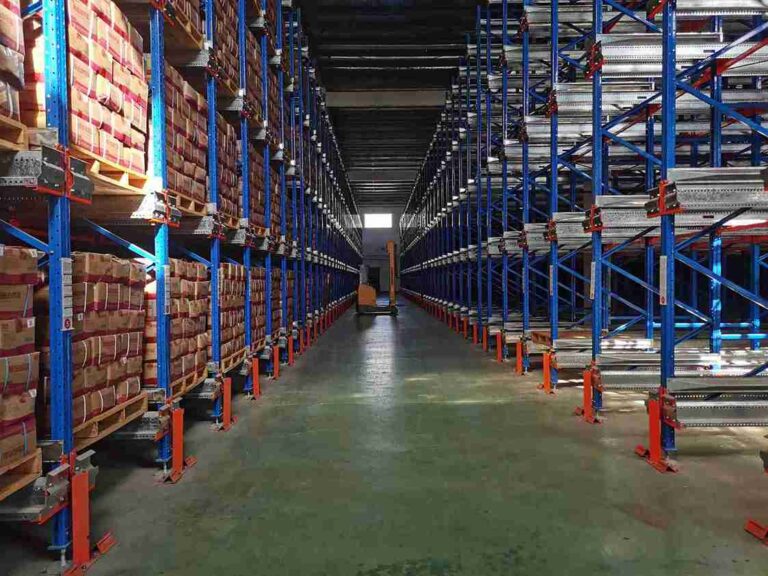
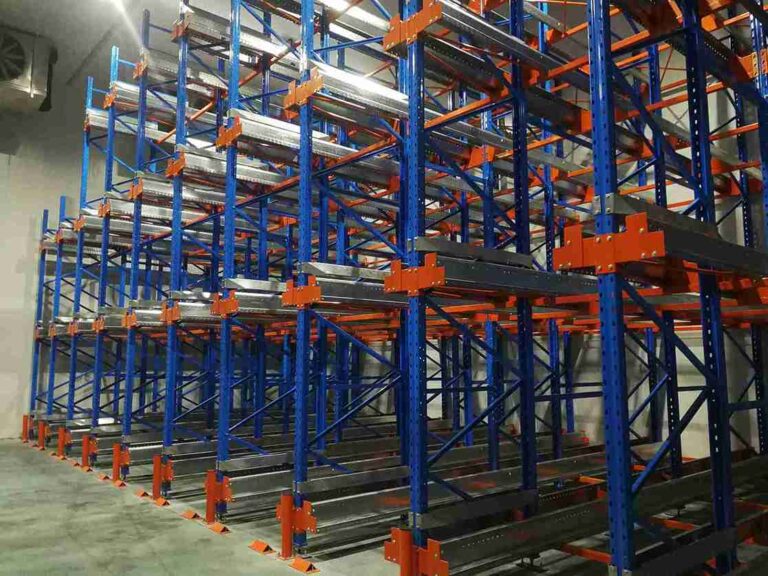
Unlike conventional pallet racking, shuttle racking energy efficiency stems from its automated storage and retrieval mechanism. Instead of relying on forklifts navigating narrow aisles, these systems use electric-powered shuttles that glide effortlessly within racking lanes, drastically cutting down on:
- Forklift fuel/electricity consumption
- HVAC energy waste (smaller operational zones require less cooling/heating)
- Lighting costs (fewer aisles mean fewer fixtures)
H3: The Science Behind Shuttle Racking Energy Efficiency
- Regenerative braking technology recaptures energy during deceleration, further reducing power demands.
- Smart load distribution prevents energy waste by optimizing pallet placement.
- Automated scheduling allows operations during off-peak electricity hours, slashing energy bills.
H3: Key Components That Boost Efficiency
- Motorized Shuttle Carts – Operate on rechargeable batteries, minimizing grid dependency.
- Rail-Guided Movement – Reduces friction and energy loss compared to forklifts.
- IoT-Enabled Sensors – Monitor energy usage in real-time for continuous optimization.
H1: The Tangible Energy Savings of Shuttle Racking Systems
H2: Case Studies: Real-World Energy Reduction with Shuttle Racking
Several leading warehouses have documented shuttle racking energy efficiency improvements:
- A European 3PL provider reduced electricity costs by 58% after switching to shuttle systems.
- A U.S. cold storage facility cut HVAC expenses by 40% due to reduced forklift heat emissions.
- An Asian e-commerce giant achieved 30% faster order fulfillment with lower energy consumption.
H2: Comparing Energy Consumption: Shuttle Racking vs. Traditional Systems
| Metric | Shuttle Racking | Selective Racking | Drive-In Racking |
|---|---|---|---|
| Forklift Use | Minimal (10-20%) | High (100%) | Moderate (50-70%) |
| Energy per Pallet Move | 0.5 kWh | 2.1 kWh | 1.8 kWh |
| HVAC/Lighting Needs | 30% Less | Standard | 20% More |
| Peak Efficiency | 95%+ | 75% | 65% |
H2: How Shuttle Racking Lowers Carbon Footprints
- Fewer forklifts = less diesel/electricity consumption.
- Higher storage density = smaller warehouse footprint = reduced HVAC demands.
- Automated energy management = optimized power usage.
H1: Implementing Shuttle Racking for Maximum Energy Efficiency
H2: Step-by-Step Guide to Energy-Optimized Shuttle Racking
- Conduct an Energy Audit – Identify current inefficiencies in forklift movement, lighting, and HVAC.
- Choose the Right Shuttle System – Semi-automated vs. fully automated based on throughput needs.
- Optimize Lane Configuration – Deeper lanes save energy but require smart shuttle programming.
- Integrate with WMS & Energy Monitoring – Track kWh usage per pallet move for continuous improvement.
H2: Common Mistakes That Hurt Shuttle Racking Energy Efficiency
- Overloading shuttles – Increases battery drain and wear.
- Poor lane depth planning – Leads to unnecessary shuttle travel.
- Ignoring maintenance – Dirty rails or low batteries waste energy.
H2: Future-Proofing with Renewable Energy Integration
- Solar-powered shuttle charging stations
- Kinetic energy recovery from shuttle movement
- AI-driven energy consumption forecasting
H1: The Future of Shuttle Racking Energy Efficiency
H2: AI & Machine Learning for Smarter Energy Use
Next-gen shuttle systems will leverage:
- Predictive analytics to optimize shuttle routes.
- Dynamic power-saving modes during low activity.
- Automated energy reporting for sustainability compliance.
H2: The Rise of Net-Zero Warehouses
- Shuttle racking + solar panels = energy-neutral storage
- Government incentives for energy-efficient upgrades
Conclusion: Why Shuttle Racking is the Ultimate Energy Efficiency Solution
The data is clear: shuttle racking energy efficiency isn’t just a trend—it’s the future of warehousing. Companies adopting this technology gain:
✅60%+ energy cost reductions
✅Higher storage density with lower HVAC bills
✅Automated precision for faster, greener operations
For businesses seeking lower costs,smaller carbon footprints, efuture-ready logistics, shuttle racking is the undisputed choice.
FAQs: Shuttle Racking Energy Efficiency Explained
1. How does shuttle racking reduce energy costs compared to forklifts?
Shuttles use 90% less energy per pallet move by eliminating constant forklift acceleration/deceleration.
2. Can shuttle systems work in existing warehouses?
Yes! Many facilities retrofit shuttle racking into current layouts with minimal downtime.
3. What’s the average payback period for shuttle racking energy savings?
Most businesses recoup costs in 18-36 months through energy and labor savings.
4. Do shuttle systems require special power infrastructure?
Standard 220V outlets suffice, but solar-compatible models are gaining popularity.
5. How do I calculate potential energy savings for my warehouse?
Aprofessional energy audit can model kWh reductions based on your pallet volume and layout.
Benvenuti a contattarci, se avete bisogno di disegni CAD di scaffalature per magazzini. Possiamo fornirvi gratuitamente la pianificazione e la progettazione di scaffalature per magazzini. Il nostro indirizzo e-mail è: jili@geelyracks.com