📐 "Le prime 50 richieste aziendali ricevono un design personalizzato del magazzino 3D". Piano















High Density Pallet Shuttle System for Manufacturing – Boost Storage Capacity by 60% | Wholesale Price for SE Asia & Middle East
Table of Contents
Executive Summary: Why the High Density Pallet Shuttle System Is Reshaping Global Warehousing
Chapter 1: Inside a High Density Pallet Shuttle System – Components, Sensors, and Workflow
Chapter 2: High Density Pallet Shuttle System vs Traditional Racking – Head‑to‑Head Comparisons
Chapter 3: Total Cost of Ownership of a High Density Pallet Shuttle System – A Detailed Financial Model
Chapter 4: How Manufacturing Plants Leverage the High Density Pallet Shuttle System for Lean Production
Chapter 5: High Density Pallet Shuttle System for E‑commerce Warehouses – Speed, Accuracy, and Scalability
Chapter 6: Wholesale Distribution and the High Density Pallet Shuttle System – Mastering High SKU Counts
Chapter 7: Deep Integration – AGV, ASRS, WMS and the High Density Pallet Shuttle System
Chapter 8: Real‑World Results – Case Studies Featuring the High Density Pallet Shuttle System
Chapter 9: Regional Market Spotlight – Why Southeast Asia and the Middle East Need a High Density Pallet Shuttle System Now
Chapter 10: Buyer’s Guide – Selecting a High Density Pallet Shuttle System at Wholesale Price
Chapter 11: 2‑Way vs 4‑Way High Density Pallet Shuttle System – Which One Fits Your Operation?
Chapter 12: Implementation Roadmap – Deploying Your High Density Pallet Shuttle System Without Disruption
Chapter 13: Safety, Fire Protection, and Battery Technology in a High Density Pallet Shuttle System
Chapter 14: Maintenance and Troubleshooting for a High Density Pallet Shuttle System – A Practical Checklist
Chapter 15: The Future of the High Density Pallet Shuttle System – AI, IoT, and Predictive Analytics
Conclusion: Why a High Density Pallet Shuttle System Is a Strategic Asset for Forward‑Looking Warehouses
Frequently Asked Questions (FAQ) – Unique Questions Beyond the Article’s Headings
Executive Summary: Why the High Density Pallet Shuttle System Is Reshaping Global Warehousing
The warehousing industry across Southeast Asia, the Middle East, Africa, and Latin America has reached a breaking point. Land costs are soaring, labour is becoming scarce and expensive, and customers expect ever‑faster delivery. In this environment, traditional storage methods – wide aisles, drive‑in racks, and even double‑deep systems – can no longer deliver the required density and throughput.
Enter the High Density Pallet Shuttle System. This semi‑automated to fully automated storage solution replaces inefficient forklift travel inside deep lanes with an electric shuttle that glides on dedicated rails. A High Density Pallet Shuttle System achieves storage densities that conventional racking simply cannot match, often increasing capacity by 60% or more within the same footprint.
But the High Density Pallet Shuttle System is not just about stacking more pallets. It is about transforming warehouse operations. Forklift operators no longer need to drive into narrow, dangerous lanes. Putaway time drops by up to 60%. Rack damage and product damage are virtually eliminated. And because the High Density Pallet Shuttle System connects seamlessly with Warehouse Management Systems (WMS) and Automated Guided Vehicles (AGVs), it becomes the backbone of a fully automated logistics environment.
For manufacturing plants, the High Density Pallet Shuttle System buffers raw materials and work‑in‑process inventory without wasting valuable floor space. For e‑commerce warehouses, it ensures that fast‑moving SKUs are always available for depalletising and piece picking. For wholesale distributors, the High Density Pallet Shuttle System handles hundreds of SKUs in shared lanes, something drive‑in racks could never do.
Over the past three decades, the High Density Pallet Shuttle System has evolved from a niche solution into a mainstream technology. Prices have dropped, reliability has improved, and installation times have shortened. Today, a High Density Pallet Shuttle System is affordable for medium‑sized warehouses, especially when purchased at wholesale prices directly from experienced manufacturers.
This guide provides everything a warehouse manager, supply chain director, or business owner needs to know about the High Density Pallet Shuttle System. It draws on real deployments across Malaysia, Thailand, Vietnam, the UAE, Saudi Arabia, South Africa, and Brazil. No theory – just practical, actionable knowledge.
Chapter 1: Inside a High Density Pallet Shuttle System – Components, Sensors, and Workflow
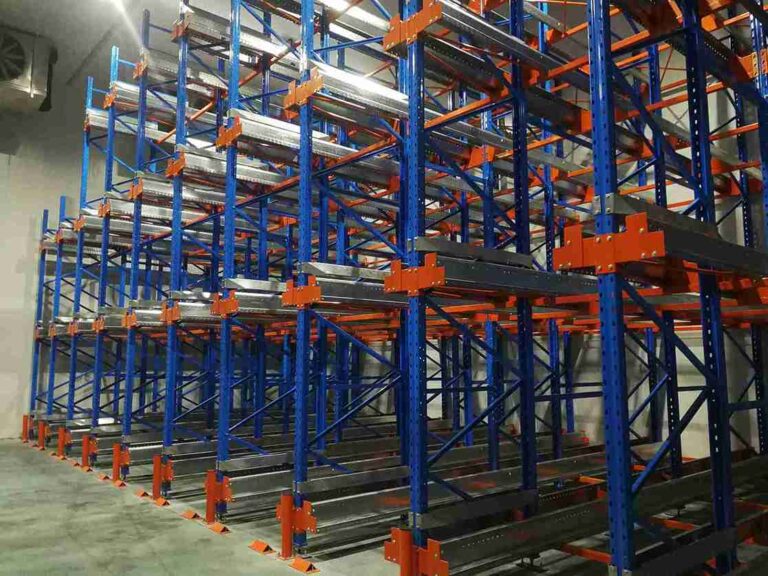
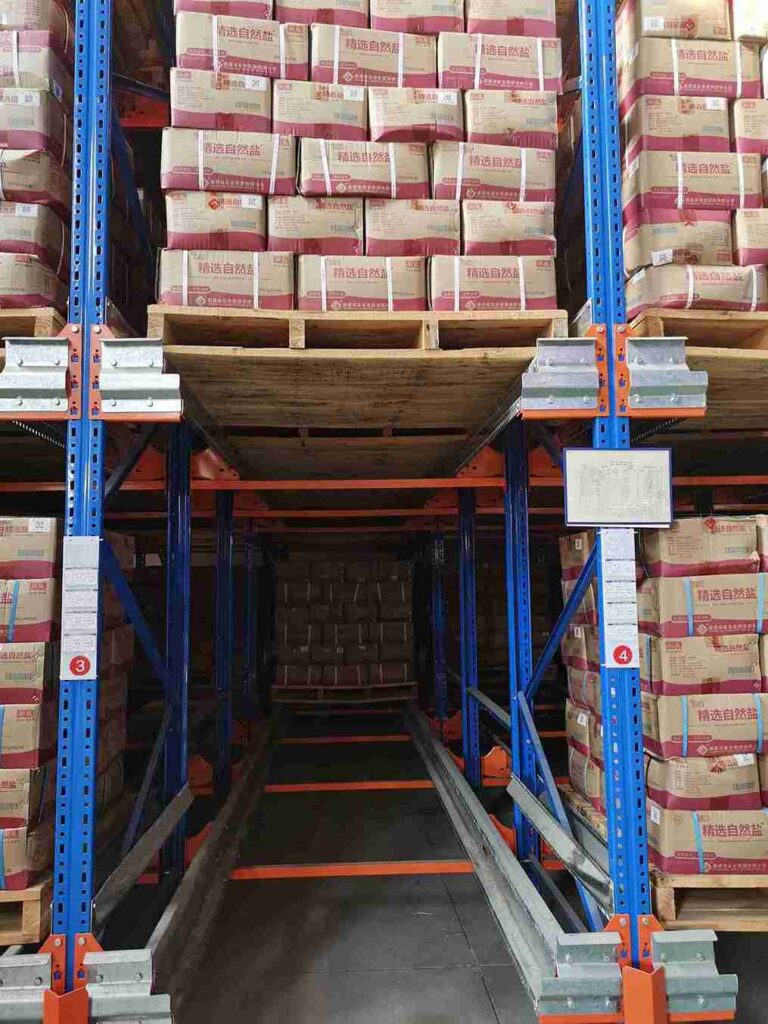
To appreciate the power of a High Density Pallet Shuttle System, one must first understand how it is built and how it operates. Every High Density Pallet Shuttle System consists of four primary subsystems that work in perfect harmony.
The Shuttle Cart – The Heart of the High Density Pallet Shuttle System
The shuttle itself is a low‑profile, battery‑powered vehicle that runs on guide rails inside each storage lane. A typical shuttle in a High Density Pallet Shuttle System measures about 1,000 mm long and 800 mm wide, with eight to twelve polyurethane wheels that distribute the load evenly. The electric drive motor – usually rated at 750 watts of travelling power – moves the shuttle at speeds of 0.5 to 0.9 metres per second when loaded, and up to 1.1 metres per second when empty.
The lifting platform is a critical component. When the shuttle receives a pallet, it raises the platform by approximately 40 mm to lift the pallet off the rails. During travel, the shuttle carries the pallet without friction. When it reaches the target position, the platform lowers, gently depositing the pallet onto the rails. This lifting mechanism is controlled by precise sensors that verify correct pallet positioning before any movement begins.
Modern shuttles used in a High Density Pallet Shuttle System are packed with sensors: distance sensors to avoid collisions with other shuttles, photoelectric cells to detect the last stored pallet in a lane, load cells to confirm weight, and tilt sensors to ensure the pallet is stable. Warning lights, audible alerts, and an LCD status panel keep operators informed.
The Racking Structure – The Skeleton of the High Density Pallet Shuttle System
Without precision‑engineered racking, even the best shuttle will fail. The racking in a High Density Pallet Shuttle System must meet extremely tight tolerances. Beam length is typically held to ±0.5 mm per section. Column total length deviation is kept within 2 mm from top to bottom. Guide rails must be straight and level to prevent shuttle jams.
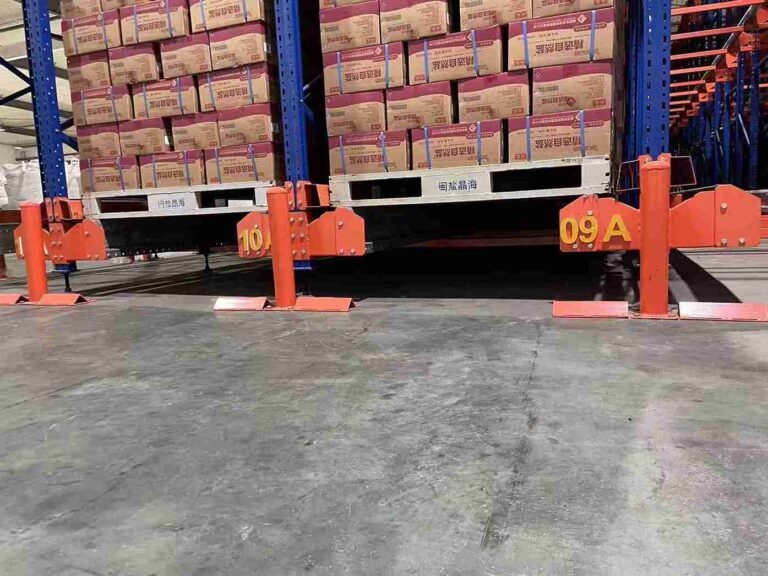
A standard High Density Pallet Shuttle System uses beams that support pallet loads up to 1,500 kg per position. Lane depth can vary from 5 pallets to more than 20 pallets, depending on the application. The racking is modular, so a warehouse can start with a smaller High Density Pallet Shuttle System and expand later without replacing existing components.
The Control System – The Brain of the High Density Pallet Shuttle System
The control system coordinates all shuttle movements. At the entry level, a radio remote control allows a forklift operator to call a shuttle, command putaway or retrieval, and monitor battery status. For larger installations, a High Density Pallet Shuttle System is managed by a Warehouse Execution System (WES) that communicates directly with the WMS. The WES assigns tasks to shuttles, optimises travel routes, manages battery charging cycles, and maintains a real‑time inventory of every pallet position.
The Lift System – Vertical Movement in a Multi‑Level High Density Pallet Shuttle System
In multi‑level installations, lifts (vertical conveyors) transport shuttles between rack levels. A typical High Density Pallet Shuttle System includes at least two lifts – one for inbound flow and one for outbound – to prevent bottlenecks. Large systems may use five or more lifts to handle peak throughput.
How a High Density Pallet Shuttle System Works – Step by Step
The workflow of a High Density Pallet Shuttle System is elegant in its simplicity. A forklift operator picks up a pallet from the receiving dock and drives to the entrance of the designated storage lane. Using a remote control, the operator calls a shuttle. The shuttle moves from its parking position to the lane entrance. The operator deposits the pallet onto the shuttle’s platform. Sensors confirm correct placement, the platform rises, and the shuttle travels deep into the lane. When it reaches the deepest empty position (or the last stored pallet, depending on FIFO or LIFO logic), it lowers the platform and returns to the entrance. The operator never enters the lane.
Retrieval works in reverse. The operator (or the WMS) commands the shuttle to fetch a specific pallet. The shuttle travels to that position, lifts the pallet, and brings it to the lane entrance. The operator picks it up and moves it to outbound staging or a production line.
In a 4‑way High Density Pallet Shuttle System, the shuttle can also move laterally across lanes, so no forklift is ever needed to reposition shuttles. This capability turns the High Density Pallet Shuttle System into a truly autonomous storage solution.
Chapter 2: High Density Pallet Shuttle System vs Traditional Racking – Head‑to‑Head Comparisons
Many warehouse operators ask how a High Density Pallet Shuttle System compares to the storage methods they already know. The differences are striking.
High Density Pallet Shuttle System vs Wide Aisle Racking
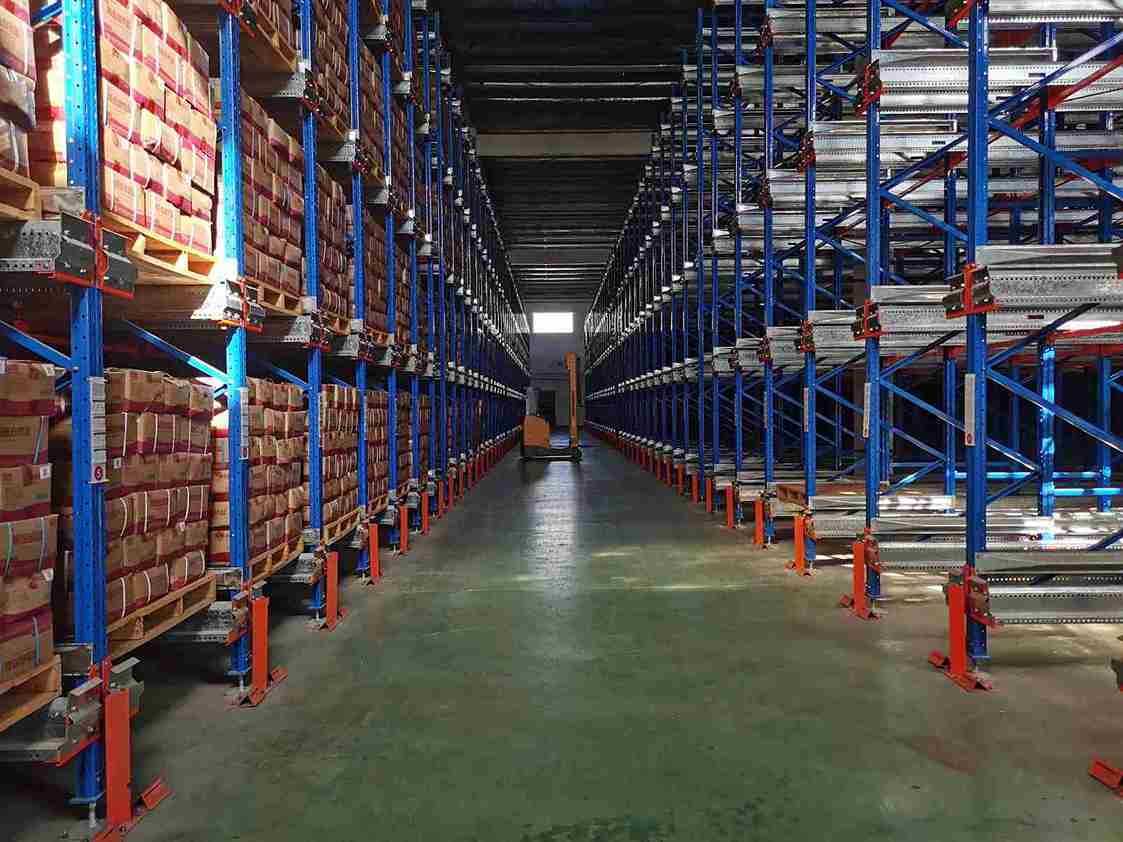
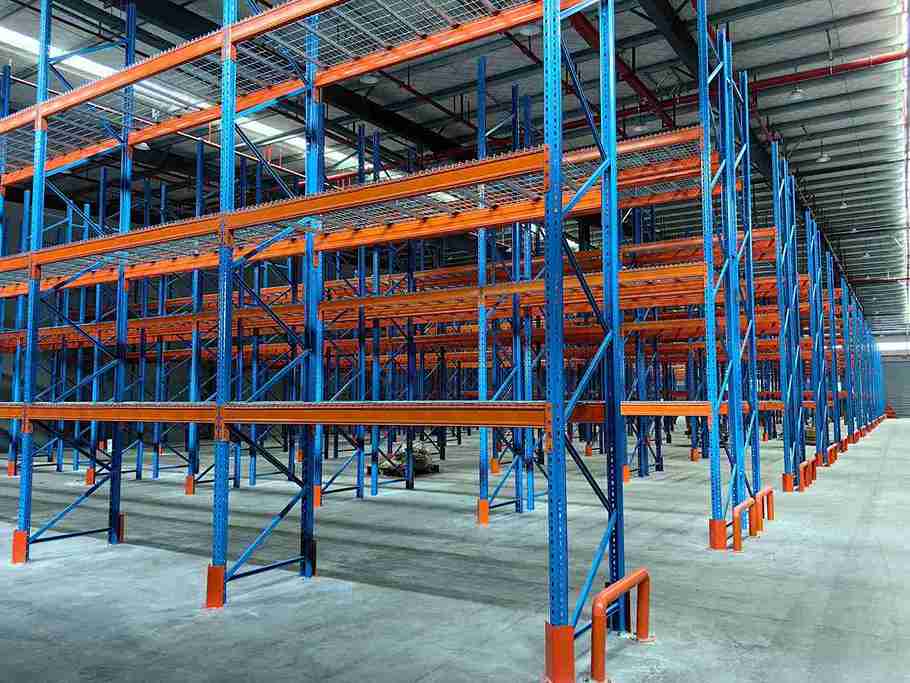
Wide aisle racking consumes 40–50% of floor space for aisles. A High Density Pallet Shuttle System eliminates most aisles because forklifts never drive between lanes. The only access needed is at the lane entrance. Therefore, a High Density Pallet Shuttle System can dedicate up to 90% of the floor area to active storage. That means a warehouse that stores 1,000 pallets in wide aisles can store 2,500 or more pallets after switching to a High Density Pallet Shuttle System – without expanding the building.
High Density Pallet Shuttle System vs Drive‑In Racking
Drive‑in racks force forklifts to drive deep into lanes with a raised load. This is slow, dangerous, and damages racking frequently. A High Density Pallet Shuttle System eliminates this risk completely. Forklifts stay at the lane entrance, and the shuttle does all deep‑lane travel. Putaway time drops by roughly 60%, and rack damage incidents essentially disappear.
High Density Pallet Shuttle System vs Pallet Flow (Gravity) Racking
Pallet flow racking uses gravity to move pallets down inclined rollers. It works well for FIFO but requires precise inclines and regular roller maintenance. A High Density Pallet Shuttle System does not rely on gravity, so the racking is simpler and cheaper. More importantly, a High Density Pallet Shuttle System can handle much deeper lanes – 20 pallets or more – whereas gravity flow becomes unreliable beyond 14 positions. Shuttle systems also offer both FIFO and LIFO software‑selectable, while flow racking is fixed to FIFO.
High Density Pallet Shuttle System vs Double‑Deep and Triple‑Deep Racking
Double‑deep and triple‑deep systems increase density modestly but still require forklifts with extended forks. A High Density Pallet Shuttle System stores 10, 15, or 20 pallets per lane – far beyond any forklift’s reach. And unlike multi‑deep racking, where retrieving a back pallet requires moving front pallets first, a High Density Pallet Shuttle System provides full selectivity. The shuttle can retrieve any pallet from any lane position without disturbing others.
Chapter 3: Total Cost of Ownership of a High Density Pallet Shuttle System – A Detailed Financial Model
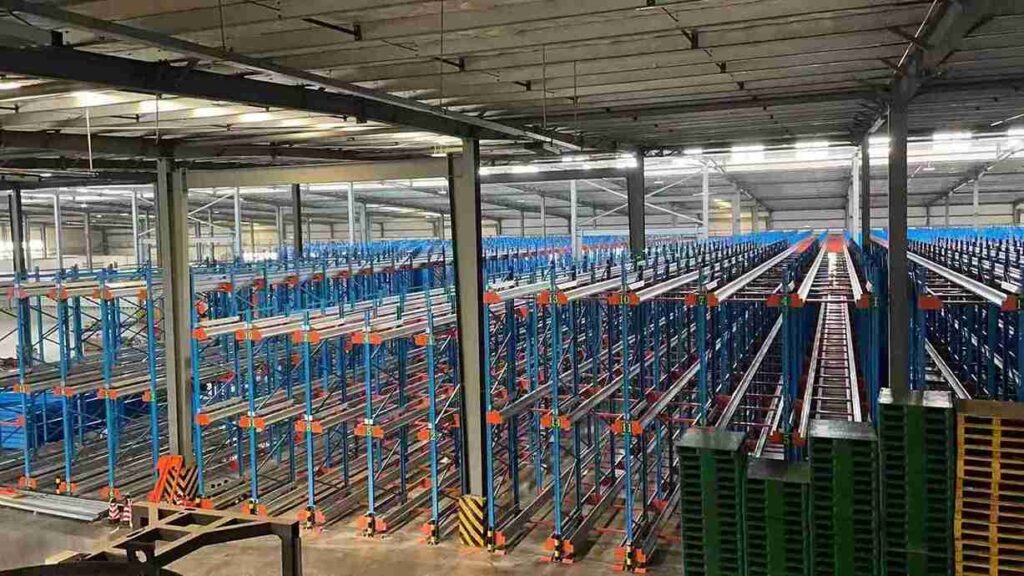
Purchasing a High Density Pallet Shuttle System requires a significant upfront investment, but the total cost of ownership (TCO) over 15–20 years is often lower than that of conventional racking. Let us break down the costs and savings.
Labour Savings with a High Density Pallet Shuttle System
Labour is the largest variable cost in most warehouses. A High Density Pallet Shuttle System reduces putaway labour by up to 60%. For a facility handling 500 pallets per day, the time saved equals roughly half a full‑time forklift operator – tens of thousands of dollars annually. In addition, the High Density Pallet Shuttle System allows operators to focus on higher‑value tasks such as case picking or truck loading, further improving productivity.
Space Savings from a High Density Pallet Shuttle System
Industrial real estate is expensive. In the Klang Valley (Malaysia), prime warehouse rents are around RM 2.50–3.50 per square foot monthly. In Dubai, rates can exceed AED 50 per square foot annually. A High Density Pallet Shuttle System that increases storage density by 60–200% can delay or eliminate the need for a new building. If a conventional system requires 50,000 sq ft, and a High Density Pallet Shuttle System needs only 30,000 sq ft for the same pallet count, the annual rent savings alone can reach 120,000ormore.Overtenyears,thatexceeds1 million – far more than the initial automation investment.
Energy and Maintenance Cost of a High Density Pallet Shuttle System
Shuttles are remarkably energy‑efficient. A lithium‑ion battery (30–50 Ah) powers hundreds of cycles per charge. Each shuttle movement consumes a fraction of the energy of a diesel or electric forklift travelling the same distance. Maintenance is also modest – mostly cleaning sensors and lubricating rails. A fleet of ten shuttles requires less than 200 hours of annual maintenance, compared to extensive forklift repairs in a drive‑in rack environment.
Damage Reduction – A Hidden Benefit of the High Density Pallet Shuttle System
Forklift collisions with racking cause millions in damage annually. Replacing a single damaged upright can cost several thousand dollars, not including product damage or downtime. A High Density Pallet Shuttle System virtually eliminates these incidents because forklifts never enter storage lanes. The only interaction occurs at the lane entrance, where the operator works safely at ground level.
ROI Payback Period for a High Density Pallet Shuttle System
Combining labour, space, energy, maintenance, and damage savings, a High Density Pallet Shuttle System typically delivers an ROI payback between 12 and 30 months. For 24/7 manufacturing operations, payback can be as short as 12 months. For e‑commerce warehouses with peak‑season pressures, the payback is also rapid because the High Density Pallet Shuttle System prevents costly bottlenecks. Wholesale pricing makes the High Density Pallet Shuttle System accessible even to smaller companies, and Robotics‑as‑a‑Service (RaaS) models offer monthly fees with payback within 12 months.
Chapter 4: How Manufacturing Plants Leverage the High Density Pallet Shuttle System for Lean Production
Manufacturing environments have unique storage needs: raw materials, work‑in‑process (WIP), and finished goods must flow continuously without interruption. A High Density Pallet Shuttle System is ideally suited to meet these demands.
Automotive Parts Manufacturing and the High Density Pallet Shuttle System
Automotive suppliers often store thousands of palletised components – body panels, interior trim, assembled modules. A High Density Pallet Shuttle System compresses this storage into a fraction of the space required by conventional racking. More importantly, the High Density Pallet Shuttle System integrates with production planning systems to deliver just‑in‑time (JIT) sequences. A Tier‑1 supplier can program the High Density Pallet Shuttle System to release pallets in the exact order the assembly line needs them, reducing line‑side inventory and increasing flexibility.
Electronics Manufacturing and the High Density Pallet Shuttle System
Electronics components are sensitive to dust, vibration, and electrostatic discharge. A High Density Pallet Shuttle System moves pallets gently and cleanly, with sealed motors and low‑particulate rail lubricants. Forklifts never enter the storage area, eliminating tyre dust and exhaust contaminants. For cleanroom environments, a High Density Pallet Shuttle System can be constructed from stainless steel with HEPA‑filtered air circulation.
Cold Storage and the High Density Pallet Shuttle System
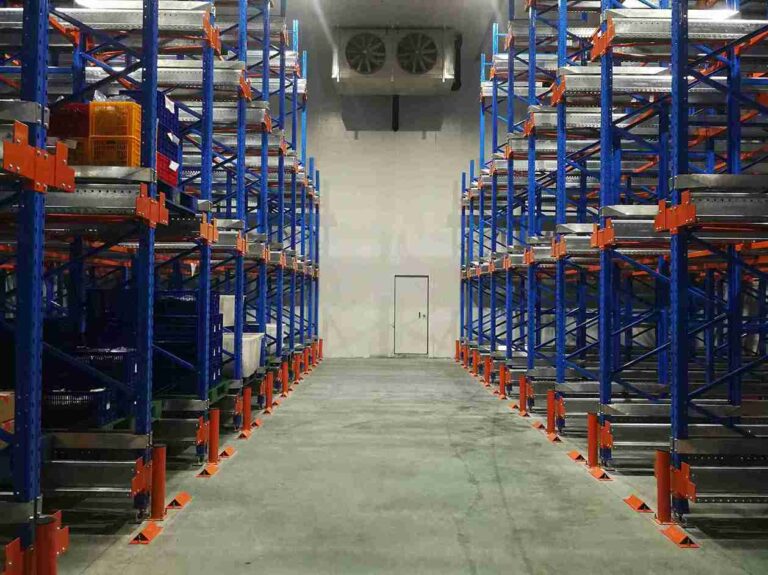
Cold storage is one of the most expensive and labour‑intensive warehouse environments. A High Density Pallet Shuttle System reduces labour costs by keeping operators at the lane entrance, which can be maintained at a warmer temperature than the deep storage area. Shuttles operate reliably at −25°C when equipped with heated sensors and low‑temperature batteries. A frozen food manufacturer in Thailand recently deployed a High Density Pallet Shuttle System and reduced its cold‑storage labour costs by 38% while increasing pallet positions by 170% in the same freezer.
Chemical and Pharmaceutical Manufacturing and the High Density Pallet Shuttle System
Hazardous materials require strict segregation and meticulous tracking. A High Density Pallet Shuttle System makes segregation easy – each lane can be dedicated to a specific chemical, with the control system preventing cross‑contamination. Explosion‑proof shuttles with sealed electronics are available for flammable environments. Real‑time inventory tracking satisfies regulatory requirements for lot control and expiry date management.
Chapter 5: High Density Pallet Shuttle System for E‑commerce Warehouses – Speed, Accuracy, and Scalability
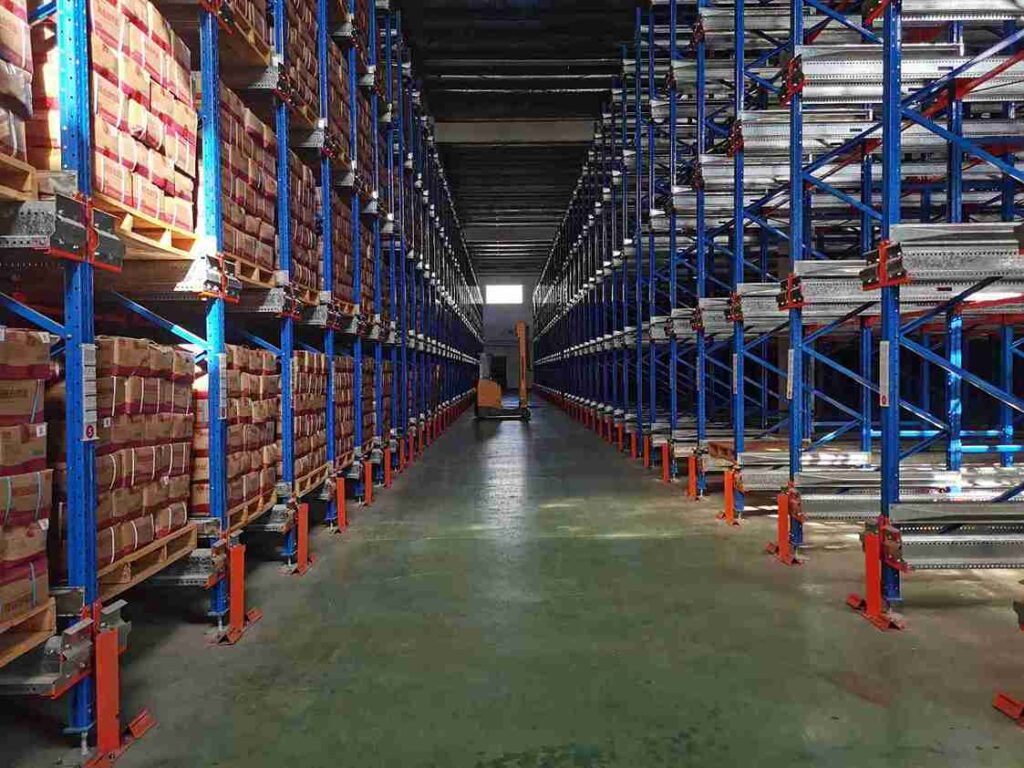
E‑commerce fulfilment centres are among the most demanding users of pallet storage. A High Density Pallet Shuttle System provides the dense, fast, and accurate pallet buffer that enables efficient piece picking.
Managing Peak Season with a High Density Pallet Shuttle System
During 11.11, Black Friday, and Ramadan sales, order volumes can spike 300% or more. A High Density Pallet Shuttle System scales effortlessly. Shuttles operate 24/7 without fatigue. Additional shuttles can be added to the fleet within days. The control system balances workloads automatically, ensuring no single shuttle becomes a bottleneck. An e‑commerce warehouse in Indonesia reported that after installing a High Density Pallet Shuttle System, its peak‑season throughput increased by 140% without adding temporary labour.
Multi‑Channel Fulfilment and the High Density Pallet Shuttle System
Many e‑commerce businesses sell on Amazon, Shopee, Lazada, their own websites, and wholesale channels. Each channel has different order cut‑off times and packaging requirements. A High Density Pallet Shuttle System can assign separate lanes to each channel, releasing pallets in the sequence needed for each channel’s picking waves. The system’s real‑time inventory updates prevent overselling and stock‑outs.
Returns Processing and the High Density Pallet Shuttle System
E‑commerce return rates of 20–30% create a nightmare of disorganised returned pallets. A High Density Pallet Shuttle System brings order to returns. Returned pallets are scanned, assigned to dedicated returns lanes, and stored densely until the returns team is ready. When needed, the shuttle retrieves the exact pallet and delivers it to the processing station. This eliminates the “returns mountain” and accelerates restocking.
Chapter 6: Wholesale Distribution and the High Density Pallet Shuttle System – Mastering High SKU Counts
Wholesale distributors often manage hundreds or thousands of SKUs with varying pallet sizes and turnover rates. A High Density Pallet Shuttle System handles this complexity better than any other high‑density solution.
Shared Lane Storage – The Secret of the High Density Pallet Shuttle System for Multi‑SKU Warehouses
Drive‑in racks require each lane to be dedicated to a single SKU. With many SKUs, this leads to under‑utilised lanes and wasted space. A High Density Pallet Shuttle System supports shared lane storage. Multiple SKUs can occupy the same lane, each in a defined segment. The control system tracks every segment. When a pallet of SKU A is needed, the shuttle travels directly to that segment, passing under other pallets without disturbing them. This flexibility allows a High Density Pallet Shuttle System to achieve high density even in high‑SKU environments.
Variable Pallet Sizes and the High Density Pallet Shuttle System
Wholesalers receive pallets in many sizes – Euro pallets, industrial pallets, half‑pallets, and custom sizes. A High Density Pallet Shuttle System can accommodate varying dimensions by adjusting lane depths and using adaptive shuttle platforms. The system measures each pallet at the lane entrance and rejects misfits before they cause problems.
Cross‑Docking Support with a High Density Pallet Shuttle System
When inbound and outbound flows are not perfectly synchronised, a High Density Pallet Shuttle System provides temporary buffering. A container arriving at 8:00 AM may need to be staged for a truck departing at 2:00 PM. Instead of occupying dock space or being stored in remote racks, the pallets go into the shuttle system, which retrieves them in the exact sequence required for truck loading. This buffering capability is invaluable for distributors serving retail customers with strict delivery windows.
Chapter 7: Deep Integration – AGV, ASRS, WMS and the High Density Pallet Shuttle System
Standalone, a High Density Pallet Shuttle System delivers impressive results. But when integrated with other automation, it becomes a powerhouse.
AGV Integration with the High Density Pallet Shuttle System
Automated Guided Vehicles (AGVs) can pick up pallets from receiving docks, transport them across the warehouse, and deposit them at the lane entrance of the High Density Pallet Shuttle System. The AGV communicates with the shuttle control system to request a shuttle. The transfer happens automatically, without any human involvement. This integration is already deployed in several large 3PL warehouses in the UAE and Saudi Arabia.
ASRS Integration – The Shuttle Within a Shuttle
Some advanced facilities combine a High Density Pallet Shuttle System (for full pallets) with a tote shuttle system (for cases). The pallet shuttle delivers full pallets to a depalletising station where robotic arms break them down into totes. The totes then go into a high‑speed tote shuttle system for rapid retrieval to picking stations. This “pallet‑to‑tote” workflow is the gold standard for large e‑commerce fulfilment centres.
WMS Integration – Real‑Time Control of the High Density Pallet Shuttle System
A Warehouse Management System (WMS) provides the central brain. The WMS tells the High Density Pallet Shuttle System where to store each incoming pallet (dynamic slotting based on velocity), in what sequence to retrieve pallets for orders, and when to redistribute stock to balance lane utilisation. Because every shuttle movement is recorded, inventory accuracy approaches 100%, reducing safety stock requirements and eliminating cycle counting.
Chapter 8: Real‑World Results – Case Studies Featuring the High Density Pallet Shuttle System
Theory is helpful, but real deployments prove the value. The following four case studies show how a High Density Pallet Shuttle System transformed actual warehouses.
Case Study 1: Wholesale Distributor (UK) – 190% More Pallets with a High Density Pallet Shuttle System
A UK wholesale distributor faced 30% annual growth and had outgrown its facility. After installing a 4‑way High Density Pallet Shuttle System with 12 shuttles across four levels, pallet capacity increased from 1,400 to 4,088 – a 190% uplift. Density improved by 200% compared with an alternative APR layout. Throughput reached 45 pallets per hour per lift, and order picking hit 200 orders per hour per picker.
Case Study 2: 3PL in California – 60% Putaway Time Reduction with a High Density Pallet Shuttle System
A 3PL serving consumer packaged goods clients had forklift operators spending excessive time driving into deep lanes. A High Density Pallet Shuttle System (74 lanes, 10 pallets deep, four levels high) reduced putaway operator time by 60%. The freed‑up labour was redeployed to truck loading and case picking. The system held over 2,900 pallets and eliminated rack damage from forklifts.
Case Study 3: Belgian Logistics Provider – 31,000 Pallet Positions in a Low‑Bay Facility Using a High Density Pallet Shuttle System
This family‑owned logistics provider needed to boost density in a low‑bay building. A High Density Pallet Shuttle System was installed with 20 shuttles, 5 elevators, and 14,000 square metres of racking – delivering 31,000 pallet positions across four levels. The system handles 6,000 pallets per day (3,000 in, 3,000 out) and operates 24/7, buffering shipments automatically at night.
Case Study 4: Disinfectant Manufacturer (North America) – 5x Capacity with a High Density Pallet Shuttle System
A chemical manufacturer had only 180 pallet spots in double‑deep racking. After switching to a High Density Pallet Shuttle System, the same footprint held 900 pallets – a five‑fold increase. The system enabled the company to meet surging demand during the pandemic without expanding its facility.
Chapter 9: Regional Market Spotlight – Why Southeast Asia and the Middle East Need a High Density Pallet Shuttle System Now
The timing for investing in a High Density Pallet Shuttle System has never been better in emerging markets.
Southeast Asia – 12.5% Annual Growth in Warehouse Automation
According to industry reports, the Southeast Asian warehouse automation market was valued at USD 0.81 billion in 2025 and is projected to reach USD 1.46 billion by 2030 (12.5% CAGR). The main drivers are e‑commerce expansion, rising labour costs, and increasing production complexity. In Malaysia, warehouse automation adoption has roughly doubled in the past three to four years. A High Density Pallet Shuttle System is now affordable for medium‑sized local companies, not just multinationals.
The Middle East – Logistics as a National Priority
The UAE, Saudi Arabia, and Qatar have invested billions in logistics infrastructure to become global hubs. Industrial rents in Dubai and Riyadh are high, making every square metre count. A High Density Pallet Shuttle System reduces the required footprint by 60% or more, directly lowering occupancy costs. The extreme summer heat also favours automation – shuttles work reliably at 50°C, while human workers require costly air‑conditioned environments.
Africa and Latin America – First‑Mover Advantage with a High Density Pallet Shuttle System
Automation penetration in Africa and Latin America remains low, which means early adopters can gain a significant edge. Warehouses that install a High Density Pallet Shuttle System today will achieve cost and efficiency levels that competitors using manual methods cannot match. As e‑commerce grows in these regions (driven by smartphone penetration and improving logistics), automated warehouses will be best positioned to capture market share.
Chapter 10: Buyer’s Guide – Selecting a High Density Pallet Shuttle System at Wholesale Price
Non tutti High Density Pallet Shuttle System suppliers are equal. To get a reliable system at a true wholesale price, buyers should evaluate several factors.
Manufacturer Experience and Certifications for the High Density Pallet Shuttle System
Look for suppliers with at least 10 years of experience in racking and shuttle manufacturing. Certifications such as ISO 9001, ISO 14001, and ISO 45001 are non‑negotiable. Third‑party inspections by SGS, BV, or TUV provide additional quality assurance. A reputable manufacturer of the High Density Pallet Shuttle System will readily provide customer references and case studies.
Shuttle Specifications for a High Density Pallet Shuttle System
Key parameters include load capacity (minimum 1,500 kg), travel speed (0.5–0.9 m/s loaded), lifting mechanism (minimum 40 mm lift), battery type (lithium‑ion preferred), and operating temperature range (ensure it matches the warehouse environment). Buyers should also check the availability of spare batteries and the ease of swapping them.
Racking Precision for the High Density Pallet Shuttle System
The racking must meet tight tolerances: beam length within ±0.5 mm, column deviation within ±2 mm. Lower precision will cause shuttle jams and premature wear. A reliable supplier of the High Density Pallet Shuttle System will provide tolerance certificates and perform laser alignment during installation.
Control System Features for the High Density Pallet Shuttle System
A good control system includes a radio remote control with LCD display, multi‑shuttle coordination software, WMS integration via standard APIs (REST, MQTT, OPC‑UA), real‑time inventory tracking, and battery management alerts. Avoid proprietary systems that lock the buyer into expensive custom integrations.
After‑Sales Support for the High Density Pallet Shuttle System
Installation supervision, on‑site operator training, remote diagnostics, and fast spare parts shipping are essential. The supplier should offer at least 12 months of warranty, with optional extensions. A High Density Pallet Shuttle System purchased at a wholesale price should still come with full support – low price should never mean low service.
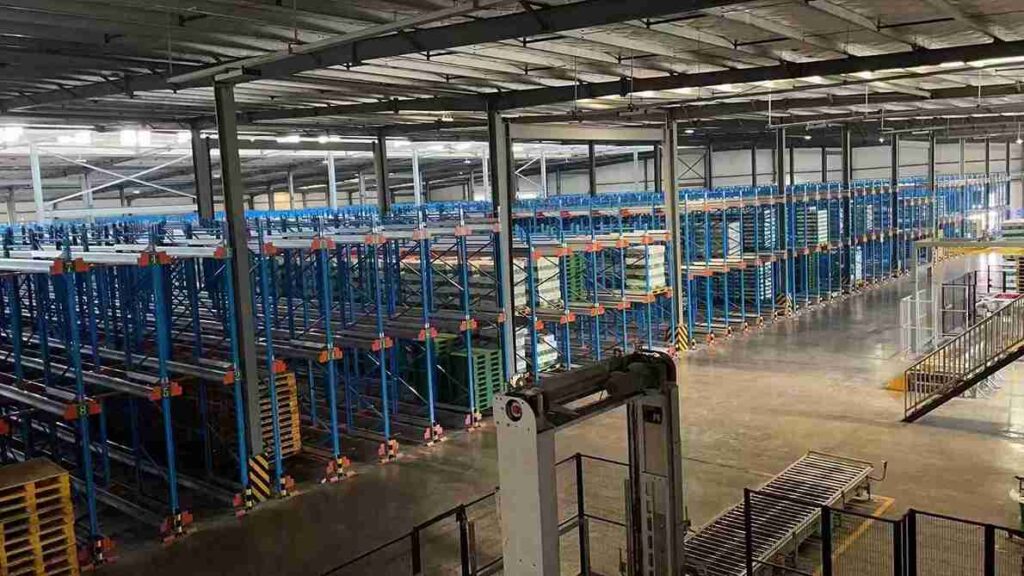
Chapter 11: 2‑Way vs 4‑Way High Density Pallet Shuttle System – Which One Fits Your Operation?
One of the most critical decisions when buying a High Density Pallet Shuttle System is choosing between 2‑way and 4‑way shuttles.
2‑Way High Density Pallet Shuttle System – Simplicity and Lower Cost
A 2‑way shuttle moves only forward and backward inside a lane. To move it to another lane, a forklift must lift and reposition it. This is acceptable when each lane is dedicated to a single SKU and the warehouse has many shuttles relative to lanes. The 2‑way High Density Pallet Shuttle System costs 30–40% less than a 4‑way system and has simpler software.
4‑Way High Density Pallet Shuttle System – Maximum Automation
A 4‑way shuttle can move forward, backward, and sideways, travelling across the racking from lane to lane without any forklift assistance. This turns the High Density Pallet Shuttle System into a fully autonomous fleet. The 4‑way High Density Pallet Shuttle System is ideal for high‑SKU warehouses, shared lane storage, and facilities with few shuttles relative to lanes. The higher upfront cost is quickly recovered through lower labour and higher utilisation.
Decision Framework for the High Density Pallet Shuttle System
| Criterion | Choose 2‑Way | Choose 4‑Way |
|---|---|---|
| Number of SKUs | Few (<50) | Many (>50) |
| Lane dedication | Dedicated per SKU | Shared lanes |
| Shuttles per 10 lanes | ≥2 shuttles | ≤1 shuttle |
| Labour cost for shuttle transfer | Basso | Alto |
| Budget constraint | Tight | Performance‑driven |
Many buyers start with a 2‑way High Density Pallet Shuttle System and later upgrade to 4‑way shuttles by purchasing new shuttles and updating software – the racking remains the same.
Chapter 12: Implementation Roadmap – Deploying Your High Density Pallet Shuttle System Without Disruption
A smooth deployment of a High Density Pallet Shuttle System follows a proven eight‑phase roadmap.
Phase 1: Requirements Definition (Weeks 1–2). Define current and future pallet positions, pallet dimensions, throughput needs, FIFO/LIFO preference, WMS integration requirements, and budget.
Phase 2: Supplier Selection and Design (Weeks 3–6). Send an RFQ to at least three suppliers of the High Density Pallet Shuttle System. Request site visits and preliminary layouts. Compare not just price but also experience, certifications, references, and support capability in the buyer’s region.
Phase 3: Site Preparation (Weeks 7–10). Clear the installation area, verify floor levelness (±10 mm), install electrical and network infrastructure, and plan a phased cutover to minimise disruption.
Phase 4: Racking Installation (Weeks 11–14). Professional teams erect uprights, beams, and guide rails, verifying tolerances with laser alignment.
Phase 5: Shuttle and Control System Installation (Weeks 14–16). Shuttles are placed on rails, lifts and base station are installed, and software is configured.
Phase 6: Integration Testing (Week 16). Simulate putaway, retrieval, multi‑shuttle coordination, and WMS communication. Stress test at peak throughput.
Phase 7: Operator Training (Week 17). Train forklift operators, supervisors, and maintenance technicians. Require hands‑on sign‑off.
Phase 8: Go‑Live and Post‑Installation Support (Week 18 onward). Run parallel with old system for one to two weeks, then switch fully. The High Density Pallet Shuttle System supplier should provide on‑site support for the first month, then remote support with periodic visits.
Chapter 13: Safety, Fire Protection, and Battery Technology in a High Density Pallet Shuttle System
A High Density Pallet Shuttle System is inherently safer than drive‑in racks, but additional measures enhance safety further.
Fire Protection for the High Density Pallet Shuttle System
Dense storage can complicate firefighting. A High Density Pallet Shuttle System should be equipped with in‑rack sprinklers (NFPA 13 compliant) and smoke detection. Some suppliers offer fire‑resistant shuttle coatings and automatic shutdown features that isolate affected lanes.
Battery Safety in the High Density Pallet Shuttle System
Lithium‑ion batteries are safe when properly managed. A quality High Density Pallet Shuttle System includes battery management systems (BMS) that prevent overcharging, overheating, and short circuits. Charging stations should be located in well‑ventilated areas with fire suppression. Spare batteries should be stored in fire‑rated cabinets.
Operator Safety and the High Density Pallet Shuttle System
Because forklifts never enter lanes, collisions with racking are virtually eliminated. Lane entrances should have guardrails and light curtains to prevent accidental entry. Emergency stop buttons should be placed along main aisles. The control system logs all shuttle movements, providing an audit trail for safety investigations.
Chapter 14: Maintenance and Troubleshooting for a High Density Pallet Shuttle System – A Practical Checklist
A well‑maintained High Density Pallet Shuttle System operates for 15–20 years with minimal downtime. A preventive maintenance schedule should include:
Daily: Clean shuttle sensors with a soft cloth; check battery level; inspect lane entrances for debris.
Weekly: Lubricate guide rails with approved grease; test emergency stops; review error logs.
Monthly: Measure wheel wear; tighten electrical connections; calibrate lifting platform height.
Quarterly: Perform a full system backup; test battery capacity; clean charging station contacts.
Annually: Have the supplier conduct a professional inspection, including laser alignment of racking and firmware updates.
Common troubleshooting for a High Density Pallet Shuttle System includes: shuttle not moving (check battery and emergency stop), pallet jamming (verify pallet dimensions and sensor alignment), and communication errors (check network cables and base station).
Chapter 15: The Future of the High Density Pallet Shuttle System – AI, IoT, and Predictive Analytics
Il High Density Pallet Shuttle System continues to evolve. Several trends will shape its next generation.
AI‑Driven Slotting for the High Density Pallet Shuttle System
Artificial intelligence can analyse historical order data to dynamically assign SKUs to lane segments, reducing shuttle travel time by 20–30%. Some High Density Pallet Shuttle System suppliers now offer AI slotting as a software add‑on.
IoT Sensors in the High Density Pallet Shuttle System
Internet of Things (IoT) sensors on shuttles and racking can monitor temperature, humidity, vibration, and even pallet tilt. This data feeds into predictive maintenance models, alerting operators before a component fails.
5G Connectivity for the High Density Pallet Shuttle System
Low‑latency 5G networks allow real‑time coordination of hundreds of shuttles across a large facility. A High Density Pallet Shuttle System using 5G can achieve higher throughput and more precise positioning than Wi‑Fi‑based systems.
Robotics‑as‑a‑Service (RaaS) for the High Density Pallet Shuttle System
RaaS models eliminate the upfront capital investment. Customers pay a monthly fee per shuttle and rack position, and the supplier retains ownership and handles maintenance. This makes the High Density Pallet Shuttle System accessible to even the smallest warehouses. RaaS is already available in Southeast Asia from several suppliers.
Conclusion: Why a High Density Pallet Shuttle System Is a Strategic Asset for Forward‑Looking Warehouses
Il High Density Pallet Shuttle System has proven itself across manufacturing, e‑commerce, and wholesale distribution in Southeast Asia, the Middle East, Africa, and Latin America. It delivers storage density increases of 60–200%, labour savings of up to 60%, near‑elimination of rack damage, and ROI payback within 12–30 months.
More than just a piece of equipment, the High Density Pallet Shuttle System is a strategic enabler. It allows warehouses to handle higher volumes without expanding buildings, to operate with fewer and safer forklift movements, and to integrate seamlessly with AGVs, ASRS, and WMS for fully automated logistics.
Wholesale pricing has brought the High Density Pallet Shuttle System within reach of medium‑sized companies. With RaaS models, even small warehouses can afford automation. The markets are ready – e‑commerce is booming, real estate is expensive, and labour is increasingly difficult to find and retain.
For any warehouse operator serious about staying competitive, the High Density Pallet Shuttle System is not an option; it is a necessity. Contact a trusted supplier today to request a free layout and quotation.
Frequently Asked Questions (FAQ) – Unique Questions Beyond the Article’s Headings
Q1: Can a High Density Pallet Shuttle System be installed in an existing building with low ceiling height?
Yes. Unlike some ASRS that require very tall buildings, a High Density Pallet Shuttle System can be installed with as few as two levels. The Belgian case study in this article used a low‑bay facility. The key is to match the shuttle’s lifting height to the available clearance.
Q2: How does a High Density Pallet Shuttle System handle pallets with broken bottom boards?
A High Density Pallet Shuttle System relies on a flat, stable bottom for proper lifting. Severely damaged pallets can cause jams. Most operators implement a simple pallet inspection at the receiving dock before pallets enter the shuttle system. Automated pallet inspection systems are also available.
Q3: What happens to the High Density Pallet Shuttle System during a power outage?
The shuttles run on batteries, so they remain operational for several hours. The racking is static, so pallets stay in place. If the outage is prolonged, the control system can be powered by a backup generator. Manual retrieval of shuttles is also possible using hand cranks.
Q4: Can a High Density Pallet Shuttle System store non‑palletised items like drums or spools?
Some manufacturers offer customised shuttles and racking for non‑palletised loads. For example, drum shuttles have curved platforms that cradle the drum. Spool shuttles have V‑shaped saddles. However, standard High Density Pallet Shuttle System components are designed for pallets.
Q5: Does a High Density Pallet Shuttle System require special forklifts?
No. Standard counterbalance forklifts, reach trucks, or AGVs can deposit and retrieve pallets at the lane entrance. The only requirement is that the forklift’s fork length and lifting height match the lane entrance design. This makes the High Density Pallet Shuttle System easy to integrate into existing fleets.
Se avete bisogno di disegni CAD e preventivi perfetti per le scaffalature da magazzino, contattateci. Possiamo fornirvi servizi e preventivi gratuiti di pianificazione e progettazione di scaffalature per magazzini. Il nostro indirizzo e-mail è: jili@geelyracks.com