📐 "First 50 Enterprise Queries Get Custom 3D Warehouse Design" Plan


The Definitive Guide to Custom Forklift AGVs for Unlocking Maximum Warehouse Density
In the high-stakes world of global logistics and manufacturing, the efficiency of a warehouse is a direct determinant of profitability. For businesses operating in the dynamic markets of Southeast Asia, the Middle East, Africa, and Latin America, where space is often limited and labor costs are rising, the challenge is acute. The conventional warehouse, with its wide aisles designed for manual forklifts, is an artifact of a bygone era—a source of crippling inefficiency and wasted potential.
The solution lies in a transformative fusion of high-density storage and intelligent automation. This guide delves into the pivotal role of Custom Forklift AGVs in this transformation. These are not merely automated vehicles; they are the core component of a fully integrated, data-driven ecosystem designed to maximize storage capacity, slash operational expenditures, and build a resilient, scalable supply chain. By focusing on seamless integration within narrow aisles and high-density configurations, businesses can turn their storage facilities into a powerful competitive weapon.
The Inefficiency Epidemic: Why Traditional Warehousing Reaches Its Limits
Many facilities are trapped by their original design, unable to adapt to the demands of modern e-commerce and just-in-time manufacturing. The limitations of traditional systems create a hard ceiling on growth and profitability.
The Spatial and Financial Drain of Wide-Aisle Layouts
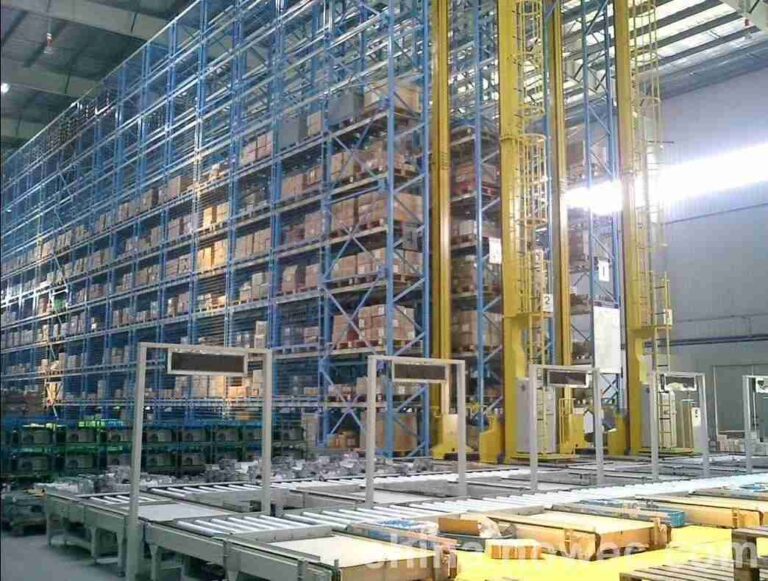
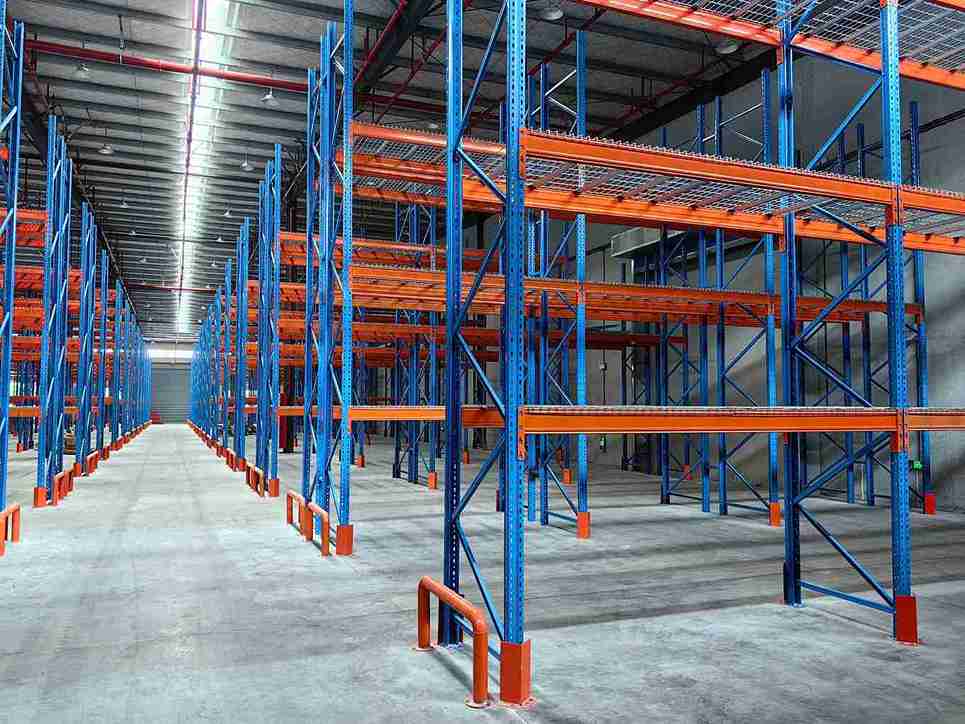
A warehouse with aisles wide enough for a man-aboard forklift is a warehouse where non-productive space can account for over 50% of the total floor area. This is a direct financial drain on the business, paying for expensive industrial real estate that is used for empty corridors. Furthermore, failing to utilize the full vertical height of a facility compounds this waste. High-density storage principles directly attack this problem, but they require a material handling solution that can operate effectively within the constrained spaces they create. Standard forklifts simply cannot function in these environments, creating a critical operational bottleneck.
Human-Centric Systems: Inconsistency, Error, and Unmanaged Risk
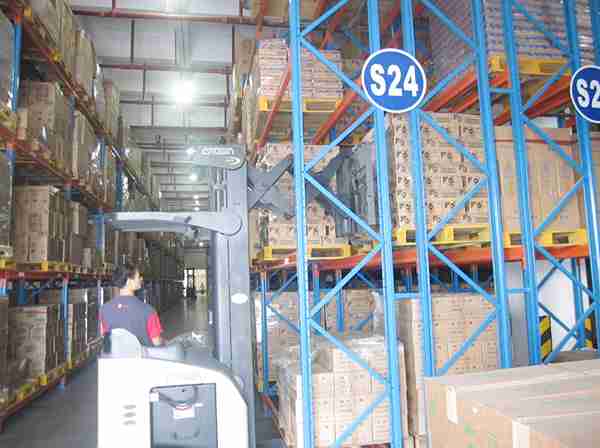
Even in facilities that have adopted narrow-aisle racking, reliance on human operators presents significant challenges. Operator skill, focus, and fatigue introduce a high degree of variability in travel speeds, lifting times, and placement accuracy. This inconsistency directly limits throughput. Furthermore, the risk of product and racking damage from impacts is a constant, costly reality.
In high-value inventory environments, such as electronics or pharmaceuticals, a single forklift impact can result in thousands of dollars in losses. The operational risk extends to workplace safety, with narrow aisles presenting a heightened danger of accidents. These inherent limitations of human-operated systems are the primary drivers for the adoption of advanced Forklift AGVs.
Deconstructing the Technology: What Are Forklift AGVs and How Do They Operate?
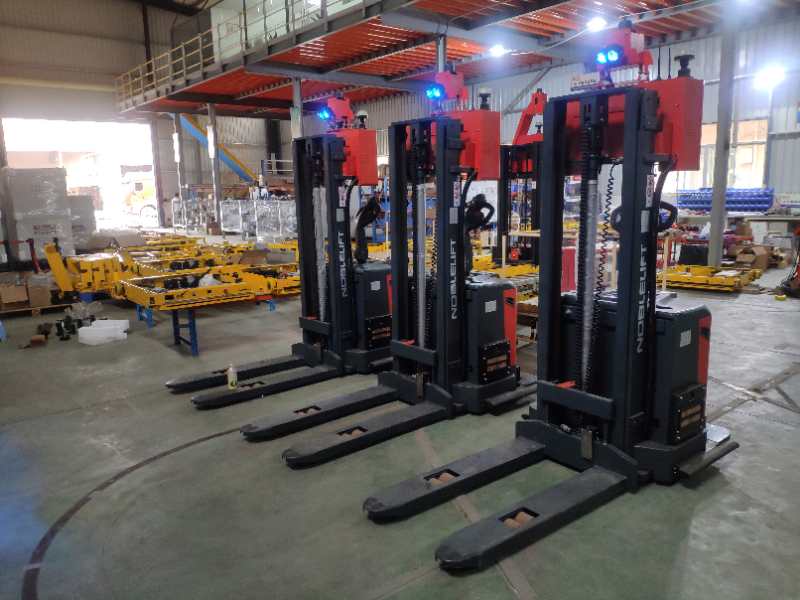
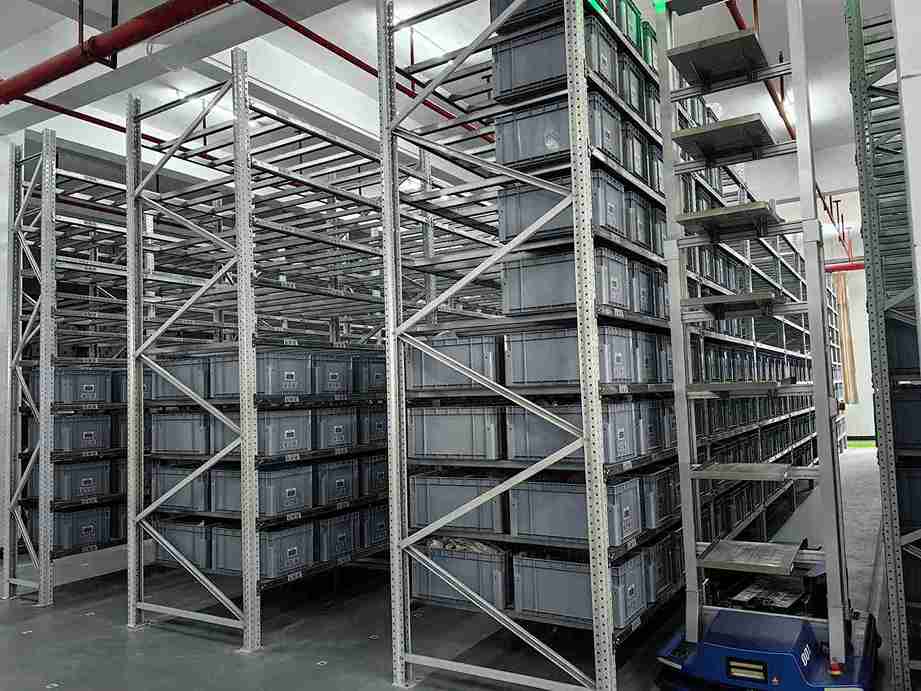
The term Forklift AGVs refers to a sophisticated class of robotic material handling vehicles engineered to perform the complex tasks of loading, unloading, and transporting pallets with complete autonomy. Unlike a simple automated cart, a true Forklift AGV replicates the core functions of a traditional forklift—lifting, traveling, and placing loads at height—but does so with unparalleled precision and consistency, 24/7.
The Navigation Stack: The “Eyes and Brain” of Forklift AGVs
The operational reliability of any Forklift AGVs system hinges on its navigation technology. Several proven methods exist, each with distinct advantages:
Laser Guidance (LiDAR): Often considered the premium solution for precision, these Forklift AGVs use rotating laser scanners to detect reflective targets strategically placed throughout the facility. By triangulating its position, the Forklift AGV can navigate with an accuracy of a few millimeters, which is absolutely critical for operating in Very Narrow Aisle (VNA) environments where clearances are minimal.
Inertial Guidance: This system uses internal gyroscopes and accelerometers to track the vehicle’s movement from a known point. It is frequently used in a hybrid model, supplementing other navigation systems like LiDAR to maintain position even if the primary signal is temporarily interrupted, ensuring continuous operation.
Natural Feature Navigation: Representing a significant advancement in flexibility, these Forklift AGVs use onboard cameras and sensors to create a 3D map of the warehouse based on its existing structural features—racking, columns, walls. They navigate by recognizing these natural landmarks, eliminating the need for floor wires or targets and making installation and future reconfigurations significantly easier.
Safety and Perception Systems: A non-negotiable aspect of all modern Forklift AGVs is their integrated safety suite. This includes 360-degree safety laser scanners that create dynamic protective fields, physical contact bumpers, and clear audible and visual warnings. These systems allow Forklift AGVs to operate safely in a collaborative environment, slowing down or coming to a complete stop when a person or obstacle is detected.
The Integration Imperative: A Phased Blueprint for Seamless Automation
The successful deployment of Custom Forklift AGVs is a disciplined, phased process. It is a strategic partnership between the client and the solution provider, not a simple product sale. The concept of “seamless integration” is achieved through meticulous planning and execution.
Phase 1: Deep-Dive Discovery and Digital Twin Creation
The foundation of a successful project is a profound understanding of the client’s unique operations. This begins with an in-depth consultation to analyze SKU profiles, peak throughput demands, and existing workflow pain points. Crucially, this phase often involves advanced 3D laser scanning of the facility. This process creates a millimeter-accurate “digital twin,” providing the precise data needed to design a solution where the Forklift AGVs will operate flawlessly within the real-world environment, accounting for every structural nuance.
Phase 2: Engineering the Custom Forklift AGVs and Infrastructure Interface
This is where the “Custom” in Custom Forklift AGVs is realized. Based on the digital twin and operational data, the Forklift AGVs are engineered to exact specifications:
Vehicle Configuration: The dimensions, load capacity (e.g., 1.5 or 2 tons), lift height, and travel speed of the Forklift AGVs are tailored to the specific aisle widths and storage profiles of the facility.
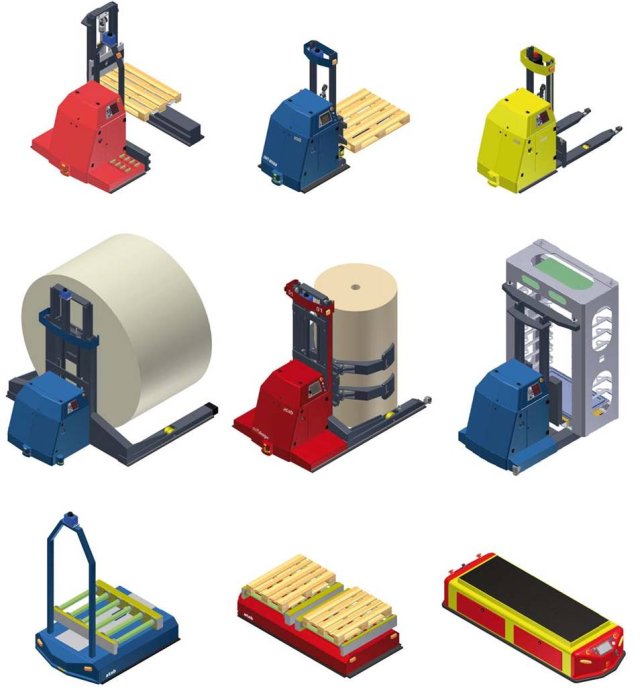
Attachment Specialization: The forks themselves are customized. Their length, width, and side-shift capability are engineered to interface perfectly with the client’s specific racking beams and pallet types, whether they are standard CHEP pallets or regional variants common in markets like Vietnam or Brazil.
Infrastructure Synergy: Often, minor, cost-effective modifications to the existing racking—such as adding guidance rails or target mounts—can optimize the performance and reliability of the Forklift AGVs, avoiding the need for a complete and costly racking replacement.
Phase 3: The Cognitive Layer: Software Integration and Fleet Intelligence
The physical Forklift AGVs are the muscles of the operation, but the software is the brain. A robust Fleet Management System (FMS) acts as the central nervous system, orchestrating the entire fleet of Forklift AGVs. This FMS is bidirectionally integrated with the client’s Warehouse Management System (WMS) or ERP. When the WMS generates a task—such as a put-away or retrieval order—the FMS receives it, intelligently dispatches the optimal Forklift AGV, and manages traffic routing to prevent congestion. Upon task completion, the Forklift AGV confirms the action back to the WMS, creating a closed-loop, data-rich, and error-free workflow.
Quantifying the Investment: The Multifaceted ROI of Deploying Forklift AGVs
The decision to invest in a fleet of Forklift AGVs is a strategic one, justified by a compelling and multi-layered return on investment that extends far beyond labor displacement.
Direct and Measurable Financial Gains
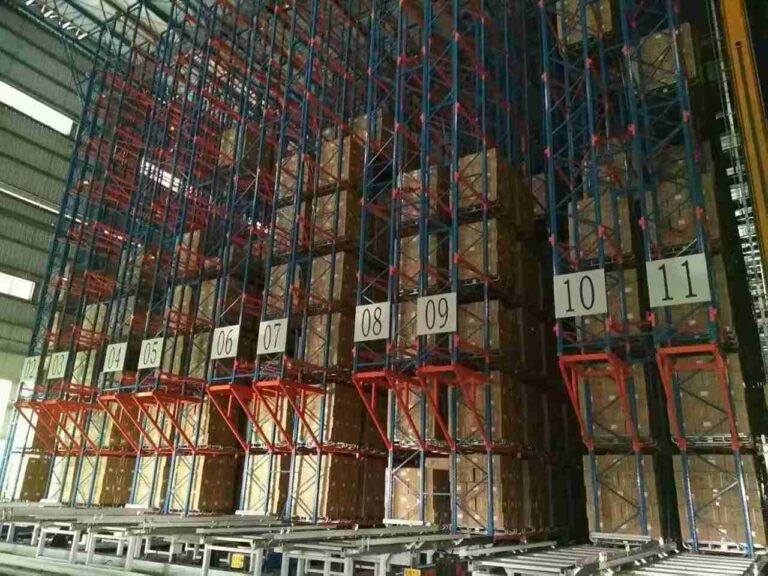
Exponential Storage Density Increase: By enabling aisles as narrow as 1.5 meters, a system built around Forklift AGVs can increase storage capacity by 20-50% within the same building footprint. This directly defers or eliminates the massive capital expenditure of building a new facility or leasing additional space.
Labor Optimization and Cost Mitigation: A single Forklift AGV can replace multiple shifts of a human operator. This allows businesses to reallocate their human capital to higher-value, cognitive tasks such as inventory management, quality control, and exception handling, while simultaneously reducing their vulnerability to labor shortages and rising wage pressures.
Uninterrupted Throughput: Forklift AGVs operate 24 hours a day, 365 days a year, unaffected by breaks, shift changes, or fatigue. This dramatically increases the annual throughput capacity of the facility, providing a critical advantage in meeting tight delivery windows and managing seasonal peaks.
Strategic and Indirect Value Drivers
Near-Total Elimination of Damage: The precision of Forklift AGVs eliminates the multi-thousand-dollar annual cost associated with damaged goods, racking, and infrastructure (e.g., sprinkler heads) caused by forklift impacts.
Transformative Safety Enhancement: Removing personnel from the high-risk environment of narrow aisles and heavy equipment traffic fundamentally improves workplace safety, leading to a stronger safety culture and potentially lower insurance premiums.
Unprecedented Data and Traceability: Every action performed by the Forklift AGVs is logged, creating a complete, auditable digital trail for every pallet. This data is invaluable for inventory accuracy, regulatory compliance, and continuous process improvement initiatives.
Global Applications: Forklift AGVs in Action Across Diverse Industries
The versatility of Custom Forklift AGVs is demonstrated by their successful implementation across a wide range of sectors in emerging markets.
E-Commerce Fulfillment Center, Thailand
A major e-commerce platform in Bangkok was constrained by its manual narrow-aisle system, which could not scale with surging order volumes. The implementation of a fleet of vision-guided Forklift AGVs resulted in a 35% increase in storage capacity and enabled consistent 24/7 operation. The Forklift AGVs seamlessly integrated with the existing WMS, slashing order cycle times and ensuring next-day delivery promises were met reliably, even during major sales events.
Pharmaceutical Cold Storage, Saudi Arabia
In a -20°C cold storage facility, human labor is inefficient, expensive, and subject to strict time limits due to the harsh environment. The deployment of cold-chain-rated Forklift AGVs transformed operations. These specialized Forklift AGVs now manage the entire pallet movement process, operating continuously and reliably. This resulted in a 70% improvement in throughput accuracy and ensured the integrity of temperature-sensitive pharmaceuticals, while providing a safe and consistent operational standard that was previously unattainable.
The Implementation Journey: A Roadmap to Operational Transformation
Adopting a fleet of Forklift AGVs is a significant capital project that requires careful management and clear communication.
Project Timeline and Critical Path Milestones
A typical project for deploying Custom Forklift AGVs spans 14 to 22 weeks from kick-off to full operational handover. This timeline encompasses detailed engineering, manufacturing and factory acceptance testing, on-site installation and commissioning, and comprehensive training. A professional provider will offer a transparent project plan with clearly defined milestones, ensuring the client is informed and engaged at every step of the journey.
Cultivating In-House Expertise: Training and Change Management
Technology is only one part of the equation. The long-term success of an automation project depends on the people who manage and interact with it. A superior provider offers multi-level training programs for maintenance technicians, system supervisors, and operational managers. This empowers the client’s team to take ownership of the system, perform basic troubleshooting, and understand how to leverage the Forklift AGVs for continuous operational improvement.
The Future-Proof Warehouse: Next-Generation Advancements in Forklift AGV Technology
The technology behind Forklift AGVs is in a constant state of evolution. Investing in a modern platform today positions a business for the advancements of tomorrow.
The Rise of Predictive and Prescriptive Analytics
The next frontier for Forklift AGVs is the integration of Artificial Intelligence and Machine Learning. Soon, Forklift AGVs systems will not just execute tasks; they will predict them. By analyzing historical and real-time data, AI-enhanced Forklift AGVs could pre-emptively suggest stock replenishment, identify potential bottlenecks before they occur, and dynamically optimize travel routes in real-time for maximum system-wide efficiency.
Swarm Intelligence and Hyper-Optimized Fleet Management
Future Fleet Management Systems will leverage concepts of swarm intelligence, where the fleet of Forklift AGVs operates as a unified, collaborative system rather than a collection of individual units. This “hive mind” approach would allow Forklift AGVs to self-balance workloads, collaboratively handle complex multi-vehicle tasks, and adapt to changing conditions with a level of coordination that far surpasses centralized, pre-programmed control.
Conclusion
The paradigm of warehouse management is shifting irrevocably from manual, labor-intensive processes to automated, intelligent, and data-driven ecosystems. In this new era, Custom Forklift AGVs are not a luxury but a fundamental component of a competitive and resilient logistics operation. For businesses in high-growth regions, the ability to maximize storage density and throughput within existing footprints is a decisive advantage. The journey requires a committed partnership with an expert provider capable of delivering true seamless integration. By embracing this technology, companies can transform their warehouses from cost centers into dynamic, scalable, and highly profitable hubs of their supply chain, ready to meet the demands of the future, today.
Frequently Asked Questions (FAQs)
1. How do Forklift AGVs handle charging, and what is their typical uptime?
Modern Forklift AGVs typically use high-capacity lithium-ion batteries and are equipped with opportunity charging systems. This allows them to autonomously dock at quick-charge stations during natural breaks in their workflow (e.g., while waiting for a new task), ensuring 24/7 operational availability. The system is designed for maximum uptime, often exceeding 98%, with scheduled maintenance being predictive and planned to avoid disruption.
2. Can a Forklift AGV system be expanded or reconfigured later if our needs change?
Absolutely. One of the key strengths of a well-designed Forklift AGVs system is its scalability. Additional Forklift AGVs can be integrated into the existing fleet management system to increase throughput. Furthermore, if the warehouse layout changes, navigation paths for natural feature-based Forklift AGVs can be remapped, or targets for laser-guided systems can be repositioned, providing significant long-term flexibility.
3. What kind of data and reporting capabilities do Forklift AGV systems provide?
The Fleet Management System for Forklift AGVs is a rich source of operational business intelligence. It provides real-time and historical data on key metrics such as: total pallets moved per hour/shift, individual Forklift AGV utilization rates, task cycle times, energy consumption, and system health status. This data can be visualized through custom dashboards and is invaluable for performance management and continuous improvement.
4. Are there specific types of pallets or loads that challenge Forklift AGVs?
Forklift AGVs are highly capable, but non-standard loads can present challenges. Pallets that are severely damaged, unstable, or have overhanging loads may require special handling protocols. During the consultation phase, load analysis is conducted, and the Forklift AGVs can be equipped with specialized attachments (e.g., slip-sheet handlers, clamp attachments) to handle a wide variety of load types safely and efficiently.
5. How is the total cost of ownership (TCO) for a Forklift AGV fleet calculated, and how does it compare to a manual fleet?
The TCO for Forklift AGVs includes the initial investment, installation, and ongoing maintenance/support. When compared to a manual fleet, the analysis must factor in: savings from reduced labor (including benefits and overtime), elimination of damage costs, increased throughput revenue, energy costs, and avoidance of future expansion costs. A detailed TCO analysis conducted by an expert provider almost always reveals a compelling financial case for Forklift AGVs over a 3-5 year period, with the ROI becoming increasingly favorable over time.
If you require perfect CAD drawings and quotes for warehouse racking, please contact us. We can provide you with free warehouse racking planning and design services and quotes. Our email address is: jili@geelyracks.com