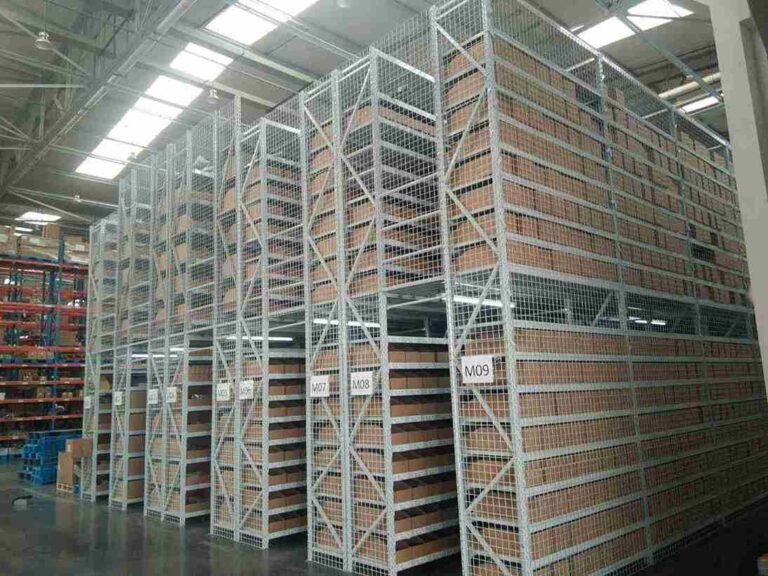
📐 "First 50 Enterprise Queries Get Custom 3D Warehouse Design" Plan


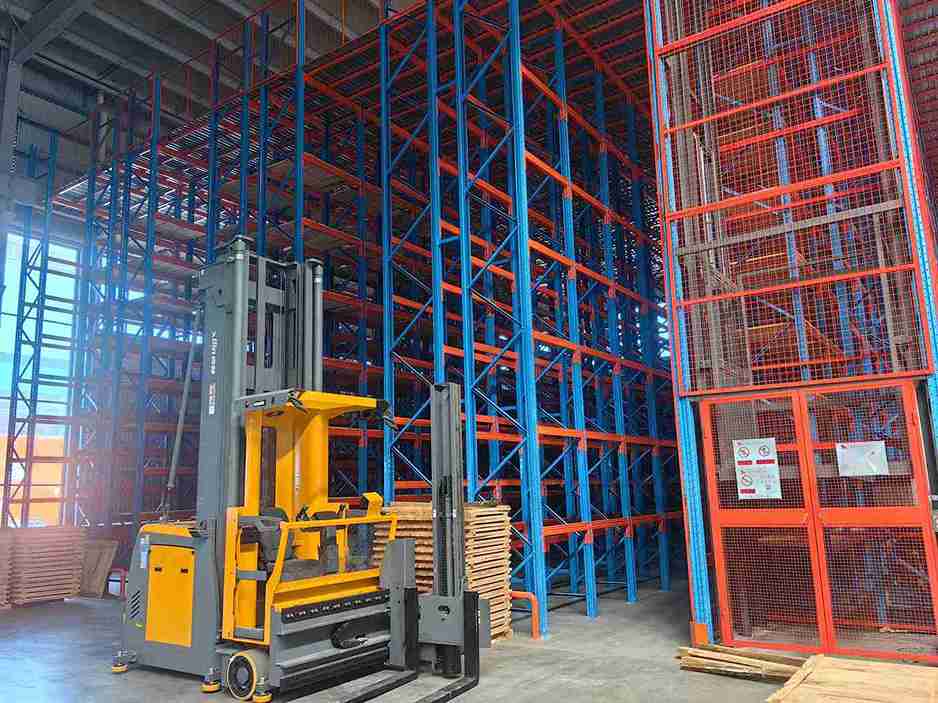
Navigating the New Frontier of Storage Density and Operational Resilience
In the relentless pursuit of supply chain optimization, the warehouse has transformed from a static storage space into a dynamic, high-throughput nerve center. This evolution is most palpable in the critical narrowing of aisles, a strategic move to unlock unprecedented storage density without the prohibitive cost of physical expansion. At the heart of this high-stakes environment operates a singularly pivotal piece of equipment: electric forklifts for narrow aisles. These are not merely adapted versions of their standard counterparts; they are precision-engineered systems designed to master the unique triad of challenges presented by confined spaces, towering racking, and increasingly demanding operational environments from cold storage to sterile pharmaceutical hubs.
The selection and deployment of the right electric forklifts for narrow aisles constitute one of the most consequential decisions for warehouse managers and logistics directors across Southeast Asia’s booming e-commerce sectors, the Middle East’s vast logistics hubs, Africa’s growing manufacturing bases, and Latin America’s expansive agricultural export facilities. This definitive guide delves beyond specifications and sales brochures. It provides a comprehensive, experience-driven exploration of why these specialized machines are the linchpin of modern intralogistics, how their core technologies deliver stability and agility under duress, and what actionable insights operations leaders need to harness their full potential for superior return on investment and competitive advantage.
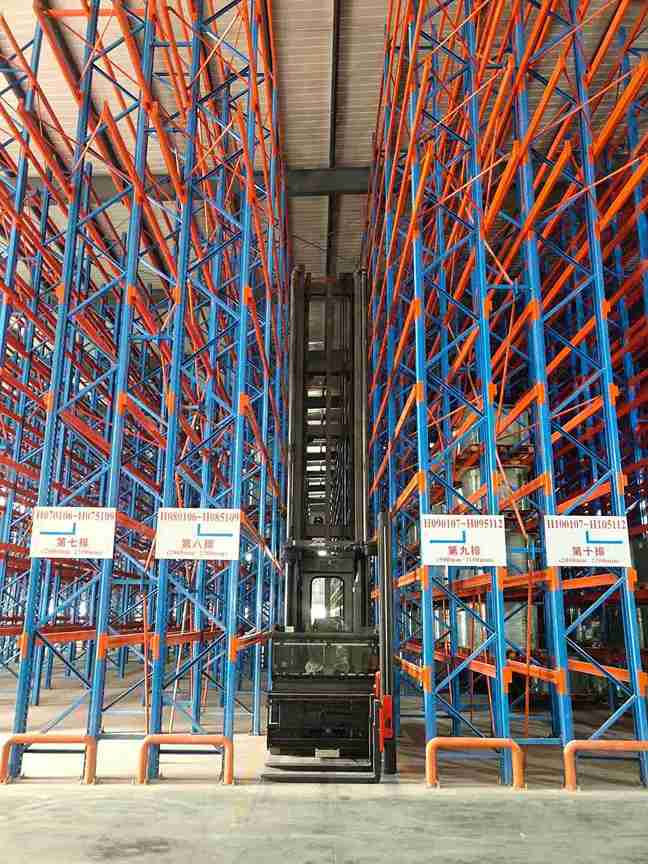
The Imperative of Specialization: Why “One-Size-Fits-All” Fails in Tight Spaces
The fundamental logic driving the adoption of dedicated electric forklifts for narrow aisles is rooted in physics, ergonomics, and economics. Standard counterbalance forklifts, whether electric or internal combustion, are engineered for versatility in open spaces. Their design footprint and turning radius become severe liabilities in aisles designed to be just centimeters wider than the pallet and the truck itself. Attempting to use standard equipment in such an environment inevitably leads to a cascade of operational failures: chronic racking damage from inevitable impacts, excruciatingly slow travel and maneuvering speeds that throttle throughput, and elevated operator stress and safety risks.
Conversely, purpose-built electric forklifts for narrow aisles are conceived from the ground up for this specific mission. Every component—from the chassis geometry and mast design to the control interface and power system—is optimized for a singular objective: to move and place loads with pinpoint accuracy, maximum speed, and inherent stability within a spatially constrained, high-bay environment. This specialization is the cornerstone of achieving the promised benefits of high-density storage. Without the right truck, the narrow aisle racking investment is underutilized at best and a persistent operational hazard at worst.
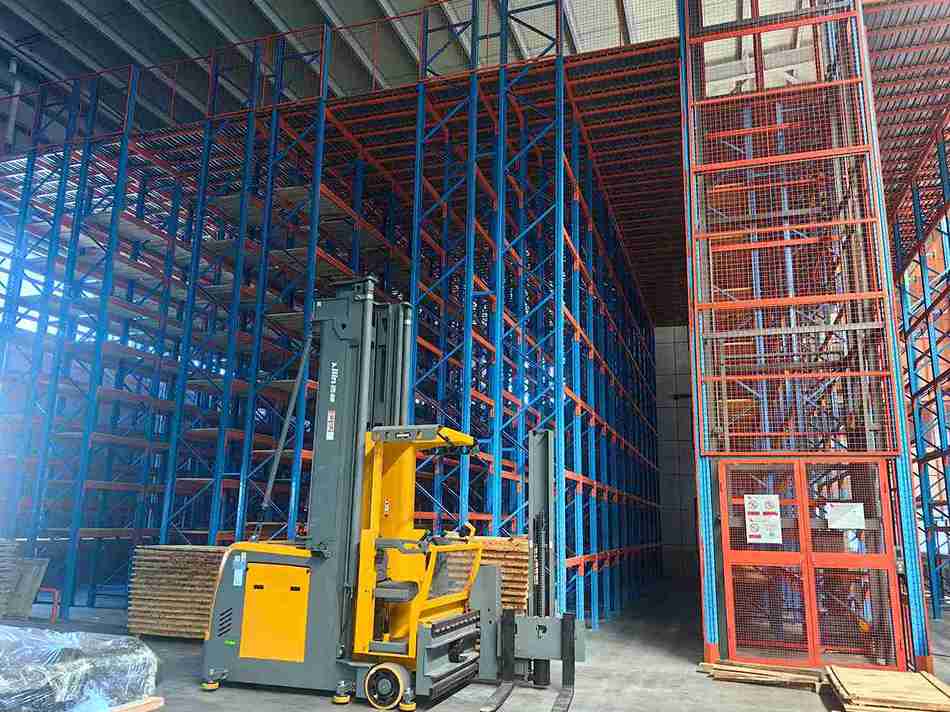
Deconstructing Performance: The Engineering Pillars of Superior Narrow Aisle Electric Forklifts
The market offers a spectrum of equipment under the broad banner of electric forklifts for narrow aisles. Discerning the truly capable from the merely adequate requires understanding four non-negotiable engineering pillars.
1. Dynamic Stability: The Foundation of Safety and Precision at Height
In a high-bay warehouse, a pallet lifted to 12 meters (40 feet) acts as a sail, and the forklift mast becomes a long lever. Any instability is magnified, threatening catastrophic load drops or rack collisions. Superior electric forklifts for narrow aisles achieve dynamic stability through integrated design choices.
Low and Centralized Mass: The substantial lithium-ion battery pack is positioned as a monolithic, low-center-of-gravity weight within the chassis. This counters the high-placed load, creating a pendulum-resistant platform.
Mast Integrity and Stiffness: Utilizing high-grade steel and advanced welding techniques, the mast’s resistance to lateral deflection (“mast wiggle”) is paramount. Multi-function rollers and precision-machined channels ensure smooth, play-free vertical travel, allowing an operator to confidently position a load without last-minute drifts.
Chassis and Axle Rigidity: A robust, rigid chassis ensures that the reaction forces from steering and lifting are absorbed without flex that could misalign the wheels, leading to “crabbing” in the aisle and accelerated tire/floor wear.
2. Pinpoint Agility: Mastering the Confined Space
Agility in a narrow aisle is not about speed alone; it is about controlled, predictable, and efficient movement. The best electric forklifts for narrow aisles achieve this through advanced drivetrain and control systems.
AC Drive Motor Technology: Modern AC motors offer instant torque, seamless acceleration and deceleration, and exceptional control at low speeds. This allows for the inch-perfect “creeping” needed for final load positioning without the jerkiness associated with older DC systems.
Multi-Mode Steering Architectures: Depending on the aisle width and application, agility is delivered through different systems. Articulated steer trucks offer a tight turning circle for aisles around 1.8 meters. *3-Wheel electric forklifts for narrow aisles* provide exceptional maneuverability. For Very Narrow Aisle (VNA) applications under 1.6 meters, guided or wire-guided systems take human steering error out of the equation, allowing the truck to travel at optimal speeds with absolute aisle-centering precision.
Ergonomic and Intuitive Control Systems: Operator input is a key component of agility. Responsive controls, clear visibility (often enhanced by camera systems), and customizable performance profiles allow the operator to become an extension of the machine, working quickly and confidently without fatigue.
3. The Electric Powertrain: An Environmental and Economic Necessity
The shift to electric power in material handling is irreversible, and in the context of electric forklifts for narrow aisles, it is particularly compelling.
Zero Local Emissions: In enclosed aisles with potentially limited air circulation, the absence of exhaust fumes is a critical worker health and safety requirement. This is non-negotiable in food, pharmaceutical, and other clean-environment facilities.
Reduced Heat and Noise: Electric motors generate far less waste heat and operate more quietly than internal combustion engines. This improves the working environment for operators and prevents unwanted heat transfer into temperature-controlled storage zones, a major factor in energy cost savings for cold storage operations.
Predictable Energy Costs and Lower TCO: Electricity costs are typically more stable than fossil fuels. When coupled with high-efficiency lithium-ion batteries, the total energy cost per pallet move plummets. Reduced maintenance—no engine oil, filters, spark plugs, or complex emissions systems—further drives down the Total Cost of Ownership (TCO) over the life of the electric forklifts for narrow aisles.
4. Durability and Resilience: Built for the Demanding Real World
Warehouses are not clean rooms. They are environments of constant vibration, occasional impact, dust, moisture, and, in many global markets, significant climatic variation. Premium electric forklifts for narrow aisles are built to endure.
Environmental Protection Ratings: Critical electrical components, controllers, and displays are housed in enclosures with ingress protection ratings (e.g., IP54, IP65) to shield against dust and water spray from cleaning.
Robust Component Selection: From heavy-duty drive units to reinforced hydraulic hoses and sealed bearings, durability is baked in through the specification of industrial-grade components designed for 24/7 operation.
Corrosion Resistance: For operations in coastal regions (common in Southeast Asia and Latin America) or cold storage with high humidity, special paint processes, stainless steel fittings, and zinc-plated fasteners combat corrosion, extending the equipment’s service life dramatically.
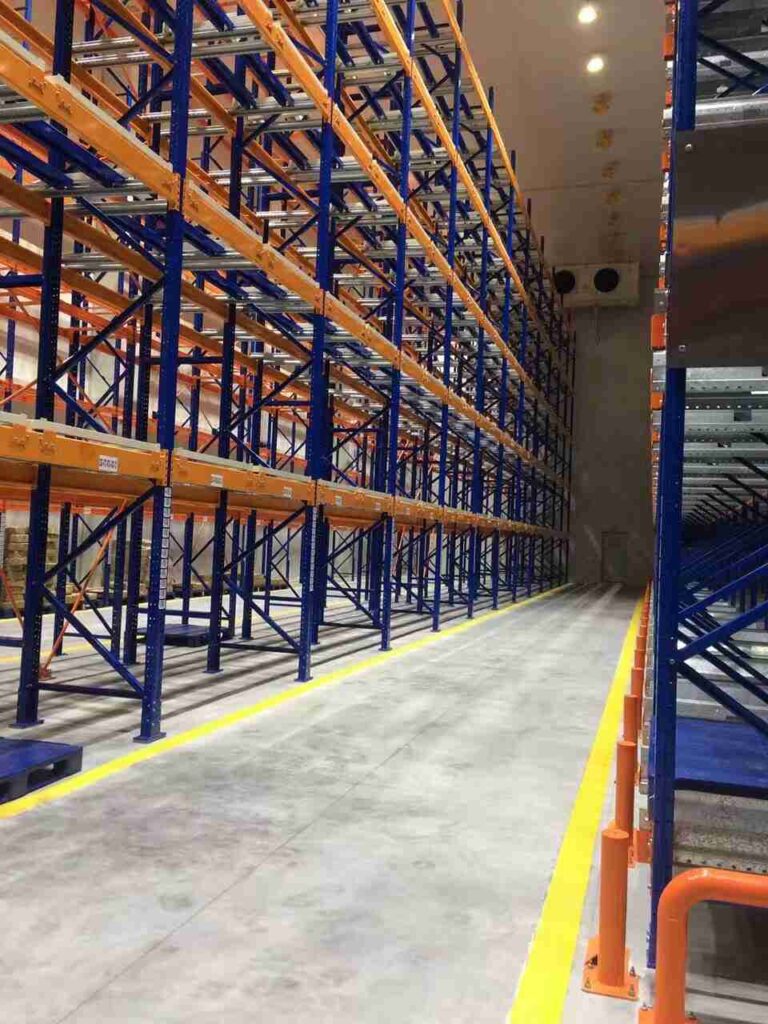
The Cold Storage Crucible: A Ultimate Test for Electric Forklifts for Narrow Aisles
Cold storage and freezer applications represent the most severe operational environment for any material handling equipment. Here, the choice of electric forklifts for narrow aisles moves from a tactical decision to a strategic imperative for business continuity. The challenges are multifaceted:
Catastrophic Impact of Temperature on Materials: Standard plastics become brittle, seals harden and crack, hydraulic oil thickens into sludge, and battery chemistry slows dramatically. A generic electric forklift will fail quickly and expensively.
Condensation and Ice Buildup: Moving from a -25°C freezer to a +15°C staging area causes rapid condensation, which then freezes inside components, jamming mechanisms and shorting electrical systems.
Operator Physiology and Safety: Human performance declines sharply in the cold. Numb fingers, reduced visibility from fogging, and the sheer physical discomfort limit productivity and increase error rates.
A true cold-optimized electric forklift for narrow aisle application is a comprehensively modified system:
Environmental Packages: These include special low-temperature hydraulic oils and greases, elastomer seals rated for extreme cold, insulated and heated compartments for the battery and electronic control units, and cabin heaters or fully enclosed, heated operator compartments.
Cold-Rated Lithium-Ion Technology: This is a game-changer. Advanced Battery Management Systems (BMS) with active thermal management keep lithium-ion cells in their optimal temperature range, preventing the massive capacity loss of traditional lead-acid batteries and enabling opportunity charging even in sub-zero environments.
Traction and Visibility Enhancements: Special tire compounds maintain grip on icy floors. Demisting systems for masts and cameras, and powerful defrosters for cabins, are essential for maintaining operator awareness and safety.
Deploying the correct electric forklifts for narrow aisles in cold storage doesn’t just prevent breakdowns; it ensures consistent, high-level throughput, protects valuable inventory from temperature excursions caused by extended door openings, and safeguards operator well-being. The ROI is measured not just in pallets moved, but in energy savings from efficient operation and the avoidance of catastrophic system failure.
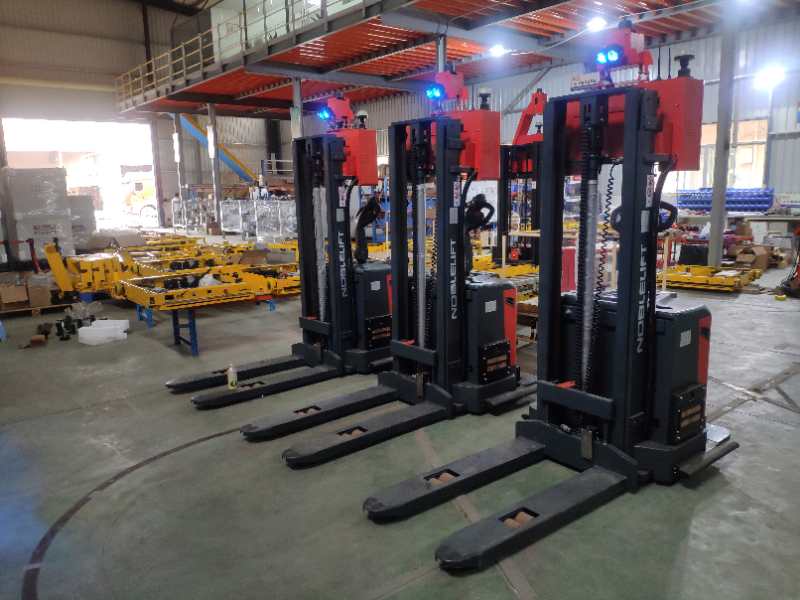
The Automation Convergence: Electric Forklifts for Narrow Aisles as a Gateway to Autonomy
The modern warehouse is on a spectrum of automation. Electric forklifts for narrow aisles, with their precise electronic control and guidance capabilities, sit at the perfect intersection between manual operation and full autonomy. They are the ideal platform for incremental automation investments.
Operator-Assist and Safety Systems: Even in manual mode, modern electric forklifts for narrow aisles are laden with sensors. 3D cameras, LiDAR, and ultrasonic sensors provide 360-degree collision avoidance, automatically slowing or stopping the truck. Load stability sensors can prevent mast functions if an unstable pallet is detected. These systems reduce damage and accidents while building operator trust.
Wire and Rail Guidance: This is a foundational automation step for VNA applications. The truck follows a physical or magnetic guide path in the floor with absolute precision, allowing for higher travel speeds, eliminating rack damage from steering drift, and reducing operator cognitive load. These guided electric forklifts for narrow aisles represent a significant leap in density and productivity.
Full Autonomy: The AGV/AMR Evolution: The logical progression is to remove the operator altogether. By integrating advanced navigation software, fleet management systems, and pallet recognition technology, a narrow aisle electric forklift can be transformed into an Autonomous Mobile Robot (AMR) or Automated Guided Vehicle (AGV). These units can work around the clock, executing put-away and retrieval orders transmitted directly from the Warehouse Management System (WMS), seamlessly dovetailing with other automated systems like conveyor sorters or pallet shuttles.
For businesses in growth markets contemplating automation, starting with a fleet of modern, sensor-rich electric forklifts for narrow aisles creates a scalable pathway. It allows for initial deployment in manual or assisted modes, with a clear, low-risk upgrade path to semi-autonomous or fully autonomous operation as needs and budgets evolve.
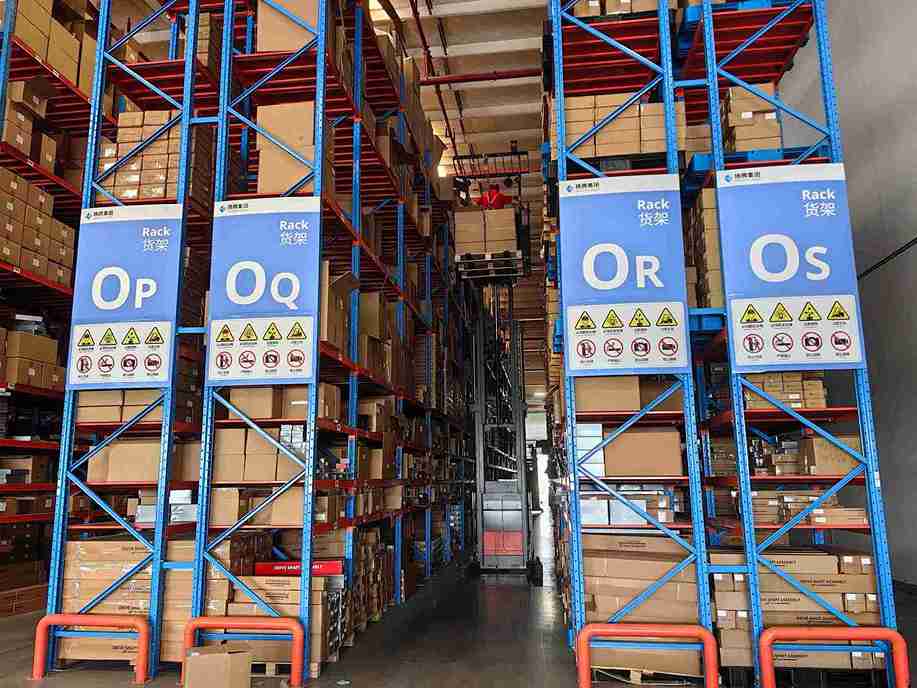
The Global Application: Tailoring Electric Forklifts for Narrow Aisles to Regional Markets
The operational requirements and economic calculus for deploying electric forklifts for narrow aisles vary significantly across the world’s emerging logistics frontiers. A nuanced understanding of these regional differences is key to successful implementation.
Southeast Asia: Characterized by rapid e-commerce growth, high humidity, and often less consistent grid power infrastructure. Here, electric forklifts for narrow aisles must be robust against moisture, and the economic case for lithium-ion batteries is strengthened by their ability to charge opportunistically during stable grid periods, acting as a buffer against power fluctuations. The focus is on maximizing throughput in densely populated urban fulfillment centers.
The Middle East: Facilities face extreme heat and dust. Cooling systems for electronics and enhanced filtration are critical. The shift from diesel to electric power offers significant savings in air-conditioned warehouses, as electric trucks emit far less waste heat. The high-density storage enabled by electric forklifts for narrow aisles is highly valued in sprawling logistics parks serving as global transit hubs.
Africa: Diverse challenges include voltage instability, a need for extreme durability, and often longer distances to service centers. Electric forklifts for narrow aisles designed for this market prioritize component simplicity, ruggedness, and easy serviceability. Lithium-ion technology, with its longer life and reduced maintenance, can offset challenges in accessing technical support for complex engine systems.
Latin America: A mix of large-scale agricultural export warehouses (often requiring cold storage solutions) and growing manufacturing. Electric forklifts for narrow aisles must handle temperature variations and are increasingly sought after for their clean operation in food and beverage processing facilities. The economic argument hinges heavily on TCO and reliability to support just-in-time export logistics.
In all these markets, the common thread is the move away from viewing the forklift as a commodity. Instead, forward-thinking operators see electric forklifts for narrow aisles as a technologically advanced, productivity-generating asset that must be carefully selected, seamlessly integrated, and professionally supported to deliver its promised value.
The Total Cost of Ownership Analysis: Justifying the Investment in Superior Electric Forklifts for Narrow Aisles
The capital expenditure for high-quality electric forklifts for narrow aisles, particularly those equipped for demanding environments or with advanced automation features, is invariably higher than for a standard forklift. The justification lies in a comprehensive Total Cost of Ownership analysis that captures both direct and indirect costs and benefits over a 5-10 year lifecycle.
1. Direct Cost Savings:
Energy Consumption: High-efficiency AC drive systems and lithium-ion batteries can reduce energy costs per operating hour by 50% or more compared to older electric or internal combustion alternatives.
Maintenance and Downtime: Fewer moving parts, no engine-related maintenance, and longer service intervals for key components drastically reduce annual maintenance costs. Predictive diagnostics can prevent unplanned downtime, which in a high-density facility can cost thousands per hour in stalled operations.
Infrastructure Damage Avoidance: The stability and precision of purpose-built electric forklifts for narrow aisles virtually eliminate costly damage to racking, walls, and other infrastructure—a hidden but massive cost center with standard equipment in tight spaces.
2. Productivity and Operational Gains (The “Return on Performance”):
Increased Throughput: Faster travel and lift speeds, reduced maneuvering time, and the ability to operate confidently in tighter aisles directly translate to more pallets moved per shift.
Enhanced Storage Density: This is the primary driver. By enabling aisles to be 30-50% narrower, electric forklifts for narrow aisles can increase storage capacity within the same building footprint by 20-40%, deferring or eliminating the need for costly expansion or new construction.
Labor Optimization: Easier-to-operate trucks with superior ergonomics reduce operator fatigue and training time. Automation features, from simple guidance to full autonomy, can allow one operator to manage multiple trucks or redeploy labor to higher-value tasks.
3. Strategic and Intangible Benefits:
Sustainability and Compliance: Zero emissions improve workplace air quality and help meet corporate sustainability goals and increasingly stringent local environmental regulations.
Safety Record: Advanced safety systems reduce accident rates, lowering insurance premiums and protecting the workforce.
Supply Chain Resilience: Reliable, high-throughput equipment is the backbone of a resilient warehouse capable of responding to demand surges and maintaining service levels.
When this full-spectrum analysis is conducted, the premium for best-in-class electric forklifts for narrow aisles is not a cost but an investment with a clear, quantifiable, and often rapid payback period. The focus shifts from purchase price to cost per pallet moved over the asset’s life—a metric where these specialized machines excel.
Implementing for Success: A Phased Approach to Deployment
The successful integration of a fleet of electric forklifts for narrow aisles into a live warehouse operation is a project that demands careful planning. A phased, consultative approach mitigates risk and ensures success.
Phase 1: Deep-Dive Site and Process Audit
This goes beyond measuring aisle widths. It involves analyzing the complete workflow: SKU profiles, inbound/outbound flow patterns, peak season demands, WMS capabilities, and facility constraints like column spacing, door locations, and floor conditions. This phase defines the precise performance requirements for the electric forklifts for narrow aisles.
Phase 2: Solution Modeling and Validation
Using this data, specialists can model different configurations of electric forklifts for narrow aisles (e.g., turret trucks vs. guided VNA), racking layouts, and charging strategies. Advanced simulation software can forecast throughput, identify potential bottlenecks, and provide a data-backed recommendation. A site trial or demo with a shortlisted truck in the actual operating environment is invaluable.
Phase 3: Site Preparation and Integration
Once selected, the site must be prepared. This may involve ensuring floor flatness tolerances are met, installing guide wire or navigation markers for automated systems, setting up strategically located opportunity charging stations, and ensuring the WMS is configured for optimal task assignment to the new equipment.
Phase 4: Comprehensive Training and Change Management
The most advanced electric forklift for narrow aisle is only as good as its operator and maintenance team. Training must be extensive, covering not just basic operation but also the unique characteristics of the truck, daily checklists, battery management, and how to interpret diagnostic information. Engaging operators early in the process fosters buy-in and smooths the transition.
Phase 5: Lifecycle Support and Continuous Optimization
Post-deployment support is critical. This includes scheduled maintenance from trained technicians, readily available spare parts (a key consideration for operations in remote areas), and leveraging fleet management software to monitor performance, utilization, and energy consumption, allowing for ongoing tuning of the system.
Conclusion: The Strategic Edge in a Constrained World
The global trend is unequivocal: space is at a premium, labor is a strategic resource, and supply chain agility is the ultimate competitive differentiator. In this context, the warehouse aisle is not just a passageway; it is a critical throughput corridor where efficiency is won or lost. Standard material handling solutions are fundamentally mismatched for this new reality.
The specialized electric forklifts for narrow aisles emerge as the indispensable tool for mastering this environment. They represent the convergence of mechanical engineering, electrical innovation, and digital intelligence, purpose-built to turn the constraints of high-density storage into overwhelming operational advantages. From the frozen aisles of a seafood export hub in Vietnam to the high-bay e-commerce fulfillment center in Saudi Arabia, and the automated pharmaceutical warehouse in Brazil, these machines are the workhorses of modern commerce.
Investing in the right electric forklifts for narrow aisles is not an equipment purchase; it is a capital allocation towards a more productive, resilient, and profitable logistics operation. It is a decision that pays dividends daily in the form of higher throughput, lower costs, safer operations, and the priceless ability to do more within the four walls you already have. For leaders looking to build a future-proof logistics network, the journey begins—and the competitive edge is secured—in the narrow aisle.
Frequently Asked Questions (FAQs)
1. How does the performance of lithium-ion batteries in electric forklifts for narrow aisles compare to traditional lead-acid in high-ambient temperature regions like the Middle East?
While cold is a challenge for lead-acid, extreme heat is equally damaging, causing accelerated corrosion and water loss. Lithium-ion batteries, with their integrated Battery Management Systems (BMS), actively manage cell temperature, preventing damage from heat. Their higher efficiency also means less waste heat is generated during charging and discharging. In high-temperature environments, lithium-ion electric forklifts for narrow aisles typically demonstrate longer battery life, more consistent shift-long performance, and drastically reduced maintenance (no watering, no acid checks), offering a superior TCO despite a higher upfront cost.
2. Can existing narrow aisle racking be used with new, more advanced electric forklifts for narrow aisles, or is a retrofit required?
Compatibility must be rigorously checked. While aisle width is a primary factor, other racking specifications are crucial: beam face thickness and height, floor flatness in the aisle, and the condition of base rails and column guards. Newer, higher-performance electric forklifts for narrow aisles may have different mast profiles or require specific clearances for sensors. A professional site survey is essential. Often, existing racking can be used, but modifications like adding protective guarding, adjusting beam levels, or improving aisle floor condition may be recommended to optimize performance and safety.
3. What is the typical learning curve for operators transitioning from standard counterbalance forklifts to specialized electric forklifts for narrow aisles?
The transition requires a mindset shift from “driving a vehicle” to “operating a precision materials handling system.” For a proficient operator, basic controls are mastered quickly, often within a day or two. However, achieving true proficiency—operating at full speed with absolute confidence and precision in ultra-tight spaces—can take several weeks of consistent use. High-quality, hands-on training that includes practicing in a defined area with mock racking is invaluable. The ergonomic and assisted features of modern electric forklifts for narrow aisles (like cameras, guided travel, and simplified controls) actually help accelerate this process and reduce operator stress.
4. For facilities with both wide and very narrow aisles, is it better to have a mixed fleet or use a versatile electric forklift for narrow aisles throughout?
A mixed fleet strategy is often optimal for cost-effectiveness and productivity. Use standard electric counterbalance forklifts for loading/unloading, staging, and working in wide aisles where their speed and versatility shine. Deploy specialized electric forklifts for narrow aisles (like turret or VNA trucks) exclusively for the high-density storage aisles where their unique capabilities are essential. Using a narrow aisle truck for all tasks is inefficient, as its travel speed in open areas is usually lower, and it may not have the load capacity or reach for dock work. Fleet management software can help assign the right truck to the right task seamlessly.
5. How critical is the Warehouse Management System (WMS) integration when deploying a fleet of advanced electric forklifts for narrow aisles, especially with guided or automated features?
Integration moves from “beneficial” to “critical” as the level of automation increases. For basic wire-guided electric forklifts for narrow aisles, the WMS needs to provide put-away and pick locations. For systems with onboard computers or full AGVs, deep two-way integration is vital. The WMS must send optimized, sequenced tasks to the truck, and the truck must send back real-time status updates (task complete, battery level, faults). This integration is what transforms individual machines into a synchronized system, maximizing asset utilization, minimizing empty travel, and providing the data for continuous process improvement. Investing in a modern, integratable WMS is a co-requisite for unlocking the full potential of advanced electric forklifts for narrow aisles.
If you require perfect CAD drawings and quotes for warehouse racking, please contact us. We can provide you with free warehouse racking planning and design services and quotes. Our email address is: jili@geelyracks.com