📐 "Τα πρώτα 50 επιχειρηματικά ερωτήματα λαμβάνουν προσαρμοσμένο σχεδιασμό 3D αποθήκης" Σχέδιο















From Africa to Central Asia: Unveiling How Automated Pallet Shuttle Systems Optimize Automotive Parts Wholesale Supply Chains, Boosting Storage Density and Operational Speed
In the dynamic and ever-expanding global automotive industry, the efficiency of the supply chain is paramount. This comprehensive article delves into the transformative power of automated pallet shuttle systems in revolutionizing the automotive parts wholesale supply chain, with a particular focus on the burgeoning markets of Africa and Central Asia. We will meticulously explore how these advanced warehousing automation solutions are engineered to address the multifaceted challenges confronting automotive distribution centers today.
These challenges include, but are not limited to, escalating operational costs, the imperative for optimal space utilization, and the relentless demand for rapid and accurate order fulfillment. By significantly enhancing storage density and dramatically improving operational speed, these systems offer a profound strategic advantage, ensuring robust, resilient, and highly competitive supply chain performance.
Our exploration will encompass the practical applications, the intricate technological underpinnings, and the tangible, quantifiable benefits that collectively drive superior return on investment (ROI) for forward-thinking wholesale distributors in these critical regions. We aim to provide an unparalleled resource for understanding how to leverage these technologies to achieve operational excellence and market leadership.
The Evolving Landscape of Automotive Parts Wholesale Distribution in Emerging Markets
The global automotive industry is a colossal and intricate ecosystem, with its arteries extending into every corner of the world. Within this vast network, the wholesale distribution of automotive parts plays a pivotal role, acting as the crucial intermediary between manufacturers and the myriad of repair shops, dealerships, and aftermarket retailers. This segment is particularly vibrant and undergoing rapid transformation in emerging markets such as Africa and Central Asia.
These regions, characterized by their burgeoning economies, expanding middle classes, and increasing vehicle parc, present both immense opportunities and unique challenges for automotive parts distributors. The growth trajectory in these markets is steep, driven by factors such as urbanization, infrastructure development, and a rising demand for both new and used vehicles. Consequently, the volume and complexity of automotive parts moving through these supply chains are escalating at an unprecedented rate.
This necessitates a fundamental re-evaluation of traditional warehousing and logistics strategies, pushing distributors towards more sophisticated, efficient, and resilient solutions. The competitive landscape is intensifying, with local and international players vying for market share, making operational efficiency not just a desirable trait, but a critical determinant of survival and success. We, as industry experts, recognize that understanding this evolving landscape is the first step towards implementing truly impactful automation solutions.
Challenges in Traditional Automotive Parts Warehousing
Traditional warehousing methodologies, while having served their purpose for decades, are increasingly proving inadequate to meet the demands of the modern automotive parts wholesale sector, especially in high-growth emerging markets. The inherent limitations of conventional systems often translate into significant operational bottlenecks and inflated costs. One of the most prominent issues is the heavy reliance on manual processes and labor dependency.
This not only introduces a higher propensity for human error in picking, packing, and inventory management but also subjects operations to labor availability fluctuations, training costs, and safety risks. The physical strain of handling heavy and often awkwardly shaped automotive components can lead to injuries, further impacting productivity and increasing insurance liabilities.
Moreover, the sheer volume and diversity of SKUs (Stock Keeping Units) in automotive parts – ranging from small fasteners to large body panels and engine components – make manual tracking and retrieval a logistical nightmare, often resulting in mispicks and delayed shipments.
Another critical challenge is inefficient space utilization and escalating expansion costs. Traditional warehouses, designed around the need for wide aisles to accommodate forklifts and manual handling equipment, inherently sacrifice storage density. As businesses grow and inventory levels increase, distributors are often forced to expand their physical footprint, which entails substantial capital expenditure on land acquisition, construction, and associated infrastructure.
In urbanized areas or regions with limited industrial land, this becomes an even more pressing and costly issue. The inability to fully leverage vertical space, due to limitations of manual equipment or safety concerns, further exacerbates this problem, leaving significant cubic capacity untapped. We have observed that many traditional facilities operate at suboptimal storage densities, directly impacting their profitability and scalability.
Furthermore, slow throughput and order fulfillment bottlenecks are a constant source of frustration for automotive parts wholesalers. In an era where customers expect rapid delivery, manual systems struggle to keep pace. The time taken for order picking, consolidation, and dispatch can be excessively long, leading to extended lead times and potentially lost sales. Bottlenecks often occur at various stages, from receiving and put-away to picking and shipping, creating a ripple effect across the entire supply chain.
This directly impacts customer satisfaction and can erode competitive advantage. The inability to process orders quickly and accurately can also lead to increased returns and reverse logistics complexities, adding another layer of cost and inefficiency. We understand that in the fast-paced automotive aftermarket, speed is not just a luxury, but a necessity.
High error rates and inventory inaccuracies are endemic to manual warehousing operations. Human intervention, by its very nature, is susceptible to mistakes – misplacing items, incorrect counts, or data entry errors. These inaccuracies lead to a host of problems: stockouts of critical parts, overstocking of slow-moving items, difficulties in reconciling physical inventory with system records, and ultimately, financial losses.
The lack of real-time visibility into inventory levels means that decision-making is often based on outdated or incorrect information, leading to suboptimal purchasing and replenishment strategies. For automotive parts, where specific components can be vital for vehicle repair, even minor inaccuracies can have significant downstream impacts, including vehicle downtime and customer dissatisfaction. We emphasize that precision in inventory management is non-negotiable for success.
Finally, safety concerns in manual handling cannot be overstated. Warehouse environments, particularly those dealing with heavy and bulky automotive parts, pose inherent risks to workers. The operation of forklifts, manual lifting of heavy components, and working at heights all contribute to a higher incidence of accidents and injuries. These incidents not only result in human suffering but also lead to lost productivity, increased workers’ compensation claims, and potential legal liabilities.
A safe working environment is a fundamental responsibility, and traditional methods often fall short in mitigating these risks effectively. We believe that prioritizing worker safety is not just an ethical imperative but also a smart business decision, as it contributes to a more stable and productive workforce.
The Growth Imperative: Why Automation is Crucial for Africa and Central Asia
The economic landscapes of Africa and Central Asia are undergoing profound transformations, marked by robust growth, increasing industrialization, and a burgeoning consumer base. This rapid development has created a compelling growth imperative for businesses operating within these regions, particularly for those in the automotive parts wholesale distribution sector. The confluence of several macro-economic and demographic trends makes the adoption of advanced automation solutions, such as automated pallet shuttle systems, not merely an option but a strategic necessity for sustained competitiveness and expansion.
One of the primary drivers is rapid urbanization and an increasing vehicle parc. As populations migrate to urban centers, the demand for transportation, both public and private, surges. This leads to a significant increase in the number of vehicles on the roads, which in turn fuels a corresponding demand for automotive parts – for maintenance, repair, and upgrades.
In many African and Central Asian nations, the vehicle parc is growing at a faster rate than in more mature markets, creating a massive opportunity for parts distributors. However, this growth also places immense pressure on existing logistics infrastructure, which is often underdeveloped. Automation provides the means to scale operations efficiently without proportional increases in physical footprint or labor, enabling distributors to capitalize on this expanding market.
Coupled with this is the demand for faster delivery and elevated service levels. Modern consumers and businesses, influenced by global e-commerce trends, expect quicker turnaround times and higher reliability in product delivery. For automotive parts, this expectation is even more pronounced, as vehicle downtime can have significant economic consequences for individuals and businesses alike.
Traditional, manual systems simply cannot meet these escalating demands for speed and precision. Automated warehousing solutions offer the agility and throughput necessary to fulfill orders rapidly, reduce lead times, and ultimately enhance customer satisfaction, which is a critical differentiator in competitive markets. We understand that meeting these service level expectations is key to building customer loyalty and market share.
Economic development driving investment in infrastructure is another crucial factor. Governments and private sectors in Africa and Central Asia are increasingly investing in modernizing their infrastructure, including logistics hubs, transportation networks, and industrial parks. This creates a more conducive environment for the deployment of advanced warehousing technologies.
As these regions integrate further into global supply chains, the need for world-class logistics capabilities becomes undeniable. Businesses that proactively adopt automation are better positioned to leverage these infrastructural improvements and integrate seamlessly into international trade flows. We see this as a golden opportunity for distributors to future-proof their operations.
Finally, competitive pressures and the need for cost optimization are intensifying across these markets. As more players enter the automotive parts distribution space, margins can be squeezed, and the need for operational efficiency becomes paramount. Automation, while requiring an initial capital outlay, offers significant long-term cost savings through reduced labor costs, optimized space utilization, lower error rates, and improved energy efficiency.
These savings directly contribute to a stronger bottom line and enable distributors to offer more competitive pricing or invest further in service enhancements. We firmly believe that in a competitive environment, those who embrace automation will emerge as leaders, setting new benchmarks for efficiency and service quality. The strategic implementation of automated pallet shuttle systems is therefore not just about keeping pace, but about gaining a decisive competitive edge in these vibrant and challenging markets. This is where our expertise truly shines, guiding businesses to make informed decisions that yield substantial and sustainable benefits.)
Understanding Automated Pallet Shuttle Systems: A Deep Dive into Technology
To truly appreciate the transformative impact of automated pallet shuttle systems on the automotive parts wholesale supply chain, it is essential to delve into the technological intricacies that define these sophisticated solutions. These systems represent a significant leap forward from conventional warehousing, embodying principles of robotics, automation, and intelligent software integration. They are designed not just to store goods, but to optimize the entire flow of materials, from inbound receiving to outbound dispatch, with unparalleled precision and efficiency.
Our deep understanding of these technologies allows us to tailor solutions that perfectly align with the unique demands of the automotive sector, where product diversity, rapid turnover, and stringent quality control are paramount. We believe that a thorough grasp of the underlying technology empowers our clients to make informed decisions and leverage the full potential of their investment.
What is an Automated Pallet Shuttle System?
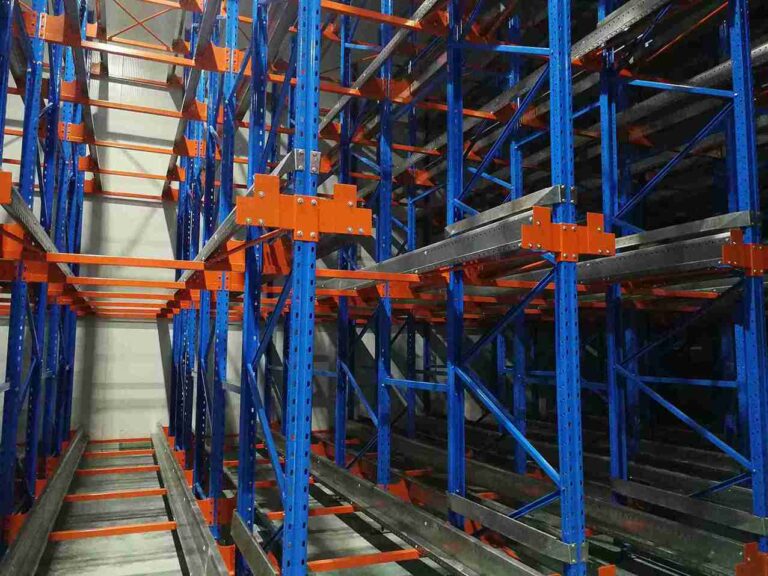
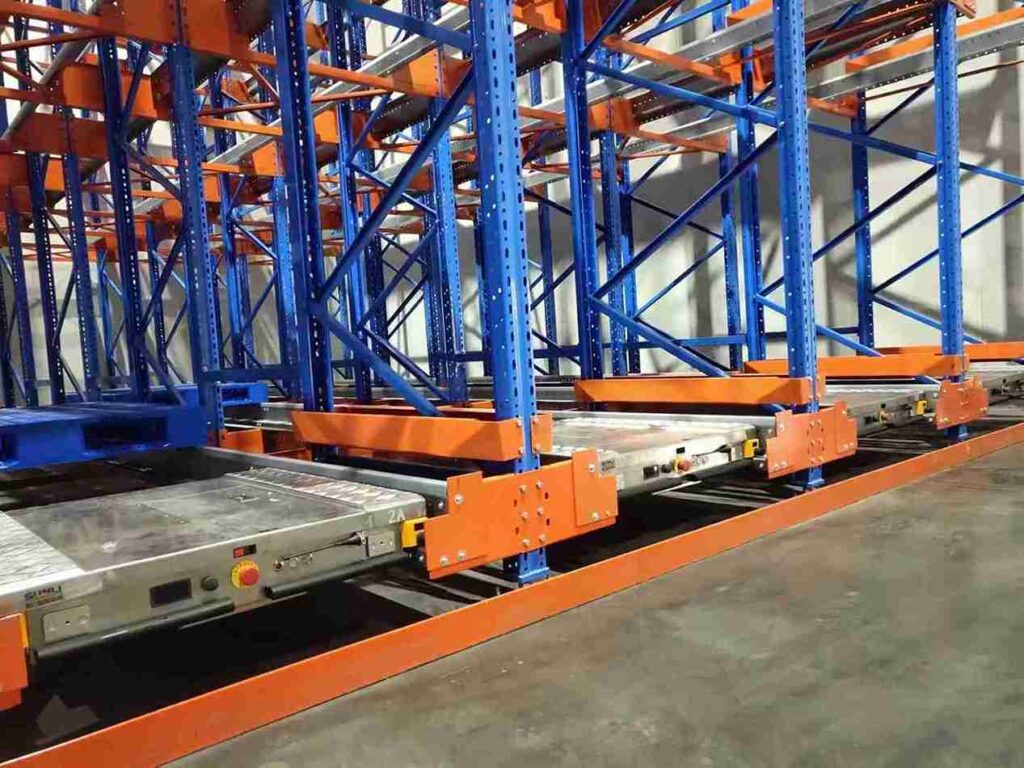
At its core, an automated pallet shuttle system is a high-density storage and retrieval solution that utilizes motorized carts, or
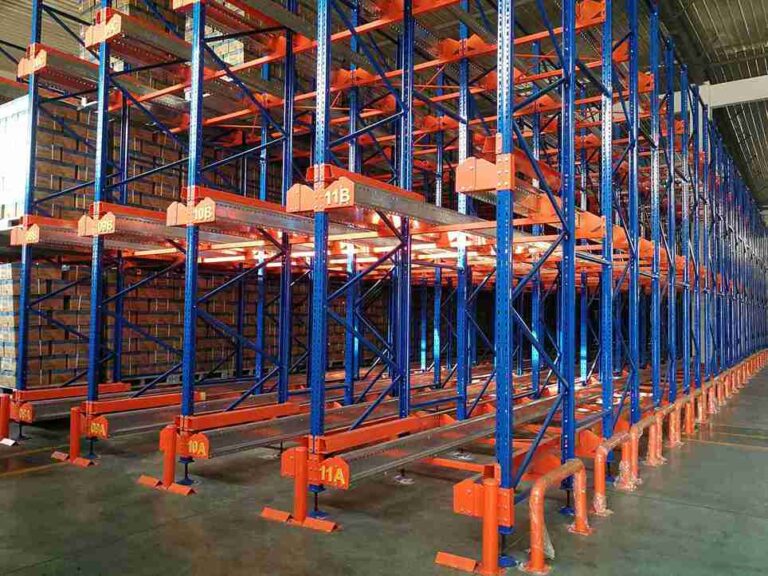
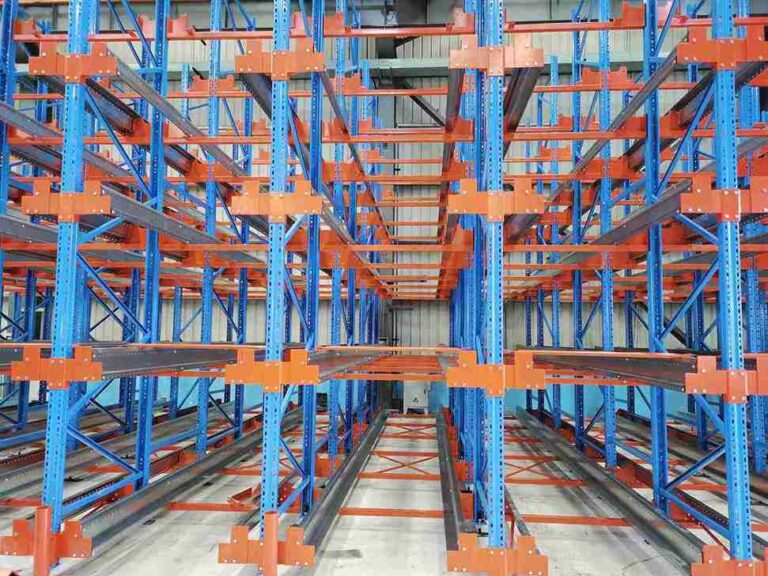
shuttles, to move pallets within a specially designed racking structure. Unlike traditional static racking, where forklifts enter aisles to deposit or retrieve pallets, pallet shuttle systems allow for deep-lane storage, significantly increasing storage density. The core components typically include:
•The Shuttle (or Cart): This is the autonomous or semi-autonomous vehicle that travels along rails within the racking lanes. It is equipped with sensors for navigation, safety, and pallet detection, and often powered by rechargeable batteries. Modern shuttles are robust, capable of handling various pallet types and weights, and designed for continuous operation.
•Specialized Racking: The racking structure is specifically designed to accommodate the shuttle and support deep-lane storage. It typically features rails on which the shuttle operates and robust frames to withstand the weight of multiple pallets. This design eliminates the need for forklift aisles within the storage lanes, freeing up valuable floor space.
•Lift/Conveyor Systems (for fully automated systems): In fully automated setups, lifts or conveyors are integrated to transport pallets to and from the shuttle lanes, connecting the high-density storage area with inbound and outbound docks or other automated material handling equipment.
•Control System (WCS/WMS Integration): A sophisticated Warehouse Control System (WCS) or Warehouse Management System (WMS) is crucial for orchestrating the movements of the shuttles, managing inventory, and optimizing storage and retrieval operations. This software acts as the brain of the system, ensuring seamless coordination and maximizing efficiency.
When comparing with traditional pallet racking, the distinction is stark. Traditional selective racking offers direct access to every pallet but at the cost of density, requiring numerous aisles. Drive-in or push-back racking offers higher density but with limited accessibility and often slower operations. Automated pallet shuttle systems strike a superior balance, offering high density comparable to drive-in racking, but with significantly improved accessibility and throughput, thanks to the independent movement of the shuttles. They are also a more flexible and scalable alternative to fully automated AS/RS (Automated Storage and Retrieval Systems) for certain applications, particularly where deep-lane storage of homogeneous products is beneficial.
Types and Configurations of Pallet Shuttle Systems
The versatility of automated pallet shuttle systems is evident in the variety of types and configurations available, each tailored to specific operational requirements and warehouse layouts. Understanding these distinctions is crucial for selecting the optimal solution for an automotive distribution center wholesale λειτουργία.
One primary differentiation lies in deep-lane storage versus multi-level systems. Deep-lane storage is the most common application, where shuttles operate within long, deep channels, storing multiple pallets one behind the other. This is ideal for storing large quantities of the same SKU, such as specific automotive components that are frequently replenished. The depth of these lanes can vary significantly, from a few pallets deep to dozens, maximizing the use of cubic space.
Multi-level systems, on the other hand, involve shuttles that can move not only horizontally within a lane but also vertically between different levels of racking. This advanced configuration, often seen in more complex AS/RS integrations, offers even greater flexibility and density, allowing for dynamic storage and retrieval across multiple vertical planes.
Another critical distinction is between semi-automated and fully automated (AS/RS integration) systems.
•Semi-automated pallet shuttle systems typically involve human operators using forklifts to place pallets onto the entry point of a shuttle lane and retrieve them from the exit point. The shuttle then takes over, transporting the pallet into the lane or bringing it out. This approach offers a significant boost in density and efficiency compared to traditional methods, while still leveraging existing forklift fleets and operator skills. It’s often a cost-effective entry point into automation for many businesses.
•Fully automated pallet shuttle systems, often integrated into a broader AS/RS framework, eliminate the need for human intervention within the storage area. Pallets are automatically conveyed to and from the shuttle lanes, often by automated guided vehicles (AGVs), conveyors, or stacker cranes. The shuttles themselves might be more sophisticated, capable of independent movement between lanes or levels. This level of automation offers the highest throughput, density, and safety, making it ideal for high-volume operations and 24/7 environments.
We often recommend this for large-scale automotive distribution centers aiming for maximum operational efficiency and minimal labor dependency.
Furthermore, pallet shuttle systems can be configured for single-deep, double-deep, and multi-deep storage within each lane. The choice depends on the SKU characteristics, inventory turnover rates, and desired accessibility. Multi-deep configurations offer the highest density, while single-deep provides the fastest access to individual pallets. For automotive parts, a mix of configurations might be necessary to accommodate the wide range of component sizes and demand patterns.
Key Technological Enablers
The sophistication and reliability of automated pallet shuttle systems are underpinned by a suite of advanced technologies that work in concert to deliver seamless operation. These key technological enablers are continuously evolving, pushing the boundaries of what is possible in warehouse automation and contributing significantly to the system’s overall performance, safety, and intelligence. We pride ourselves on staying at the forefront of these advancements to provide our clients with cutting-edge solutions.
At the heart of these systems lies robotics and autonomous navigation. The shuttles themselves are essentially specialized robots, equipped with electric motors for propulsion and precise positioning. Their ability to navigate autonomously within the racking structure is facilitated by sophisticated guidance systems, which can include laser guidance, inductive loops, or optical sensors. These systems ensure that the shuttle travels accurately along its designated path, avoiding collisions and precisely positioning pallets.
The robust design of these robotic units allows them to operate reliably in demanding warehouse environments, handling heavy loads and continuous cycles. The advancements in robotics have made these shuttles faster, more energy-efficient, and more intelligent, capable of performing complex tasks with minimal human oversight.
Sensor technology and safety features are paramount for the safe and efficient operation of automated pallet shuttle systems. Shuttles are typically equipped with an array of sensors, including proximity sensors, photoelectric sensors, and sometimes even vision systems. These sensors detect the presence of pallets, obstacles, and the precise position within the lane, preventing collisions and ensuring accurate pallet placement and retrieval. Safety features are integrated at multiple levels, including emergency stop buttons, safety light curtains, and robust mechanical designs that prevent tipping or falling.
These measures ensure the protection of both personnel working in the vicinity and the valuable inventory being handled. We prioritize safety in all our designs, adhering to the highest international standards.
Battery management and charging solutions are critical for ensuring the continuous operation of electric shuttles. Modern systems utilize advanced lithium-ion batteries that offer high energy density, long cycle life, and rapid charging capabilities. Intelligent battery management systems (BMS) monitor battery health, optimize charging cycles, and can even facilitate automatic battery swapping or in-lane charging, minimizing downtime.
This ensures that shuttles can operate for extended periods, often through multiple shifts, without significant interruptions for recharging. The efficiency of these power systems directly impacts the overall productivity and energy consumption of the warehouse.
Finally, software integration is the connective tissue that binds all these hardware components into a cohesive and intelligent system. The Warehouse Management System (WMS) και Warehouse Control System (WCS) are central to this. The WMS handles higher-level functions such as inventory management, order processing, and strategic planning, while the WCS directly controls the movements of the shuttles, conveyors, and other automated equipment.
Seamless integration with the client’s existing Enterprise Resource Planning (ERP) system is also crucial, ensuring data consistency across the entire business operation. This integration allows for real-time visibility into inventory, optimized storage strategies (e.g., dynamic slotting), efficient order fulfillment, and comprehensive reporting. The intelligence embedded in these software platforms is what truly transforms a collection of machines into a smart, adaptive, and highly efficient automated warehousing solution. We specialize in developing and integrating these sophisticated software solutions, ensuring that our automated pallet shuttle systems deliver maximum operational intelligence and efficiency to our clients.
Strategic Advantages for Automotive Parts Wholesale Supply Chains
For automotive parts wholesale supply chains operating in competitive and rapidly expanding markets like Africa and Central Asia, the adoption of automated pallet shuttle systems offers a multitude of strategic advantages that directly translate into enhanced profitability, operational resilience, and market leadership. These systems are not merely about replacing manual labor; they are about fundamentally re-engineering the logistics process to achieve levels of efficiency, accuracy, and scalability that are unattainable with traditional methods.
We have observed firsthand how these advantages empower our clients to overcome long-standing operational bottlenecks and capitalize on new growth opportunities. The strategic benefits extend across various facets of warehouse operations, from optimizing physical space to accelerating throughput and improving overall supply chain visibility.
Maximizing Storage Density: Reclaiming Valuable Warehouse Space
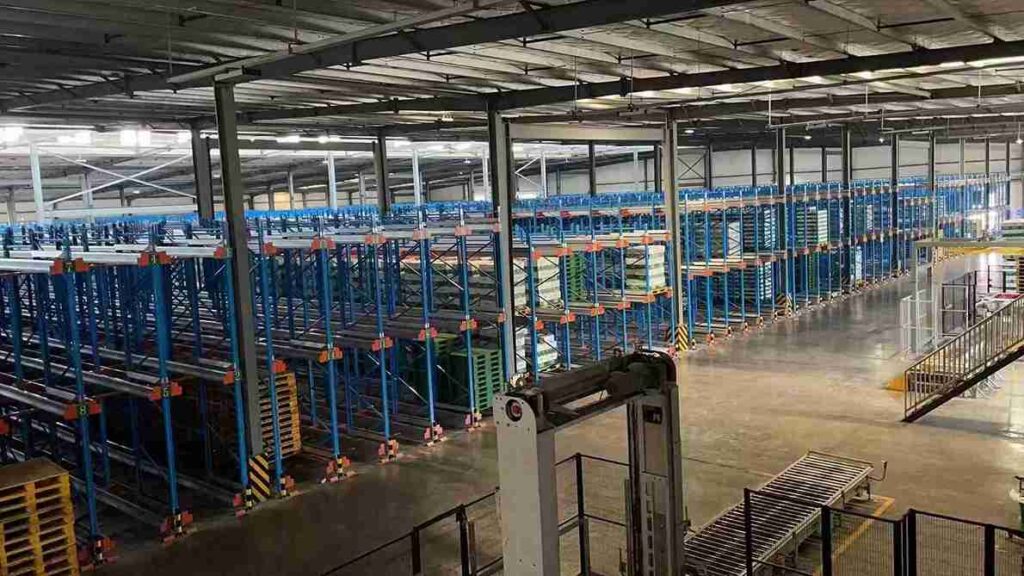
One of the most compelling advantages of automated pallet shuttle systems is their unparalleled ability to maximize storage density, effectively reclaiming valuable warehouse space that would otherwise be underutilized. In many emerging markets, industrial real estate is either scarce, expensive, or both, making efficient space utilization a critical factor in operational viability and expansion. Traditional warehousing, with its reliance on wide aisles for forklift maneuverability, often leaves a significant portion of the warehouse footprint dedicated to access rather than storage. This inherent inefficiency is directly addressed by shuttle systems.
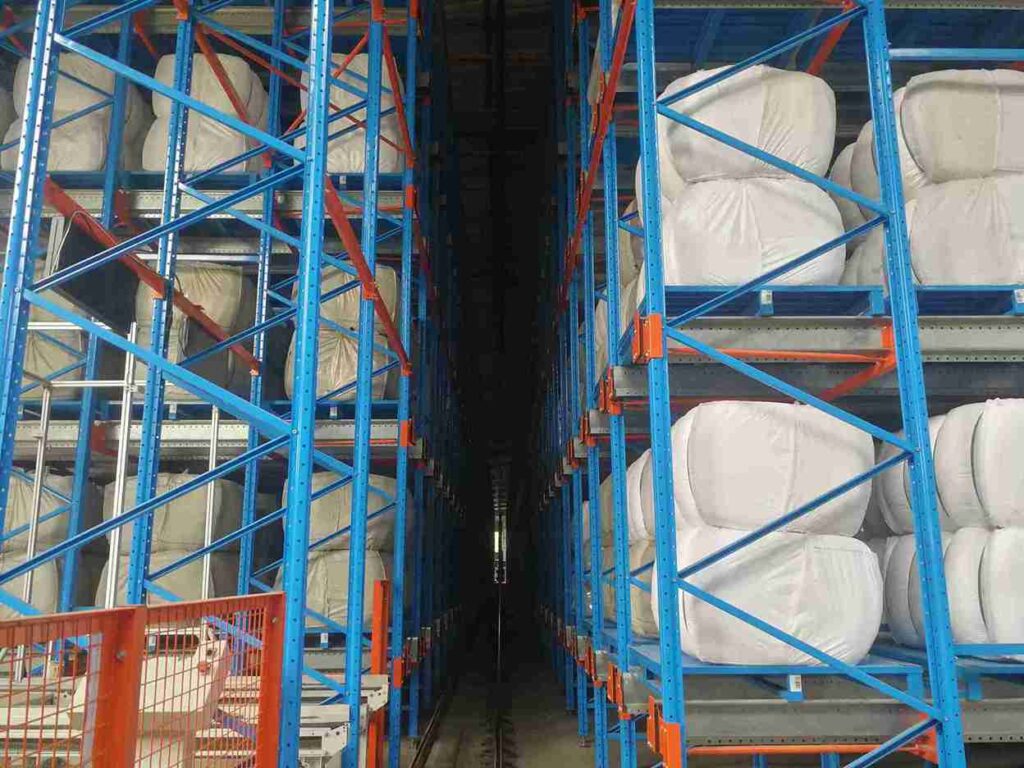
The primary mechanism for this density maximization is the elimination of aisles for forklifts within the storage lanes. Instead of forklifts entering deep into the racking structure, the automated shuttles perform this task, operating within compact channels. This design allows for significantly deeper storage lanes, where pallets are stored one behind the other, often dozens deep.
The space saved from these eliminated aisles can then be converted into additional storage capacity, effectively increasing the number of pallets that can be stored within the same physical footprint. We have seen this translate into substantial cost savings by deferring or eliminating the need for new warehouse construction or expansion.
Furthermore, these systems excel in vertical space utilization and high-bay racking integration. Automated shuttles are perfectly suited for high-bay warehouses, where racking can extend to significant heights. By reducing the need for human operators to access elevated storage positions, safety is enhanced, and the full cubic capacity of the warehouse can be exploited.
This is particularly beneficial for automotive distribution centers that handle a vast array of parts, some of which may be slow-moving but require long-term storage. The ability to store more inventory vertically means that businesses can grow their stockholding capacity without expanding horizontally, a crucial consideration in land-constrained environments.
Case studies and examples of space savings in automotive DCs consistently demonstrate the profound impact of these systems. For instance, a major automotive parts distributor in Southeast Asia, facing escalating land costs and a rapidly expanding SKU base, implemented an automated pallet shuttle system. They reported an increase in storage density of over 60% compared to their previous selective racking system, allowing them to accommodate a 30% growth in inventory without acquiring additional warehouse space.
This not only resulted in significant capital expenditure savings but also streamlined their operations by consolidating inventory within a single, optimized facility. We understand that for automotive parts wholesalers, every square meter of storage space directly impacts their bottom line, and shuttle systems offer an unparalleled solution for optimizing this critical resource.
Boosting Operational Speed and Throughput Efficiency
Beyond maximizing space, automated pallet shuttle systems are instrumental in boosting operational speed and throughput efficiency, which are paramount for the fast-paced automotive parts wholesale supply chain. In an industry where just-in-time (JIT) delivery and rapid order fulfillment are increasingly becoming the norm, the ability to move inventory quickly and accurately is a significant competitive differentiator. Traditional manual operations are often plagued by bottlenecks and inefficiencies that limit the speed at which goods can be processed. Shuttle systems fundamentally address these limitations through several key mechanisms.
Firstly, they enable faster put-away and retrieval cycles. Once a pallet is placed at the entry point of a shuttle lane, the automated shuttle quickly transports it to the designated storage position, eliminating the need for a forklift to travel the entire depth of the lane. Similarly, for retrieval, the shuttle rapidly brings the required pallet to the pick face. This dramatically reduces the cycle time for each pallet movement, allowing for a higher volume of transactions within a given period.
For automotive distribution centers handling high-volume, fast-moving parts, this acceleration in cycle times directly translates into quicker inventory turns and improved responsiveness to customer orders.
Secondly, there is a significant reduction in travel times for pallets. In traditional warehouses, forklifts spend a considerable amount of time traveling between storage locations and the loading/unloading docks. By automating the movement within the racking, shuttle systems minimize this unproductive travel time. Forklifts or other material handling equipment are primarily used for horizontal transport to and from the shuttle system’s input/output points, allowing them to operate more efficiently and cover shorter distances. This optimized material flow contributes to a smoother, faster overall operation, reducing congestion and improving safety within the warehouse aisles.
Thirdly, these systems facilitate optimized order picking and sequencing. With real-time inventory visibility and precise control over pallet movements, automated pallet shuttle systems can be integrated with advanced WMS to optimize picking routes and sequence pallets for efficient loading onto outbound trucks.
This is particularly valuable for automotive parts wholesale where mixed-SKU orders are common. The system can stage pallets in the correct sequence, minimizing the time spent by operators searching for items and ensuring that trucks are loaded efficiently for multi-stop deliveries. This level of optimization directly impacts delivery lead times and customer satisfaction.
Finally, the inherent design of automated pallet shuttle systems allows them to handle peak demands with agility. During periods of high order volume, such as seasonal peaks or promotional events, manual systems often struggle, leading to backlogs and delays.
Automated systems, with their consistent speed and ability to operate continuously, can process a higher volume of transactions without significant degradation in performance. The modular nature of many shuttle systems also allows for scalability, where additional shuttles can be deployed to increase throughput during peak periods, providing the flexibility needed to respond to fluctuating market demands. We believe that this agility is a critical asset for automotive parts wholesalers seeking to maintain high service levels even under pressure.
Enhancing Inventory Accuracy and Traceability
In the complex world of automotive parts wholesale supply chains, where thousands of unique SKUs must be managed, enhancing inventory accuracy and traceability is not merely a best practice; it is a fundamental requirement for operational excellence and financial integrity. Inaccurate inventory data can lead to stockouts, overstocking, production delays, and ultimately, significant financial losses. Automated pallet shuttle systems, when integrated with robust software, provide a powerful solution to these challenges, offering real-time visibility and control over every pallet movement.
One of the most significant contributions of these systems is real-time inventory tracking and management. Each pallet entering or leaving the shuttle system is typically scanned and recorded, with its exact location within the racking structure updated instantaneously in the WMS. This eliminates the guesswork and manual counting errors associated with traditional methods.
Operators and managers have immediate access to accurate inventory levels, locations, and status, enabling more informed decision-making regarding purchasing, replenishment, and order fulfillment. For automotive parts, where specific components can be critical for vehicle repairs, knowing the precise location and quantity of every item is invaluable. We ensure that our systems provide this granular level of detail, empowering our clients with complete inventory control.
Furthermore, automated pallet shuttle systems lead to significantly reduced human error in stock movements. In manual operations, misplacing a pallet, entering incorrect data, or picking the wrong item are common occurrences. The automated nature of shuttle systems minimizes human intervention in the actual storage and retrieval process, thereby drastically reducing the potential for such errors.
The system guides the shuttle to the correct lane and position, ensuring that the right pallet is stored in or retrieved from its designated slot. This precision contributes to a much higher level of inventory accuracy, reducing discrepancies between physical stock and system records.
These systems also provide superior capabilities for FIFO/LIFO management and batch control for automotive parts. Depending on the product type and inventory strategy, some automotive parts may require First-In, First-Out (FIFO) rotation to manage shelf life or product obsolescence, while others might be better suited for Last-In, First-Out (LIFO) for maximizing space utilization.
Automated pallet shuttle systems can be configured to enforce either FIFO or LIFO principles automatically, ensuring proper stock rotation without manual oversight. Moreover, for critical automotive components that require batch tracking for quality control or recall purposes, the system can meticulously record the batch number of each pallet and its movements, providing complete traceability from receipt to dispatch.
This level of control is indispensable for maintaining product quality and complying with industry regulations in the automotive sector. We understand the stringent requirements of the automotive industry and design our solutions to meet and exceed these standards.
Improving Workplace Safety and Reducing Damage
Workplace safety is a paramount concern in any industrial environment, and warehouses, particularly those handling heavy and sometimes fragile automotive parts, are no exception. Traditional manual handling operations inherently carry significant risks, leading to worker injuries and product damage. Automated pallet shuttle systems offer substantial improvements in improving workplace safety and reducing damage, creating a safer environment for personnel and protecting valuable inventory. We believe that a safe operation is not only an ethical imperative but also a cornerstone of efficient and sustainable business practices.
One of the most direct ways these systems enhance safety is by minimizing human interaction with heavy loads. In conventional warehouses, operators frequently use forklifts to lift, transport, and place heavy pallets at various heights. This involves risks such as loads falling, forklifts overturning, or collisions with other equipment or personnel.
With automated pallet shuttle systems, the shuttles themselves handle the movement of pallets within the racking structure. Human operators primarily interact with pallets at ground level at the input/output points, significantly reducing their exposure to hazardous situations involving heavy lifting and high-level operations. This reduction in direct human involvement with heavy machinery within the storage lanes dramatically lowers the risk of accidents and injuries.
Furthermore, the controlled movement of pallets by automated shuttles inherently reduces product damage. Manual forklift operations, especially in tight aisles or at height, can lead to accidental bumps, drops, or improper handling, resulting in damage to valuable automotive parts. Shuttles, guided by precise navigation systems and sensors, move pallets smoothly and accurately. They are designed to gently lift and place pallets, minimizing impact and vibration.
This controlled environment ensures that goods are handled with care, significantly reducing instances of product damage during storage and retrieval. For automotive parts, where even minor cosmetic damage can render a component unsellable, this reduction in damage translates directly into cost savings and improved customer satisfaction. We design our systems with robust engineering and intelligent controls to safeguard your inventory.
Finally, these systems offer significant ergonomic benefits for remaining human operators. While automation reduces the need for manual handling within the racking, human operators are still involved in tasks such as loading pallets onto the system’s entry points or picking individual items from retrieved pallets. By automating the most strenuous and repetitive tasks, the physical burden on workers is substantially reduced.
This leads to a more ergonomic working environment, decreasing the risk of musculoskeletal injuries and improving overall worker well-being. A healthier, safer workforce is a more productive and engaged workforce, contributing to higher morale and lower employee turnover. We are committed to creating solutions that not only optimize logistics but also prioritize the welfare of the people who operate them. The integration of automated pallet shuttle systems thus represents a holistic approach to warehouse management, delivering benefits that span efficiency, accuracy, and safety across the entire automotive parts wholesale supply chain.
Implementation Considerations for Automotive Distribution Centers
The decision to invest in an automated pallet shuttle system is a significant strategic move for any automotive distribution center, particularly those operating in the dynamic markets of Africa and Central Asia. While the benefits are substantial, successful implementation requires careful planning, thorough assessment, and a clear understanding of the unique challenges and opportunities presented by these advanced technologies. We guide our clients through every step of this journey, ensuring that the chosen solution is perfectly aligned with their operational goals and long-term vision. Our expertise in this domain allows us to anticipate potential hurdles and devise robust strategies for overcoming them, guaranteeing a smooth transition to an automated future.
Assessing Your Needs: When is a Pallet Shuttle System Right for You?
Before embarking on the journey of automation, a comprehensive assessment of your needs is paramount. Not every warehouse operation, regardless of its size or industry, is an ideal candidate for an automated pallet shuttle system. The suitability of such a system hinges on several critical factors, often summarized by the ‘3Vs’: Volume, Velocity, and Variety of automotive parts.
Understanding these elements will help determine if a pallet shuttle system is the right strategic investment for your automotive distribution center wholesale operations.
Firstly, consider the Volume of your inventory. Pallet shuttle systems excel in high-density storage environments, making them particularly advantageous for operations that handle a large volume of pallets, especially when many pallets contain the same SKU or a limited range of SKUs. If your automotive distribution center stores a vast quantity of spare parts, engine components, or other bulk items that require deep-lane storage, a shuttle system can significantly optimize your space utilization.
Conversely, if your inventory consists of a very small number of pallets per SKU, the benefits of deep-lane storage might be less pronounced compared to other racking solutions. We help analyze your current and projected inventory volumes to ascertain the optimal storage strategy.
Secondly, Velocity refers to the speed at which inventory moves through your warehouse – how quickly items are put away and retrieved. Automated pallet shuttle systems are designed for high-throughput operations. If your automotive parts wholesale supply chain demands rapid order fulfillment, quick replenishment cycles, and the ability to handle peak demands efficiently, then a shuttle system can provide the necessary operational speed. This is particularly relevant for fast-moving consumables, common service parts, or components that are frequently ordered.
If your operation is characterized by very slow-moving inventory with infrequent access, the investment in automation might not yield the desired return on velocity, and simpler storage solutions might suffice. We analyze your throughput requirements to ensure the system can meet your operational demands.
Thirdly, the Variety of automotive parts, or the diversity of your SKUs, plays a crucial role. Automotive parts warehouses often deal with an immense range of items, from small bolts to large body panels, each with different dimensions, weights, and handling requirements. Pallet shuttle systems are most efficient when handling standardized pallet sizes and weights within a given lane. While modern systems can accommodate some variation, an extremely high diversity of non-standardized pallet sizes across your entire inventory might necessitate a more flexible, albeit potentially less dense, storage solution.
We work closely with you to categorize your SKUs and determine the best storage strategy for each category, potentially combining shuttle systems with other racking types for optimal overall efficiency.
Beyond the 3Vs, it is crucial to evaluate your existing infrastructure and expansion plans. Can your current warehouse structure support the weight and dimensions of a new automated system? Are there clear pathways for integration with existing material handling equipment? What are your projected growth rates, and how will the chosen system scale with your business? A well-designed pallet shuttle system should not only solve current problems but also provide a scalable foundation for future growth. We conduct detailed site surveys and feasibility studies to ensure seamless integration and future-proofing.
Finally, budgetary considerations and ROI analysis are critical. While automated pallet shuttle systems represent a significant capital investment, their long-term benefits in terms of reduced labor costs, optimized space, improved accuracy, and enhanced throughput often lead to a compelling return on investment.
A thorough ROI analysis, considering both direct and indirect cost savings, as well as the intangible benefits of improved customer satisfaction and competitive advantage, is essential. We assist in developing detailed financial models to demonstrate the clear economic benefits of adopting these advanced solutions, ensuring that your investment is sound and strategically justified.
The Implementation Process: From Design to Go-Live
The successful deployment of an automated pallet shuttle system is a multi-faceted undertaking that requires meticulous planning, expert execution, and seamless coordination across various disciplines. The implementation process, from initial conceptualization to the final go-live, is a critical phase that determines the long-term success and efficiency of the system. We employ a structured, phased approach to ensure that every aspect of the project is managed with precision and expertise, minimizing disruption to your ongoing automotive parts wholesale operations.
The journey begins with system design and simulation. This phase involves a deep dive into your operational data, including inventory profiles, throughput requirements, order patterns, and existing warehouse layout. Our engineers and logistics experts utilize advanced simulation software to model various system configurations, testing different scenarios to identify the optimal design that meets your specific needs.
This includes determining the ideal number of shuttle lanes, the depth of storage, the type and quantity of shuttles, and the integration points with other material handling equipment. The simulation allows us to visualize the system’s performance, identify potential bottlenecks, and fine-tune the design before any physical installation begins, ensuring that the final solution is robust and efficient. We believe that a well-designed system is the foundation of operational excellence.
Next is the crucial step of integration with existing IT infrastructure. An automated pallet shuttle system is only as intelligent as the software that controls it. This involves integrating the Warehouse Control System (WCS) and Warehouse Management System (WMS) with your existing Enterprise Resource Planning (ERP) system, and potentially other business applications. This integration ensures a seamless flow of information, from order entry and inventory updates to shipping notifications.
Data mapping, interface development, and rigorous testing are performed to guarantee data consistency and real-time communication across all platforms. For automotive distribution centers, where precise inventory tracking and rapid order processing are vital, this IT integration is paramount to unlocking the full potential of automation. We have extensive experience in integrating complex systems, ensuring that your new automation solution communicates effectively with your existing digital ecosystem.
Following design and integration planning, the installation, testing, and commissioning phase commences. This involves the physical assembly of the racking structure, the deployment of the shuttles, and the installation of all associated electrical and control components. Our certified installation teams adhere to the highest safety and quality standards, ensuring that the system is built to specification. Once installed, a rigorous testing protocol is initiated. This includes functional testing of individual components, system integration testing, and comprehensive operational testing under various load conditions.
The commissioning phase involves fine-tuning the system parameters, calibrating sensors, and verifying that all components are working in perfect harmony. This meticulous approach ensures that the system performs as designed and meets all agreed-upon performance metrics before it is handed over for operational use. We are committed to delivering systems that are not only technologically advanced but also flawlessly executed.
Finally, training and ongoing support are critical for the long-term success of your automated pallet shuttle system. Our comprehensive training programs equip your operators, maintenance staff, and IT personnel with the knowledge and skills required to effectively manage, operate, and maintain the new system. This includes hands-on training, detailed documentation, and access to our expert support teams.
Beyond initial training, we offer various levels of ongoing support, including preventative maintenance programs, remote monitoring, and rapid response services, to ensure maximum uptime and continuous optimal performance. For automotive parts wholesale supply chains that operate around the clock, reliable support is indispensable. We view our relationship with clients as a long-term partnership, providing continuous assistance to ensure your automation investment continues to deliver value for years to come.
Overcoming Challenges in Emerging Markets (Africa & Central Asia)
While the promise of automated pallet shuttle systems is immense for automotive distribution centers in emerging markets like Africa and Central Asia, the implementation journey in these regions often comes with its own unique set of challenges. These challenges, while significant, are not insurmountable, and with experienced partners, they can be effectively navigated.
We leverage our deep understanding of these markets to provide tailored solutions and strategies that address these specific hurdles, ensuring successful project outcomes.
One of the most common challenges is infrastructure limitations and power supply. Many areas in Africa and Central Asia may have less developed infrastructure compared to more industrialized regions. This can manifest as unreliable power grids, requiring the implementation of robust backup power solutions or energy-efficient system designs.
Furthermore, road infrastructure might impact the logistics of transporting large system components to the installation site. We conduct thorough site assessments to identify and mitigate these infrastructural risks, often recommending modular designs or alternative energy solutions to ensure system reliability. Our experience in diverse environments allows us to adapt our solutions to local conditions, ensuring operational continuity even in challenging settings.
Another critical consideration is the local talent pool and technical expertise. The operation and maintenance of sophisticated automated warehousing solutions require specialized skills that may not be readily available in all emerging markets. This necessitates comprehensive training programs for local staff, focusing on both operational procedures and technical maintenance.
We invest heavily in knowledge transfer, empowering local teams to manage and troubleshoot the systems independently. Additionally, we can provide ongoing technical support, either remotely or through on-site presence, to bridge any initial skill gaps. Building local capabilities is not just about project success; it’s about fostering sustainable growth and economic development within the region.
Regulatory compliance and import logistics can also present complexities. Each country has its own set of import regulations, customs procedures, and safety standards that must be adhered to. Navigating these bureaucratic landscapes can be time-consuming and challenging. We work with local partners and logistics experts to ensure all necessary permits, certifications, and import documentation are in order, facilitating a smooth and compliant delivery and installation process.
Understanding the nuances of local regulations is crucial to avoid delays and unexpected costs, ensuring that your automated pallet shuttle system can be deployed efficiently and legally. Our global experience provides us with the insights needed to manage these complexities effectively.
Finally, cultural considerations in technology adoption are often overlooked but are vital for successful implementation. Introducing advanced automation can sometimes be met with resistance due to concerns about job displacement or unfamiliarity with new technologies. Effective change management strategies, transparent communication, and demonstrating the benefits of automation (e.g., improved safety, reduced strenuous labor, opportunities for upskilling) are essential.
We emphasize the collaborative nature of automation, where technology augments human capabilities rather than replacing them entirely, creating new, higher-value roles. By addressing these cultural aspects proactively, we help foster a positive environment for technology adoption, ensuring that your team embraces the new system and contributes to its success.
Overcoming these challenges requires a holistic approach, combining technical expertise with a deep understanding of the local context, which is precisely what we bring to every project in Africa and Central Asia. This ensures that your investment in automation Pallet Shuttle System for Automotive distribution center wholesale yields its full potential.)
The Future of Automotive Logistics: Integrating Pallet Shuttles with Advanced Automation
The landscape of automotive logistics is undergoing a profound transformation, driven by technological advancements and an increasing demand for efficiency, resilience, and sustainability. While automated pallet shuttle systems represent a significant leap forward in optimizing automotive parts wholesale supply chains, their true potential is unlocked when integrated within a broader ecosystem of advanced automation.
The future of warehousing is not about isolated technologies but about interconnected systems working in harmony to create intelligent, adaptive, and highly responsive operations. We are at the forefront of this evolution, designing and implementing holistic solutions that prepare our clients for the challenges and opportunities of tomorrow. This integrated approach ensures that every component, from storage to retrieval and beyond, contributes to a seamless and highly optimized logistics flow.
Stereoscopic Warehousing (AS/RS) and Pallet Shuttle Systems
At the pinnacle of warehouse automation lies Stereoscopic Warehousing, more commonly known as Αυτοματοποιημένα συστήματα αποθήκευσης και ανάκτησης (AS/RS). These are fully automated systems designed for storing and retrieving items with speed, accuracy, and maximum space utilization. An AS/RS typically consists of a variety of computer-controlled systems for automatically placing and retrieving loads from defined storage locations. The definition and benefits of AS/RS are extensive, encompassing:
•High Density Storage: AS/RS systems are engineered to maximize cubic space utilization, often reaching significant heights and minimizing aisle space.
•Increased Throughput: They can process a high volume of transactions per hour, significantly accelerating put-away and retrieval times.
•Improved Accuracy: Automation virtually eliminates human error in storage and retrieval, leading to near-perfect inventory accuracy.
•Enhanced Safety: By removing human operators from hazardous storage areas, AS/RS dramatically improves workplace safety.
•Reduced Labor Costs: Automation reduces the reliance on manual labor for repetitive tasks, leading to long-term cost savings.
•Real-time Inventory Control: Integrated software provides continuous, accurate inventory data, enabling better planning and decision-making.
So, how do pallet shuttles fit into a broader AS/RS strategy? Automated pallet shuttle systems are, in essence, a specialized form of AS/RS, particularly adept at deep-lane storage. They can function as standalone high-density storage solutions or be seamlessly integrated as a critical component within a larger, more complex AS/RS framework.
For instance, a stacker crane (another common AS/RS component) might be used to transport pallets to the entry point of a shuttle lane, where the pallet shuttle then takes over, moving the pallet deep into the racking. This combination leverages the strengths of both technologies: the stacker crane provides vertical and horizontal transport across the warehouse, while the pallet shuttle excels at maximizing density within specific storage blocks. This modularity allows for highly customized and scalable AS/RS solutions tailored to the specific needs of an automotive distribution center wholesale λειτουργία.
Το synergies with other automation are also profound. When integrated with Αυτοματοποιημένα καθοδηγούμενα οχήματα (AGV) ή Αυτόνομα κινητά ρομπότ (AMR), pallets can be transported autonomously from receiving docks to the shuttle system, and from the shuttle system to outbound staging areas or even directly to robotic picking stations.
Robotic picking systems, capable of handling individual items or cases, can then retrieve specific automotive parts from pallets presented by the shuttle system, further automating the order fulfillment process. This creates a fully integrated, lights-out warehouse environment where human intervention is minimized, and efficiency is maximized. We design these integrated solutions to provide our clients with a competitive edge, ensuring their automotive parts wholesale supply chain is not just efficient but future-proof.
Data Analytics and AI in Warehouse Management
The true intelligence of modern automated warehouses, including those equipped with automated pallet shuttle systems, stems from the sophisticated application of data analytics and Artificial Intelligence (AI) in warehouse management. These technologies transform raw operational data into actionable insights, enabling continuous optimization, predictive capabilities, and adaptive decision-making.
For automotive parts wholesale supply chains, leveraging data and AI is no longer a luxury but a necessity for maintaining agility and responsiveness in a volatile market. We empower our clients to harness the power of their data, turning it into a strategic asset.
One critical application is predictive maintenance for shuttle systems.
By continuously monitoring the performance data of each shuttle – including motor temperatures, battery cycles, travel distances, and error logs – AI algorithms can identify patterns and anomalies that indicate potential equipment failures before they occur. This allows for proactive maintenance scheduling, minimizing unexpected downtime and ensuring the continuous operation of the automated pallet shuttle system.
Instead of reactive repairs, which can be costly and disruptive, predictive maintenance ensures that components are serviced or replaced at optimal times, extending the lifespan of the equipment and maintaining peak operational efficiency. This is particularly vital for automotive distribution centers where any interruption can have significant downstream effects on vehicle repair and customer satisfaction.
Demand forecasting and inventory optimization are also revolutionized by data analytics and AI.
Traditional forecasting methods often rely on historical sales data, which can be slow to react to sudden market shifts. AI-powered forecasting models can analyze vast datasets, including historical sales, seasonal trends, economic indicators, social media sentiment, and even weather patterns, to generate highly accurate predictions of future demand for specific automotive parts.
This enhanced forecasting enables more precise inventory planning, reducing the risk of stockouts for popular items and minimizing overstocking of slow-moving components. The WMS, informed by these AI insights, can then dynamically adjust storage strategies within the pallet shuttle system, optimizing put-away locations and retrieval sequences to further enhance efficiency. We help our clients implement these intelligent systems to achieve a delicate balance between inventory cost and service level.
Finally, performance monitoring and continuous improvement are inherent benefits of integrating data analytics and AI. These systems provide real-time dashboards and detailed reports on key performance indicators (KPIs) such as throughput rates, cycle times, error rates, and energy consumption.
AI algorithms can analyze these metrics to identify inefficiencies, suggest process improvements, and even automatically adjust system parameters for optimal performance. This continuous feedback loop allows automotive distribution centers to constantly refine their operations, adapt to changing market conditions, and achieve incremental gains in efficiency and productivity. The ability to measure, analyze, and optimize in real-time ensures that the automated pallet shuttle system consistently delivers maximum value, driving sustained competitive advantage in the automotive parts wholesale supply chain.
Sustainability and Green Logistics in Automotive Supply Chains
As global awareness of environmental impact grows, sustainability and green logistics have become increasingly critical considerations for all industries, including automotive supply chains. The adoption of automated pallet shuttle systems and other advanced warehousing technologies is not only about operational efficiency but also about fostering more environmentally responsible practices. We are committed to designing solutions that contribute to a greener future, helping our clients achieve their sustainability goals while simultaneously enhancing their bottom line. This commitment reflects a holistic understanding of modern business responsibilities, where economic success and environmental stewardship go hand-in-hand.
One of the primary contributions of automation to sustainability is the energy efficiency of automated systems. Modern automated pallet shuttle systems are designed with energy conservation in mind. Electric shuttles, for instance, often utilize advanced battery technologies and regenerative braking systems that capture energy during deceleration.
The precise, controlled movements of automated equipment are inherently more energy-efficient than the often-erratic movements of manual forklifts. Furthermore, the ability of these systems to operate in high-density, high-bay configurations can reduce the overall footprint of a warehouse, leading to lower energy consumption for heating, cooling, and lighting.
In some cases, fully automated warehouses can operate in dark conditions, further reducing lighting energy consumption. We prioritize energy-efficient designs to minimize the environmental footprint of our solutions, aligning with the growing global emphasis on sustainable operations.
Another significant benefit is reduced waste and optimized transportation. By enhancing inventory accuracy and traceability, automated pallet shuttle systems help minimize product damage and obsolescence, thereby reducing waste. Fewer damaged goods mean less material sent to landfills and a more efficient use of resources.
Furthermore, the optimized order picking and sequencing capabilities of these systems contribute to more efficient truck loading and route planning. This means fewer trucks on the road, reduced fuel consumption, and lower carbon emissions associated with transportation. For automotive parts wholesale supply chains, which often involve extensive transportation networks, even marginal improvements in logistics efficiency can lead to substantial environmental benefits. We believe that smart warehousing is inherently green warehousing, contributing to a more sustainable future for the automotive industry.
Finally, the overall environmental impact of modern warehousing is significantly improved through automation. By enabling higher storage density, automation reduces the need for new construction, preserving green spaces and reducing the environmental impact associated with building materials and processes. The controlled environment of automated warehouses can also lead to better management of hazardous materials, where applicable, ensuring compliance with environmental regulations.
Moreover, the data-driven insights provided by integrated WMS and AI systems allow for continuous monitoring and optimization of resource consumption, fostering a culture of sustainability. We are dedicated to providing solutions that not only drive economic success but also contribute positively to environmental stewardship, helping automotive distribution centers build a reputation as responsible and forward-thinking enterprises in Africa, Central Asia, and beyond.
Case Studies and Success Stories in Automotive Distribution
While the theoretical advantages of automated pallet shuttle systems are compelling, their true impact is best illustrated through real-world applications. Across the globe, and increasingly in emerging markets, automotive distribution centers are leveraging these advanced warehousing automation solutions to overcome operational hurdles, achieve unprecedented efficiencies, and gain a decisive competitive edge.
Αυτά τα case studies and success stories serve as powerful testimonials to the transformative power of automation, demonstrating how strategic investment in technology can yield significant returns in terms of space optimization, operational speed, and overall supply chain resilience. We take immense pride in the successes of our clients, whose achievements underscore the practical benefits of our tailored solutions in the demanding automotive parts wholesale supply chain.
Real-World Applications in Africa
Africa, a continent characterized by its vast geographical expanse and diverse economic landscapes, presents unique challenges and opportunities for the automotive parts wholesale supply chain. The rapid growth of vehicle ownership, coupled with the expansion of automotive manufacturing and assembly operations in certain regions, has created an urgent need for sophisticated logistics infrastructure. Here, automated pallet shuttle systems are proving to be game-changers, enabling distributors to meet escalating demand while navigating infrastructural complexities.
Example 1: Major Automotive OEM Distribution Center in South Africa
A leading global automotive OEM (Original Equipment Manufacturer) faced significant challenges at its primary distribution center in South Africa. The facility, responsible for supplying a vast network of dealerships and service centers across the Southern African Development Community (SADC) region, was struggling with escalating operational costs, limited expansion capabilities, and an inability to keep pace with increasing order volumes. The existing traditional racking system offered insufficient storage density, leading to frequent off-site storage and increased transportation costs. Manual picking processes were prone to errors and slow, impacting delivery times and customer satisfaction.
Our solution involved implementing a multi-level automated pallet shuttle system integrated with their existing WMS. The system was designed to handle a wide array of automotive spare parts, from small, high-value components to bulky body panels. The key outcomes were transformative:
•Storage Density Increase: The new system achieved a 65% increase in storage density, allowing the OEM to consolidate all inventory within the existing facility, eliminating the need for costly off-site storage and future expansion plans for several years.
•Throughput Improvement: Order fulfillment times were reduced by 30%, significantly improving delivery lead times to dealerships and service centers. The automated shuttles ensured faster put-away and retrieval cycles, particularly for fast-moving SKUs.
•Error Reduction: Mispicks and inventory discrepancies were reduced by over 80%, leading to enhanced inventory accuracy and reduced reverse logistics costs.
•Safety Enhancement: By minimizing human interaction with heavy loads within the racking, workplace safety improved dramatically, leading to a safer environment for their employees.
This implementation not only optimized their logistics operations but also strengthened their competitive position in the crucial African market, demonstrating the profound impact of a well-executed automation Pallet Shuttle System for Automotive distribution center wholesale.
Example 2: Large Independent Parts Wholesaler in Nigeria
An independent automotive parts wholesaler in Nigeria, serving a rapidly expanding network of independent workshops and retailers, was grappling with the challenges of managing a diverse and growing inventory in a high-volume, fast-paced environment. Their traditional warehouse was characterized by manual processes, limited space, and frequent stockouts of popular items, leading to lost sales and customer dissatisfaction. The need for a scalable and efficient solution was critical to support their aggressive growth strategy.
We designed and implemented a semi-automated pallet shuttle system tailored to their specific needs. This system allowed them to leverage their existing forklift fleet while significantly boosting storage density and operational efficiency. The solution focused on optimizing the storage of their high-volume, fast-moving automotive consumables and frequently replaced parts.
•Space Optimization: The system enabled a 50% increase in pallet storage capacity within their existing warehouse footprint, deferring the need for a costly new facility.
•Improved Inventory Availability: By improving put-away and retrieval speeds, the wholesaler experienced a 25% reduction in stockouts for critical parts, directly impacting sales and customer loyalty.
•Enhanced Throughput: The semi-automated nature allowed for faster processing of inbound and outbound goods, reducing truck turnaround times and improving overall supply chain responsiveness.
•Scalability: The modular design of the system provided the flexibility to easily add more shuttles and expand racking as their business continued to grow, ensuring future scalability.
This case highlights how even a semi-automated approach can deliver substantial benefits, proving that automated pallet shuttle systems are a viable and highly effective solution for independent wholesalers in dynamic African markets, enabling them to compete effectively with larger players.
Transformative Projects in Central Asia
Central Asia, strategically positioned at the crossroads of Europe and Asia, is emerging as a vital logistics hub, particularly for the automotive industry. Countries in this region are experiencing significant economic development, leading to increased demand for vehicles and, consequently, a robust automotive parts wholesale supply chain. The adoption of advanced warehousing automation solutions όπως automated pallet shuttle systems is crucial for these markets to establish efficient, reliable, and globally competitive logistics operations. Our experience in this region demonstrates the transformative potential of these technologies.
Example 1: Regional Automotive Spare Parts Hub in Kazakhstan
A major international logistics provider, operating a regional hub for automotive spare parts in Kazakhstan, faced the challenge of managing a vast and diverse inventory destined for multiple Central Asian countries. The facility required a solution that could offer both high-density storage for a wide range of SKUs and rapid throughput to support cross-border distribution. Traditional methods were proving inadequate for the scale and complexity of their operations, leading to inefficiencies and delays in a critical supply chain.
We implemented a sophisticated, fully automated pallet shuttle system integrated with stacker cranes, forming a comprehensive AS/RS solution. This system was designed to handle thousands of different automotive parts, from small components to large engine blocks, ensuring optimal storage and retrieval efficiency.
•Unprecedented Storage Density: The integrated AS/RS with pallet shuttles achieved an 80% increase in storage density compared to conventional racking, allowing the hub to consolidate a massive inventory within a compact footprint.
•High Throughput and Accuracy: The fully automated system delivered exceptional throughput rates, significantly accelerating the processing of inbound and outbound shipments. Inventory accuracy reached near 99.9%, virtually eliminating errors and improving overall supply chain reliability.
•Reduced Operational Costs: Automation led to a substantial reduction in labor costs associated with manual handling and improved energy efficiency, contributing to a lower total cost of ownership.
•Enhanced Traceability: The integrated WMS provided real-time, granular traceability of every part, crucial for quality control and compliance in the automotive sector.
This project established a benchmark for automotive parts logistics in Central Asia, showcasing how advanced automation can create a highly efficient and resilient regional distribution hub, capable of serving a vast geographical area with speed and precision.
Example 2: Vehicle Assembly Plant Logistics in Uzbekistan
An automotive assembly plant in Uzbekistan, undergoing significant expansion to meet growing regional demand, required an optimized solution for storing and managing inbound components and sub-assemblies. The challenge was to ensure a continuous, just-in-time supply of parts to the assembly lines, minimizing line stoppages and maximizing production efficiency. The existing warehousing approach was struggling to keep pace with the increased production volume and the diversity of incoming parts.
Our team designed and implemented an automated pallet shuttle system specifically for the plant’s component warehouse. The system was configured for deep-lane storage of high-volume components, such as engine parts, chassis components, and interior modules, ensuring a buffer stock was always available for the assembly lines.
•Optimized Line-Side Delivery: The shuttle system ensured a continuous and precisely timed delivery of components to the assembly lines, significantly reducing line stoppages caused by parts shortages.
•Space Efficiency: By maximizing storage density for inbound components, the plant was able to store a larger buffer stock within a smaller footprint, freeing up valuable space for production activities.
•Inventory Control: Real-time inventory visibility provided by the integrated WMS allowed for proactive replenishment planning, preventing stockouts and optimizing inventory levels.
•Improved Production Flow: The seamless integration of the shuttle system with the plant’s production planning system resulted in a smoother, more efficient production flow, contributing to increased overall output.
This case demonstrates the critical role of automated pallet shuttle systems not just in distribution, but also in supporting manufacturing logistics, ensuring that the automotive parts wholesale supply chain is optimized from end-to-end, from supplier to assembly line, across the rapidly developing Central Asian region. These examples collectively underscore our commitment to delivering tailored, high-impact warehousing automation solutions that drive tangible results for our clients in diverse and challenging markets.))
Conclusion: Driving the Next Generation of Automotive Parts Distribution
The journey through the intricate world of automotive parts wholesale supply chains in emerging markets like Africa and Central Asia reveals a clear and compelling narrative: the future is undeniably automated. As we have meticulously explored, the adoption of automated pallet shuttle systems is not merely an incremental improvement but a fundamental paradigm shift, offering a strategic imperative for businesses striving for excellence in these dynamic regions.
We have seen how these advanced warehousing automation solutions directly address the most pressing challenges faced by automotive distribution centers – from the relentless pressure to optimize space and reduce operational costs to the critical need for enhanced speed, accuracy, and safety.
Our in-depth analysis has underscored the profound impact of these systems on maximizing storage density, effectively reclaiming valuable warehouse real estate and deferring costly expansions. We have demonstrated how they are instrumental in boosting operational speed and throughput efficiency, enabling faster order fulfillment and more agile responses to fluctuating market demands.
Furthermore, the significant improvements in inventory accuracy and traceability provided by integrated shuttle systems are vital for managing the vast and diverse SKU portfolios characteristic of the automotive sector, mitigating errors, and ensuring compliance. Crucially, the inherent design of these automated solutions contributes to a dramatically safer workplace environment, minimizing human interaction with heavy loads and reducing product damage, thereby protecting both personnel and valuable inventory.
The implementation considerations, while requiring careful planning and a deep understanding of local contexts, are well within reach with experienced partners. We have highlighted the importance of assessing specific needs, navigating the implementation process from design to go-live, and proactively addressing the unique challenges presented by emerging markets, such as infrastructure limitations and the development of local technical expertise.
Moreover, we have cast a gaze into the future, illustrating how automated pallet shuttle systems are not standalone technologies but integral components of a broader Stereoscopic Warehousing (AS/RS) strategy, synergizing with other advanced automation like AGVs and robotic picking. The integration of data analytics and AI further elevates these systems, enabling predictive maintenance, intelligent demand forecasting, and continuous operational optimization. Beyond efficiency, we have emphasized the crucial role of these technologies in fostering sustainability and green logistics, contributing to reduced energy consumption, minimized waste, and a smaller environmental footprint for the entire automotive supply chain.
The compelling case studies from Africa and Central Asia serve as tangible proof points, showcasing how leading automotive OEMs and independent wholesalers have successfully leveraged these systems to achieve remarkable gains in efficiency, capacity, and competitive advantage.
These examples are not isolated incidents but represent a growing trend towards intelligent automation as the cornerstone of modern automotive logistics. We firmly believe that for any automotive distribution center wholesale operation looking to thrive in the competitive global arena, particularly in high-growth emerging markets, embracing automation Pallet Shuttle System for Automotive distribution center wholesale is no longer an option but a strategic imperative.
By investing in these cutting-edge solutions, businesses are not just optimizing their warehouses; they are actively driving the next generation of automotive parts distribution, building resilient, efficient, and sustainable supply chains that are prepared for the demands of today and the opportunities of tomorrow. We stand ready to partner with you on this transformative journey, providing the expertise and solutions necessary to unlock unparalleled operational excellence and secure a dominant position in the evolving global automotive aftermarket.
1. What is the typical ROI period for an automated pallet shuttle system in an automotive distribution center?
The Return on Investment (ROI) period for an automated pallet shuttle system in an automotive distribution center can vary significantly based on several factors, including the scale of the implementation, the specific operational challenges being addressed, labor cost savings, real estate value, and the existing level of automation.
However, we typically observe ROI periods ranging from 2 to 5 years. Key drivers for a faster ROI include substantial reductions in labor costs, significant increases in storage density (avoiding costly new construction or expansion), improved inventory accuracy leading to reduced write-offs, and enhanced throughput directly impacting sales and customer satisfaction. A detailed financial analysis, considering all direct and indirect benefits, is crucial for an accurate projection, and we assist our clients in developing these comprehensive ROI models.
2. How do pallet shuttle systems handle diverse SKU sizes and weights common in automotive parts?
Automated pallet shuttle systems are designed with a degree of flexibility to accommodate the diverse SKU sizes and weights prevalent in automotive parts wholesale supply chains. While the system operates most efficiently with standardized pallet dimensions, modern shuttles are often engineered to handle a range of pallet types (e.g., Euro, industrial, custom) and can be configured to manage varying pallet weights within specified limits.
For extremely diverse SKU portfolios, a common strategy is to segment inventory: high-volume, standardized parts are stored in the shuttle system, while oversized, irregularly shaped, or very low-volume items might be managed in complementary storage solutions like cantilever racking or specialized shelving. The WMS plays a critical role in directing different SKUs to their most appropriate storage locations, ensuring optimal utilization of all warehouse assets. We work closely with clients to analyze their SKU profiles and design a hybrid storage strategy that maximizes overall efficiency.
3. What are the essential software integrations required for a fully automated pallet shuttle system?
For a fully automated pallet shuttle system to operate seamlessly and intelligently, several essential software integrations are required. At the core are the Warehouse Management System (WMS), which handles inventory, order, and labor management, and the Warehouse Control System (WCS), which directly orchestrates the movements of the shuttles and other automated equipment.
These two systems must be tightly integrated. Furthermore, integration with the client’s Enterprise Resource Planning (ERP) system is crucial for a holistic view of business operations, ensuring data consistency across finance, procurement, sales, and logistics. Other important integrations can include Transportation Management Systems (TMS) for outbound logistics, Manufacturing Execution Systems (MES) for assembly plant logistics, and potentially Business Intelligence (BI) tools for advanced analytics and reporting.
These integrations ensure real-time data exchange, optimized decision-making, and a cohesive operational flow across the entire automotive parts wholesale supply chain.
4. Can an existing traditional warehouse be retrofitted with an automated pallet shuttle system?
Yes, in many cases, an existing traditional warehouse can indeed be retrofitted with an automated pallet shuttle system. This is a common and often cost-effective approach for businesses looking to upgrade their storage capabilities without investing in a completely new facility. The feasibility of retrofitting depends on several factors, including the structural integrity of the existing building (to support the weight of the new racking and inventory), clear ceiling height, floor flatness, and the availability of space for the shuttle system’s input/output points and control equipment.
Our process typically begins with a detailed site survey and engineering assessment to determine the compatibility of the existing infrastructure. We then design a solution that integrates seamlessly with the current layout, often in phases, to minimize disruption to ongoing operations. Retrofitting allows automotive distribution centers to leverage their existing assets while gaining the significant benefits of automation.
5. What maintenance considerations are important for ensuring the longevity and performance of these systems?
Ensuring the longevity and optimal performance of an automated pallet shuttle system requires a robust and proactive maintenance strategy. Key considerations include regular preventative maintenance schedules, which involve routine inspections, lubrication, and calibration of mechanical and electrical components to prevent wear and tear.
Predictive maintenance, leveraging sensor data and AI, is also crucial for identifying potential issues before they lead to breakdowns, allowing for scheduled interventions. Access to original spare parts and a well-stocked inventory of critical components is essential to minimize downtime during repairs. Furthermore, having trained maintenance personnel, either in-house or through a service contract with the system provider, is vital for rapid troubleshooting and effective repairs.
Regular software updates and cybersecurity measures are also important to maintain system integrity and performance. We offer comprehensive maintenance packages and training programs to ensure our clients’ automated pallet shuttle systems continue to operate at peak efficiency for many years, safeguarding their investment in the automotive parts wholesale supply chain.
This article includes Stereoscopic Warehousing (AS/RS ) concepts and is designed to be a comprehensive, SEO-optimized resource for the automotive parts wholesale supply chain.
ated pallet shuttle system** is a high-density storage and retrieval solution that utilizes motorized carts, or shuttles, to move pallets within a specially designed racking structure. Unlike traditional static racking, where forklifts enter aisles to deposit or retrieve pallets, automated pallet shuttle systems allow for deep-lane storage, significantly increasing storage density. The core components typically include:
•The Shuttle (or Cart): This is the autonomous or semi-autonomous vehicle that travels along rails within the racking lanes. It is equipped with sensors for navigation, safety, and pallet detection, and often powered by rechargeable batteries. Modern shuttles are robust, capable of handling various pallet types and weights, and designed for continuous operation. The design of each automated pallet shuttle system is meticulously engineered to ensure maximum reliability and longevity, even in the most demanding industrial environments. These shuttles are the workhorses of the system, tirelessly moving pallets with precision and speed, making the automated pallet shuttle system a cornerstone of modern logistics.
•Specialized Racking: The racking structure is specifically designed to accommodate the shuttle and support deep-lane storage. It typically features rails on which the shuttle operates and robust frames to withstand the weight of multiple pallets. This design eliminates the need for forklift aisles within the storage lanes, freeing up valuable floor space. The structural integrity of the racking is paramount to the safety and efficiency of the entire automated pallet shuttle system, and we ensure that only the highest quality materials and engineering standards are applied.
•Lift/Conveyor Systems (for fully automated systems): In fully automated setups, lifts or conveyors are integrated to transport pallets to and from the shuttle lanes, connecting the high-density storage area with inbound and outbound docks or other automated material handling equipment. These components are crucial for creating a seamless flow of goods within the automated pallet shuttle system, minimizing manual intervention and maximizing throughput.
•Control System (WCS/WMS Integration): A sophisticated Warehouse Control System (WCS) or Warehouse Management System (WMS) is crucial for orchestrating the movements of the shuttles, managing inventory, and optimizing storage and retrieval operations. This software acts as the brain of the system, ensuring seamless coordination and maximizing efficiency. The intelligence embedded in the control system is what truly elevates an automated pallet shuttle system from a mere collection of hardware into a smart, adaptive, and highly efficient logistics solution.
When comparing with traditional pallet racking, the distinction is stark. Traditional selective racking offers direct access to every pallet but at the cost of density, requiring numerous aisles. Drive-in or push-back racking offers higher density but with limited accessibility and often slower operations. Automated pallet shuttle systems strike a superior balance, offering high density comparable to drive-in racking, but with significantly improved accessibility and throughput, thanks to the independent movement of the shuttles. They are also a more flexible and scalable alternative to fully automated AS/RS (Automated Storage and Retrieval Systems) for certain applications, particularly where deep-lane storage of homogeneous products is beneficial. The inherent flexibility of an automated pallet shuttle system makes it an ideal choice for businesses seeking to optimize their storage without committing to the full complexity of a stacker crane-based AS/RS, especially in scenarios where existing building constraints might limit vertical expansion.
Types and Configurations of Pallet Shuttle Systems
The versatility of automated pallet shuttle systems is evident in the variety of types and configurations available, each tailored to specific operational requirements and warehouse layouts. Understanding these distinctions is crucial for selecting the optimal solution for an automotive distribution center wholesale operation. The choice of configuration directly impacts the system’s performance, scalability, and overall cost-effectiveness, making it a critical decision in the planning phase of any automated pallet shuttle system deployment.
One primary differentiation lies in deep-lane storage versus multi-level systems. Deep-lane storage is the most common application, where shuttles operate within long, deep channels, storing multiple pallets one behind the other. This is ideal for storing large quantities of the same SKU, such as specific automotive components that are frequently replenished. The depth of these lanes can vary significantly, from a few pallets deep to dozens, maximizing the use of cubic space. This configuration is particularly effective for high-volume, low-SKU environments, where the primary goal is to maximize storage density. An automated pallet shuttle system configured for deep-lane storage can dramatically reduce the footprint required for a given inventory volume.
Multi-level systems, on the other hand, involve shuttles that can move not only horizontally within a lane but also vertically between different levels of racking. This advanced configuration, often seen in more complex AS/RS integrations, offers even greater flexibility and density, allowing for dynamic storage and retrieval across multiple vertical planes. These systems are particularly beneficial for operations with a higher SKU diversity and varying access requirements, where the ability to access any pallet on any level is crucial. The complexity and capabilities of such an automated pallet shuttle system are significantly higher, offering unparalleled flexibility in warehouse design and operation.
Another critical distinction is between semi-automated and fully automated (AS/RS integration) systems.
•Semi-automated pallet shuttle systems typically involve human operators using forklifts to place pallets onto the entry point of a shuttle lane and retrieve them from the exit point. The shuttle then takes over, transporting the pallet into the lane or bringing it out. This approach offers a significant boost in density and efficiency compared to traditional methods, while still leveraging existing forklift fleets and operator skills. It’s often a cost-effective entry point into automation for many businesses, providing a tangible improvement in storage and retrieval without a complete overhaul of existing processes. This type of automated pallet shuttle system is an excellent stepping stone for companies new to warehouse automation.
•Fully automated pallet shuttle systems, often integrated into a broader AS/RS framework, eliminate the need for human intervention within the storage area. Pallets are automatically conveyed to and from the shuttle lanes, often by automated guided vehicles (AGVs), conveyors, or stacker cranes. The shuttles themselves might be more sophisticated, capable of independent movement between lanes or levels. This level of automation offers the highest throughput, density, and safety, making it ideal for high-volume operations and 24/7 environments. We often recommend this for large-scale automotive distribution centers aiming for maximum operational efficiency and minimal labor dependency. A fully integrated automated pallet shuttle system represents the pinnacle of warehouse efficiency, offering a competitive edge through unparalleled speed and accuracy.
Furthermore, pallet shuttle systems can be configured for single-deep, double-deep, and multi-deep storage within each lane. The choice depends on the SKU characteristics, inventory turnover rates, and desired accessibility. Multi-deep configurations offer the highest density, while single-deep provides the fastest access to individual pallets. For automotive parts, a mix of configurations might be necessary to accommodate the wide range of component sizes and demand patterns. The flexibility in configuring an automated pallet shuttle system allows for a tailored approach that precisely matches the unique demands of each client’s inventory profile and operational goals.
Key Technological Enablers
The sophistication and reliability of automated pallet shuttle systems are underpinned by a suite of advanced technologies that work in concert to deliver seamless operation. These key technological enablers are continuously evolving, pushing the boundaries of what is possible in warehouse automation and contributing significantly to the system’s overall performance, safety, and intelligence. We pride ourselves on staying at the forefront of these advancements to provide our clients with cutting-edge solutions. The continuous innovation in these areas ensures that the automated pallet shuttle system remains a leading solution for high-density storage and retrieval.
At the heart of these systems lies robotics and autonomous navigation. The shuttles themselves are essentially specialized robots, equipped with electric motors for propulsion and precise positioning. Their ability to navigate autonomously within the racking structure is facilitated by sophisticated guidance systems, which can include laser guidance, inductive loops, or optical sensors. These systems ensure that the shuttle travels accurately along its designated path, avoiding collisions and precisely positioning pallets. The robust design of these robotic units allows them to operate reliably in demanding warehouse environments, handling heavy loads and continuous cycles. The advancements in robotics have made these shuttles faster, more energy-efficient, and more intelligent, capable of performing complex tasks with minimal human oversight. The precision of robotic movement is a critical factor in the high efficiency and low error rates of an automated pallet shuttle system.
Sensor technology and safety features are paramount for the safe and efficient operation of automated pallet shuttle systems. Shuttles are typically equipped with an array of sensors, including proximity sensors, photoelectric sensors, and sometimes even vision systems. These sensors detect the presence of pallets, obstacles, and the precise position within the lane, preventing collisions and ensuring accurate pallet placement and retrieval. Safety features are integrated at multiple levels, including emergency stop buttons, safety light curtains, and robust mechanical designs that prevent tipping or falling. These measures ensure the protection of both personnel working in the vicinity and the valuable inventory being handled. We prioritize safety in all our designs, adhering to the highest international standards. The advanced sensor suite ensures that every movement within the automated pallet shuttle system is monitored and controlled, providing an unparalleled level of operational security.
Battery management and charging solutions are critical for ensuring the continuous operation of electric shuttles. Modern systems utilize advanced lithium-ion batteries that offer high energy density, long cycle life, and rapid charging capabilities. Intelligent battery management systems (BMS) monitor battery health, optimize charging cycles, and can even facilitate automatic battery swapping or in-lane charging, minimizing downtime. This ensures that shuttles can operate for extended periods, often through multiple shifts, without significant interruptions for recharging. The efficiency of these power systems directly impacts the overall productivity and energy consumption of the warehouse. A well-designed battery system is essential for the uninterrupted performance of an automated pallet shuttle system, ensuring maximum uptime and operational continuity.
Finally, software integration is the connective tissue that binds all these hardware components into a cohesive and intelligent system. The Warehouse Management System (WMS) και Warehouse Control System (WCS) are central to this. The WMS handles higher-level functions such as inventory management, order processing, and strategic planning, while the WCS directly controls the movements of the shuttles, conveyors, and other automated equipment. Seamless integration with the client’s existing Enterprise Resource Planning (ERP) system is also crucial, ensuring data consistency across the entire business operation. This integration allows for real-time visibility into inventory, optimized storage strategies (e.g., dynamic slotting), efficient order fulfillment, and comprehensive reporting. The intelligence embedded in these software platforms is what truly transforms a collection of machines into a smart, adaptive, and highly efficient automated warehousing solution. We specialize in developing and integrating these sophisticated software solutions, ensuring that our automated pallet shuttle systems deliver maximum operational intelligence and efficiency to our clients. The robust software backbone is what enables the automated pallet shuttle system to adapt to changing demands and optimize its performance continuously.
Strategic Advantages for Automotive Parts Wholesale Supply Chains
For automotive parts wholesale supply chains operating in competitive and rapidly expanding markets like Africa and Central Asia, the adoption of automated pallet shuttle systems offers a multitude of strategic advantages that directly translate into enhanced profitability, operational resilience, and market leadership. These systems are not merely about replacing manual labor; they are about fundamentally re-engineering the logistics process to achieve levels of efficiency, accuracy, and scalability that are unattainable with traditional methods.
We have observed firsthand how these advantages empower our clients to overcome long-standing operational bottlenecks and capitalize on new growth opportunities. The strategic benefits extend across various facets of warehouse operations, from optimizing physical space to accelerating throughput and improving overall supply chain visibility. Each automated pallet shuttle system we deploy is a testament to our commitment to delivering tangible, measurable improvements for our partners.
Maximizing Storage Density: Reclaiming Valuable Warehouse Space
One of the most compelling advantages of automated pallet shuttle systems is their unparalleled ability to maximize storage density, effectively reclaiming valuable warehouse space that would otherwise be underutilized. In many emerging markets, industrial real estate is either scarce, expensive, or both, making efficient space utilization a critical factor in operational viability and expansion.
Traditional warehousing, with its reliance on wide aisles for forklift maneuverability, often leaves a significant portion of the warehouse footprint dedicated to access rather than storage. This inherent inefficiency is directly addressed by the innovative design of an automated pallet shuttle system.
The primary mechanism for this density maximization is the elimination of aisles for forklifts within the storage lanes. Instead of forklifts entering deep into the racking structure, the automated shuttles perform this task, operating within compact channels. This design allows for significantly deeper storage lanes, where pallets are stored one behind the other, often dozens deep. The space saved from these eliminated aisles can then be converted into additional storage capacity, effectively increasing the number of pallets that can be stored within the same physical footprint.
We have seen this translate into substantial cost savings by deferring or eliminating the need for new warehouse construction or expansion. The capital saved can then be reinvested into other critical areas of the business, further strengthening the automotive parts wholesale supply chain. This capability makes the automated pallet shuttle system an indispensable tool for urban logistics centers where space is at a premium.
Furthermore, these systems excel in vertical space utilization and high-bay racking integration. Automated pallet shuttle systems are perfectly suited for high-bay warehouses, where racking can extend to significant heights. By reducing the need for human operators to access elevated storage positions, safety is enhanced, and the full cubic capacity of the warehouse can be exploited.
This is particularly beneficial for automotive distribution centers that handle a vast array of parts, some of which may be slow-moving but require long-term storage. The ability to store more inventory vertically means that businesses can grow their stockholding capacity without expanding horizontally, a crucial consideration in land-constrained environments. The robust design of an automated pallet shuttle system ensures stability and safety even at extreme heights, providing peace of mind for operators and management alike. This vertical optimization is a key differentiator that sets the automated pallet shuttle system apart from less sophisticated storage solutions.
Case studies and examples of space savings in automotive DCs consistently demonstrate the profound impact of these systems. For instance, a major automotive parts distributor in Southeast Asia, facing escalating land costs and a rapidly expanding SKU base, implemented an automated pallet shuttle system. They reported an increase in storage density of over 60% compared to their previous selective racking system, allowing them to accommodate a 30% growth in inventory without acquiring additional warehouse space.
This not only resulted in significant capital expenditure savings but also streamlined their operations by consolidating inventory within a single, optimized facility. Another example from a Central Asian market showed how an automated pallet shuttle system allowed a distributor to double their storage capacity within their existing building, effectively postponing the need for a new facility by over five years. This strategic advantage underscores the long-term value proposition of an automated pallet shuttle system. We understand that for automotive parts wholesalers, every square meter of storage space directly impacts their bottom line, and automated pallet shuttle systems offer an unparalleled solution for optimizing this critical resource, ensuring that every cubic foot of the warehouse is utilized to its maximum potential.
Boosting Operational Speed and Throughput Efficiency
Beyond maximizing space, automated pallet shuttle systems are instrumental in boosting operational speed and throughput efficiency, which are paramount for the fast-paced automotive parts wholesale supply chain. In an industry where just-in-time (JIT) delivery and rapid order fulfillment are increasingly becoming the norm, the ability to move inventory quickly and accurately is a significant competitive differentiator.
Traditional manual operations are often plagued by bottlenecks and inefficiencies that limit the speed at which goods can be processed. Automated pallet shuttle systems fundamentally address these limitations through several key mechanisms, transforming the pace of warehouse operations.
Firstly, they enable faster put-away and retrieval cycles. Once a pallet is placed at the entry point of a shuttle lane, the automated pallet shuttle system quickly transports it to the designated storage position, eliminating the need for a forklift to travel the entire depth of the lane. Similarly, for retrieval, the shuttle rapidly brings the required pallet to the pick face. This dramatically reduces the cycle time for each pallet movement, allowing for a higher volume of transactions within a given period.
For automotive distribution centers handling high-volume, fast-moving parts, this acceleration in cycle times directly translates into quicker inventory turns and improved responsiveness to customer orders. The consistent speed of an automated pallet shuttle system ensures that inbound goods are stored promptly and outbound orders are prepared without delay, maintaining a smooth flow of materials.
Secondly, there is a significant reduction in travel times for pallets. In traditional warehouses, forklifts spend a considerable amount of time traveling between storage locations and the loading/unloading docks. By automating the movement within the racking, automated pallet shuttle systems minimize this unproductive travel time.
Forklifts or other material handling equipment are primarily used for horizontal transport to and from the shuttle system’s input/output points, allowing them to operate more efficiently and cover shorter distances. This optimized material flow contributes to a smoother, faster overall operation, reducing congestion and improving safety within the warehouse aisles. The intelligent routing capabilities of an automated pallet shuttle system ensure that the shortest and most efficient path is always taken, further enhancing speed.
Thirdly, these systems facilitate optimized order picking and sequencing. With real-time inventory visibility and precise control over pallet movements, automated pallet shuttle systems can be integrated with advanced WMS to optimize picking routes and sequence pallets for efficient loading onto outbound trucks. This is particularly valuable for automotive parts wholesale where mixed-SKU orders are common.
The system can stage pallets in the correct sequence, minimizing the time spent by operators searching for items and ensuring that trucks are loaded efficiently for multi-stop deliveries. This level of optimization directly impacts delivery lead times and customer satisfaction. The ability of an automated pallet shuttle system to present pallets in a predefined sequence significantly streamlines the loading process, reducing vehicle idle time and accelerating dispatch.
Finally, the inherent design of automated pallet shuttle systems allows them to handle peak demands with agility. During periods of high order volume, such as seasonal peaks or promotional events, manual systems often struggle, leading to backlogs and delays. Automated systems, with their consistent speed and ability to operate continuously, can process a higher volume of transactions without significant degradation in performance.
The modular nature of many automated pallet shuttle systems also allows for scalability, where additional shuttles can be deployed to increase throughput during peak periods, providing the flexibility needed to respond to fluctuating market demands. This adaptability is a critical asset for automotive parts wholesalers seeking to maintain high service levels even under pressure. The robust engineering of an automated pallet shuttle system ensures reliable performance even during the most demanding operational cycles, providing a consistent competitive advantage.
Enhancing Inventory Accuracy and Traceability
In the complex world of automotive parts wholesale supply chains, where thousands of unique SKUs must be managed, enhancing inventory accuracy and traceability is not merely a best practice; it is a fundamental requirement for operational excellence and financial integrity. Inaccurate inventory data can lead to stockouts, overstocking, production delays, and ultimately, significant financial losses. Automated pallet shuttle systems, when integrated with robust software, provide a powerful solution to these challenges, offering real-time visibility and control over every pallet movement. The precision offered by an automated pallet shuttle system is unmatched by manual methods, leading to a significant reduction in costly errors.
One of the most significant contributions of these systems is real-time inventory tracking and management. Each pallet entering or leaving the automated pallet shuttle system is typically scanned and recorded, with its exact location within the racking structure updated instantaneously in the WMS. This eliminates the guesswork and manual counting errors associated with traditional methods. Operators and managers have immediate access to accurate inventory levels, locations, and status, enabling more informed decision-making regarding purchasing, replenishment, and order fulfillment. For automotive parts, where specific components can be critical for vehicle repairs, knowing the precise location and quantity of every item is invaluable. We ensure that our automated pallet shuttle systems provide this granular level of detail, empowering our clients with complete inventory control and fostering a culture of data-driven decision-making.
Furthermore, automated pallet shuttle systems lead to significantly reduced human error in stock movements. In manual operations, misplacing a pallet, entering incorrect data, or picking the wrong item are common occurrences. The automated nature of shuttle systems minimizes human intervention in the actual storage and retrieval process, thereby drastically reducing the potential for such errors. The system guides the shuttle to the correct lane and position, ensuring that the right pallet is stored in or retrieved from its designated slot. This precision contributes to a much higher level of inventory accuracy, reducing discrepancies between physical stock and system records. The inherent reliability of an automated pallet shuttle system translates directly into fewer inventory adjustments and a more trustworthy stock count, which is vital for financial reporting and operational planning.
These systems also provide superior capabilities for FIFO/LIFO management and batch control for automotive parts. Depending on the product type and inventory strategy, some automotive parts may require First-In, First-Out (FIFO) rotation to manage shelf life or product obsolescence, while others might be better suited for Last-In, First-Out (LIFO) for maximizing space utilization. Automated pallet shuttle systems can be configured to enforce either FIFO or LIFO principles automatically, ensuring proper stock rotation without manual oversight. Moreover, for critical automotive components that require batch tracking for quality control or recall purposes, the system can meticulously record the batch number of each pallet and its movements, providing complete traceability from receipt to dispatch. This level of control is indispensable for maintaining product quality and complying with industry regulations in the automotive sector. The advanced software of an automated pallet shuttle system ensures that all regulatory requirements for traceability are met with ease, providing peace of mind for distributors and end-users alike. We understand the stringent requirements of the automotive industry and design our solutions to meet and exceed these standards, making the automated pallet shuttle system a cornerstone of quality assurance.
<H3>Improving Workplace Safety and Reducing Damage</H3>
Workplace safety is a paramount concern in any industrial environment, and warehouses, particularly those handling heavy and sometimes fragile automotive parts, are no exception. Traditional manual handling operations inherently carry significant risks, leading to worker injuries and product damage. Automated pallet shuttle systems offer substantial improvements in improving workplace safety and reducing damage, creating a safer environment for personnel and protecting valuable inventory. We believe that a safe operation is not only an ethical imperative but also a cornerstone of efficient and sustainable business practices. The integration of an automated pallet shuttle system is a proactive step towards a safer and more productive workplace.
One of the most direct ways these systems enhance safety is by minimizing human interaction with heavy loads. In conventional warehouses, operators frequently use forklifts to lift, transport, and place heavy pallets at various heights. This involves risks such as loads falling, forklifts overturning, or collisions with other equipment or personnel. With automated pallet shuttle systems, the shuttles themselves handle the movement of pallets within the racking structure. Human operators primarily interact with pallets at ground level at the input/output points, significantly reducing their exposure to hazardous situations involving heavy lifting and high-level operations. This reduction in direct human involvement with heavy machinery within the storage lanes dramatically lowers the risk of accidents and injuries. The inherent design of an automated pallet shuttle system prioritizes the well-being of the workforce, creating a much safer operational environment.
Furthermore, the controlled movement of pallets by automated shuttles inherently reduces product damage. Manual forklift operations, especially in tight aisles or at height, can lead to accidental bumps, drops, or improper handling, resulting in damage to valuable automotive parts. Shuttles, guided by precise navigation systems and sensors, move pallets smoothly and accurately. They are designed to gently lift and place pallets, minimizing impact and vibration. This controlled environment ensures that goods are handled with care, significantly reducing instances of product damage during storage and retrieval. For automotive parts, where even minor cosmetic damage can render a component unsellable, this reduction in damage translates directly into cost savings and improved customer satisfaction. The gentle and precise handling by an automated pallet shuttle system ensures that even the most delicate components arrive at their destination in pristine condition. We design our systems with robust engineering and intelligent controls to safeguard your inventory, making the automated pallet shuttle system a guardian of product integrity.
Finally, these systems offer significant ergonomic benefits for remaining human operators. While automation reduces the need for manual handling within the racking, human operators are still involved in tasks such as loading pallets onto the system’s entry points or picking individual items from retrieved pallets. By automating the most strenuous and repetitive tasks, the physical burden on workers is substantially reduced. This leads to a more ergonomic working environment, decreasing the risk of musculoskeletal injuries and improving overall worker well-being. A healthier, safer workforce is a more productive and engaged workforce, contributing to higher morale and lower employee turnover. The implementation of an automated pallet shuttle system allows human talent to be reallocated to higher-value tasks, fostering skill development and job satisfaction. We are committed to creating solutions that not only optimize logistics but also prioritize the welfare of the people who operate them. The integration of automated pallet shuttle systems thus represents a holistic approach to warehouse management, delivering benefits that span efficiency, accuracy, and safety across the entire automotive parts wholesale supply chain.
Εάν χρειάζεστε τέλεια σχέδια CAD και προσφορές για ράφια αποθήκης, παρακαλώ επικοινωνήστε μαζί μας. Μπορούμε να σας παρέχουμε δωρεάν υπηρεσίες και προσφορές σχεδιασμού και σχεδιασμού ραφιών αποθήκης. Η διεύθυνση ηλεκτρονικού ταχυδρομείου μας είναι: jili@geelyracks.com