📐 "Τα πρώτα 50 επιχειρηματικά ερωτήματα λαμβάνουν προσαρμοσμένο σχεδιασμό 3D αποθήκης" Σχέδιο
















Εισαγωγή
In today’s competitive warehousing landscape, maximizing storage capacity without sacrificing efficiency is a top priority. Drive-in racking systems have emerged as one of the most effective λύσεις αποθήκευσης υψηλής πυκνότητας, enabling businesses to store more pallets in the same footprint compared to traditional selective pallet racking.
Unlike conventional systems that require multiple aisles for forklift access, drive-in racking systems allow forklifts to enter the rack structure directly, eliminating wasted aisle space. This makes them ideal for industries dealing with large quantities of uniform products, such as beverage distribution,cold storage, καιmanufacturing warehouses.
Αυτό τοin-depth guide explores everything warehouse managers and logistics professionals need to know about drive-in racking systems, from their structural designκαιoperational benefitsστοbest practices for installationκαιlong-term maintenance.

H1: What Are Drive-In Racking Systems?
H2: Definition and Core Functionality
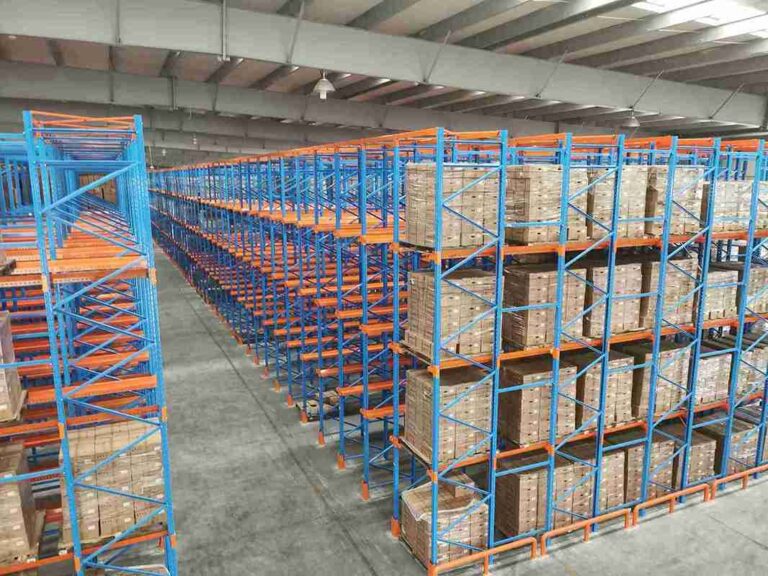
Drive-in racking systems are a specialized type of σύστημα αποθήκευσης παλετών designed for high-density warehousing. Unlike επιλεκτικά ράφια, which requires aisles for each pallet row, drive-in racking utilizes a last-in, first-out (LIFO) approach, where forklifts drive directly into the rack lanes to deposit or retrieve pallets.
H2: How Drive-In Racking Systems Work
- Forklift Entry: Operators drive into the rack structure, placing pallets on horizontal beams.
- LIFO Inventory Management: The last pallet stored is the first one retrieved, making it ideal for bulk storage of identical SKUs.
- Space Optimization: With minimal aisles required, drive-in racking systems can increase storage capacity by up to 90% compared to conventional racking.
H1: Key Components of Drive-In Racking Systems
H2: Structural Elements
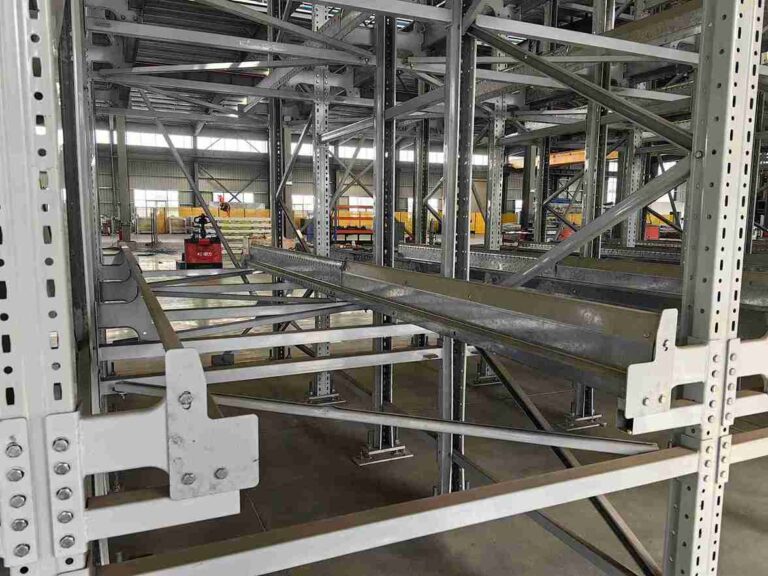
- Upright Frames: Heavy-duty vertical columns that support the entire structure.
- Load Beams: Horizontal bars that hold pallets in place.
- Guide Rails: Ensure safe forklift navigation within the rack lanes.
- Pallet Supports: Reinforced shelves that prevent pallets from shifting.
H2: Material and Durability Considerations
- High-Strength Steel: Ensures long-term durability and load-bearing capacity.
- Corrosion-Resistant Coatings: Essential for cold storageκαιfood-grade warehouses.
- Weight Capacity: Most drive-in racking systems support 2,000–5,000 lbs per pallet position.
H1: Benefits of Drive-In Racking Systems
H2: Unmatched Space Efficiency
- 90% Higher Storage Density compared to selective racking.
- Fewer Aisles = More Pallets: Ideal for warehouses with limited square footage.
H2: Cost Savings
- Reduced Real Estate Costs: Store more inventory in the same space.
- Lower Labor Costs: Fewer aisles mean faster forklift operations.
H2: Ideal for Bulk and Slow-Moving Inventory
- Perfect for industries like beverage distribution,automotive parts, καιpharmaceutical storage.
- Can be adapted for FIFO (First-In, First-Out) with drive-through racking configurations.
H1: Drive-In vs. Drive-Through Racking Systems
H2: Key Differences
| Χαρακτηριστικό γνώρισμα | Drive-In Racking | Drive-Through Racking |
|---|---|---|
| Access Method | Single entry/exit | Entry and exit on opposite ends |
| Inventory System | LIFO (Last-In, First-Out) | FIFO (First-In, First-Out) |
| Best Applications | Bulk storage of uniform SKUs | Perishable goods requiring rotation |
H2: Which System Is Right for Your Warehouse?
- Drive-In Racking: Best for high-density storage of non-perishable goods.
- Drive-Through Racking: Preferred for cold storageκαιtime-sensitive inventory.
H1: Applications of Drive-In Racking Systems
H2: Warehousing & Distribution Centers
- Beverage Industry: Ideal for storing large quantities of beer, soda, and bottled water.
- Retail Distribution: Efficiently manage backstock for big-box retailers.
H2: Cold Storage & Food Warehousing
- Frozen Food Storage: Maximizes space in temperature-controlled environments.
- Dairy & Meat Processing: Ensures efficient storage with minimal aisle space.
H2: Manufacturing & Industrial Storage
- Automotive Parts: Stores large volumes of identical components.
- Building Materials: Perfect for palletized lumber, tiles, and other bulk goods.
H1: Installation and Safety Considerations for Drive-In Racking Systems
H2: Proper Installation Guidelines
- Floor Flatness: Must be level to prevent rack instability.
- Forklift Operator Training: Essential for safe navigation in narrow lanes.
H2: Critical Safety Features
- Impact Guards: Protect uprights from forklift collisions.
- Column Protectors: Reinforce high-risk impact zones.
- Clear Lane Markings: Ensure operators follow designated pathways.
H1: Maintenance and Longevity of Drive-In Racking Systems
H2: Routine Inspection Checklist
- Check for Beam Deflection: Ensure beams are not bending under load.
- Inspect Upright Alignment: Misaligned columns can lead to structural failure.
- Tighten Bolts & Anchors: Prevent loosening over time.
H2: Common Wear and Tear Issues
- Forklift Damage: Reinforce high-traffic areas with additional bracing.
- Rust in Humid Environments:Χρήσηγαλβανισμένος χάλυβαςήpowder-coated finishes.
H1: Drive-In Racking vs. Other High-Density Storage Systems
H2: Push-Back Racking
- Drive-In Racking: More cost-effective but limited to LIFO.
- Push-Back Racking: Allows FIFO but at a higher price point.
H2: Pallet Flow Racking
- Gravity-Based System: No forklift entry required.
- Higher Throughput: Better for fast-moving inventory.
H2: Mobile Pallet Racking
- Adjustable Aisles: Offers flexibility but requires more maintenance.
- Higher Initial Cost: Not ideal for budget-conscious operations.
H1: Future Trends in Drive-In Racking Systems
H2: Automation & Smart Warehousing
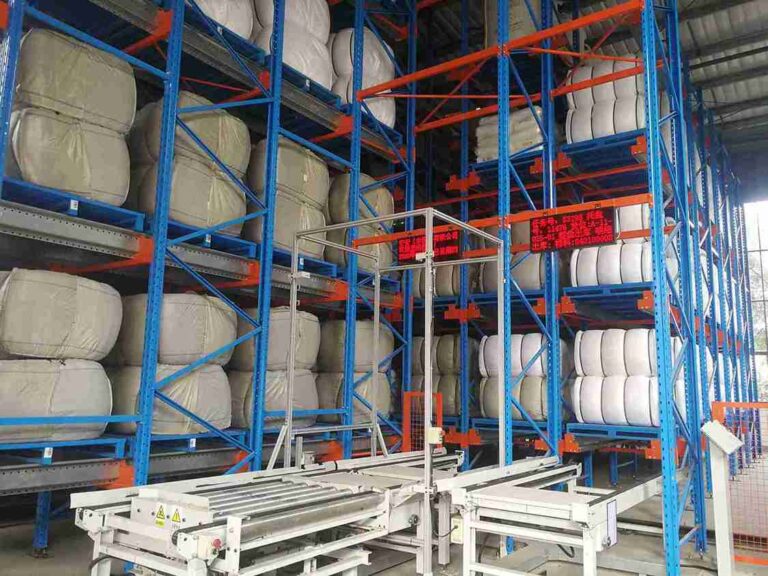
- Automated Guided Vehicles (AGVs): Reduce reliance on manual forklift operators.
- RFID & IoT Tracking: Enhances inventory accuracy in drive-in racking systems.
H2: Sustainable Warehouse Solutions
- Recycled Steel Construction: Eco-friendly material choices.
- Energy-Efficient Lighting: Reduces operational costs in high-density storage areas.
Συμπέρασμα
For businesses looking to maximize warehouse spaceκαιreduce operational costs,drive-in racking systems offer an unbeatable solution. Their high-density storage capabilities,durable construction, καιcost-efficiency make them a top choice for industries dealing with bulk inventory.
By understanding the key components,safety considerations, καιbest practices for implementation, warehouse managers can optimize their storage strategy for long-term success.
For more insights on warehouse optimization, explore our guides on επιλεκτικό ράφι παλετώνκαιpush-back racking systems.
Συχνές ερωτήσεις (Frequently Asked Questions)
1. What is the maximum height for drive-in racking systems?
Τα περισσότεραdrive-in racking systems support heights up to 40 feet, but custom designs can extend beyond this.
2. Can drive-in racking systems be used for FIFO inventory?
Standard drive-in racking uses LIFO, but drive-through racking allows FIFO inventory management.
3. How much weight can drive-in racking systems hold per pallet?
Typical capacity ranges from 2,000–5,000 lbs per pallet, depending on structural design.
4. Are drive-in racking systems suitable for small warehouses?
They are best suited for large-scale operations with high-volume storage needs.
5. What’s the average lifespan of a drive-in racking system?
With proper maintenance, drive-in racking systems can last 20+ years.