📐 "First 50 Enterprise Queries Get Custom 3D Warehouse Design" Plan


The Definitive Analysis of Double Deep Racking Price Per Pallet: A Strategic Investment for Global Warehouse Optimization
In the competitive landscape of global logistics and warehousing, operational efficiency is paramount. For businesses across emerging markets in Southeast Asia, the Middle East, Africa, and Latin America, the relentless pressure to reduce overhead while expanding storage capacity is a constant challenge. The central inquiry for any warehouse manager or logistics director evaluating storage solutions inevitably revolves around value: what is the true double deep racking price per pallet, and does it justify the investment?
This question transcends a simple component cost; it is a comprehensive analysis of capital expenditure versus long-term operational savings, spatial efficiency, and scalability. A thorough understanding of the factors that define the double deep racking price per pallet is crucial for making an informed decision that aligns with both immediate budgetary constraints and long-term strategic growth. This deep dive goes beyond surface-level quotes to explore the engineering, economic, and operational realities behind this powerful high-density storage solution.

Decoding the System: How Double Deep Racking Architecture Influences Cost
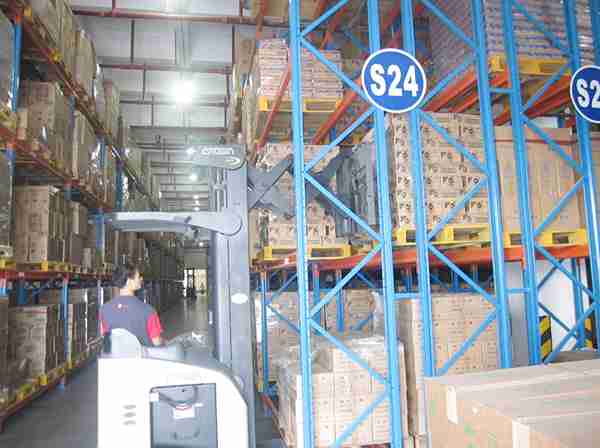
A double deep pallet racking system is precisely engineered to store pallets two units deep on each side of a single aisle, effectively consolidating storage lanes and reducing aisle space by up to 50% compared to traditional selective racking. This configuration is not merely about placing racks closer together; it is an integrated system comprising the racking structure itself and specialized Material Handling Equipment (MHE), typically a double reach truck. The interplay between these two elements is the primary determinant of the final double deep racking price per pallet.
The racking structure requires robust upright frames capable of handling the dynamic loads not just from stored inventory, but from the reach truck operating within the aisle. Beams are often specially designed with a stepped or retractable profile to allow the truck’s forks to access the second pallet position smoothly. This specialized engineering, using high-grade steel and precise manufacturing tolerances, forms the baseline of the double deep racking price per pallet. Simultaneously, the double reach truck, with its telescopic forks and articulated chassis for narrow-aisle maneuverability, represents a significant capital investment.
However, its cost is intrinsically linked to the system’s efficiency; it is the key that unlocks the space-saving potential. Therefore, a professional quote for the double deep racking price per pallet must holistically consider both the static storage infrastructure and the dynamic handling equipment required to make it functional.
A Granular Cost Breakdown: From Raw Steel to Operational Readiness
To move beyond vague estimates, one must dissect the contributing factors to the double deep racking price per pallet. This cost is a composite of several explicit and implicit elements.
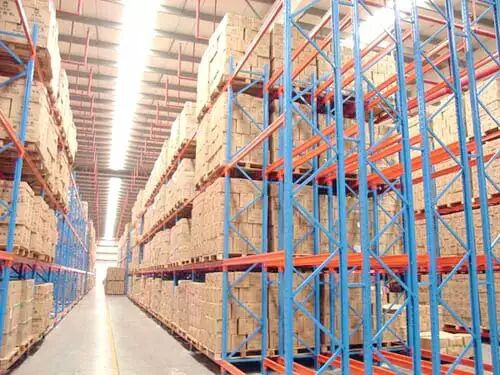
Structural Component Costs: This includes the upright frames (varying in gauge, height, and finish), the load beams, decking options (wire mesh or bar grate), and essential safety accessories like column guards and aisle end protectors. The price escalates with increased load capacity, taller heights (requiring more steel and robust bracing), and specialized finishes like powder coating for corrosion resistance in humid climates prevalent in Southeast Asia and coastal Africa.
Material Handling Equipment (MHE) Costs: The double reach truck is a sophisticated piece of machinery. Its price is influenced by lift height, load capacity, mast configuration, and power source (electric being the standard for indoor air quality). The procurement cost of this truck is a major, yet unavoidable, component amortized across the system’s total pallet positions, directly impacting the calculated double deep racking price per pallet.
Design and Engineering Services: Prior to any installation, a comprehensive site audit and structural design are non-negotiable. This involves precise load calculations, seismic considerations for regions like the Philippines or Chile, floor flatness (FF/FL) analysis for reach truck operation, and integration planning with existing Warehouse Management Systems (WMS). These professional services ensure system integrity and safety but are factored into the overall project cost.
Installation and Commissioning: Professional installation by certified technicians is critical for safety and performance. This phase includes anchoring to engineered specifications, precise alignment, and final load testing. Post-installation, operator training on the new reach trucks and storage protocols is essential to realize the system’s full potential and protect the investment.
Understanding this breakdown allows for a transparent evaluation of any proposal for double deep racking price per pallet, ensuring all necessary components and services are accounted for, preventing costly surprises during project execution.
The Strategic Value Proposition: Calculating Total Cost of Ownership (TCO)
While the upfront double deep racking price per pallet is a critical figure, the true measure of value lies in the Total Cost of Ownership (TCO). This long-term perspective reveals why double deep systems offer a compelling return on investment, particularly in markets with rising real estate costs.
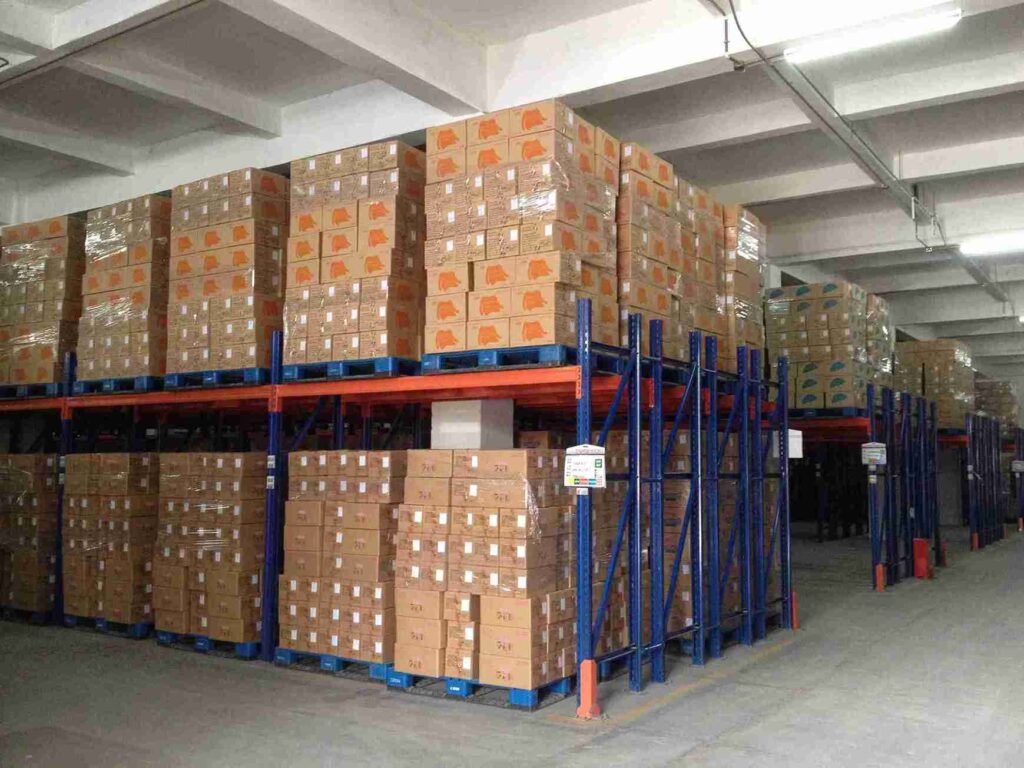
The most significant saving is in real estate. By dramatically increasing storage density, a warehouse can often store the same inventory in a smaller footprint or delay the need for costly expansion. In high-rent districts of major logistics hubs in the UAE, Mexico, or Vietnam, the annual savings on floor space can rapidly offset the initial double deep racking price per pallet. Furthermore, a smaller, denser storage area reduces energy consumption for lighting and climate control, contributing to ongoing operational savings.
Operational efficiency also sees marked improvement. Although double reach trucks have a slightly longer cycle time per pick than standard forklifts, the drastic reduction in overall travel distance—due to fewer aisles—leads to higher overall productivity. This translates to lower labor costs per pallet moved over time. Therefore, when evaluating the double deep racking price per pallet, savvy managers look at the amortized savings in rent, utilities, and labor over a 5 to 10-year period, which typically paints a far more favorable financial picture than the initial invoice alone.
Regional Adaptations and Their Impact on Cost Structures
The optimal design and consequent double deep racking price per pallet are not universal; they are shaped by local conditions. A system deployed in the arid, dusty environment of Saudi Arabia will have different specifications than one in the tropical humidity of Indonesia.
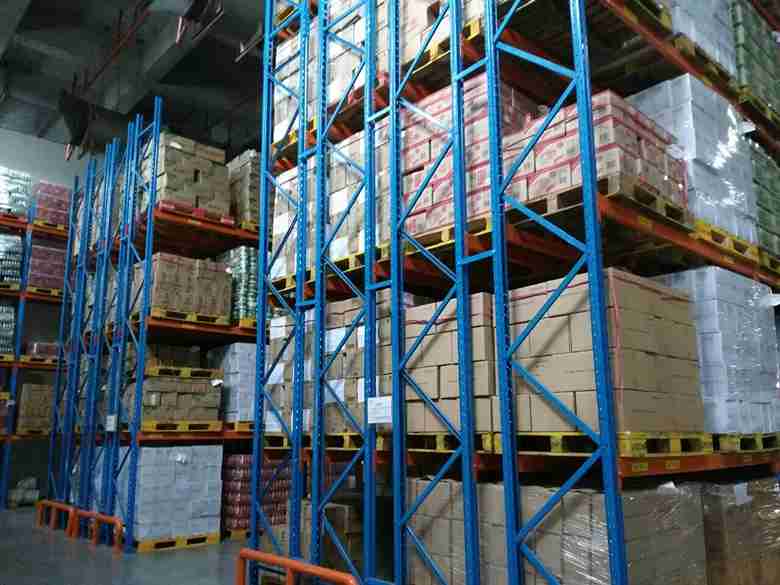
Climate and Corrosion: In coastal or highly humid regions, specifying hot-dip galvanized or premium powder-coated steel components is essential for longevity. This adds to the upfront double deep racking price per pallet but prevents rampant corrosion and costly premature replacements, offering better TCO.
Seismic Activity: In seismically active zones across Latin America and parts of Asia, racking designs must incorporate enhanced bracing, specific connection details, and heavier-duty uprights to meet local building codes. This necessary reinforcement increases the double deep racking price per pallet but is a non-negotiable investment in safety and asset protection.
Local Supply Chains and Logistics: Import duties, local manufacturing capabilities, and transportation logistics within regions like Africa or inland South America can influence the final delivered cost. A provider with a strong local presence or efficient supply chain partnerships can often optimize these variables to present a more competitive double deep racking price per pallet.
Optimization for Performance: Maximizing the Return on Your Investment
Achieving the lowest possible double deep racking price per pallet should not come at the expense of performance. Several strategic decisions can optimize both cost and efficiency.
Inventory Profiling (ABC Analysis): Positioning fast-moving “A” items in the easily accessible front positions and slower-moving “B/C” items in the rear depth maximizes throughput efficiency. This logical slotting, managed by a robust WMS, ensures the system’s design delivers on its productivity promise, enhancing the value derived from the paid double deep racking price per pallet.
Pallet Standardization: Inconsistent, poor-quality, or oversized pallets increase the risk of damage and retrieval difficulties, leading to downtime. Enforcing a pallet standardization policy protects the racking investment and ensures smooth operation, safeguarding the efficiency factored into the double deep racking price per pallet calculation.
Proactive Maintenance: Implementing a scheduled inspection and maintenance regimen for both the racking (checking for impacts, alignment, and anchor integrity) and the reach trucks is crucial. This preventative approach minimizes unplanned downtime and extends the system’s operational life, protecting the long-term value of the initial double deep racking price per pallet expenditure.
In conclusion, the double deep racking price per pallet is a nuanced metric that serves as a gateway to substantial warehouse transformation. It encapsulates the cost of advanced engineering, specialized equipment, and professional expertise required to build a denser, more efficient storage operation. For businesses looking to scale efficiently in growth markets, the focus should extend beyond the initial quote to a comprehensive analysis of Total Cost of Ownership.
The strategic reduction in real estate footprint, coupled with gains in operational productivity, typically validates the investment, making the double deep racking price per pallet a calculation not of expense, but of future-ready strategic value. By partnering with an expert who provides transparent costing, regionally-adapted design, and full lifecycle support, companies can confidently invest in a system that not only stores more but operates smarter, driving profitability in an increasingly competitive global marketplace.
Frequently Asked Questions (FAQs)
1. How does the cost of a double deep system compare to installing mezzanine flooring for additional space?
Both are solutions for increasing capacity, but they address different needs. A mezzanine creates a new level within the existing building envelope, effectively doubling floor space but often requiring significant structural reinforcement, stairways, and possibly additional fire protection. The double deep racking price per pallet typically offers a more cost-effective path to higher pallet density within the existing clear height without major building modifications. The choice depends on ceiling height, inventory profile, and flow requirements.
2. Can existing standard counterbalance forklifts be used with double deep racking?
No, standard forklifts cannot access the second pallet position in a double deep configuration. The system’s functionality is wholly dependent on the use of specialized double reach trucks, which have telescopic forks that extend to retrieve the rear pallet. The cost of this necessary equipment is a fundamental part of the overall double deep racking price per pallet analysis.
3. What happens if a pallet in the front position is empty but the rear position is still full? How is stock rotation managed?
Effective operation requires disciplined warehouse management. The standard practice is “lane dedicating,” where a specific SKU is assigned to a paired set of front and rear locations. The WMS must direct operators to always load new stock into the rear position, only moving a pallet forward when the front position is completely empty. This enforces a FIFO (First-In, First-Out) flow. Poor discipline here can negate the efficiency gains sought when evaluating the double deep racking price per pallet.
4. Are there specific fire safety regulations that affect the layout and cost of double deep installations?
Yes, fire safety codes are critical. The dense storage can obstruct sprinkler water distribution. Regulations often require defined vertical “flue spaces” at regular intervals within the racking array to allow for heat and smoke venting and water penetration. In some cases, in-rack sprinkler heads may be mandated. These requirements influence the racking layout and add to the total project cost, which is reflected in the comprehensive double deep racking price per pallet.
5. What is the typical lead time for a full double deep racking system from order to operational handover?
Lead times are project-specific and vary by region and scale. Generally, the process takes 4 to 8 months. It includes several weeks for final design and approval, 8-12 weeks for racking manufacturing and shipment, 12-16 weeks for double reach truck procurement and delivery, and several weeks for on-site installation and commissioning. A detailed timeline should be provided with any formal quote for the double deep racking price per pallet.
If you require perfect CAD drawings and quotes for warehouse racking, please contact us. We can provide you with free warehouse racking planning and design services and quotes. Our email address is: jili@geelyracks.com