📐 "First 50 Enterprise Queries Get Custom 3D Warehouse Design" Plan


Solving Modern Warehouse Storage Challenges with Double Deep Racking Design
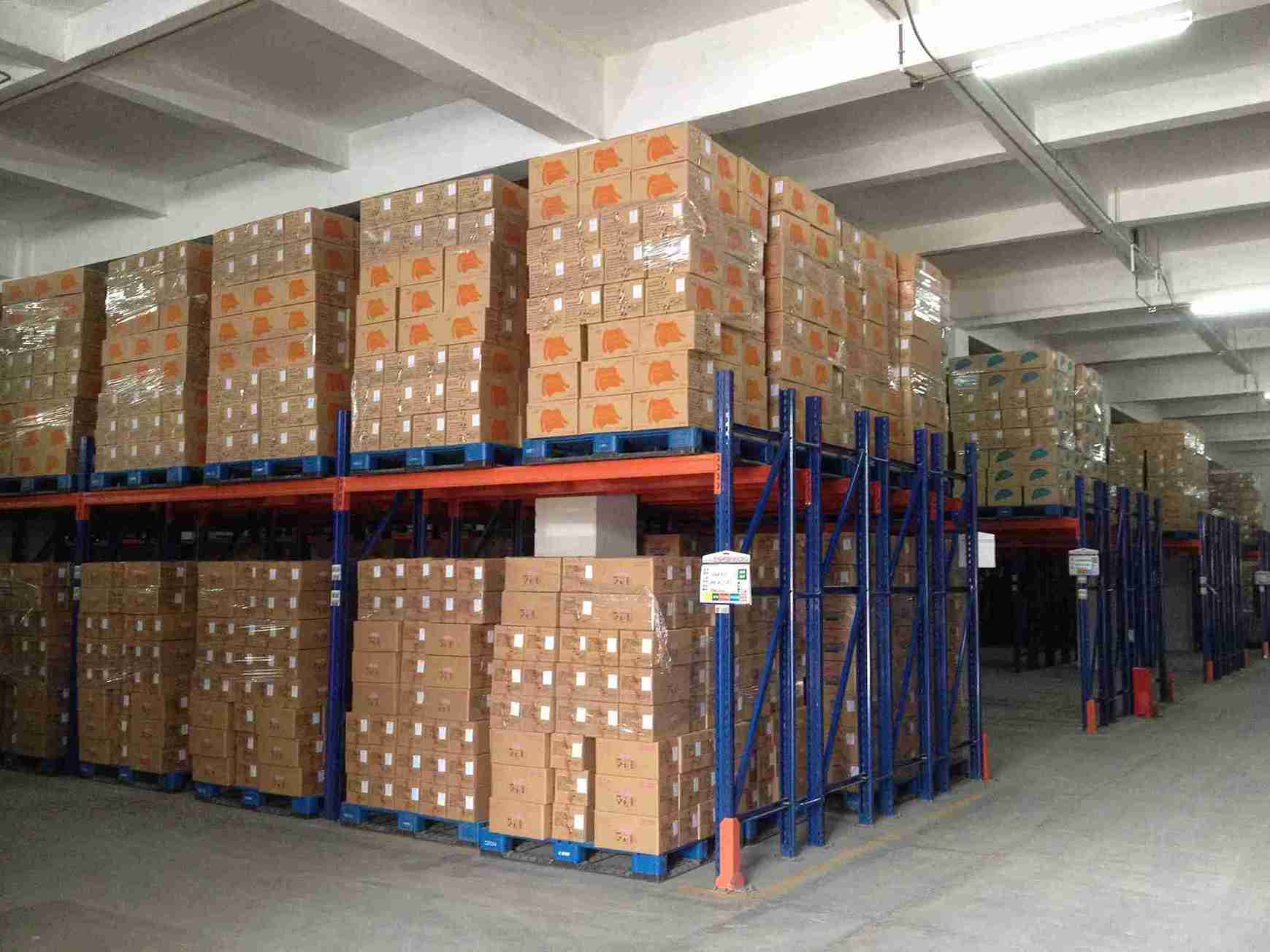
In today’s competitive logistics landscape, warehouse managers face unprecedented pressure to optimize every square foot of storage space while maintaining operational efficiency. Double deep racking design has emerged as one of the most effective solutions for increasing storage density by 40% or more without costly facility expansions.
Unlike traditional selective pallet racking that wastes valuable floor space with wide aisles, double deep racking design strategically stores pallets two-deep, dramatically improving storage capacity while maintaining reasonable accessibility. This guide provides warehouse operators with comprehensive, expert-backed insights into implementing this high-density storage solution effectively.
Why This Matters for Your Operation
The average warehouse loses 15-20% of usable space to inefficient layouts (Modern Materials Handling, 2023)
Double deep racking design typically delivers ROI within 12-18 months through space savings
Proper implementation can reduce forklift travel time by 25%, lowering operational costs
1. Understanding Double Deep Racking Design Fundamentals
1.1 The Engineering Behind the System
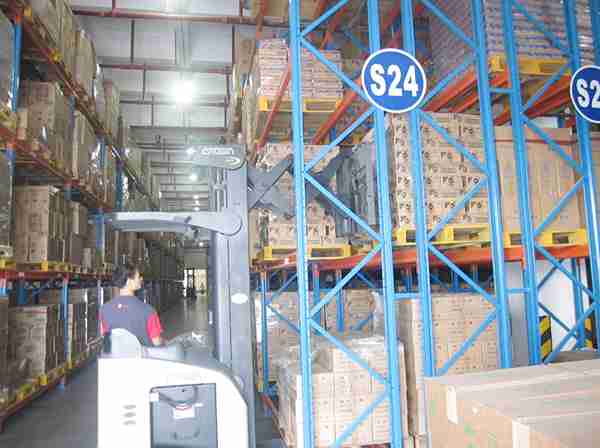
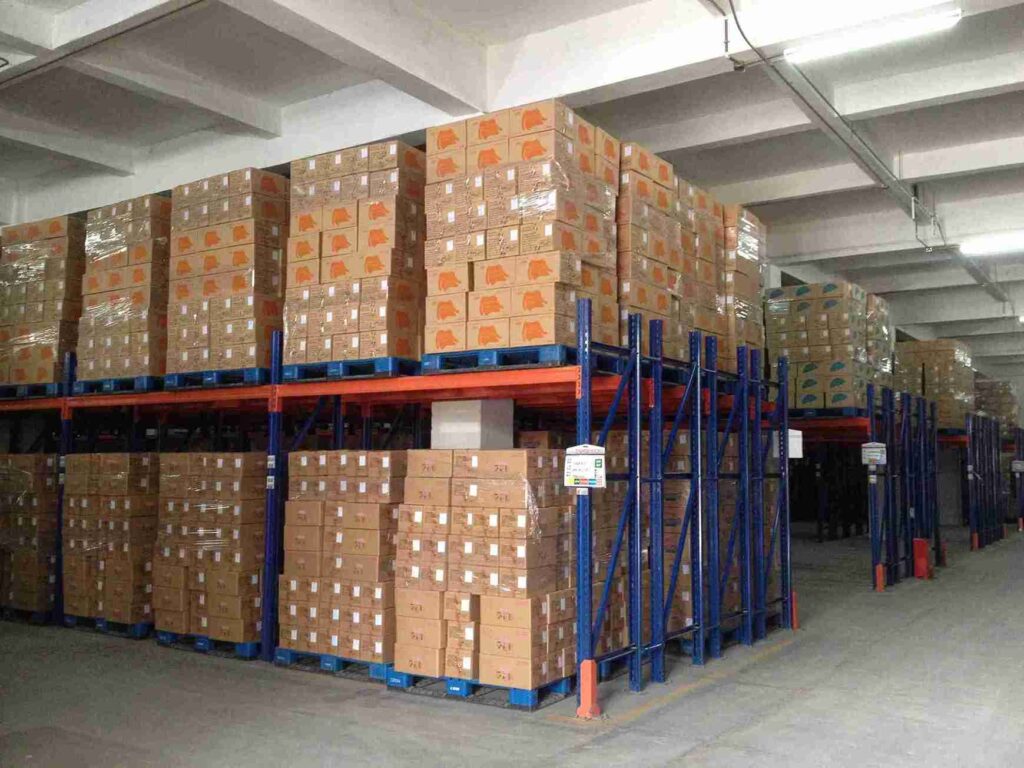
Double deep racking design utilizes a two-pallet-deep storage configuration that fundamentally changes how warehouses utilize vertical and horizontal space. The system requires:
Heavy-duty structural components capable of supporting double loads
Precisely calculated beam deflection ratings to prevent sagging
Specialized forklift equipment with extended reach capabilities
1.2 Key Components and Specifications
| Component | Specification | Importance |
|---|---|---|
| Upright Frames | 12-14 gauge steel | Supports double weight loads |
| Beams | 3,000-6,000 lb capacity per pair | Prevents deflection under load |
| Wire Mesh Decking | Optional safety feature | Prevents small items from falling |
| Column Protectors | 10-12 gauge steel | Reduces forklift damage |
“The structural integrity of double deep systems requires 30% more steel than standard selective racking,” notes John Harrison, PE, a structural engineer specializing in warehouse systems.
2. Comparing Storage Solutions: Where Double Deep Excels
2.1 Performance Metrics Across Systems
| Storage Type | Pallets/Sq Ft | Accessibility | Ideal Use Case |
|---|---|---|---|
| Selective Racking | 1.0 | Excellent | Fast-moving SKUs |
| Double Deep | 1.4 | Good | Medium-velocity goods |
| Drive-In Racking | 1.8 | Poor | Very slow movers |
| Push-Back Racking | 1.6 | Moderate | FIFO/LIFO hybrid |
2.2 Real-World Application Scenarios
Case Example: A beverage distributor in Ohio implemented double deep racking design for their seasonal product lines, achieving:
42% increase in pallet positions
22% reduction in forklift miles/week
18-month ROI through avoided expansion costs
3. Advanced Implementation Considerations
3.1 Warehouse Layout Optimization
Proper double deep racking design requires meticulous planning:
Aisle width calculations accounting for forklift turning radius
Picking frequency analysis to position SKUs strategically
Fire code compliance for high-density storage areas
3.2 Forklift Requirements and Specifications
| Equipment Type | Reach Extension | Aisle Width | Cost Premium |
|---|---|---|---|
| Standard Reach Truck | No | 11-13 ft | – |
| Double Deep Reach | Yes | 9-11 ft | 15-20% |
| AGV-Compatible | Varies | 8-10 ft | 30-40% |
Pro Tip: “Always conduct a forklift compatibility analysis before finalizing racking plans,” advises warehouse automation specialist Maria Chen.
4. Safety and Maintenance Best Practices
4.1 Critical Safety Protocols
Annual rack inspections by certified professionals
Visible load capacity signage at each bay
Forklift operator training specific to double deep systems
4.2 Preventative Maintenance Schedule
| Task | Frequency | Importance |
|---|---|---|
| Beam Deflection Checks | Quarterly | Prevents overloading |
| Anchor Bolt Inspection | Semi-annually | Ensures seismic stability |
| Upright Alignment Verification | Annually | Maintains system integrity |
5. Future-Proofing Your Investment
5.1 Integration with Emerging Technologies
AGV/AMR compatibility considerations
WMS software adaptations for LIFO tracking
IoT sensor installations for load monitoring
5.2 Expansion and Modification Planning
Modular design principles for easy reconfiguration
Vertical expansion potential analysis
Conversion pathways to other high-density systems
Conclusion: Making the Right Decision for Your Facility
Implementing double deep racking design represents a significant opportunity for warehouses to enhance storage density while maintaining reasonable accessibility. By following the expert guidance outlined in this comprehensive resource, operations can:
Avoid costly facility expansions
Improve space utilization by 40%+
Reduce material handling costs
Future-proof their storage infrastructure
For operations considering this solution, we recommend:
Conducting a detailed space analysis
Evaluating forklift compatibility
Consulting with structural engineers
Developing phased implementation plans
Ready to explore how double deep racking can transform your warehouse? Contact our storage specialists today for a free facility assessment.
FAQs: Expert Answers to Common Questions
1. How does seismic activity affect double deep racking design?
In seismic zones, double deep racking design requires:
Additional bracing
Higher-grade anchors
Reduced height-to-depth ratios
Always consult a structural engineer in earthquake-prone regions.
2. Can double deep systems accommodate pallets of different sizes?
Yes, but with limitations:
Maximum 2″ variation in depth
Uniform width required
Adjustable beam levels recommended
3. What’s the typical lifespan of a double deep system?
With proper maintenance:
20-25 years for structural components
10-15 years for wear items (beams, decking)
5-7 years for safety accessories
4. How does lighting affect double deep racking efficiency?
Critical considerations:
50-75 foot-candles at upper levels
Motion-activated lighting for energy savings
LED strip lighting in narrow aisles
5. What insurance implications come with double deep systems?
Common requirements:
Annual safety certifications
Load capacity documentation
Operator training records
Most carriers offer 5-10% premium discounts for compliant installations.
Welcome to contact us, if you need warehouse rack CAD drawings. We can provide you with warehouse rack planning and design for free. Our email address is: jili@geelyracks.com