📐 "First 50 Enterprise Queries Get Custom 3D Warehouse Design" Plan


Engineered for the Extreme: The Definitive Guide to Unmatched Durability in Double Deep Pallet Racking for High-Stakes Logistics Across Africa and Central Asia
Executive Summary: The Strategic Imperative of Engineered Durability
In the relentless logistics landscapes of Africa and Central Asia, where operational pressures intersect with environmental extremes, warehouse infrastructure is a critical determinant of competitive advantage. Conventional storage solutions are frequently proven inadequate, buckling under the demands of 24/7 operations, harsh climates, and the unforgiving economics of modern supply chains.
This comprehensive analysis establishes why investing in a durable double deep pallet racking system transcends mere equipment procurement; it represents a foundational strategic decision for sustainable growth. The following discourse delves into the engineering principles, economic calculus, and operational methodologies that define a genuinely durable double deep pallet racking solution.
It articulates how such a system directly catalyzes radical cost reduction, breakthrough efficiency gains, and provides the resilience necessary to thrive in markets from Lagos to Tashkent. Beyond superficial features, this guide provides the granular, expert-level insight required by logistics directors, warehouse managers, and operations heads to specify, implement, and leverage a double deep pallet racking system that functions as both an impenetrable asset safeguard and a dynamic profit engine.
The Unyielding Operational Reality: Why “Durable” is the Only Viable Spec for High-Demand Regions
Logistics networks across Africa and Central Asia are not for the faint of heart—or the weakly constructed. These regions present a unique confluence of explosive market growth, infrastructural variability, and physical challenges that collectively stress storage systems beyond standard design parameters. A generic double deep pallet racking system, conceived for temperate, predictable environments, is a liability waiting to manifest.
The imperative for exceptional durability springs from multiple, simultaneous pressures. The breakneck expansion of e-commerce fulfillment, mineral and commodity exports, and fast-moving consumer goods (FMCG) distribution has created supply chains characterized by high-volume throughput and compressed cycle times. Modern warehouses have evolved into dynamic, high-velocity cross-docking and distribution hubs, not passive storage sheds.
Concurrently, environmental antagonists wage a continuous campaign on infrastructure. Coastal logistics hubs in West Africa combat salt-laden air and pervasive humidity, aggressive catalysts for corrosion. Inland industrial centers in Central Asia endure dramatic thermal cycling, from blistering summer heat to sub-zero winter temperatures, inducing metal fatigue and coating stress. Furthermore, operational realities often include variable operator expertise and intense equipment utilization, increasing the statistical probability of impacts.
Within this context, the term durable ceases to be a marketing adjective and becomes the non-negotiable core specification. It is the defining attribute that ensures systemic integrity, protects millions in inventory, and guarantees operational continuity by eliminating the catastrophic costs of downtime or structural failure. To consider anything less than a durable double deep pallet racking system is to accept an untenable level of business risk.
Architectural Mastery: Deconstructing the Double Deep Pallet Racking System for High-Performance Logistics
To appreciate the engineering required for durability, one must first understand the fundamental architecture and operational dynamics of the double deep pallet racking system. This configuration is a sophisticated, density-optimized evolution of selective pallet racking, masterfully balancing accessibility with space utilization.
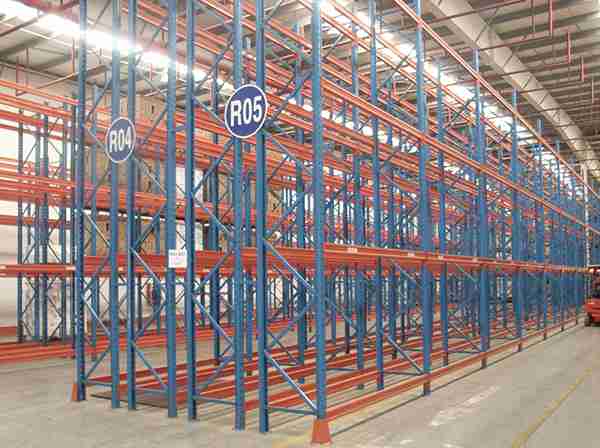
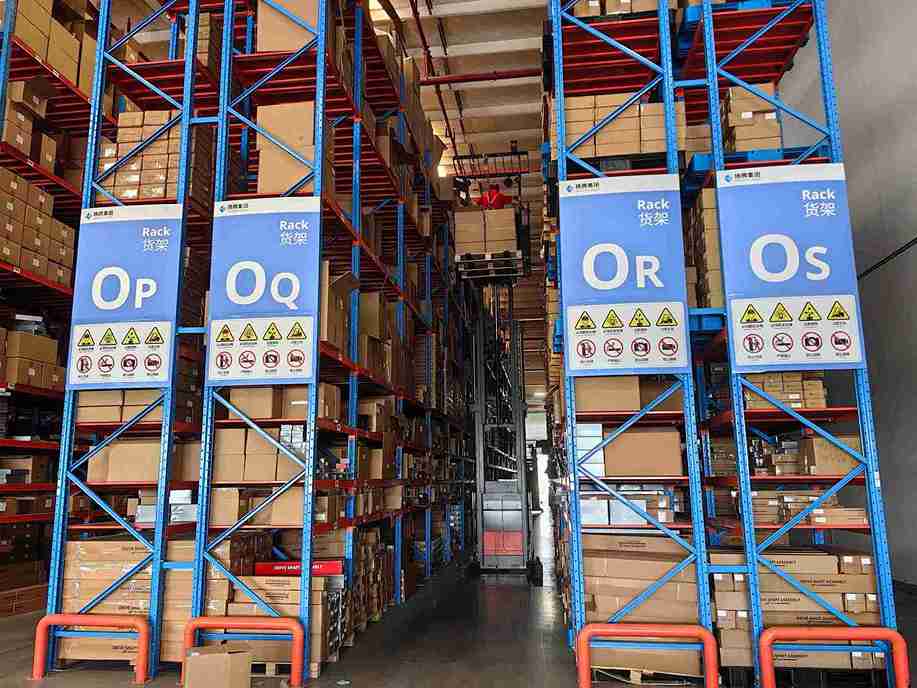
The Density Optimization Principle: The core concept of a double deep pallet racking system is elegantly logical: two rows of conventional selective racking are placed directly back-to-back, effectively eliminating one access aisle for every two storage rows. Pallets are stored two-deep on each side of a single, shared aisle. This configuration produces an immediate and profound gain in storage density, typically reducing required aisle space by approximately 50% compared to a selective layout. The result is a dramatic increase in pallet positions within the same warehouse footprint.
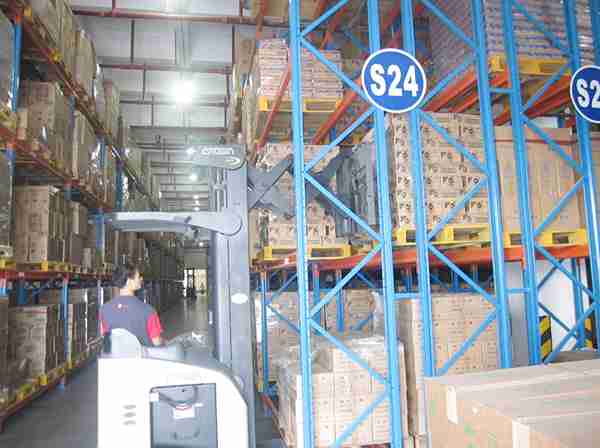
The Specialized Access Methodology: The efficiency of the double deep pallet racking system is unlocked by its dedicated material handling protocol. Standard counterbalance forklifts cannot access the second pallet position. This necessitates the use of specialized Double Reach Trucks or Forklifts equipped with Deep-Reach Attachments. These machines feature elongated forks and a sophisticated mast mechanism capable of extending beyond the first pallet, engaging the second, and retrieving it, all within comparatively narrow aisles typically ranging from 3.3 to 4 meters (11-13 feet).
The Integral Structural Design: A professionally engineered durable double deep pallet racking system is not merely two selective racks positioned in proximity. It is an integrated structure. This necessitates specifically designed upright frames with sufficient depth to accommodate two standard pallets, coupled with deep-reach load beams. Robust back-to-back row connections and often integrated vertical bracing are essential for the lateral stability required to withstand the forces exerted during deep-reach operations. This inherent architectural complexity elevates the importance of every component’s strength and resilience.
The Metallurgical and Engineering Blueprint: Building a Double Deep Pallet Racking System for a 25-Year Lifespan
When industry leaders specify a durable double deep pallet racking system, they invoke a rigorous, multi-disciplinary engineering philosophy applied to material selection, fabrication, and finishing. This is a commitment to specifications that deliberately exceed commonplace industry minimums.
The Foundation: High-Tensile Steel and Advanced Protective Science
The journey toward durability begins at the atomic level with the steel itself. Premium double deep pallet racking systems utilize exclusively hot-rolled, high-tensile structural steel, with a minimum yield strength of 345 MPa (Megapascals) or higher. This material is purpose-formulated for dynamic structural applications, not commodity construction. Durability is then molecularly locked in through a multi-stage protective finishing process:
Pre-Galvanization for Core Protection: The steel coil is galvanized before roll-forming. This critical process, known as pre-galvanization, ensures a consistent, metallurgically bonded zinc coating (e.g., Z275 or Z350 specification) on every square millimeter of the steel, including the interiors of closed sections. This zinc layer provides sacrificial cathodic protection, actively defending against corrosion even if the surface is scratched—a paramount feature for humid, salt-air environments prevalent in African coastal logistics zones.
Epoxy-Polyester Powder Coating Fortification: Following forming, components undergo a rigorous pre-treatment (phosphating) before an electrostatic application of a thermosetting epoxy-polyester powder coat. This layer is then cured under heat, forming a second, incredibly resilient barrier. This coating resists abrasion from pallets, chemical exposure from spills, and ultraviolet degradation—a vital defense for facilities in the intense sunlight of Central Asia.
Connection Integrity: Where Engineering Precision Meets Operational Safety
In a double deep pallet racking system, the connections are the nervous system; their failure is systemic. Durability here is engineered through positive, mechanical locking systems.
Patented Safety-Lock Beam Connections: Superior systems employ a patented tooth-and-lock connection design. This mechanism ensures that once the beam end connector is seated into the upright frame’s hole, it cannot be accidentally dislodged by vertical impacts from below (forklift masts) or horizontal forces. This positive lock is fundamentally more reliable than older friction-fit or pinned systems, which can loosen over time due to vibration and load dynamics.
Anchored Stability: Wedge-Base or Bolted Systems: For ultimate stability, particularly in regions with seismic considerations or for the highest throughput operations, the double deep pallet racking system should be secured via anchor bolts into the concrete slab or via a proprietary wedge-base system. This creates a monolithic connection with the building’s foundation, resisting the lateral and torsional forces inherent in narrow-aisle reach truck operations.
Strategic Reinforcement: Engineering for High-Stress Focal Points
Intelligent durability means adding strength where stress is concentrated.
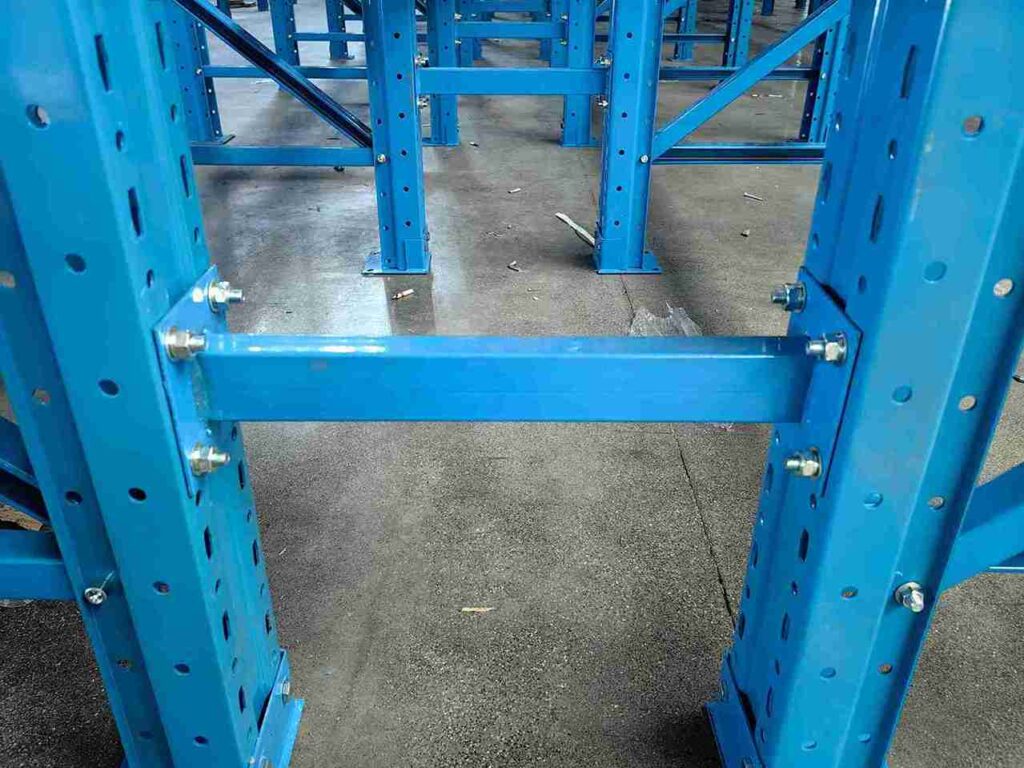
Upright Frame Reinforcement: High-grade double deep pallet racking uprights feature integrated reinforcements at critical points: thick steel kick plates at the base to resist impact, heavy-duty tie plates at beam connection levels to prevent column web buckling, and reinforced top sections.
Forged Beam End Connectors: The beam end connectors, the critical interface transferring load from the beam to the upright, are often cold-forged or machined from a higher-grade, thicker steel than the beam tube itself. Their design is meticulously engineered to handle not just static weight, but the dynamic “pull-out” forces and moments generated during the deep-reach retrieval process.
The Efficiency Equation: Quantifying How a Durable Double Deep Pallet Racking System Drives Down Costs and Scales Productivity
Durability and operational efficiency exist in a symbiotic relationship within a double deep pallet racking system. A rack that maintains its integrity, alignment, and safety without constant intervention is a rack that enables peak workflow efficiency and cost control. The financial and operational benefits are quantifiable and significant.
Transforming Real Estate into a Strategic Asset
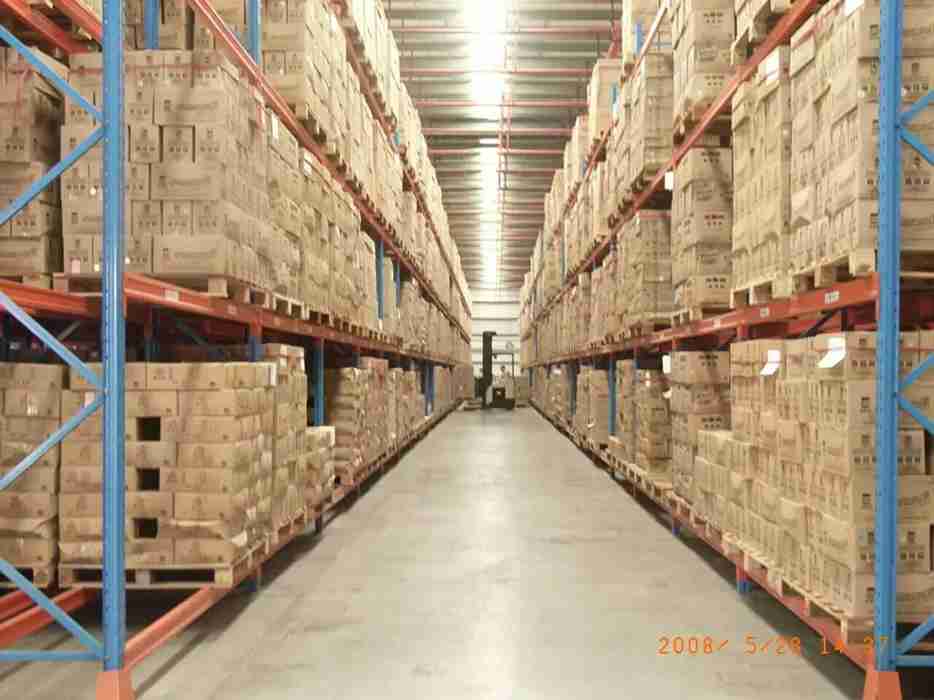
The primary economic driver of any double deep pallet racking system is its revolutionary space efficiency. By consolidating aisles, it effectively doubles storage density within the same airspace.
Capital Expenditure Avoidance: The need for new warehouse construction or leasing additional space can be deferred or eliminated. This avoids massive capital outlays or long-term lease commitments.
Operational Expense Reduction: A smaller, denser storage footprint directly reduces costs associated with lighting, heating, cooling, and security. The energy savings alone can be substantial over the lifespan of the double deep pallet racking installation.
Footprint-to-Volume Optimization: For new facilities, specifying a double deep pallet racking system from inception can allow for a physically smaller building to achieve the same storage volume, reducing construction costs, property taxes, and insurance premiums.
Streamlining Labor and Workflow for Peak Output
The configuration of a double deep pallet racking system inherently organizes workflow for greater productivity.
Optimized Material Handler Travel: With up to 50% fewer aisles, forklift travel paths for put-away and retrieval are significantly reduced. This translates directly into more cycles per shift, lower energy consumption (battery/fuel), and reduced equipment wear and tear.
Enhanced Inventory Control Discipline: A properly configured double deep pallet racking system enforces disciplined lane management, naturally supporting FIFO (First-In, First-Out) or LIFO (Last-In, First-Out) inventory protocols. This reduces stock aging errors, simplifies cycle counting, and improves overall inventory accuracy.
The Automation-Ready Pathway: The consistent, narrow-aisle grid of a double deep pallet racking system presents the ideal physical infrastructure for integration with automated storage and retrieval technologies. This layout is perfectly suited for eventual or immediate integration with Automated Guided Vehicles (AGVs) or semi-automated deep-reach trucks, protecting the investment by future-proofing the warehouse.
Conquering Regional Adversaries: Tailoring the Double Deep Pallet Racking Solution for Africa and Central Asia
A universal specification is a recipe for underperformance. A truly durable double deep pallet racking system must be engineered with explicit consideration for regional operational and environmental adversaries.
For the African Logistics Theatre: Combatting Corrosion and Embracing Adaptability
West & Central African Coastal Hubs: Here, the double deep pallet racking system requires an enhanced defensive specification. This includes a higher-class galvanization (Z350 or greater), a corrosion-inhibiting primer beneath the powder coat, and the option for stainless steel hardware on critical connections. Regular integrity audits are recommended to monitor performance in these aggressive environments.
Adapting to Variable Site Conditions: Engineering for Africa often means designing a double deep pallet racking system with adaptability in mind. This includes adjustable base plates to compensate for floor unevenness and a modular design philosophy that allows the entire system to be reconfigured, expanded, or relocated as business needs evolve with the dynamic market.
High-Velocity FMCG & Port Logistics: For bottling plants, distribution centers, and port-side warehouses, the double deep pallet racking system must be configured for extreme throughput. This involves beam level optimization for regional pallet standards (EUR, UK, or local specs) and component robustness that can withstand constant loading/unloading cycles with minimal deflection or wear.
For the Central Asian Industrial Heartland: Engineering for Climate Extremes and Heavy Industry
Endurance for Thermal Cycling: The double deep pallet racking system in Almaty or Nur-Sultan must be built to endure. Steel and paint system formulations are selected for high thermal elasticity to prevent micro-cracking. Connection designs may incorporate tolerance for minor but repeated thermal expansion and contraction.
Seismic and Vibration Resilience: In active zones or near heavy machinery, the double deep pallet racking system design must include seismic-rated calculations. This results in specifications for increased horizontal bracing, heavier upright profiles (e.g., 150x90mm), and specialized anchoring systems to dissipate energy and maintain stability.
Mining, Energy, and Heavy Commodity Storage: For storing heavy machinery parts, drill pipes, or industrial materials, the double deep pallet racking system is engineered for ultra-heavy unit loads. This utilizes reinforced upright frames, triple-step beams, and often, customized decking solutions to handle point loads that would compromise a standard system.
The Inescapable Financial Logic: Total Cost of Ownership Analysis for the Durable Double Deep Pallet Racking System
The procurement decision for a double deep pallet racking system must be framed by its Total Cost of Ownership (TCO), not its initial purchase price. A genuinely durable double deep pallet racking system commands a premium investment that is overwhelmingly justified over its operational lifespan.
Capital Expenditure (CapEx): Higher initial investment in premium materials (high-tensile steel, superior finishes), precision engineering, and certified installation.
Operational Expenditure (OpEx): Radically Lower. Near-zero maintenance and repair costs, no premature component replacement, continuous savings from superior space and labor efficiency, and reduced energy overhead.
Risk Mitigation Value: Priceless. The cost of a single racking collapse—encompassing total inventory loss, prolonged business interruption, liability claims, and reputational catastrophe—can be existential. The durable double deep pallet racking system is engineered to make this probability virtually zero, serving as a robust form of operational insurance.
Asset Lifecycle and Depreciation: Where a standard double deep pallet racking system may require significant refurbishment or complete replacement in 10-15 years, a durable double deep pallet racking system is engineered for a 25+ year service life with minimal degradation. This extends the depreciation period and delivers a far lower annualized cost.
The financial conclusion is unambiguous: invest once in a durable double deep pallet racking system for a generation of predictable performance, or pay perpetually—and unpredictably—in hidden costs, inefficiencies, and unquantifiable risk.
The Holistic Implementation: Beyond the Rack – System Integration and Expert Partnership
A world-class double deep pallet racking system is not a commodity product dropped at a loading dock; it is a performance-critical system delivered through expert partnership. This end-to-end approach is what separates a mere supplier from a strategic logistics ally.
Comprehensive Site Analysis and Dynamic Load Planning: The process begins not with a catalog, but with an engineering-grade assessment of your slab strength, flatness, pallet specifications, inventory velocity profiles, and future growth plans.
CAD Simulation and Load Modeling: Prior to fabrication, the proposed double deep pallet racking system layout is modeled in 3D, allowing for virtual walkthroughs. Advanced software simulates load distributions and even calculates safety factors under dynamic conditions, providing certainty before installation begins.
Turnkey Installation by Certified Technicians: The double deep pallet racking system is installed by factory-trained and certified crews who understand the torque specifications, alignment tolerances, and safety protocols critical to realizing the designed performance.
Lifecycle Support and Proactive Integrity Audits: The partnership continues with scheduled professional inspections of the double deep pallet racking system. These audits assess structural integrity, identify any minor damage, and recommend operational adjustments to ensure the system continues to perform safely and efficiently for decades.
The Automated Future: Positioning Your Double Deep Pallet Racking System as the Foundation for Industry 4.0
The modern warehouse is on an inevitable trajectory toward automation. A properly engineered double deep pallet racking system is not an endpoint but the optimal physical substrate for this evolution.
AGV and AMR-Compatible Design: The consistent, narrow-aisle layout of a double deep pallet racking system is the ideal “road network” for Automated Guided Vehicles (AGVs) or Autonomous Mobile Robots (AMRs). Design specifications can include precise aisle width tolerances and floor flatness requirements to facilitate a seamless future transition.
Digital Twin and WMS Integration: The layout of the double deep pallet racking system is digitized, creating a “digital twin” that can integrate directly with Warehouse Management Systems (WMS) and Warehouse Execution Systems (WES). This enables automated put-away and retrieval commands, optimizing inventory placement in real-time.
Inherent Modularity for Scalable Automation: The modular nature of a bolted double deep pallet racking system means automation can be implemented in phases. One section of the warehouse can be automated while others operate manually, allowing for scalable investment and minimal operational disruption during the upgrade.
Conclusion: Forging the Resilient Backbone of Tomorrow’s Supply Chain
In the high-stakes arena of African and Central Asian logistics, where margins are contested and operational resilience defines market leaders, incremental improvement is insufficient. Foundational advantage is required. A durable double deep pallet racking system, conceived from high-tensile steel, engineered with precision connections, and protected by advanced science, provides this advantage. It is the strategic synthesis of maximum space utilization and relentless, engineered endurance.
This is the decision to stop the cycle of repair, replacement, and compromise. It is the commitment to build an storage infrastructure that scales with ambition and withstands the test of time and terrain. When your supply chain’s performance hinges on unwavering reliability amidst relentless demand, only the most rigorously durable double deep pallet racking system will suffice. This is the standard to which we engineer. Let us construct your foundation.
Frequently Asked Questions (FAQs)
1: What is the realistic lead time for a custom-engineered double deep pallet racking system for a project in a landlocked Central Asian country?
Lead times are project-specific but are managed through a phased protocol. Following the detailed site survey and design approval, fabrication of a custom double deep pallet racking system typically takes 4-6 weeks. International logistics to landlocked hubs are meticulously planned, often utilizing combined rail and road freight with experienced partners. Pre-cleared documentation is standard. On-site, a certified installation team manages the process, with total project timelines from order to operational handover typically ranging from 10-14 weeks, factoring in regional logistics complexities.
2: How does the seismic rating for a double deep pallet racking system differ from a standard selective system, and what are the cost implications?
Seismic engineering for a double deep pallet racking system is more complex due to its increased height-to-depth ratio and the dynamic forces of deep-reach operations. The design requires specific calculations for lateral force resistance, often resulting in specifications for heavier upright profiles (e.g., 150x90mm vs. 120x90mm), increased horizontal and vertical bracing, and specialized seismic beam locks or anchor bolts. The cost implication is a 15-25% premium on the structural components, but this is non-negotiable for safety and compliance in active zones. The alternative—structural failure during an event—carries an infinite cost.
3: Can a double deep pallet racking system be effectively used for cold storage or freezer applications, and what special considerations apply?
Absolutely, but it requires a cold-optimized double deep pallet racking system specification. Key adaptations include: 1) Steel and Coating: Use of steel with excellent low-temperature toughness and powder coatings formulated for extreme thermal contraction without cracking. 2) Condensation Management: Design considerations to minimize thermal bridging and the potential for ice buildup on members. 3) Equipment Compatibility: Coordination with cold-storage reach trucks, which have different hydraulic fluid and electrical system requirements. The double deep pallet racking system’s space-saving advantage is particularly valuable in these high-cost-per-cubic-meter environments.
4: We have a mixed pallet fleet (various sizes and conditions). How does this impact the design and operation of a double deep pallet racking system?
Pallet variability is a critical design input. A professional assessment will catalog your pallet types. The double deep pallet racking system design will then be optimized around the largest and weakest common denominator to ensure safety. This may involve:
Specifying deeper beam depths to accommodate oversized pallets.
Using closed-section decking or heavy-gauge wire mesh to support non-uniform or damaged pallets.
Implementing strict lane management protocols in operator training. While a double deep pallet racking system performs best with standardized, high-quality pallets, it can be engineered to handle realistic fleet variability without compromising safety or efficiency.
5: What is the process for expanding or reconfiguring an existing double deep pallet racking system in 5-7 years as our business grows?
The modular, bolted design of a quality double deep pallet racking system makes expansion highly feasible. The process involves: 1) Re-audit: A fresh site and load analysis to plan the expansion. 2) Component Matching: Sourcing matching upright profiles and beam styles from the original manufacturer to ensure compatibility. 3) Phased Implementation: The new double deep pallet racking bays can be added to the end of existing runs or used to create new rows, often with minimal disruption to ongoing operations. This scalability is a core financial benefit, allowing storage capacity to grow precisely in step with business needs.
If you require perfect CAD drawings and quotes for warehouse racking, please contact us. We can provide you with free warehouse racking planning and design services and quotes. Our email address is: jili@geelyracks.com