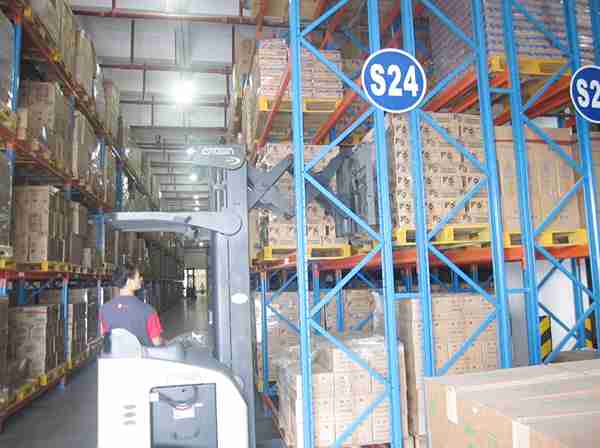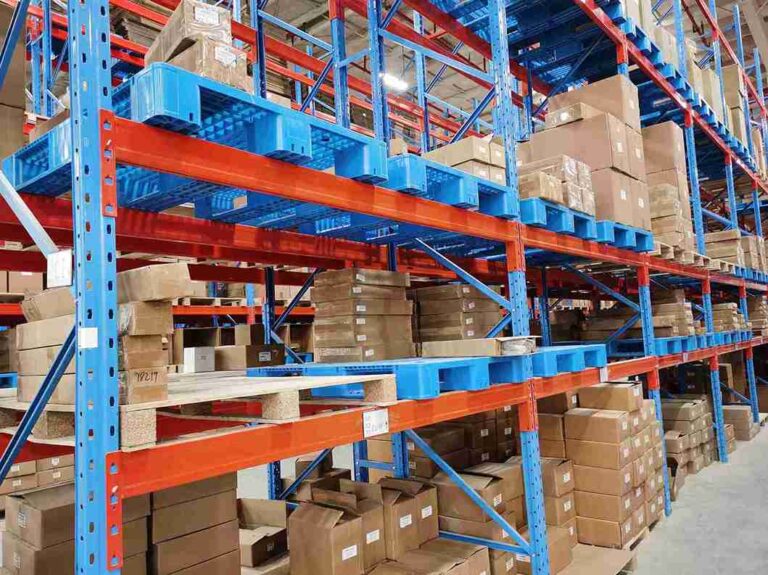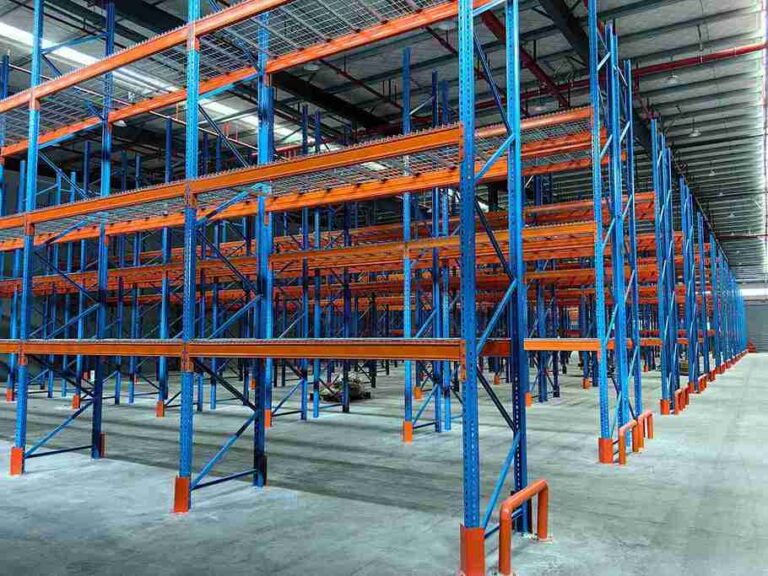
📐 "De første 50 virksomhedsforespørgsler får tilpasset 3D-lager-design" Planlæg
















The Definitive Framework for Operational Resilience: Mastering the Pallet Racking Inspection Checklist
In the complex ecosystem of modern logistics and warehousing, the integrity of the storage infrastructure is the non-negotiable foundation upon which safety, efficiency, and profitability are built. A systematic, unrelenting focus on a comprehensive Tjekliste til inspektion af pallereoler is the single most effective strategy an operation can deploy to safeguard its assets, its people, and its bottom line. This guide transcends basic advice, offering a deep, procedural, and technically rigorous framework developed from frontline experience across global markets.
It is designed to equip warehouse managers, safety officers, and operations directors with the knowledge to not just inspect, but to understand, predict, and prevent. Implementing this evolved Tjekliste til inspektion af pallereoler protocol transforms a routine task into a strategic advantage, directly impacting risk mitigation and operational continuity in regions like Southeast Asia, the Middle East, Africa, and Latin America where logistical excellence is a competitive imperative.

The High Stakes of Structural Negligence: Beyond the Obvious Risks
Warehouse managers often view racking as passive, static furniture. This is a catastrophic misconception. Pallet racking is a dynamic, engineered structure subject to constant cyclical loading, environmental stress, and operational impacts. The consequence of failure is never isolated. A collapsing bay can trigger a cascading disaster: millions in lost inventory, crippling operational downtime lasting weeks, severe regulatory fines, and most devastatingly, potential loss of life.
Insurance may cover the tangible assets, but it cannot restore a company’s reputation or the trust of its workforce. Therefore, a meticulously executed Tjekliste til inspektion af pallereoler is not an administrative task; it is a critical operational and moral imperative. It is the primary diagnostic tool for an asset’s health, moving an organization from reactive fire-fighting to predictive, condition-based management. A robust Tjekliste til inspektion af pallereoler is the cornerstone of any world-class warehouse safety management system.
Deconstructing the Forces of Deterioration: What a Truly Proactive Checklist Anticipates
To develop a Tjekliste til inspektion af pallereoler with predictive power, one must first understand the multifaceted enemies of racking integrity. A superior checklist is designed to identify the early warning signs of these specific failure modes:
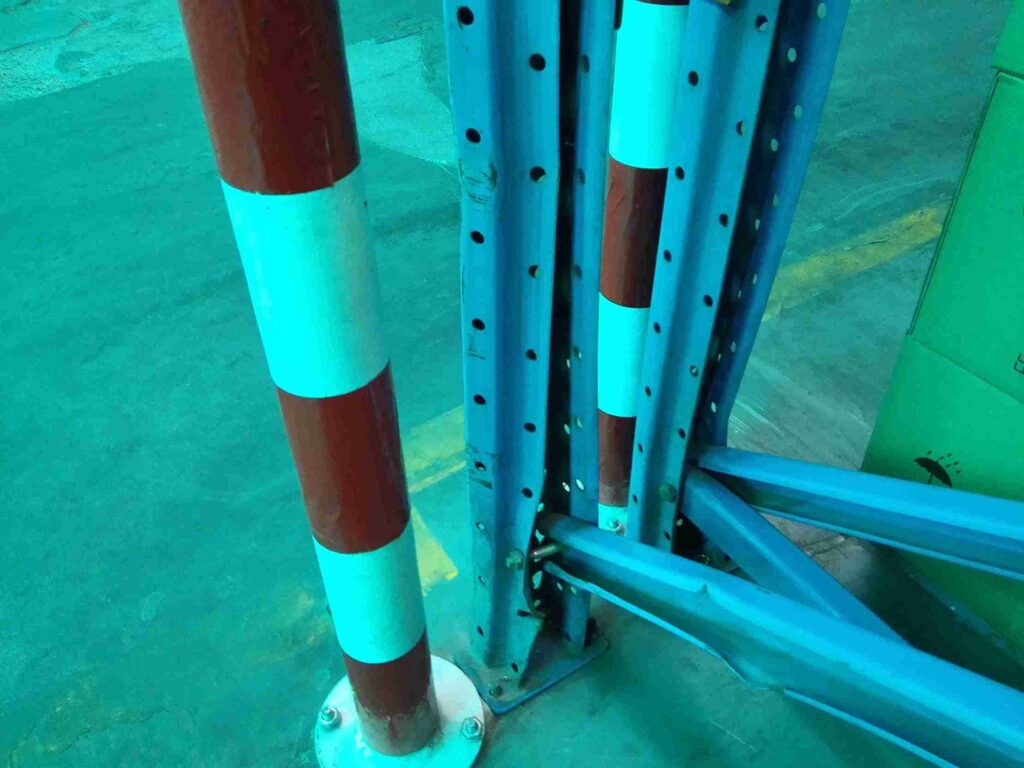
Impact Damage: The Primary Catalyst. Forklifts, reach trucks, and even Automated Guided Vehicles (AGVs) are the most common sources of damage. Even minor, repeated contact can deform critical structural points. A professional Tjekliste til inspektion af pallereoler prioritizes zones most vulnerable to impact, such as column uprights at aisle entry points and beam end connectors.
Fatigue from Cyclical Loading. Unlike a building, racking is loaded and unloaded thousands of times. This creates metal fatigue. A sophisticated Tjekliste til inspektion af pallereoler will guide the inspector to look for subtle signs of fatigue, such as hairline cracks at weld points or permanent deformation in beam webs, long before catastrophic failure occurs.
Environmental and Corrosive Attack. In coastal areas of Southeast Asia or the Middle East, salt-laden air accelerates corrosion. In humid climates, condensation promotes rust. A regionally-adapted Tjekliste til inspektion af pallereoler must include stringent corrosion assessment protocols, focusing on base plates, anchor bolts, and the interior of upright columns where moisture can accumulate.
Overloading and Improper Use. Exceeding the stated load capacity or using the racking incorrectly (e.g., as a ladder or anchor point) induces unpredictable stress. A key section of any Tjekliste til inspektion af pallereoler involves verifying that actual loads and configurations match the engineer-approved Load Application and Racking Configuration (LARC) drawings displayed on the racking.
Poor Installation or Unauthorified Modifications. Racking integrity is compromised from day one if installation tolerances are not met. Furthermore, field modifications like cutting, welding, or drilling—often done to “fix” a problem—irreparably damage the structure. A comprehensive Tjekliste til inspektion af pallereoler includes verification of installation quality and flags any non-OEM modifications for immediate correction.
Architecting the Inspection Hierarchy: A Three-Tiered Defense System
A single, generic inspection is insufficient. Best practice mandates a layered approach, with each tier defined by frequency, depth, and inspector competency. Each tier employs a tailored version of the core Tjekliste til inspektion af pallereoler.
Tier 1: Operator-Based Visual Reconnaissance (Daily/Shiftly). This is the first, most frequent line of defense. Forklift and order-picking operators are trained to perform a basic visual scan using a simplified, focused Tjekliste til inspektion af pallereoler. This checklist trains them to identify and immediately report obvious damage—major impacts, leaning frames, or fallen beams—encouraging a culture of shared responsibility.
Tier 2: Formal Visual Inspection by Trained Personnel (Monthly/Quarterly). Conducted by a designated supervisor or safety officer with specific training, this is a structured walk-down of all aisles using a detailed, formal Tjekliste til inspektion af pallereoler. This checklist is comprehensive, covering every component in a systematic order. It requires documentation (often digital), photographic evidence of any defects, and a clear classification of findings. The person conducting this inspection understands the basic mechanics of load transfer and failure modes.
Tier 3: Expert “Engineering-Level” Inspection (Annually or Bi-Annually). This is the deep audit. Performed by a technically competent person—ideally certified by a recognized body (e.g., trained to FEM 10.2.02, SEMA, or RMI standards)—this inspection uses the most advanced Tjekliste til inspektion af pallereoler. It involves precise measurement tools (torque wrenches, plumb lasers, ultrasonic thickness gauges to measure corrosion), detailed analysis of foundations and anchors, and a full structural assessment. The output is not just a list of defects, but a health report with remaining life analysis and load-capacity verification.
The Core Module: A Step-by-Step Walkthrough of the Expert Pallet Racking Inspection Checklist
This section dissects the critical components of the racking system, explaining hvad to look for and Hvorfor it matters within the framework of the Tjekliste til inspektion af pallereoler.
1. Upright Frames: The Vertical Load-Bearing Pillars
The upright column is the backbone. Its inspection is the most critical part of the Tjekliste til inspektion af pallereoler.
Lod og justering: Using a precision spirit level or laser, the inspector checks that no upright is out of plumb by more than 1/2 inch per 10 feet of height (or per the OEM’s tighter specification) in both the down-aisle and cross-aisle directions. The Tjekliste til inspektion af pallereoler should have fields to record these measurements. Chronic misalignment often points to foundation settlement, seismic shifting, or severe cumulative impact damage.
Column Damage and Corrosion: The checklist guides a millimeter-by-millimeter examination. Key points include:
Flange Damage: Dents or twists in the vertical flanges, especially those facing the aisle. A depth gauge is used; any dent exceeding 20mm (or OEM limit) is typically a critical fault.
Web Damage: Damage to the connecting web of the column is particularly dangerous as it compromises shear strength.
Corrosion and Section Loss: Surface rust is a warning; section loss is a failure. Inspectors probe corrosion pits with a blunt tool. The Tjekliste til inspektion af pallereoler must emphasize checking the base 6-12 inches of the upright and the interior of the column, where “hidden” corrosion can thrive.
Beam Connector Hole Integrity: This is a potential single point of failure. Every hole—whether teardrop, keyhole, or bolt-on—must be inspected for elongation, cracking, or distortion. The smallest deformation can allow a beam to dislodge. This is a non-negotiable red flag on any Tjekliste til inspektion af pallereoler.
Base Plates and Anchorage: The connection to the floor is paramount. The Tjekliste til inspektion af pallereoler procedure involves selecting a sample of base plates for detailed inspection: checking for tight, uncorroded anchor bolts, ensuring proper grouting or shimming (shims must be welded, not loose), and examining the concrete footing for cracking or spalling.
2. Load Beams: The Horizontal Support Members
Beams transfer the pallet load to the uprights. The Tjekliste til inspektion af pallereoler for beams focuses on connectors and straightness.
Indgreb i bjælkeendeforbindelsen: The inspector must physically verify that each connector is fully and properly seated into the upright hole. A flashlight and mirror are essential tools here. The Tjekliste til inspektion af pallereoler should prompt a check for “fishtailing” (beam ends kicked outward) or visible gaps.
Connector Condition: The tabs, locks, or pins of the connector are examined for wear, bending, or cracking. Safety clips, where present, must be confirmed as intact and functional.
Beam Deflection and Damage: Beams sag under load, but a permanent set (sag remaining when unloaded) indicates overloading or fatigue. The Tjekliste til inspektion af pallereoler includes a straight-edge check. The top flange, crucial for bending strength, is scrutinized for forklift fork damage or twists.
3. Ancillary Components and Site-Wide Factors
En holistisk Tjekliste til inspektion af pallereoler looks beyond the primary steel.
Decking and Wire Meshes: These must be secure and undamaged. Sagging mesh or broken welds on wire decks can cause load instability. The checklist verifies secure attachment to the beam supports.
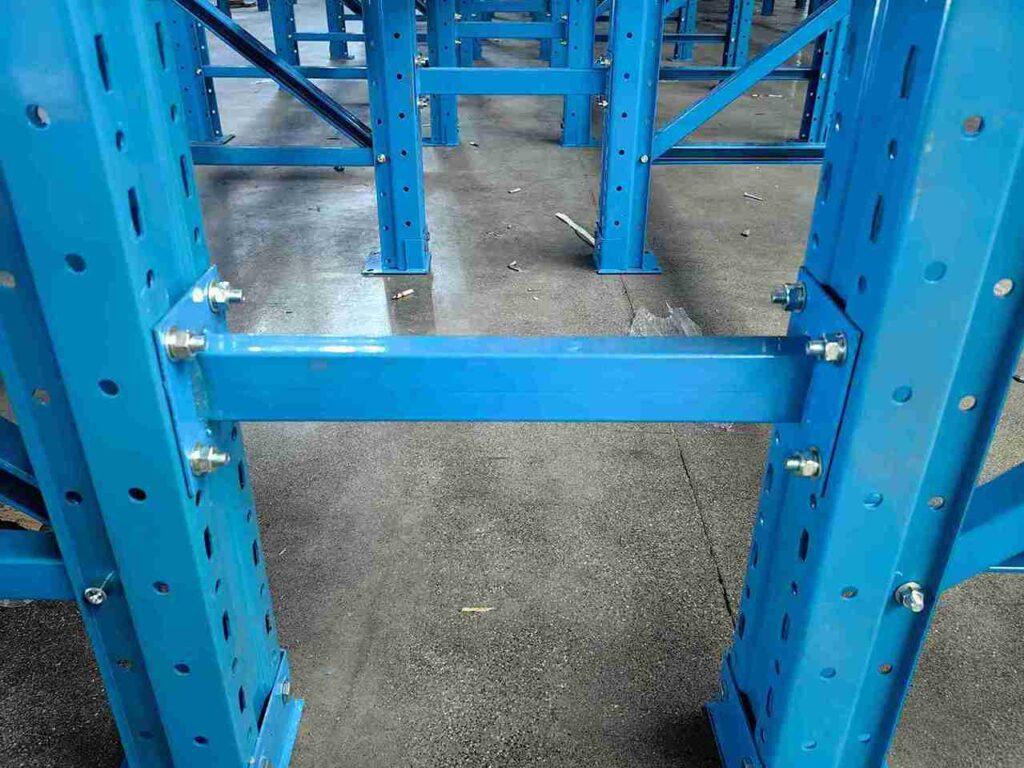
Row Spacers and Braces: These provide lateral stability. The inspector checks that all are present, correctly installed, and undamaged. Missing braces dramatically reduce the racking’s resistance to lateral forces, such as those from a seismic event or impact.
The Operating Environment: Den Tjekliste til inspektion af pallereoler is incomplete without assessing context.
Floor Condition: Uneven, cracked, or soft floors affect racking alignment and stability. The checklist should note severe floor issues.
Aisle Clearance and Layout: Narrow aisles or poorly designed layouts increase collision probability. The inspection should note any persistent conflict points.
From Diagnosis to Cure: The OEM-Grade Corrective Action Protocol
Identifying a defect via the Tjekliste til inspektion af pallereoler is only half the battle. The prescribed corrective action must restore the system to its original, engineered state.
The Damage Classification Matrix (Green/Yellow/Red): Every finding on the Tjekliste til inspektion af pallereoler must be categorized.
GREEN: No immediate action. Logged for trend monitoring.
YELLOW: Schedule repair. May require interim load reduction. The Tjekliste til inspektion af pallereoler software should auto-generate a work order.
RED: IMMEDIATE ACTION. The affected bay and adjacent bays must be offloaded and cordoned off. Access is prohibited until an OEM-certified repair is completed.
The Golden Rule of Repair: Component Replacement, Not Field Modification. Welding, straightening, or reinforcing damaged components in the field is almost universally condemned by OEMs and engineering standards. It alters the metallurgy, creates stress concentrations, and voids certifications. The only approved method is replacement with genuine OEM or engineer-approved parts.
Upright Repair: For a damaged column section, a manufacturer-supplied, engineered splice kit is used. This is not a simple sleeve; it is a tested system designed to transfer loads properly.
Beam Repair: A damaged beam is replaced outright. “Straightening” a beam destroys its temper and load-bearing capacity.
Re-anchoring: Failed anchors require a engineered solution: core drilling new holes in sound concrete and installing high-strength chemical or mechanical anchors to the exact OEM torque specification.
Leveraging Technology: Elevating the Pallet Racking Inspection Checklist into the Digital Age
The paper-based checklist is becoming obsolete. Technology integration creates a smarter, more reliable system.
Digital Inspection Platforms: Tablet-based apps host the Tjekliste til inspektion af pallereoler, guiding inspectors with photos, mandatory fields, and drop-down menus. They automatically geo-tag defects, attach photos, generate work orders, and maintain a cloud-based, searchable history for each rack component—a digital twin of the asset’s health.
Impact Monitoring Systems: Wireless accelerometers mounted on key uprights detect and measure impacts in real-time. This data feeds directly into the risk profile, allowing the Tjekliste til inspektion af pallereoler to be dynamically targeted. It identifies problem areas, tracks specific equipment or operators, and moves maintenance from scheduled to condition-based.
Integration with Warehouse Management Systems (WMS) and Automation: In advanced warehouses, a red-tag finding from the digital Tjekliste til inspektion af pallereoler can automatically lock out that storage location in the WMS, preventing further allocation of inventory. For facilities using AS/RS eller AGV'er, inspection data can inform pathing algorithms to avoid vulnerable areas.
Cultivating a Culture of Ownership: The Human Element of the Checklist
The most perfect Tjekliste til inspektion af pallereoler fails if the culture is passive. Excellence requires embedding safety into operational DNA.
Training as an Ongoing Investment: Training programs are tiered, matching the inspection hierarchy. Operators learn to be the “eyes and ears,” supervisors learn the “how,” and management learns the “why” and the business risk. Using real-life collapse videos and case studies from the Tjekliste til inspektion af pallereoler history makes the training visceral and memorable.
Process Integration and Accountability: Findings from the Tjekliste til inspektion af pallereoler must be reviewed in operational meetings. Key Performance Indicators (KPIs) like “Mean Time to Repair Red Tags” or “Inspection Compliance Rate” are tracked. Safety performance is recognized and rewarded.
Conclusion: The Strategic Imperative of Mastery
Ultimately, the disciplined execution of a world-class Tjekliste til inspektion af pallereoler is a powerful strategic tool. It directly protects against catastrophic loss, ensures regulatory compliance, optimizes asset lifespan, and fosters a culture of safety that attracts and retains talent. In the fast-growing, competitive logistics landscapes of emerging markets, where margins are tight and reputations are fragile, this operational discipline is not a cost center—it is a formidable competitive advantage. It signals to partners, insurers, and employees that the organization is professionally managed, resilient, and built for the long term. The journey begins with committing to a Tjekliste til inspektion af pallereoler that is not just a form, but a framework for excellence.
Ofte stillede spørgsmål (FAQ)
1. How does the frequency and focus of the pallet racking inspection checklist change for a cold storage facility versus a dry warehouse?
The frequency increases significantly in cold storage environments. The extreme temperature fluctuations and constant high humidity dramatically accelerate corrosion and metal fatigue. A Tjekliste til inspektion af pallereoler for cold storage must mandate more frequent Tier 2 inspections (e.g., monthly) with an intense focus on corrosion at all connection points, condensation pooling, and the integrity of protective coatings. Furthermore, the brittleness of materials at low temperatures requires careful inspection for impact-related cracking that might not occur in ambient conditions.
2. We are considering a warehouse management system (WMS) upgrade. How can our historical pallet racking inspection checklist data inform this process?
Historical Tjekliste til inspektion af pallereoler data is a goldmine for WMS configuration. By analyzing defect location trends, you can identify high-risk zones (e.g., high-turnover pick faces, tight corner aisles). Your new WMS can be configured to automatically assign slower-moving, heavier, or lower-value inventory to these zones. Conversely, prime, low-risk locations can be reserved for high-value or fast-moving SKUs. This data-driven slotting, derived from your Tjekliste til inspektion af pallereoler, minimizes risk exposure and optimizes workflow.
3. For a multi-client 3PL warehouse, who is ultimately responsible for ensuring the pallet racking inspection checklist is executed: the 3PL operator or the client whose goods are stored?
The legal and operational responsibility almost always lies with the 3PL operator as the entity in control of the premises and the equipment. However, a best-practice contract will explicitly outline this duty, reference the specific standards (e.g., FEM 10.2.02) to be followed, and grant key clients the right to audit inspection records. A professional 3PL will proactively share summaries of their Tjekliste til inspektion af pallereoler compliance as a value-added service to build client trust and demonstrate their commitment to asset integrity.
4. Can data from impact monitoring systems replace the need for a scheduled visual pallet racking inspection checklist?
No, it complements but does not replace it. Impact monitors are excellent for identifying when og where a high-energy event occurs, triggering a targeted inspection. However, they cannot detect slowly developing issues like corrosion, gradual misalignment, fastener loosening from vibration, or fatigue cracking. The scheduled visual Tjekliste til inspektion af pallereoler remains essential for these systemic checks. The combined approach—using impact data to inform and prioritize the execution of the comprehensive Tjekliste til inspektion af pallereoler—creates a supremely robust regime.
5. After a significant seismic event in our region, what immediate additions should be made to our standard pallet racking inspection checklist before resuming operations?
Following a seismic event, an immediate post-event Tjekliste til inspektion af pallereoler must be deployed before any personnel re-enter the storage area. This specialized checklist focuses on: 1) Global Alignment: Checking for racking rows that have shifted or leaned as a whole. 2) Connection Integrity: Verifying every beam-to-upright connection for disengagement or distortion. 3) Anchor Uplift: Inspecting for base plates that have pulled away from the floor or anchors that have loosened. 4) Diagonal Brace Integrity: Checking for bent or buckled cross-aisle braces. This inspection must be performed by the most competent person available, and any doubt should result in a closure until a professional engineer can assess the structure.
Hvis du har brug for perfekte CAD-tegninger og tilbud på lagerreoler, Kontakt os venligst. Vi kan give dig gratis tilbud på planlægning og design af lagerreoler. Vores e-mailadresse er: jili@geelyracks.com