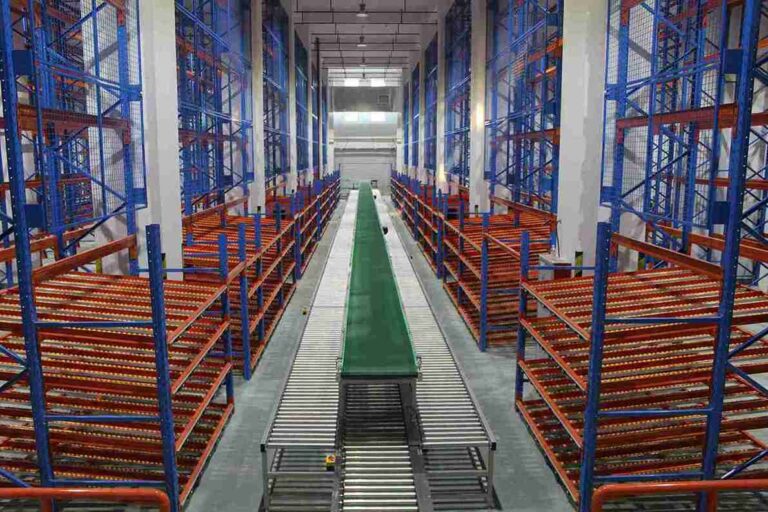
📐 "First 50 Enterprise Queries Get Custom 3D Warehouse Design" Plan


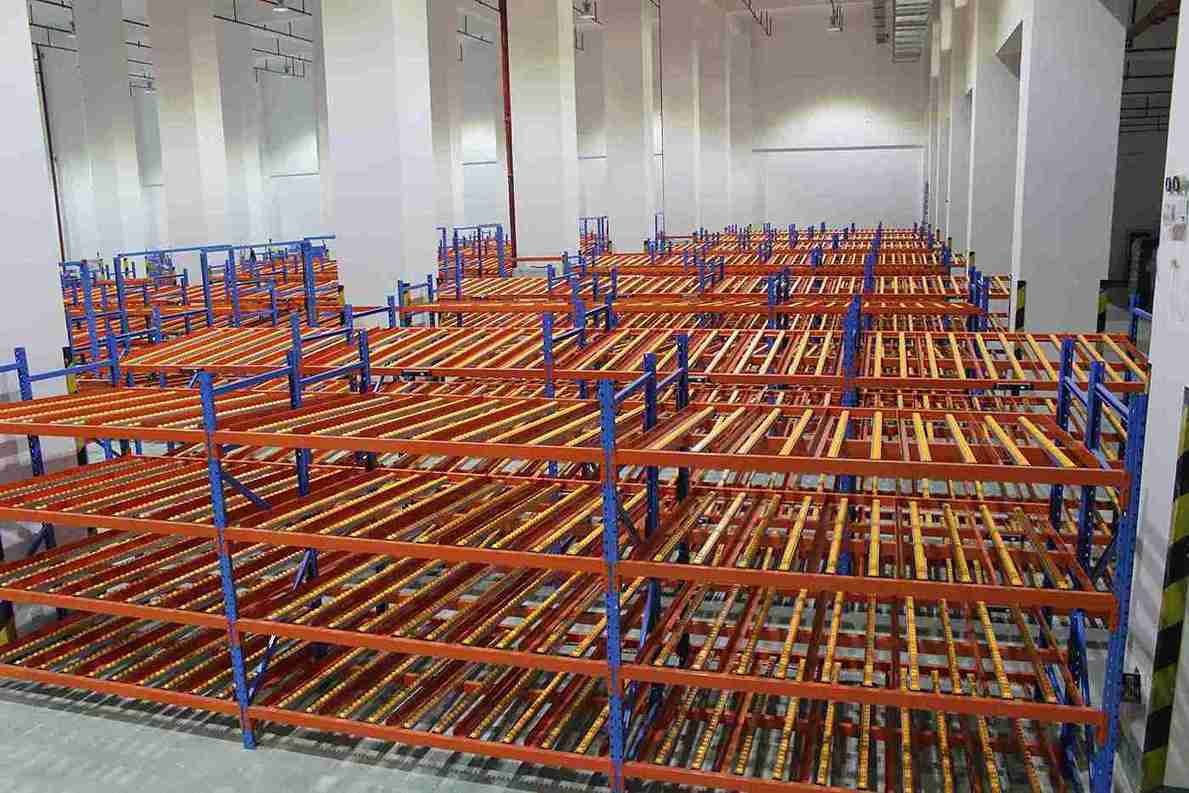
Revolutionizing Warehouse Efficiency with Flow Racking Systems
In the dynamic world of logistics and warehouse management, flow racking systems have emerged as a game-changing solution for businesses seeking to optimize their storage operations. These innovative systems represent more than just storage—they embody a sophisticated approach to inventory management that combines engineering precision with operational excellence. For companies looking to stay competitive in today’s fast-paced market, understanding and implementing the right flow racking systems can mean the difference between struggling with inefficiencies and achieving seamless warehouse operations.
The fundamental concept behind flow racking systems revolves around gravity-fed movement of goods, creating a continuous flow of products from the loading end to the picking face. This automated movement eliminates countless hours of manual handling while ensuring perfect stock rotation through the FIFO (First-In, First-Out) principle. What makes these systems particularly valuable is their adaptability—whether dealing with small parts in manufacturing or full pallets in distribution centers, flow racking systems can be customized to meet specific operational requirements.
At the heart of successful warehouse optimization lies the strategic implementation of custom flow racking systems. Unlike off-the-shelf solutions, custom-designed flow racking systems are tailored to address unique challenges and opportunities within each facility. This personalized approach ensures maximum space utilization, improved operational efficiency, and enhanced safety measures—all critical factors in today’s competitive logistics landscape.
The Engineering Marvel Behind Modern Flow Racking Systems
Structural Components and Design Principles
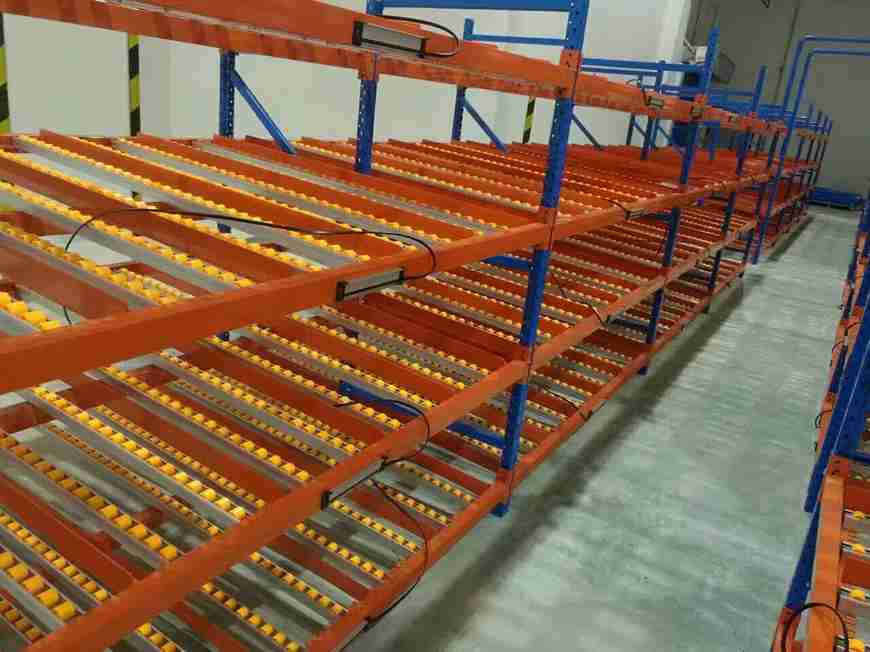
Modern flow racking systems represent a fusion of mechanical engineering and practical warehouse wisdom. The fundamental structure consists of robust steel frames that support inclined rails or wheels, creating a gentle downward slope that allows products to move smoothly by gravity. The angle of inclination is precisely calculated based on product weight, dimensions, and packaging characteristics, ensuring consistent movement without damage or jamming.
The roller technology used in advanced flow racking systems has evolved significantly over the years. Today’s systems feature precision-engineered rollers with built-in braking mechanisms that control product speed, preventing collisions while maintaining optimal flow rates. For lighter items, wheel-based flow racking systems provide an alternative solution, offering smoother movement for smaller cases and cartons.
Load Capacity and Technical Specifications
One of the most impressive aspects of modern flow racking systems is their ability to handle diverse load requirements. Heavy-duty flow racking systems can support pallet weights exceeding 1,000 kilograms, while specialized systems for smaller items can be configured for loads as light as 5 kilograms per lane. This versatility makes flow racking systems suitable for virtually any industry, from aerospace manufacturing to pharmaceutical distribution.
The technical design of these systems incorporates sophisticated safety features, including load sensors, automatic stoppers, and overload protection mechanisms. These features ensure that flow racking systems operate reliably under demanding conditions while protecting both products and personnel.
Comprehensive Applications Across Industries
Retail and E-commerce Distribution Centers
In the retail sector, flow racking systems have revolutionized how companies handle high-velocity SKUs. Major e-commerce platforms utilize these systems to manage their fastest-moving products, reducing picking times by up to 60% compared to traditional shelving. The implementation of flow racking systems in these environments typically shows ROI within 12-18 months through labor savings and increased throughput.
Food and Beverage Industry
The food industry benefits tremendously from flow racking systems due to their inherent FIFO operation. perishable goods, canned products, and beverages move through the system with perfect rotation, eliminating spoilage and ensuring freshness. Temperature-controlled warehouses particularly benefit from these systems, as they reduce the time products spend in non-optimal conditions.
Manufacturing and Assembly Operations
In manufacturing environments, flow racking systems serve as crucial components in just-in-time production processes. They enable smooth parts replenishment to assembly lines while minimizing storage space requirements. The automotive industry, in particular, has embraced flow racking systems for their ability to handle varied component sizes while maintaining precise inventory control.
The Design Process: Creating Tailored Flow Racking Solutions
Initial Assessment and Data Collection
The journey toward optimal flow racking systems begins with a comprehensive facility assessment. Experienced engineers conduct detailed analyses of current operations, including:
Product dimension variations and weight characteristics
Current inventory turnover rates and seasonality patterns
Existing warehouse layout and spatial constraints
Throughput requirements and growth projections
This data-driven approach ensures that the proposed flow racking systems address actual operational needs rather than theoretical ideals.
Simulation and Modeling Phase
Using advanced 3D modeling software, designers create virtual representations of proposed flow racking systems. These simulations test various scenarios, including peak season volumes, product mix changes, and operational disruptions. The modeling phase helps identify potential bottlenecks before installation, saving significant time and resources.
Component Selection and Customization
The selection process for flow racking systems components involves careful consideration of multiple factors:
Roller material composition for specific product types
Lane divider configurations for mixed SKU environments
Safety system integration for different operational protocols
Compatibility with existing material handling equipment
This meticulous attention to detail ensures that each flow racking systems installation performs optimally within its unique operational context.
Installation Excellence: Bringing Flow Racking Systems to Life
Site Preparation and Safety Considerations
Professional installation of flow racking systems begins with thorough site preparation. This includes floor leveling, structural reinforcement where necessary, and implementation of safety protocols. Certified installation teams coordinate with facility managers to minimize operational disruption while ensuring compliance with all relevant safety standards.
Precision Assembly and calibration
The assembly process for flow racking systems requires precision and expertise. Each component must be perfectly aligned to ensure smooth product flow and structural integrity. Advanced laser leveling equipment and digital measurement tools guarantee that flow racking systems meet exact design specifications.
Integration with Warehouse Ecosystems
Modern flow racking systems rarely operate in isolation. They typically integrate with various warehouse technologies, including:
Warehouse Management Systems (WMS) for inventory tracking
Automated guided vehicles (AGVs) for replenishment
Conveyor systems for order consolidation
Pick-to-light systems for order fulfillment
This integration capability makes flow racking systems central components in comprehensive warehouse automation strategies.
Operational Benefits and Performance Metrics
Quantifiable Efficiency Improvements
Companies implementing flow racking systems typically report dramatic improvements in key performance indicators:
Order picking accuracy improvements of 25-40%
Labor cost reductions of 30-50% in picking operations
Space utilization increases of 40-60% compared to static shelving
Throughput capacity improvements of 35-55%
These metrics demonstrate why flow racking systems have become essential investments for growth-oriented businesses.
Safety and Ergonomic Advantages
Beyond pure efficiency numbers, flow racking systems deliver significant safety benefits. By reducing manual handling and minimizing worker movement, these systems decrease workplace injury rates while improving employee satisfaction. The ergonomic design of modern flow racking systems ensures that workers can perform their tasks comfortably, leading to better retention rates and reduced training costs.
Maintenance and Long-Term Performance
Preventive Maintenance Protocols
Properly maintained flow racking systems can provide decades of reliable service. Established maintenance protocols include:
Regular inspection of rollers and moving parts
Structural integrity assessments
Safety system verification
Load capacity validation
These maintenance procedures ensure that flow racking systems continue to perform optimally throughout their lifecycle.
Adaptation and Reconfiguration
As business needs evolve, flow racking systems can be modified and reconfigured to accommodate changes. This flexibility represents a significant advantage over fixed storage solutions, protecting long-term investments while supporting business growth.
Industry Trends and Future Developments
Integration with Industry 4.0 Technologies
The future of flow racking systems lies in their integration with smart warehouse technologies. IoT sensors, real-time monitoring systems, and AI-powered optimization algorithms are transforming how flow racking systems operate. These advancements enable predictive maintenance, dynamic lane assignment, and automated inventory reconciliation.
Sustainability Considerations
Modern flow racking systems contribute to sustainability goals through:
Reduced energy consumption compared to powered systems
Longer equipment lifecycles through robust design
Optimized space utilization reducing facility footprints
Improved inventory management reducing waste
These environmental benefits make flow racking systems attractive to companies pursuing green logistics initiatives.
Case Study: Transformative Impact in Action
A recent implementation of flow racking systems for a major pharmaceutical distributor demonstrates the transformative potential of these systems. Facing challenges with seasonal demand fluctuations and strict regulatory requirements, the company partnered with experts to design and install custom flow racking systems.
The solution involved:
Specialized temperature-controlled lanes for sensitive products
Integrated weighing systems for inventory accuracy
Automated reporting features for compliance documentation
The results exceeded expectations:
45% reduction in order processing time
99.98% inventory accuracy rate
50% reduction in product damage claims
Complete ROI achieved in 11 months
This case study illustrates how properly designed flow racking systems can address complex operational challenges while delivering substantial financial returns.
Conclusion: Embracing the Future with Flow Racking Systems
The evolution of flow racking systems continues to reshape the landscape of warehouse management and logistics optimization. These sophisticated storage solutions represent more than mere equipment—they embody a strategic approach to operational excellence that combines engineering innovation with practical functionality.
For businesses considering the implementation of flow racking systems, the key to success lies in partnering with experienced professionals who understand both the technical aspects and operational realities of warehouse management. The right flow racking systems design can transform storage operations from cost centers into competitive advantages, driving efficiency, accuracy, and profitability.
As technology continues to advance, flow racking systems will undoubtedly incorporate even more sophisticated features and capabilities. However, the fundamental benefits of these systems—improved efficiency, better space utilization, and enhanced inventory control—will remain constant, making them enduringly valuable investments for any organization serious about operational excellence.
Frequently Asked Questions (FAQs)
1. How do flow racking systems handle products of varying sizes and weights within the same system?
Modern flow racking systems can be designed with adjustable lane dividers and customizable roller configurations to accommodate product variations. Advanced systems incorporate modular components that can be reconfigured as product profiles change, ensuring continuous optimal performance regardless of inventory variations.
2. What fire safety considerations are specific to flow racking systems installations?
Flow racking systems require special attention to fire safety due to their high-density storage nature. Professional installations include integrated fire suppression systems, adequate aisle spacing for sprinkler coverage, and non-combustible materials. Compliance with local fire codes and regular safety inspections are essential components of proper flow racking systems maintenance.
3. Can flow racking systems be effectively integrated with existing manual storage systems?
Yes, flow racking systems can be seamlessly integrated with existing storage solutions through careful planning and design. Hybrid approaches often combine flow racking systems for high-turnover items with traditional shelving for slower-moving products, creating optimized storage environments that leverage the strengths of different storage technologies.
4. How do flow racking systems perform in high-humidity or corrosive environments?
Specialized flow racking systems are available for challenging environments, featuring stainless steel components, corrosion-resistant coatings, and sealed bearing mechanisms. These systems undergo rigorous testing to ensure reliability in conditions ranging from frozen storage to coastal facilities with salt air exposure.
5. What technological advancements are currently transforming flow racking systems capabilities?
The latest advancements in flow racking systems include IoT-enabled sensors for real-time inventory tracking, AI-powered predictive analytics for demand forecasting, automated loading and unloading systems, and energy-recovery mechanisms that harness gravitational energy for auxiliary power needs. These technologies are making flow racking systems smarter, more efficient, and more integrated with overall warehouse automation strategies.
Welcome to contact us, if you need warehouse rack CAD drawings. We can provide you with warehouse rack planning and design for free. Our email address is: jili@geelyracks.com