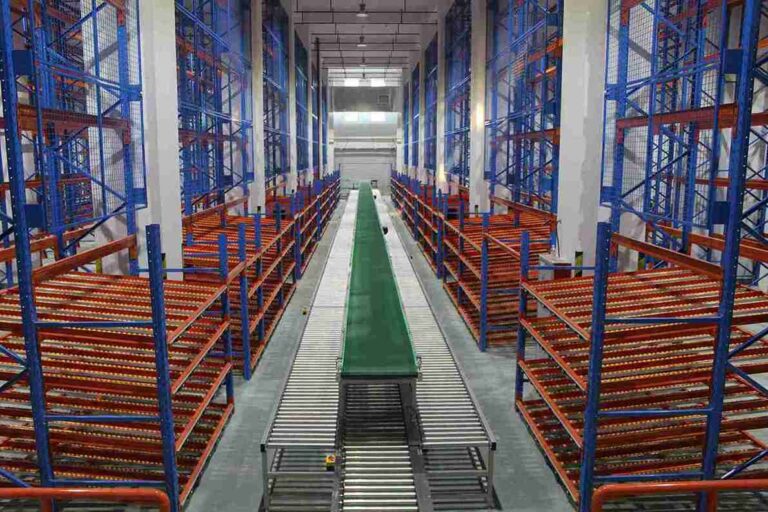
📐 "First 50 Enterprise Queries Get Custom 3D Warehouse Design" Plan


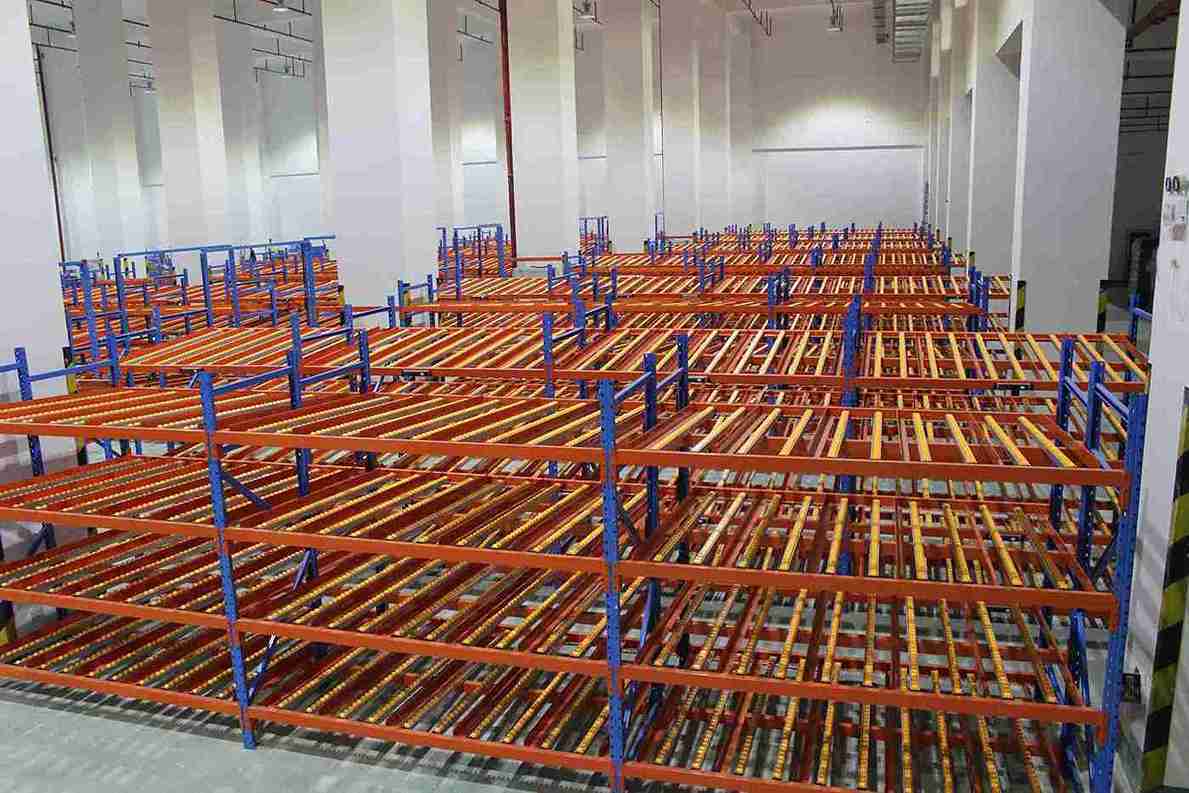
Introduction: Why Carton Flow Racking is Revolutionizing Modern Warehousing
In an era where supply chain efficiency dictates profitability, warehouses are constantly seeking ways to optimize order picking processes. Among the most transformative solutions available today is carton flow racking, a gravity-fed storage system designed to accelerate fulfillment while minimizing labor costs.
Unlike traditional static shelving, carton flow racking ensures that products move automatically from the loading end to the pick face, eliminating wasted motion and drastically improving order picking speed. This system is particularly beneficial for high-SKU operations, perishable goods, and fast-moving consumer products where FIFO (First-In, First-Out) inventory control is critical.
This guide dives deep into carton flow racking, exploring its mechanics, advantages, implementation strategies, and real-world success stories. By the end, warehouse managers and logistics professionals will understand why carton flow racking is becoming the gold standard for efficient order fulfillment.
H1: How Carton Flow Racking Works
H2: The Gravity-Driven Design of Carton Flow Racking
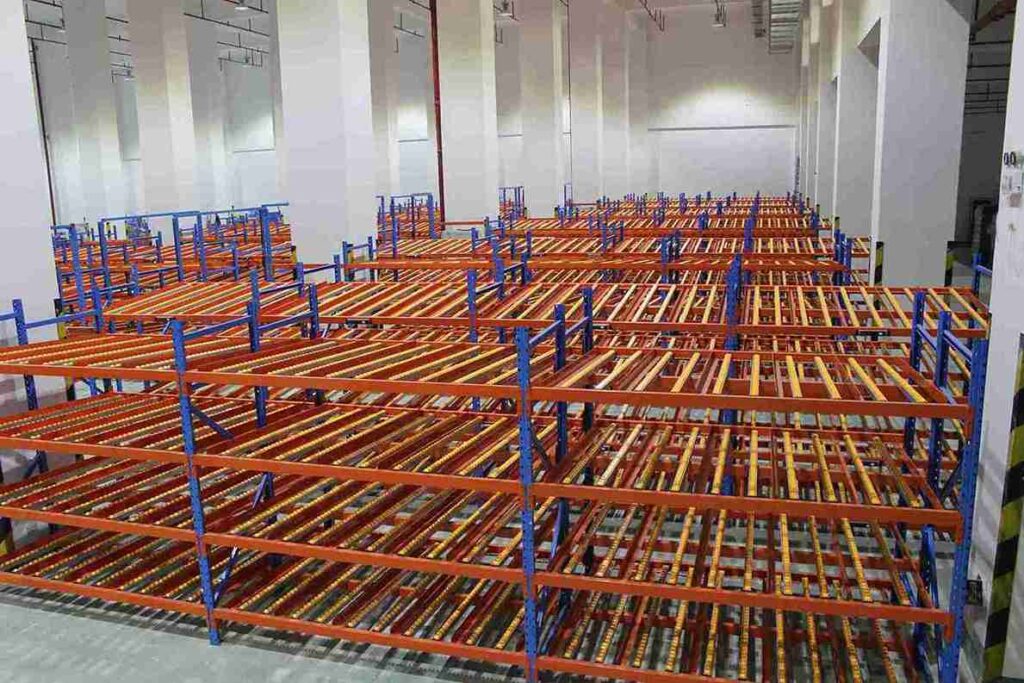
At its core, carton flow racking operates on a simple yet brilliant principle: gravity. The system consists of inclined roller or wheel tracks that allow boxes and cartons to glide smoothly from the rear (loading zone) to the front (picking face). This eliminates the need for workers to manually retrieve items, reducing walking time and fatigue.
Key components of carton flow racking include:
Rollers/Wheels: High-quality steel or polyurethane rollers ensure smooth product flow.
Lane Dividers: Keep SKUs separated and prevent mispicks.
Braking Systems (optional): Control product speed to prevent damage.
H3: FIFO Inventory Management with Carton Flow Racking
One of the standout features of carton flow racking is its inherent FIFO compliance. Since the oldest stock is always positioned at the front, warehouses handling perishable goods—such as food, pharmaceuticals, and cosmetics—can drastically reduce waste and improve inventory accuracy.
H1: The Unmatched Benefits of Carton Flow Racking
H2: 1. Dramatically Faster Order Picking
Studies across multiple industries confirm that carton flow racking can reduce picking time by 50-67% compared to traditional shelving. Workers no longer waste time navigating aisles—products come to them.
H2: 2. Higher Storage Density & Space Savings
By eliminating unnecessary aisles and utilizing vertical space, carton flow racking can increase storage capacity by 30-50%, making it ideal for warehouses with limited square footage.
H2: 3. Lower Labor Costs & Improved Ergonomics
Since workers spend less time walking and reaching for items, carton flow racking reduces physical strain and allows for higher pick rates with fewer staff.
H2: 4. Reduced Product Damage
With controlled movement and minimal manual handling, carton flow racking helps prevent drops, crushing, and other common warehouse damages.
H2: 5. Scalability for Growing Operations
Whether a facility handles 500 SKUs or 50,000, carton flow racking can be customized to fit evolving needs.
H1: Types of Carton Flow Racking Systems
H2: 1. Roller-Based Carton Flow Racking (Heavy-Duty Applications)
Best for: Boxes weighing up to 1,500 lbs per lane
Ideal industries: Beverage distribution, automotive parts, bulk retail
H2: 2. Wheel-Based Carton Flow Racking (Light to Medium Loads)
Best for: Lighter cartons (under 800 lbs per lane)
Ideal industries: E-commerce, pharmaceuticals, apparel
H2: 3. Hybrid Carton Flow Racking (Mixed SKU Environments)
Combines rollers and wheels for versatile product handling
Perfect for 3PLs and multi-category warehouses
H1: Who Should Use Carton Flow Racking?
H2: 1. E-Commerce Fulfillment Centers
With skyrocketing same-day shipping demands, carton flow racking ensures rapid, error-free order processing.
H2: 2. Food & Beverage Warehouses
Perishable goods require strict FIFO adherence, making carton flow racking indispensable.
H2: 3. Pharmaceutical & Healthcare Logistics
Batch tracking and expiry management are seamless with carton flow racking.
H2: 4. Retail Distribution Hubs
High-volume, high-variety operations benefit from faster restocking and picking.
H1: Implementing Carton Flow Racking: A Step-by-Step Guide
H2: Step 1: Conduct a SKU Velocity Analysis
Identify fast-moving vs. slow-moving items to optimize lane assignments.
H2: Step 2: Select the Right Roller or Wheel Type
Rollers: Better for heavy, uniform loads
Wheels: More cost-effective for lightweight goods
H2: Step 3: Optimize Lane Depth & Angle
Prevents jamming and ensures consistent product flow.
H2: Step 4: Integrate with Warehouse Automation
Pair carton flow racking with AMRs, conveyors, or pick-to-light systems for maximum efficiency.
H1: Common Pitfalls When Using Carton Flow Racking
Overloading lanes beyond weight capacity (causes jams and roller damage)
Incorrect incline angle (too steep = fast, uncontrolled movement; too shallow = products don’t flow)
Poor labeling (leads to mispicks and inventory errors)
H1: Real-World Success: How [Major Retailer] Cut Picking Time by 60%
After implementing carton flow racking, a national retail chain:
Reduced order processing time from 8 hours to 3.2 hours daily
Lowered labor costs by $200,000 annually
Achieved 99.8% picking accuracy
H1: Conclusion: Is Carton Flow Racking the Right Choice for Your Warehouse?
For businesses struggling with slow order fulfillment, high labor expenses, or FIFO challenges, carton flow racking presents a proven, cost-effective solution. By leveraging gravity-fed storage, warehouses can achieve:
Faster order processing
Higher storage density
Lower operational costs
To explore how carton flow racking can transform your operations, consult with a warehouse storage specialist today.
H1: Frequently Asked Questions (FAQs)
H2: 1. What’s the maximum weight capacity for carton flow racking?
Most systems support 150–1,500 lbs per lane, depending on roller/wheel type.
H2: 2. Can carton flow racking handle fragile items?
Yes, with speed controllers and cushioned rollers, even delicate products can be stored safely.
H2: 3. How long does it take to install carton flow racking?
A standard installation takes 1-3 weeks, depending on warehouse size.
H2: 4. Does carton flow racking work with palletized goods?
No—carton flow racking is designed for case picking, not full pallets.
H2: 5. What maintenance does carton flow racking require?
Monthly inspections for roller/wheel wear
Regular cleaning to prevent debris buildup