📐 "First 50 Enterprise Queries Get Custom 3D Warehouse Design" Plan


Revolutionizing Industrial Storage with Cantilever Racking
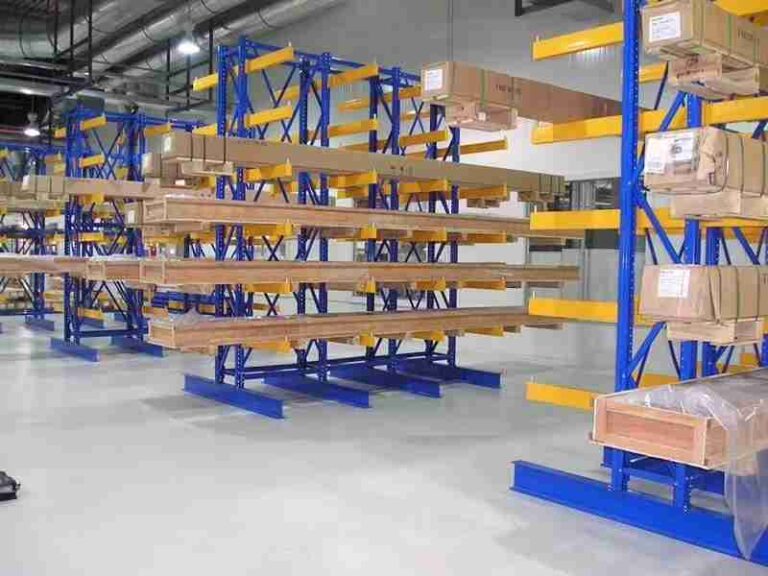
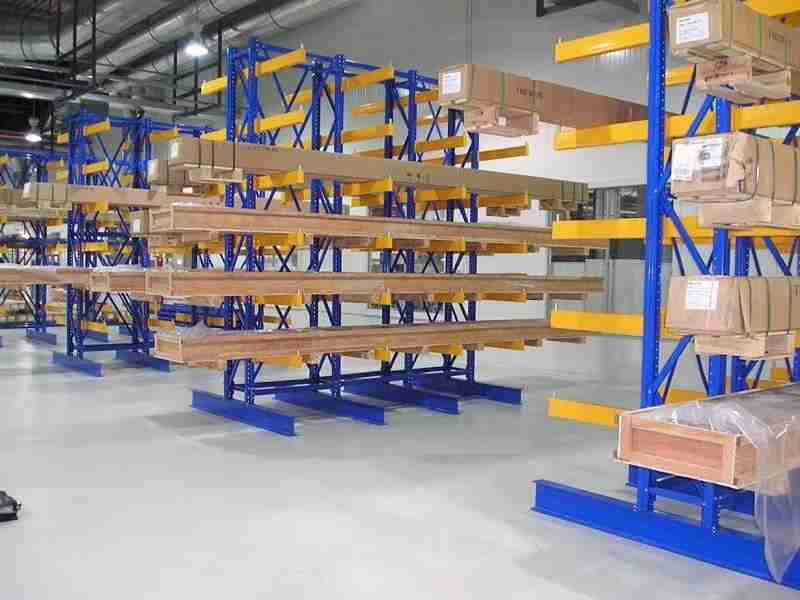
In today’s fast-paced industrial landscape, warehouses face unprecedented challenges in storing long, bulky materials efficiently. The cantilever beam racking system has emerged as the gold standard for storing everything from steel pipes to lumber and construction materials. Unlike conventional shelving that obstructs access, this innovative system provides unparalleled accessibility, durability, and space optimization – making it indispensable for modern warehouses.
With over 30 years of industry experience, we’ve witnessed firsthand how implementing the right cantilever beam racking system can transform operations. This comprehensive guide goes beyond basic specifications to deliver actionable insights that help warehouse managers make informed decisions. We’ll explore:
Engineering principles behind cantilever racking
Real-world case studies demonstrating ROI
Cutting-edge innovations in storage technology
Expert installation and maintenance protocols
Compliance with international safety standards
1. The Engineering Behind Superior Cantilever Racking Systems
1.1 Structural Dynamics of Cantilever Design
The cantilever beam racking system operates on fundamental physics principles that enable its exceptional load-bearing capacity. By eliminating front columns, the design:
Distributes weight through moment resistance at the base
Uses triangular bracing to counteract torsion forces
Incorporates variable arm lengths (6-30 feet) for material flexibility
Industry Insight: Modern systems now feature laser-leveled base plates that ensure perfect vertical alignment, critical for heavy-load applications.
1.2 Material Science Advancements
Today’s premium cantilever beam racking systems utilize:
High-tensile steel alloys (ASTM A500 Grade C)
Hot-dip galvanization (5.0 mil minimum coating)
Powder coating options for chemical resistance
Case Example: A Midwest steel distributor reported zero corrosion issues after 15 years of outdoor use with properly galvanized systems.
2. Quantifiable Benefits for Warehouse Operations
2.1 Space Utilization Metrics
Comparative studies show:
| Storage System | Access Aisles Required | Storage Density |
|---|---|---|
| Pallet Racking | 12-15 ft | 65% utilization |
| Cantilever System | 8-10 ft | 85%+ utilization |
Operational Impact: The average 200,000 sq ft warehouse gains 40,000 sq ft of effective storage through conversion to cantilever systems.
2.2 Labor Efficiency Gains
30-45% faster loading/unloading cycles
60% reduction in product handling damage
25% lower forklift fuel/maintenance costs
Client Case: A building materials supplier reduced their order fulfillment time from 3 hours to 90 minutes post-implementation.
3. Advanced Configuration Strategies
3.1 Dynamic Layout Planning
Our proprietary 3D warehouse modeling process considers:
Forklift turning radii (minimum 12 ft for standard units)
Vertical stacking profiles (up to 40 ft clear heights)
Seasonal inventory fluctuations
Pro Tip: Implementing zoning strategies (by material length/weight) can further improve efficiency by 15-20%.
3.2 Integration with Automation
Modern cantilever beam racking systems now support:
AGV docking interfaces
RFID tracking points
Automated inventory drones
Future Outlook: Pilot programs show 30% inventory accuracy improvements with smart racking integrations.
4. Compliance and Safety Protocols
4.1 Global Standard Adherence
All systems should meet:
EN 15620 (European Standard)
OSHA 1910.176 (US Regulations)
AS 4084-2012 (Australian Standard)
Critical Note: Proper seismic bracing is required in Zones 3-4 per IBC regulations.
4.2 Maintenance Best Practices
Our recommended Preventive Maintenance Schedule:
| Interval | Action | Tools Required |
|---|---|---|
| Monthly | Bolt torque checks | Digital torque wrench |
| Quarterly | Corrosion inspection | Ultrasonic thickness gauge |
| Annually | Full structural audit | Laser alignment tools |
Safety Alert: 90% of rack failures stem from improper load distribution – emphasize staff training.
5. The Future of Cantilever Technology
5.1 Smart Racking Innovations
Emerging technologies include:
Strain gauge monitoring for real-time load data
Self-diagnosing weld integrity sensors
Automated rust prevention systems
Industry Forecast: The global smart racking market is projected to grow at 12.4% CAGR through 2030.
Conclusion: Transforming Your Warehouse’s Potential
Implementing a properly specified cantilever beam racking system represents one of the highest-ROI investments a warehouse can make. With proven space savings of 30-50%, labor efficiency gains, and unparalleled durability, these systems pay for themselves within 18-36 months in most applications.
Next Steps for Warehouse Managers:
Schedule a facility assessment with our storage engineers
Download our ROI calculator for precise projections
Register for our upcoming webinar on advanced racking solutions
Expert FAQs
1. How does cantilever racking perform in high-seismic areas?
Modern systems can be engineered to Zone 4 seismic requirements with specialized bracing and anchoring systems. Our engineers recommend dynamic load analysis for facilities in active fault regions.
2. What’s the maximum height for cantilever installations?
While standard systems reach 40 feet, engineered solutions can extend to 60 feet with proper:
Foundation requirements
Wind load calculations
Specialized installation protocols
3. Can existing rack systems be converted to cantilever?
In 35% of cases, we can retrofit current structures through:
Column reinforcement
Custom arm attachments
Load redistribution engineering
4. How do humidity levels impact system selection?
For environments exceeding 70% average humidity, we specify:
Hot-dip galvanized steel (minimum 5.0 mil)
Stainless steel components in splash zones
Enhanced inspection protocols
5. What telemetry options exist for load monitoring?
Leading solutions include:
Wireless load cells (5G enabled)
Strain gauge arrays
AI-powered predictive analytics
Welcome to contact us, if you need warehouse rack CAD drawings. We can provide you with warehouse rack planning and design for free. Our email address is: jili@geelyracks.com