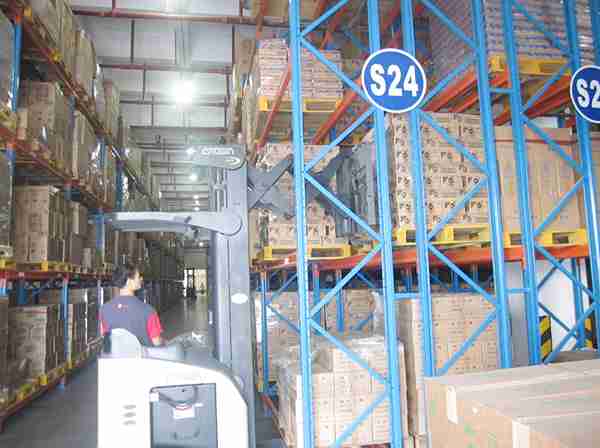
H2: Selecting the Perfect Forklift for Double Deep Racking: A Procurement Framework

Choosing the right forklift for double deep racking is a critical decision that transcends a simple equipment purchase; it is the selection of the core component of a high-density storage ecosystem. A misstep here can undermine the entire system’s efficiency, safety, and return on investment. Procurement managers and warehouse planners must approach this selection with a rigorous, multi-faceted framework.

H3: Capacity, Load Center, and Reach: The Core Technical Trinity

The foundational specifications for any forklift for double deep racking revolve around capacity, load center, and reach. These are non-negotiable parameters that must be meticulously calculated.

  • Rated Capacity at a Specific Load Center: A standard forklift for double deep racking must be rated to handle the maximum weight of the stored loads, not at the standard 24-inch load center, but at the extended load center required to place or retrieve the second pallet. This can significantly derate the truck’s nominal capacity. For instance, a truck rated for 1,500 kg might only be able to handle 1,200 kg safely at the double-deep reach extension. This calculation is paramount for safe operation.

  • Maximum Fork Height and Extended Reach: The mast must be high enough to service the top tier of the racking. More critically, the reach mechanism must provide sufficient horizontal extension to not only engage the rear pallet but also to retract it fully, clearing the front pallet position. The required reach is a function of the pallet depth, the gap between front and rear pallets, and the racking beam depth. Specifying a forklift for double deep racking with inadequate reach is a catastrophic error.

  • Aisle Performance Metrics: The efficiency of the entire system hinges on the truck’s performance within the confined aisle. Key metrics include its lift speed, lower speed, and travel speed both loaded and unloaded. A high-performance forklift for double deep racking will offer accelerated lift and lower speeds to minimize the cycle time of the extended-reach operation, which is the most time-consuming part of the duty cycle.

H3: Power Source Considerations: Electric vs. ICE and Battery Management

The choice of power source for a forklift for double deep racking has profound implications for operational cost, environmental impact, and facility design.

  • The Dominance of Electric Power: In modern warehouse environments, the electric forklift for double deep racking is the undisputed standard. These trucks produce zero localized emissions, operate with significantly lower noise levels, and have reduced energy costs compared to internal combustion engine (ICE) models. The absence of exhaust fumes is critical for indoor air quality and is a non-negotiable requirement for facilities storing food, pharmaceuticals, or other sensitive goods.

  • Battery Technology and Shift Planning: The operational runtime of an electric forklift for double deep racking is determined by its battery capacity (measured in kWh). For multi-shift operations, a battery management strategy is essential. This can involve:

    • Opportunity Charging: Topping up the battery during short breaks and meal times.

    • Battery Exchange Systems: Swapping a depleted battery for a fully charged one in a dedicated change-out station.

    • High-Frequency Chargers: Using advanced chargers that can rapidly recharge batteries without causing significant damage to the battery’s lifespan.

  • The Niche for ICE Models: In certain, less common scenarios, such as in unenclosed or semi-encovered storage yards in extreme climates, a ruggedized forklift for double deep racking with an ICE power plant might be considered. However, for the vast majority of applications, the electric forklift for double deep racking is the superior and recommended choice.

Toyota-core-ic-forklift-for-double-deep-racking-with-extended-reach

H2: The Operational Blueprint: Maximizing the Performance of Your Forklift for Double Deep Racking

Deploying the equipment is only half the battle. Unlocking its full potential requires a meticulously crafted operational blueprint that integrates people, processes, and technology.

H3: The Indispensable Role of the Warehouse Management System (WMS)

A robust WMS is the central nervous system that makes a double deep storage system viable. It is the intelligence that guides the physical capability of the forklift for double deep racking. The WMS performs several critical functions:

  • Dynamic Slotting: The WMS intelligently assigns put-away locations based on SKU velocity, dimensions, and weight. It ensures that fast-moving SKUs are placed in the most accessible positions and that the weight distribution across the racking is balanced for structural integrity.

  • FIFO Enforcement: To combat the inherent risk of the double deep layout, the WMS strictly enforces a First-In, First-Out inventory rotation. It will direct the forklift for double deep racking operator to retrieve the pallet from the front position that has been in storage the longest, ensuring the rear pallet is only accessed when it becomes the oldest stock.

  • Honeycombing Minimization: The system’s algorithms are designed to consolidate inventory and minimize the occurrence of empty front positions blocked by a rear pallet. It can generate task interleaving, where a put-away mission is combined with a retrieval mission from the same aisle to optimize the forklift for double deep racking‘s travel path.

H3: Advanced Operator Training and Certification Programs

Operating a forklift for double deep racking is a specialized skill that demands training far beyond that of a standard forklift operator. The complexity of the extended reach mechanism and the precision required in narrow aisles necessitate a comprehensive certification program. Effective training must cover:

  • Spatial Awareness and Depth Perception: Training operators to judge distances accurately at the full extent of the fork’s reach, often using camera systems as an aid.

  • Load Stability Management: Educating operators on how mast tilt, lift height, and travel speed affect load stability, especially when the load is extended several meters in front of the truck.

  • System-Specific Procedures: Drilling specific protocols for handling misaligned pallets, responding to minor racking impacts, and executing the precise sequence of movements required for safe double-deep transactions. A master-level operator of a forklift for double deep racking is a high-value asset, directly impacting the system’s throughput and safety record.
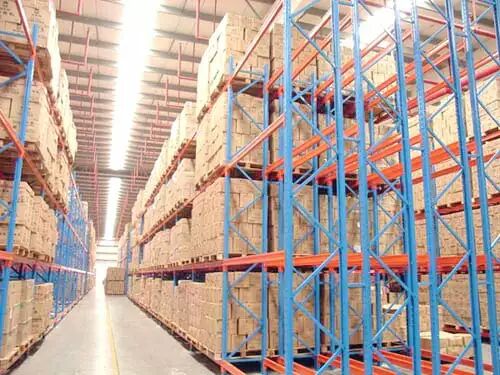
Toyota-core-ic-forklift-for-double-deep-racking-with-extended-reach

H2: A Global Perspective: Deploying Forklift for Double Deep Racking Solutions in Emerging Markets

The value proposition of a high-density storage system is particularly potent in the growth markets of Southeast Asia, the Middle East, Africa, and Latin America. However, successful deployment requires an understanding of regional nuances.

H3: Navigating Infrastructure and Supply Chain Considerations

Implementing a forklift for double deep racking solution in these regions requires careful logistical planning.

  • Local Supplier and Service Network: The long-term viability of the system depends on the availability of local technical support, spare parts, and qualified maintenance engineers. Partnering with a supplier that has an established network is crucial to minimize downtime.

  • Power Grid Reliability: In regions with unstable electrical grids, the charging infrastructure for an electric forklift for double deep racking may require backup generators or voltage stabilizers to protect the sensitive battery and charging systems.

  • Cultural and Training Adaptation: Operator training programs may need to be adapted to local languages and learning styles to ensure comprehension and long-term adherence to safety protocols. Building a local team of experts ensures the forklift for double deep racking solution is sustainably managed.

H3: Case in Point: Transforming a GCC Logistics Hub

A prominent logistics provider in the Gulf Cooperation Council (GCC) region faced a classic space crunch. Their facility, supporting a booming e-commerce sector, was bursting at the seams. A traditional expansion was prohibitively expensive. The solution was a custom-designed double deep racking system, powered by a fleet of high-capacity, electric forklift for double deep racking units. The implementation included:

  • A tailored WMS integration to handle their diverse SKU mix.

  • Intensive, multilingual operator training.

  • A scheduled maintenance contract with a local partner.

The result was a 45% increase in pallet positions within the same footprint, allowing the company to handle three years of projected growth without moving, while also reducing their energy costs by transitioning from a mixed LPG/electric fleet to a fully electric forklift for double deep racking fleet.

H2: The Total Cost of Ownership (TCO) Analysis for a Forklift for Double Deep Racking

When evaluating the investment, looking beyond the initial purchase price is essential. A sophisticated TCO analysis for a forklift for double deep racking provides a more accurate financial picture over a typical 7-year lifespan.

H3: Breaking Down the Cost Components

The TCO includes:

  • Capital Expenditure (CapEx): The purchase price of the forklift for double deep racking and the associated racking system.

  • Operational Expenditure (OpEx):

    • Energy Consumption: The cost of electricity for charging. Electric models have a far lower energy cost per hour of operation than ICE equivalents.

    • Maintenance and Repairs: Scheduled servicing, wear parts (like tires and forks), and unscheduled repairs. A well-maintained electric forklift for double deep racking typically has lower maintenance costs.

    • Labor Costs: While the number of operators may not change, their increased productivity (moves per hour) lowers the labor cost per pallet moved.

  • Indirect Savings:

    • Real Estate Savings: The avoided cost of facility expansion or relocation is a massive financial benefit that must be factored into the ROI calculation.

    • Damage Reduction: The precision controls of a modern forklift for double deep racking, when operated by a trained professional, lead to a significant reduction in product and racking damage, directly impacting the bottom line.

When all these factors are modeled, the TCO for a high-quality electric forklift for double deep racking system often proves to be lower than that of a less efficient, space-wasting conventional setup, making a compelling financial case for the investment.


Conclusion

In the strategic landscape of modern logistics, the forklift for double deep racking is far more than just a piece of materials handling equipment. It is the critical enabler of a sophisticated, high-density storage strategy that directly addresses the universal challenges of space utilization, operational cost, and scalable growth. Success with this system is achieved not by simply acquiring the machine, but by embracing a holistic solution that integrates precise equipment selection, intelligent software, comprehensive human training, and a clear understanding of long-term financial dynamics. For operations ranging from cold storage to manufacturing and distribution, mastering the use of a forklift for double deep racking is a definitive step toward building a resilient, efficient, and future-ready warehouse.


Frequently Asked Questions (FAQs)

1. How does the maintenance schedule for a specialized forklift for double deep racking differ from a standard model?
The maintenance schedule for a forklift for double deep racking is more rigorous, primarily focusing on the extended reach mechanism. This includes frequent inspection and lubrication of the pantograph rails, rollers, and chains, as well as closer monitoring of the hydraulic system that powers the extended movement. While standard components like brakes and tires are checked as usual, the specialized nature of the forklift for double deep racking demands a maintenance protocol specifically designed for its high-stress components to ensure long-term reliability and safety.

2. Can a warehouse transition from a standard selective system to a double deep system incrementally?
Yes, a phased transition is possible and often advisable. A warehouse can install a double deep racking system in a specific section, such as a dedicated area for slower-moving SKUs, while maintaining the existing selective racking elsewhere. This allows the operational team to train on the new forklift for double deep racking, refine their WMS processes, and validate the system’s benefits on a smaller scale before committing to a full-scale conversion. This mitigates risk and allows for a smoother operational transition.

3. What are the specific racking tolerances required to ensure smooth operation of a forklift for double deep racking?
The tolerances are significantly tighter than for selective racking. Beam deflection under full load must be minimal to prevent the forks from binding. The alignment of front and rear beams, both horizontally and vertically, is critical; even a deviation of a few centimeters can prevent a forklift for double deep racking from engaging the rear pallet. Professional installation is paramount, and the racking design must account for seismic activity or other local environmental factors that could affect alignment over time.

4. How does the performance of a forklift for double deep racking degrade over its lifespan, and what are the key indicators of a needed overhaul?
Performance degradation in a forklift for double deep racking is often observed as decreased lift and reach speeds, increased hydraulic fluid temperatures, and a noticeable “drift” or inability to hold a load steady at full extension. Key indicators for a major overhaul include chronic hydraulic leaks from the reach mechanism, excessive play or wobble in the pantograph assembly, and a persistent drop in capacity at the extended load center, indicating wear in the mast’s load-bearing components.

5. In a multi-brand forklift fleet, what are the integration challenges of introducing a new forklift for double deep racking?
The primary challenges are related to maintenance, training, and telematics. The maintenance team must be trained on the specific technical details of the new forklift for double deep racking model, which may have different service requirements and spare parts. Operators require dedicated training, as the controls and handling feel will differ from other trucks in the fleet. Furthermore, if the fleet uses a unified telematics system, ensuring the new forklift for double deep racking can communicate its operational data (e.g., impacts, battery status, usage hours) into the existing platform is essential for centralized fleet management.

Welcome to contact us, if you need warehouse rack CAD drawings. We can provide you with warehouse rack planning and design for free. Our email address is: jili@geelyracks.com
Share your love

Newsletter Updates

Enter your email address below and subscribe to our newsletter

Warehouse shelves inventory check with tablet-equipped workers in safety gear

Add Your Heading Text Here

Add Your Heading Text Here

Add Your Heading Text Here