📐 "First 50 Enterprise Queries Get Custom 3D Warehouse Design" Plan


Is Your Warehouse Ready for the Future? Calculating Beam Racking Installation Cost with Automation Integration (AGV & Conveyors)
As global supply chains face unprecedented pressure from labor shortages, rising real estate costs, and demand for faster fulfillment, warehouse operators can no longer afford to view storage and automation as separate investments. This comprehensive guide examines the true beam racking installation cost when planned with future automation integration—specifically Autonomous Guided Vehicles (AGVs) and conveyor systems.
Drawing from real-world implementation data across manufacturing, e-commerce, and third-party logistics sectors, we analyze how upfront planning for automation reduces total cost of ownership by 30-45% compared to retrofitting later. The article breaks down the components of beam racking installation cost, provides calculation frameworks for automation-ready racking, and shares ROI benchmarks that help justify the investment. Whether an operator manages a 10,000-square-foot distribution center or a 500,000-square-foot regional hub, understanding these cost dynamics today determines whether the warehouse becomes a competitive weapon or a costly bottleneck tomorrow.
The Convergence Point: Why Beam Racking and Automation Planning Determines Your True Installation Cost
The warehouse of 2026 and beyond is not simply a place to store goods—it is a high-velocity transfer machine where inventory moves continuously, errors approach zero, and labor is augmented by intelligent machinery.
Yet surprisingly, many facility expansions and new constructions still treat the racking system as a passive container and automation as an afterthought add-on. This oversight directly impacts the final beam racking installation cost in ways that manifest years later.
Industry data reveals a sobering reality: over 60% of companies that retrofit AGVs or conveyor systems into existing warehouses encounter unexpected expenses that could have been avoided during initial beam racking installation cost planning.
These range from inadequate floor flatness to racking configurations that block optimal robot navigation paths . They aren’t minor inconveniences; they represent capital expenditures that dwarf the original beam racking installation cost when viewed across the facility’s lifecycle.
The beam racking installation cost question, therefore, must evolve. It is no longer “What does it cost to install racks?” but rather “What is the beam racking installation cost for racks that will host, guide, and integrate with our future automation roadmap? “
This shift in thinking separates warehouses that scale profitably from those that continuously fight their own infrastructure.
At its core, beam racking—whether selective, double-deep, or drive-in—provides the skeletal framework of the warehouse.
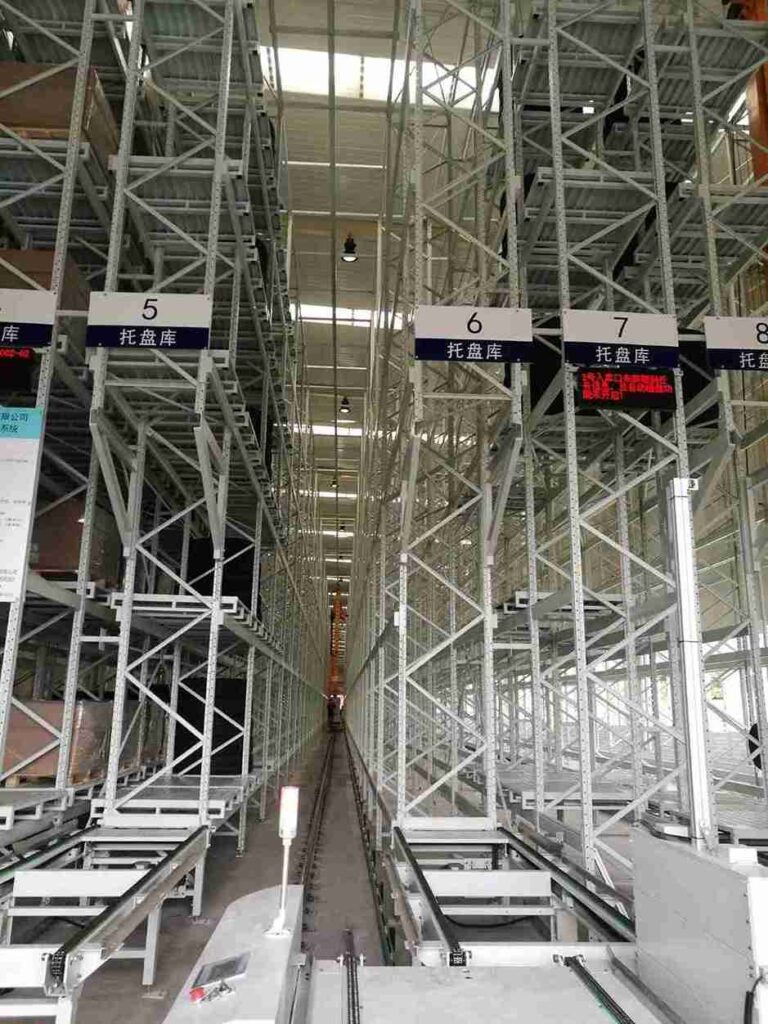
When that framework is designed with automation in mind, it accommodates AGV guidance systems, integrates with conveyor transfer points, and supports the weight and precision requirements of automated storage and retrieval. When it is not, even the most advanced robots struggle against misaligned aisles or insufficient clearance, and the eventual correction far exceeds the initial beam racking installation cost.
The global shift toward automation-ready infrastructure is accelerating. According to logistics industry analysis, warehouses implementing integrated design from the outset achieve significant ROI over three years with payback periods under six months in some high-volume operations. These aren’t speculative projections—they’re drawn from actual implementations where racking and automation were specified together, proving that a slightly higher beam racking installation cost today prevents massive expenses tomorrow.
A CPG manufacturer learned this lesson the hard way when they installed standard selective racking throughout their 200,000-square-foot facility.
Three years later, when they wanted to add an ASRS system, they discovered their beam spacing and aisle widths were incompatible. The retrofit cost exceeded $400,000—money that could have been avoided with proper planning during the initial beam racking installation cost phase . This scenario plays out across industries daily, demonstrating that beam racking installation cost must be evaluated through a multi-year lens.
Deconstructing the True Components of Beam Racking Installation Cost
Before calculating the automation-ready premium, one must establish baseline figures. Beam racking installation cost varies dramatically based on geography, labor rates, building specifics, and system complexity. However, industry benchmarks provide a useful starting point for understanding where the money goes and how automation considerations affect each component.
Base Material Costs: The Starting Point of Beam Racking Installation Cost
For standard selective pallet racking—the most common configuration for facilities planning future automation—material costs typically range significantly based on load requirements and specifications. These figures encompass several critical components that collectively determine the base beam racking installation cost:
Upright frames with gauges from 8 to 12 depending on load requirements
Step beams with integrated safety locks that prevent accidental dislodgement
Frame braces, foot plates, and anchoring hardware that ensure structural integrity
Row spacers and wall ties that connect runs into unified systems
Protective column guards that become increasingly critical in AGV environments
However, material represents only 40-50% of total beam racking installation cost. The remainder comprises engineering, delivery, and most significantly—professional installation labor. This distribution matters because automation readiness primarily affects the labor and engineering portions of beam racking installation cost rather than the materials themselves.
An automotive parts distributor discovered this when comparing quotes for conventional versus automation-ready racking. The material costs were nearly identical—the difference in beam racking installation cost came from precision requirements and engineering time . This pattern holds across most facilities: the steel itself doesn’t care about automation; how it’s placed and configured determines the final beam racking installation cost.
Installation Labor Dynamics and Their Impact on Beam Racking Installation Cost
Professional installation of beam racking requires specialized expertise that directly affects the bottom line. Certified crews command rates that reflect their training and experience, and the total hours required scale with project complexity. For a typical 10,000-pallet-position warehouse, installation requires hundreds of hours, making labor the most variable component of beam racking installation cost.
Key labor factors influencing beam racking installation cost include:
Building access and staging areas: Limited space for material staging slows crews and increases hours
Aisle width precision requirements: Tighter tolerances for future AGVs increase setup and measurement time
Seismic zoning: High-risk areas require additional bracing, inspection, and documentation
Mezzanine integration: Multi-level installations compound complexity and safety requirements
One facility manager recounted how inadequate staging space added 15% to their beam racking installation cost because crews spent hours moving materials incrementally rather than accessing them continuously. This seemingly minor oversight demonstrates how operational factors influence final beam racking installation cost beyond the quote.
The Automation-Ready Premium in Beam Racking Installation Cost
Here is where forward-thinking companies differentiate themselves. Specifying beam racking for future automation adds approximately 15-25% to initial beam racking installation cost. This premium covers specific enhancements that pay dividends when automation arrives:
Precision laser alignment: AGVs require aisle straightness within ±2mm over 30 meters—far tighter than manual forklift standards, requiring specialized measurement and adjustment during installation
Enhanced floor flatness specifications: Automation demands floor flatness of Fmin 50 or higher, requiring additional floor preparation before racking installation
Integrated guidance infrastructure: Magnetic tape channels, reflector mounting points, or QR code placements embedded during initial construction rather than added later
Reinforced baseplates: Supporting potential future load increases from automated equipment without replacement
Expanded clearance envelopes: Accommodating AGV turning radii and sensor fields that exceed manual equipment requirements
The critical insight: this 15-25% premium in beam racking installation cost represents insurance against 200-300% retrofit costs later. Retrofitting existing racking for automation often requires partial disassembly, floor grinding, and production downtime—expenses that dwarf the original beam racking installation cost difference .
A pharmaceutical company demonstrated this principle perfectly. They worked with engineering teams to design racking with future automation in mind during their initial beam racking installation cost phase. When they added robotics two years later, integration required minimal structural changes. Total retrofit cost was under $50,000, and implementation took three weeks instead of three months—all because they invested slightly more in beam racking installation cost upfront .
Hidden Factors That Inflate Beam Racking Installation Cost
Beyond the obvious components, several hidden factors can dramatically affect final beam racking installation cost if not addressed during planning:
Building column placement: Existing structural columns that interfere with optimal racking layouts increase installation complexity
Fire suppression system requirements: Sprinkler clearance specifications may force configuration changes that add labor
Lighting and electrical infrastructure: Working around existing systems slows installation and increases beam racking installation cost
Weather delays: For facilities with outdoor staging or incomplete building envelopes, weather can halt work and extend timelines
Permitting and inspection requirements: Jurisdictions with rigorous approval processes add administrative costs to beam racking installation cost
A cold storage facility in the Midwest discovered that fire suppression requirements added 8% to their beam racking installation cost because sprinkler placement necessitated modified beam configurations and additional clearances. These requirements existed regardless of automation plans but became more critical when automated vehicles needed consistent pathways.
AGV Integration: What Your Racking Must Deliver and How It Affects Beam Racking Installation Cost
Autonomous Guided Vehicles have transformed material handling, but they impose specific demands on storage infrastructure that directly influence beam racking installation cost. Understanding these requirements during planning prevents costly field modifications that would otherwise multiply the original beam racking installation cost.
Navigation Technology and Racking Implications for Beam Racking Installation Cost
AGVs navigate through several methods, each affecting racking design and therefore beam racking installation cost differently:
Laser-guided AGVs require reflective targets mounted at precise heights and positions throughout the facility. When integrated during initial racking installation, these targets can be incorporated into upright designs at optimal heights and spacings with minimal additional labor. The incremental beam racking installation cost for target mounting points is negligible compared to retrofitting, which requires specialized lifts, additional drilling, and production interruptions .
Magnetic tape or wire guidance involves embedding guidance paths in the floor. Installation during initial racking setup allows coordination between rack footings and guidance routes at minimal incremental cost. This coordination ensures that racking columns don’t block logical traffic flows—a problem that would otherwise require expensive rerouting or rack modification after the fact.
Natural feature navigation using LiDAR and environment mapping requires consistent, identifiable racking geometries. Uniform beam placement and consistent upright spacing provide the reference features these systems need—features easily achieved during initial installation but difficult to retrofit. The beam racking installation cost difference between “good enough for manual” and “consistent enough for automation” is surprisingly small when specified upfront.
Tracy Buck, national sales manager for Dexco, explains that sometimes vision systems with AI-powered cameras can cause AGVs to stop when encountering column arms that are scalloped instead of square because the AI doesn’t understand where the column actually starts and stops . “We really wouldn’t think about it from a human perspective because an arm is an arm is an arm,” Buck notes. “AI cameras, however, don’t always have the level of intelligence needed to differentiate between these variations.” This nuance in racking design affects beam racking installation cost only minimally but has massive operational implications.
Clearance and Safety Requirements That Shape Beam Racking Installation Cost
Manual forklifts operate with surprising flexibility—they can squeeze through tight spots and adjust on the fly. AGVs cannot. Beam racking for AGV environments must maintain consistent aisle widths within tight tolerances, with no encroachments from overhanging loads or damaged rack components. Achieving these tolerances affects beam racking installation cost through:
More frequent laser verification during installation
Stricter quality control checks before accepting completed work
Enhanced anchoring requirements to prevent future movement
Protective elements that add material cost
Critical AGV-racking interface points that impact beam racking installation cost include:
End-of-aisle transitions: AGVs need adequate space to align with rack entries, requiring careful layout planning
Cross-aisle intersections: Turning radii require expanded clear zones that affect rack placement
Charging station access: Racking layout must accommodate AGV charging infrastructure without blocking flow
Emergency egress paths: Safety standards require unobstructed escape routes that influence configuration
The beam racking installation cost for AGV-ready systems should include additional protective elements—corner guards, guide rails, and impact absorption systems that protect both racks and expensive AGVs from collisions. These elements add modestly to upfront cost while preventing major repair expenses later.
Load Center Considerations and Their Effect on Beam Racking Installation Cost
Understanding load centers is critically important for the whole system to work in synergy without interference and damage. Buck explains that “the forks on autonomous and wire-guided trucks are specifically designed, keeping the correct load center and counterbalances in mind. We all know every fork in every fork truck isn’t the same, and an improper design can result in forks going all the way through a pallet or coil when engaging it, tearing up the bracing in the back” .
This consideration affects beam racking installation cost through beam selection and placement. Racking must accommodate the specific load centers of planned or future AGVs, which may differ from manual equipment. Adjusting beam depth, spacing, and configuration during installation adds minimal cost compared to replacing incompatible racks later.
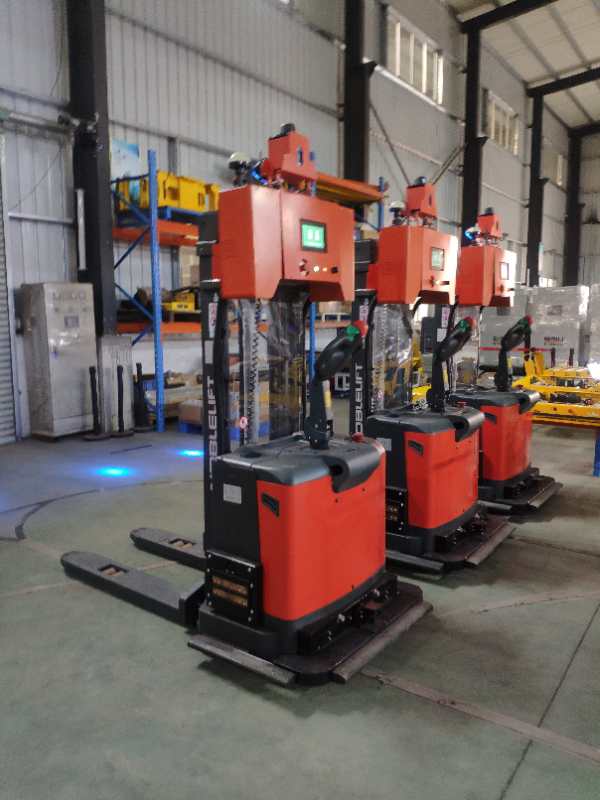
Conveyor Integration: The Interface Points That Drive Beam Racking Installation Cost and Value
While AGVs handle horizontal transport, conveyors manage the continuous flow of goods to and from storage. Integrating conveyor systems with beam racking creates unique cost considerations during installation that directly affect total beam racking installation cost.
Pick-Face to Conveyor Transitions and Beam Racking Installation Cost
The interface between racking pick positions and conveyor take-away systems represents a critical cost driver in beam racking installation cost calculations. Automation-ready beam racking installation includes provisions for:
Pick modules with integrated conveyor beds: Racking designed to support conveyor sections at ergonomic heights, sharing structural loads between systems
Dynamic slotting accommodations: Adjustable beam heights that align with conveyor elevations without custom fabrication
End-of-aisle accumulation zones: Racking configurations that create space for conveyor merge areas without sacrificing storage positions
When these elements are designed together, beam racking installation cost actually decreases because structural elements serve dual purposes—racking uprights support conveyor weight, and conveyor supports reinforce racking stability. This integration reduces total installed cost compared to separate systems fighting for space and structural support.
CarParts.com demonstrated this principle in their Las Vegas DC, where they designed a two-story pick module with integrated conveyor specifically to maximize the benefits of their warehouse execution system . While the article focuses on software, the physical integration of racking and conveyance was essential to achieving their efficiency gains. The beam racking installation cost for this integrated approach was higher than separate installations, but the operational benefits justified the investment many times over.
Sortation System Integration and Its Impact on Beam Racking Installation Cost
High-speed sortation systems require precise product presentation from storage through induction. Beam racking serving these systems must maintain consistent product orientation, which affects beam racking installation cost through:
Uniform load positioning requirements that demand consistent beam levels across wide areas
Consistent pallet overhang allowances that require precise beam depth selection
Integration with stretch wrapping or containment systems that add interface points
Installation specifications must account for these requirements from the first beam placement. Retrofitting alignment systems later proves extraordinarily expensive, often exceeding original racking costs. The incremental beam racking installation cost for sortation-ready design is typically 10-15%—far less than the 200%+ retrofit premium.
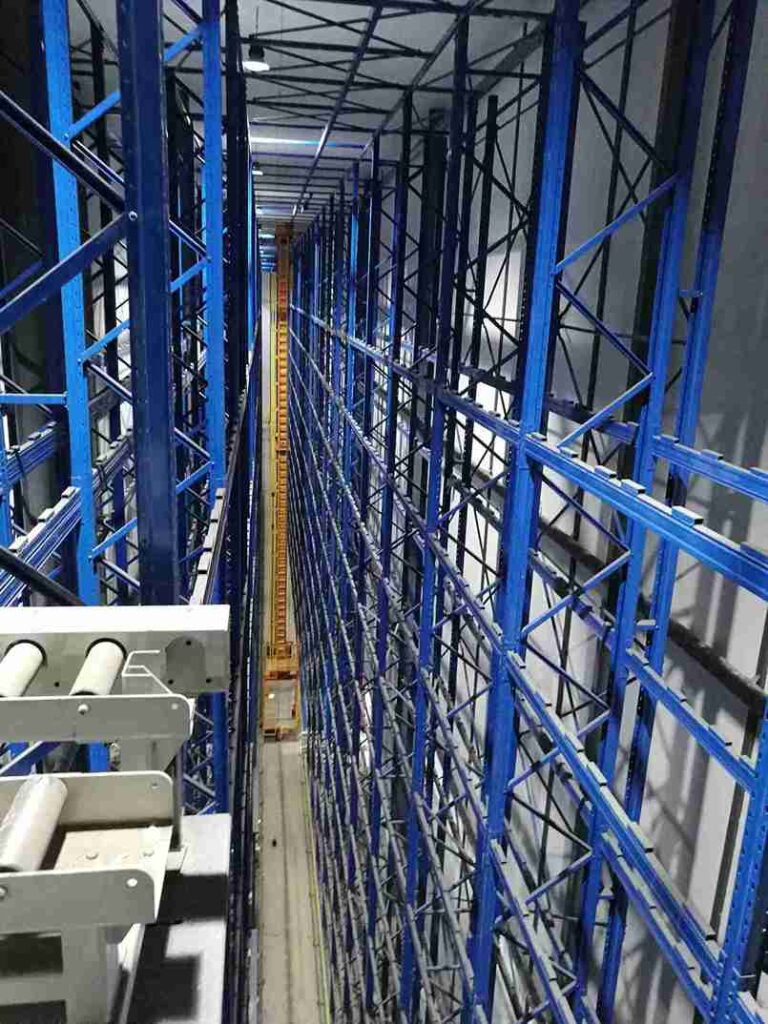
Calculating Your Automation-Ready Investment: A Practical Framework for Beam Racking Installation Cost
Theory provides direction; numbers drive decisions. Here is a practical framework for calculating beam racking installation cost with automation integration, drawn from real project data and industry benchmarks.
The Baseline Beam Racking Installation Cost Calculation
Start with a conventional installation estimate based on standard specifications:
Conventional Beam Racking Installation Cost = (Material Cost per Position × Number of Positions) + (Labor Hours × Labor Rate) + Equipment + Permits + Engineering
For a 5,000-pallet-position warehouse using selective racking with standard specifications:
Material: $200 per position × 5,000 = $1,000,000
Labor: 600 hours × $120 = $72,000
Equipment rental: $15,000
Permits and engineering: $25,000
Total Conventional Beam Racking Installation Cost: $1,112,000
This represents the baseline against which automation-ready premiums should be evaluated.
The Automation-Ready Beam Racking Installation Cost Premium
Now apply the 15-25% automation-ready factors based on specific requirements:
Automation-Ready Beam Racking Installation Cost = Baseline + (Baseline × Automation Factor)
Using our example with a 20% factor for moderate automation readiness:
Total Automation-Ready Beam Racking Installation Cost: $1,112,000 × 1.20 = $1,334,400
The incremental investment: $222,400 in additional beam racking installation cost
The Retrofit Avoidance Calculation for Beam Racking Installation Cost
Compare this against the cost of adding automation to conventional racking later—costs that dwarf the original beam racking installation cost difference:
Retrofit Cost Components After Initial Conventional Installation:
Partial rack disassembly and reassembly for access: $85,000
Floor modification and grinding for flatness: $120,000
Production downtime during modification (3 weeks @ $50,000/day): $750,000
Emergency engineering and expedited permits: $45,000
Overtime installation premiums for weekend work: $60,000
Total Retrofit Cost: $1,060,000
The analysis becomes stark: a $222,400 increase in upfront beam racking installation cost avoids $1,060,000 in future disruption and modification costs . This 4.8x return on the incremental investment materializes the moment automation deploys.
ROI Timeline Considerations for Beam Racking Installation Cost Decisions
When does the automation-ready premium in beam racking installation cost pay back?
If automation deployment occurs within 24 months of racking installation:
Years 1-2: Carry cost of $222,400 additional investment
Year 2: Automation deployment proceeds without retrofit costs or delays
Net benefit at deployment: $837,600 ($1,060,000 avoided – $222,400 invested)
Even if automation waits five years, the avoided downtime and disruption justify the premium. This is why sophisticated operators universally specify automation-ready racking today—the beam racking installation cost difference is trivial compared to the option value it preserves.
Real-World Validation: Case Studies Demonstrating Beam Racking Installation Cost Decisions
Theory gains power through example. Consider several facilities that made different beam racking installation cost decisions and lived with the consequences.
The Automotive Parts Distributor’s Beam Racking Installation Cost Lesson
An automotive parts distributor added push-back racking to maximize density in their existing facility. Their beam racking installation cost was competitive—they saved 15% compared to alternatives. When they later needed to integrate overhead conveyors for their growing e-commerce operation, the racking structure couldn’t support the load points required for conveyor mounting. They ended up removing and replacing entire rows of racking at a cost that exceeded their original beam racking installation cost by 300% .
The lesson: beam racking installation cost evaluated solely on initial price ignores the structural requirements of future automation.
The Cold Storage Operator’s Beam Racking Installation Cost Success
A cold storage operator planning a new facility specified automation-ready racking from the start. Their beam racking installation cost was 22% higher than conventional quotes, requiring justification to leadership. When they added automated cranes three years later, integration required zero racking modification. The avoided downtime alone—refrigeration outages during construction—paid back the premium twice over .
The operator’s engineering manager noted that the beam racking installation cost difference was “the best money we ever spent” because it preserved operational continuity during automation deployment.
The 3PL Provider’s Beam Racking Installation Cost Calculation
A third-party logistics provider serving multiple clients faced uncertainty about which automation technologies they would eventually need. They chose a modular approach to beam racking installation cost, paying a 15% premium for systems that could be reconfigured as requirements evolved.
When a major client demanded robotic fulfillment, the 3PL reconfigured racking zones over a weekend at minimal cost. Competitors who had minimized beam racking installation cost faced weeks of downtime and extensive modification expenses .
The 3PL’s operations director now advises clients that beam racking installation cost should be viewed as infrastructure investment, not commodity purchase.
The Hidden Costs of Getting Beam Racking Installation Cost Wrong
Understanding beam racking installation cost requires equal attention to what insufficient planning costs—expenses that never appear on invoices but drain operational P&Ls year after year.
Throughput Constraints Hidden in Beam Racking Installation Cost Decisions
Racking designed without automation consideration often creates permanent bottlenecks that no amount of operational adjustment can fix. Aisle configurations that work for manual forklifts may force AGVs into inefficient travel patterns, reducing theoretical throughput by substantial margins .
The financial impact: For a facility handling 10,000 pallet movements weekly at $25 per move cost, a 30% efficiency penalty equals significant excess operating costs annually—costs that trace directly back to beam racking installation cost decisions made years earlier.
Safety Compromises Resulting from Beam Racking Installation Cost Choices
When automation is forced into spaces designed for manual operation, safety margins shrink. AGVs operating in tight clearances experience more frequent fault conditions, requiring manual intervention that exposes workers to robotic equipment in unpredictable situations.
OSHA and international safety standards increasingly scrutinize these hybrid environments. Non-compliance penalties, while rare, can exceed significant amounts per violation—to say nothing of injury costs and the human toll. These risks are fundamentally connected to beam racking installation cost decisions that prioritized short-term savings over long-term safety.
Expansion Limitations Created by Beam Racking Installation Cost Decisions
Warehouses that outgrow their original design face stark choices: expensive retrofits or costly new construction. **Beam racking installed without automation provisions typically cannot accommodate:
Higher-density storage configurations (double-deep, push-back)
Multi-deep shuttle systems for high-density applications
Automated case picking integration for e-commerce fulfillment
These limitations effectively cap facility capacity at a fraction of theoretical maximum . The beam racking installation cost “savings” from conventional design translate directly to growth constraints when business expands.
Obsolescence Risk in Beam Racking Installation Cost Calculations
Perhaps the most insidious cost of inadequate beam racking installation cost planning is obsolescence risk. Facilities that cannot accommodate automation become increasingly uncompetitive as labor costs rise and customer expectations tighten. Eventually, they face replacement—the ultimate cost that dwarfs any initial beam racking installation cost difference.
A facility designed for manual operation today may have 15-20 years of useful life, but if automation becomes table stakes in five years, the effective life is much shorter. This accelerated depreciation should factor into every beam racking installation cost analysis.
Modular Design: The Future-Proofing Multiplier in Beam Racking Installation Cost
Beyond basic automation readiness, modular warehouse design principles multiply the value of beam racking investments by preserving flexibility for unknown future requirements.
What Modular Means for Beam Racking Installation Cost
Modular beam racking systems feature several characteristics that affect initial beam racking installation cost but pay dividends over time:
Standardized component dimensions allowing reconfiguration without custom fabrication
Quick-connect beam attachments that enable layout changes with minimal tools and labor
Integrated accessibility for future mezzanines, catwalks, or conveyor supports
Compatibility with multiple automation platforms rather than vendor-specific designs
Installation costs for modular systems run 5-10% higher than conventional, but reconfiguration costs drop by up to 70% when operations change . For facilities facing uncertain futures—most 3PLs, high-growth companies, or industries in flux—this tradeoff dramatically favors higher initial beam racking installation cost.
Scaling Without Disruption Through Smart Beam Racking Installation Cost
Consider a seasonal business requiring 50% more capacity during peak periods. **Modular racking designed for automation allows:
Temporary conversion of staging areas to storage during peak weeks
Rapid beam height adjustments for different product profiles
Integration of temporary pick modules with conveyor connections as volume spikes
Facilities with modular automation-ready racking report significantly faster peak season scaling and notably lower temporary labor costs . These operational advantages flow directly from beam racking installation cost decisions that prioritized flexibility.
The Technology Hedge in Beam Racking Installation Cost
No one knows exactly which automation technologies will dominate in five years. Will it be laser-guided vehicles, natural feature navigation, overhead robotics, or something not yet commercialized? Modular, automation-ready racking hedges this uncertainty by accommodating multiple approaches.
The incremental beam racking installation cost for modular design is essentially insurance against betting on the wrong technology. Facilities that lock themselves into single-technology configurations during installation may find their beam racking installation cost “savings” evaporating when technology evolves.
Industry-Specific Considerations in Automation-Ready Beam Racking Installation Cost
Different sectors impose unique requirements on beam racking installation cost calculations. Understanding these nuances helps tailor the analysis to specific operational contexts.
E-commerce and Retail Fulfillment Beam Racking Installation Cost Factors
High SKU velocity with extreme seasonality characterizes e-commerce operations, affecting beam racking installation cost through:
Requirement for rapidly reconfigurable pick faces that accommodate changing product mixes
Automation integration with goods-to-person systems and multi-level picking stations
Cost implication: Additional investment per position for quick-change beam connections that enable frequent reconfiguration
The e-commerce operator’s beam racking installation cost must account for flexibility that traditional retailers never needed. Facilities that minimize upfront cost often find themselves unable to adapt to shifting SKU velocity patterns.
Cold Storage and Food Logistics Beam Racking Installation Cost Considerations
Temperature extremes and sanitation requirements dramatically affect beam racking installation cost in cold chain applications:
Specialized coatings that withstand condensation and frequent washdowns
Thermal break connections that prevent cold transfer through building envelope
Automation integration with cold-rated AGVs and frost-resistant sensors
Cost implication: 25-35% premium for temperature-suitable components over standard materials
One cold storage operator noted that their beam racking installation cost was 30% higher than ambient equivalents, but the cost of failure in frozen food handling justified every penny. When automation arrives, cold-rated systems command even higher premiums, making initial investment even more critical .
Manufacturing and Work-in-Process Beam Racking Installation Cost Dynamics
Integration with production schedules creates unique requirements for manufacturing applications:
Just-in-time delivery interfaces that connect storage to production lines
Kitting area integration that supports assembly operations
WIP buffer storage that accommodates production fluctuations
Cost implication: Higher per-position cost but shared infrastructure savings when racking serves multiple purposes
Automotive manufacturers using AS/RS racking systems demonstrate this principle. Their beam racking installation cost supports just-in-sequence part delivery to assembly lines, tool and die storage, and kitting operations—multiple functions that justify higher initial investment .
Third-Party Logistics (3PL) Beam Racking Installation Cost Challenges
Multi-client, multi-requirement operations face the most complex beam racking installation cost decisions:
Maximum flexibility requirements to accommodate diverse client needs
Client-specific configurations that may change with contract wins and losses
Segregated zones with varying automation levels as clients adopt technology at different paces
Cost implication: Premium for modularity and quick-change features that enable rapid reconfiguration
A 3PL operations director explained that their beam racking installation cost decisions directly impact their ability to win new business. Prospects ask about automation readiness, flexibility, and scalability during tours. Facilities that minimized initial cost often lose deals to those that invested in future-proof infrastructure.
The Software Connection: WMS and Automation Integration in Beam Racking Installation Cost
Beam racking installation cost discussions that ignore software miss half the equation. Warehouse Management Systems (WMS) orchestrate the interaction between storage positions and automated equipment, and this orchestration has physical requirements that affect installation.
Position Identification Requirements and Beam Racking Installation Cost
Automation-ready racking must accommodate identification technologies that enable WMS integration:
Barcode labels: Placement positions must be consistent and accessible; durability requirements vary by environment; scanning angles must be clear
RFID tagging: Antenna mounting points need strategic placement; interference avoidance requires thoughtful design
Visual markers: QR codes, AprilTags, or other machine-readable features need protected mounting
Installation specifications should include identification infrastructure—mounting points, protective housings, and testing protocols. This adds a modest amount per position but enables WMS-automation integration from day one .
CarParts.com demonstrated the power of this integration. Their WES software works on top of their WMS, managing picking and orchestrating order fulfillment with other warehouse processes. The physical infrastructure—racking, pick modules, and conveyance—was designed to support this software orchestration from the start .
Real-Time Location Systems (RTLS) and Beam Racking Installation Cost
Advanced facilities track assets continuously using RTLS. **Racking design must accommodate:
Anchor points for reference nodes at strategic locations
Clear sight lines for optical systems through racking geometry
Power distribution for active components integrated with racking structure
WMS integration with RTLS reduces search time dramatically and eliminates cycle counting labor—benefits enabled by installation-phase planning that adds minimal beam racking installation cost.
Digital Twin Integration Starting with Beam Racking Installation Cost
Digital twin technology creates virtual replicas of physical facilities for simulation and optimization. Accurate digital twins require precise as-built data from installation:
Laser-scanned point clouds documenting actual rack positions
As-built drawings showing deviations from design
Equipment location verification confirming automation compatibility
The beam racking installation cost should include digital documentation that enables future simulation and optimization. This modest investment pays dividends throughout the facility’s life.
Navigating Regional Variations in Beam Racking Installation Cost
For operations spanning multiple geographies—common in target markets of Southeast Asia, Middle East, Latin America, and Africa—beam racking installation cost varies substantially based on local factors.
Labor Rate Differentials Affecting Global Beam Racking Installation Cost
| Region | Typical Installation Labor Rate (USD/hour) | Automation-Ready Premium |
|---|---|---|
| Southeast Asia | $25-45 | 15-20% |
| Middle East | $35-60 | 20-25% |
| Latin America | $20-40 | 15-20% |
| Africa (varies widely) | $15-50 | 20-30% |
| North America/Europe | $80-150 | 15-25% |
These differentials affect ROI calculations significantly. In lower-labor-cost regions, the automation-ready premium represents a smaller absolute investment in beam racking installation cost, while the avoided retrofit labor costs remain proportionally valuable.
Material Sourcing Considerations in Beam Racking Installation Cost
Steel costs fluctuate regionally based on local production capacity and import duties. Beam racking installation cost in markets like the Middle East benefits from local manufacturing, while African operations often face significant import premiums that affect total project cost.
Automation-ready specifications require consistent steel quality regardless of source. Specifying international standards (FEM, RMI, or equivalent) ensures compatibility regardless of where components originate, though this may increase beam racking installation cost in regions with limited local manufacturing.
Regulatory and Compliance Factors in Beam Racking Installation Cost
Different regions impose varying requirements that affect beam racking installation cost:
Seismic standards in active zones add bracing and anchoring requirements
Fire code regulations affect aisle widths, clearance requirements, and material specifications
Labor laws governing installation work hours, safety requirements, and worker protections
Import duties and tariffs on racking components from foreign manufacturers
A Southeast Asian facility may face different seismic requirements than a Middle Eastern operation, affecting optimal beam racking installation cost calculations. Understanding these regional variations prevents costly surprises during installation.
Practical Steps: From Assessment to Installation in Beam Racking Installation Cost Planning
Moving from concept to automation-ready beam racking requires systematic execution that protects the investment in beam racking installation cost.
Phase 1: Needs Assessment for Beam Racking Installation Cost (4-6 weeks)
Key activities that shape beam racking installation cost:
Current SKU profile analysis to understand storage requirements
Growth projections (3, 5, and 10-year) to size capacity appropriately
Automation technology assessment to identify likely future requirements
Building constraints documentation including columns, height, and floor condition
Deliverable: Automation-ready specification document that guides beam racking installation cost estimates
Elite Automation’s discovery process maps how materials move through the facility, where bottlenecks occur, and where automation could deliver the highest impact . This assessment directly informs beam racking installation cost by identifying which areas need the most flexibility.
Phase 2: Design and Engineering for Beam Racking Installation Cost (6-8 weeks)
Key activities affecting beam racking installation cost:
3D modeling with automation overlay to verify compatibility
Traffic flow simulation for both manual and automated operations
Interface point identification for future conveyor or AGV integration
Structural analysis for future loads that may exceed current requirements
Deliverable: Complete racking and automation layout with detailed beam racking installation cost breakdown
Phase 3: Procurement and Installation for Beam Racking Installation Cost (8-16 weeks)
Key activities that determine final beam racking installation cost:
Material procurement with quality verification against specifications
Floor preparation and flatness certification before racking installation
Precision rack installation with laser alignment throughout the process
Identification infrastructure placement coordinated with rack assembly
Deliverable: Certified automation-ready racking system with documented as-built condition
Phase 4: Automation Deployment Planning Within Original Beam Racking Installation Cost
When funding and business case align, automation integrates without disruption because the original beam racking installation cost included provisions for it. This phase should be seamless:
No racking modification required
Floor meets all guidance specifications from original installation
Commissioning proceeds quickly because infrastructure is ready
Startup costs minimized by proper planning during initial beam racking installation cost phase
The Sustainability Angle: Automation-Ready Racking and Green Logistics in Beam Racking Installation Cost
Environmental considerations increasingly influence warehouse investment decisions. Beam racking installation cost intersects with sustainability in several important ways.
Material Efficiency and Beam Racking Installation Cost
**Automation-ready racking uses steel more efficiently because:
Higher precision during beam racking installation cost allows lighter gauges while maintaining strength
Integrated designs reduce redundant structures compared to standalone systems
Future adaptability extends useful life, spreading material impact over more years
Lifecycle analysis shows automation-ready racking generates significantly less embodied carbon per pallet position over 20 years compared to conventional systems requiring replacement or major retrofit .
Operational Energy Savings From Smart Beam Racking Installation Cost
**When AGVs and conveyors operate in spaces designed for them, energy consumption drops:
Optimized travel paths reduce AGV battery cycling and charging requirements
Consistent clearances minimize sensor processing loads on automated equipment
Integrated controls enable regenerative braking coordination between vehicles
Facilities with automation-ready racking report notably lower energy costs for material handling equipment —savings that trace back to beam racking installation cost decisions made years earlier.
Space Utilization and Beam Racking Installation Cost
Perhaps the greatest sustainability benefit of automation-ready racking is space efficiency. AS/RS racking systems can achieve significantly higher vertical space utilization compared to conventional racks . This means:
Smaller building footprint for the same storage capacity
Reduced land consumption and habitat disruption
Lower heating, cooling, and lighting energy per pallet stored
Deferred or avoided building expansion with its associated carbon impact
The beam racking installation cost for high-density systems is higher per square foot but lower per pallet position when measured against the full facility cost.
Conclusion: The Strategic Imperative in Beam Racking Installation Cost Decisions
The warehouse of the future is not coming—it is already here, and it is being built today by companies who understand that beam racking installation cost must be evaluated through the lens of automation integration. The incremental 15-25% premium for automation-ready design represents not an expense but an investment—one that typically pays for itself within 24 months of automation deployment and delivers competitive advantages for decades.
For operators across Southeast Asia, the Middle East, Latin America, and Africa, the opportunity is particularly compelling. These rapidly developing logistics markets can leapfrog legacy approaches, implementing greenfield facilities designed from day one for the automated, integrated, data-rich warehouses that global supply chains demand. The beam racking installation cost decisions made today will echo through these facilities for 20 years or more.
The question is no longer whether a warehouse will automate—it is when. And when that day comes, will the racking be ready? Calculating beam racking installation cost with automation integration today answers that question with confidence rather than regret.
The lesson from every case study, every retrofit disaster, and every successful automation deployment is consistent: beam racking installation cost is not the place to cut corners. Facilities that invest appropriately in automation-ready infrastructure reap rewards for decades. Those that minimize upfront cost face recurring expenses, operational constraints, and competitive disadvantage that dwarf any initial savings.
We invite warehouse operators to bring their plans, their growth projections, and their automation ambitions to our team of engineering specialists. Together, we will develop a beam racking solution that serves today’s needs while building tomorrow’s capabilities—because the best time to prepare for the future was yesterday. The second-best time is now, when beam racking installation cost decisions can still be made wisely.
Frequently Asked Questions
1: Can existing conventional beam racking be modified for AGV integration, or must it be replaced entirely?
Existing racking can often be modified for AGV integration, but the cost-benefit analysis rarely favors modification over replacement for facilities with more than 5-7 years of expected life.
Modifications may include: reinforcing floor connections, adding guide rails, installing reflective targets or QR codes, and realigning sections that have settled over time. However, the hidden cost is often floor flatness—if the original slab doesn’t meet AGV specifications (typically Fmin 50 or higher), modification becomes exponentially more expensive. We recommend a professional assessment that includes laser floor profiling before assuming modification is viable. In many cases, 60-70% of the modification cost can be applied toward new automation-ready racking with better long-term economics. The original beam racking installation cost becomes irrelevant if the system cannot support automation requirements.
2: How does seismic zone classification affect automation-ready beam racking installation costs?
Seismic requirements can increase automation-ready installation costs by 25-40% in high-risk zones, but this premium delivers critical protection for both racking and expensive automated equipment.
Automation-ready seismic design includes: heavier baseplate specifications, additional cross-aisle bracing, special connection details between racking and building structure, and enhanced anchor systems. The key consideration is that automated equipment imposes dynamic loads during operation that seismic calculations must account for—something conventional racking installations often ignore. While the upfront beam racking installation cost is higher, facilities in seismic zones actually achieve better protection for their automation investment by specifying integrated design from the outset. The incremental cost is minimal compared to potential losses from seismic events.
3: What is the typical lead time from specification to completion for automation-ready beam racking?
For a mid-sized facility (5,000-15,000 pallet positions), the complete timeline typically spans 16-28 weeks from initial specification to operational racking.
This breaks down as: assessment and design (4-6 weeks), engineering and procurement (4-8 weeks), material fabrication and delivery (4-8 weeks depending on source location), and installation (4-6 weeks). The automation-ready specification adds approximately 2-3 weeks to the design phase but rarely extends the overall timeline because fabrication and installation proceed concurrently with other facility preparations. We recommend beginning the process at least six months before target operational date to allow for unexpected delays and thorough quality verification. Rushing beam racking installation cost decisions almost always leads to problems later.
4: How do I determine the right mix of automation technologies for my specific operation before finalizing racking design?
This is the classic “chicken and egg” problem in warehouse planning, and the solution is scenario-based design.
Rather than committing to specific automation technologies during racking installation, specify for automation readiness—creating a facility that can accommodate multiple automation approaches. This includes: maintaining clearance envelopes for the largest likely AGVs, providing power and data infrastructure at strategic points, specifying floor flatness to the most stringent likely requirement, and designing racking with modular adjustability.
With these foundations in place, specific automation technologies can be selected 1-3 years later based on then-current pricing, capabilities, and business requirements. Many operators also conduct pilot programs with rental automation equipment before making final purchasing decisions—an approach enabled by automation-ready infrastructure. The beam racking installation cost for this flexibility is minimal compared to the cost of being locked into a single technology path.
5: What ongoing maintenance considerations differentiate automation-ready racking from conventional systems?
Automation-ready racking requires more disciplined maintenance protocols because automated equipment cannot adapt to racking degradation the way human operators can.
Key maintenance differences include: quarterly laser audits of aisle straightness and plumbness (versus annual visual inspections for conventional racking), immediate repair of any impact damage (automated systems will fault repeatedly at damaged locations), regular verification of identification markers (barcodes, RFID tags, or visual guides), and documented load positioning compliance (ensuring pallets don’t encroach into automation clearances). While this sounds demanding, facilities with proper maintenance programs report that automation-ready racking actually lasts longer because damage is identified and corrected before it propagates. Budget approximately 15-20% higher annual maintenance costs for the enhanced inspection regimen, offset by dramatically lower repair costs over the system’s life. This ongoing investment protects the original beam racking installation cost by extending useful life.
6: Can automation-ready racking accommodate multiple types of automated equipment from different vendors?
Yes, properly specified automation-ready racking can accommodate equipment from multiple vendors, provided the installation specifications focus on compatibility rather than vendor-specific requirements.
The key is specifying clearances, tolerances, and interface points based on industry standards rather than proprietary designs. For example, maintaining aisle straightness within ±2mm over 30 meters serves all laser-guided vehicles regardless of manufacturer. Installing reflector mounting points at standard heights accommodates multiple guidance systems. This vendor-neutral approach to beam racking installation cost ensures maximum flexibility when selecting automation partners later. Some facilities even operate mixed fleets from different vendors within the same racking system when specifications are properly established during initial installation.
7: How does building age affect automation-ready beam racking installation cost?
Building age significantly affects automation-ready beam racking installation cost because older structures often lack the characteristics required for automated equipment.
Key issues include: unknown floor flatness that may require grinding or overlay, column spacing that doesn’t align with optimal racking layouts, limited clear height that prevents high-density storage, and inadequate electrical capacity for charging stations and control systems. Retrofitting older buildings for automation readiness can cost 2-3 times more than incorporating requirements into new construction. For older facilities, the beam racking installation cost analysis must include building modifications that would be unnecessary in modern structures. In some cases, the total cost approaches new construction, making relocation the better option.
If you require perfect CAD drawings and quotes for warehouse racking, please contact us. We can provide you with free warehouse racking planning and design services and quotes. Our email address is: jili@geelyracks.com