📐 "First 50 Enterprise Queries Get Custom 3D Warehouse Design" Plan


Why Precision in the Beam Racking Installation Checklist Determines Automation Success
In the modern automated warehouse, the beam racking structure functions as more than passive storage infrastructure; it serves as the foundational framework upon which the entire material handling ecosystem depends. When facilities integrate Automated Guided Vehicles (AGVs) and Very Narrow Aisle (VNA) trucks, the acceptable margin for error during installation compresses dramatically from centimeters to mere millimeters.
Unlike manual forklift operations where experienced drivers can compensate for minor structural deviations, automated equipment demands absolute consistency and precision throughout the storage environment. A rack that stands out of plumb by even a few millimeters can generate repetitive positioning errors, cause AGV tugs to collide with frames during travel, and potentially force a complete shutdown of your automated storage and retrieval system.
This comprehensive guide presents a detailed, step-by-step beam racking installation checklist specifically engineered for warehouses transitioning to or optimizing for automation, guaranteeing that your warehouse racking performs as a perfect partner to your robotics fleet. Every facility manager, operations director, and logistics professional should maintain this beam racking installation checklist as their primary reference document when planning automated storage upgrades .

Phase 1: Pre-Installation Engineering and Site Analysis for Automated Beam Racking Systems
Before the first upright frame arrives on site, the battle for installation precision is either won or lost on the drawing board and across the concrete floor. Automated systems mandate levels of floor flatness and structural tolerance that frequently exceed standard building codes and conventional construction practices. A proper beam racking installation checklist must begin with exhaustive pre-installation analysis.
Conducting Comprehensive Laser Profiling of the Concrete Slab
The single most critical factor determining successful AGV integration involves the condition and characteristics of the warehouse floor. VNA trucks and AGVs require specific floor flatness tolerances, typically defined by international standards such as EN 15620 or manufacturer-specific guidelines like those published by FEM (Fédération Européenne de la Manutention) . Any beam racking installation checklist that omits detailed floor analysis sets the entire automation project up for certain failure.
Flatness Requirements: For automated warehouses incorporating very narrow aisles measuring less than 1,800 mm in width, the floor flatness tolerance becomes exceptionally stringent. Industry standards demand deviations not exceeding ±2 mm when measured with a 2-meter straightedge. Facilities failing to meet this specification encounter persistent problems with AGV navigation systems becoming confused by “wavy” floor contours, leading to load instability at height and frequent system fault interruptions. Professional installers always include laser-guided floor profiling in their initial beam racking installation checklist to identify problem areas before equipment placement begins .
Surface Finish Considerations: The concrete surface must remain completely free of dust, debris, and loose aggregate. AGVs utilizing suction-based or friction-drive wheel systems require high-quality power-trowelled finishes to maintain consistent traction and positioning accuracy. The beam racking installation checklist must also address existing floor joints and saw cuts; these require proper sealing and filling to create smooth transition surfaces for wheeled loads crossing these boundaries during automated operations.
Defining the Gold Standard Layout for Beam Placement and Row Spacing
The warehouse layout must undergo rigorous modeling within a CAD (Computer-Aided Design) environment well before physical installation commences. This digital twin approach allows engineering teams to simulate AGV travel paths comprehensively and verify that the beam racking configuration does not create sensor blind spots or navigation ambiguities for automated equipment.
Aisle Width Calculation Precision: In manual warehouse environments, operators might accept minor aisle width variations and squeeze through tight spaces when necessary. For AGV operations, however, the aisle width must adhere strictly to calculations based on vehicle turning radius plus appropriate safety margins. VNA applications demand even greater precision, with aisle dimensions essentially matching the truck width plus minimal clearance for guidance rails or optical navigation systems . Every beam racking installation checklist should document these calculated dimensions and verify them through multiple measurement passes.
Beam Alignment Criticality: The horizontal beams require perfect alignment not merely for pallet support functionality but because they serve as reference points for automated stacker cranes and height-sensing systems. Misaligned beams frequently deceive crane sensors into false readings, indicating pallet presence where none exists or reporting incorrect storage positions. The beam racking installation checklist must include provisions for laser-verified beam leveling across entire storage bays to prevent these automation-disrupting errors.
Structural Integrity Checks Accounting for Dynamic Automated Loads
Automated warehouses introduce fundamentally different stress patterns compared to manual operations. Where human drivers might sense an impending impact and instinctively slow their approach, AGVs follow programmed paths with rigid consistency regardless of obstacles. The racking structure must therefore withstand these repetitive, precisely repeated forces without degradation.
Seismic and Wind Load Considerations: For target markets spanning Southeast Asia and Latin America, seismic activity presents genuine structural concerns requiring specialized engineering approaches. The racking system must comply with rigorous standards such as EN 16681 (Seismic design for pallet racking), which mandates additional cross-bracing, enhanced base plate anchoring, and specific connection detailing . A comprehensive beam racking installation checklist for these regions must verify compliance with local seismic codes and document all bracing installations.
Dynamic Versus Static Load Understanding: Installation teams must fully comprehend that the racking system experiences “live” loads from continuously moving machinery throughout daily operations. The bracing design must adequately absorb these horizontal forces without transferring detrimental stress into the building structure. Experienced installers incorporate this understanding throughout their beam racking installation checklist, ensuring that dynamic load paths receive appropriate consideration.

Phase 2: Foundation Marking and Anchor Bolt Installation Following the Beam Racking Installation Checklist
This phase represents the critical transition where abstract design concepts meet physical reality. The precision achieved during anchor placement directly determines the achievable verticality of every frame throughout the installation.
The Art of Professional “Staking Out” Using Optical and Laser Tools
Professional installers never rely on tape measures alone for automated warehouse projects. Total stations and laser theodolites provide the required accuracy for establishing reference grids and verifying positions against design coordinates.
Grid Line Establishment: Primary control grids receive careful establishment based on permanent building reference points such as structural columns. Every rack base plate position receives precise marking relative to this verified control grid, with all coordinates documented in the project beam racking installation checklist.
Diagonal Verification Protocol: Before any drilling operations commence, experienced teams measure diagonals across every bay configuration. Unequal diagonal measurements indicate rectangular misalignment that, even if measuring only 5mm deviation, will cause AGV positioning errors during pallet pickup operations. The beam racking installation checklist mandates this diagonal verification as a non-negotiable quality checkpoint.
Chemical Anchors Versus Mechanical Expansion Anchors for Automated Environments
The anchor selection decision carries significant implications for long-term stability in automated environments characterized by continuous vibration and precise positioning requirements.
Chemical Anchoring Advantages: For high seismic zones and facilities experiencing constant vibration from heavy AGV traffic, chemical anchors utilizing epoxy-resin formulations provide superior performance characteristics. These anchors bond the bolt permanently to the surrounding concrete without exerting expansive forces that might crack or weaken the slab. The beam racking installation checklist should specify chemical anchoring for these demanding applications .
Torque Specification Compliance: Every single anchor bolt installed must receive torquing to manufacturer-specified values using calibrated torque wrenches. Under-torqued anchors permit gradual movement under operational loads, while over-torquing can compromise concrete grip strength. Professional installers document each bolt’s torque value in their beam racking installation checklist to create a permanent quality record.

Phase 3: Upright Frame Erection and Verticality Verification in the Beam Racking Installation Checklist
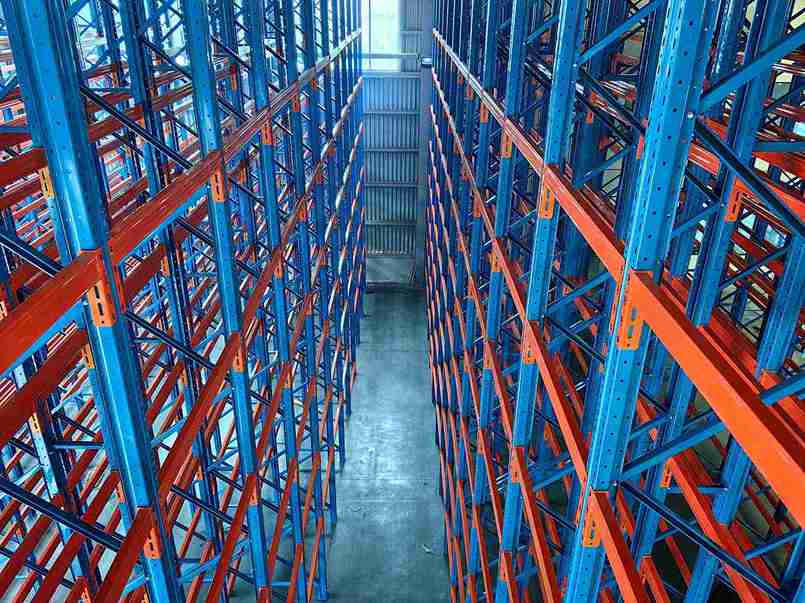
Upright frames constitute the structural spine of your warehouse racking system. For automated operations, achieving and maintaining perfect verticality represents an absolute, non-negotiable requirement.
Plumbing the Frames: Why Traditional Methods Fail Automation Requirements
Experienced installers understand that the plumb bob, while historically useful, lacks the precision required for modern automated warehouses. Digital inclinometers and dual-axis laser sensors provide the measurement accuracy necessary for verifying verticality on every upright installation.
Tolerance Limits According to EN 15620: Industry standards including EN 15620 define allowable out-of-plumb measurements, typically requiring deviation less than 1/1000 (1mm per meter of upright height) . In high-bay warehouses extending to 15 meters or more, this limits total acceptable deviation at the top to less than 15 mm. Any beam racking installation checklist failing to address these stringent tolerances cannot support successful automation integration.
Shimming Techniques for Imperfect Floors: When concrete slabs exhibit minor surface depressions despite best efforts, experienced installers employ load-bearing steel shims beneath base plates. These shims require proper stacking and tack-welding to prevent gradual shifting under vibration from AGV traffic. The beam racking installation checklist must specify maximum shim quantities and welding requirements to maintain long-term stability.
Phase 4: Beam Installation and Load Transfer Connection Verification
The horizontal beams serve dual functions: they lock frames together laterally while creating the storage levels where pallets actually rest. Their installation quality directly dictates the smooth flow of materials throughout automated operations.
The Snap-In Verification Protocol: Safety Locks as Mandatory Components
Every beam connector must achieve complete engagement with the corresponding slots in the upright column. Anything less than full engagement creates unacceptable risk in automated environments.
Audible and Visual Confirmation Requirements: In automated warehouse applications, the beam racking installation checklist mandates 100% inspection coverage for all beam connections. Safety locks, whether integral pins or separate safety clips, must demonstrate full engagement through both visual inspection and physical verification. Beams lacking proper locking engagement can be dislodged by stacker crane movements or shuttle operations, potentially triggering catastrophic cascading failures .
Beam Leveling Precision: Using rotating laser levels, installation teams verify height accuracy for beams on the same level across entire aisle configurations. When beams on opposite sides of an aisle differ in height, VNA forks extending sideways will strike either the beam structure or the pallet above during retrieval attempts. The beam racking installation checklist must document these leveling measurements for each storage level.
Row Spacers and Top Tie Installation Requirements
Structural stability, particularly in narrow aisles where automated trucks travel at designed speeds, requires proper interconnection between adjacent rows through spacers and ties.
Horizontal Bracing and Flue Space Maintenance: Professional installers place horizontal flue spacers at rack rear positions. These components not only provide essential stability but also maintain required flue spacing for fire safety sprinkler coverage. In automated systems, these spacers require precise positioning to avoid interference with shuttle rails or automated guidance paths. A thorough beam racking installation checklist verifies both stability and clearance requirements simultaneously.
Phase 5: Guide Rail Installation for VNA and AGV Systems Following the Beam Racking Installation Checklist
This installation phase distinguishes automated warehouses most visibly from conventional facilities. While the beam racking holds stored goods, the guide rails literally steer the machines that serve them.
Understanding Guidance System Types for Proper Installation
Selecting and installing the correct guidance technology requires understanding how each system interacts with both the racking structure and the automated vehicles.
Mechanical Guidance Systems: In VNA warehouse configurations, steel guide rails receive bolting to the floor at the base of racking frames. These rails physically engage the truck’s guide wheels, maintaining precise vehicle positioning throughout travel. Installation demands extreme precision; rail alignment tolerances typically require ±2 mm accuracy over 50-meter runs. The beam racking installation checklist must include provisions for laser-aligned rail placement and verification .
Inductive Wire Guidance Approaches: For AGV fleets not utilizing mechanical guides, installation teams embed guidance wires into saw-cut channels in the concrete floor. Close coordination with automation specialists ensures these wires follow exactly the paths required for AGV travel, often passing directly beneath racking cantilevers where access for future maintenance becomes limited.
Optical and Magnetic Guidance Methods: Modern AGV systems increasingly employ optical tape or magnetic markers for navigation. Installation teams ensure floor surfaces receive proper cleaning and preparation for these guidance elements, with application occurring immediately after racking installation completes and before system commissioning begins.
Integration Requirements Between Guide Rails and Racking Feet
Critical clearance considerations govern the relationship between guide rails and racking base plates. The design must allow sufficient separation between rail components and upright columns to accommodate rack deflection under load without either crushing the guide rail or derailing the vehicle. The beam racking installation checklist should verify these clearances during both static and simulated load conditions.
Phase 6: Shuttle Rail and Conveyor Interface Installation Requirements
When system designs include shuttles or direct conveyor handoffs, this installation phase determines ultimate system throughput capacity and operational reliability.
Achieving Seamless Transitions at Critical Interface Points
The locations where shuttles exit racking onto lifts or conveyors experience concentrated stresses and demand exceptional precision.
Rail Splicing Quality Requirements: Shuttle rails installed inside racking structures must achieve perfectly smooth splices at every connection point. Any detectable step or gap between rail sections causes shuttles to vibrate during crossing, potentially shaking loads and causing progressive damage to drive motors over time. A comprehensive beam racking installation checklist includes detailed rail splice inspection procedures.
Alignment with External Conveyor Systems: Laser tracking equipment verifies that the first beam of each racking level (serving as pickup and drop-off points) aligns precisely with the automated conveyor system feeding it. Height mismatches exceeding 5mm create conditions where pallets may hang up during transfer or tip completely, causing operational disruptions and potential product damage.
Phase 7: Precision Measurement and Final System Adjustment
After mechanical assembly completes but before automation systems receive operational clearance, the project enters the critical calibration phase.
Conducting the “As-Built” Survey for Automation Reference
Full laser surveys of the completed structure create comprehensive “as-built” models that serve multiple purposes throughout system life.
Data Integration with Warehouse Management Systems: The as-built model provides essential input to the Warehouse Management System (WMS) and AGV controllers. If the survey reveals that racking at position A12 sits 3mm left of design position, the digital map updates to inform the AGV that it must reach 3mm farther left during pallet placement . The beam racking installation checklist must specify this data handoff as a formal project deliverable.
Verticality Re-Check Under No-Load Conditions: Experienced teams re-verify frame verticality after full assembly but before loading commences. These measurements establish baseline reference data. After initial loading, follow-up measurements document actual deflection under operational conditions, confirming that all movement remains within elastic limits defined by engineering calculations .

Phase 8: Safety Systems and Impact Protection Implementation
Automation technology reduces but does not eliminate accident potential. The speed and power of automated systems demand correspondingly robust passive safety measures.
Column Protectors and End-of-Aisle Guard Requirements
Even the most sophisticated AGV systems remain subject to hardware failures, software anomalies, or unexpected load shifts that can cause collisions.
Robust Guarding Specifications: Heavy-duty guard rails receive installation around all exposed rack corners and aisle ends. These sacrificial components absorb impact energy from errant AGVs or manual forklifts, protecting the structural integrity of primary rack components. The beam racking installation checklist must verify guard installation at all identified hazard locations.
Decking Requirements for Automated Environments: Solid or mesh decking on beams prevents items from falling into aisles where they could lodge under AGV drive wheels. A single fallen carton beneath an AGV wheel can halt production for hours while technicians clear the obstruction and verify system integrity. Professional installers include decking verification in every beam racking installation checklist for automated facilities.
Phase 9: System Integration Testing Protocols
The racking installation reaches completion. Now begins the carefully orchestrated process of introducing automated equipment to their new environment.
Conducting Comprehensive Dry Runs Without Loads
AGVs and VNA trucks perform initial operational cycles without carrying loads, allowing observation of clearance and interaction patterns.
Clearance Verification and Adjustment: Installation teams observe vehicle movements throughout all programmed travel paths, watching for tight spots and listening for any scraping contact. Positioning system accuracy receives verification at multiple points. Does the AGV stop precisely centered beneath the target beam? The beam racking installation checklist documents these observations and any required adjustments .
Communication Protocol Testing: Handshake sequences between conveyor systems and stacker cranes undergo verification. Does the crane correctly interpret rack full/empty status from photo-eyes and limit switches mounted on the racking structure? All communication paths require testing before live operations commence.
Load Profiling Under Operational Conditions
System testing progresses to include loads of varying weights, verifying beam deflection characteristics under real conditions and confirming that AGV lifting mechanisms operate without racking interference throughout the load range.
Phase 10: Long-Term Maintenance and Re-Inspection Scheduling
An automated warehouse operates as a living system requiring ongoing attention and periodic reassessment. The racking infrastructure needs consistent care throughout its service life.
Scheduled Inspection Requirements Following EN 15635
International standards including EN 15635 establish requirements for regular visual and expert inspections of storage equipment .
Impact Monitoring and Documentation: Trained observers look for any new dents, bends, or distortions in upright members. Even slight “banana” curvature in columns compromises both load-bearing capacity and compatibility with AGV guidance systems. The ongoing beam racking installation checklist used for maintenance inspections should document all observed damage and required repairs .
Anchor Torque Audit Procedures: Random anchor bolt torque testing every six months identifies any loosening caused by operational vibration. Color-coded markers help track maintenance history and identify patterns requiring attention .
Laser Re-Calibration Following Significant Events
After any significant seismic event or major impact incident, affected aisles require re-scanning to verify continued accuracy of the digital maps used by AGV navigation systems.
Special Considerations for Emerging Markets Including Southeast Asia, Middle East, Africa, and Latin America
Decades of international installation experience demonstrate that standardized approaches fail when applied across diverse climate and development conditions. The beam racking installation checklist must adapt to local realities.
Combatting Humidity and Corrosion Challenges
Tropical markets throughout Southeast Asia and parts of Latin America present severe humidity challenges that threaten installation precision and longevity.
Material Specification Requirements: Hot-dip galvanized racking provides superior corrosion resistance compared to painted finishes alone. Galvanizing prevents the gradual micro-corrosion that accumulates on beam end connectors, which could eventually prevent safety locks from engaging properly. The beam racking installation checklist for these regions should specify galvanized components .
Electrical Grounding Considerations: High humidity environments increase static discharge risks. Proper rack grounding protects sensitive AGV electronics and control systems from damaging voltage spikes. Installation specifications must include grounding verification steps.
Managing Thermal Expansion Effects
Middle Eastern markets experience extreme temperature variations between nighttime construction conditions and daytime operational environments.
Expansion Joint Implementation: In long continuous rack runs, engineered expansion joints accommodate thermal expansion and contraction of steel members. Rigidly locked racking extending 100 meters or more will either buckle under thermal stress or pull anchors from the slab during temperature cycles. A proper beam racking installation checklist includes expansion joint placement at calculated intervals.
Skilled Labor Training and Development
Rapidly developing markets sometimes face challenges accessing certified installation personnel with automation experience. Successful projects emphasize comprehensive on-site training, ensuring local crews understand not merely mechanical assembly procedures but the engineering rationale underlying the strict tolerances required for automation integration.
Common Pitfalls Identified Through Decades of Installation Experience
Drawing from extensive industry experience across global markets, certain installation problems recur with predictable frequency.
The Phantom Obstruction Problem: Sprinkler pipes or light fixtures hanging lower than expected create collision hazards. In manual warehouses, alert drivers simply go around such obstacles. In automated environments, stacker cranes attempt to pass directly through them. Professional installers perform comprehensive overhead clearance surveys before any racking erection begins.
Floor Cure Time Ignorance: Concrete continues shrinking throughout its curing process. Installing racking on green concrete guarantees that subsequent floor movement will throw uprights out of plumb within months of operation. The beam racking installation checklist must verify adequate floor cure time before anchor installation proceeds.
Improper Shimming Practices: Excessive shim stacks create inherent instability. Industry best practice limits installations to maximum three thin shims per baseplate, with tack welding securing the stack permanently.
The Plug and Play Assumption: Experienced installers never assume AGVs will simply “figure out” imperfect installations through adaptive software. The installation must achieve specified precision because software follows programmed rules, not human intuition.
Regulatory Compliance and Standards Integration in Your Beam Racking Installation Checklist
Understanding applicable standards protects both safety and legal compliance throughout system life.
Key International Standards Affecting Beam Racking Installation
EN 15620 establishes fundamental tolerances, deformations, and clearances for steel static storage systems, addressing production, assembly, erection, and in-service performance requirements . This standard proves essential for ensuring proper interaction between racking and handling equipment.
EN 15635 provides guidance on storage equipment application and maintenance, establishing inspection frequencies and damage assessment criteria. Facilities following this standard maintain comprehensive inspection records and respond systematically to identified damage .
RMI and ANSI Standards: North American operations reference Rack Manufacturers Institute standards and ANSI MH16.1 for design and application requirements. These standards address beam locking device requirements, load capacity labeling, and seismic design considerations .
OSHA Compliance and International Equivalents
Regulatory bodies worldwide enforce storage safety requirements with increasing rigor. OSHA and its international counterparts impose significant penalties for violations, with repeat offenses generating six-figure financial exposures. Failed audits can trigger operational shutdowns until critical violations receive correction, creating massive revenue disruption and contract breach liabilities .
Technology Integration Enhancing Installation Verification
Modern warehouses increasingly leverage technology for installation verification and ongoing compliance assurance.
Digital Twin Implementation Benefits
Virtual warehouse modeling enables comprehensive load simulation and layout optimization before physical installation begins. The digital twin serves as the reference against which as-built measurements are compared, identifying deviations requiring correction before automation systems arrive.
Monitoring Sensor Networks
Strain gauges and impact detection systems provide real-time structural health data, alerting facility managers to developing problems before they reach critical stages. Some advanced installations incorporate smart washers that indicate bolt loosening through embedded sensors .
Automated Guidance Systems Reducing Impact Risk
AGV and unmanned forklift implementation dramatically reduces impact incidents compared to manual operations. Precision automated handling eliminates the variability inherent in human operation, simplifying ongoing beam racking installation checklist implementation and extending infrastructure lifespan .
Economic Impact of Proper Installation Practices
Implementing comprehensive beam racking installation checklist protocols produces measurable business advantages beyond safety compliance.
Cost Avoidance Through Prevention
Facilities following rigorous installation and inspection protocols report significantly reduced product damage rates, typically 30% fewer incidents compared to industry averages. Higher storage density becomes achievable when precise installation enables narrower aisles and taller configurations. Insurance premiums reflect reduced risk profiles, with properly maintained facilities qualifying for 15% or greater premium reductions .
Predictive Maintenance Financial Benefits
Predictive maintenance approaches incorporating regular laser scanning and vibration analysis reduce overall repair costs by up to 40% compared to reactive maintenance strategies. Early detection enables planned interventions rather than emergency responses to catastrophic failures .
Case Study References Demonstrating Installation Excellence
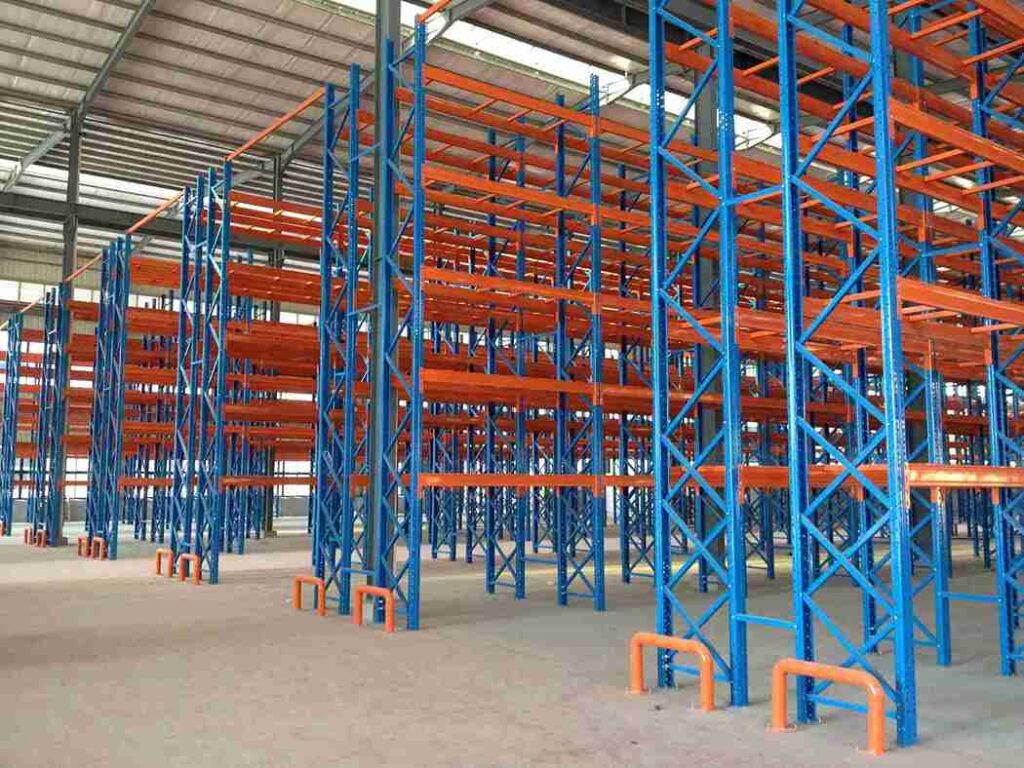
Real-world installations demonstrate the principles outlined in this comprehensive beam racking installation checklist.
Heavy Industry Automation Project
A major shipbuilding facility implementing beam-type AS/RS systems required handling components weighing multiple tons with absolute precision. The installation achieved strict vertical accuracy of upright frames, maintained beam deflection within AS/RS tolerance limits, and aligned every installation point to automation coordinates. These millimeter-level requirements enabled stacker cranes to run reliably while maintaining positioning accuracy throughout years of heavy-duty operation. The project demonstrated that in automated heavy-component storage, the priority is not merely building fast but building precise and maintaining accuracy throughout the system lifecycle .
Distribution Center Recovery Following Inspection Failures
Specialists dispatched to a Southeast Asian distribution center discovered that despite passing internal inspections using conventional checklists, the facility harbored critical structural problems. Multiple key upright frames demonstrated vertical misalignment exceeding 1.5 inches over 10 feet, well beyond permissible tolerances. This deviation generated uncontrolled stress redistribution throughout the system, creating progressive failure conditions in beam connectors and anchor points. Implementation of proper beam racking installation checklist protocols identified these critical deviations before they reached dangerous levels, enabling corrective action before collapse occurred .
Conclusion: Precision as the Foundation of Automated Warehouse Productivity
The transition to an automated warehouse represents a significant leap in operational efficiency, but this leap demands corresponding precision from the physical infrastructure supporting it. The beam racking structure functions as the silent partner in every successful AGV mission and every perfectly executed VNA storage cycle. By adhering to this rigorous beam racking installation checklist, with its focus on laser-measured tolerances, robust anchoring systems, perfect verticality achievement, and seamless integration with guide rails and conveyors, facility owners and operators ensure their investment in automation receives the protection it deserves.
The racking is not merely a shelf system; it constitutes the concrete rails upon which the future of logistics operations runs. Do not permit a millimeter of installation error to derail your operational success. Every warehouse manager must recognize that the beam racking installation checklist represents not bureaucratic paperwork but the essential blueprint for automated warehouse performance and safety.
FAQs: Expert Answers to Critical Beam Racking Installation Questions
1. How often should beam racking be inspected post-installation?
Annual inspections are mandatory, with additional checks after any forklift impact.
2. Can I modify beam racking after installation?
Only with engineer approval—unauthorized changes compromise structural integrity.
3. What’s the minimum aisle width for reach trucks?
8-10 ft, but always consult forklift manufacturer specs.
4. How do I verify my floor can support beam racking?
Concrete must be 3,000+ PSI—conduct a load test if uncertain.
5. Are plastic pallets safe for beam racking?
Yes, but check weight limits—some plastic pallets flex more than wood.