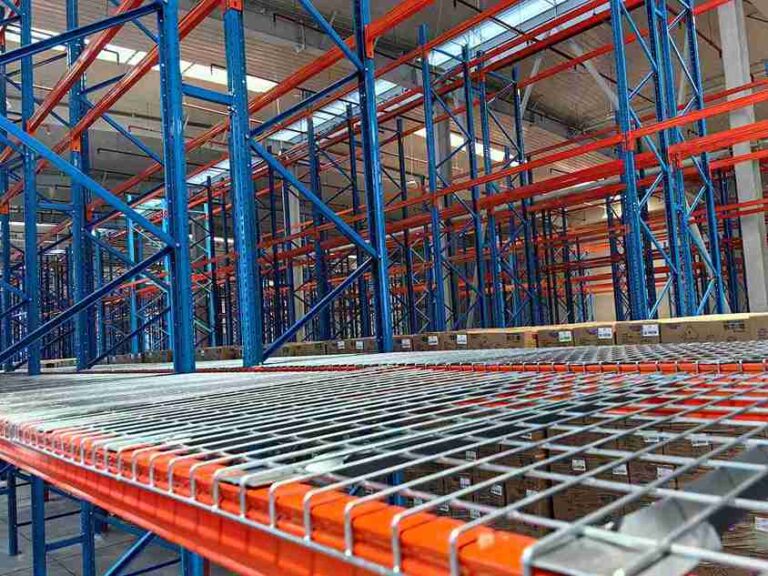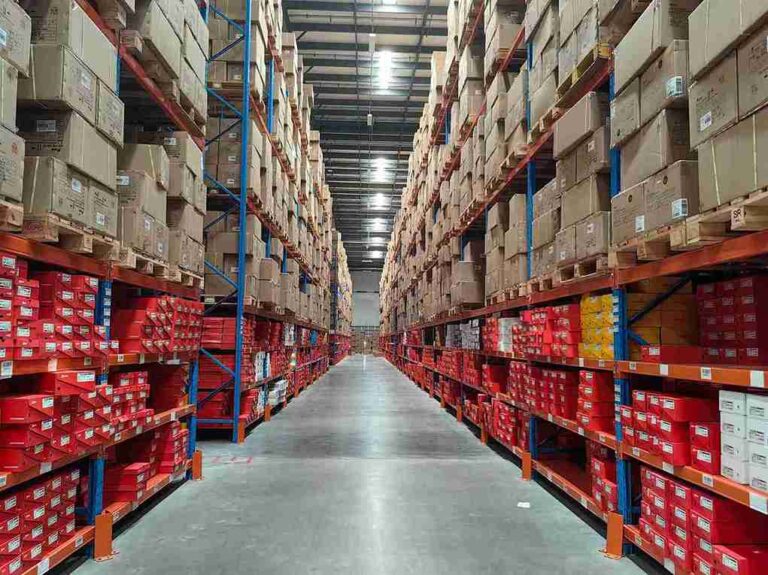
📐 "أول 50 استفسار مؤسسي يحصل على تصميم مستودع ثلاثي الأبعاد مخصص" الخطة














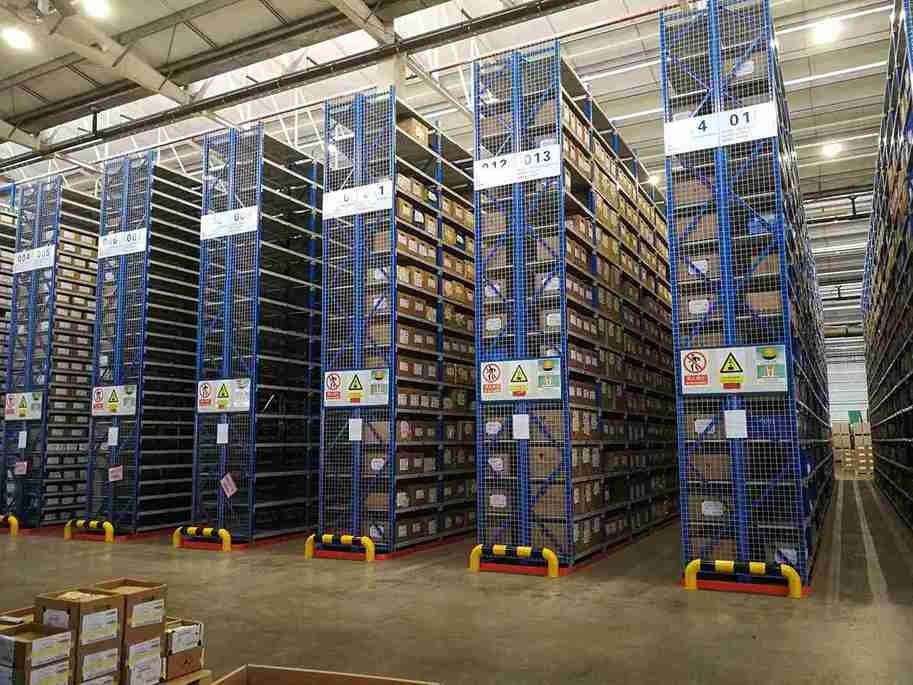
Introduction: Why Multi-Tier Racking Systems Are Revolutionizing Warehousing
في عصرwarehouse space is at a premium, businesses are turning to multi-tier racking systems to maximize storage capacity without expanding their footprint. These innovative vertical storage solutions allow companies to double or even triple their storage density by utilizing overhead space that would otherwise go unused.
From large-scale distribution centersإلىsmall retail backrooms,multi-tier racking systems provide unmatched flexibility, durability, and efficiency. Whether storing pallets, small parts, or oversized inventory, these systems are engineered to optimize workflow, improve safety, and reduce operational costs.
يستكشف هذا الدليل المتعمق:
- The key advantages of multi-tier racking systems
- The different types available and their ideal applications
- Critical factors to consider when selecting a system
- Best practices for installation and maintenance
- Real-world case studies across industries
By the end, readers will understand why multi-tier racking systems are the future of intelligent warehouse design.
What Are Multi-Tier Racking Systems?
Defining Multi-Tier Racking Systems
Multi-tier racking systems are engineered storage structures that consist of multiple elevated platforms or shelves within a single framework. Unlike traditional single-level shelving, these systems stack storage vertically, making them ideal for facilities with high ceilings but limited floor space.
How Multi-Tier Racking Systems Outperform Conventional Shelving
While standard shelving units provide basic storage, multi-tier racking systems offer:
- Higher storage density – Utilizing vertical space efficiently
- Greater load capacity – Reinforced steel construction supports heavy inventory
- Customizable configurations – Adjustable shelving, mezzanine levels, and catwalk access
- Seamless integration – Compatible with forklifts, conveyors, and automated retrieval systems
For businesses looking to maximize storage efficiency,multi-tier racking systems are the superior choice.
Key Benefits of Multi-Tier Racking Systems
1. Space Optimization & Vertical Storage Mastery
The most significant advantage of multi-tier racking systems is their ability to convert unused overhead space into functional storage. Warehouses with 20-30 ft ceilings can install two or three-tier systems, effectively doubling or tripling storage capacity without expanding the building footprint.
2. Enhanced Inventory Accessibility
على عكسstatic shelving,multi-tier racking systems are designed for easy access. Features like:
- Rolling ladders
- Integrated staircases
- Catwalk platforms
ensure workers can retrieve items quickly without disassembling entire sections.
3. Heavy-Duty Load Capacity
Built from high-strength steel,multi-tier racking systems can support thousands of pounds per level, making them ideal for:
- Palletized goods
- Industrial machinery parts
- Automotive components
- Bulk retail inventory
4. Cost-Effective Expansion
Rather than leasing additional warehouse space, businesses can expand upward with multi-tier racking systems, significantly reducing real estate and operational costs.
5. Improved Workflow & Safety
By reducing floor clutter and organizing inventory vertically,multi-tier racking systems:
- Minimize trip hazards
- Speed up order fulfillment
- Enhance fire safety compliance
Types of Multi-Tier Racking Systems
1. Structural Steel Mezzanine Racking
- Best for: Heavy-duty industrial use
- Features: Bolt-free assembly, high weight tolerance
- Applications: Manufacturing plants, large-scale warehouses
2. Rivet Shelving with Multi-Tier Add-Ons
- Best for: Small to medium-sized businesses
- Features: Modular design, easy reconfiguration
- Applications: Retail stockrooms, automotive shops
3. Pallet Rack Supported Mezzanines
- Best for: High-density pallet storage
- Features: Integrated forklift access, high clearance
- Applications: Distribution centers, cold storage
4. Cantilever Multi-Tier Racking
- Best for: Long, bulky items (pipes, lumber, carpets)
- Features: Open-front design, adjustable arms
- Applications: Construction supply warehouses
5. Mobile Multi-Tier Systems
- Best for: Dynamic storage needs
- Features: On-wheel bases, compact when not in use
- Applications: Seasonal inventory, archival storage
How to Choose the Right Multi-Tier Racking System
1. Assess Your Storage Needs
- Inventory type (pallets, small parts, long items)
- Weight requirements (per shelf and total capacity)
- Frequency of access (daily picking vs. long-term storage)
2. Evaluate Facility Constraints
- Ceiling height (minimum 12 ft recommended for multi-tier)
- Floor load capacity (reinforcement may be needed)
- Aisle width (for forklift or manual access)
3. Consider Future Scalability
- Can the system expand vertically or horizontally?
- Does it support automation integration?
4. Compliance & Safety Standards
- OSHA & RMI compliance
- Seismic considerations (for earthquake-prone areas)
Installation & Maintenance Best Practices
Professional Installation vs. DIY
While boltless shelving can be self-assembled, structural mezzanines require certified installers to ensure:
- Proper weight distribution
- Seismic bracing (if applicable)
- Compliance with local building codes
Routine Maintenance Tips
- Inspect for bent beams or loose bolts monthly
- Avoid overloading beyond rated capacity
- Keep aisles clear for safe access
Industry-Specific Applications
1. Warehousing & Logistics
- High-density pallet storage
- Cross-docking efficiency
2. Retail & E-Commerce Fulfillment
- Backstock organization
- Seasonal inventory rotation
3. Manufacturing & Automotive
- Raw material staging
- Tool and part storage
4. Cold Storage & Food Distribution
- Multi-tiered freezer shelving
- Sanitary stainless steel options
Future Trends in Multi-Tier Racking
- AI-driven inventory tracking
- Automated retrieval systems
- Sustainable, lightweight materials
Conclusion: Elevate Your Storage Strategy with Multi-Tier Racking
Multi-tier racking systems are not just a storage solution—they’re a strategic investment in operational efficiency. By mastering vertical space, businesses can reduce costs, improve safety, and streamline workflows.
Whether you’re in warehousing, retail, or manufacturing, there’s a customizable multi-tier system designed for your needs. The future of storage is vertical—don’t get left behind.
FAQs
1. How much weight can a multi-tier racking system hold?
Most systems support 1,000–10,000 lbs per level, depending on design and materials.
2. Can multi-tier racks be relocated if needed?
Some modular systems can be disassembled and moved, while structural mezzanines are typically permanent.
3. Are multi-tier systems forklift-compatible?
Yes, pallet rack-supported mezzanines allow forklift access to upper levels.
4. What’s the average cost of a multi-tier racking system?
Prices range from 50,000+, depending on size, materials, and customization.
5. Do I need a building permit for installation?
Structural mezzanines often require permits, while boltless shelving usually does not.