📐 "أول 50 استفسار مؤسسي يحصل على تصميم مستودع ثلاثي الأبعاد مخصص" الخطة















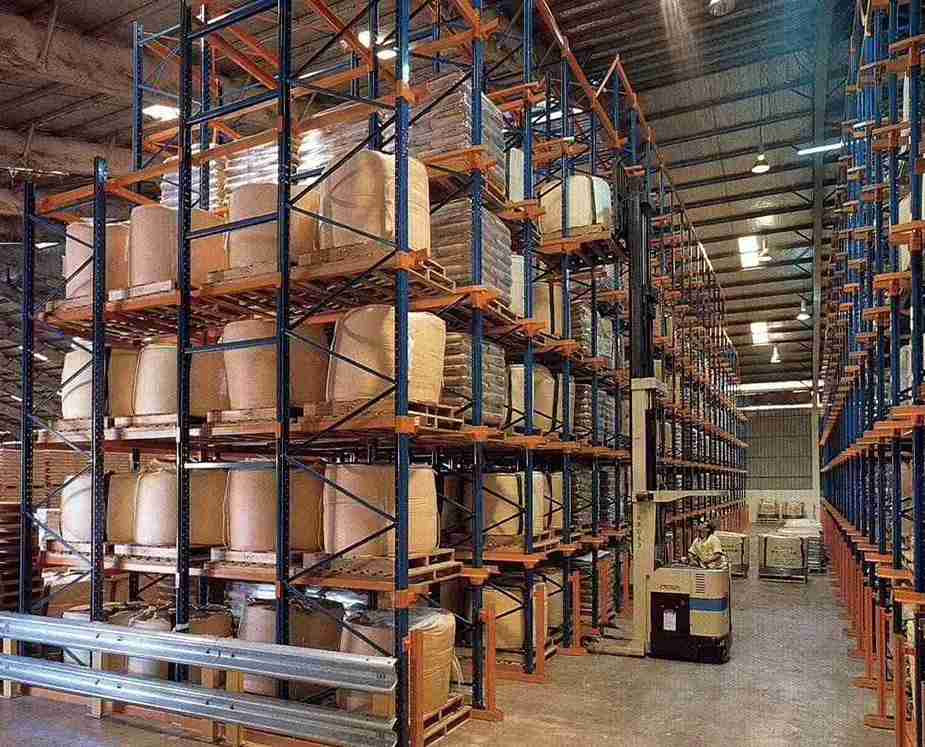
Advanced Engineering and Optimization of Drive-in Racking Systems for Regulated Warehousing
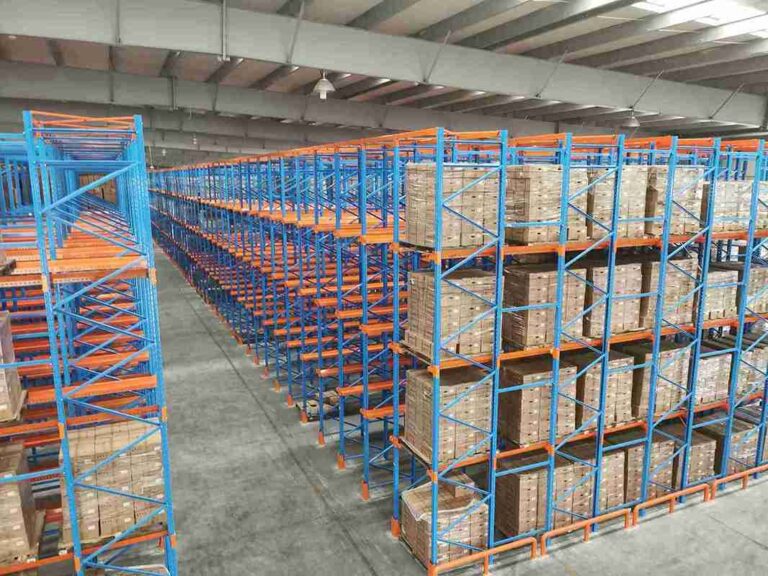
In modern logistics environments where compliance, density, and efficiency must coexist, Drive-in Racking Systems are no longer treated as standard storage equipment—they are engineered infrastructure. For food & beverage and pharmaceutical warehouses, the design, specification, and implementation of Drive-in Racking Systems require a deep understanding of regulatory frameworks, operational workflows, and long-term scalability.
مصممة بشكل جيد Drive-in Racking System does not simply increase pallet positions; it restructures how space is utilized, how inventory flows, and how compliance is maintained. In high-demand global markets, companies that invest in optimized Drive-in Racking Systems gain a measurable advantage in cost control and operational efficiency.
Structural Design Principles Behind High-Performance Drive-in Racking Systems
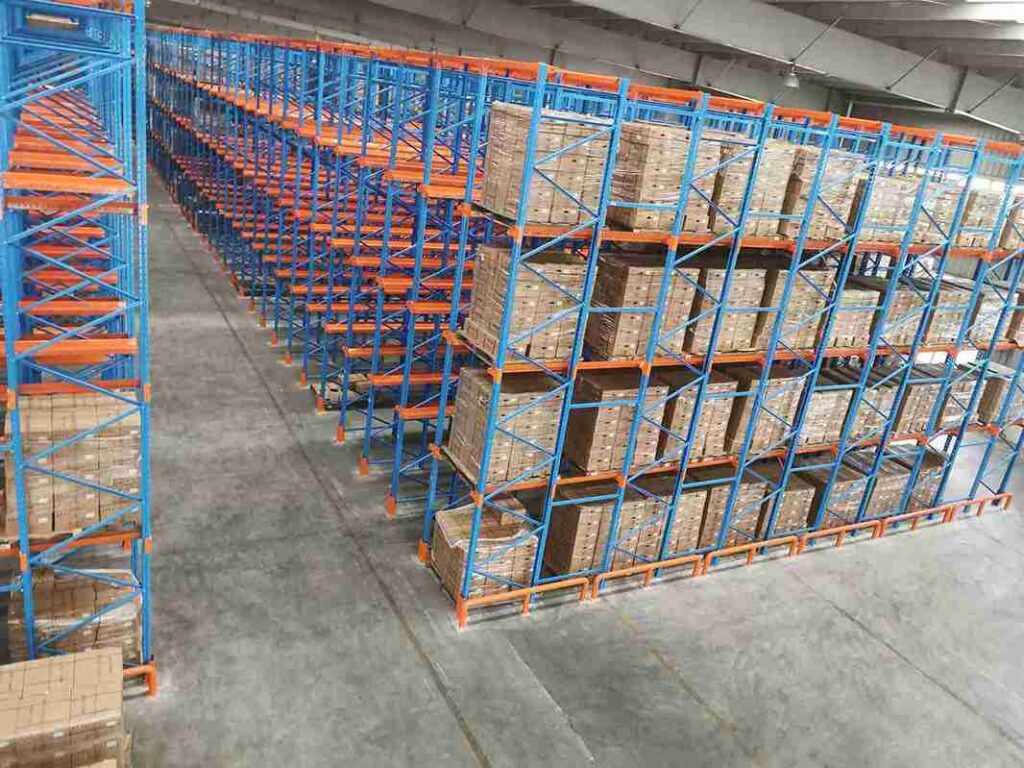
Professional manufacturers approach Drive-in Racking Systems as load-bearing structures rather than modular shelving. Every Drive-in Racking System must be calculated based on precise engineering parameters, including:
- Static and dynamic load distribution
- Forklift impact resistance
- Seismic compliance (especially in regions like Latin America and Southeast Asia)
- Steel grade and thickness optimization
Each Drive-in Racking System is designed to withstand years of heavy-duty use while maintaining structural integrity. Unlike selective racking, Drive-in Racking Systems must support continuous forklift entry, which introduces additional stress factors.
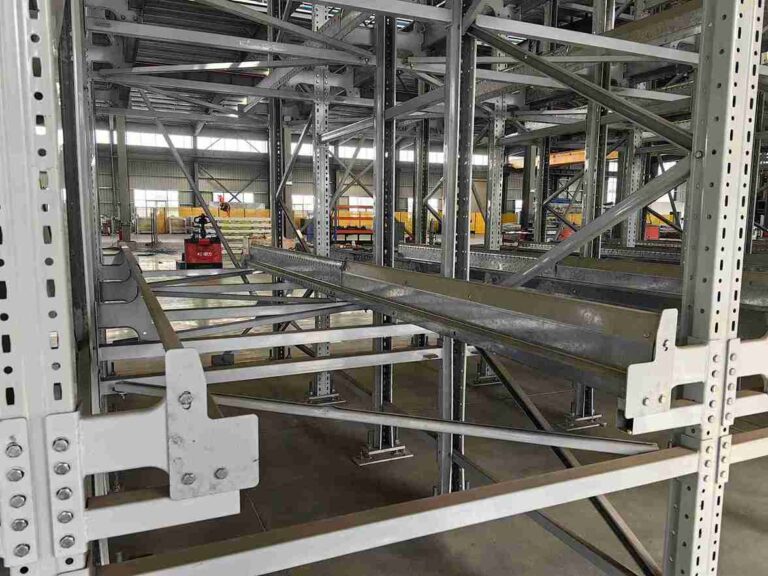
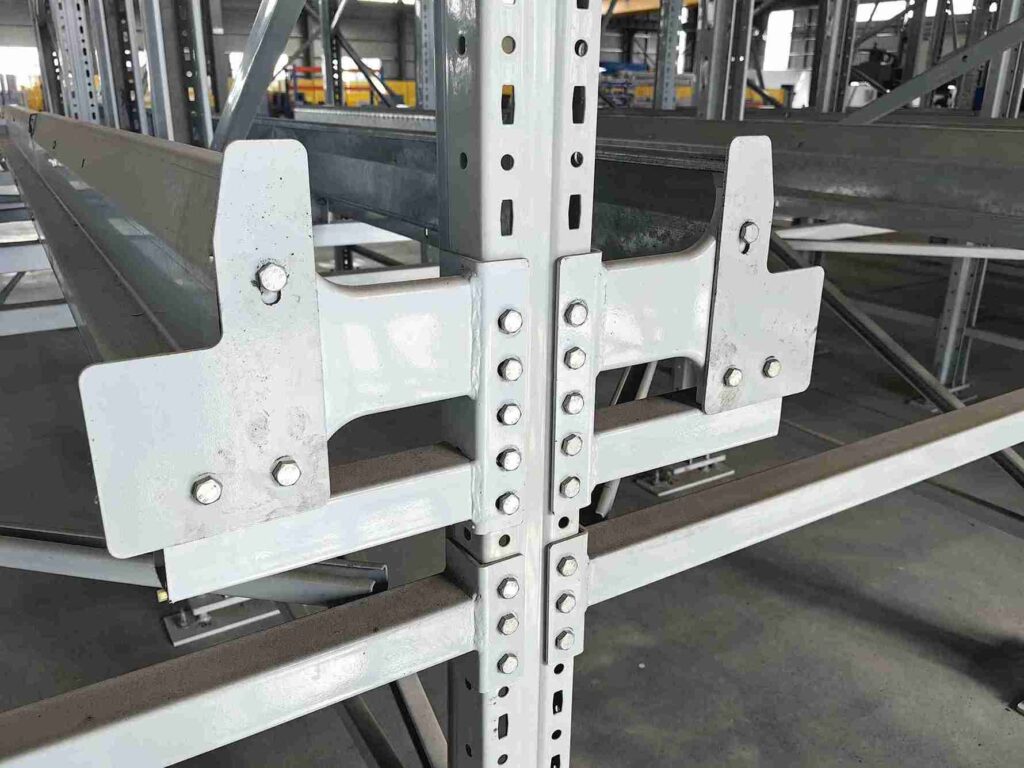
Because of this, premium Drive-in Racking Systems incorporate reinforced uprights, heavy-duty rail beams, and advanced bracing systems. These features ensure that the Drive-in Racking System remains stable even under intensive operational conditions.
Material Selection and Surface Treatment for Drive-in Racking Systems
Material quality directly impacts the lifespan and safety of Drive-in Racking Systems. For food and pharmaceutical environments, manufacturers prioritize:
- High-grade cold-rolled steel
- Anti-corrosion coatings (powder coating or hot-dip galvanization)
- Smooth surface finishing for hygiene compliance
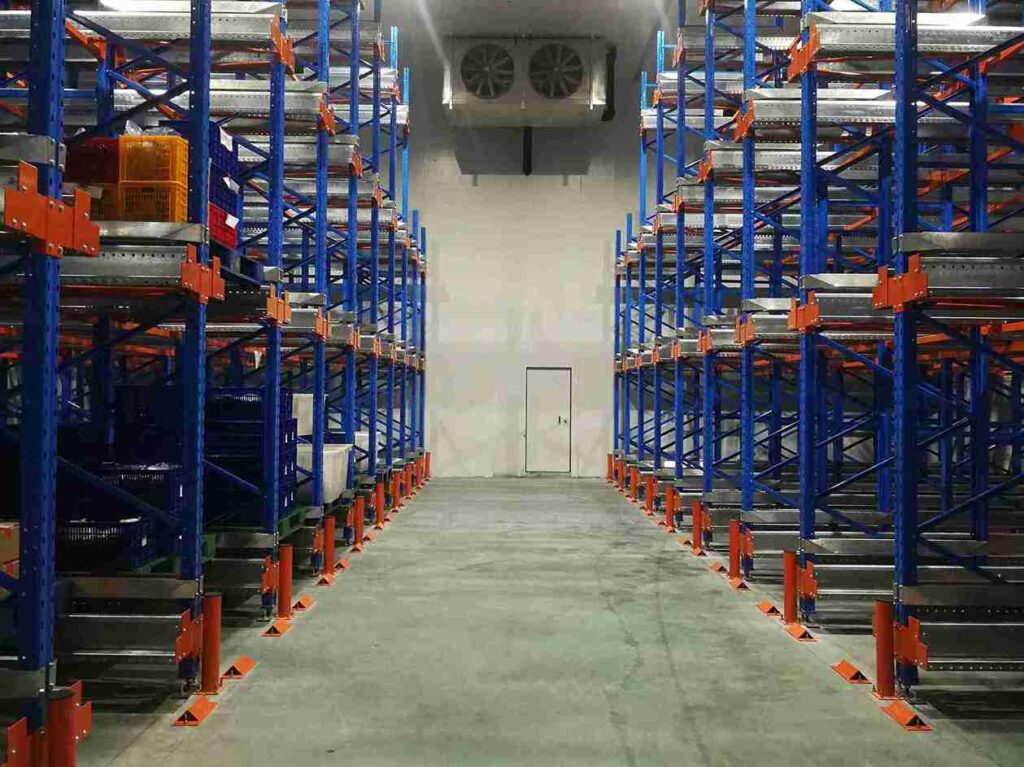
A properly treated Drive-in Racking System resists moisture, chemical exposure, and temperature fluctuations. This is particularly critical in cold storage environments, where Drive-in Racking Systems must maintain performance at sub-zero temperatures.
Advanced Drive-in Racking Systems are often equipped with galvanized components to prevent rust, ensuring that the Drive-in Racking System meets both ISO and GMP requirements.
Drive-in Racking Systems in Cold Chain Logistics
Cold chain logistics presents one of the most demanding applications for Drive-in Racking Systems. In these environments, warehouse operators rely on Drive-in Racking Systems to maximize storage density while minimizing energy consumption.
Temperature Resistance and Structural Stability
A cold storage Drive-in Racking System must withstand extreme conditions without compromising safety. Steel brittleness, condensation, and frost accumulation are key challenges.
To address these issues, specialized Drive-in Racking Systems include:
- Low-temperature resistant steel
- Frost-resistant coatings
- Optimized airflow design
These features ensure that the Drive-in Racking System performs reliably even in frozen food warehouses.
Energy Efficiency Through High-Density Storage
By reducing aisle space, Drive-in Racking Systems significantly decrease the volume of air that needs to be cooled. This makes the Drive-in Racking System an energy-efficient solution for refrigerated warehouses.
Companies using Drive-in Racking Systems in cold storage often report:
- Lower energy costs
- Increased pallet capacity
- Improved operational efficiency
Optimizing Drive-in Racking Systems for Pharmaceutical Storage
Pharmaceutical warehouses demand precision, cleanliness, and traceability. While Drive-in Racking Systems operate on a LIFO basis, they can still be optimized for regulated environments.
Cleanroom Compatibility and Hygiene Standards
A pharmaceutical-grade Drive-in Racking System must support strict hygiene protocols. Smooth surfaces, minimal dust accumulation, and easy cleaning are essential.
High-end Drive-in Racking Systems are designed with:
- Seamless welding
- Anti-bacterial coatings
- Reduced dirt traps
These features ensure that the Drive-in Racking System complies with GMP guidelines.
Integration with Warehouse Management Systems (WMS)
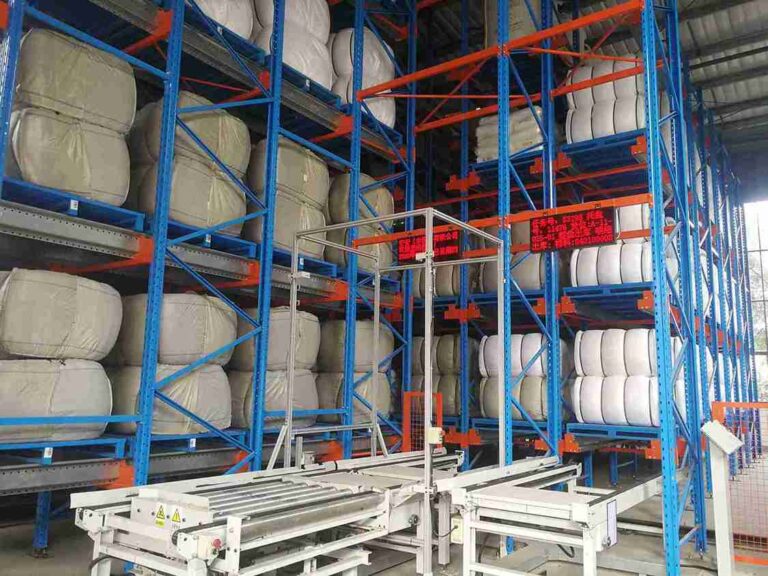
عصري Drive-in Racking Systems can be integrated with digital tracking systems. By combining Drive-in Racking Systems with WMS software, warehouses can:
- Track batch numbers
- Monitor expiration dates
- Maintain full traceability
This integration enhances the functionality of the Drive-in Racking System, making it suitable even for sensitive pharmaceutical applications.
Customization Strategies for Drive-in Racking Systems
Every warehouse has unique requirements, which means that Drive-in Racking Systems must be fully customizable.
Layout Optimization
The configuration of a Drive-in Racking System depends on:
- Warehouse dimensions
- Pallet size and weight
- Throughput requirements
A customized Drive-in Racking System maximizes both storage density and operational efficiency.
Forklift Compatibility
Different forklifts require different aisle widths and turning radii. Therefore, each Drive-in Racking System must be designed to match the equipment used on-site.
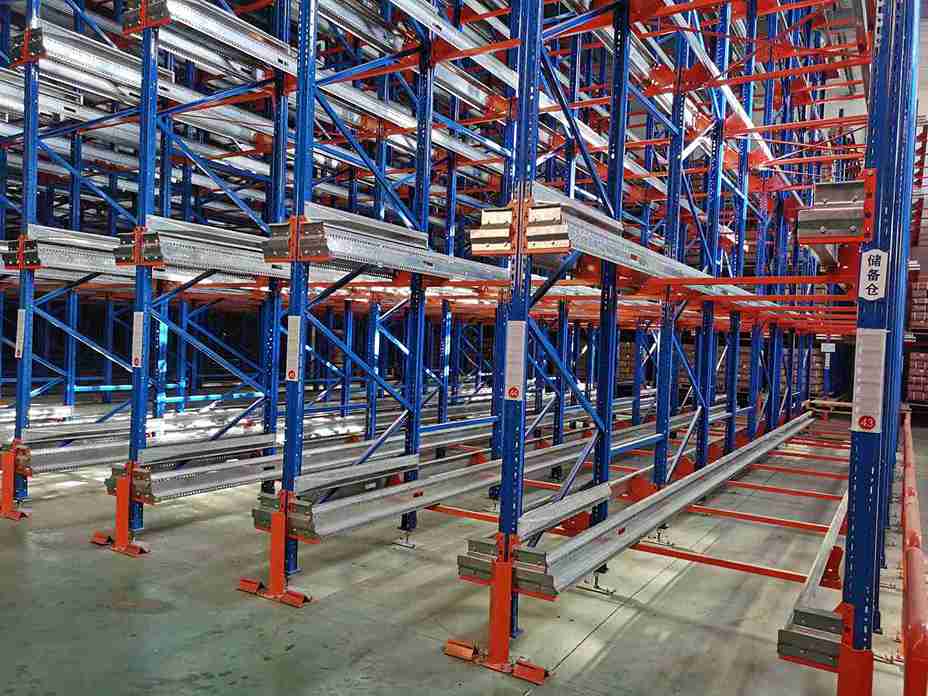
Well-designed Drive-in Racking Systems include guide rails and impact protection systems to ensure safe forklift operation.
Drive-in Racking Systems vs. Alternative Storage Solutions
When evaluating storage options, decision-makers often compare Drive-in Racking Systems with other solutions such as:
- Selective pallet racking
- Shuttle racking systems
- Automated storage systems
Why Choose Drive-in Racking Systems
Compared to alternatives, Drive-in Racking Systems offer:
- Higher storage density
- Lower initial investment
- Simpler operation
For businesses prioritizing cost efficiency and bulk storage, Drive-in Racking Systems remain the preferred choice.
Safety Enhancements in Modern Drive-in Racking Systems
Safety is a critical consideration in the design of Drive-in Racking Systems.
Impact Protection and Structural Reinforcement
Advanced Drive-in Racking Systems include:
- Upright protectors
- Guide rails
- Reinforced load beams
These features reduce the risk of damage and extend the lifespan of the Drive-in Racking System.
Compliance with International Safety Standards
Every Drive-in Racking System must comply with international safety codes. Regular inspections and maintenance ensure that the Drive-in Racking System continues to operate safely over time.
Cost Analysis and ROI of Drive-in Racking Systems
Investing in Drive-in Racking Systems delivers strong returns over time.
Initial Investment vs Long-Term Value
While the upfront cost of a Drive-in Racking System depends on customization, the long-term benefits include:
- Reduced warehouse expansion costs
- Lower operational expenses
- Increased storage capacity
Reducing Cost per Pallet Position
One of the main advantages of Drive-in Racking Systems is the reduction in cost per pallet. By maximizing space utilization, the Drive-in Racking System delivers superior ROI.
Global Project Experience with Drive-in Racking Systems
Across Southeast Asia, the Middle East, Africa, and Latin America, companies are adopting Drive-in Racking Systems to improve warehouse performance.
International projects involving Drive-in Racking Systems typically focus on:
- High-density storage
- Compliance with local regulations
- Cost optimization
Experienced suppliers deliver Drive-in Racking Systems tailored to regional requirements, ensuring smooth project execution.
Future Trends in Drive-in Racking Systems
تطور Drive-in Racking Systems is closely linked to advancements in warehouse automation and smart logistics.
Semi-Automated Drive-in Racking Systems
Hybrid solutions combining Drive-in Racking Systems with automation technologies are becoming increasingly popular.
Data-Driven Warehouse Optimization
By integrating Drive-in Racking Systems with data analytics tools, businesses can further optimize storage efficiency.
الخاتمة
In global supply chains where efficiency, compliance, and scalability are essential, Drive-in Racking Systems stand out as a proven solution. From cold storage to pharmaceutical warehouses, Drive-in Racking Systems provide unmatched storage density and operational reliability.
Organizations that invest in professionally engineered Drive-in Racking Systems benefit from long-term cost savings, improved warehouse performance, and full compliance with international standards. As demand for high-density storage continues to grow, Drive-in Racking Systems will remain a cornerstone of modern warehousing strategies.
Frequently Asked Questions (FAQ)
1. How do Drive-in Racking Systems improve warehouse efficiency?
They reduce aisle space and increase storage density, allowing more pallets to be stored within the same footprint.
2. Are Drive-in Racking Systems suitable for cold storage?
Yes, they are widely used in cold chain logistics due to their high-density design.
3. What industries benefit most from Drive-in Racking Systems?
Food & beverage, pharmaceuticals, FMCG, and bulk storage industries.
4. Can Drive-in Racking Systems be customized?
Yes, they can be tailored to specific warehouse layouts and operational requirements.
5. What factors affect the cost of Drive-in Racking Systems?
Material quality, design complexity, warehouse size, and installation requirements.
إذا كنت تحتاج إلى رسومات CAD مثالية وعروض أسعار لأرفف المستودعات, يرجى الاتصال بنا. يمكننا أن نوفر لك خدمات تخطيط وتصميم أرفف المستودعات مجاناً وخدمات التصميم وعروض الأسعار. عنوان بريدنا الإلكتروني هو: jili@geelyracks.com