📐 "First 50 Enterprise Queries Get Custom 3D Warehouse Design" Plan


The Strategic Imperative: Unlocking Unprecedented Density and Value with Affordable Double Deep Pallet Racking
In the dynamic and cost-sensitive logistics arenas of Southeast Asia, the Middle East, Africa, and Latin America, operational executives face a relentless equation: escalating storage demands must be balanced against stringent capital preservation. The traditional answer—expanding warehouse footprints—is increasingly untenable due to soaring real estate costs and lengthy construction timelines. The paradigm has decisively shifted inward, toward radical optimization of existing cubic space.
This definitive guide articulates why the strategic implementation of affordable double deep pallet racking is no longer a mere storage option but a fundamental operational necessity for building competitive, high-density logistics hubs. This discourse transcends product specification, offering a master blueprint for transformative capacity expansion.
It meticulously details how a well-engineered affordable double deep pallet racking system serves as the foundational catalyst for dramatic efficiency gains, substantial operational cost reduction, and accelerated return on investment—all achieved without the prohibitive capital outlay associated with fully roboticized automation. For industry stakeholders, from facility managers to financial controllers, understanding the multifaceted value proposition of low-cost double deep pallet racking is the first step toward future-proofing their logistics infrastructure.
The Global Warehouse Dilemma: Finite Space, Infinite Demand
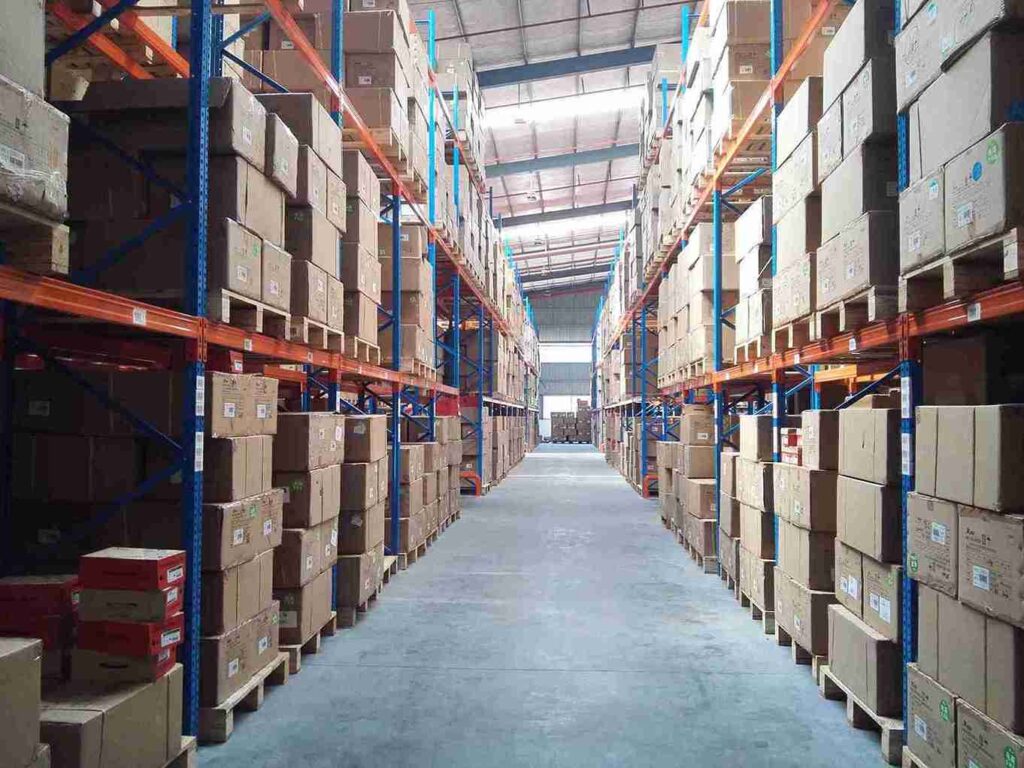
From the bustling ports of Vietnam to the industrial zones of Saudi Arabia and the growing distribution networks in Nigeria and Colombia, a universal constraint binds logistics operations: physical space is a finite, expensive commodity. Inefficient storage methodologies silently erode profitability. Conventional single-deep selective racking, while straightforward, often dedicates 45% to 50% of a facility’s floor area to access aisles—space that incurs costs for lighting, climate control, and maintenance but generates zero storage revenue.
This architectural inefficiency directly inflates the cost-per-pallet-stored, curtails throughput velocity, and creates chronic bottlenecks. The pursuit of genuine warehouse efficiency mandates a fundamental re-engineering of storage philosophy, pivoting from simple shelving to intelligent, high-density storage strategies. This is the precise problem space where affordable double deep pallet racking delivers its most compelling answer, converting wasted aisle space into productive storage positions.
Deconstructing the Solution: The Engineering Principles Behind Double Deep Storage
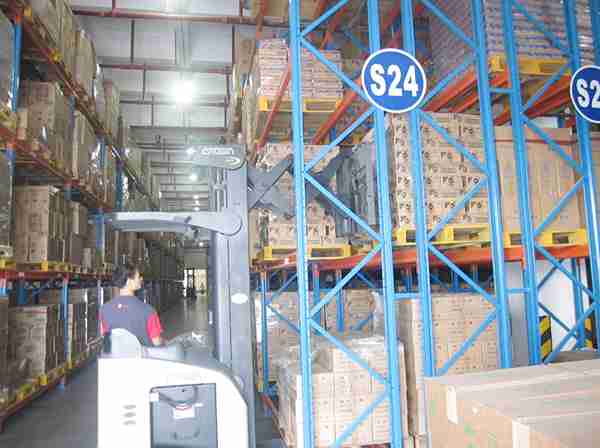
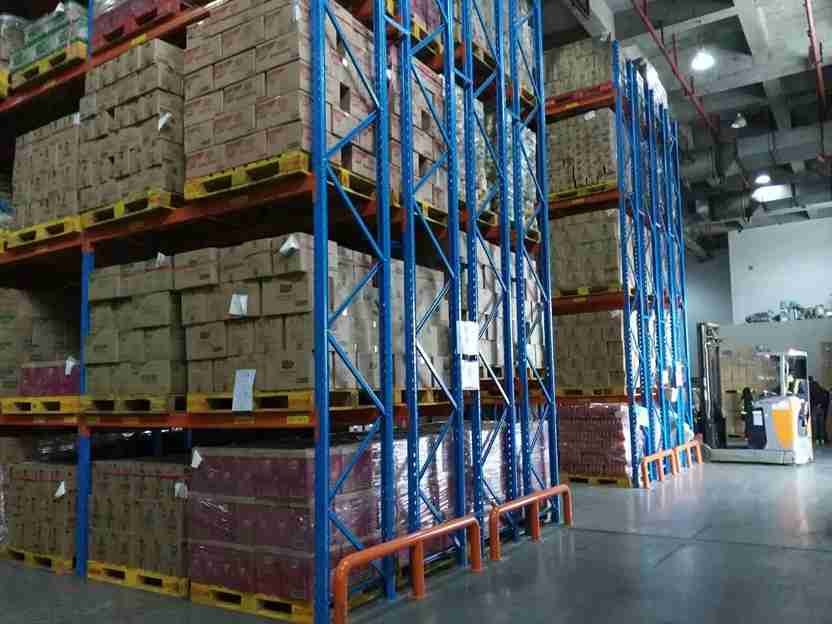
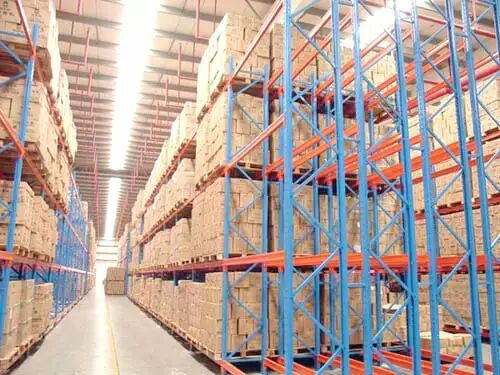
Affordable double deep pallet racking is an exercise in elegant efficiency. The configuration consists of two rows of standard upright frames placed back-to-back, effectively eliminating the intervening aisle. Pallets are stored two units deep on each side of a central servicing aisle. This simple topological change yields a profound result: a near 50% reduction in total aisle footprint. Where a traditional layout requires an aisle for every single rack row, a double deep pallet racking layout utilizes one aisle to service two storage rows. The consequent gain in storage density is typically between 40% and 55% within the same square footage.
The system’s operation is enabled by specialized material handling equipment—deep-reach (or double-reach) forklifts. These trucks possess a telescoping mast and extended fork carriage capable of securely retrieving the second pallet by reaching over the first. Therefore, a successful deployment of affordable double deep pallet racking is inherently a synchronized ecosystem, integrating structural storage media with compatible handling equipment to achieve maximum cube utilization.
Anatomical Precision: Core Components of a Reliable System
High-Capacity Upright Frames: Designed to handle the increased load and moment forces of a double-deep configuration. Reputable manufacturers utilize high-tensile, cold-rolled steel with precision punching for consistent beam connection integrity.
Reinforced Box Beams: These horizontal members must support two pallet loads in a cantilevered manner. Beams are equipped with positive mechanical locking safety clips to prevent accidental dislodgement.
Integrated Load Support Systems: Wire mesh decking or heavy-duty support bars are critical for providing full support to the inner pallet, ensuring stability and safety. Decking also facilitates sprinkler water penetration and minor debris fall-through.
Structural Stabilizers: Robust row spacers and cross-bracing tie-backs unite the back-to-back rows into a singular, rigid structure capable of withstanding lateral forces, including those from seismic events—a non-negotiable consideration in many target regions.
Guidance Infrastructure: For optimal operator precision and rack protection, integrating floor-based wire or tape guidance for forklifts is highly recommended. This also seamlessly prepares the layout for future AGV integration.
The Compelling Financial Narrative of Affordable Double Deep Pallet Racking
The term affordable double deep pallet racking is rooted in total cost of ownership and value engineering, not in compromised quality. It represents a strategic capital allocation that generates persistent operational savings.
CAPEX Avoidance and Rationalization
The most significant financial argument for affordable double deep pallet racking is the deferral or outright elimination of expenditure on new building leases or construction. The cost per square meter of industrial space in emerging markets continues an upward trajectory. Implementing a double deep storage system can offset the need for expansion for several business cycles.
When benchmarked against alternative high-density solutions like drive-in racking or fully automated Automated Storage and Retrieval Systems (AS/RS), the initial investment for a robust affordable double deep pallet racking system is markedly lower. It delivers substantial density benefits without the accompanying complexity and high cost of proprietary software and robotic handlers. The required deep-reach forklifts are standard equipment with a competitive aftermarket, ensuring cost-control in material handling.
Quantifying the Return: A Detailed ROI Framework
Consider a practical scenario: A manufacturing warehouse in Indonesia operates 8,000 square meters of storage using single-deep selective racking, holding 6,400 pallets. A professionally designed transition to affordable double deep pallet racking can realistically increase capacity to approximately 9,100 pallets—a 42% density improvement. If the business case alternative was leasing an additional 3,200 square meters, the annual rental savings alone could finance the complete racking system and fleet upgrade within 18-24 months.
Furthermore, the consolidated aisle layout reduces average forklift travel distance for storage/retrieval cycles, directly lowering energy consumption (fuel or battery charging) and vehicle maintenance costs. The increased storage density also enhances the efficiency of HVAC systems in climate-controlled environments, compounding the operational savings. This clear financial pathway underscores why low-cost double deep pallet racking is a favored solution for CFOs and operations directors alike.
Blueprinting Success: A Phased Methodology for Implementation
Deploying affordable double deep pallet racking is a strategic operational transformation. Its success is predicated on meticulous, data-driven planning and execution.
Phase 1: Foundational Analysis – Data Over Assumptions
This phase separates successful projects from problematic installations. It involves:
Comprehensive SKU Analytics: Inventory is stratified by velocity (ABC analysis), dimensional consistency, and turnover pattern. Affordable double deep pallet racking excels for medium- and slow-turnover SKUs (typically ‘B’ and ‘C’ items) where pallet quantities are predictable. High-velocity ‘A’ items often remain in single-deep selective racking for fastest access.
Facility Audit: A thorough assessment of floor flatness (critical for deep-reach truck stability), load-bearing capacity, column grid obstructions, door locations, and clear ceiling height is conducted.
Throughput and Flow Modeling: Using historical order data, material flow is simulated to ensure the reduced number of aisles does not create congestion points. This analysis frequently identifies the synergistic benefit of integrating automated conveyor systems for order consolidation at the interface between the high-density reserve storage and the picking zones.
Phase 2: Integrated Design Engineering
Here, holistic expertise proves its worth. The racking layout is engineered concurrently with material flow and future automation pathways.
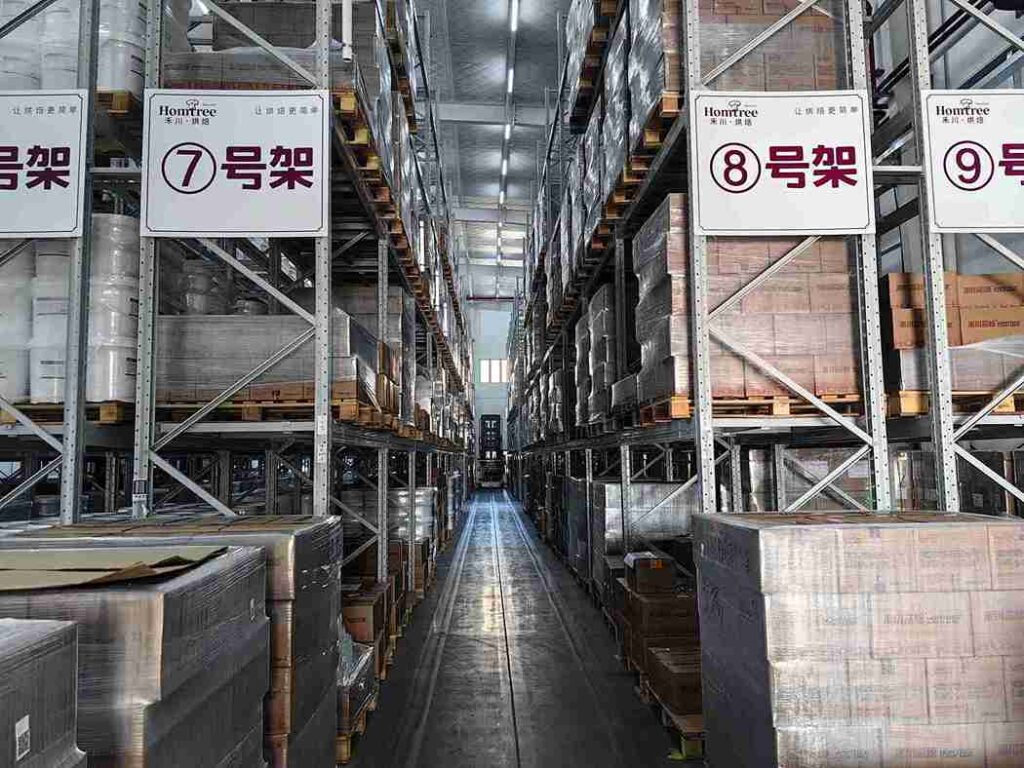
Precision Aisle Specification: Aisle width is calculated to the millimeter based on the turning radius of the selected deep-reach truck model and the precise dimensions of the client’s pallets. This precision maximizes every square centimeter of storage potential.
System Interfacing Design: Engineers detail how the affordable double deep pallet racking bulk storage zone will interface with sortation systems, packing workstations, or AGV transfer points. This seamless integration is the hallmark of a true high-density logistics hub.
Safety and Compliance Architecture: Fire lane access, sprinkler head coverage (especially critical for double-deep configurations), and pedestrian safety zones are designed into the layout from inception, ensuring compliance with local building and fire codes.
The Symbiotic Partnership: Equipment and Automation Synergy
The racking structure and the material handling equipment function as a single, integrated system. Their compatibility is paramount.
Deep-Reach Forklifts: Technical Specifications and Strategic Selection
Guidance on equipment selection covers crucial parameters: required lift height (often exceeding 12 meters), load capacity at those heights, mast type (triple-stage for maximum lift in narrow aisles), and power source (electric is strongly preferred for indoor air quality and lower lifetime operating cost). A cornerstone of any project is comprehensive, certified operator training to ensure safety, prevent costly rack damage, and optimize productivity.
The Inherent Pathway to Automation
A significant, often understated advantage of a well-planned affordable double deep pallet racking installation is its inherent automation-ready design. The structured, high-density environment it creates is ideal for phased technological integration:
AGV (Automated Guided Vehicle) Integration: Narrow-aisle deep-reach AGVs can be deployed to automate pallet retrieval and placement, transforming the high-density zone into a lights-out automated buffer storage system.
Advanced WMS (Warehouse Management System) Orchestration: The system demands and enables sophisticated WMS logic to manage stock location (tracking both front and rear pallet positions), enforce FIFO or LIFO rules, and direct equipment efficiently.
Evolution to AS/RS: The disciplined, high-density grid established by affordable double deep pallet racking is the perfect physical foundation for a future transition to a semi- or fully-automated AS/RS, thereby safeguarding the initial capital investment.
Addressing Pragmatic Concerns: Objections and Mitigations
Proactively addressing common concerns builds client confidence and ensures realistic expectations.
“Does this system sacrifice accessibility and speed?”
With intelligent slotting based on accurate SKU profiling, accessibility is optimized, not compromised. By dedicating a double-deep bay to two pallets of the identical SKU, selectivity for that product is maintained at 100% while density is doubled. Overall facility throughput is managed by assigning the appropriate SKU mix to the double deep pallet racking area and supporting it with an accurate, real-time WMS.
“How is FIFO (First-In, First-Out) inventory control managed?”
Standard affordable double deep pallet racking naturally operates on a LIFO (Last-In, First-Out) basis within each bay. For products with strict FIFO requirements (e.g., perishable goods, certain chemicals), alternative configurations like push-back racking or drive-in racking may be recommended for those specific SKUs. Most modern warehouses adopt a hybrid approach, utilizing affordable double deep pallet racking for the majority of stock while deploying other systems for FIFO-critical items.
“Are there structural or safety compromises?”
On the contrary, when designed by qualified engineers, fabricated to exacting standards, and installed by certified technicians, a double deep pallet racking system exhibits exceptional stability. The back-to-back design, when properly connected with row spacers and tie-backs, creates a highly robust structure that effectively distributes loads and withstands lateral forces. Compliance with international standards (like RMI – Rack Manufacturers Institute) and local seismic codes is integral to the design process.
Global Adaptation: Tailoring Solutions for Regional Realities
The effectiveness of affordable double deep pallet racking hinges on its adaptation to local operating conditions.
Southeast Asia: Combating Humidity and Serving E-commerce Boom
In the humid climates of Thailand, Indonesia, and the Philippines, specifications often include hot-dip galvanized finishes for superior corrosion resistance. The high-density storage capability is perfectly suited to the massive scale and rapid turnover demands of e-commerce fulfillment centers in Singapore, Malaysia, and the Philippines, where affordable double deep pallet racking acts as the high-capacity backbone for reserve storage.
Middle East & Africa: Durability for Extreme Environments
For the abrasive dust and extreme heat of the Gulf region, or the variable infrastructure in parts of Africa, emphasis is placed on ultra-durable designs, easy-to-replace components, and systems that can function effectively. The low-cost double deep pallet racking model provides a crucial balance of performance and affordability for growth markets.
Latin America: Agility for Diverse Industrial Bases
From the agricultural export hubs of Chile and Brazil to the manufacturing corridors of Mexico, the need for flexible, scalable storage is paramount. Affordable double deep pallet racking offers the ideal scalable solution for industries experiencing seasonal surges or steady expansion, providing a predictable cost model for capacity growth.
The Holistic Advantage: An Integrated Ecosystem from a Single Source
The true strategic benefit emerges when affordable double deep pallet racking is not viewed in isolation, but as the core component of an integrated logistics ecosystem. This is where partnership with a full-solution provider becomes a force multiplier.
WMS & Software Integration: Implementing the logic layer to manage the complexity of double-deep inventory.
AGV and AMR Solutions: Automating the movement between the high-density storage and processing zones.
Conveyor & Automated Sortation Systems: Streamlining order assembly and dispatch processes.
Mezzanine Floor Integration: Adding productive square footage above cross-docking or packing areas, complementing the density gains from the double deep pallet racking.
Lifecycle Services: Including professional installation, rigorous load testing, comprehensive operator training, and scheduled maintenance inspections.
Future-Proofing the Investment: Scalability and Technological Evolution
Investing in an affordable double deep pallet racking system is an investment in adaptable scalability. The system can be extended module-by-module in alignment with business growth. More strategically, its organized, grid-based layout creates a data-rich physical environment ready for the next wave of logistics technology: IoT sensors for real-time load monitoring, RFID for seamless inventory visibility, and integration with predictive analytics platforms. This positions the warehouse not as a static cost center, but as a dynamic, evolving asset.
Conclusion: The Definitive Step Toward Logistical Maturity
For logistics decision-makers across the high-growth corridors of the world, the pursuit of sustainable efficiency and cost containment mandates a reevaluation of storage fundamentals. Affordable double deep pallet racking stands as a proven, pragmatic, and powerful strategic lever. It is the intelligent catalyst for creating a high-density logistics hub, offering a superior balance of performance, capacity, and cost. It represents the optimal middle ground between the wastefulness of traditional layouts and the high capital intensity of full automation.
The decision to implement a professionally engineered affordable double deep pallet racking system is a decisive move to take command of the largest operational variable—space utilization. By collaborating with a partner that masters the continuum from structural engineering to automation integration, organizations secure more than storage; they secure a strategic roadmap to a denser, more responsive, and more profitable logistics operation. The journey toward operational excellence begins with reimagining the very geometry of storage, and affordable double deep pallet racking provides the most logical and rewarding starting point.
Frequently Asked Questions (FAQs)
1. What specific WMS functionalities are critical for managing a double deep racking system effectively?
A capable WMS must support “multiple-deep” storage location logic. Key functionalities include: the ability to define and track both front and rear pallet positions within a single bay; support for both LIFO and lane-based FIFO inventory methods; advanced slotting algorithms to recommend optimal SKU placement based on dimensions and turnover; and seamless integration with forklift-mounted RF terminals or vehicle logic for accurate put-away and picking instructions.
2. How does the actual cost per pallet position in a double deep system compare to single deep and other high-density options?
When calculated over the system’s lifecycle, affordable double deep pallet racking typically offers the lowest cost per pallet position among high-density solutions. While the upfront cost per position is slightly higher than basic single-deep racking (due to heavier components), the dramatic reduction in required floor space (the major cost driver) results in a far lower total cost. Compared to drive-in or push-back racking, the double deep pallet racking system often has a lower initial cost and significantly lower maintenance costs. It is substantially more economical than automated alternatives on a per-position basis.
3. Can this system handle mixed pallet sizes or unstable loads on the same beam level?
For optimal safety and performance, mixing different pallet sizes or load profiles on the same beam level in a double-deep configuration is strongly discouraged. The design assumes uniform pallet footprints and weights for stability. For operations with highly variable load types, a detailed pallet audit is essential. Standardization on a single pallet size or the use of compatible pallet pools is highly recommended to fully leverage the benefits of affordable double deep pallet racking.
4. What are the key indicators during a site assessment that might disqualify a warehouse from using this system?
Major red flags include: insufficient floor flatness (tolerances beyond ±10mm over a 3m span), inadequate floor load-bearing capacity for the concentrated loads of loaded deep-reach trucks, ceiling heights too low to justify the system’s density advantage, and an existing column grid that would create excessive obstructions in the proposed narrow-aisle layout. A professional site survey is imperative to identify and, where possible, mitigate these issues.
5. How does the operational workflow change for forklift operators, and what training specifics are needed?
The workflow shifts from straightforward drive-up access to precise, reach-based maneuvering. Operators must master: accurately judging distances for the extended reach, handling the different stability dynamics of the truck when the load is fully extended, and strictly adhering to designated storage lanes to prevent collisions. Training must be certified and hands-on, focusing on spatial awareness, load handling at height, and specific emergency procedures for the equipment used within the affordable double deep pallet racking environment.
If you require perfect CAD drawings and quotes for warehouse racking, please contact us. We can provide you with free warehouse racking planning and design services and quotes. Our email address is: jili@geelyracks.com