📐 "First 50 Enterprise Queries Get Custom 3D Warehouse Design" Plan
















In today’s competitive logistics and e-commerce landscape, warehouse space optimization has become a critical factor in operational success. Companies struggling with inefficient layouts face not only increased real estate costs but also diminished productivity and scalability. This comprehensive guide explores how flow racking gravity systems transform storage operations by maximizing space utilization and streamlining material handling processes.
The implementation of gravity flow racking represents a strategic investment that addresses multiple operational challenges simultaneously, offering measurable improvements in storage density, inventory management, and order fulfillment efficiency. Through detailed analysis and practical insights, this article demonstrates why flow racking gravity solutions have become the preferred choice for warehouses seeking to optimize their operations and maintain competitive advantage in an increasingly demanding market environment.

Table of Contents
The Hidden Costs of Inefficient Warehouse Space Utilization
Understanding Gravity Flow Racking: Principles and Mechanisms
The Engineering Behind Flow Racking Gravity Systems
Operational Advantages of Gravity Flow Racking Implementation
Comparative Analysis: Gravity Flow Racking vs Traditional Storage Solutions
Identifying Ideal Candidates for Flow Racking Gravity Solutions
Comprehensive Implementation Methodology for Gravity Flow Systems
Advanced Applications and System Integration Opportunities
Addressing Practical Considerations: Safety, Maintenance, and ROI
Future Developments in Flow Racking Gravity Technology
Strategic Implementation Recommendations
Frequently Asked Questions (FAQs)
The Hidden Costs of Inefficient Warehouse Space Utilization
Warehouse operations frequently encounter significant challenges related to space utilization that directly impact profitability. Traditional storage methods often result in substantial wasted space, creating unnecessary expenses and operational inefficiencies. The true cost of poor warehouse layout extends beyond mere square footage considerations, affecting multiple aspects of the supply chain. Operations utilizing conventional storage typically achieve only 60-70% space utilization, meaning nearly one-third of the available storage capacity remains unused while still incurring associated costs.
The financial implications of inefficient space usage manifest in several critical areas. Real estate expenses represent the most direct cost, with companies paying premium rates for space that generates no value. Labor productivity suffers significantly when workers spend excessive time navigating poorly organized storage areas or searching for inventory. Inventory management complications arise from inadequate organization, leading to increased error rates and potential stock obsolescence. Throughput limitations become apparent during peak operational periods when inefficient layouts create bottlenecks that restrict overall capacity. Safety concerns escalate in congested environments where limited visibility and movement restrictions increase accident risks.
The implementation of flow racking gravity systems directly addresses these challenges by fundamentally rethinking storage methodology. Unlike traditional approaches that prioritize individual access points, gravity flow racking utilizes the entire storage volume through innovative design principles. This transformation enables operations to achieve storage utilization rates exceeding 85%, effectively converting previously wasted space into productive capacity. The strategic advantage gained through flow racking gravity implementation extends beyond mere space recovery, impacting overall operational efficiency and cost structure.
Understanding Gravity Flow Racking: Principles and Mechanisms
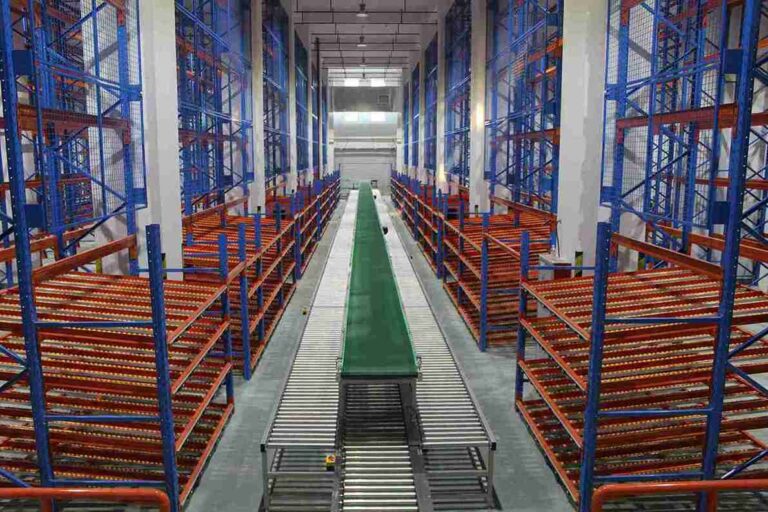
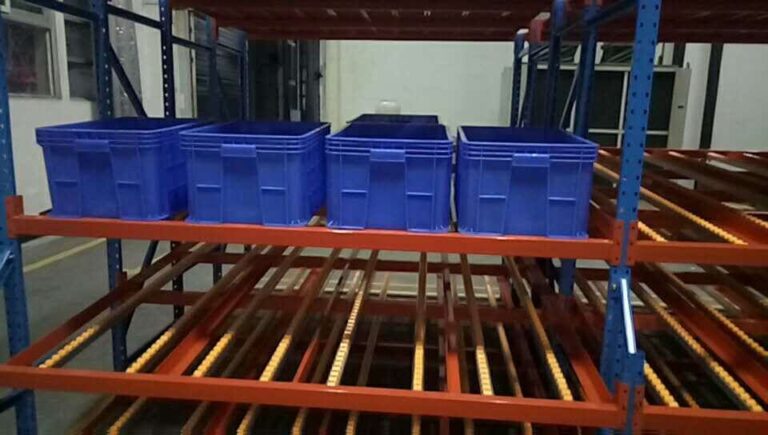
Gravity flow racking represents a sophisticated storage solution that leverages fundamental physical principles to optimize material handling processes. The system operates on a simple yet effective concept: utilizing inclined planes with rolling surfaces to enable product movement through gravitational force. This approach transforms static storage into dynamic inventory management, creating continuous product rotation that enhances operational efficiency. The fundamental design of flow racking gravity systems incorporates several key components that work in harmony to achieve optimal performance.
The structural framework provides the foundation for gravity flow racking installations, engineered to support substantial weights while maintaining precise alignment requirements. This framework accommodates the inclined rolling surfaces that form the core of the system’s functionality. The rolling mechanisms, typically consisting of either rollers or wheels, are specifically designed to match the characteristics of the stored products. Heavier palletized loads generally require roller-based systems, while lighter case goods benefit from wheel configurations that offer reduced rolling resistance.
The integration of speed control devices represents a critical safety and operational feature in modern flow racking gravity systems. These components regulate product movement down the incline, preventing excessive acceleration that could lead to impact damage or safety hazards. Advanced systems incorporate graduated braking technology that automatically adjusts resistance based on load weight and velocity. This ensures consistent, controlled movement regardless of variations in product characteristics or environmental conditions.
The operational methodology of flow racking gravity systems follows a logical sequence that maximizes efficiency. Loading occurs at the elevated end of the system, typically accessed from dedicated replenishment aisles that separate forklift traffic from picking operations. Products then move gradually toward the picking face through gravitational force, maintaining perfect inventory rotation. Picking operations occur at the lower end where products are presented at ergonomic heights, reducing physical strain and increasing productivity. This continuous movement creates a seamless flow that optimizes both storage density and accessibility.
The Engineering Behind Flow Racking Gravity Systems
The design and implementation of effective flow racking gravity solutions require sophisticated engineering considerations that balance multiple operational parameters. Structural integrity forms the primary concern, as systems must support substantial dynamic loads while maintaining precise alignment tolerances. Modern gravity flow racking designs utilize computational modeling to simulate load distribution and structural performance under various operating conditions. This engineering rigor ensures systems meet international safety standards while delivering reliable long-term performance.
The kinematics of product movement represent another critical engineering consideration in flow racking gravity design. Engineers must calculate optimal incline angles based on specific product characteristics, including weight distribution, packaging materials, and surface friction properties. These calculations ensure consistent product movement without excessive acceleration that could cause damage or safety concerns. Advanced flow racking gravity systems incorporate variable incline technology that automatically adjusts angles based on real-time monitoring of product movement patterns.
Material science innovations have significantly enhanced gravity flow racking performance characteristics. Modern roller and wheel components utilize advanced polymer composites that provide optimal friction characteristics while resisting wear under continuous operation. These materials are engineered to withstand environmental factors including temperature variations, humidity exposure, and potential chemical contact from cleaning processes or product spillage. The durability of these components ensures consistent performance throughout the system’s operational lifespan with minimal maintenance requirements.
Integration capabilities represent another crucial aspect of flow racking gravity engineering. Modern systems are designed with connectivity features that enable seamless integration with warehouse management systems (WMS) and enterprise resource planning (ERP) platforms. This integration provides real-time visibility into inventory levels and movement patterns, enabling sophisticated inventory optimization and replenishment planning. The data generated by flow racking gravity systems becomes valuable business intelligence that supports continuous improvement initiatives and strategic decision-making.
Operational Advantages of Gravity Flow Racking Implementation
The implementation of flow racking gravity systems delivers transformative operational benefits that impact multiple aspects of warehouse performance. Storage density improvements typically represent the most immediately noticeable advantage, with most operations achieving 40-60% increases in storage capacity within the same physical footprint. This enhanced density directly translates to reduced real estate costs per stored unit, significantly improving operational economics. The gravity flow racking approach achieves these density improvements without compromising accessibility, maintaining excellent product availability for picking operations.
Labor productivity enhancements form another major advantage of flow racking gravity systems. By eliminating unnecessary travel time and presenting products at optimal picking heights, these systems typically increase picking rates by 30-50%. The reduction in physical strain also contributes to lower workforce turnover and decreased injury rates. The separation of replenishment and picking activities allows both functions to occur simultaneously without interference, further enhancing overall operational throughput. These productivity gains directly impact labor costs, often providing return on investment within 12-18 months.
Inventory management improvements represent a significant benefit of flow racking gravity implementation. The inherent first-in-first-out (FIFO) characteristics ensure perfect stock rotation, eliminating concerns about product obsolescence or expiration. This feature proves particularly valuable for industries with time-sensitive products including food, pharmaceuticals, and chemicals. The organized lane structure of gravity flow racking systems enhances inventory visibility and control, reducing counting errors and improving inventory accuracy rates. These improvements contribute to better customer service levels and reduced operational disruptions.
Safety enhancements constitute another important advantage of flow racking gravity systems. The physical separation of forklift operations (replenishment) from manual picking activities significantly reduces accident risks and creates a more comfortable working environment. The controlled movement of products within the flow racking gravity system prevents sudden product shifts or falls that can occur in traditional shelving. Ergonomic picking heights reduce physical strain on workers, contributing to long-term workforce health and reducing compensation claims. These safety improvements represent both ethical and economic benefits for operations.
Comparative Analysis: Gravity Flow Racking vs Traditional Storage Solutions
The strategic decision between flow racking gravity systems and traditional storage solutions requires careful consideration of multiple operational factors. Storage density comparisons clearly favor gravity flow racking implementations, which typically provide 80-100% greater storage capacity than selective pallet racking within the same floor space. This advantage becomes particularly significant in high-cost real estate markets where every square meter carries substantial expense. The flow racking gravity approach utilizes the cubic capacity of facilities more effectively, making better use of available height dimensions.
Operational efficiency comparisons demonstrate substantial advantages for gravity flow racking systems in medium to high-volume environments. Traditional shelving requires multiple access aisles that consume valuable space and increase travel times for picking operations. The flow racking gravity design minimizes aisle requirements while bringing products to pickers at optimal ergonomic positions. This fundamental difference in operational methodology typically results in 30-40% higher productivity rates in gravity flow racking environments compared to traditional shelving configurations.
Inventory accuracy and control capabilities show marked improvements in flow racking gravity installations. The lane-based organization and automatic product rotation eliminate many common sources of inventory error present in traditional systems. While traditional shelving relies on manual processes for stock rotation and location management, flow racking gravity systems enforce disciplined inventory management through their physical design. This structural advantage reduces dependency on procedural compliance and provides more consistent operational results.
Financial analysis reveals interesting dynamics between these storage approaches. Traditional shelving typically offers lower initial investment costs, making it appealing for budget-constrained operations. However, comprehensive total cost of ownership calculations frequently favor flow racking gravity solutions when considering operational savings over typical equipment lifespans. The labor savings, space utilization improvements, and productivity enhancements of gravity flow racking often generate payback periods of 18-24 months, with continuing benefits throughout the system’s operational life.
Identifying Ideal Candidates for Flow Racking Gravity Solutions
Successful implementation of flow racking gravity technology requires careful assessment of operational characteristics and requirements. Several key indicators help identify operations that will benefit most from this storage methodology. High inventory turnover rates represent one of the strongest indicators for flow racking gravity suitability. Operations with frequent product movement benefit maximally from the automated rotation and efficient picking capabilities of these systems. The gravity flow racking approach particularly excels in environments where inventory turns exceed 12-15 times annually.
SKU velocity profiling provides valuable insights for flow racking gravity planning. Operations with a significant number of medium to high-velocity SKUs typically achieve excellent returns from flow racking gravity investments. The system’s design optimally supports products that require frequent access while maintaining efficient storage density. Operations can implement hybrid approaches utilizing flow racking gravity for faster-moving items while maintaining traditional storage for slow-moving products. This strategic combination maximizes overall operational efficiency while controlling capital investment.
Physical product characteristics significantly influence flow racking gravity suitability. Products with consistent packaging dimensions and good structural integrity perform best in these systems. The gravity flow racking mechanism requires products to move smoothly along inclined surfaces, making uniform packaging and adequate bottom strength important considerations. Products with irregular shapes or fragile characteristics may require special handling considerations or custom flow racking gravity configurations to ensure proper operation and prevent damage.
Operational scale and growth projections impact flow racking gravity implementation decisions. Medium to large-scale operations typically achieve better economic returns due to the proportional relationship between system benefits and operational volume. However, even smaller operations can benefit from flow racking gravity solutions when facing space constraints or rapid growth expectations. The scalable nature of gravity flow racking systems allows for phased implementation that aligns with business growth patterns and investment capabilities.
Comprehensive Implementation Methodology for Gravity Flow Systems
Successful deployment of flow racking gravity technology requires meticulous planning and execution across multiple project phases. The initial assessment phase involves detailed analysis of current operations, including inventory profiling, flow analysis, and space utilization studies. This comprehensive evaluation provides the foundational data necessary for effective flow racking gravity system design. Advanced operations typically employ sophisticated simulation tools to model different gravity flow racking configurations and predict their impact on operational performance.
The design development phase translates operational requirements into detailed flow racking gravity specifications. This process involves determining optimal lane configurations, incline angles, and load capacity requirements based on specific product characteristics and operational volumes. Modern gravity flow racking design utilizes 3D modeling software to create virtual representations of the proposed system, allowing for thorough review and optimization before manufacturing begins. This digital design approach ensures all components integrate seamlessly with existing infrastructure and operational processes.
The installation and commissioning phase requires careful coordination to minimize operational disruption. Professional flow racking gravity implementers develop detailed installation plans that sequence activities to maintain operational continuity throughout the project. The physical installation typically begins with site preparation, including any necessary floor leveling or reinforcement work. The gravity flow racking components are then assembled according to engineered specifications, with rigorous quality checks at each stage. Final commissioning involves thorough testing of all system functions and comprehensive operator training.
The optimization and continuous improvement phase extends beyond initial implementation. Effective flow racking gravity operations establish performance monitoring systems that track key metrics including picking rates, error rates, and system utilization. This data-driven approach enables ongoing refinement of gravity flow racking configurations and operational processes. Regular maintenance programs ensure sustained system performance and prevent unexpected downtime. The most successful operations treat flow racking gravity implementation as an evolutionary process rather than a one-time project, continuously seeking performance enhancements.
Advanced Applications and System Integration Opportunities
The versatility of flow racking gravity technology enables numerous advanced applications beyond basic storage functions. Multi-level gravity flow racking systems represent one significant advancement, incorporating mezzanine structures to create multiple vertical layers of flow lanes. This approach dramatically increases storage density within existing building footprints, particularly in facilities with high ceilings. The integration of flow racking gravity with mezzanine systems requires sophisticated engineering to ensure structural integrity and operational efficiency, but delivers exceptional space utilization improvements.
Automation integration represents another advanced application of flow racking gravity technology. Modern systems can interface with automated guided vehicles (AGVs) and autonomous mobile robots (AMRs) for automated replenishment operations. This integration creates highly efficient material handling environments where manual intervention is minimized. The combination of gravity flow racking with automated retrieval systems represents the cutting edge of warehouse technology, delivering unprecedented levels of efficiency and accuracy. These integrated systems particularly benefit high-volume operations with stringent performance requirements.
Temperature-controlled applications demonstrate the adaptability of flow racking gravity technology. Specially engineered systems function effectively in freezer and cooler environments where traditional equipment might fail. These specialized gravity flow racking configurations utilize materials and components designed to perform reliably at extreme temperatures while maintaining smooth operation. The implementation of flow racking gravity in cold storage environments improves operational efficiency while reducing time workers spend in uncomfortable conditions, enhancing both productivity and workforce comfort.
Order fulfillment optimization represents another advanced application of flow racking gravity technology. Systems can be configured to support batch picking, zone picking, or other advanced order fulfillment methodologies. The integration of pick-to-light and put-to-light technologies with flow racking gravity systems creates highly efficient picking environments that minimize errors and maximize productivity. These advanced configurations demonstrate how gravity flow racking serves as a platform for continuous operational improvement rather than simply a storage solution.
Addressing Practical Considerations: Safety, Maintenance, and ROI
The implementation of flow racking gravity systems involves several practical considerations that require careful attention. Safety considerations form the foremost concern, encompassing both design features and operational procedures. Modern gravity flow racking systems incorporate numerous safety features including speed controllers, end stops, and lane separators that prevent accidents and product damage. Comprehensive safety protocols must accompany system implementation, addressing both normal operations and emergency situations. Regular safety inspections and employee training ensure sustained safe operation of flow racking gravity installations.
Maintenance requirements for flow racking gravity systems are generally minimal but essential for long-term performance. Preventive maintenance programs typically include regular inspection of rolling elements, structural components, and safety devices. The maintenance requirements of gravity flow racking systems compare favorably with other automated storage technologies, contributing to lower total cost of ownership. Properly maintained flow racking gravity systems typically provide many years of reliable service with minimal unexpected downtime, making them valuable long-term assets for warehouse operations.
Financial justification for flow racking gravity investments requires comprehensive analysis of both costs and benefits. The initial investment includes equipment costs, installation expenses, and any necessary facility modifications. Organizations should also consider potential operational disruptions during implementation when evaluating total project costs. The benefits side of the equation includes quantifiable improvements in storage density, labor productivity, inventory accuracy, and safety performance. Most flow racking gravity implementations generate attractive returns on investment, with payback periods typically ranging from 18 to 36 months depending on operational characteristics.
Operational integration considerations encompass the organizational changes required for successful flow racking gravity implementation. Workforce training represents a critical success factor, ensuring operators understand both the capabilities and limitations of the new system. Process modifications often accompany gravity flow racking implementation, requiring updates to standard operating procedures and performance metrics. Change management practices help organizations navigate the transition from traditional storage methods to advanced flow racking gravity systems, maximizing benefits realization and minimizing implementation risks.
Future Developments in Flow Racking Gravity Technology
The evolution of flow racking gravity technology continues with several promising developments emerging from research and development efforts. Intelligent monitoring systems represent one significant advancement, incorporating sensors and IoT technology to provide real-time visibility into system performance and inventory status. These smart gravity flow racking systems can predict maintenance needs, optimize inventory levels, and provide valuable business intelligence for operational decision-making. The integration of artificial intelligence with flow racking gravity technology enables predictive analytics that further enhance system efficiency and reliability.
Material science innovations continue to improve flow racking gravity performance characteristics. Advanced composite materials offer enhanced durability and reduced friction characteristics, improving energy efficiency and product handling. These material advancements enable gravity flow racking systems to handle wider ranges of product weights and packaging types with consistent performance. The development of self-lubricating materials and wear-resistant coatings extends component lifespan and reduces maintenance requirements for flow racking gravity installations.
Energy efficiency improvements represent another area of ongoing development in flow racking gravity technology. While these systems already offer excellent energy characteristics compared to powered alternatives, further enhancements focus on reducing rolling resistance and optimizing system dynamics. These improvements contribute to sustainability goals while lowering operational costs. The passive nature of flow racking gravity systems aligns well with corporate environmental initiatives, providing efficient material handling without consuming electrical energy during normal operation.
Modularity and scalability enhancements continue to evolve in flow racking gravity design. Future systems likely will offer even greater flexibility in configuration and expansion capabilities, allowing operations to adapt more easily to changing business requirements. The development of standardized interfaces and components will simplify gravity flow racking system modifications and upgrades, reducing both cost and disruption when operational changes become necessary. These advancements will further strengthen the position of flow racking gravity technology as a versatile and future-proof storage solution.
Strategic Implementation Recommendations
The successful implementation of flow racking gravity technology requires strategic planning and execution across multiple organizational dimensions. Executive sponsorship represents a critical success factor, ensuring adequate resources and organizational attention throughout the project lifecycle. Cross-functional team involvement ensures all relevant perspectives contribute to system design and implementation planning. This collaborative approach helps identify potential challenges early and develops comprehensive solutions that address operational needs holistically.
Phased implementation approaches often prove effective for flow racking gravity projects, particularly in complex operational environments. Initial pilot implementations allow organizations to validate system performance and refine operational processes before committing to full-scale deployment. This incremental approach to gravity flow racking implementation reduces risk and provides valuable learning opportunities that enhance subsequent implementation phases. The pilot results also help build organizational confidence in the new technology and methodology.
Performance measurement establishment should precede flow racking gravity implementation to provide baseline data for benefit quantification. Key performance indicators typically include storage density metrics, picking productivity rates, inventory accuracy measurements, and safety incident rates. Continuous monitoring of these metrics throughout and after flow racking gravity implementation provides objective evidence of system benefits and identifies opportunities for further improvement. This data-driven approach ensures the organization maximizes value from its gravity flow racking investment.
Vendor selection criteria for flow racking gravity projects should extend beyond initial equipment costs to include factors such as design expertise, implementation experience, and ongoing support capabilities. The best gravity flow racking partners offer comprehensive services including initial consultation, detailed design, professional installation, and ongoing maintenance support. This holistic approach ensures successful implementation and long-term satisfaction with flow racking gravity systems. Organizations should seek partners with proven experience in similar applications and industries to maximize implementation success.
Frequently Asked Questions (FAQs)
What level of customization is available with flow racking gravity systems?
Modern flow racking gravity systems offer extensive customization capabilities to meet specific operational requirements. Customization options include lane dimensions tailored to specific product characteristics, specialized rolling surfaces for unique packaging types, and integration with existing storage structures. Advanced gravity flow racking providers utilize sophisticated engineering tools to design systems that address specific operational challenges while maintaining all safety and performance standards. This customization capability ensures each flow racking gravity implementation optimally addresses the unique requirements of its operational environment.
How does flow racking gravity technology impact inventory management practices?
The implementation of flow racking gravity technology significantly enhances inventory management capabilities through several mechanisms. The inherent FIFO characteristics ensure perfect stock rotation, eliminating concerns about obsolete or expired inventory. The organized lane structure improves inventory visibility and counting accuracy, reducing errors and discrepancies. The integration capabilities of modern gravity flow racking systems with warehouse management software provide real-time inventory visibility and support automated replenishment triggering. These improvements collectively enhance inventory accuracy, reduce management effort, and support better decision-making.
What operational training is required for staff working with flow racking gravity systems?
Effective operation of flow racking gravity systems requires comprehensive training covering both equipment operation and safety procedures. Training programs typically include proper loading techniques to ensure smooth product movement, safety protocols for working around the system, and basic troubleshooting procedures. Advanced training for maintenance staff covers inspection procedures and component replacement techniques. Most reputable gravity flow racking providers offer customized training programs tailored to specific system configurations and operational environments. Ongoing refresher training ensures sustained safe and efficient operation throughout the system lifespan.
How does flow racking gravity technology integrate with existing warehouse management systems?
Modern flow racking gravity systems offer sophisticated integration capabilities with warehouse management systems through various interface options. Integration typically occurs through lane-level inventory tracking that updates the WMS in real-time as products move through the system. This integration enables automated replenishment triggering, accurate inventory visibility, and optimized picking operations. The best gravity flow racking implementations include seamless WMS integration that enhances overall operational efficiency without requiring significant modifications to existing systems or processes.
What maintenance procedures are required to ensure optimal flow racking gravity performance?
Routine maintenance for flow racking gravity systems focuses on inspection and preservation of key components to ensure reliable operation. Regular inspections should examine rolling elements for wear or damage, structural components for integrity, and safety devices for proper function. Preventive maintenance typically includes cleaning of rolling surfaces and verification of lane alignment. Most gravity flow racking manufacturers provide detailed maintenance schedules and procedures tailored to specific system configurations. Proper maintenance ensures optimal system performance and extends equipment lifespan while minimizing unexpected downtime.
Welcome to contact us, if you need warehouse rack CAD drawings. We can provide you with warehouse rack planning and design for free. Our email address is: jili@geelyracks.com