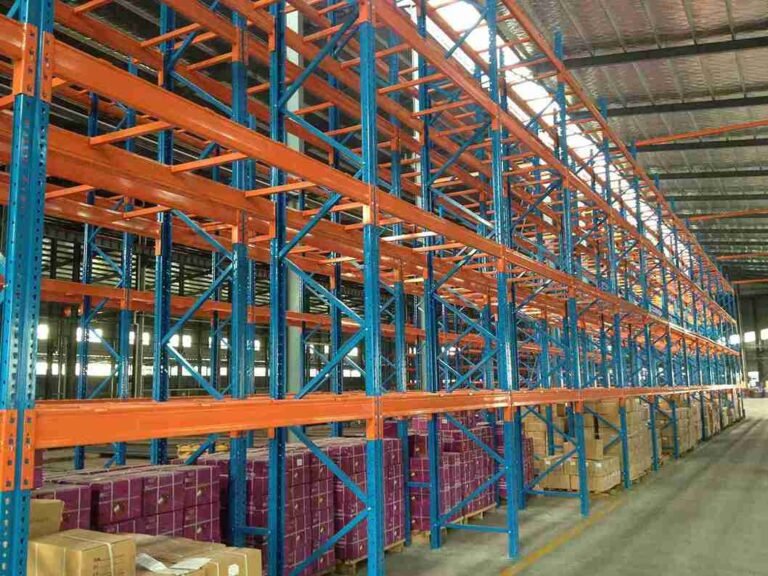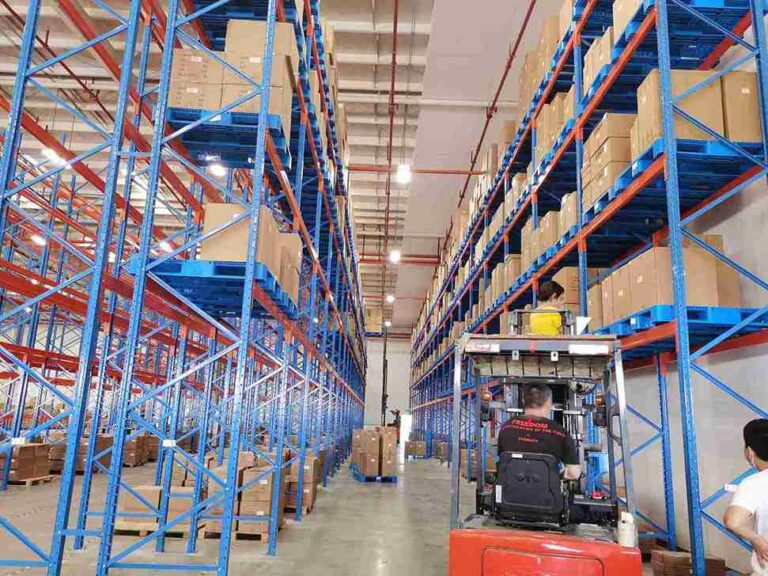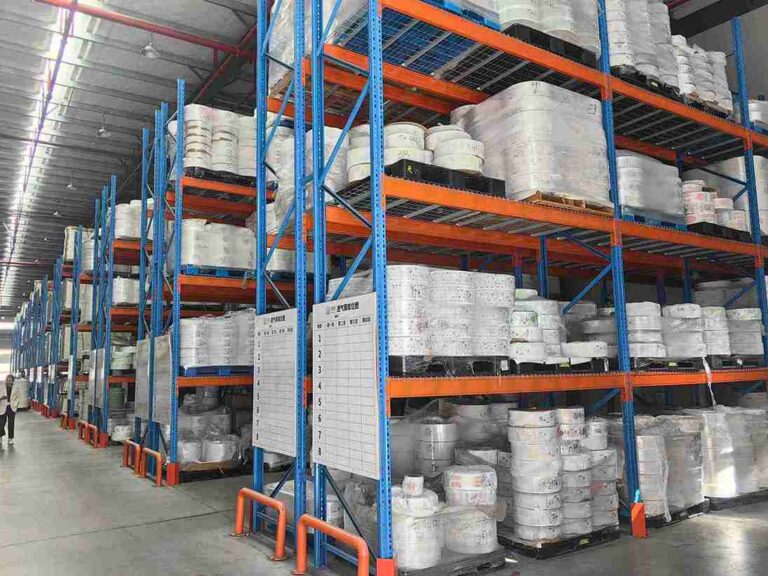
📐 "First 50 Enterprise Queries Get Custom 3D Warehouse Design" Plan
















The True Cost of Beam Racking: Why Smart Buyers Focus on Maintenance, Not Just Price
Article Summary: When procurement professionals evaluate beam racking suppliers, the initial price tag dominates the conversation—but this is a costly mistake. The true cost of beam racking extends far beyond the purchase invoice, encompassing maintenance expenses, downtime losses, safety compliance costs, and replacement cycles. Drawing on decades of industry data and real-world warehouse operations across emerging markets, this comprehensive guide reveals why sophisticated buyers analyze beam racking maintenance costs as their primary decision-making criterion.
We examine inspection protocols, repair versus replacement economics, hidden operational impacts, and strategies for maximizing ROI through strategic maintenance planning. For logistics professionals in Southeast Asia, Central Asia, the Middle East, Africa, and Latin America, understanding these cost dynamics separates warehouses that thrive from those perpetually battling budget overruns. The analysis that follows demonstrates that beam racking maintenance costs represent not merely an operational expense but a strategic variable that directly influences competitive positioning, safety performance, and long-term financial health.

Understanding the Total Cost of Ownership in Beam Racking Systems
When we evaluate warehouse infrastructure investments, the distinction between purchase price and total cost of ownership (TCO) becomes the fundamental insight that separates average logistics operations from exceptional ones. Beam racking systems, serving as the structural backbone of modern warehouses, represent capital investments that should deliver value over decades—yet many buyers undermine this longevity by focusing exclusively on initial acquisition costs. The reality is that beam racking maintenance costs accumulate year after year, eventually dwarfing the original purchase price in any realistic financial projection .
Why Initial Purchase Price Deceives Even Experienced Buyers
The psychology of procurement often fixates on upfront expenditure. Budget holders face pressure to minimize capital outlay, and suppliers know this well. However, our analysis of warehouse operations across multiple continents reveals that the purchase price typically represents only 30-40% of what facilities ultimately spend on their racking systems over a ten-year period. This means that beam racking maintenance costs constitute the majority of long-term investment, yet they receive disproportionately little attention during the purchasing process.
Consider two warehouses of identical size: one purchases budget beam racking at a 25% discount, while another invests in quality-engineered systems with superior protective coatings and precision manufacturing. Year one favors the budget buyer. By year three, the picture shifts dramatically. The discount system shows accelerated wear at impact points, requires component replacement, and has already incurred three days of operational downtime for emergency repairs. The quality installation continues operating seamlessly. When procurement teams retrospectively analyze these scenarios, they discover that beam racking maintenance costs for the budget system exceeded projections by 200%, completely negating any initial savings.
This pattern repeats across emerging markets where rapid industrialization meets pressure to minimize startup costs. Smart buyers recognize that beam racking maintenance costs follow a predictable curve—and that curve steepens dramatically when initial quality compromises are made. The relationship between upfront investment and ongoing beam racking maintenance costs is not linear but exponential: a 10% reduction in initial quality often translates to a 40% increase in annual maintenance expenditure.
Breaking Down the Components of Beam Racking Lifecycle Expenses
To truly grasp where money flows in a racking system’s lifetime, we must examine each cost component individually. The purchase price covers materials, manufacturing, and initial installation. But the operational phase introduces multiple expense categories that collectively determine your true investment. Understanding these categories helps warehouse managers predict and control beam racking maintenance costs with greater precision.
Structural maintenance encompasses all activities required to preserve load capacity and system integrity. This includes regular inspections, component straightening, protective coating renewal, and connection tightening. Facilities with high forklift traffic—common in distribution centers throughout Southeast Asia and Latin America—face accelerated structural demands as daily impacts accumulate. In these environments, beam racking maintenance costs can escalate quickly if preventative measures are not implemented from day one. Industry data indicates that facilities with comprehensive maintenance programs spend 60% less on emergency repairs over ten years compared to those operating reactively .
Replacement parts represent another significant category. Uprights, beams, bracing members, and safety locks eventually require replacement regardless of care quality. The difference lies in frequency: quality systems may need 5% annual component replacement, while poorly specified systems can exceed 15%. This variance directly impacts beam racking maintenance costs, with the gap widening each year as inferior components accelerate deterioration throughout the system. When one upright fails due to corrosion, adjacent components experience increased stress, creating a cascade of replacement needs that reactive facilities rarely anticipate.
Downtime costs often escape formal accounting yet devastate operational budgets. When a damaged rack section requires quarantine, that storage capacity vanishes. When repairs demand aisle closures, picking productivity plummets. For third-party logistics providers serving markets from Dubai to Jakarta, every hour of rack unavailability translates directly to lost revenue. Conservative estimates suggest that unplanned downtime adds 25-35% to effective beam racking maintenance costs when lost productivity is properly accounted for . A single rack failure can snowball into seven figures when product damage, worker injuries, and business interruption are factored in .
Safety compliance expenses constitute another hidden category. Regulatory bodies throughout your target markets impose strict requirements for rack inspection and maintenance. OSHA in jurisdictions following US standards can levy fines up to $16,550 per serious violation . Facilities that neglect beam racking maintenance costs inevitably face these penalties, often discovering that a single inspection citation exceeds the annual budget they were trying to protect by deferring maintenance.
Insurance implications further complicate the cost picture. Insurers increasingly scrutinize warehouse maintenance practices when underwriting policies and adjusting claims. Facilities unable to document regular inspections and timely repairs face premium surcharges of 15-25% . In the event of a collapse attributable to known but unrepaired damage, insurers may deny claims entirely, leaving businesses to absorb catastrophic losses. This risk transforms beam racking maintenance costs from optional expense to essential investment in business continuity.
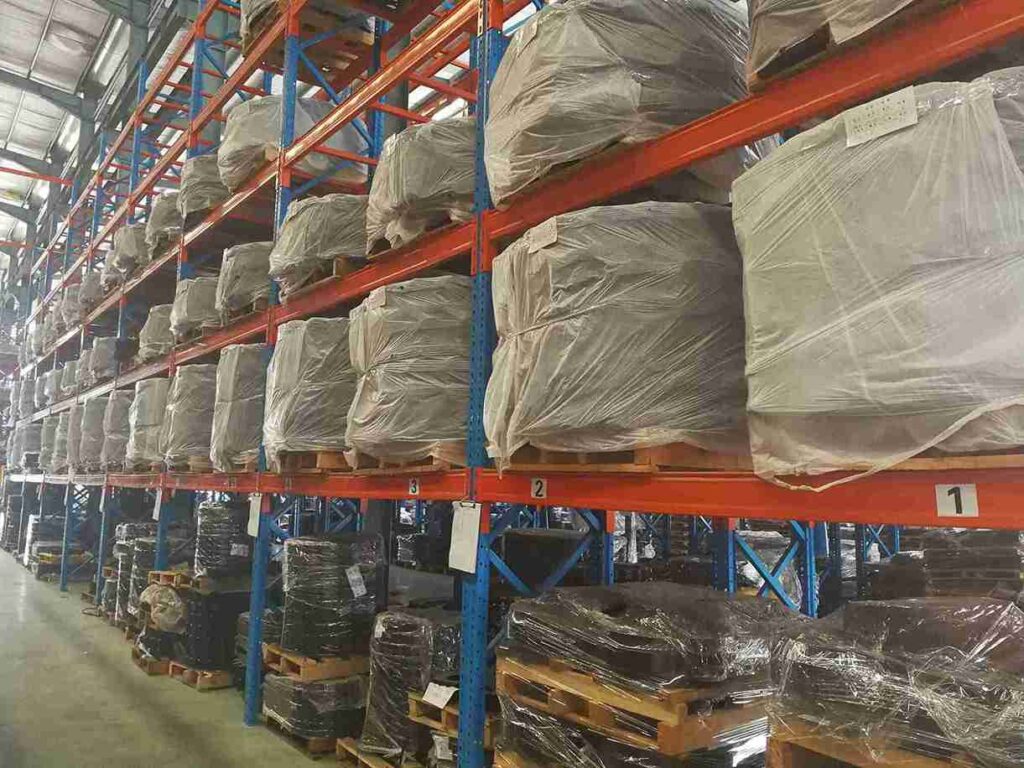
The Hidden Factors Driving Beam Racking Maintenance Costs
Beyond obvious wear and tear, sophisticated operators recognize that multiple interconnected factors influence long-term racking maintenance expenses. Understanding these drivers enables proactive management rather than reactive firefighting. Each factor interacts with others, creating compound effects that amplify beam racking maintenance costs when ignored but can be mitigated through strategic planning.
Impact Frequency and Severity: The Primary Cost Driver
Industry data consistently identifies forklift impact as the dominant cause of racking damage and subsequent maintenance expenditure . In high-throughput facilities throughout the Middle East and Africa, where rapid industrialization meets sometimes variable operator training levels, impact frequency can exceed one significant collision per aisle monthly. Each collision generates immediate repair requirements while also accelerating fatigue in surrounding components, steadily increasing future beam racking maintenance costs.
The severity spectrum matters enormously. Minor scrapes requiring touch-up painting cost little. Moderate impacts bending upright flanges demand immediate engineering assessment. Severe collisions compromising structural integrity necessitate complete component replacement, often with cascading effects on adjacent bays. A study of warehouse incidents revealed that facilities failing to address minor impacts promptly see beam racking maintenance costs increase by 300% over three years as cumulative damage compounds .
Beam damage typically occurs at heights matching forklift mast extension, while upright impacts concentrate at ground level where turning radius miscalculations prove most common. Facilities tracking these patterns can implement targeted countermeasures—corner guards in high-risk zones, enhanced operator training for specific equipment types, or automated speed reduction near racking ends. Data from facilities implementing such measures shows beam racking maintenance costs reductions of 45% within eighteen months .
The relationship between impact frequency and beam racking maintenance costs follows a predictable pattern: each impact generates immediate repair expenses while also reducing the system’s resilience to future impacts. This compounding effect means that facilities experiencing five impacts monthly don’t simply incur five times the maintenance of facilities with one impact—they face exponentially higher costs as accumulated damage creates vulnerability throughout the structure.
Environmental Conditions Across Emerging Markets
Geographic diversity across your target markets introduces varying environmental stressors that directly influence beam racking maintenance costs. Southeast Asian facilities contend with tropical humidity accelerating corrosion, particularly when protective coatings suffer damage. Coastal operations from Mombasa to Santos face salt-laden air that attacks unprotected steel with remarkable speed. In these environments, beam racking maintenance costs can double compared to inland facilities with controlled climates.
Central Asian warehouses experience extreme temperature swings between summer heat and winter cold, causing expansion and contraction cycles that stress connections. These thermal cycles gradually loosen bolts and create micro-fractures in welds, steadily increasing beam racking maintenance costs through accelerated component fatigue. Facilities in Kazakhstan and Uzbekistan report that connection tightening must occur twice as frequently as in temperate climates to maintain structural integrity.
Middle Eastern facilities battle fine desert dust that infiltrates moving parts and accelerates wear on any mechanical components. For automated warehouses incorporating conveyor systems or AGVs, this dust creates additional maintenance burdens that compound beam racking maintenance costs. The abrasive nature of desert particulates means that protective coatings erode faster, exposing steel to corrosion risk that would not exist in cleaner environments.
Smart specifications account for these regional factors. Hot-dip galvanizing adds upfront cost but eliminates corrosion concerns for decades, dramatically reducing beam racking maintenance costs over the system lifetime. Seismic considerations matter greatly from Latin America’s Pacific coast to Central Asian fault zones—facilities in these regions must budget for more frequent inspections and potentially higher beam racking maintenance costs due to code requirements . Buyers ignoring environmental context inevitably face elevated racking maintenance costs within the first operational year, often discovering that initial savings evaporate completely when regional factors are considered.
Load Cycling and Fatigue Stress Patterns
Every warehouse experiences load patterns, but few analyze how these patterns affect long-term structural health. Beam racking designed for uniform loading may face concentrated stresses when storage patterns change. A facility storing automotive parts throughout Mexico might reconfigure for heavier industrial components, inadvertently exceeding beam design parameters. This mismatch directly impacts beam racking maintenance costs through accelerated wear and increased failure risk.
Fatigue accumulates invisibly. Thousands of loading cycles gradually stress connections, particularly at beam-to-upright interfaces where end connectors engage keyhole slots. Regular inspection identifies developing issues before they escalate, but only when facilities maintain consistent monitoring programs . The cost of this monitoring is minimal compared to the beam racking maintenance costs generated when fatigue failures occur unexpectedly, forcing emergency replacements and operational shutdowns.
Load distribution patterns also influence beam racking maintenance costs through their effect on floor loadings. Uneven weight distribution can cause differential settlement, introducing rack lean that stresses connections and increases collision risk. Facilities that regularly audit load distribution report 30% lower beam racking maintenance costs than those operating on assumption rather than measurement .
The interaction between load cycling and environmental factors creates additional complexity. Facilities experiencing both heavy loading and corrosive conditions face beam racking maintenance costs that exceed the sum of these factors individually, as stress corrosion cracking accelerates failure modes that would not occur in isolation. Understanding these interactions allows sophisticated operators to calibrate inspection frequencies and maintenance budgets to actual risk levels rather than generic benchmarks.
Operator Training and Human Factors
Perhaps the most controllable variable influencing beam racking maintenance costs is the quality of operator training. Facilities with comprehensive certification programs report 30% fewer impacts than those with minimal training . When impacts do occur in well-trained environments, they tend to be less severe because operators recognize developing situations and moderate their response accordingly.
Training programs addressing specific racking system vulnerabilities prove most effective. Operators who understand why uprights are vulnerable to impact damage, how beam connections function, and what damage patterns indicate serious problems become active participants in maintenance rather than passive causes of beam racking maintenance costs. These operators report impacts immediately rather than concealing them, enabling rapid repairs before minor damage escalates into major expense.
Refresher training at regular intervals maintains awareness as operators develop routine complacency. Facilities implementing six-month refresher cycles report beam racking maintenance costs 25% below those with annual training, suggesting that skill decay significantly impacts damage rates . The investment in training yields measurable returns through reduced repair frequency and severity.
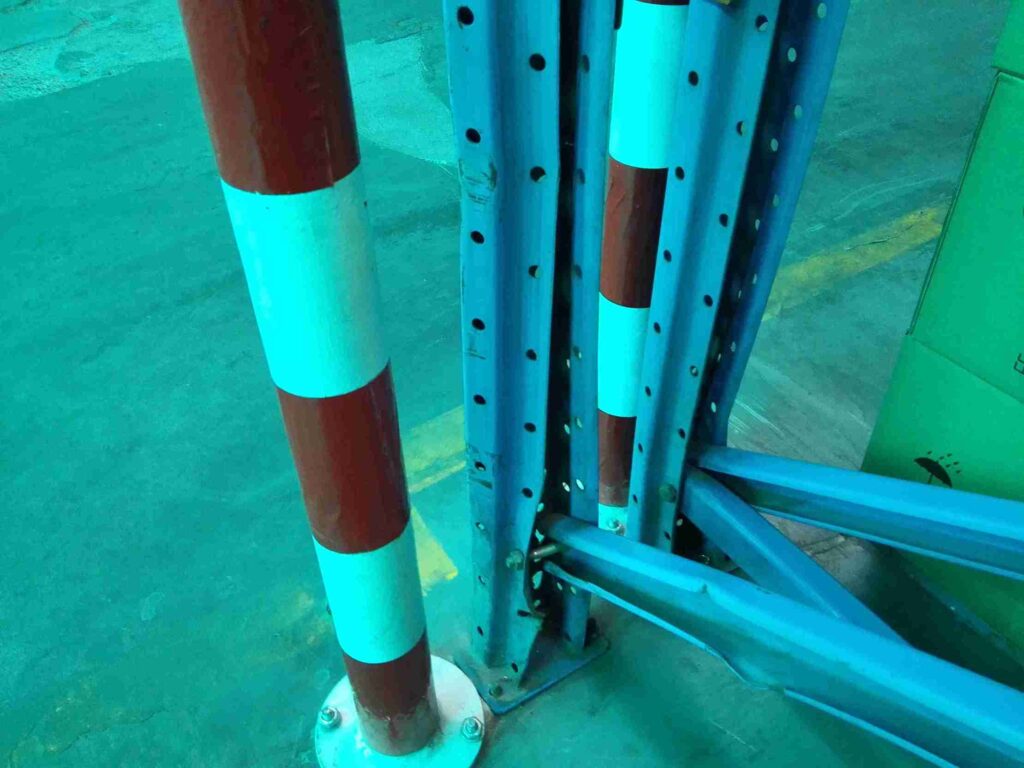
Inspection Protocols That Minimize Long-Term Expenses
The relationship between inspection rigor and maintenance costs follows a clear inverse correlation. Facilities investing in comprehensive inspection programs consistently report 30-40% lower annual repair expenditures than those conducting minimal checks . This relationship holds across warehouse types, geographic regions, and operational intensities, suggesting that inspection effectiveness transcends local variables.
Daily and Weekly Visual Inspections: The First Defense Line
Effective inspection programs operate at multiple frequencies, with daily and weekly visual checks forming the foundation. Warehouse personnel become the frontline sensors, trained to recognize emerging damage patterns before they require major intervention . This human sensor network represents the most cost-effective element of any maintenance program, catching issues while beam racking maintenance costs remain minimal.
Daily observations focus on obvious damage: newly bent components, fresh impact marks, displaced safety locks, or unusual rack movements during loading. Weekly structured inspections employ checklists ensuring consistent coverage across all racking areas. Facilities implementing these programs report identifying 70% of developing issues at stages requiring minimal corrective action, dramatically reducing beam racking maintenance costs compared to facilities waiting for annual professional inspections.
The person responsible for racking safety (PRRS) should conduct weekly walkthroughs with documented findings. This individual maintains awareness of normal conditions and notices subtle changes others might miss. In facilities throughout Southeast Asia and Latin America where rapid growth can outpace training, dedicating specific personnel to this role ensures accountability and consistency in beam racking maintenance costs control.
Documentation proves essential. Photographic records of damage, repair dates, and inspection findings create trend data that reveals developing patterns before they become acute. Facilities maintaining comprehensive documentation report beam racking maintenance costs 20% below those without records, as pattern recognition enables preventative interventions .
Comprehensive Annual Inspections by Qualified Professionals
While daily vigilance catches acute damage, annual expert inspections reveal cumulative degradation patterns and confirm overall system integrity. These inspections, required by safety regulations throughout most jurisdictions, must be conducted by “technically competent” individuals with specific training in racking system evaluation . The cost of these inspections represents a fraction of total beam racking maintenance costs while preventing expenditures that would otherwise arise from unidentified deterioration.
Professional inspectors assess:
Beam condition including straightness, end connector integrity, and safety lock functionality
Upright verticality and damage status, particularly at baseplate connections
Frame bracing for deformation or loose connections
Floor fixings confirming adequate anchorage
Load capacity signage accuracy and visibility
Following inspection, components receive classification under standardized systems. Green-tagged items continue normal operation. Amber-tagged damage requires remedial work, typically within four weeks. Red-tagged hazards demand immediate unloading and quarantine until repair or replacement . This classification system provides clear decision rules that remove ambiguity from maintenance planning, ensuring that beam racking maintenance costs are directed to highest-priority needs.
The qualification of inspectors significantly impacts inspection value. Certified professionals recognize subtle damage patterns that generalists miss, identify developing risks before they become acute, and provide documentation that satisfies regulatory requirements and insurance underwriting. While certified inspectors command higher rates, the reduction in beam racking maintenance costs achieved through their insights typically exceeds their fees by a factor of ten or more .
Post-Incident Inspections: Critical but Often Overlooked
Following any significant impact—whether from forklift collision, dropped load, or seismic event—immediate inspection is mandatory, not optional . Waiting for scheduled inspections after known damage risks catastrophic failure and dramatically increases beam racking maintenance costs when minor issues escalate through continued use.
Facilities throughout your target markets should establish clear protocols: any operator involved in racking impact reports immediately, supervisors conduct initial damage assessment, and qualified inspectors evaluate structural integrity before returning the bay to service. This discipline prevents minor damage from escalating through continued use, controlling beam racking maintenance costs by catching issues at their earliest, most repairable stage.
The economic case for post-incident inspection is compelling. A minor impact requiring a $200 repair today, if ignored, can necessitate $2,000 in component replacement within six months as the damaged section propagates stress to adjacent components. Within two years, the same ignored impact may require full bay replacement costing $15,000 or more . This escalation explains why facilities with rigorous post-incident protocols report beam racking maintenance costs 50% below those of facilities that inspect only on scheduled cycles.
Documentation of post-incident inspections creates liability protection while also generating data for trend analysis. Facilities tracking incident patterns can identify problem areas requiring layout modification, equipment types disproportionately involved in collisions, or shift-specific factors that influence accident rates. Each of these insights enables targeted interventions that further reduce beam racking maintenance costs over time.
Strategic Repair Versus Replacement Decisions
Perhaps no decision impacts beam racking maintenance costs more significantly than the choice between repairing damaged components and replacing them entirely. This determination requires nuanced understanding of damage severity, economic factors, and long-term operational implications. The wrong choice can multiply beam racking maintenance costs for years while compromising safety and operational efficiency.
When Repair Makes Economic Sense
Contrary to conventional wisdom suggesting replacement as the only safe option, engineered repairs often deliver superior outcomes at dramatically lower costs. Documented case studies demonstrate savings approaching 80% compared to complete replacement when appropriate repair methodologies apply . These savings directly reduce beam racking maintenance costs while maintaining or even improving system integrity.
Repair becomes viable when:
Damage affects accessible areas with straightening possible
Structural engineers confirm post-repair load capacity equals or exceeds original specifications
Repair kits specifically engineered for the damage pattern are available
Installation can proceed without full rack unloading
Modern repair techniques include reinforcing damaged uprights with heavy-duty steel profiles that actually increase impact resistance beyond original specifications. These “repair kits” transform previously vulnerable components into strengthened sections better equipped for future impacts, reducing beam racking maintenance costs over the long term while solving immediate damage issues .
A German logistics operator recently demonstrated this approach, repairing 1,200 rack supports and 300 braces while maintaining continuous operations. The warehouse continued handling 2,750 pallets daily throughout the process, avoiding costly shutdowns while achieving 80% cost savings versus new purchase . This case illustrates how strategic repair thinking transforms beam racking maintenance costs from unavoidable expense to value-creating investment.
The ROI of repair versus replacement extends beyond immediate cost differences. Repaired sections typically return to service faster, minimizing downtime costs that constitute a significant portion of total beam racking maintenance costs. Engineered repair kits can often be installed without removing stored product, eliminating the handling costs and productivity losses associated with full bay unloading required for replacement.
Replacement Scenarios Where New Components Prove Necessary
Despite repair advantages, certain situations demand replacement. Complete upright failure, extensive corrosion compromising base material, and damage to multiple adjacent components often necessitate new installation. Similarly, when original manufacturers no longer exist and compatibility cannot be verified, replacement ensures structural integrity . In these scenarios, attempting repair would actually increase beam racking maintenance costs over time by creating unpredictable structural behavior.
The critical rule: never mix components from different manufacturers without explicit engineering approval. Intermixing creates unpredictable structural behavior, potentially compromising load paths and connection integrity. Reputable suppliers refuse such combinations, prioritizing safety over short-term convenience . Facilities ignoring this rule face elevated beam racking maintenance costs through accelerated wear, unpredictable failure patterns, and potential regulatory citations.
Replacement decisions should also consider technological evolution. Newer beam racking designs may offer improved impact resistance, better corrosion protection, or enhanced compatibility with automation systems. When replacement becomes necessary, upgrading to current technology can reduce future beam racking maintenance costs enough to justify the additional investment.
Calculating Return on Investment for Repair Decisions
Forward-thinking facilities now employ sophisticated ROI calculations comparing repair and replacement scenarios over multi-year horizons. These analyses reveal that repair investments generate compounding returns through reduced future damage susceptibility . By quantifying these benefits, facilities can make repair versus replacement decisions that minimize total beam racking maintenance costs over the system lifetime.
Consider a warehouse with 1,000 frames experiencing 5% annual damage. Replacement costs averaging $2,120 per incident create significant recurring expenditure. Engineered repairs costing approximately $1,065 not only save immediately but typically include enhanced impact resistance preventing future damage at the same location. Over ten years, this difference compounds dramatically .
Ten-year simulations consistently demonstrate repair programs generating six-figure savings while maintaining superior safety profiles. Third-party logistics providers renting rack space find this analysis particularly compelling, as damaged bays represent unbillable inventory positions. For these operations, minimizing downtime through rapid repair directly impacts revenue, making repair decisions that reduce beam racking maintenance costs while accelerating return to service particularly valuable.
The 30% rule provides a useful heuristic: when repair costs exceed 30% of replacement value, replacement becomes economically attractive . However, this rule must be tempered with operational considerations. If replacement requires weeks of lead time while repair can be completed within days, the downtime savings may justify repair even at higher relative cost. Sophisticated operators integrate these factors into comprehensive decision frameworks that optimize total beam racking maintenance costs rather than minimizing individual transaction expenses.
Automation Integration and Its Effect on Rack Maintenance
As your product portfolio demonstrates, the intersection of traditional racking systems with automation technologies creates new maintenance considerations while potentially reducing certain damage categories. Understanding these interactions helps facilities control beam racking maintenance costs while capturing the productivity benefits of automation.
How AGVs and Automated Forklifts Change Impact Patterns
Automated guided vehicles (AGVs) and autonomous forklifts operate with precision exceeding human operators, theoretically reducing impact frequency. However, when automated systems do collide with racking—typically through programming errors or sensor failures—impact forces can exceed manual equipment collisions due to consistent speed profiles. This paradox means that beam racking maintenance costs in automated facilities may be more predictable but potentially more severe when incidents occur .
Facilities integrating automation should evaluate:
Beam protection at automation interaction points
Guide rail integration protecting critical uprights
Communication protocols between automation systems and racking layouts
Emergency stop positioning ensuring rapid response to anomalies
The precision of automated systems creates opportunities for rack optimization that can reduce beam racking maintenance costs over time. Narrower aisles become feasible when equipment follows programmed paths reliably, increasing storage density without increasing collision risk. However, this precision also means that any deviation from programmed parameters—whether from floor settlement, rack deflection, or sensor drift—can cause impacts that manual operators would avoid through real-time adjustment .
Vision systems on modern AGVs introduce additional complexity. These systems may misinterpret certain rack features, causing unnecessary stops or, conversely, failing to recognize hazards. Dexco’s experience with scalloped column arms illustrates this challenge: AI-powered cameras sometimes struggle to distinguish column variations that humans process instantly, leading to timeout conditions or navigation errors that affect beam racking maintenance costs through unexpected system behavior .
Sensor Integration for Predictive Maintenance
Modern racking systems increasingly incorporate monitoring technology providing real-time damage detection and predictive maintenance capabilities. These systems, ranging from simple impact indicators to comprehensive structural monitoring networks, transform maintenance from reactive to proactive . The result is beam racking maintenance costs that are not only lower but more predictable, enabling accurate budgeting and resource allocation.
Impact detection sensors register collisions immediately, alerting supervisors before damaged racks continue service. Vibration monitoring identifies developing instability patterns. Regular data analysis reveals facility hotspots where layout modifications could prevent recurring damage. Each of these technologies pays for itself through beam racking maintenance costs reduction within months of installation.
Digital twin technology represents the cutting edge of predictive maintenance. By creating virtual replicas of physical racking systems updated in real-time with sensor data, facilities can simulate stress patterns, predict failure points, and optimize maintenance schedules . This approach reduces beam racking maintenance costs by approximately 30% while extending equipment lifespan by more than 20% .
For warehouses throughout Latin America and Southeast Asia where rapid growth strains maintenance resources, these technologies provide force multiplication, enabling smaller teams to maintain larger facilities effectively. The investment in monitoring systems typically generates ROI within eighteen months through beam racking maintenance costs reduction alone, before considering the safety and productivity benefits.
Designing for Automation Compatibility
The most effective approach to controlling beam racking maintenance costs in automated facilities begins at the design stage. When racking systems are specified with automation in mind, they incorporate features that minimize damage risk and simplify maintenance. This proactive approach costs little upfront while delivering ongoing beam racking maintenance costs savings throughout the system lifetime.
Key design considerations include:
Rack deflection limits that accommodate automated equipment tolerances
Uniform column configurations that simplify AGV vision system navigation
Enhanced baseplate designs resisting movement from repeated automated equipment interaction
Integrated guidance systems protecting vulnerable components
Buck emphasizes that understanding load centers proves critically important for automated system integration. “The forks on autonomous and wire-guided trucks are specifically designed, keeping the correct load center and counterbalances in mind. We all know every fork in every fork truck isn’t the same, and an improper design can result in forks going all the way through a pallet or coil when engaging it, tearing up the bracing in the back” . Such errors cause costly material damage while increasing beam racking maintenance costs through avoidable repairs.
Regional Considerations for Target Markets
Your primary markets—Southeast Asia, Central Asia, Middle East, Africa, and Latin America—share rapid development characteristics while presenting distinct challenges requiring tailored approaches to racking maintenance. Understanding these regional nuances enables strategies that minimize beam racking maintenance costs while maximizing system performance.
Southeast Asia: Humidity, Rapid Growth, and Skilled Labor Shortages
Throughout Thailand, Vietnam, Indonesia, and Malaysia, warehouses operate in tropical conditions accelerating corrosion while simultaneously facing explosive growth straining maintenance capacity. The solution lies in specification: galvanized or heavily coated systems justify their premium through extended service life and dramatically reduced beam racking maintenance costs.
Local labor markets often lack specialized racking maintenance expertise, making supplier partnerships essential. Facilities should select vendors offering comprehensive service agreements including regular inspections and rapid response capabilities. These partnerships transform beam racking maintenance costs from unpredictable variable to managed expense while ensuring access to expertise unavailable internally.
The rapid growth characteristic of Southeast Asian markets creates particular challenges for beam racking maintenance costs control. Facilities expanding continuously may neglect existing infrastructure while focusing on new construction. Successful operators maintain separate management attention on legacy systems, ensuring that beam racking maintenance costs for existing racks receive priority alongside new investment.
Middle East: Temperature Extremes and Dust Management
From Dubai to Riyadh, warehouses confront summer temperatures exceeding 50°C alongside pervasive fine dust. These conditions affect both structural steel and any mechanical components within automated systems. The result is beam racking maintenance costs that exceed regional averages by 20-35% unless specific countermeasures are implemented .
Maintenance programs must include:
Regular connection tightening accommodating thermal expansion cycles
Protective coating inspection and repair
Dust management strategies for beam surfaces and automation interfaces
Enhanced cooling for any electronic monitoring equipment
Facilities that design for these conditions from the outset report beam racking maintenance costs comparable to temperate operations, while those adapting standard specifications face ongoing challenges. The lesson is clear: in the Middle East, environmental adaptation isn’t optional but essential for cost control.
Africa and Latin America: Infrastructure Variability and Import Considerations
Across African and Latin American markets, variability in local infrastructure and supply chains creates unique maintenance challenges. When replacement components require international sourcing with unpredictable lead times, proactive maintenance becomes essential for controlling beam racking maintenance costs .
Facilities should maintain strategic spare parts inventories covering most common damage scenarios. Relationships with multiple suppliers provide redundancy when primary sources encounter delays. Repair-first strategies minimizing dependence on international component shipments prove particularly valuable for controlling beam racking maintenance costs in these regions.
The economic volatility characteristic of some markets in these regions adds another dimension to beam racking maintenance costs management. Currency fluctuations can dramatically impact imported component costs, making locally-sourced repair solutions increasingly attractive. Facilities that develop local repair capabilities insulate themselves from currency risk while potentially reducing beam racking maintenance costs through shorter supply chains.
Best Practices for Minimizing Beam Racking Maintenance Costs
Drawing from decades of industry experience across diverse operating environments, we have identified practices consistently delivering superior racking system economics. These practices, implemented systematically, can reduce beam racking maintenance costs by 40-60% while improving safety and operational performance.
Training Programs That Prevent Damage
The single most effective maintenance expense control measure is operator training preventing damage before it occurs. Comprehensive programs addressing:
Equipment dimensions and turning radius awareness
Load handling techniques minimizing collision risk
Immediate reporting protocols when incidents occur
Recognition of developing damage patterns
Refresher training at six-month intervals maintains awareness as operators develop routine complacency. New operator mentoring ensures consistent skill development across workforce generations. Facilities implementing these programs report beam racking maintenance costs 30% below industry averages .
The content of training matters as much as frequency. Programs that connect operator actions to maintenance consequences prove more effective than generic safety instruction. When operators understand that a minor impact creating a barely-visible dent may generate $500 in beam racking maintenance costs, they exercise greater care than when collisions are presented as abstract safety concerns.
Protective Equipment Installation
Strategic protection installation dramatically reduces impact consequences. Rack end barriers absorbing collision energy, column protectors shielding vulnerable uprights, and aisle guidance systems keeping equipment centered all justify their costs through damage reduction . The ROI on protective equipment typically measures in months rather than years.
Column protectors costing $200 per unit can reduce impact damage by 45%, paying for themselves within the first year of operation . Beam guards at $150 per beam achieve 60% reduction in beam replacements . These investments represent some of the most effective beam racking maintenance costs control measures available.
The most effective facilities match protection types to specific risk patterns revealed through damage tracking. High-turnover picking aisles receive different protection than bulk storage areas. Cross-dock zones where multiple equipment types interact receive enhanced measures. This targeted approach maximizes protection effectiveness while minimizing total investment in beam racking maintenance costs control.
Documentation and Trend Analysis
Comprehensive maintenance documentation enables pattern recognition driving continuous improvement. Facilities should maintain:
Inspection reports with photographic evidence
Repair records including locations and methods
Incident reports capturing impact circumstances
Cost tracking per rack section over time
Analysis of this data reveals facility hotspots where layout modifications could prevent recurring damage, equipment types disproportionately involved in incidents, and timing patterns suggesting shift-specific factors . Each insight enables targeted interventions that further reduce beam racking maintenance costs.
Digital platforms simplify documentation while enabling sophisticated analysis. Facilities using these systems report beam racking maintenance costs 20% below those relying on paper records, as pattern recognition occurs earlier and interventions prove more effective. The investment in documentation infrastructure pays for itself through reduced maintenance expenditure within the first year.
Conclusion
The distinction between purchase price and total cost of ownership represents the fundamental insight separating exceptional logistics operations from those perpetually struggling with budget overruns. Beam racking systems, as the structural foundation of warehouse operations, demand evaluation through this comprehensive lens. Every dollar saved on initial purchase at the expense of quality multiplies beam racking maintenance costs over the system lifetime.
Smart buyers recognize that beam racking maintenance costs—including inspections, repairs, downtime, and safety compliance—ultimately determine the true investment required over decades of service. By specifying quality systems, implementing rigorous inspection protocols, making strategic repair versus replacement decisions, and integrating appropriate protective technologies, facilities throughout Southeast Asia, Central Asia, the Middle East, Africa, and Latin America can achieve superior economic outcomes. The evidence consistently demonstrates: facilities investing in proactive maintenance spend less over time than those minimizing initial expenditure.
The data supporting proactive maintenance is overwhelming. Facilities implementing comprehensive programs experience 45% lower repair costs over ten years, 70% fewer OSHA violations, and three times longer racking lifespan . Every dollar invested in preventative maintenance returns three to five dollars in avoided emergency repairs . Purchase price matters, but operational costs matter more.
As automation continues transforming warehouses across emerging markets, the integration between traditional racking and new technologies will create both challenges and opportunities. Facilities maintaining clear focus on total cost principles will navigate this evolution successfully, while those fixated on initial price will find themselves perpetually catching up. The choice is clear: invest in quality, maintain proactively, and control beam racking maintenance costs as the strategic variable they are—or accept the predictable consequences of deferred maintenance and escalating emergency expenditure.
For warehouses seeking competitive advantage through logistics excellence, understanding beam racking maintenance costs transforms procurement from transactional exercise to strategic differentiation. The operators who master this distinction will dominate their markets, while those who ignore it will struggle with the relentless drag of avoidable expense. The evidence is in, the patterns are clear, and the path forward is well-marked. Success belongs to those who follow it.
Frequently Asked Questions About Beam Racking Maintenance Costs
1、What percentage of annual warehouse operating budgets should be allocated to beam racking maintenance?
Industry benchmarks suggest allocating 2-4% of the facility’s total operating budget to beam racking maintenance costs, though this varies with rack age, utilization intensity, and environmental factors. New facilities may spend at the lower end of this range, while facilities over ten years old or operating in harsh environments should budget at the higher end. This allocation should cover routine inspections, minor repairs, protective coating maintenance, and a reserve for unexpected damage. Facilities tracking this metric find that falling below 2% typically precedes expense spikes as deferred maintenance catches up.
2、How do different rack configurations affect long-term maintenance requirements?
Rack configuration significantly influences maintenance demands. Selective pallet racks, the most common configuration, offer the lowest beam racking maintenance costs due to easy access and straightforward repair procedures. Drive-in racks, by contrast, experience 40% higher maintenance costs due to increased impact exposure during fork truck entry and exit . Push-back and flow-through systems introduce moving parts that require additional maintenance beyond structural considerations. Facilities should consider these configuration-specific cost implications when selecting systems, balancing storage density benefits against elevated beam racking maintenance costs.
3、Can maintenance costs be capitalized for tax purposes rather than expensed?
Tax treatment of beam racking maintenance costs depends on whether expenditures constitute repair or improvement. Routine maintenance, inspections, and minor repairs are typically expensed in the period incurred. Major repairs extending useful life, increasing capacity, or adapting racks to new purposes may qualify for capitalization and depreciation. Facilities should consult tax professionals familiar with their local jurisdiction, as rules vary across your target markets. Proper classification can significantly impact after-tax beam racking maintenance costs.
4、What inspection frequency do regulatory standards require across different regions?
Regulatory requirements vary significantly across your target markets. Most jurisdictions following European or North American standards require annual professional inspections supplemented by monthly internal checks. Some Southeast Asian nations have adopted similar requirements as their logistics sectors mature, while others maintain less prescriptive regimes. Facilities operating across multiple regions should adopt the strictest applicable standard as their global minimum, ensuring compliance while controlling beam racking maintenance costs through consistent practices. The trend across all markets is toward more rigorous requirements, making proactive compliance increasingly important.
5、How do seismic considerations affect beam racking maintenance in high-risk zones?
Facilities in seismic zones face substantially different beam racking maintenance costs than those in stable regions. Seismic events, even minor ones, can induce rack movements and connection stresses requiring professional inspection. Codes in seismically active areas typically mandate more frequent inspections and more stringent damage tolerance criteria. Facilities in Latin America’s Pacific coast, Central Asia, and other seismic zones should budget for 30-50% higher inspection frequency, increasing annual beam racking maintenance costs by 20-35% . This investment ensures post-event safety while maintaining compliance with evolving code requirements.
If you require perfect CAD drawings and quotes for warehouse racking, please contact us. We can provide you with free warehouse racking planning and design services and quotes. Our email address is: jili@geelyracks.com