📐 "First 50 Enterprise Queries Get Custom 3D Warehouse Design" Plan















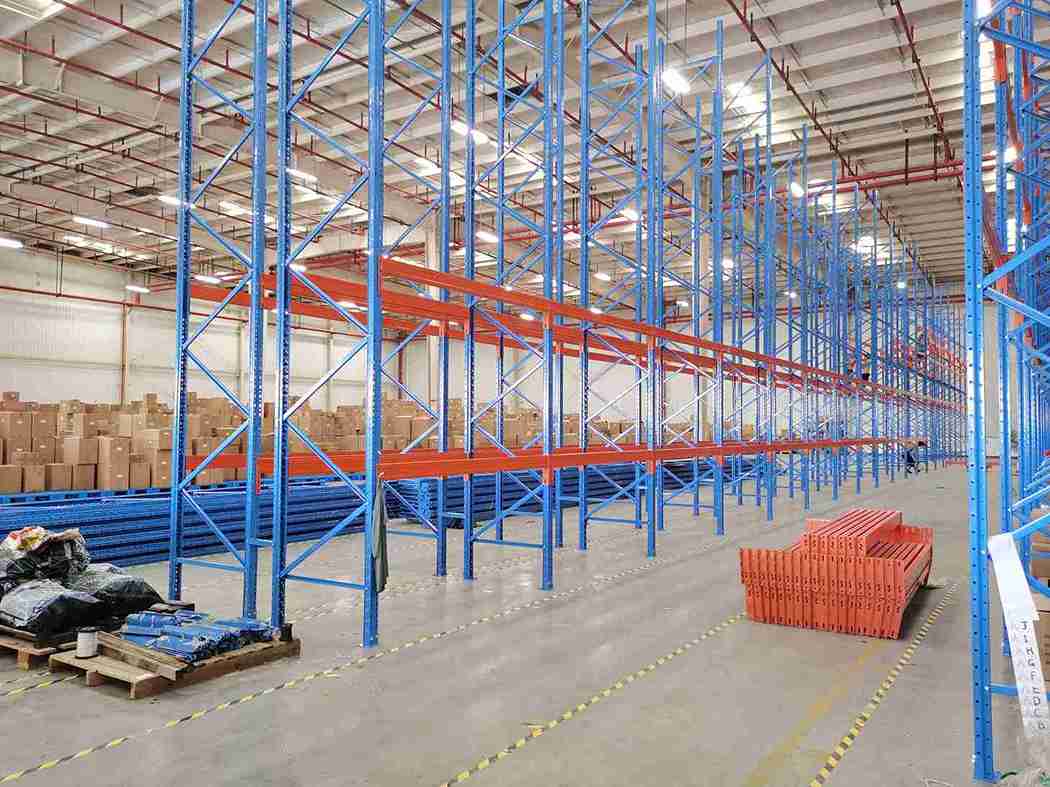
Automation-Ready Warehouses: Advanced Beam Racking Maintenance Tips for Seamless Integration with AGVs and Forklifts
The modern warehouse automation revolution has fundamentally transformed the relationship between storage infrastructure and material handling equipment. While much attention focuses on the sophisticated capabilities of Automated Guided Vehicles (AGVs) and autonomous forklifts, the critical foundation enabling their performance—the beam racking system—often receives inadequate maintenance consideration.
This comprehensive guide presents advanced beam racking maintenance tips specifically engineered for facilities where automated equipment operates alongside traditional storage structures. Drawing from three decades of industry experience across Southeast Asian logistics hubs, Middle Eastern distribution centers, African industrial zones, and Latin American warehouses, this analysis explores how precision beam racking maintenance tips directly impact automation performance, safety outcomes, and operational return on investment.
Readers will discover how proper beam racking maintenance tips address the unique challenges posed by automated equipment, including sensor interference, cumulative low-energy impacts, and the millimeter-level tolerances required for seamless integration. The discussion encompasses everything from daily inspection protocols to emerging predictive maintenance technologies, providing warehouse professionals with actionable beam racking maintenance tips that transform storage infrastructure from passive structure to active automation partner.
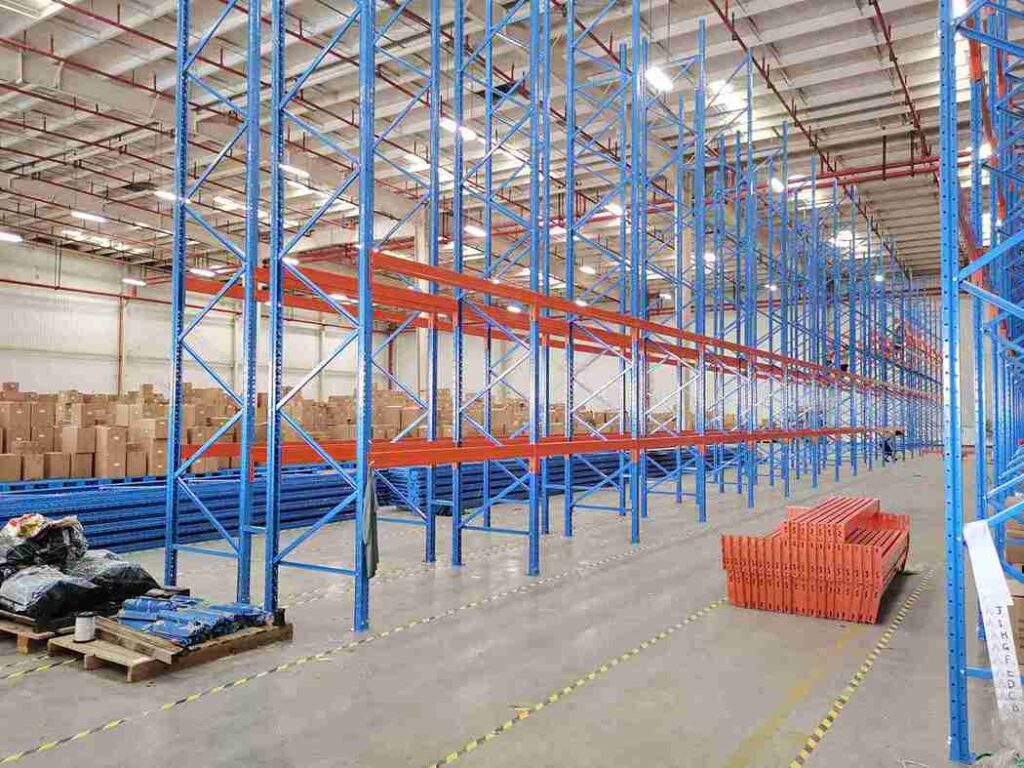
Introduction: Why Beam Racking Maintenance Tips Matter More Than Ever in Automated Facilities
The logistics landscape across emerging markets—from the bustling ports of Mombasa to the sprawling distribution centers serving Mexico City—is undergoing unprecedented transformation. As facilities integrate AGVs, autonomous forklifts, and automated storage and retrieval systems, the demands placed on beam racking systems intensify exponentially. Traditional beam racking maintenance tips focused primarily on preventing catastrophic collapse and ensuring basic structural integrity. In today’s automation-ready warehouse, however, beam racking maintenance tips must address a far more complex set of requirements.
When a human operator drives a forklift, they possess the cognitive flexibility to compensate for minor rack imperfections—a slightly bent upright, a beam that sags a few millimeters under load, or a floor anchor that has loosened over time. AGVs and autonomous forklifts possess no such intuition. These machines follow pre-programmed paths and navigate using sensors, lasers, and vision systems that demand absolute consistency from the surrounding environment. A rack that deviates from its designed geometry by even a few millimeters can cause an AGV to “time out,” believing an obstacle blocks its path, or worse, result in a collision that damages both the vehicle and the storage structure .
This fundamental shift elevates beam racking maintenance tips from a safety-focused discipline to a productivity-critical imperative. The beam racking maintenance tips shared in this guide represent accumulated wisdom from thousands of automated installations across diverse operational environments. They reflect the hard-won understanding that in an automated warehouse, the racking system functions as a piece of material handling equipment itself—requiring the same precision, the same predictive maintenance approach, and the same rigorous performance standards applied to the robots that navigate its aisles.
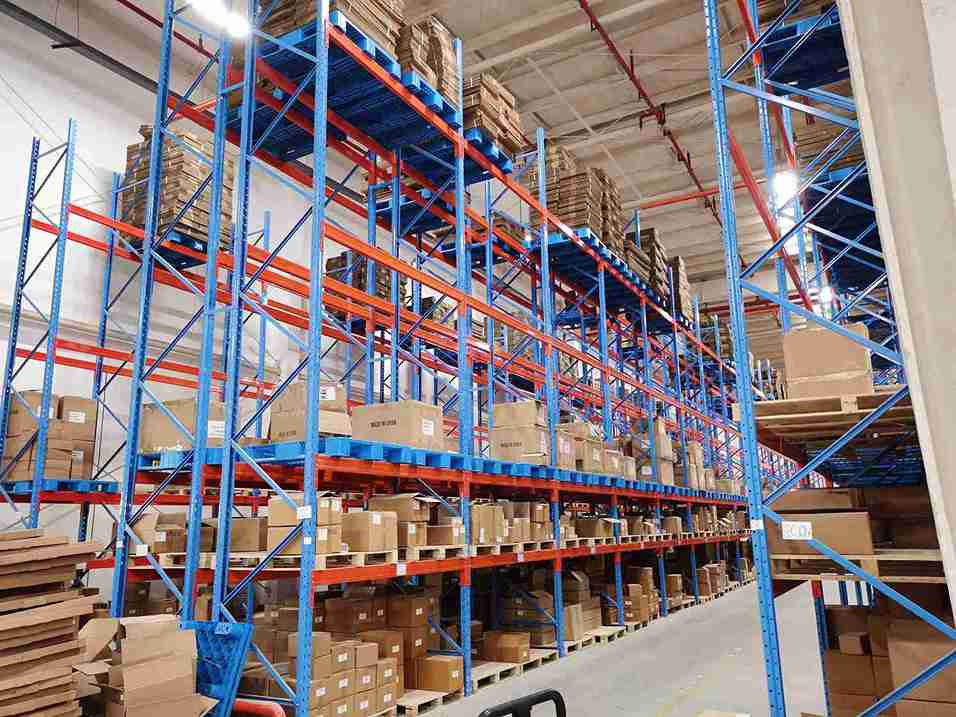
The New Paradigm: How Automation Transforms Beam Racking Maintenance Requirements
Understanding the Millimeter-Level Tolerances of Automated Equipment
Traditional warehouses operating with manual forklifts could tolerate considerable variation in rack geometry. Uprights leaning slightly out of plumb, beams with modest deflection, or floors with minor settlement issues might go unnoticed for years, causing no operational problems because human operators adapted instinctively. The introduction of AGVs and autonomous forklifts eliminates this tolerance entirely.
Modern AGVs navigate using multiple technologies: laser guidance that reflects off targets mounted on racking and building structures, natural feature navigation that uses onboard cameras to recognize the environment, and inertial guidance that tracks wheel movements between reference points. Each of these technologies requires the physical environment to match the digital map stored in the vehicle’s control system. When beam racking maintenance tips are neglected and rack geometry shifts, the vehicle’s perceived position no longer aligns with reality .
Consider a typical scenario: an upright sustains a minor impact that pushes it 5 millimeters into the aisle. To a human operator, this change is imperceptible. To an AGV following a programmed path 50 millimeters from the rack face, that 5 millimeter intrusion reduces clearance to 45 millimeters. If the vehicle’s safety system triggers when obstacles enter a 40 millimeter buffer zone, this rack now causes frequent, unexplained stops. The maintenance team blames the AGV; the automation vendor blames the rack. Neither recognizes that proper beam racking maintenance tips applied after the initial impact would have prevented the entire cascade of operational disruption.
The Cumulative Damage Challenge Unique to Automation
Paradoxically, automated equipment can cause damage patterns that differ fundamentally from manual operations while appearing less severe to casual observation. When a manual forklift strikes a rack, the impact is typically significant—a loud crash, visible damage, immediate reporting. When an AGV with a minor guidance deviation repeatedly contacts the same rack location, each impact may be barely perceptible. The vehicle might brush against an upright corner at low speed, causing no immediate visible damage .
However, the cumulative effect of hundreds or thousands of these low-energy impacts over months of operation can cause fatigue damage that fundamentally differs from the high-energy impacts typical of manual forklifts. This reality demands that beam racking maintenance tips in automated facilities include specific attention to wear patterns that might indicate repetitive contact. Inspectors must look not only for obvious dents and bends but also for polished areas on upright surfaces, subtle changes in paint condition, or slight deformations that suggest repeated brushing contact .
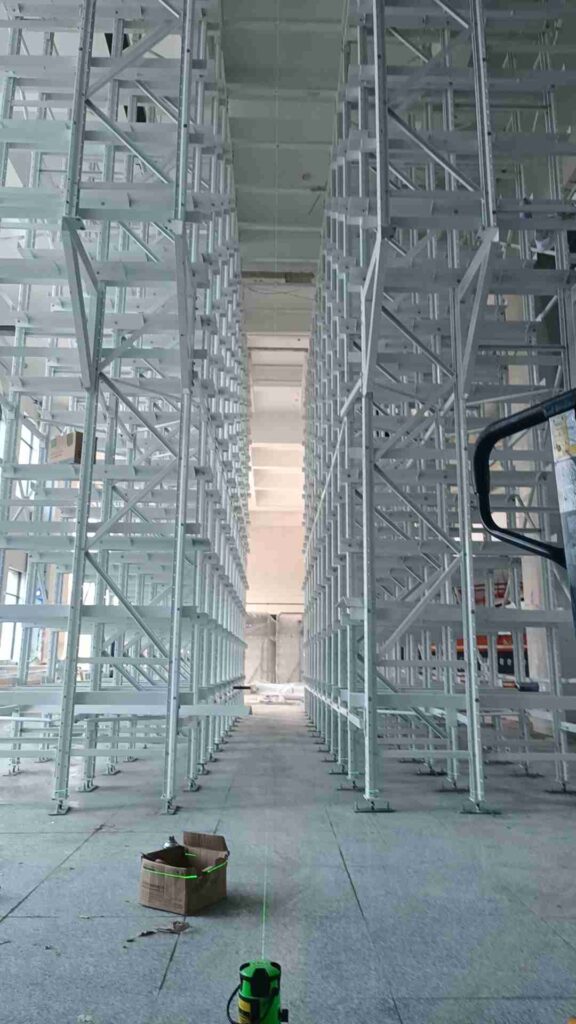
Essential Beam Racking Maintenance Tips for Daily Operations in Automated Warehouses
Tier 1 Inspections: Empowering the Front Line
The foundation of effective beam racking maintenance tips begins with the people who interact with the system most intimately: forklift operators, floor supervisors, and maintenance technicians. In an automated facility, this frontline vigilance becomes even more critical because the equipment itself cannot report developing rack issues.
Every worker entering the automated zone should receive training on specific beam racking maintenance tips relevant to their role. Operators must understand what constitutes reportable damage—not just obvious bends or breaks, but also subtle indicators like freshly exposed bare metal on upright corners, new scratches at consistent heights across multiple bays, or any change in the appearance of previously inspected areas .
The person responsible for racking safety (PRRS)—a designated role that every automated warehouse should establish—collects these daily observations and determines appropriate responses. When multiple operators report concerns about the same area, the PRRS recognizes this pattern as warranting immediate investigation. This human intelligence network, operating within the daily inspection protocol, often detects problems weeks or months before they would otherwise become apparent through scheduled checks .
Daily Visual Inspection Protocols for Automation-Ready Facilities
Effective daily inspections follow structured protocols that ensure comprehensive coverage without overwhelming operators’ primary responsibilities. Before each shift begins, or continuously throughout operations, designated personnel should perform focused visual scans of their work areas, paying particular attention to:
Upright Conditions: Examine all visible uprights in travel paths for fresh impact marks, newly exposed metal, or any indication of recent contact. In automated aisles, pay special attention to uprights at consistent heights corresponding to AGV sensor levels, as repetitive contact often occurs at predictable elevations .
Beam and Connector Integrity: Verify that beam safety locks remain engaged on all accessible levels. Check that beams sit squarely on their connectors with no gaps indicating partial disengagement. Observe loaded beams for signs of sagging beyond normal deflection, which might indicate overloading or fatigue .
Floor Conditions: Scan travel paths for debris, spills, or floor damage that could affect AGV navigation. Check around rack base plates for new cracks, spalling, or any indication of floor movement that might shift the rack structure .
Load Condition: Note any pallets sitting unevenly on beams, which might indicate beam deflection, damaged pallets, or improper load distribution. In automated facilities, irregular loads can cause AGV pickup failures and potentially damage both the vehicle and the rack during retrieval attempts .
The Critical Role of Immediate Reporting Culture
Perhaps the most important of all beam racking maintenance tips concerns not what to look for but what to do when something is found. A culture of immediate reporting, where workers feel empowered and expected to flag concerns without fear of reprisal, separates world-class operations from those that experience preventable failures.
When any worker identifies a potential issue, they should tag the location immediately using brightly colored damage tags that are impossible to miss . The tag should include the date, the observer’s name, and a brief description of the concern. This visual marker alerts everyone passing through the area that something requires attention, even if the PRRS has not yet responded.
The PRRS must acknowledge every report promptly, investigate thoroughly, and communicate findings back to the reporting worker. This closed-loop process reinforces the importance of vigilance and encourages continued participation in the safety program. When workers see that their observations lead to action, they remain engaged. When reports disappear into a void, vigilance wanes and risks increase .
Advanced Beam Racking Maintenance Tips for Weekly and Monthly Inspections
Structured Inspection Protocols for Automated Environments
Moving beyond daily observation, weekly and monthly inspections within the beam racking maintenance tips framework involve structured, documented examinations conducted by designated safety personnel. These inspections follow comprehensive checklists that ensure systematic coverage of all rack components and surrounding conditions.
During weekly inspections, safety officers verify that load capacity placards remain visible and legible at all locations—a critical requirement for preventing overloading that can cause beam deflection affecting AGV clearances. They check aisle clearances, ensuring that no stored materials encroach into travel paths where AGVs might strike rack components. They examine floor conditions around base plates, looking for cracks or spalling that might indicate foundation issues requiring structural assessment .
Monthly inspections delve deeper into the beam racking maintenance tips protocol. Inspectors randomly select bays for partial unloading, allowing examination of beam end connectors and the rear faces of uprights that remain hidden during normal operations. They measure upright plumbness using laser levels or plumb bobs, documenting any deviation from vertical against manufacturer specifications. They inspect beam deflection under load, comparing measurements to allowable limits—typically not exceeding 1/180th of span length .
Precision Measurement Techniques for Automation Compatibility
In automated facilities, visual inspection alone cannot provide sufficient assurance of AGV compatibility. Monthly inspections should incorporate precision measurement techniques that quantify rack geometry against the tolerances required by automated equipment.
Upright Plumbness Measurement: Using laser levels or digital inclinometers, measure vertical deviation in both down-aisle and cross-aisle directions. Record measurements and compare against baseline installation data and manufacturer tolerances. For automation compatibility, many facilities now target maximum deviations of ±3mm over full upright height, significantly tighter than traditional acceptable limits .
Beam Levelness Verification: Check that beams remain perfectly horizontal under load using precision levels or laser distance measurement. A beam that sags unevenly can alter effective opening height, potentially causing an AGV’s forks to strike the beam above during entry or cause clearance issues during retrieval .
Aisle Width Consistency: Measure clear aisle width at multiple points along each automated aisle. Inconsistent widths can confuse AGV navigation paths and may indicate rack movement, floor settlement, or cumulative impact damage requiring investigation .
Floor Flatness Assessment: Use digital levels or specialized floor profiling equipment to check for changes in flatness near rack bases and along AGV travel paths. Even minor floor deviations can accumulate over distance, causing navigation errors that manifest as apparent rack misalignment .
Documentation and Trend Analysis
Proper documentation transforms inspection data from a compliance exercise into a strategic management tool. Each measurement should be recorded in a centralized system that enables trend analysis over time. When a particular upright shows progressive out-of-plumb movement across successive inspections, the trend indicates developing foundation issues or cumulative structural stress that requires intervention before failure occurs .
This data also proves invaluable for troubleshooting AGV performance issues. When vehicles experience repeated stoppages at specific locations, comparing those locations against inspection records often reveals correlations with measured deviations that explain the problem. Armed with this information, maintenance teams can address root causes rather than treating symptoms .
Critical Beam Racking Maintenance Tips for Beam End Connectors and Load Transfer Points
Understanding Connector Function in Automated Environments
Beam end connectors represent one of the most critical yet often overlooked components in any racking system. These mechanical interfaces transfer loads from beams to uprights, and their condition directly impacts both structural safety and automation compatibility. In automated warehouses, where AGVs and autonomous forklifts repeatedly place and retrieve loads at high speeds, connectors face unique stresses that require specialized attention within any comprehensive beam racking maintenance tips program.
Each beam end connector consists of precision-engineered teeth or hooks that engage with slots punched into upright columns. When properly seated, these connections distribute loads evenly and maintain beam position. However, repetitive cycling—particularly when automated equipment places loads with minor positional errors—can gradually wear connector surfaces, potentially compromising engagement .
Inspection Techniques for Connector Integrity
Effective beam racking maintenance tips for connectors require inspection techniques that go beyond casual observation. During monthly inspections, select bays for detailed connector examination:
Visual Engagement Verification: Confirm that connector teeth fully engage upright slots with no visible gaps. Look for signs of partial disengagement, where only some teeth carry the load while others remain unseated. This condition creates stress concentrations that can lead to progressive failure .
Wear Pattern Assessment: Examine connector surfaces for polishing, galling, or material loss that indicates excessive movement or fretting. In automated facilities, repetitive minor positioning corrections by AGVs can cause micromotions that accelerate wear at connection points .
Safety Lock Inspection: Verify that beam safety locks or pins remain present, undamaged, and fully engaged. These devices prevent beams from being dislodged upward during accidental impact—a critical safety feature that becomes even more important when automated equipment operates at speeds human operators cannot match .
The Hidden Danger of Missing Components
A real-world case study from a national car parts manufacturer illustrates the critical importance of connector and component inspection. During an annual inspection conducted according to SEMA guidelines, inspectors found a total of four red-risk conditions requiring immediate unloading and thirty-five amber-risk damages requiring intervention within four weeks. Of these findings, all four red-risk and twenty-six amber-risk conditions involved beams and their associated components .
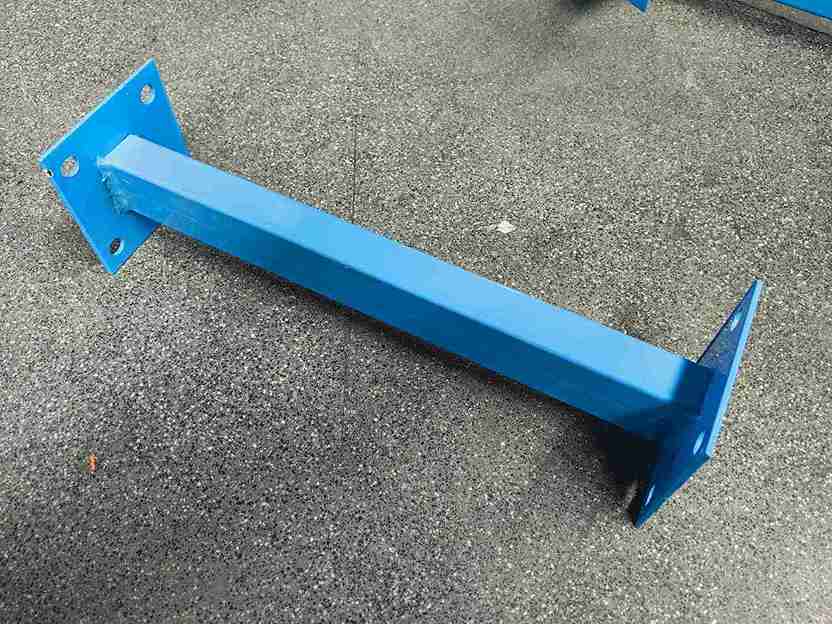
Specifically, many pallet support bars had become detached from beams, with some at immediate risk of falling completely. Compounding this problem, ninety percent of the screws securing support bars were missing entirely. This situation, discovered during routine inspection, represented a significant safety hazard that could have resulted in falling components, potential injury, and all the legal implications that follow such incidents .
This case powerfully demonstrates why thorough beam racking maintenance tips must include attention to every component, no matter how minor it seems. A few minutes spent properly installing or maintaining support bars could prevent the shame and consequences of a completely avoidable injury.
Structural Integrity: Advanced Beam Racking Maintenance Tips for Uprights and Frames
The Load-Bearing Backbone of Automated Warehouses
Uprights form the vertical skeleton of any racking system, carrying compressive loads from multiple beam levels while resisting bending moments from off-center loads and potential impacts. In automated warehouses, upright condition becomes doubly important because these components also serve as visual references for AGV navigation systems. When uprights lean, twist, or sustain damage, they confuse both the structural load path and the machine vision systems that rely on consistent geometry .
Damage Classification and Required Responses
Industry standards provide tested methodologies for classifying rack damage and determining appropriate responses. The European standard EN 15635, widely adopted as global best practice, uses a traffic light system that every maintenance team should understand and apply .
Green Category Damage: Minor imperfections that do not compromise structural integrity or load capacity. Examples include superficial scratches, minor cosmetic dents that do not affect cross-section, or surface rust that has not progressed to section loss. When inspections identify green damage, the appropriate response is documentation and continued monitoring through established inspection frequencies .
Amber Category Damage: More serious conditions requiring planned intervention. These findings indicate damage significant enough to potentially affect structural performance but not so severe as to demand immediate unloading. Examples include moderately bent upright flanges, beams with deflection approaching allowable limits, or connections showing wear that may eventually compromise safety .
The protocol for amber damage is clear and mandatory: the affected bay must be marked to prevent reloading once emptied during normal operations. If the bay cannot be unloaded within four weeks, it must be emptied immediately regardless of operational impact. This time limit recognizes that damage, once identified, may progress and that indefinite postponement creates unacceptable risk .
Red Category Damage: The highest level of concern, requiring immediate emergency response. These findings indicate conditions where structural failure is imminent or load capacity critically compromised. Examples include severely bent uprights with visible flange distortion, beams partially disengaged from end connectors, cracked welds, or missing anchor bolts .
When red damage is discovered during any inspection, the affected area must be evacuated and unloaded immediately. No pallets may remain on damaged components. No personnel may work in the vicinity until the situation is assessed and controlled. The damaged components must be isolated and scheduled for replacement before any reloading occurs .
Real-World Consequences of Inadequate Maintenance
Statistics consistently demonstrate that approximately eighty-five percent of racking failures trace back to undetected damage, most commonly from forklift impacts that went unreported and unrepaired . This sobering figure underscores why beam racking maintenance tips cannot be treated as optional considerations but must function as core operational disciplines.
Consider the cost calculation facing any warehouse operation: unplanned downtime averages tens of thousands of dollars per hour in lost productivity. When racking failure occurs, the affected area must be immediately quarantined, halting all operations in that zone. Adjacent bays may require unloading to prevent chain-reaction collapses. Investigations consume management time. Repair or replacement costs mount. Customer orders face delays. Insurance premiums rise .
All of these consequences trace back to inadequate maintenance that allowed damage to progress unnoticed. Conversely, facilities that maintain appropriate inspection frequencies report significantly lower total cost of ownership for their storage equipment. Catching minor beam damage early enables targeted repairs rather than full bay replacements. Identifying loose floor fixings before they cause plumbness issues prevents progressive structural degradation .
The Floor-Rack Interface: Foundational Beam Racking Maintenance Tips
Why Floor Condition Determines Automation Success
The interface between warehouse floor and racking system represents a critical junction that directly impacts both structural integrity and AGV performance. In automated facilities, floor condition becomes even more important because AGVs require smooth, level surfaces with high flatness to navigate accurately, while rack uprights anchored to the same floor transmit their positional stability through this foundation .
When floors settle, crack, or spall near rack bases, several problems cascade simultaneously. The rack structure may shift slightly, altering the precise coordinates that AGVs rely upon for navigation. Anchor bolts may loosen or lose their grip in compromised concrete. The rack’s load distribution may change, potentially overstressing some components while underutilizing others .
Floor Inspection and Maintenance Protocols
Effective beam racking maintenance tips must include systematic floor assessment as an integral component. During monthly inspections, examine conditions around every base plate:
Crack Assessment: Look for new or expanding cracks in concrete near rack bases. Measure crack width and monitor progression over time. Cracks exceeding specified widths may indicate foundation movement requiring engineering evaluation .
Spalling Detection: Identify areas where concrete surface has flaked or broken away, potentially compromising anchor holding capacity. Spalling near base plates often results from repetitive impact, corrosion of embedded steel, or freeze-thaw cycles in appropriate climates .
Flatness Verification: Use straightedges or digital levels to check floor flatness along AGV travel paths, particularly near rack entry points where vehicles transition from open aisle to precise positioning. Even minor flatness deviations can accumulate over distance, causing navigation errors that appear as rack misalignment .
Joint Maintenance: Examine expansion joints and saw-cut control joints for deterioration. Worn joints with raised edges can cause significant vibration or course deviations for small-wheeled AGVs. Joints should be kept clean and filled with suitable flexible material to provide smooth, continuous surfaces for vehicle travel .
Anchor Bolt Integrity
Anchor bolts provide the critical connection between rack structure and floor foundation. Loose, corroded, or missing anchors allow rack movement that destroys the positional accuracy required for AGV operations.
During inspections, verify anchor bolt presence and torque at all base plates. Use torque wrenches to test a representative sample, comparing measurements against manufacturer specifications. Look for signs of corrosion that might indicate chemical attack or moisture exposure requiring remediation .
When anchors are found loose, they must be retightened to specified torque values. If bolts cannot maintain proper torque, the concrete may be compromised, requiring more extensive investigation and potentially professional repair using epoxy anchors or other specialized techniques .
The Dangers of Unauthorized Modifications and Repairs
Why Professional Expertise Matters
One of the most critical beam racking maintenance tips concerns not what to do but who should do it. Racking systems are carefully engineered structures manufactured to minimize steel usage while meeting stringent design codes. Fully loaded, they represent highly stressed pieces of engineering that cannot tolerate unauthorized modifications or unqualified repairs .
Yet a typical scenario plays out all too frequently across warehouses worldwide. Facility operators need minor modifications or repairs—moving beam levels, replacing damaged components, adding new storage locations. The work seems simple, not worthy of engaging established suppliers. Someone knows someone who can do it cheaper. What could possibly go wrong?
The answer, frighteningly, is quite a lot.
Common Modification Errors That Compromise Safety
When unqualified personnel modify racking systems, several dangerous errors commonly occur:
Upright Substitution: A damaged upright gets replaced with a lesser-duty component that may look similar but cannot carry the required loads. Some upright differences are visually obvious, but many are not. The same substitution risk applies to beams .
Unauthorized Beam Repositioning: Beam levels get moved without design load sign-off from suppliers who have access to manufacturer technical data. The racking system’s structural calculations assume specific load distributions. Changing beam elevations alters these distributions in ways that may exceed component capacities .
Improper Floor Fixing: A foot gets single-bolted when specifications require double bolting. The wrong floor bolt—cheaper, lower grade—gets used instead of specified fasteners. These shortcuts compromise the connection between rack and foundation .
Incorrect Safety Clips: The wrong beam locking clips are installed, or worse, none at all. These small components serve critical safety functions, and substituting incorrect versions invites failure .
Improper Splice Repairs: A replacement upright gets spliced where it shouldn’t, creating a weak point that would not exist in proper construction .
The Hidden Weak Link
These modifications create what industry experts call the “weakest link”—a compromised component that may perform adequately under normal conditions but fails when stressed. The frightening reality is that customers most often remain blissfully unaware that their system now contains these hidden dangers .
Thankfully, relatively few such installations end in catastrophic failure. However, qualified inspectors fix near-misses all too often. Companies that should know better, and can afford better, continue using substandard repair resources because they don’t understand the risks. People can get very badly hurt by the weakest link .
This reality underscores why beam racking maintenance tips must emphasize working with qualified professionals—SEMA distributors in the UK, RMI-certified inspectors in North America, or equivalent certified providers in other regions. The small premium paid for qualified work represents inexpensive insurance against catastrophic failure.
Predictive Maintenance: The Future of Beam Racking Maintenance Tips
Moving from Scheduled to Predictive Approaches
Traditional beam racking maintenance tips have focused on scheduled inspections at fixed intervals—daily, weekly, monthly, annually. While this approach remains essential, emerging technologies enable a more sophisticated paradigm: predictive maintenance that identifies potential failures before they occur .
The concept draws on the realization that high-level racking systems are not simply stacks of metal structures but meticulously engineered systems deserving of the same monitoring applied to other critical assets. From load-bearing capacity of upright posts to span design of beams and precise load distribution across shelf panels, every detail impacts stable operation. Particularly in high-throughput industries where storage density is high and goods frequently accessed, racks often operate at full capacity for extended periods .
Digital Twin Technology for Racking Systems
Digital twin technology creates highly realistic digital replicas of physical racking systems, enabling real-time monitoring and predictive analytics. Sensors strategically placed at critical points across the structure act like sensitive nerve endings, continuously collecting data on vibration frequencies, stress changes, temperature, and humidity. This data transmits instantly to cloud-based platforms, enabling digital models to update in real time and accurately reflect actual operating conditions .
Whether subtle daily movements or unusual deformation patterns, everything can be precisely captured and monitored within the virtual environment. This continuous surveillance transforms maintenance from reactive or even scheduled proactive approaches to truly predictive strategies .
From Treating Existing Illnesses to Preventing Future Ones
With digital twin empowerment, maintenance strategies achieve qualitative leaps. Traditional manual inspections often detect only surface damage that has already become visible. Now, systems can leverage historical data and advanced machine learning models to predict potential risks in advance .
Consider a typical scenario: a particular upright experiences slight displacement over time due to prolonged compression—changes so subtle they’re initially invisible to the naked eye. Yet the digital twin, comparing stress curves against normal conditions, issues early warning several weeks before problems become visible. Armed with this insight, maintenance teams develop targeted solutions, scheduling minimally invasive repairs during off-peak hours .
This approach prevents large-scale dismantling that could disrupt operations while nipping potential issues in the bud before escalation. Such smart maintenance—knowing exactly when to act—significantly reduces unplanned downtime while ensuring racks remain in optimal condition .
Tangible Economic Benefits
The value of predictive maintenance extends far beyond safety assurance. Statistics indicate that implementing this strategy can reduce maintenance costs by approximately thirty percent and extend equipment lifespans by more than twenty percent .
More importantly, predictive approaches move away from rigid one-size-fits-all maintenance schedules, instead dynamically adjusting plans based on actual wear of each individual rack component. Components that haven’t reached fatigue thresholds don’t need premature replacement, significantly cutting spare parts expenses. Meanwhile, parts nearing end of useful life receive prioritized alerts, preventing minor issues from escalating into major failures .
This refined management approach ensures every maintenance investment delivers tangible, real-world benefits—a compelling advantage in competitive logistics markets across Southeast Asia, Latin America, Africa, and the Middle East.
Developing a Comprehensive Beam Racking Maintenance Schedule
The Cost of Reactive Versus Preventive Approaches
When facilities lack comprehensive beam racking maintenance tips programs, they default to reactive postures. This means addressing damage only after discovery—often following near-misses or minor collapses. The costs associated with reactive approaches exponentially exceed proactive maintenance .
Unplanned emergency repairs require rush shipping for replacement parts, overtime labor for immediate fixes, and complete shutdown of affected aisles. This unplanned downtime directly erodes bottom lines. Data indicates that reactive repairs cost approximately thirty dollars per pallet position annually, compared to just eight dollars for preventive programs—a nearly fourfold difference .
Customizing Schedules for Operational Intensity
A one-size-fits-all maintenance schedule fails in high-growth markets where operational intensity varies dramatically. Facilities with fifty or more forklift movements per hour require daily checks, while low-traffic operations may suffice with weekly inspections .
High-traffic zones like receiving and shipping areas need more frequent attention than low-traffic storage zones. Facilities with high operator turnover rates require tighter inspection intervals to compensate for higher probability of human error. Understanding these variables enables development of truly effective, customized maintenance schedules .
Environmental Factors Demanding Schedule Adjustment
Environmental variability demands schedule customization. Consider the difference between a logistics hub in Cartagena, Colombia, exposed to saline coastal air, and a distribution center in Dubai’s arid climate. Corrosion rates on steel components in Cartagena accelerate significantly. A standard annual inspection might miss rapid rust progression compromising structural integrity between visits .
For coastal facilities, maintenance schedules must include semi-annual detailed inspections focused on corrosion, using tools like ultrasonic thickness testers to measure unseen material loss. Humidity levels above sixty percent accelerate corrosion dramatically, potentially increasing maintenance costs by twenty to forty percent. Facilities in tropical regions face this challenge year-round, making corrosion monitoring non-negotiable .
Integration with Computerized Maintenance Management Systems
Effective maintenance schedules should be managed through Computerized Maintenance Management Systems (CMMS) that track work orders, record inspection data, and schedule future tasks. These systems enable automated alerts when inspections approach due dates, ensuring nothing falls through cracks .
CMMS platforms also facilitate documentation retention, creating historical records that prove compliance and enable trend analysis. When inspectors can access years of inspection data, they identify patterns invisible in isolated snapshots—progressive deterioration that demands intervention before failure .
Training and Culture: The Human Element in Beam Racking Maintenance Tips
Developing Competent Internal Resources
No beam racking maintenance tips program succeeds without competent people implementing it. Every automated warehouse should designate a person responsible for racking safety (PRRS) with appropriate training and authority. This individual coordinates inspection activities, maintains documentation, investigates reported concerns, and serves as the primary contact for external inspectors .
The PRRS requires training beyond basic observation—understanding damage classification systems, proper use of inspection tools, manufacturer specifications for their specific racking types, and applicable regulatory requirements. Organizations like SEMA offer specialized training programs that develop this expertise .
Empowering All Personnel
Beyond the designated PRRS, every person working in or around automated aisles should understand basic beam racking maintenance tips relevant to their role. Forklift operators need to recognize reportable damage and understand reporting procedures. Maintenance technicians need to understand how their work on other systems might affect rack integrity. Supervisors need to understand why inspection time must be protected from operational pressures .
This broad awareness creates a safety culture where everyone watches for everyone else. When workers understand that their observations protect colleagues they may never meet—workers on other shifts, maintenance personnel entering areas after hours—they engage more fully in maintaining vigilance.
The Role of External Expertise
Even the strongest internal program benefits from periodic external perspective. Annual inspections by qualified professionals bring fresh eyes, unbiased by daily familiarity with the facility. Certified inspectors possess specialized knowledge of failure modes, damage classification, and emerging best practices that internal staff may lack .
These professionals apply standardized methodologies—typically the traffic light system described earlier—that provide clear guidance on required actions. Their reports create legally defensible records demonstrating regulatory compliance while identifying issues internal teams may have missed .
Conclusion: Making Beam Racking Maintenance Tips Your Competitive Advantage
The journey toward warehouse automation represents one of the most significant investments any logistics operation can make. Yet that investment’s return depends entirely on the foundation upon which automation rests—the beam racking systems that store every product, define every aisle, and provide the physical framework within which AGVs and autonomous forklifts operate.
The beam racking maintenance tips shared throughout this guide represent accumulated wisdom from thousands of facilities across Southeast Asia, the Middle East, Africa, and Latin America. They reflect understanding that in automated warehouses, maintenance transcends traditional safety concerns to become a productivity imperative. When racks remain precisely aligned, when connectors remain fully engaged, when floors remain level and anchors remain tight, automated equipment performs as designed. When any element degrades, performance suffers and risks multiply.
Facilities that embrace comprehensive beam racking maintenance tips programs report significantly lower total ownership costs for their storage equipment. They experience fewer unplanned stops, longer equipment life, and higher return on automation investments. They protect workers from injury, inventory from damage, and operations from disruption. They transform maintenance from cost center to competitive advantage.
The choice facing warehouse operators across emerging markets is clear. One path leads to reactive firefighting—addressing problems after they disrupt operations, accepting the costs of unplanned downtime, hoping that luck prevents catastrophe. The other path leads to proactive excellence—implementing the beam racking maintenance tips that prevent problems before they occur, creating environments where automation thrives, and building operations that outperform competitors year after year.
The beam racking maintenance tips needed to choose the second path exist. They are proven, practical, and within reach of any facility willing to prioritize them. The question is not whether these tips work—they have worked for decades across thousands of successful operations. The question is whether your facility will join those that have made them standard practice.
Frequently Asked Questions
1. How do humidity and coastal environments affect beam racking maintenance requirements?
Humidity levels above sixty percent accelerate corrosion dramatically, potentially increasing maintenance costs by twenty to forty percent. Facilities in tropical regions or coastal areas with saline air require more frequent inspections focused on corrosion detection, using tools like ultrasonic thickness testers to measure unseen material loss. Anti-corrosion coatings can slow rust progression by seventy-five percent, representing a smart investment for facilities in these challenging environments .
2. Can different types of automated equipment require different rack maintenance approaches?
Yes, significantly. AGVs using laser guidance require different rack considerations than those using vision-based navigation. Laser-guided systems depend on reflective targets mounted at specific rack locations—if these targets become misaligned due to rack movement, the vehicles lose navigation reference. Vision-guided systems require consistent rack geometry and may be confused by highly reflective surfaces or complex column profiles. Understanding your specific equipment’s navigation technology should inform your maintenance priorities .
3. What is the relationship between rack age and required inspection frequency?
Older racking systems that have been reconfigured multiple times have lower tolerance for new damage due to accumulated fatigue. The custom maintenance schedule for such systems must be more vigilant, with expert-level audits potentially occurring semi-annually rather than annually. Older steel racks degrade faster and require closer monitoring, particularly at connection points and areas with previous damage history .
4. How should seismic considerations affect beam racking maintenance in automated facilities?
Facilities in seismically active zones require thirty to fifty percent more frequent inspections, increasing annual maintenance costs by twenty to thirty-five percent. Seismic forces can compromise connections without causing visible bending, making detailed connector inspections essential. Additionally, any seismic event should trigger an immediate inspection of affected areas, as even minor earthquakes can create hidden damage that only professional assessment can detect .
5. What role do beam protectors and column guards play in maintenance programs?
Column protectors costing approximately two hundred dollars per unit can reduce impact damage by forty-five percent. These protective devices absorb collision energy that would otherwise damage rack structure. Well-protected systems may have slightly longer intervals between deep-dive inspections, though daily vigilance remains essential. Importantly, protectors themselves require inspection—damaged guards indicate impacts occurred and should trigger examination of the protected column beneath .
If you require perfect CAD drawings and quotes for warehouse racking, please contact us. We can provide you with free warehouse racking planning and design services and quotes. Our email address is: jili@geelyracks.com