📐 "First 50 Enterprise Queries Get Custom 3D Warehouse Design" Plan
















Structured Beam Racking Financing Options for Large-Scale Warehouses: Tailored Payment Plans for Emerging Markets
For warehouse owners and logistics operators across emerging markets in Southeast Asia, the Middle East, Africa, and Latin America, securing structured beam racking financing options represents the critical difference between stalled growth and scalable operations. Large-scale warehouse projects require substantial capital investment in storage infrastructure, often running into hundreds of thousands of dollars for comprehensive beam racking systems, automated guided vehicles (AGVs), and conveying equipment.
This comprehensive guide explores how tailored payment plans and innovative financing structures enable businesses in high-growth regions to acquire premium warehouse equipment without depleting working capital. Readers will discover the full spectrum of beam racking financing options including equipment loans, Islamic finance-compliant leasing, vendor financing programs, multilateral development bank partnerships, and blended finance approaches specifically designed for emerging market conditions.
Drawing on industry expertise and real-world case studies from Indonesia, Nigeria, Kazakhstan, and beyond, this resource provides warehouse operators, logistics directors, and financial controllers with actionable strategies to structure beam racking financing that aligns with local currency cash flows, seasonal revenue patterns, and long-term expansion goals while navigating the unique regulatory and economic landscapes of developing economies. The right beam racking financing options transform expensive infrastructure investments into manageable operational expenses, enabling businesses to compete effectively in increasingly sophisticated global supply chains.

Understanding the Critical Role of Beam Racking in Modern Warehouse Operations
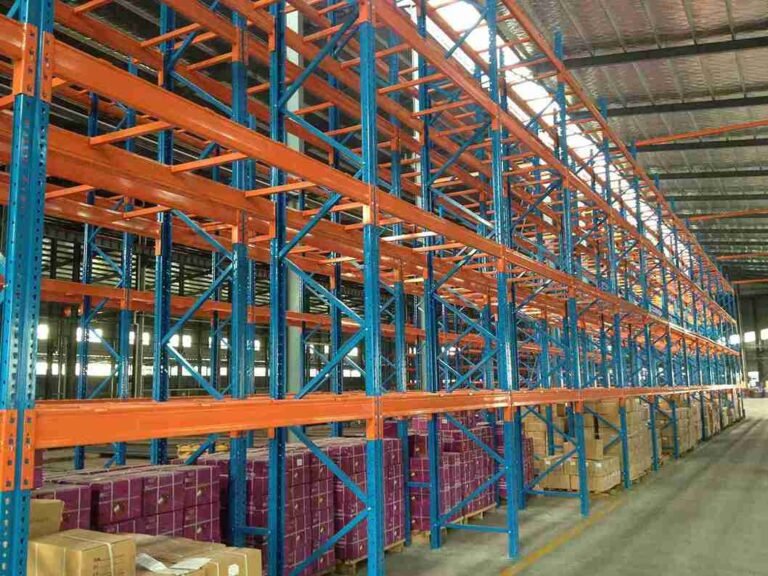
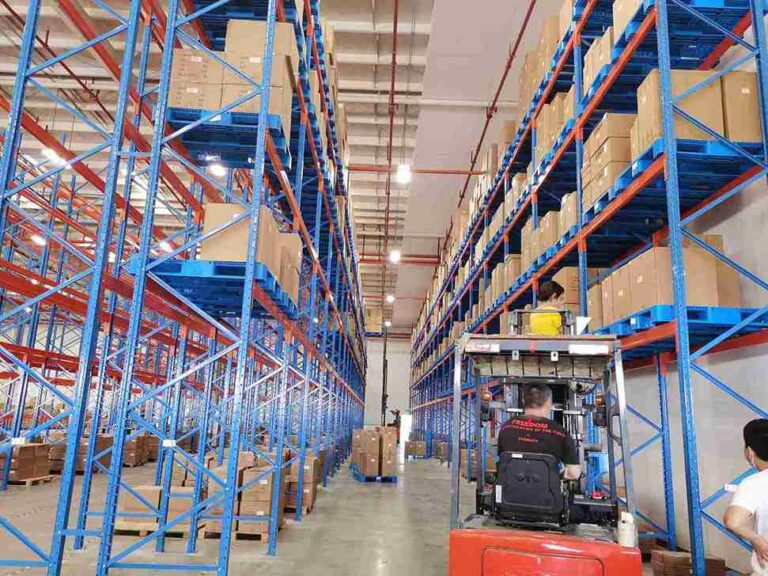
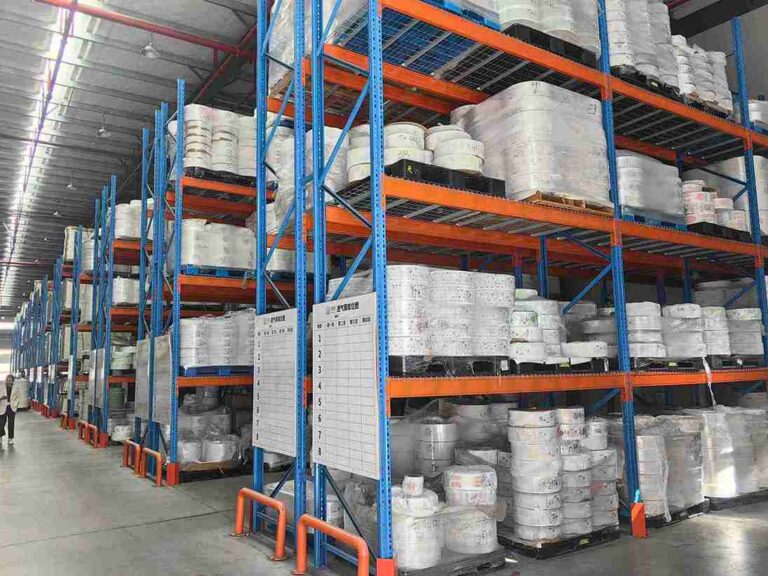
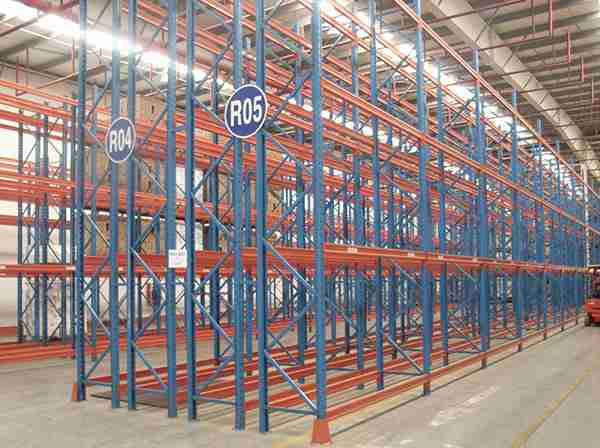
Beam racking systems, also known as pallet racking, form the structural backbone of efficient warehouse operations worldwide. These modular storage solutions consist of vertical upright frames connected by horizontal load beams, creating adjustable storage levels that maximize vertical space utilization while providing direct access to every pallet. For large-scale warehouses handling high-volume inventory across industries—from automotive parts distribution in Bangkok to cold storage facilities in Nairobi—the quality, configuration, and scalability of beam racking directly impacts operational throughput, labor efficiency, and ultimate profitability. Understanding the available beam racking financing options becomes essential when organizations recognize that proper storage infrastructure is not merely an expense but a strategic investment in operational capability.
The strategic importance of warehouse storage infrastructure cannot be overstated in emerging market contexts. As supply chains become increasingly sophisticated across Southeast Asia’s manufacturing hubs, the Middle East’s logistics corridors, Africa’s growing consumer markets, and Latin America’s agricultural export zones, the demand for professional-grade beam racking has surged. Modern warehouses require systems capable of supporting heavier loads, accommodating taller storage heights, and integrating seamlessly with automated material handling equipment including AGVs, autonomous forklifts, and conveyor networks. The exploration of beam racking financing options should begin with a clear understanding of how this infrastructure enables broader business objectives and competitive positioning.
However, the capital expenditure required for comprehensive beam racking installation presents significant challenges for growing enterprises. A typical large-scale warehouse conversion might require $150,000 to $500,000 or more for complete racking systems, depending on square footage, load capacity requirements, and integration with automation equipment. For businesses operating in regions with higher interest rates, currency volatility, or limited access to traditional banking infrastructure, assembling this capital upfront can delay expansion plans by months or years. This is where structured beam racking financing options become essential tools for operational growth, allowing businesses to deploy world-class infrastructure while preserving working capital for day-to-day operations and strategic initiatives.
The true value proposition of beam racking extends far beyond simple storage. Modern systems deliver measurable operational improvements including 30-40% better space utilization compared to floor storage, 15-25% reductions in picking labor through organized slotting, and significant decreases in product damage through proper storage configurations. When integrated with automation technologies like AGVs for material transport or conveyor systems for sortation, professionally installed beam racking becomes the foundation for comprehensive warehouse modernization that drives competitive advantage in rapidly developing markets. Evaluating beam racking financing options requires weighing these operational benefits against the cost of capital to determine optimal investment timing and structure.
Why Traditional Financing Falls Short in Emerging Markets
Before exploring specialized beam racking financing options, it is essential to understand why conventional equipment financing models often fail to meet the needs of warehouse operators in Southeast Asia, the Middle East, Africa, and Latin America. The global trade finance gap currently stands at an estimated $2.5 trillion, with emerging market enterprises bearing the brunt of this financing shortfall according to the International Finance Corporation . Traditional banks and lending institutions frequently categorize businesses in developing economies as higher-risk borrowers due to limited credit histories, insufficient conventional collateral, or weaker balance sheets. This reality makes creative beam racking financing options not just convenient but essential for growth-oriented warehouse operators.
Several region-specific challenges compound these financing difficulties. Currency volatility represents a primary concern for international lenders, as many emerging market economies experience significant exchange rate fluctuations that can affect borrowers’ ability to service US dollar-denominated debt. A warehouse operator in Nigeria generating revenue in naira faces substantial risk when committing to loan payments tied to dollar exchange rates, particularly during periods of currency depreciation. Smart beam racking financing options must account for this currency risk, either through local currency lending or through structures that build in exchange rate buffers.
Interest rate environments across emerging markets also present obstacles. While developed economies may offer equipment financing at 4-8% annual percentage rates, comparable financing in parts of Africa, Latin America, or Southeast Asia can carry rates of 15-25% or higher when available through traditional banking channels. These elevated costs can render equipment financing economically unviable, particularly for capital-intensive investments like comprehensive beam racking systems. However, specialized beam racking financing options from development finance institutions or vendor financing programs can sometimes offer more favorable terms than local commercial banks.
Collateral requirements imposed by conventional lenders often exclude the very equipment being financed. Many banks require real estate or other fixed assets as security, assets that growing warehouse operations may not possess. This creates a paradox where businesses cannot obtain financing to acquire equipment because they lack the collateral that the equipment itself would provide—a challenge that specialized equipment financing programs are specifically designed to address. The most effective beam racking financing options recognize the financed equipment as primary collateral, eliminating this circular problem.
Regulatory and legal frameworks in some emerging markets add additional complexity. Incomplete or inconsistently enforced secured transaction laws can make lenders reluctant to extend financing against movable assets like warehouse racking. However, positive developments are occurring across regions, with countries like Kenya implementing electronic warehouse receipt systems that enable commodity-backed lending and improve access to finance for agricultural storage operations . These innovations are expanding the range of viable beam racking financing options available to warehouse operators.
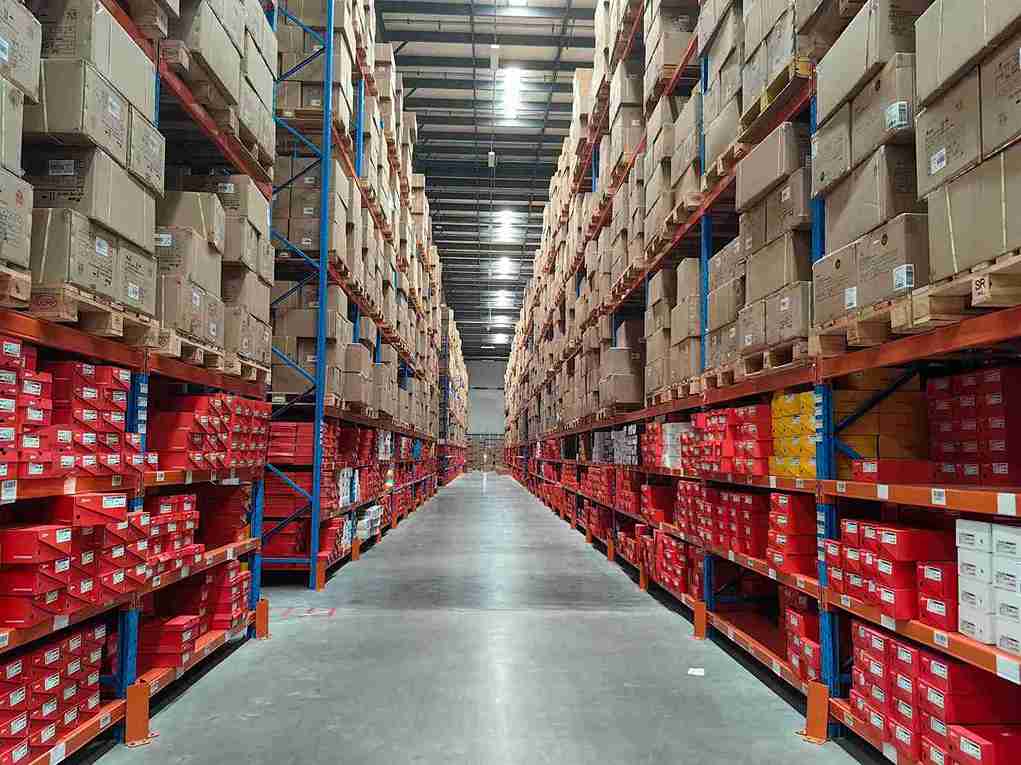
Comprehensive Beam Racking Financing Options for Large-Scale Warehouses
Equipment Term Loans: The Foundation of Warehouse Financing
Equipment term loans represent the most straightforward and widely available beam racking financing option for creditworthy warehouse operators across emerging markets. These loans provide a lump sum payment to equipment suppliers, which borrowers repay over fixed terms typically ranging from three to seven years with predetermined interest rates. The equipment itself serves as primary collateral, reducing the need for additional asset pledges and streamlining the approval process for qualified businesses. When comparing beam racking financing options, term loans offer the clearest path to eventual ownership.
For large-scale warehouse projects involving substantial beam racking installations, equipment term loans offer several distinct advantages. Fixed interest rates provide payment predictability essential for financial planning, particularly important when operating in volatile currency environments. Ownership transfer occurs immediately or upon final payment, allowing businesses to build equity in physical assets that retain value and can serve as collateral for future expansion financing. Tax benefits in many jurisdictions include depreciation deductions and potential Section 179-style expensing that can significantly reduce effective after-tax costs. These characteristics make term loans attractive beam racking financing options for businesses with stable cash flow and long-term facility plans.
Leading equipment financing providers structure term loans specifically for warehouse infrastructure, recognizing that beam racking represents a long-term asset with useful lives often exceeding ten years. Repayment terms extending to eighty-four months are available for well-qualified borrowers, matching payment streams to the productive life of installed racking systems. Interest rates for prime borrowers in emerging markets typically range from 8-15% depending on local economic conditions, borrower credit strength, and whether financing is provided in local currency or US dollars. Exploring multiple beam racking financing options sources ensures competitive pricing.
When evaluating equipment term loan applications, lenders focus on several key factors. Time in business and operational history demonstrate management capability and business stability. Cash flow coverage analysis ensures that projected equipment benefits will generate sufficient margin to service debt payments. Equipment quality and supplier reputation matter, with engineer-stamped drawings and professional installation quotes strengthening applications. For newer enterprises, personal guarantees from principals or letters of intent from major customers can supplement limited business credit history. Understanding these evaluation criteria helps warehouse operators prepare compelling applications for preferred beam racking financing options.
Equipment Leasing: Maximizing Flexibility for Growing Operations
Equipment leasing has emerged as a preferred beam racking financing option for warehouse operators prioritizing flexibility and capital preservation. Unlike loans that transfer ownership immediately, leases provide use of equipment for specified periods in exchange for regular payments, with various end-of-term options including purchase, return, or equipment upgrade. This structure proves particularly valuable for businesses in rapidly evolving industries where storage requirements may change significantly within a few years. As noted by financing experts at DLL, leasing allows companies to realize large automation investments without high initial capital commitment .
Fair Market Value leases offer the lowest monthly payments by basing the lease on the equipment’s projected residual value at term end. At lease conclusion, lessees can purchase equipment at fair market value, renew the lease, or return equipment and upgrade to newer systems. This option suits warehouses anticipating significant operational changes or those wanting to preserve maximum flexibility. Monthly payments typically run 15-30% lower than loan payments for equivalent equipment, freeing capital for other growth initiatives. For warehouse operators weighing different beam racking financing options, FMV leases provide maximum flexibility at minimum monthly cost.
$1.00 Option Leases function similarly to financed purchases for accounting purposes, with fixed payments structured to transfer ownership at term end for a nominal fee. While monthly payments run higher than FMV leases, total cost over the equipment’s life may be lower for businesses planning long-term equipment retention. This structure appeals to warehouse operators with stable, predictable storage requirements and clear long-term facility plans. Understanding the distinction between these beam racking financing options helps match lease structure to business objectives.
Seasonal lease structures address a critical need for businesses with uneven revenue patterns—a common characteristic across emerging market sectors including agriculture, tourism-linked logistics, and retail distribution. Seasonal leases adjust payment amounts throughout the year to match cash flow, with lower payments during off-peak months and higher payments during revenue-rich periods. Some programs even allow payment skips during slow months, requiring only nominal “touch payments” to maintain good standing. These flexible beam racking financing options recognize the reality that warehouse revenue rarely flows evenly throughout the calendar year.
Step leases provide another cash flow alignment tool, starting with lower payments that gradually increase over the lease term. This structure benefits warehouses expecting progressive revenue growth as operations scale or as new beam racking systems enable expanded customer capacity. Step leases allow businesses to acquire optimal equipment configurations immediately while payment obligations remain manageable during initial ramp-up periods. Financial experts emphasize that involving financing early in the automation process enables better matching of beam racking financing options to projected business trajectories .
Vendor Financing Programs: Streamlined Solutions from Equipment Suppliers
Vendor financing programs offered by beam racking manufacturers and comprehensive warehouse solution providers represent increasingly attractive financing options for emerging market buyers. These programs leverage suppliers’ industry expertise and equipment knowledge to structure financing that traditional lenders may not understand or accommodate. For warehouse operators purchasing integrated systems combining beam racking with AGVs, conveyors, and sortation equipment, vendor financing can simplify what might otherwise require multiple financing relationships. The partnership between Mitsubishi Logisnext Americas and DLL exemplifies how manufacturers are creating comprehensive financial solutions for customers .
The advantages of vendor financing extend beyond convenience. Streamlined approval processes often deliver decisions within 24-72 hours, compared to weeks for traditional bank financing. Competitive rates frequently undercut general equipment financing because suppliers use financing as a sales tool and may absorb some interest costs to close larger transactions. Bundled service contracts can be incorporated into financing agreements, wrapping installation, maintenance, and training costs into single monthly payments. These bundled beam racking financing options reduce administrative burden while ensuring comprehensive coverage.
For large-scale warehouse projects involving multiple equipment categories, vendor financing programs can structure master lease agreements that cover current installations while providing pre-approved capacity for future expansions. This proves particularly valuable for phased warehouse build-outs common in emerging markets, where operators may install initial beam racking capacity, prove operational models, and then expand with automated systems as volumes justify investment. Forward-thinking beam racking financing options anticipate this growth trajectory and build in expansion capacity.
Leading global equipment manufacturers have developed sophisticated vendor financing capabilities specifically targeting emerging market customers. Programs may include local currency financing options that reduce currency risk for borrowers, extended terms aligned with project development timelines, and technical assistance components that support proper equipment selection and installation. In Southeast Asia, for example, SDLG and Thailand’s TCC Group have established joint sales and financing operations specifically to serve regional customers with integrated equipment and financial solutions .
Multilateral Development Bank and Trade Finance Programs
Multilateral development banks and specialized trade finance institutions play increasingly important roles in making beam racking financing accessible to warehouse operators across emerging markets. Organizations including the International Finance Corporation (IFC), regional development banks, and national development finance institutions have established programs specifically designed to address the financing gaps that constrain private sector growth in developing economies. The IFC has supported more than $250 billion in trade over the past 20 years, much of it in low-income countries .
The IFC’s Global Trade Finance Program exemplifies how multilateral institutions facilitate equipment financing in challenging markets. By providing risk mitigation to participating banks, IFC extends and complements local financial institutions’ capacity to deliver trade financing in markets where traditional trade lines are constrained . This enables local banks to offer equipment financing they might otherwise be unable to provide, expanding access to capital for warehouse operators across Southeast Asia, Africa, and Latin America. For warehouse operators seeking beam racking financing options in higher-risk markets, multilateral programs often represent the most viable path.
Supply chain finance programs offered through development finance institutions provide another avenue for warehouse equipment acquisition. These programs finance suppliers engaged in transactions with domestic and international buyers, potentially including beam racking manufacturers and warehouse automation providers. For warehouse operators with strong relationships with creditworthy customers, supply chain finance can unlock working capital that supports facility expansion and equipment investment. The IFC’s Global Supply Chain Finance program specifically targets these opportunities .
Global Warehouse Finance Programs specifically target agricultural and commodity storage operations, providing working capital financing to producers and traders by leveraging commodities held in certified warehouses. While primarily focused on agricultural finance, these programs demonstrate how development finance institutions recognize warehouse infrastructure’s critical role in economic development. For warehouse operators serving agricultural supply chains, such programs may provide pathways to financing both warehouse facilities and the beam racking systems that maximize storage efficiency. Cameroon logistics firm Catramp’s pursuit of €7.5 million in IFC financing for regional warehouse expansion illustrates how development finance supports logistics infrastructure growth .
Private sector logistics leaders are also stepping into the financing gap. DP World Trade Finance has mobilized over $1 billion in working capital for emerging market enterprises through collaborations with more than 32 financial institutions globally. By merging trade finance with logistics capabilities, these programs provide businesses with both funding and real-time supply chain visibility, enabling lenders to make quicker, more informed decisions about financing warehouse infrastructure. These innovative beam racking financing options combine operational and financial expertise to accelerate warehouse development.
Islamic Finance Options for Middle East and Southeast Asian Markets
For warehouse operators in Muslim-majority markets across the Middle East and Southeast Asia, Sharia-compliant financing structures offer essential beam racking financing options that align with religious principles while meeting commercial equipment needs. Islamic finance prohibits interest-based lending, requiring alternative structures that provide equivalent functionality through different contractual mechanisms. The growing sophistication of Islamic financial institutions has created robust beam racking financing options for operators throughout these regions.
Ijarah financing represents the Islamic equivalent of equipment leasing, with the financial institution purchasing beam racking equipment and leasing it to the warehouse operator for specified periods. Ownership remains with the financing provider during the lease term, with lease payments representing rental for equipment use rather than interest on borrowed funds. At lease end, the lessee may purchase equipment through separate sale agreements or continue leasing. This structure ranks among the most popular beam racking financing options in Gulf Cooperation Council countries.
Murabaha financing involves the financial institution purchasing beam racking equipment and reselling it to the warehouse operator at a marked-up price payable in installments. The cost-plus-profit structure provides equivalent functionality to interest-based loans while complying with Sharia requirements that prohibit charging interest on money alone. This structure proves particularly useful for warehouse operators preferring eventual equipment ownership rather than long-term leasing arrangements. Understanding these specialized beam racking financing options enables operators to access capital while maintaining religious compliance.
Sukuk instruments may finance larger warehouse development projects, with investors providing capital in exchange for returns generated by underlying equipment or property leases. For major distribution center developments incorporating extensive beam racking systems, sukuk financing can aggregate capital from multiple investors while maintaining Sharia compliance. As Islamic finance continues evolving, new beam racking financing options are emerging that combine traditional compliance with modern commercial flexibility.
The availability of Islamic financing has expanded significantly across the Middle East and Southeast Asia, with specialized Islamic banks and Islamic windows within conventional financial institutions offering competitive equipment financing products. Warehouse operators in Malaysia, Indonesia, the Gulf Cooperation Council countries, and other Muslim-majority markets should specifically inquire about Sharia-compliant beam racking financing options when evaluating potential lenders.
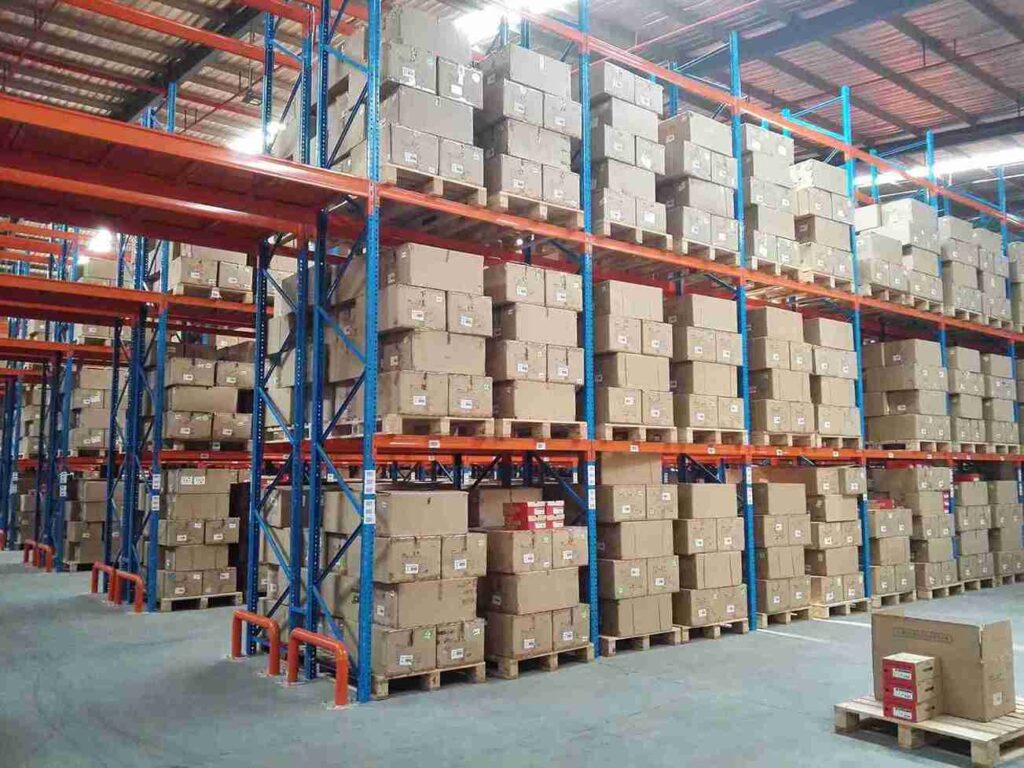
Tailored Payment Plans for Emerging Market Conditions
Structuring Payments Around Seasonal Revenue Patterns
Seasonal payment structures represent perhaps the most valuable customization available in beam racking financing for emerging market warehouse operators. Unlike developed economies with relatively stable month-to-month business activity, many emerging market enterprises experience pronounced revenue fluctuations tied to agricultural cycles, holiday shopping seasons, weather patterns affecting transportation, or commodity price movements. Creative beam racking financing options accommodate these fluctuations rather than imposing rigid payment schedules.
Professional equipment financiers with emerging market experience understand these patterns and offer payment structures designed to accommodate them. Seasonal payment schedules allocate lower payments during months when warehouse utilization and revenue typically decline, with higher payments scheduled during peak periods when cash flow runs strongest. A cold storage operator serving agricultural producers might structure lower payments between harvests, while an e-commerce fulfillment center would align higher payments with fourth-quarter peak shopping periods. These customized beam racking financing options ensure that debt service never overwhelms available cash flow.
Payment deferral options provide additional flexibility, allowing businesses to postpone payments for defined periods—typically 60-180 days—while equipment installation completes and operations ramp up. This proves particularly valuable for new warehouse facilities where beam racking installation must precede customer occupancy and revenue generation. Some programs offer structured deferrals where interest may accrue during deferral periods, while others provide true payment holidays as promotional incentives. Early-stage beam racking financing options with deferral features support businesses through the critical startup phase.
Seasonal skip programs take flexibility further by allowing borrowers to skip several consecutive payments annually, making only nominal “touch payments” to maintain loan or lease standing. For businesses with pronounced seasonal closures or dramatic revenue cycles, this structure ensures financing obligations never strain cash flow during inevitable slow periods. These innovative beam racking financing options recognize that warehouse revenue is rarely linear and build appropriate flexibility into payment structures.
Local Currency Financing for Currency Volatility Protection
Currency risk represents a significant concern for warehouse operators in emerging markets considering beam racking financing options denominated in US dollars, euros, or other foreign currencies. When local currencies depreciate against financing currencies, payment obligations in local currency terms can increase dramatically, potentially overwhelming businesses’ ability to service debt. Prudent selection among beam racking financing options requires careful attention to currency denomination.
Local currency financing addresses this risk by denominating loans and leases in borrowers’ domestic currencies. While interest rates on local currency financing may exceed those available in major currencies—reflecting local monetary policy and inflation expectations—the elimination of currency mismatch risk often justifies higher rates. For warehouse operators generating revenue exclusively in local currencies, local currency financing aligns assets and liabilities, protecting against exchange rate shocks. These locally denominated beam racking financing options provide essential stability for businesses without foreign currency revenue streams.
Some international lenders have developed innovative structures for providing local currency financing in markets where they do not hold local currency deposits. Back-to-back arrangements with local financial institutions, currency swap programs, and risk participation agreements enable international financing providers to offer local currency beam racking financing options by partnering with local banks that hold currency and bear exchange risk. The partnership between HD Hyundai Site Solutions and KB Financial Group in Indonesia demonstrates how international equipment providers are developing local currency financing capabilities .
For warehouse operators unable to access local currency financing, natural hedging strategies may provide partial protection. Where possible, matching revenue currency to financing currency—for example, seeking dollar-denominated customers to service dollar-denominated equipment debt—reduces currency exposure. Similarly, maintaining foreign currency reserves during strong local currency periods can provide buffers for future payment obligations when exchange rates turn unfavorable. These complementary strategies enhance the effectiveness of core beam racking financing options.
Phased Financing for Multi-Stage Warehouse Development
Large-scale warehouse developments rarely occur as single, monolithic projects. More commonly, warehouse operators plan phased expansions that add capacity as business grows, proving operational models before committing fully to major capital investments. Phased financing structures support this approach by providing committed capital that draws down as project phases commence, avoiding interest costs on unused funds while ensuring financing availability when needed. These flexible beam racking financing options match capital deployment to actual business development.
Equipment lines of credit offer revolving financing facilities specifically designed for staged equipment installations. Warehouse operators obtain credit limits based on overall project scope and financial strength, then draw funds as each phase of beam racking installation proceeds. This structure eliminates repeated loan applications for each expansion phase while ensuring financing terms remain consistent throughout multi-year development programs. For warehouse operators planning significant growth, these beam racking financing options provide committed capacity without immediate interest costs.
Master lease agreements provide similar functionality for leased equipment, establishing umbrella lease terms under which multiple equipment schedules can be added over time. As warehouse operations expand and additional beam racking capacity becomes necessary, new schedules attach to the master agreement with pre-negotiated terms, streamlining documentation and approval processes. These scalable beam racking financing options reduce transaction costs while supporting incremental growth.
For warehouse operators pursuing comprehensive automation integration, phased financing proves particularly valuable. Initial phases might establish core beam racking infrastructure with manual picking operations. Subsequent phases could add conveyor systems connecting racking to packing areas. Later phases might introduce AGVs for automated material transport between storage and processing zones. Phased financing matches capital deployment to each stage’s operational validation, reducing risk while maintaining expansion momentum. Thoughtful sequencing of beam racking financing options supports measured, successful automation adoption.
Integrating Beam Racking Financing with Comprehensive Automation Solutions
Financing Bundled Equipment Packages
Modern warehouse operations increasingly combine beam racking systems with automated material handling equipment including AGVs, autonomous forklifts, conveyor networks, and sortation systems. While each equipment category serves distinct functions, their combined operation delivers warehouse efficiency that exceeds the sum of individual components. Bundled financing packages that cover comprehensive automation solutions offer significant advantages over piecemeal equipment financing, providing unified beam racking financing options that recognize operational interdependencies.
Single-point financing for integrated systems simplifies what could otherwise become complex capital structures. Rather than arranging separate loans or leases for racking, vehicles, conveyors, and control systems, warehouse operators can secure comprehensive financing options covering all components under unified terms. This approach ensures consistent interest rates, aligned repayment schedules, and simplified administration throughout the equipment portfolio. As DLL’s Guido Guiking explains in a recent podcast, financing partners can fund everything from racking to software, treating warehouse automation as an integrated whole rather than discrete components .
Vendor-coordinated financing proves particularly valuable for integrated projects, as beam racking manufacturers, automation suppliers, and control system providers may offer complementary financing programs. Warehouse operators can work with lead suppliers to coordinate financing across all project components, potentially accessing preferential rates available for larger transaction volumes. These collaborative beam racking financing options leverage supplier relationships to optimize overall financing costs.
Wrap financing structures go further by incorporating not only equipment costs but also installation, integration, training, and initial maintenance into single financing packages. For complex automation projects requiring significant professional services alongside equipment supply, wrap financing ensures all project costs benefit from consistent financing terms, avoiding cash calls during critical implementation phases. Comprehensive beam racking financing options recognize that successful automation requires more than hardware alone.
Financing AGV Integration with Beam Racking Systems
Automated guided vehicles represent a transformative technology for emerging market warehouses, automating material transport between beam racking storage locations and processing areas. However, AGV implementation requires careful coordination with racking layouts, including considerations for aisle widths, guidance systems, charging station placement, and control system integration. Financing packages that recognize these interdependencies support successful automation adoption, representing sophisticated beam racking financing options that address modern operational requirements.
Combined equipment financing covering both beam racking and AGV systems acknowledges their operational interdependence while simplifying capital structures. Rather than treating racking as passive infrastructure and AGVs as active equipment with separate financing, combined approaches recognize both as integrated system components with aligned useful lives. These holistic beam racking financing options support optimal system design without artificial financial boundaries.
Technology upgrade provisions within financing agreements address a particular concern for AGV implementation: rapid technological evolution. Unlike beam racking, which may remain functionally adequate for decades with proper maintenance, AGV technology continues advancing rapidly. Financing structures that include upgrade options, mid-term technology refreshes, or flexible end-of-term provisions accommodate this reality, allowing warehouse operators to maintain competitive automation capabilities without repeatedly refinancing underlying racking infrastructure. Forward-looking beam racking financing options anticipate and accommodate technological change.
Performance-based financing represents an emerging approach for AGV-integrated warehouses, with payment obligations tied to equipment performance metrics including uptime, throughput, or cost-per-move. For warehouse operators uncertain about automation benefits, performance-based structures align financing costs with realized value, reducing risk while encouraging suppliers to optimize system performance. As robotics-as-a-service and pay-per-pick models gain traction, these innovative beam racking financing options are becoming more widely available .
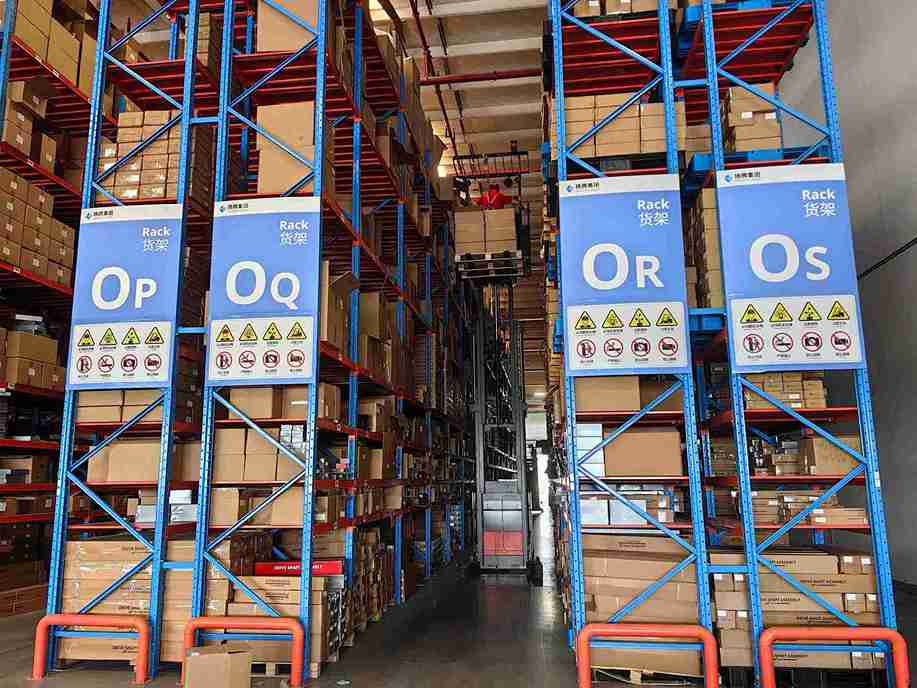
Real-World Success Stories: Beam Racking Financing in Action
Case Study: Regional E-commerce Distributor Expands Indonesian Fulfillment Operations
A rapidly growing e-commerce distributor serving the Indonesian archipelago faced critical capacity constraints at its Jakarta-area fulfillment center. Existing floor storage could not keep pace with surging order volumes, resulting in picking errors, delayed shipments, and mounting customer complaints. Management developed plans for comprehensive warehouse reorganization centered on high-density beam racking systems reaching 12 meters in height, combined with conveyor-assisted picking and expanded packing stations. Total project cost approached $450,000, requiring careful evaluation of beam racking financing options.
The company’s growth trajectory had consumed available working capital, making cash purchase impossible. Traditional bank financing proved elusive, with local lenders offering only short-term working capital loans at 22% interest rates—prohibitively expensive for long-term infrastructure investment. Working with specialized equipment financiers, the company structured a blended financing solution combining equipment term loans for beam racking with operating leases for conveyor systems, demonstrating how multiple beam racking financing options can work together.
The $280,000 beam racking installation qualified for five-year term financing at 11.5% in Indonesian rupiah, eliminating currency risk while matching payments to the equipment’s long useful life. Conveyor systems, more likely to require technology upgrades within three years, were structured as 36-month FMV leases with 15% lower monthly payments than loan alternatives. The combined financing preserved $450,000 in working capital while establishing monthly obligations well within projected cash flow from expanded fulfillment capacity. This creative combination of beam racking financing options optimized both cost and flexibility.
Results exceeded projections. New beam racking configurations increased storage capacity by 280% within existing square footage, while conveyor integration reduced average pick-pack-ship times by 40%. Within 18 months, expanded capacity supported 150% revenue growth, and the company exercised lease purchase options on conveyor systems as operations stabilized. The success validates the strategic value of appropriate beam racking financing options in supporting rapid business expansion.
Case Study: Agricultural Processor Modernizes Kenyan Storage Infrastructure
A Kenyan agricultural processor handling maize and beans from smallholder farmers across the Rift Valley region confronted severe post-harvest losses approaching 35% of stored volume. Traditional on-farm storage in inadequate facilities resulted in spoilage, pest damage, and quality deterioration that significantly reduced farmer incomes and limited the processor’s export potential. Management committed to constructing a centralized warehouse facility featuring professional beam racking systems, climate control, and inventory management technology, requiring specialized beam racking financing options for the agricultural sector.
Project financing presented multiple challenges. The processor’s balance sheet showed significant assets but limited liquidity, while local banks expressed reluctance to finance agricultural storage given perceived weather and price risks. However, Kenya’s recent implementation of the Electronic Warehouse Receipt System Central Registry created new financing pathways by enabling commodity-backed lending. These innovative beam racking financing options leverage stored commodities as collateral.
The processor obtained financing through a participating financial institution under Kenya’s warehouse receipt system, using commodities stored in certified warehouse facilities as collateral. The Global Warehouse Finance Program structure allowed the bank to lend against deposited grain values, with electronic warehouse receipts providing secure collateral documentation. Loan proceeds funded beam racking installation and climate control equipment, while grain served as collateral throughout the storage period. This creative application of beam racking financing options demonstrates how policy innovation can expand access to capital.
Results demonstrated the power of integrated financing approaches. Post-harvest losses fell below 5%, farmers received higher prices through organized marketing, and the processor accessed international markets requiring certified quality standards. The warehouse receipt system enabled financing that benefited all supply chain participants while establishing infrastructure that will serve Kenyan agriculture for decades. The International Finance Corporation’s Global Warehouse Finance Program continues expanding这类 beam racking financing options across emerging markets .
Case Study: Kazakhstan Cross-Border Logistics Hub Development
The development of a major logistics hub in Kazakhstan’s Aktau port illustrates how beam racking financing options can support strategic infrastructure in Central Asia. Shanghai Yashi Investment Development Company’s overseas warehouse project, spanning 36,000 square meters with annual throughput capacity of 10,400 TEUs, required substantial investment in beam racking systems and material handling equipment . The project’s strategic importance—serving as a distribution point for Chinese manufactured goods entering Central Asian, Caucasian, and Central European markets—justified comprehensive financing support.
The Export-Import Bank of China’s Hubei branch structured long-term offshore investment loans specifically for this overseas warehouse project, recognizing that beam racking financing options for cross-border infrastructure require extended terms aligned with project economics. The financing covered beam racking installation, warehouse management systems, and material handling equipment, enabling the project to proceed without depleting working capital . This example demonstrates how beam racking financing options can support strategic trade infrastructure.
Project implementation proceeded smoothly with financing in place, and the facility now serves as a critical node in Eurasian supply chains. Beyond initial construction financing, the lender has committed to providing ongoing support for跨境结算 and currency hedging, recognizing that comprehensive beam racking financing options extend beyond initial equipment acquisition . This long-term partnership approach ensures sustained operational success.
Navigating the Financing Application Process
Documentation Requirements for Emerging Market Borrowers
Successful beam racking financing applications require comprehensive documentation demonstrating business viability, project feasibility, and repayment capacity. While specific requirements vary among lenders, emerging market borrowers should prepare comprehensive documentation packages addressing multiple evaluation dimensions. Understanding these requirements streamlines access to preferred beam racking financing options.
Business documentation establishes legal existence and ownership structure. This typically includes certificates of incorporation, business licenses, ownership registers, and identification documents for principals and guarantors. For businesses operating in multiple jurisdictions or complex corporate structures, organizational charts and ownership documentation prove essential. Thorough preparation accelerates approval for sought-after beam racking financing options.
Financial documentation demonstrates repayment capacity through historical performance and future projections. Lenders typically request three years of financial statements, recent interim statements, and detailed cash flow projections incorporating proposed financing payments. Bank statements covering 6-12 months provide additional verification of cash flow patterns and banking relationships. Strong financial documentation strengthens applications for competitive beam racking financing options.
Project documentation specifies equipment to be financed, installation plans, and total project costs. Detailed supplier quotations with equipment specifications, serial numbers where available, installation timelines, and warranty information strengthen applications. For beam racking projects, engineer-stamped drawings and load calculations demonstrate professional planning and reduce lender concerns about equipment suitability. Comprehensive project documentation expedites approval for desired beam racking financing options.
Collateral documentation identifies assets securing proposed financing. While financed equipment serves as primary collateral, lenders may request additional security including real estate mortgages, corporate guarantees, or personal guarantees from principals. For larger transactions, blanket liens on all business assets may be required. Clear collateral documentation facilitates access to optimal beam racking financing options.
Building Strong Lender Relationships
Successful financing outcomes depend not only on transaction specifics but also on the quality of relationships between borrowers and potential lenders. Emerging market warehouse operators can improve financing access through strategic relationship building with appropriate financial institutions. Long-term relationships often unlock preferential beam racking financing options.
Specialized equipment financiers understand warehouse infrastructure and offer more favorable terms than general commercial lenders. Identifying lenders with demonstrated experience financing beam racking, material handling equipment, and warehouse automation increases approval probability and may yield better pricing. Industry associations, equipment suppliers, and professional advisors often can recommend experienced financing partners. These specialists offer the most sophisticated beam racking financing options.
Local financial institutions with international partnerships may access multilateral development bank programs that expand their equipment financing capacity. Banks participating in IFC trade finance programs or similar initiatives can offer financing they might otherwise be unable to provide, leveraging international partners’ risk participation to serve local borrowers . These partnerships expand available beam racking financing options in challenging markets.
Multiple lender approaches improve outcomes by creating competition and providing fallback options if initial applications prove unsuccessful. However, borrowers should coordinate application timing to avoid multiple credit inquiries appearing simultaneously on credit reports, which can raise concerns about desperate borrowing. Structured approaches that approach lenders sequentially or through coordinated financing advisors often produce optimal results. Careful lender selection maximizes access to attractive beam racking financing options.
Common Pitfalls to Avoid in Beam Racking Financing
Underestimating Total Project Costs
Perhaps the most common financing mistake involves focusing exclusively on beam racking equipment costs while neglecting associated expenses that significantly increase total project requirements. Comprehensive financing should address the full scope of warehouse modernization, not merely racking components. Accurate cost assessment ensures adequate beam racking financing options.
Installation costs for large-scale beam racking systems can represent 20-30% of equipment costs, particularly for complex configurations requiring specialized rigging, tall installations, or integration with existing structures. Professional installation ensures safety, maximizes system performance, and maintains manufacturer warranties—but must be financed alongside equipment. Including installation in beam racking financing options ensures proper project completion.
Facility preparation may require floor reinforcement, electrical upgrades for automation equipment, lighting improvements for safety and productivity, or dock modifications for efficient material flow. These costs, while not directly part of beam racking supply, prove essential for successful project outcomes and should be included in financing packages. Comprehensive beam racking financing options address all project-enabling investments.
Professional services including engineering design, project management, and training contribute significantly to project success. Engineering fees for seismic calculations, load analysis, and integration planning ensure beam racking systems meet local building codes and operational requirements. Operator training maximizes productivity and safety from day one. These essential services warrant inclusion in beam racking financing options.
Mismatching Financing Terms to Equipment Useful Life
Term mismatch occurs when financing durations fail to align with equipment useful lives, creating unnecessary cash flow strain or excessive interest costs. Beam racking systems with proper maintenance typically remain productive for 15-20 years or longer, suggesting that maximum available financing terms—often 5-7 years—represent only a portion of equipment useful life. Understanding this dynamic helps optimize beam racking financing options.
Excessively short terms increase monthly payment obligations unnecessarily, straining cash flow and potentially limiting funds available for other growth initiatives. While shorter terms reduce total interest costs, the working capital impact may outweigh interest savings for growing businesses. Careful analysis of payment capacity versus total interest cost guides appropriate term selection among available beam racking financing options.
Excessively long terms relative to business needs may result in negative equity positions if equipment must be replaced before financing completes. For warehouse operators planning significant operational changes or anticipating facility relocation within financing terms, shorter terms or flexible lease structures may prove more appropriate despite higher monthly payments. Matching term to holding period optimizes beam racking financing options.
Overlooking Total Cost of Ownership
Maintenance requirements for beam racking systems, while modest compared to powered equipment, nevertheless represent ongoing costs that affect overall affordability. Regular inspections, damaged component replacement, and periodic reconfiguration for changing inventory profiles should be factored into financial projections. Complete cost analysis ensures beam racking financing options support sustainable operations.
Safety compliance costs include periodic professional inspections, staff training, and potential modifications as safety standards evolve. While beam racking represents safe storage when properly maintained, regulatory requirements in many jurisdictions mandate ongoing compliance activities with associated costs. These ongoing expenses affect the true affordability of competing beam racking financing options.
Future reconfiguration needs should be anticipated in financing planning. Beam racking’s great advantage lies in adjustability—beams can be repositioned, bays added, and configurations modified as inventory profiles change. However, reconfiguration requires labor and potentially new components, costs that should be anticipated in multi-year financial planning. Forward-looking analysis enhances selection among beam racking financing options.
Future Trends in Emerging Market Warehouse Financing
Digital Lending Platforms and Alternative Credit Assessment
Digital financing platforms are transforming equipment finance accessibility across emerging markets, using technology to streamline applications, accelerate approvals, and expand access to borrowers traditionally excluded from formal banking systems. Warehouse operators increasingly can complete beam racking financing applications online, upload documentation digitally, and receive decisions within days rather than weeks. This digital transformation democratizes access to beam racking financing options.
Alternative credit assessment methodologies expand financing access for businesses lacking extensive conventional credit histories. By analyzing bank account transaction data, supplier payment patterns, customer payment performance, and even social media presence, technology-enabled lenders develop credit profiles for businesses that traditional credit bureaus cannot score. This proves particularly valuable for younger enterprises and those operating primarily in cash economies, expanding the pool of eligible beam racking financing options.
Blockchain-based documentation and smart contract platforms promise further streamlining, particularly for cross-border equipment financing. Secure, verifiable documentation of equipment ownership, financing agreements, and payment histories reduces friction in multi-jurisdiction transactions while enhancing security for lenders and borrowers alike. These innovations will expand beam racking financing options across borders.
Integration with Sustainable Finance Initiatives
Green financing programs increasingly target warehouse infrastructure investments that deliver environmental benefits alongside operational improvements. Energy-efficient lighting, solar power installations, and equipment enabling reduced food waste through proper storage may qualify for preferential financing terms under sustainability-focused lending programs. The IFC’s €300 million sustainability-linked loan to Warehouses De Pauw for Romanian green logistics assets exemplifies how beam racking financing options increasingly incorporate environmental criteria .
Climate resilience considerations influence warehouse design and financing across emerging markets increasingly affected by extreme weather events. Beam racking systems engineered for seismic safety, flood-resistant facility designs, and temperature-controlled storage for heat-sensitive products attract financing from institutions focused on climate adaptation. These specialized beam racking financing options support infrastructure built for changing conditions.
Carbon credit potential may influence warehouse financing structures, particularly for facilities enabling emissions reductions through improved efficiency or reduced food waste. Proper storage dramatically reduces post-harvest losses that contribute significantly to agricultural greenhouse gas emissions, potentially generating carbon credits that improve project economics. Forward-thinking beam racking financing options may increasingly incorporate carbon value.
Conclusion
Structured beam racking financing options represent essential tools for warehouse operators across Southeast Asia, the Middle East, Africa, and Latin America seeking to modernize storage infrastructure without depleting working capital. The diverse financing landscape—encompassing equipment loans, operating leases, vendor programs, multilateral development bank initiatives, and Islamic finance structures—offers solutions for virtually every business situation and market condition. Understanding the full spectrum of beam racking financing options enables warehouse operators to select structures optimally aligned with their specific circumstances.
Success in emerging market warehouse financing requires careful attention to local conditions including currency volatility, seasonal revenue patterns, regulatory frameworks, and available financial infrastructure. Tailored payment plans that accommodate these realities—through seasonal payment structures, local currency denomination, phased drawdowns, and flexible end-of-term options—transform equipment financing from administrative burden to strategic advantage. The most effective beam racking financing options recognize and accommodate these local realities.
The integration of beam racking financing with broader warehouse automation investments—including AGVs, autonomous forklifts, conveyor systems, and sortation technology—requires coordinated approaches that recognize operational interdependencies while simplifying capital structures. Bundled financing, master lease agreements, and equipment lines of credit support comprehensive modernization programs while maintaining flexibility for future expansion. Sophisticated beam racking financing options support this integrated approach.
As emerging market economies continue developing sophisticated logistics infrastructure, access to appropriate beam racking financing will increasingly differentiate successful warehouse operators from those constrained by outdated facilities. By understanding available options, preparing comprehensive applications, and structuring financing aligned with operational realities, warehouse owners across the developing world can deploy world-class storage systems that drive competitive advantage for decades to come.
The path forward requires partnership with financing providers who understand both warehouse operations and emerging market conditions—lenders who recognize beam racking as long-term infrastructure deserving appropriate terms, who structure payments around seasonal cash flows rather than rigid schedules, and who commit to supporting client growth through multiple expansion phases. With appropriate financing partners and well-structured payment plans, ambitious warehouse operators can build facilities that match developed-world standards while operating successfully within emerging market realities.
Frequently Asked Questions
Can businesses with less than two years of operating history qualify for beam racking financing in emerging markets?
Yes, though requirements differ from established business financing. Startups and young enterprises typically need 12-18 months of operating history, strong personal credit from principals, and may require additional security including personal guarantees or collateral beyond financed equipment. Letters of intent from major customers demonstrating future revenue streams can strengthen applications significantly. Some specialized equipment financiers offer startup programs with higher rates but more flexible qualification criteria, recognizing that young businesses often represent strong growth potential despite limited history. When exploring beam racking financing options, newer businesses should seek lenders with demonstrated experience serving early-stage companies.
How do political and economic instability affect beam racking financing approval and terms?
Lenders evaluate country risk alongside borrower creditworthiness when financing equipment in emerging markets. In higher-risk environments, financing may require shorter terms, higher rates, or additional security including political risk insurance. However, multilateral development bank programs specifically address challenging environments—the IFC reports that 54% of its trade finance commitments go to IDA and fragile or conflict-affected economies . Working with lenders experienced in specific regions, particularly those with local presence or strong local bank partnerships, improves outcomes in volatile markets. Understanding how country risk affects beam racking financing options helps borrowers set realistic expectations and identify the most promising financing sources.
What happens to existing beam racking financing if a business needs to relocate to a different facility?
Financing agreements typically address relocation through provisions that vary by lender and financing type. Equipment loans generally allow relocation with lender notification, provided the new facility provides appropriate conditions for equipment preservation and operation. Leases may require lender approval for relocation, particularly for cross-border moves. Some beam racking financing options include specific relocation provisions that should be reviewed before facility changes. Borrowers anticipating possible relocation should discuss this with potential lenders during initial financing discussions to ensure chosen structures accommodate anticipated flexibility needs.
Can beam racking financing include coverage for warehouse management software and control systems?
Yes, comprehensive financing packages increasingly include software and control systems alongside physical equipment. As DLL’s Guido Guiking notes in a recent industry podcast, modern warehouse financing covers everything from racking to software, with hardware typically representing the larger portion but software—especially AI-enabled systems—growing in importance . These bundled beam racking financing options recognize that effective warehouse operations require integrated physical and digital infrastructure. Borrowers should specifically request software inclusion when discussing financing needs with potential lenders.
Are there specialized beam racking financing options for 3PL operators serving multiple clients?
Yes, third-party logistics providers have unique financing needs that specialized lenders address through flexible structures accommodating client turnover and changing requirements. Operating leases with shorter terms, fair market value structures enabling equipment returns if client contracts change, and scalable financing that grows with client acquisition are all available. Some lenders offer beam racking financing options specifically designed for 3PL operators, recognizing that these businesses require maximum flexibility to adapt to client requirements. 3PL operators should seek lenders with demonstrated experience serving the contract logistics sector.
If you require perfect CAD drawings and quotes for warehouse racking, please contact us. We can provide you with free warehouse racking planning and design services and quotes. Our email address is: jili@geelyracks.com