📐 "First 50 Enterprise Queries Get Custom 3D Warehouse Design" Plan
















Why Heavy Duty Industrial Racking Matters in Modern Logistics
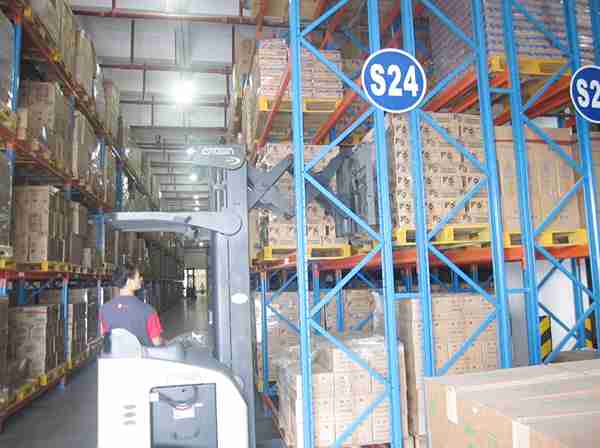
In today’s logistics-driven economy, warehouse efficiency has evolved into a competitive advantage. Businesses that thrive in high-demand, high-turnover environments understand the critical role that storage systems play in streamlining operations, ensuring product safety, and maximizing facility throughput. At the heart of these capabilities lies a foundational element: heavy duty industrial racking.
Unlike traditional shelving or lightweight storage structures, heavy duty industrial racking systems are engineered to accommodate extremely high loads, withstand daily operational stress, and adapt to the evolving needs of modern supply chains. Whether storing palletized products, oversized machinery parts, or irregular-shaped inventory, the right racking solution significantly enhances efficiency and safety across the board.
In this comprehensive guide, we explore everything you need to know about heavy duty industrial racking, including system types, selection criteria, best manufacturers, installation and maintenance strategies, cost analysis, and real-world applications. Our goal is to equip warehouse managers, operations directors, and logistics decision-makers with actionable insights for long-term success.

Chapter 1: Understanding Heavy Duty Industrial Racking — More Than Just Steel Structures
1.1 What Is Heavy Duty Industrial Racking?
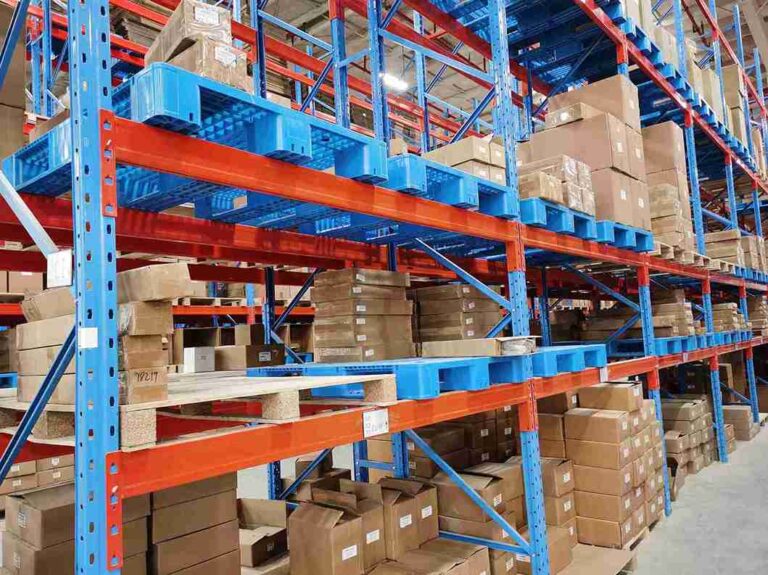
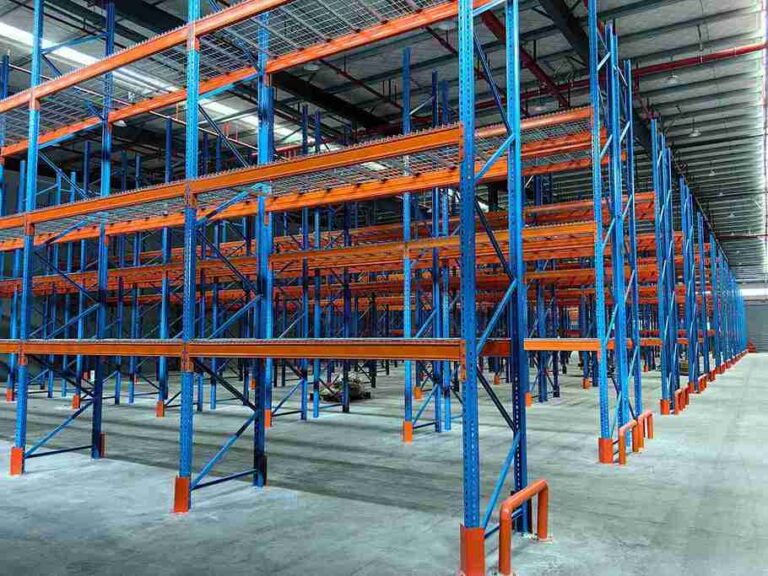
Heavy duty industrial racking refers to high-capacity storage frameworks specifically designed to support substantial weights—ranging from 5,000 to over 50,000 pounds per shelf level. Constructed with structural steel and engineered for precision load distribution, these systems form the backbone of modern warehousing across various sectors.
Key features include:
Structural-grade steel uprights and cross beams
Boltless or welded connections for rigid assembly
Galvanized or powder-coated finishes for corrosion resistance
Expandable modular architecture to scale with business growth
Custom load profiles designed to meet seismic or fire code compliance
These characteristics make heavy duty racking systems indispensable for industrial operations that demand uncompromising reliability and performance.
1.2 Who Needs Heavy Duty Industrial Racking?
Several industries rely heavily on these robust storage systems due to the nature of their inventory:
Automotive and aerospace: For engine blocks, turbine components, and drivetrain assemblies
Cold chain logistics: For bulk storage under sub-zero conditions
E-commerce fulfillment centers: For mixed inventory with high turnover
Industrial manufacturing plants: For raw materials, large tools, and finished products
Construction material suppliers: For lumber, steel beams, and heavy fixtures
Chapter 2: Types of Heavy Duty Industrial Racking Systems — Tailoring Storage to Operations
Choosing the right heavy duty industrial racking system involves aligning physical capabilities with operational workflow. Below are the leading racking system types optimized for high-capacity industrial usage.
2.1 Selective Pallet Racking — The Industry Standard
Selective pallet racking is the most commonly used system for general-purpose heavy-duty storage. It offers immediate access to every pallet stored, making it ideal for businesses with diverse SKUs and high inventory turnover.
Advantages:
Full selectivity—every pallet is directly accessible
Easy beam height adjustment for varying pallet sizes
Lower initial setup cost than high-density systems
Ideal for:
General warehousing
Wholesale distributors
Industrial facilities with FIFO inventory strategy
2.2 Drive-In and Drive-Through Racking — Maximizing Space Efficiency
When space optimization is paramount, drive-in and drive-through racking allow forklifts to enter the structure itself, eliminating excess aisles.
Key Benefits:
Excellent storage density—ideal for bulk and uniform products
Reduced footprint for the same volume of inventory
Considerations:
Operates on a LIFO (last-in, first-out) method
Less SKU flexibility
Requires skilled forklift operators for safe navigation
2.3 Cantilever Racking — Designed for Oversized Loads
Cantilever racking is engineered without front columns, allowing unrestricted storage of long, awkward, or irregularly shaped goods.
Typical applications:
Pipes, steel bars, and lumber
Panels, furniture, and construction beams
Structural Highlights:
Adjustable arms
Easy loading and unloading with side-lift vehicles
Configurable in single- or double-sided units
2.4 Push-Back Racking — Balanced Storage for LIFO Systems
Push-back racking systems utilize nested carts on inclined rails to automatically move pallets forward as one is removed. This allows up to five pallets to be stored deep per lane.
Features:
Good balance between density and accessibility
Gravity-fed movement reduces operator workload
Best for:
Beverage warehouses
Packaged consumer goods
Retail distribution centers
Chapter 3: How to Choose the Right Heavy Duty Industrial Racking System
3.1 Load Capacity Requirements
A key factor in choosing the right solution is understanding the required load capacity per shelf level. While standard racks may handle 2,000–6,000 lbs, heavy duty racks can support 10,000 to 50,000+ lbs.
Other load factors include:
Static vs. dynamic load tolerance
Forklift impact resistance
Rack deflection and safety factor margins
3.2 Structural Adaptability
Racks should be future-ready. Look for:
Teardrop or slotted design for easy reconfiguration
Modular add-on bays
Vertical expandability for mezzanine integration
3.3 Compliance and Safety
A reputable heavy duty racking system must comply with:
OSHA safety regulations
RMI (Rack Manufacturers Institute) standards
Local seismic and fire code requirements
Third-party engineering reviews for tall installations
Chapter 4: Best Manufacturers of Heavy Duty Industrial Racking
4.1 Steel King Industries
Steel King leads the market with premium structural racking systems, known for their seismic durability and customization options. Their products are trusted across the U.S. and globally in earthquake-prone regions.
4.2 Ridg-U-Rak
Offering both structural and roll-formed options, Ridg-U-Rak delivers cost-effective yet high-performance heavy duty solutions suited for dynamic warehouse environments.
4.3 UNARCO Material Handling
UNARCO specializes in high-density drive-in and push-back systems, helping warehouses maximize cube utilization while maintaining structural integrity under heavy loads.
Chapter 5: Installation and Maintenance Best Practices
5.1 Professional Installation
While some bolt-together racks are DIY-friendly, we recommend professional installation for all heavy duty industrial racking to ensure:
Accurate leveling and plumb alignment
Secure anchoring to slab foundations
Proper integration with sprinkler and lighting systems
5.2 Maintenance Guidelines
Regular inspections should include:
Checking beam deflection and upright damage
Verifying anchor bolt torque
Monitoring for corrosion in cold or humid environments
Recording adjustments for compliance audits
Chapter 6: The Business Case — Cost vs. ROI
6.1 Initial Investment Breakdown
Selective racking: $200–$500 per bay
Drive-in racking: $500–$1,200 per bay
Cantilever systems: Priced based on arm capacity and length
Custom solutions: Quoted based on engineered specs
6.2 ROI and Performance Metrics
A well-planned industrial racking investment yields long-term benefits:
Faster picking and shipping cycles
Reduced labor and handling time
Lower inventory damage rates
Improved operational safety and compliance
Conclusion: Investing in Heavy Duty Industrial Racking — A Strategic Move for Warehouse Excellence
At its core, heavy duty industrial racking is not just about storing more—it’s about storing smarter. It supports operational flow, strengthens inventory security, and helps businesses scale efficiently. Whether your warehouse handles bulky manufacturing parts, rapid-turn eCommerce orders, or refrigerated food pallets, the right racking system improves every aspect of your supply chain.
As a trusted racking solution provider, we help you assess, customize, and implement systems tailored to your storage demands. Our engineering team ensures that every structure meets the highest standards for safety, functionality, and durability.
FAQs About Heavy Duty Industrial Racking
Q1. How long does heavy duty industrial racking last?
With routine inspections and maintenance, these systems can last over 20 years—sometimes even 30+ in optimal conditions.
Q2. Can I use multiple racking types in one facility?
Yes. A hybrid approach using selective, drive-in, and cantilever systems can optimize performance across different inventory categories.
Q3. What’s the difference between structural and roll-formed racking?
Structural racking is stronger and better suited for heavy-duty use, while roll-formed is lighter, easier to adjust, and more economical for standard loads.
Q4. Are permits or certifications required?
In most jurisdictions, yes. Particularly for racking over 8 feet high or systems in seismic zones, engineering drawings and approvals are essential.
Q5. How can I be sure my warehouse floor can handle the load?
We recommend a structural engineer conduct a floor slab capacity analysis before racking installation.
Welcome to contact us, if you need warehouse rack CAD drawings. We can provide you with warehouse rack planning and design for free. Our email address is: jili@geelyracks.com