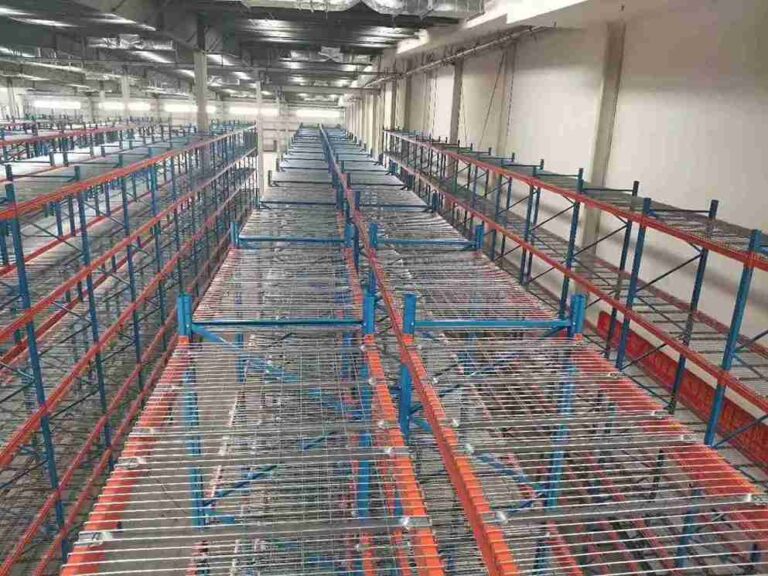
📐 "First 50 Enterprise Queries Get Custom 3D Warehouse Design" Plan
















The Definitive Guide to Beam Racking Safety Pins: Ensuring Structural Integrity and Operational Safety in Modern Warehouses
In the intricate ecosystem of industrial storage, few components carry a responsibility disproportionate to their size like beam racking safety pins. These unassuming pieces of hardened metal are the linchpins of warehouse safety, the silent guardians against catastrophic structural failure. For warehouse managers, operations directors, and logistics professionals across Southeast Asia, the Middle East, and Latin America, understanding the critical role of beam racking safety pins is not merely a matter of compliance; it is a fundamental pillar of risk management and operational continuity.
This comprehensive guide delves deep into the engineering, selection, and management of beam racking safety pins, offering a masterclass in how these components underpin the entire safety protocol of a rack-supported storage system. It transcends basic information, providing a detailed framework for procuring, installing, and maintaining the highest quality beam racking safety pins to protect personnel, inventory, and capital investment.
The Unseen Engine of Warehouse Safety: Deconstructing Beam Racking Safety Pins
To the untrained eye, a beam racking safety pin is a simple metal rod. In reality, it is a precision-engineered load-bearing component whose failure can initiate a chain reaction with devastating consequences.
H3: The Fundamental Mechanics of a Secure Connection
The structural integrity of any pallet racking system relies entirely on the moment-resisting connection between the upright frame and the load beam. This is a cantilever connection, where the tapered end of the beam is inserted into a slot on the upright. The primary function of beam racking safety pins is to physically lock this connection by passing through pre-drilled holes in both the beam connector and the upright web. This simple action prevents accidental dislodgement, a very real risk in a dynamic warehouse environment.
The correct application of beam racking safety pins is the most effective defense against beams becoming disengaged due to impact from material handling equipment (MHE), seismic shifting, or the gradual loosening caused by vibration and dynamic loading.
H3: Material Science and Engineering Precision in Safety Pin Manufacturing
Not all beam racking safety pins are created equal. The difference between a generic pin and a professionally manufactured one lies in the details of its construction.
High-Tensile Steel Composition: Premium beam racking safety pins are forged from high-tensile steel, providing exceptional yield strength and resistance to shearing forces. This material choice ensures the beam racking safety pins will not bend or snap under the immense loads transferred through the beam-to-upright connection.
Dimensional Tolerance and Fit: The holes in racking beams and uprights are manufactured to precise specifications. Consequently, high-quality beam racking safety pins must exhibit equally exact dimensional tolerances. A pin that is too loose creates play in the connection, leading to accelerated wear, noise, and potential for disengagement. A pin that is too tight becomes impractical for warehouse operatives to install or remove during necessary reconfigurations.
Advanced Corrosion Protection: In humid climates or environments with temperature fluctuations, standard steel is susceptible to rust. High-performance beam racking safety pins are often protected by hot-dip galvanizing or a robust powder coating. This finish not only prevents corrosion that can weaken the metal but also ensures the beam racking safety pins remain removable years after installation, avoiding being fused in place by rust.
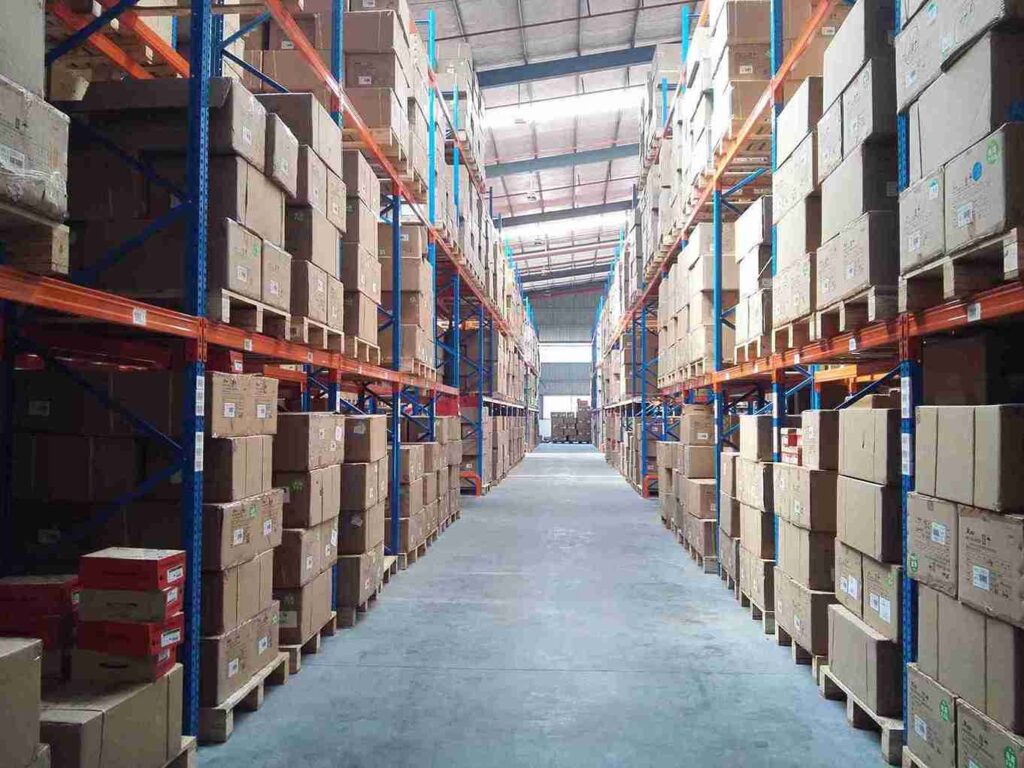
The Anatomy of a Collapse: How Beam Racking Safety Pins Prevent Disaster
The consequences of neglecting the importance of beam racking safety pins are quantifiable and severe. A failure in this critical component is often the first domino to fall in a progressive structural collapse.
H3: The Progressive Failure Sequence in Pallet Racking
A systematic failure often begins with a single compromised connection. If a beam racking safety pin is missing, corroded, or damaged, an impact from a forklift that would otherwise be inconsequential can pop the beam end out of its socket. The sudden release of a fully loaded beam creates a cascading effect:
The falling load impacts the beam directly below, overloading it.
The second beam fails, either through connection failure or beam deflection.
The now-unbalanced load places asymmetric stress on the upright frames, causing them to buckle.
Within seconds, multiple bays of racking can collapse, creating a scene of immense destruction. In this context, every single beam racking safety pin must be viewed as a critical load-bearing component.
H3: Quantifying the Financial and Operational Impact of Failure
The cost of a collapse extends far beyond the price of replacing a few beam racking safety pins.
Direct Asset Destruction: The incident will likely destroy the racking itself, the stored inventory, and any MHE involved. The cost can run into the millions of dollars.
Catastrophic Business Interruption: A warehouse collapse typically forces a complete operational shutdown. The loss of revenue from halted distribution, coupled with potential contractual penalties for missed shipments, can cripple a business.
Regulatory and Legal Repercussions: Regulatory bodies like OSHA (Occupational Safety and Health Administration) and their international equivalents will conduct thorough investigations. The resulting fines for safety violations can be substantial. Furthermore, the company opens itself up to significant liability lawsuits, especially if injuries or fatalities occur.
Irreparable Reputational Harm: News of a major warehouse collapse travels quickly through supply chains, damaging relationships with clients and investors and making it difficult to secure insurance at reasonable rates in the future.
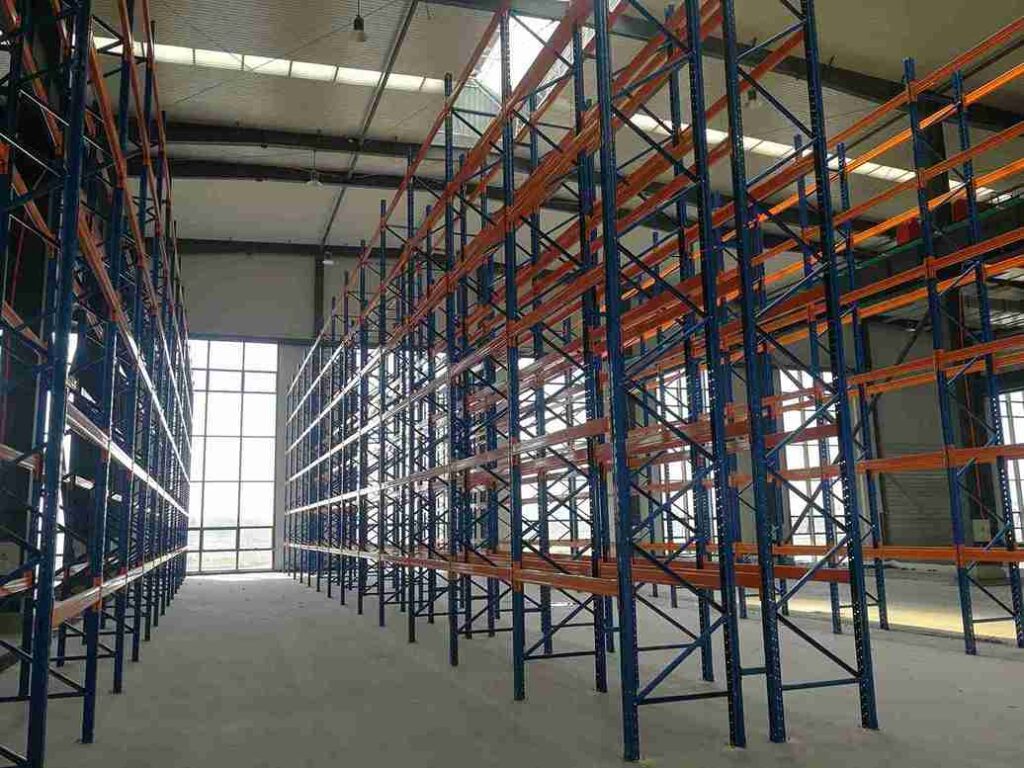
The Gold Standard: Why ISO Certification for Beam Racking Safety Pins is Non-Negotiable
In a global market, certification provides a universal benchmark for quality. For beam racking safety pins, ISO certification is the clearest indicator of a manufacturer’s commitment to excellence.
H3: Demystifying ISO 9001:2015 for Storage Components
The ISO 9001:2015 standard is a Quality Management System (QMS) certification. For a manufacturer of beam racking safety pins, this certification is not a vague promise of quality but a verifiable assurance of consistent, controlled production processes. It means that every step—from raw material sourcing and metallurgical analysis to the forging, machining, and finishing of the beam racking safety pins—is documented, controlled, and subject to continuous improvement. When a company purchases ISO-certified beam racking safety pins, they are purchasing traceability and consistency, ensuring that every pin in every box performs to the same high standard.
H3: The Critical Role of Independent Third-Party Load Testing
While ISO 9001 certifies the process, the performance of the product must be physically validated. Reputable manufacturers subject their racking systems, including the beam racking safety pins, to rigorous independent testing in accordance with standards like EN 15620 or FEM 10.2.02. These tests simulate real-world conditions, applying dynamic and static loads to the beam-to-upright connection to verify that the assembly, secured by the beam racking safety pins, can withstand the specified forces without failure. A procurement specialist should always request these test reports, as they provide empirical evidence that the beam racking safety pins are integral to a safe and certified storage system.
Navigating the Global Regulatory Landscape: Compliance from OSHA to International Norms
For multinational corporations, compliance is a complex puzzle. A deep understanding of how beam racking safety pins fit into various regulatory frameworks is essential for global operations.
H3: OSHA Compliance and the Implicit Role of Safety Pins
In the United States, while OSHA may not explicitly state “use safety pins,” its General Duty Clause is powerful and encompassing. This clause requires employers to provide a workplace free from recognized hazards. A racking system with missing or substandard beam racking safety pins is a quintessential recognized hazard. Standards like 29 CFR 1910.176(b) on “Secure storage” are routinely cited in racking inspections. Using high-quality, ISO-certified beam racking safety pins provides demonstrable due diligence, showing a proactive effort to provide secure storage and mitigate known risks, which is a strong defense during an OSHA inspection.
H3: International Standards and Best Practices for Beam Racking Safety Pins
Across the globe, various regions have established their own benchmarks, all of which implicitly or explicitly require secure beam connections.
Europe: The FEM (Federation Européenne de la Manutention) guidelines are widely respected, demanding secure locking mechanisms for beams, a role fulfilled by beam racking safety pins.
Australia/New Zealand: The AS 4084 standard provides comprehensive guidelines for steel storage racking, emphasizing the importance of all structural connections.
Emerging Markets: In regions like Southeast Asia and the Middle East, while local regulations may still be developing, international best practices derived from FEM, OSHA, and AS 4084 are considered the de facto standard for professional and insurable warehouse operations. Proactively implementing racking systems with certified beam racking safety pins is a mark of a world-class facility.
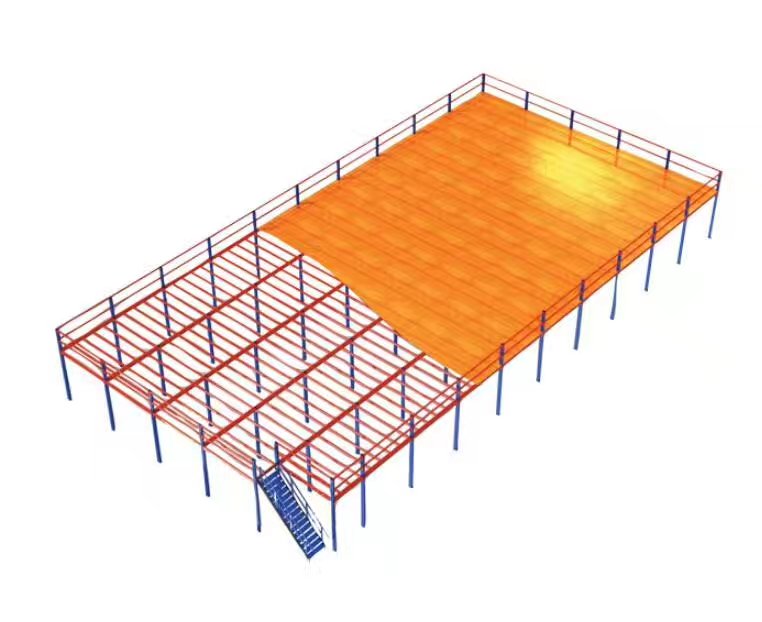
The Procurement Professional’s Checklist: 10 Steps to Sourcing Superior Beam Racking Safety Pins
Sourcing beam racking safety pins should be a meticulous process, not an afterthought. This checklist ensures that every box of beam racking safety pins meets the highest standards of safety and performance.
Verify ISO 9001:2015 Certification: Do not accept a supplier’s verbal assurance. Request a copy of their current certificate and confirm that the scope includes the manufacture of storage system components like beam racking safety pins.
Obtain Independent Load Test Reports: Ask for the third-party test reports for the specific racking system the beam racking safety pins are intended for. The report should validate the performance of the beam-end connection.
Confirm Material Specifications: Insist on beam racking safety pins made from high-tensile steel. This information should be readily available on technical data sheets.
Inspect the Anti-Corrosion Finish: For longevity and reliability, specify hot-dip galvanized or powder-coated beam racking safety pins, especially in challenging environmental conditions.
Check for Positive Locking Features: While straight pins are common, beam racking safety pins with spring-loaded balls or retaining clips provide an audible and tactile confirmation of a secure lock, preventing them from working loose over time.
Conduct a Dimensional Fit Test: Before placing a bulk order, obtain a sample of the beam racking safety pins and test their fit in your existing racking. They should slide in smoothly with a snug fit and no excessive play.
Review Traceability and Packaging: Professional manufacturers ensure that their beam racking safety pins are packaged with clear part numbers and often batch codes, allowing for full traceability back to the production run.
Assess Supplier Expertise: A qualified supplier should offer technical guidance on the correct beam racking safety pins for your application, understanding the differences between various racking brands and profiles.
Evaluate Compliance with Local Regulations: Ensure the supplied beam racking safety pins and the broader system help you meet the specific regulatory requirements of your operating region.
Audit the Quality Control Process: Inquire about the manufacturer’s in-process quality checks for their beam racking safety pins, such as dimensional verification and load testing of random samples.
The Imperative of Beam Racking Safety Pins in Automated and High-Density Storage Systems
The advent of automation and high-density storage solutions has placed unprecedented demands on racking integrity. In these environments, the margin for error is zero, and the role of beam racking safety pins becomes even more critical.
H3: Why ASRS and AGV Systems Demand Uncompromising Safety Standards
In an Automated Storage and Retrieval System (ASRS) or a warehouse utilizing Automated Guided Vehicles (AGVs), there is no human operator to notice a slightly bent pin or a dislodged beam. The system will continue to operate, potentially turning a minor issue into a catastrophic failure. The precision of these systems means that even a millimeter of misalignment, caused by a faulty connection where the beam racking safety pins are involved, can lead to failed retrievals, product damage, or a collision that compromises the entire grid.
H3: Integration with Automated Material Handling Equipment
The consistent, repetitive movement of AGVs and stacker cranes subjects the racking to millions of minor load cycles. This cyclical loading can induce metal fatigue over time. Only beam racking safety pins manufactured from high-grade materials with exacting consistency can withstand this relentless demand without developing stress fractures. When integrating automation, specifying the highest-grade beam racking safety pins is not an option; it is a prerequisite for system reliability and longevity.
Cultivating a Proactive Safety Culture: The Management of Beam Racking Safety Pins
Technology and components are only as effective as the systems that manage them. A proactive safety culture is the framework that ensures beam racking safety pins continue to perform their vital function day after day.
H3: Implementing a Tiered Racking Inspection Protocol
A formal inspection regime is the backbone of any racking safety program. This protocol should be tiered to ensure comprehensive coverage:
Operational Level Checks: Forklift operators should be trained to conduct a visual check for obvious issues, such as visibly missing or severely damaged beam racking safety pins, as part of their pre-shift routine.
Supervisory Weekly Inspections: A designated warehouse supervisor should perform a more detailed walk-through weekly, using a checklist that includes verifying the presence and condition of beam racking safety pins on a representative sample of racks.
Quarterly or Bi-Annual Professional Audits: A certified racking inspector should conduct a hands-on audit of the entire system. This involves physically checking a significant percentage of beam racking safety pins for wear, corrosion, and proper engagement.
H3: Training, Documentation, and Spare Parts Management
Empowering personnel and maintaining meticulous records transforms a procedure into a culture.
Comprehensive Training Programs: All warehouse staff, especially MHE operators, should receive training that explains the critical function of beam racking safety pins. They must understand that a missing beam racking safety pin is a critical-level hazard that must be reported and rectified immediately.
Meticulous Documentation: Maintain a log of all inspections, incidents, and corrective actions. Keep technical data sheets and test reports for your beam racking safety pins on file as evidence of your commitment to safety and compliance.
Strategic Spare Parts Inventory: A warehouse should never be without a stock of genuine, OEM-approved beam racking safety pins. Allowing a missing pin to be replaced with a bolt, rebar, or any other makeshift item is a severe violation of safety protocols and can irrevocably damage the racking.
Case Study: Averting a Multi-Million Dollar Crisis in an Asian Logistics Hub
A major logistics provider in Singapore was preparing to integrate a fleet of AGVs into its high-bay warehouse. As part of the pre-installation due diligence, a third-party audit was commissioned. The audit revealed a startling finding: approximately 20% of the beam racking safety pins in the active picking zone were non-OEM, generic substitutes that showed signs of corrosion and dimensional inaccuracy. The client had been unaware, viewing the pins as simple commodities. The audit report highlighted that the dynamic loads from the new AGVs would dramatically increase the risk of a connection failure where these substandard beam racking safety pins were installed.
The logistics company acted decisively, procuring a full replacement set of ISO-certified beam racking safety pins that were compatible with their system and backed by independent test reports. This intervention, though requiring a capital outlay, safeguarded their multi-million-dollar automation investment and, more importantly, prevented a potential collapse that could have halted their regional distribution network for weeks. This case underscores that the diligent specification of beam racking safety pins is a strategic business decision.
Conclusion: The Bedrock of Warehouse Safety and Efficiency
In the final analysis, the pursuit of warehouse efficiency and automation must be built upon an unshakeable foundation of safety. Beam racking safety pins are a fundamental element of that foundation. They are a small component with an enormous responsibility. By specifying ISO-certified beam racking safety pins, enforcing a rigorous inspection and maintenance regime, and integrating them seamlessly into modern automated systems, logistics professionals can create a resilient, safe, and highly productive operating environment.
The choice of beam racking safety pins is a direct reflection of a company’s commitment to its people, its assets, and its future. In the complex calculus of warehouse management, there is no variable more important than safety, and there is no simpler place to start than with the humble, yet utterly critical, beam racking safety pin.
H2: Frequently Asked Questions (FAQs)
Q1: What is the actual load capacity of a typical beam racking safety pin, and how does it relate to the beam’s capacity?
A: The load capacity of beam racking safety pins is designed to meet or exceed the maximum allowable load of the beam they secure. While beam capacities can vary from 1,000 kg to 15,000 kg per pair, high-tensile steel beam racking safety pins are engineered to withstand significant shear forces. The exact capacity is validated during the independent testing of the complete beam-to-upright connection. It is critical to understand that the beam racking safety pins are an integral part of the load path, and their specified capacity is matched to the racking system’s overall design.
Q2: In a fast-moving warehouse, how can we practically ensure every single beam racking safety pin is in place during hectic operational periods?
A: This is a common challenge. The most effective strategy is a combination of technology and culture. Implement a “Red Tag” system where any operator who spots a missing or damaged beam racking safety pin immediately tags the location and reports it to supervision for urgent action. Furthermore, incorporate a specific check for beam racking safety pins into the weekly supervisory inspection checklist. Making the verification of beam racking safety pins a non-negotiable part of the daily routine, celebrated as a safety win, fosters a culture of collective responsibility.
Q3: Are there any technological innovations, like RFID or smart sensors, being integrated into beam racking safety pins?
A: The market is beginning to see the emergence of “smart” racking monitoring systems. While not yet common on standard beam racking safety pins, some advanced solutions involve sensors that monitor the deflection or strain on beams. A logical extension of this technology could involve sensors that confirm the presence of the beam racking safety pins. While currently a niche application, the evolution of the Industrial Internet of Things (IIoT) may soon bring smart, connected beam racking safety pins to the market for high-value, critical storage applications.
Q4: For a warehouse with a mix of racking brands and ages, is it safe to use a universal beam racking safety pin design?
A: Extreme caution is advised. While universal beam racking safety pins are marketed, their “one-size-fits-most” approach carries inherent risks. A pin that seems to fit may have slight dimensional variances that create play or stress concentrations. The safest practice is to use OEM-specified beam racking safety pins for each racking brand. If this is not feasible, a certified racking inspector or engineer should approve any substitute beam racking safety pins after verifying their material, dimensions, and fit against the original specifications.
Q5: Beyond visual checks for presence and damage, what are the specific wear patterns to look for on beam racking safety pins during an in-depth audit?
A: During a hands-on audit, an inspector will look for:
Shear Lines: Microscopic lines indicating metal fatigue, often found near the center of the pin.
Deformation/Bending: Any visible curvature in a beam racking safety pin is grounds for immediate replacement.
Wear on the Shank: A noticeable “waist” or thinning of the pin’s diameter where it passes through the beam and upright holes indicates excessive movement and wear.
Corrosion Pitting: Surface rust can often be cleaned, but deep pitting that compromises the cross-sectional area of the beam racking safety pins weakens them structurally and necessitates replacement.
Failed Locking Mechanisms: On pins with spring-loaded balls, a collapsed or missing spring renders the locking feature useless.
If you require perfect CAD drawings and quotes for warehouse racking, please contact us. We can provide you with free warehouse racking planning and design services and quotes. Our email address is: jili@geelyracks.com