📐 "First 50 Enterprise Queries Get Custom 3D Warehouse Design" Plan















Beyond the Checklist: Building a Culture of Total Warehouse Safety & Efficiency
For decades, the beam racking inspection checklist has been the cornerstone of warehouse safety protocols. It’s a vital tool, a foundational document that every warehouse manager should have close at hand. But let’s be candid: a piece of paper, no matter how thorough, cannot single-handedly guarantee the structural integrity of your storage system or the long-term safety of your operations. At [Geelyracks/Jiliracks], with decades of experience designing, installing, and auditing warehouse storage systems across the globe, one undeniable truth has emerged: true safety isn’t about checking boxes.
It’s about building an integrated, proactive system where inspection is just one critical component of a much larger, more robust framework for Total Warehouse Safety. This article will guide you through a transformative journey. We’ll start with the essential, non-negotiable practice of regular beam racking inspections, providing a deeper, more actionable understanding than a standard beam racking inspection checklist can offer. Then, we’ll move beyond it, exploring how to weave these inspections into a holistic strategy that incorporates preventive design, cutting-edge technology, and a deeply ingrained safety culture. This is how industry leaders move from reactive compliance to proactive asset protection, operational excellence, and unshakable peace of mind.
Why the Humble Beam Racking Inspection is Your First Line of Defense
Think of pallet racking as the skeleton of an entire warehouse operation. It’s engineered to bear immense loads, but like any structural system, it is vulnerable to damage, wear, and tear. A single compromised beam can be the catalyst for a catastrophic failure, resulting in unimaginable costs: inventory loss, extended operational downtime, workplace injuries, and devastating legal liabilities. A systematic beam racking inspection checklist is the primary diagnostic tool.
It’s the process that allows facility managers to identify minor issues before they evolve into major, costly disasters. It’s not merely an administrative task; it’s a critical risk mitigation strategy that protects people, products, and profitability. The goal is to shift the mindset from “inspecting because we have to” to “inspecting because we cannot afford not to.” A comprehensive beam racking inspection checklist serves as the playbook for this essential defensive strategy.
Deconstructing the Perfect Beam Racking Inspection Checklist
While many generic checklists exist online, a truly effective beam racking inspection checklist must be tailored to specific racking types (e.g., selective, drive-in, cantilever), the nature of the inventory, and the dynamics of the material handling equipment. A one-size-fits-all approach introduces risk. The following breakdown details the core components that industry experts include in a professional-grade beam racking inspection checklist, transforming it from a simple form into a powerful operational asset.
Phase 1: The Visual Pre-Operational Check
This is a daily, high-level visual scan that should be part of every forklift or AGV operator’s routine. It requires minimal training but offers maximum early-warning potential. This step is about cultivating constant awareness, making the principles of the formal beam racking inspection checklist a part of the daily workflow.
Immediate Zone Awareness: Operators should look for new, visible impacts on upright frames, especially at the base and at connection points. A fresh dent or scuff mark is a story of a near-miss that must be reported immediately, long before the next formal review of the beam racking inspection checklist.
Beam Connection Integrity: A quick scan should verify that beam safety locks are fully engaged and that no beams are dislodged or sagging under load. This visual cue is often the first sign of a problem.
Floor Anchorage: Checking for obvious signs of anchor bolt shearing, corrosion, or concrete cracking around the base of the uprights is a simple yet critical habit.
Phase 2: The Weekly Operational Review
Conducted by a shift supervisor or a designated safety officer, this review delves a little deeper. It acts as a bridge between the operator’s daily vigilance and the comprehensive expert audit, validating the findings and adding another layer of oversight.
Pallet and Load Quality: The supervisor inspects for damaged pallets that could collapse or improperly stacked loads that place uneven stress on the beam, issues that might not be captured on a basic structural beam racking inspection checklist.
Column Guard and Row Spacer Condition: Ensuring all protective structures are secure and haven’t been compromised by recent impacts is a key part of this intermediate review.
Clear Aisle Way: Verifying that aisles are clear of obstructions reduces the risk of accidental collisions, a proactive measure that supports the goals of the beam racking inspection checklist.
Phase 3: The Formal Quarterly & Annual Expert Inspection
This is the cornerstone of a professional safety program and must be conducted by a competent person—someone with specific training and experience in racking design and failure modes. This is where a detailed, professional-grade beam racking inspection checklist becomes indispensable. This audit is systematic, documented, and forms the legal and operational baseline for all safety compliance.
Critical Inspection Points: A Professional’s Eye View
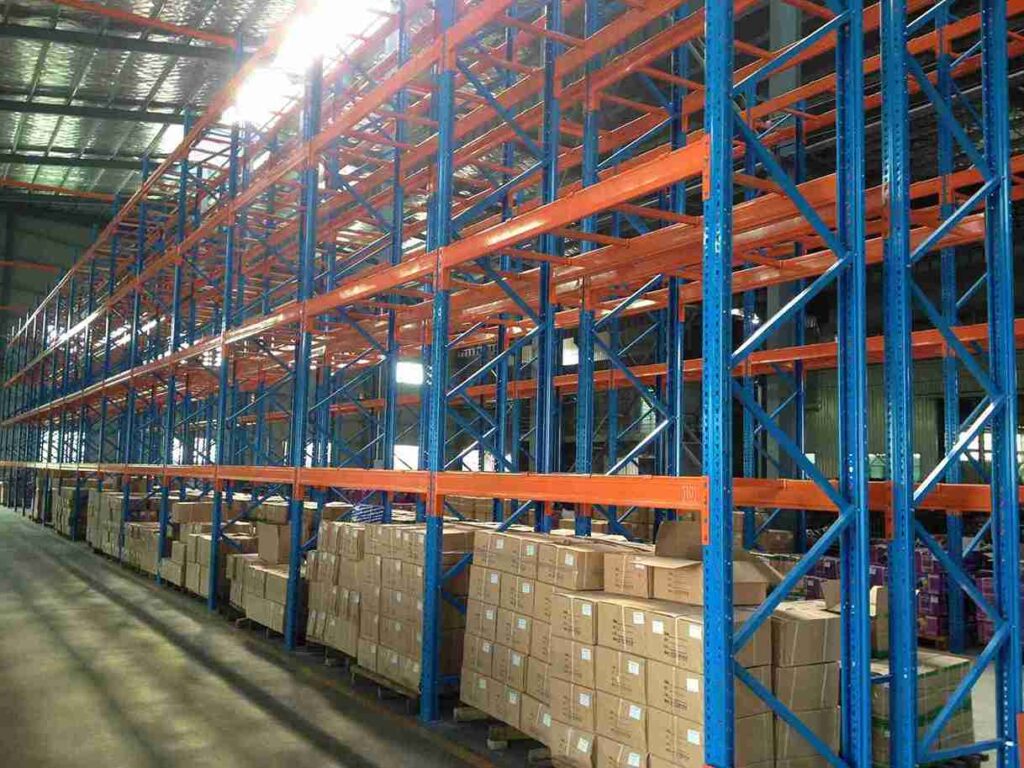
Upright Frames: The Backbone of Your System
Plumb and Alignment: Using a level to check that upright frames are perfectly vertical is non-negotiable. Leaning frames indicate overload or significant impact damage and represent a critical failure of the system’s integrity.
Damage Assessment: Measuring the depth and location of any dents or deformations is a technical skill. As a rule of thumb, a dent deeper than ¾ of an inch or located in the middle third of the upright’s height is a serious concern that likely requires immediate repair or replacement. A proper beam racking inspection checklist will have a dedicated section for recording these precise measurements.
Base Plate and Anchors: Ensuring all anchor bolts are present, torqued to specification, and that the concrete floor beneath is not cracked or spalling is fundamental. A loose anchor can compromise an entire racking bay.
Load Beams and Connectors: The Workhorses
Beam Deflection: Checking for excessive sagging is a key metric. While some deflection is normal, it should never exceed the manufacturer’s tolerances (typically L/180 for uniformly loaded beams). Consistent overloading will be evident here.
Safety Lock Engagement: This is perhaps the most critical item on any beam racking inspection checklist. Every single beam end connector must have its safety lock (or trigger) fully engaged. A dislodged beam is one of the most common and dangerous causes of racking collapse.
Connector Damage: Inspectors look for cracks, bends, or wear in the connector itself, especially at the welds. Fatigue over time can lead to sudden failure.
The Overall System and Environment
Load Capacity Placards: Ensuring they are legible and present on every racking bay is a simple but often overlooked part of the beam racking inspection checklist. Operators cannot comply with limits they cannot see.
System Modifications: The inspector must verify that no unauthorized changes have been made, such as drilling new holes, cutting beams, or adding unapproved components. These modifications instantly void engineering certifications.
Environmental Factors: Noting significant corrosion, especially in humid or cold storage environments, is essential. The inspector also checks that sprinkler heads are not obstructed by stored goods, linking racking safety to overall fire safety.
The Inevitable Shortfall: Where the Beam Racking Inspection Checklist Falls Short
A beam racking inspection checklist is a snapshot. It captures a single moment in time. The moment the inspection is over, the dynamic, high-velocity environment of a modern warehouse takes over again. Forklifts resume their routes, AGVs navigate their paths, and new loads are placed. The beam racking inspection checklist, by its very nature, cannot account for the evolving risks that occur between audits. It is a reactive tool in an environment that demands proactive foresight. Its limitations become glaringly apparent when considering:
The Human Factor: Operator error, fatigue, and pressure to meet targets can lead to impacts that occur minutes after an inspection is completed. The beam racking inspection checklist does not prevent these events; it only records their aftermath, often weeks or months later.
Progressive Damage: A small dent noted on one quarterly beam racking inspection checklist might be deemed acceptable. However, if repeated micro-impacts occur in the same area over the following months, the cumulative effect can lead to a critical failure long before the next scheduled audit.
Systemic Design Flaws: A beam racking inspection checklist assesses the current state of the hardware. It cannot diagnose a fundamental design flaw. Was the racking originally designed for the heavier loads and more powerful equipment used today, or for a different operation five years ago? The checklist will only show the symptoms of overstress, not the root cause.
This inherent lag between incident and discovery is the fundamental weakness of relying solely on a periodic beam racking inspection checklist. This is precisely why leading organizations look beyond the checklist.
The Proactive Leap: Integrating Inspection with Prevention
Total Warehouse Safety is achieved when the inspection regimen, guided by a rigorous beam racking inspection checklist, is seamlessly integrated with preventive engineering and operational controls. This is where expertise in both storage systems and automated material handling creates a powerful, synergistic defense. It’s about creating an environment where damage is less likely to occur, making the findings on the beam racking inspection checklist consistently positive.
1. Engineering Out the Risk: Smart Racking Design & Protective Infrastructure
The most effective way to handle damage is to prevent it from happening in the first place. This begins long before the first beam racking inspection checklist is ever filed, at the design and specification stage.
Column Guards & Barrier Systems: Strategically placed concrete or steel guards protect vulnerable uprights from impact. This isn’t an optional add-on; it’s a fundamental necessity in high-traffic areas like end-of-aisle locations. Investing in high-quality protection dramatically reduces the frequency and severity of damage noted on the beam racking inspection checklist.
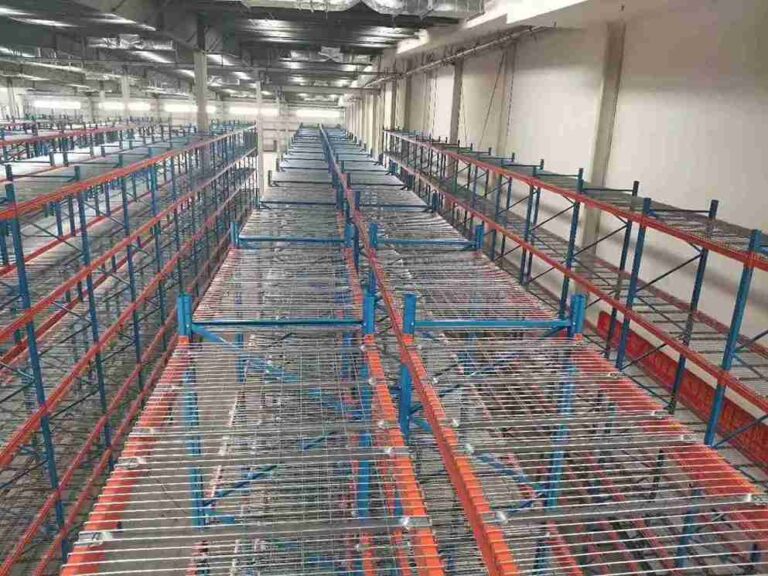
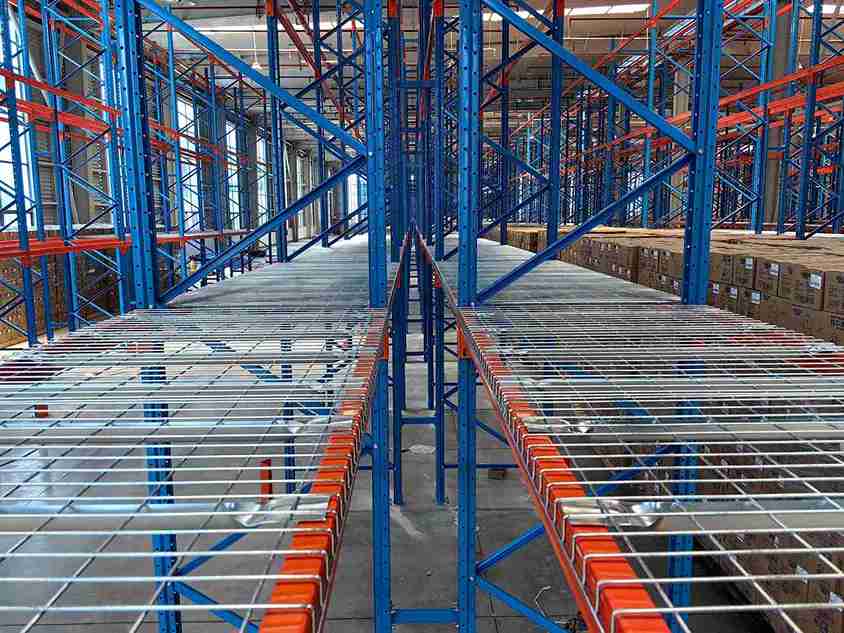
Wire Mesh Decking: This component serves multiple functions: it contains falling debris, improves overall safety, and acts as a secondary load-bearing surface. It adds a layer of passive protection that complements the active process of using a beam racking inspection checklist.
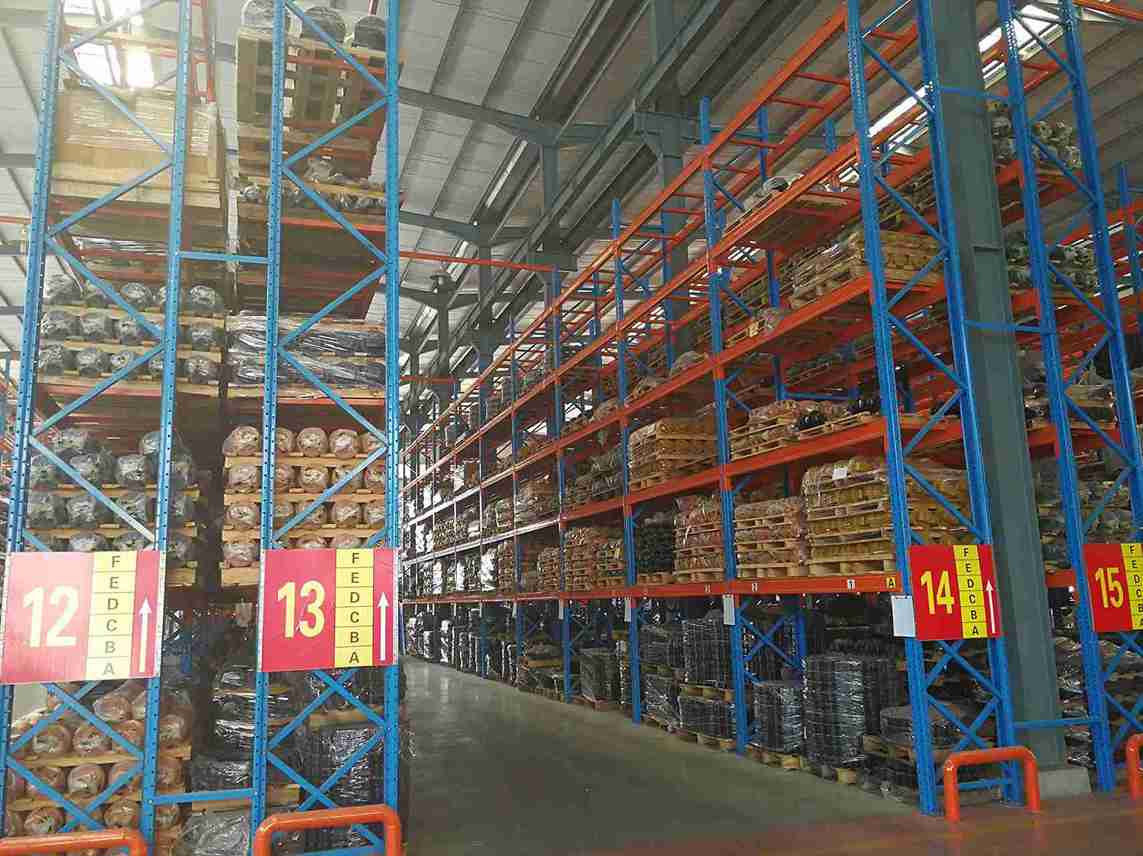
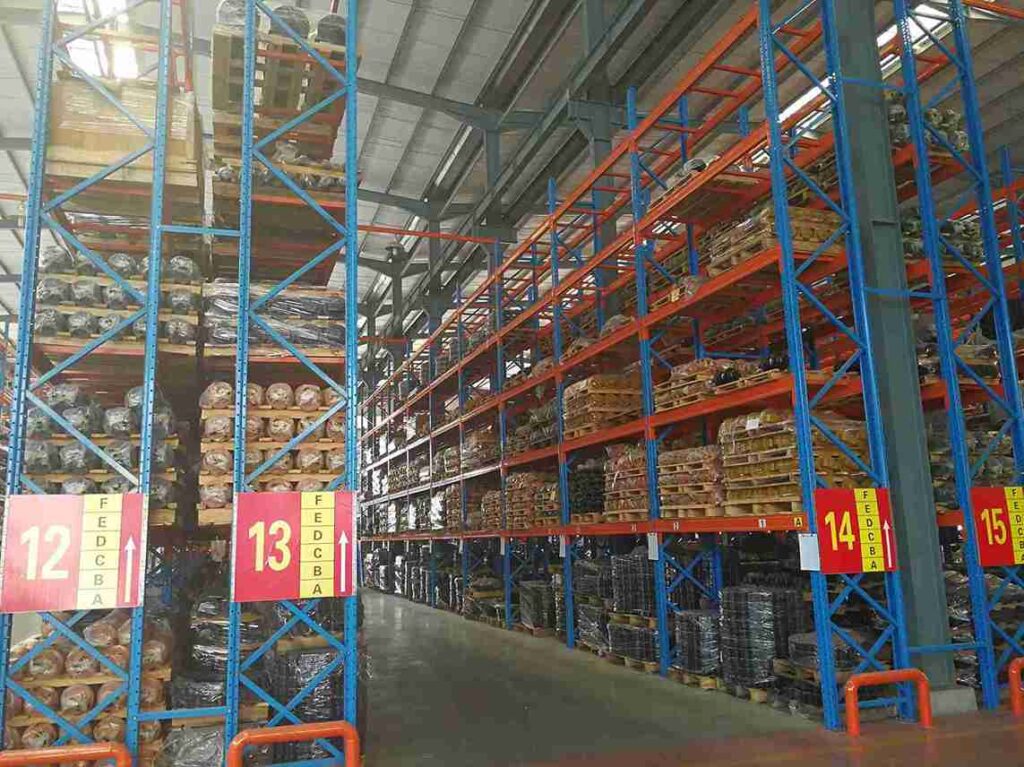
Load Legibility & Zone Management: Clearly marked load capacities and designated pedestrian/vehicle zones reduce confusion and prevent overloading. These visual management tools empower operators to be part of the solution, supporting the goals outlined in the beam racking inspection checklist.
2. The Technology Shield: How Automation Enhances Structural Integrity
This is the future of warehouse safety, and it’s available today. By integrating automation, companies fundamentally change the interaction between machine and racking, thereby altering the very data recorded on the beam racking inspection checklist.
AGVs (Automated Guided Vehicles) and Unmanned Forklifts: These automated solutions are programmed for precision. They follow optimized, repeatable paths, eliminate erratic driving born from human error, and use LiDAR and other sensors to maintain safe distances from the racking structure. The risk of impact is drastically reduced, which should be reflected in a cleaner beam racking inspection checklist over time.
Automated Storage and Retrieval Systems (AS/RS) and Vertical Lift Modules: In a high-density ASRS, the racking is not just a static structure; it’s an integral part of the machine. The system is engineered for perfect harmony, with precise, programmed movements that virtually eliminate collision risk. The focus of the beam racking inspection checklist in such a system shifts from impact damage to wear-and-tear on guiding rails and alignment.
Sensor-Based Monitoring: Imagine a system where inertial measurement units (IMUs) and impact sensors on key upright frames send an immediate alert to the maintenance team the moment an overload occurs or a collision is detected. This moves the paradigm from a periodic beam racking inspection checklist to real-time, continuous structural health monitoring, creating a living, digital version of the checklist that never sleeps.
Cultivating the Core: Building a Sustainable Safety Culture
Technology and infrastructure are powerless without the people who operate and maintain them. A true safety culture means every single team member, from the newest hire to the CEO, is empowered and responsible for safety. The beam racking inspection checklist is not the responsibility of a single “safety person”; it is a reflection of the entire organization’s commitment.
Comprehensive Operator Training: Go beyond basic forklift operation. Train teams on the why—explain the engineering behind how racking fails, the immense financial and human cost of damage, and their critical role in prevention. When an operator understands that a misplaced fork can bend a beam and potentially lead to collapse, they treat the equipment with the respect it demands. This knowledge makes them active participants in the spirit of the beam racking inspection checklist.
Empowerment to Report: Creating a simple, non-punitive system for reporting near-misses and minor damage is crucial. The goal is to find and fix problems, not to assign blame. A culture of fear ensures that damage is hidden until it becomes catastrophic. A culture of transparency ensures that the formal beam racking inspection checklist contains no surprises.
Leadership Visibility: When management consistently prioritizes safety over speed, the message resonates throughout the organization. When leaders actively review the beam racking inspection checklist findings, allocate budget for repairs, and celebrate safety milestones, they demonstrate that safety is a core value, not just a compliance metric.
The Ultimate Synergy: Your Path to Total Warehouse Safety
So, what does the journey “Beyond the Checklist” look like in practice? It’s a layered, integrated approach where the beam racking inspection checklist is the vital reporting mechanism, not the sole strategy.
Foundation: A rigorous, documented inspection routine using a professional-grade beam racking inspection checklist, conducted at daily, weekly, and quarterly/annual intervals. This provides the non-negotiable baseline of data.
Prevention: A racking system designed with integrated protection (guards, decking) and, where possible, supplemented by automated material handling like AGVs and ASRS to minimize human-error-related impacts. This reduces the negative findings on the beam racking inspection checklist.
Culture: A workforce that is trained, aware, and empowered to be the eyes and ears of the safety program every day. This creates a human sensor network that continuously validates the data on the beam racking inspection checklist.
This holistic approach transforms a warehouse from a place of managed risk to a model of operational excellence and resilience, where the beam racking inspection checklist becomes a report card on a world-class system, not a list of failures.
Conclusion: From Reactive Checklist to Proactive Partnership
The beam racking inspection checklist is not the destination; it is the starting point. It is the essential first step on a more strategic path toward creating a warehouse that is not only safe but also supremely efficient, resilient, and ready for the future. By embracing a philosophy that integrates diligent inspection with preventive engineering, smart automation, and an empowered workforce, companies unlock a new level of operational maturity.
At [Geelyracks/Jiliracks], we don’t just sell racking and automation; we partner with clients to build these integrated systems. We provide the expert audits that inform the beam racking inspection checklist, the damage-resistant pallet racking, the precision AGV systems, and the strategic guidance to help forge a path to Total Warehouse Safety. Let’s move beyond the checklist, together.
Frequently Asked Questions (FAQs)
1. What is the single most important thing I can do to improve my racking safety today?
Train your operators to perform a 30-second visual pre-operation check of the racking in their immediate work area, empowering them to identify and report a fresh dent or a dislodged beam. This immediate human feedback loop is the most powerful supplement to a formal beam racking inspection checklist.
2. We use a mix of forklifts and AGVs. Does this change our inspection strategy?
Absolutely. The beam racking inspection checklist should be adapted to these different risk profiles. For forklift zones, inspectors pay close attention to lower-level upright impacts. For AGV aisles, the focus shifts to ensuring the racking is perfectly aligned with the AGV’s programmed path and checking for any protrusions that could interfere with the vehicle’s sensors, a nuance a generic beam racking inspection checklist might miss.
3. How does an Automated Storage and Retrieval System (ASRS) impact structural inspections?
An ASRS requires a more rigorous, but often less frequent, inspection protocol focused on the entire system’s performance, which goes beyond a standard static beam racking inspection checklist. Inspectors monitor for precise alignment, wear on the machine’s retrieval components, and the health of the guiding rails. The static load inspection from the beam racking inspection checklist is still crucial, but the context shifts to the machine-racking interface.
4. We found some damaged beams. Can we just weld them ourselves?
Under no circumstances. Welding can compromise the structural integrity of the steel by altering its metallurgical properties and creating stress concentration points. Always follow the manufacturer’s guidelines. Most damage requires replacement of the component or a certified repair using proprietary bolted repair kits. A proper beam racking inspection checklist will flag such damage for professional remediation, not field welding.
5. What are the key differences between a basic racking system and one designed for “Total Safety”?
A basic system is a commodity purchased on price. A “Total Safety” system is an engineered solution designed for longevity and minimal risk. It includes features like higher-grade steel, more robust connectors, integrated column guards, clear and accurate load signs, and is designed with the specific material handling equipment in mind from the very beginning. This foundational quality results in consistently better outcomes on every subsequent beam racking inspection checklist.
If you require perfect CAD drawings and quotes for warehouse racking, please contact us. We can provide you with free warehouse racking planning and design services and quotes. Our email address is: jili@geelyracks.com