📐 "First 50 Enterprise Queries Get Custom 3D Warehouse Design" Plan
















Reduce Storage Costs by 50%? A Realistic Goal with High-Density Pallet Racking Systems for SMEs
For small and medium-sized enterprise (SME) owners and logistics managers across industrial sectors, the warehouse is more than a storage space; it is the pulsating heart of the supply chain. Yet, this vital organ is often under immense strain, plagued by spatial constraints, escalating overheads, and operational inefficiencies that directly erode profitability. The provocative question of reducing storage costs by 50% is not a mere marketing gimmick.
It is a tangible, achievable strategic objective for a significant number of SMEs, and the pathway to this goal is paved with the strategic implementation of advanced High-Density Pallet Racking Systems. This in-depth exploration moves beyond surface-level claims to dissect the engineering principles, economic calculus, and operational methodologies that make these systems a transformative investment. The following sections will provide a comprehensive analysis of how modern High-Density Pallet Racking Systems fundamentally reconfigure warehouse economics, turning static storage footprints into dynamic, profit-generating assets.

Deconstructing the True Cost of Conventional Warehouse Storage
To fully appreciate the revolutionary impact of High-Density Pallet Racking Systems, one must first conduct a forensic audit of the status quo. Traditional wide-aisle racking, the default choice for decades, harbors hidden costs that extend far beyond the monthly lease agreement.
The Spatial Inefficiency Tax
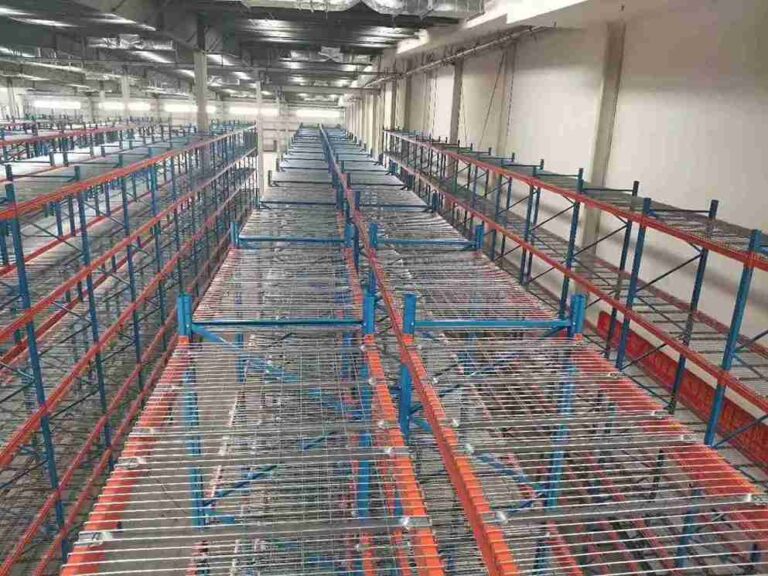
The most glaring inefficiency of conventional layouts is the allocation of space. Aisles wide enough to accommodate standard counterbalance forklifts—often spanning 11 to 13 feet—can consume 50% to 60% of the total warehouse footprint. Businesses are, in effect, paying premium rates for expensive commercial real estate to store nothing but air. This spatial tax imposes a hard cap on growth, forcing companies to consider costly relocations or expansions long before they have optimized their existing cubic capacity. This is the primary problem that High-Density Pallet Racking Systems are engineered to solve.
The Compounding Drag of Labor and Energy Inefficiency
Operational costs represent another significant drain. Every unnecessary meter a forklift travels to retrieve a pallet translates into wasted time, increased energy consumption (whether from electricity, LPG, or diesel), and accelerated wear and tear on equipment. Operators spend a disproportionate amount of their shift traveling rather than performing value-added tasks like loading or unloading. This labor inefficiency is a silent profit killer, one that is systematically eliminated by the more streamlined workflows enabled by advanced High-Density Pallet Racking Systems.
The Hidden Toll of Diminished Inventory Control
A congested and disorganized warehouse environment, a common byproduct of outdated storage methods, is a breeding ground for operational errors. Misplaced pallets, inaccurate stock counts due to difficult access, and product damage from cramped conditions and forklift collisions lead to stock shrinkage and unreliable inventory data. This lack of precision can cause a cascade of problems, including stockouts that disappoint customers and overstocking that ties up critical working capital. Transitioning to organized High-Density Pallet Racking Systems is a foundational step toward achieving the inventory accuracy required for modern supply chain resilience.
The Operational Mechanics of Radical Cost Savings with High-Density Pallet Racking Systems
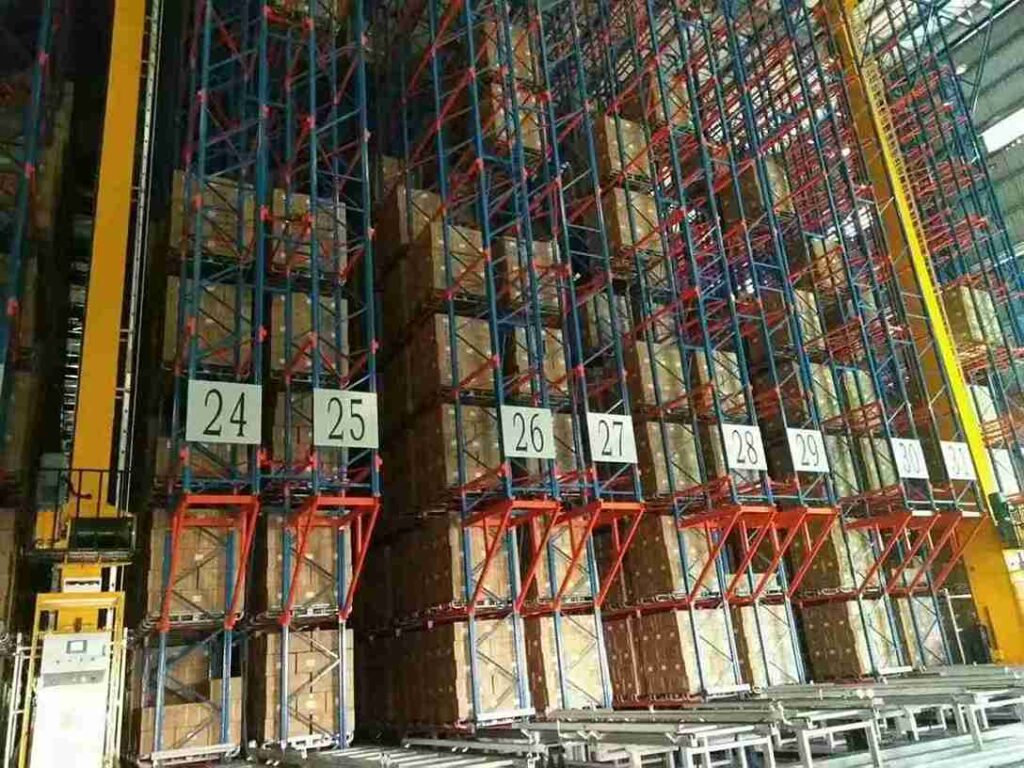
The core innovation of High-Density Pallet Racking Systems lies in their fundamental redesign of the storage cube. By strategically reducing or eliminating non-productive aisles, these systems achieve a dramatic increase in storage capacity within the same, or even a reduced, floor area. The resulting financial benefits are multiplicative, impacting virtually every line item on the operational P&L statement.
A Direct Assault on Real Estate and Operational Expenditure
Deferral or Consolidation of Facility Costs: This is the most immediate and impactful saving. By increasing storage density by 60% to over 100%, businesses can postpone capital-intensive expansion projects or, in some cases, consolidate operations into a smaller, more affordable facility. For a growing SME, the ability to double storage capacity within its existing four walls is equivalent to discovering a second warehouse.
A Quantum Leap in Labor Productivity: Systems like narrow-aisle High-Density Pallet Racking Systems cut travel distances drastically. In more advanced configurations like drive-in or shuttle-based High-Density Pallet Racking Systems, the operator’s role evolves from driver to system manager, leading to a measurable and often dramatic increase in pallet movements per operator per hour.
A Systemic Enhancement of Safety and Asset Protection: A well-organized warehouse, governed by the structured lanes of High-Density Pallet Racking Systems, is inherently safer. The reduction in random traffic and clutter minimizes the risk of accidents. Furthermore, technologies like push-back racking or automated shuttle systems are designed to cradle and protect loads, significantly reducing product damage caused by forklift impact.
A Technical Deep Dive into High-Density Pallet Racking System Technologies
The term “high-density” encompasses a family of technologies, each with distinct operational characteristics and ideal application scenarios. Selecting the optimal High-Density Pallet Racking Systems requires a nuanced understanding of these differences.
Narrow Aisle Racking: The Strategic Evolution
Narrow Aisle (NA) racking represents the most direct and accessible evolution from traditional selective racking, offering an excellent balance of density, accessibility, and cost-effectiveness for many SMEs.
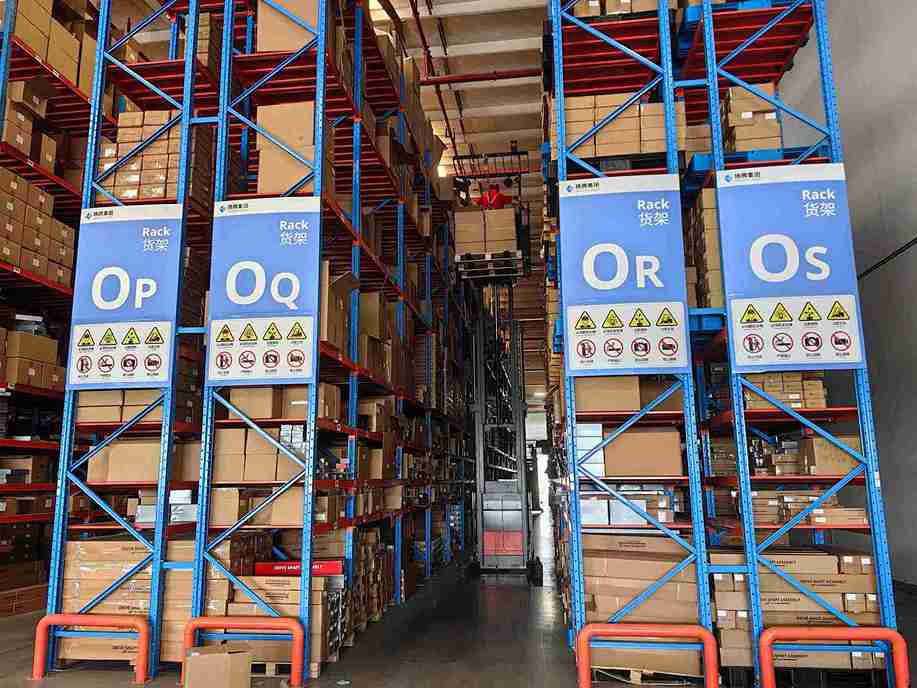
Operational Principle: The structural design is similar to selective racking, but it is installed with aisles typically between 1.6 to 2.0 meters wide, requiring specialized narrow-aisle forklifts or reach trucks.
Ideal Application Profile: SMEs with a broad SKU range requiring high selectivity and rapid access to all inventory items will find this form of High-Density Pallet Racking Systems highly effective.
Economic Rationale: Reducing aisle width from ~3.5m to ~1.8m can increase storage capacity by 30-40%. The capital outlay for specialized equipment is typically amortized over a short period through substantial savings in real estate and labor.
Drive-In and Drive-Through Racking: The Bulk Storage Workhorse
These are the classic, high-mass High-Density Pallet Racking Systems designed for storing large volumes of products with limited SKU variety.
Operational Principle: Pallets are stored on continuous rails within a structure that allows a forklift to drive directly into the rack bay. Drive-in systems (LIFO) have a single entrance, while drive-through (FIFO) features entry and exit points.
Ideal Application Profile: These High-Density Pallet Racking Systems are perfectly suited for cold storage, beverage distribution, or any business requiring the bulk storage of homogeneous products.
Critical Consideration: While they offer exceptional density, their key trade-off is very low selectivity. Retrieving a specific pallet from deep within a lane can be a time-consuming process.
Push-Back Racking: The Optimal Synthesis of Density and Accessibility
For a vast number of SMEs, push-back racking represents the ideal compromise, delivering significantly higher density than narrow aisle systems while maintaining superior selectivity compared to drive-in High-Density Pallet Racking Systems.
Operational Principle: Pallets are stored on nested carts that ride on inclined rails within the structure, typically two to five pallets deep. The loading process pushes previous pallets back; unloading allows the next pallet to roll gracefully to the front. It operates on a LIFO basis.
Ideal Application Profile: This category of High-Density Pallet Racking Systems is perfect for businesses with medium to high throughput that need to store multiple pallets of a single SKU while requiring faster, more direct access than drive-in systems permit.
Operational Resilience: A significant advantage of these High-Density Pallet Racking Systems is lane independence; an error or issue in one lane does not paralyze the entire storage system.
The Automated Revolution: Pallet Shuttle Systems
The integration of mechatronics marks a paradigm shift in storage technology. The pallet shuttle system represents the most technologically advanced tier of semi-automated High-Density Pallet Racking Systems.
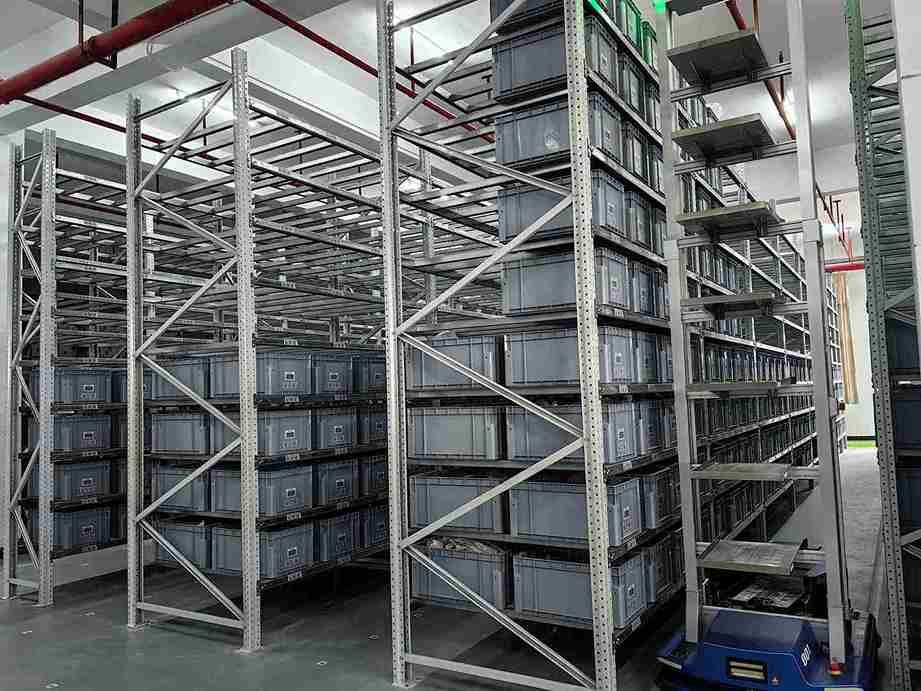
Operational Principle: A battery-powered, remote-controlled shuttle cart operates on rails within the rack structure, autonomously transporting pallets to and from the lane’s entry point. This can be deployed in a static mode (shuttle moved by operator) or integrated into a fully automated Warehouse Management System (WMS).
Ideal Application Profile: These High-Density Pallet Racking Systems are designed for SMEs poised to embrace automation, offering a scalable solution that delivers a dramatic ROI without the capital intensity of a full-scale AS/RS. They excel in high-density, high-throughput environments with strict FIFO or LIFO requirements.
The Productivity Calculation: The labor efficiency gains are profound. A single operator can manage multiple shuttle deployments, achieving a throughput level that would require several forklift drivers in a traditional setup. The precision of these High-Density Pallet Racking Systems also nears 100%, virtually eliminating mis-picks and misplacements.
Strategic Readiness: Is Your SME Prepared for High-Density Pallet Racking Systems?
The migration to a high-density storage environment is a strategic business decision, not merely a procurement exercise. A thorough self-assessment is critical to determining readiness and ensuring a successful outcome.
Analyzing Inventory and Operational Dynamics
SKU Concentration vs. Proliferation: Does the inventory profile feature deep pallet counts for a limited number of SKUs (ideal for push-back/shuttle) or shallow counts across a wide range of SKUs (ideal for narrow aisle)? This is the first question to answer when considering High-Density Pallet Racking Systems.
Inventory Velocity and Rotation Requirements: Are products fast, medium, or slow-moving? This directly dictates the required access methodology (FIFO, LIFO, high-selectivity) and influences the selection of the most suitable High-Density Pallet Racking Systems.
Facility Anatomy and Constraints: What is the clear usable height of the building? High-Density Pallet Racking Systems are designed to exploit cubic volume. Is the floor sufficiently flat and level to tolerate the tight tolerances of narrow-aisle equipment?
Evaluating Financial and Strategic Trajectory
Quantifying the Cost of Inaction: Has management calculated the fully loaded cost of the current storage system, including the potential future expense of a facility move?
Aligning with Growth Projections: Is the business on a steady growth path? A well-planned investment in High-Density Pallet Racking Systems is inherently scalable, allowing the business to grow within its existing footprint for years to come.
Establishing a Clear ROI Framework: Is there a clear understanding of the total project cost (design, racking, equipment, installation, software) and a defined expectation for the payback period? Most professionally implemented High-Density Pallet Racking Systems demonstrate a compelling ROI within 18 to 36 months.
The Implementation Blueprint: A Phased Approach to Deploying High-Density Pallet Racking Systems
A successful deployment of High-Density Pallet Racking Systems is a meticulously orchestrated project, not a simple product installation. It requires a phased, disciplined approach.
Phase 1: In-Depth Discovery and Precision Engineering
This foundational phase is the most critical for long-term success. It involves a collaborative deep-dive into inventory data, workflow patterns, and facility specifications. A reputable provider of High-Density Pallet Racking Systems will conduct a detailed site survey and utilize advanced CAD and simulation software to create a custom-designed solution, providing definitive forecasts for storage capacity gains and throughput enhancement.
Phase 2: Meticulous Site Preparation and Professional Installation
Implementation often requires physical preparation of the site. This may involve industrial floor grinding to achieve the flatness required for narrow-aisle High-Density Pallet Racking Systems, electrical upgrades for new equipment, or verification of floor load-bearing capacities. Professional, certified installation is non-negotiable, as the structural integrity and safety of the entire operation depend on it.
Phase 3: Systems Integration and Comprehensive Operational Training
The new storage infrastructure must be seamlessly integrated with the company’s Warehouse Management System (WMS) to unlock its full potential. Equally important is the thorough training of operational staff. Ensuring that operators and managers are confident and proficient with the new High-Density Pallet Racking Systems is essential for achieving the projected productivity gains and fostering a culture of safety and efficiency.
The Next Frontier: Integrating High-Density Pallet Racking Systems with Automation
For SMEs targeting peak operational performance, modern High-Density Pallet Racking Systems serve as the physical platform for a wider automation ecosystem, creating a truly future-proof logistics operation.
AGVs and Unmanned Forklifts: These robotic vehicles can be seamlessly integrated with shuttle-based High-Density Pallet Racking Systems to create a “goods-to-person” picking environment. This eliminates all operator travel time, concentrates labor on value-added tasks, and can reduce labor requirements by 50% or more in specific applications.
The Central Nervous System: WMS Integration: A sophisticated Warehouse Management System (WMS) acts as the intelligent brain that directs the physical assets. It optimizes put-away and picking logic, manages the shuttle systems, provides real-time, 100% accurate inventory visibility, and generates the data analytics necessary for continuous improvement within the High-Density Pallet Racking Systems framework.
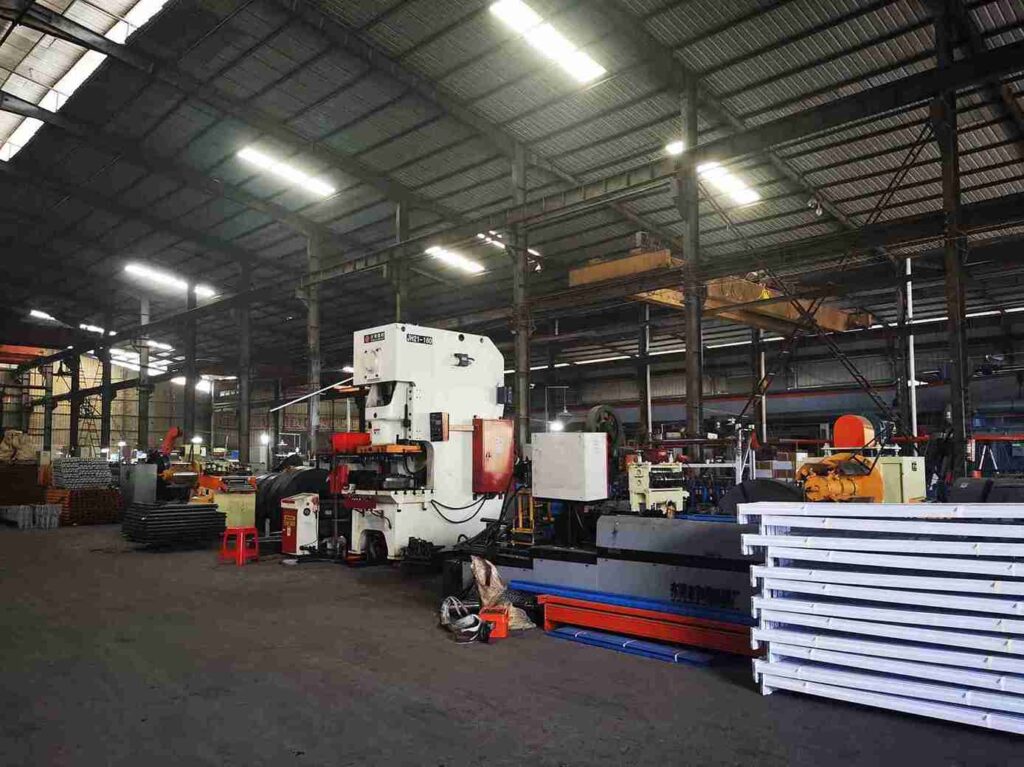
Conclusion: Positioning the Warehouse as a Formidable Competitive Advantage
The pursuit of a 50% reduction in storage costs is a realistic and strategic imperative for modern SMEs. The evidence, both financial and operational, overwhelmingly demonstrates that advanced High-Density Pallet Racking Systems are the most effective vehicle to achieve this transformative goal. This journey requires a fundamental shift in perspective—from viewing storage as a passive cost center to recognizing it as a dynamic, strategic asset capable of driving competitive advantage.
The process demands a rigorous assessment of operational needs, a strategic selection from the family of High-Density Pallet Racking Systems technologies, and a partnership with an experienced provider capable of guiding the project from initial concept to full operational reality. For forward-thinking businesses, this investment transcends mere cost savings. It is about building a faster, more accurate, and more resilient supply chain engine—an engine powered by intelligent High-Density Pallet Racking Systems that can scale with growth and deliver a decisive edge in an increasingly competitive global marketplace.
Frequently Asked Questions (FAQs)
1. How do high-density pallet racking systems impact a company’s insurance premiums and fire safety compliance?
Implementing High-Density Pallet Racking Systems significantly alters the fire load and compartmentalization within a warehouse. Insurance providers and local fire authorities often mandate specific safety upgrades. These typically include in-rack sprinkler systems, which are installed at vertical intervals within the High-Density Pallet Racking Systems to ensure water can penetrate a fire at its source. A qualified provider will always include fire protection engineering in their design to ensure full compliance, which can positively influence insurance risk assessments.
2. Can high-density pallet racking systems be effectively used in warehouses with uneven or older flooring?
Floor flatness is a critical factor, especially for narrow-aisle High-Density Pallet Racking Systems which have very low operational tolerances. In warehouses with older or uneven floors, a professional site survey is essential. Solutions can include industrial concrete grinding or leveling to achieve the required specification. For drive-in or push-back High-Density Pallet Racking Systems, the tolerances are generally less strict, making them more adaptable to less-than-perfect floor conditions.
3. What is the typical lead time from design to full operational deployment for a high-density pallet racking system?
The timeline for deploying High-Density Pallet Racking Systems varies based on complexity and scale. A basic narrow-aisle project might take 6-8 weeks from design to completion. More complex semi-automated High-Density Pallet Racking Systems involving shuttle technology can have lead times of 12-20 weeks, accounting for detailed engineering, manufacturing, shipping, and phased installation. A reputable supplier will provide a detailed project plan with clear milestones at the outset.
4. How scalable are these systems? If our pallet volume doubles in three years, can the initial system be easily expanded?
Scalability is a core design principle of modern High-Density Pallet Racking Systems. Most systems are modular and designed with future expansion in mind. This can involve adding more bays to the end of a run, increasing the height of the upright frames (if clear height allows), or adding additional depth to lanes. During the initial design phase for the High-Density Pallet Racking Systems, a professional engineer will outline a clear roadmap for future expansion to protect the client’s long-term investment.
5. Are there specific industries or product types for which high-density pallet racking systems are not recommended?
While versatile, High-Density Pallet Racking Systems are not a universal panacea. They are less ideal for operations where every single SKU requires immediate, 100% selective access at all times (e.g., some high-value pharmaceutical or service parts distribution). They are also generally unsuitable for non-palletized goods or products with highly irregular dimensions that cannot be safely and securely stored on standard pallet racking interfaces. A professional consultation is the best way to determine suitability.
If you require perfect CAD drawings and quotes for warehouse racking, please contact us. We can provide you with free warehouse racking planning and design services and quotes. Our email address is: jili@geelyracks.com