📐 "First 50 Enterprise Queries Get Custom 3D Warehouse Design" Plan
















Maximize Storage Flexibility with Adjustable Beam Racking: The Ultimate SME Warehousing Solution
In the competitive landscape of global commerce, small and medium-sized enterprises (SMEs) face a constant pressure to do more with less. The warehouse, often the operational nucleus of such businesses, can either be a catalyst for growth or a significant bottleneck. The key to unlocking its potential lies in implementing a storage solution that embodies adaptability, strength, and intelligence. That solution is Adjustable Beam Racking.
This comprehensive guide delves deep into why a custom-configured Adjustable Beam Racking system is not merely a purchase but a strategic investment for any forward-thinking SME. It explores how the inherent storage flexibility of this system directly addresses core challenges like space utilization, operational cost control, and scalability, ultimately transforming static storage into a dynamic asset.
For businesses navigating the volatile markets of Southeast Asia, Latin America, and beyond, the ability to pivot quickly is paramount. A well-engineered Adjustable Beam Racking system provides the physical infrastructure to support this agility, ensuring that the warehouse can evolve in lockstep with the business itself.

Beyond Simple Shelving: A Deep Dive into Adjustable Beam Racking
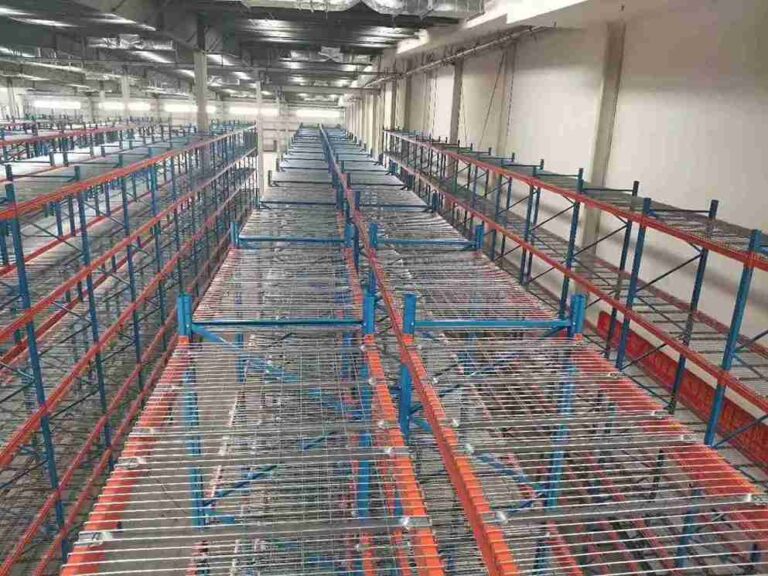
To the untrained eye, a warehouse racking system might appear to be a simple assembly of metal beams and frames. However, Adjustable Beam Racking represents a significant evolutionary leap from its static predecessors. It is a sophisticated pallet storage system defined by its dynamic configurability. The core of any Adjustable Beam Racking unit consists of upright frames and horizontal load beams. The revolutionary aspect is found in the upright frames, which are manufactured with a standardized pattern of punched holes at precise intervals. The load beams, equipped with integral safety locks, can be manually inserted and secured into these holes at various heights.
This deceptively simple design principle is what grants the Adjustable Beam Racking system its remarkable versatility. It allows warehouse managers to:
Reconfigure Shelf Heights on Demand: Seamlessly transition from storing short cartons to tall, irregularly shaped pallets within the same bay, all without requiring specialized tools or technical expertise.
Optimize Cubic Space Fully: Actively utilize the entire vertical volume of a facility, a critical advantage in regions where real estate costs are rising.
Future-Proof the Storage Investment: Adapt to seasonal inventory swings, new product lines, or complete operational workflow changes without the capital expenditure of a new storage system.
For an SME, this translates to a storage infrastructure that is inherently responsive, turning the warehouse from a fixed liability into a flexible, value-driving tool.
The Core Components of a Robust Adjustable Rack System
A profound understanding of the components that constitute a high-quality Adjustable Beam Racking system is essential for appreciating its long-term value and safety. Each part plays a critical, interdependent role.
Upright Frames: The Unwavering Backbone
These vertical columns form the foundational support structure of the entire Adjustable Beam Racking system. Premium systems utilize cold-rolled, high-tensile steel for these frames. The consistency, precision, and durability of the punched hole pattern are non-negotiable; they ensure the beams can be relocated countless times without compromising the structural integrity of the frame. The design of the upright, including its depth and bracing, directly determines the overall load capacity and stability of the Adjustable Beam Racking installation.
Load Beams: The Engineered Workhorses
These horizontal members connect the upright frames and bear the direct weight of the stored pallets. In a superior Adjustable Beam Racking system, the beams feature a trapezoidal or step-beam design. This engineering is not arbitrary; it provides an exceptional strength-to-weight ratio, allowing the beams to support immense loads without bending. The safety locks at each beam end are a critical safety feature, designed to audibly click and lock into the upright frame, preventing accidental dislodgement—a vital consideration in active warehouses with frequent forklift traffic.
Wire Mesh Decking and Integral Safety Accessories
To maximize the functionality and safety of the Adjustable Beam Racking system, ancillary components are often integrated. Wire mesh decking, placed securely on the beams, prevents smaller items from falling through, improves fire protection by allowing sprinkler systems to function effectively, and enhances air circulation. A comprehensive Adjustable Beam Racking solution may also include column guards, aisle-end protectors, and pallet supports, all designed to create a safer, more efficient, and fully customized storage environment.

The Strategic Imperative: Why Adjustable Beam Racking is the Ideal Fit for SMEs
While large corporations may invest in fixed automation and startups might resort to inadequate shelving, Adjustable Beam Racking occupies a strategic sweet spot for SMEs. It is the rational, scalable, and intelligent investment that bridges the gap between operational chaos and over-capitalized, rigid infrastructure.
Mastering Capital Expenditure and Total Cost of Ownership
For an SME, financial agility is as important as operational agility. The reconfigurable nature of a high-quality Adjustable Beam Racking system means the business is not forced to purchase entirely new racking every time its inventory profile or operational model changes. This capability dramatically reduces the total cost of ownership of the storage infrastructure. An investment in a versatile Adjustable Beam Racking system is a long-term strategic decision that pays continuous dividends in adaptability, protecting the company’s capital for other critical growth initiatives.
Thriving in a Dynamic, Multi-SKU Environment
The lifeblood of a successful SME is its ability to respond to market opportunities. This often means a constantly evolving product catalogue. Static shelving creates persistent zones of wasted space. In contrast, an Adjustable Beam Racking system allows the warehouse layout to be quickly and efficiently redesigned to match the current SKU mix, ensuring optimal space utilization and picking pathways throughout the year. This direct link between storage flexibility and reduced operational costs is a key driver of profitability for growing businesses.
Building a Foundation for Technological Advancement
For SMEs planning their growth trajectory, the future may include the integration of automation, such as AGVs (Automated Guided Vehicles) or modular Automated Storage and Retrieval Systems (AS/RS). A precision-engineered Adjustable Beam Racking system provides the perfect structural foundation for such technologies. The consistency, strength, and accuracy of a professionally installed Adjustable Beam Racking system are fundamental prerequisites for most automation solutions. By investing in the right Adjustable Beam Racking today, a business is effectively building a platform that makes future technological upgrades more seamless and cost-effective.
The Direct Correlation Between Adjustable Beam Racking and Profitability
Superior warehouse management is not an abstract concept; it has a direct and measurable impact on a company’s financial health. The implementation of a tailored Adjustable Beam Racking system delivers a compelling return on investment through several key performance indicators.
Dramatically Enhancing Storage Density
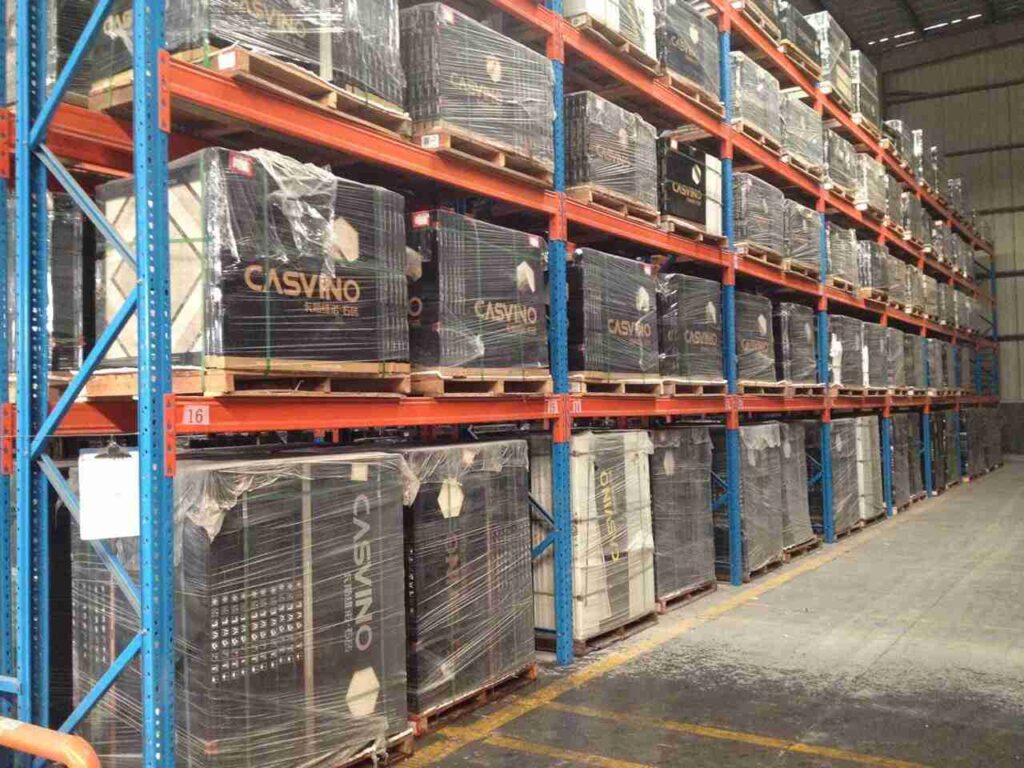
By enabling safe, high-level storage and eliminating wasted vertical space through precise shelf adjustment, a well-planned Adjustable Beam Racking system can increase storage density by 25% to 50% compared to static shelving or non-adjustable racking. This enhanced density allows a business to store more inventory within the same warehouse footprint, directly delaying or eliminating the need for a costly facility expansion. The space savings achieved through a strategic Adjustable Beam Racking layout directly translate into lower real estate costs per unit stored.
Driving Down Operational and Labor Costs
An inefficient warehouse incurs hidden costs daily, primarily through excessive labor. When workers spend significant time searching for items or navigating poorly organized aisles, productivity plummets. An Adjustable Beam Racking system facilitates a logical, organized storage strategy. By allowing fast-moving SKUs to be placed at the “golden zone” picking heights and configuring bays for optimal workflow, order picking times can be reduced by 30% or more. This efficiency allows the existing workforce to process a higher volume of orders, reducing labor costs per order and improving overall throughput, which is crucial for handling growth without proportional increases in staff.
Preserving Inventory and Reducing Product Loss
Product damage is a direct hit to profitability. A secure and well-organized Adjustable Beam Racking system significantly mitigates this risk. Properly supported pallets, clear aisles that reduce collision risks, and securely locked beams all contribute to a safer storage environment. This proactive protection of inventory integrity directly safeguards the company’s gross margin and reduces losses from damaged goods.
The Implementation Blueprint: A Phased Approach to Custom Adjustable Beam Racking
Deploying a new storage system is a significant project. A professional provider follows a meticulous, phased process to ensure the Adjustable Beam Racking solution is not just delivered but is fully optimized for the client’s unique operational reality.
Phase 1: Comprehensive Discovery and Workflow Analysis
The process begins with an in-depth consultation that goes far beyond simple dimensions. Experts analyze the entire warehouse ecosystem: inventory profiles (including ABC analysis), turnover rates, current and future picking/packingship processes, and the material handling equipment fleet (e.g., forklift types and their lift heights). This holistic discovery phase is the critical foundation for designing an effective Adjustable Beam Racking layout.
Phase 2: Advanced 3D Modeling and Layout Simulation
Prior to manufacturing, a reputable provider will use advanced 3D CAD software to create a detailed model of the proposed Adjustable Beam Racking layout. This simulation is a powerful tool that allows stakeholders to visually walk through the new design, assessing traffic flow, verifying picking path efficiency, and identifying potential bottlenecks before installation begins. This collaborative step ensures the final Adjustable Beam Racking system will meet all operational expectations.
Phase 3: Certified Installation and Rigorous Validation
A perfect design is only realized through flawless execution. Certified installation teams ensure the Adjustable Beam Racking system is erected to exact engineering specifications, with precise alignment and all safety locks properly engaged. Following installation, a rigorous load testing and safety inspection protocol is followed to validate the system’s performance, providing the client with documented assurance of its safety and reliability.
Synergistic Integration: Adjustable Beam Racking in an Automated Ecosystem
For SMEs on a growth trajectory, the true power of Adjustable Beam Racking is revealed when it is viewed as the foundational element of a broader, technology-enabled logistics strategy.
The Symbiotic Relationship with AGVs and Robotic Forklifts
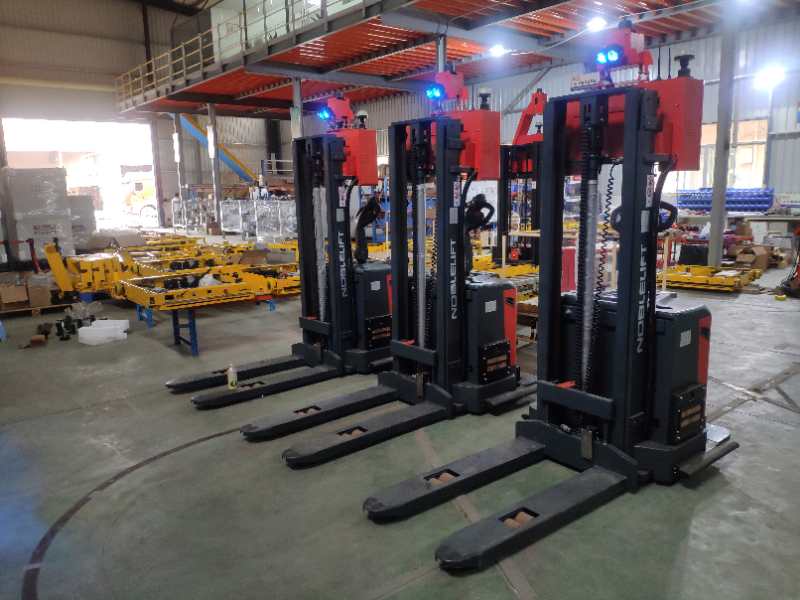
AGVs and unmanned forklifts operate with high precision and require a predictable physical environment. The uniform dimensions, consistent bay sizes, and robust construction of a high-quality Adjustable Beam Racking system provide the reliable infrastructure these machines need to navigate and interact with the storage system safely and efficiently. The strength of the Adjustable Beam Racking is crucial for withstanding occasional minor interactions with automated equipment.
The Evolutionary Path to Automated Storage and Retrieval Systems (AS/RS)
While a full-scale AS/RS represents a significant investment, the initial implementation of a compatible Adjustable Beam Racking system lays the groundwork. Certain types of Adjustable Beam Racking can be specified to accommodate modular shuttle systems or mini-load cranes that operate within the rack structure itself. By planning for this evolution from the start, the initial investment in Adjustable Beam Racking seamlessly transitions into the core component of a high-density, automated storage solution, protecting the initial investment and simplifying future upgrades.
Safety as a Foundational Principle in Rack Design and Usage
In any warehouse, safety is the non-negotiable foundation upon which all productivity is built. A compromised racking system poses a severe risk to both personnel and inventory. The engineering of a professional-grade Adjustable Beam Racking system prioritizes safety at every level.
Adherence to International Load and Seismic Standards
All reputable Adjustable Beam Racking systems are designed and manufactured to meet or exceed stringent international standards, such as those from FEM (Federation Européenne de la Manutention) and the Rack Manufacturers Institute (RMI). In seismically active regions, specific engineering calculations are performed to ensure the Adjustable Beam Racking system can withstand lateral forces, a critical consideration for protecting assets and personnel in countries across Southeast Asia and the Americas.
Proactive Damage Prevention and System Longevity
Recognizing that warehouse environments are dynamic, a comprehensive Adjustable Beam Racking solution includes integrated protection. Column guards, aisle-end protectors, and reinforced uprights in high-traffic areas are standard recommendations. These features are designed to absorb the energy from low-impact forklift collisions, preventing minor incidents from causing structural damage that compromises the safety and integrity of the entire Adjustable Beam Racking system.
A Concrete Illustration: SME Case Study in Operational Transformation
Consider the case of “Global Tech Components,” a distributor of industrial automation parts serving the Southeast Asian market. The company was experiencing rapid growth, but its warehouse was a patchwork of inefficient, fixed-height shelving. Slow-moving inventory occupied easily accessible locations, while high-demand items were stored in inconvenient areas, leading to extended picking times and frustrated staff. The company was on the verge of leasing additional space, a move that would have significantly eroded profitability.
The Implemented Solution: A full operational audit was conducted, leading to the design and installation of a fully customized Adjustable Beam Racking system. The new layout created a dedicated zone for high-velocity SKUs with beams adjusted for optimal “touch-of-the-hand” picking. The upper levels of the Adjustable Beam Racking were configured for slower-moving inventory, and specific bays were designed with extra height to accommodate new, oversized product lines.
The Quantifiable Outcomes:
Order Picking Time: Reduced by 40% due to optimized layout and picking paths.
Storage Capacity: Increased by 35% within the existing facility, eliminating the need for expansion.
Labor Efficiency: Orders per labor hour increased dramatically, controlling staffing costs despite higher sales volumes.
Adaptability: The company has since performed two major reconfigurations of the Adjustable Beam Racking system to accommodate new business lines, all without purchasing additional storage hardware.
The Investment Rationale: A Clear and Compelling Value Proposition
Investing in warehouse infrastructure is a significant decision for any SME. The value proposition of a professionally engineered Adjustable Beam Racking system is built on a multi-faceted ROI that is both immediate and long-term.
Immediate Operational Gains: From the moment of implementation, businesses experience tangible benefits: accelerated order fulfillment, a drastic reduction in product damage, and a significant increase in storage density.
Long-Term Capital Preservation: The inherent adaptability of the Adjustable Beam Racking system acts as a financial shield, protecting the business from the recurring costs of replacing obsolete or inadequate storage solutions.
Strategic Business Enablement: This is more than a storage product; it is an investment in a flexible platform that actively supports business growth, enhances customer satisfaction through reliable fulfillment, and paves the way for future technological adoption.
Conclusion: Engineering a Smarter, More Responsive Warehouse
In the demanding global marketplace, operational excellence is the bedrock of sustainable growth for SMEs. The warehouse must be a dynamic center of efficiency, not a constraint. Adjustable Beam Racking stands as the cornerstone of this modern, responsive, and profitable logistics model. It embodies the critical principle of storage flexibility, granting businesses the power to master their space, refine their workflows, and scale their operations with confidence. For any SME looking to transcend the limitations of traditional storage, a custom-engineered Adjustable Beam Racking system is the definitive step toward building a more resilient, efficient, and successful enterprise.
Frequently Asked Questions (FAQs)
1. What is the typical lead time for a custom-designed Adjustable Beam Racking system, from consultation to installation?
The timeline can vary based on the project’s scale and customization, but a typical project flows as follows: initial consultation and design (1-2 weeks), manufacturing and shipping (3-5 weeks), and professional installation (1-2 weeks, depending on size). A reputable provider will manage this process seamlessly, ensuring minimal disruption to the client’s ongoing operations.
2. How does the load capacity of an Adjustable Beam Racking system compare to other types of racking, like drive-in or push-back racks?
Adjustable Beam Racking is primarily designed for selective pallet access, meaning every pallet is directly accessible. Its load capacity per level is typically very high, often matching that of other systems for standard applications. While drive-in or push-back racks can offer higher density for specific, homogeneous products, they sacrifice selectivity. The Adjustable Beam Racking system offers an optimal balance of high capacity, full selectivity, and unparalleled flexibility, making it the most versatile choice for diverse SME inventory needs.
3. Can an existing, non-adjustable racking system be retrofitted or upgraded to function as Adjustable Beam Racking?
Generally, no. The fundamental component of an Adjustable Beam Racking system is the upright frame with its standardized hole pattern. Retrofitting this onto existing static frames is not feasible or safe. The structural integrity of a true Adjustable Beam Racking system relies on the engineered connection between the specific upright frames and their compatible beams. The most effective and safe approach is to invest in a new, purpose-built Adjustable Beam Racking system.
4. What specific warehouse floor requirements are necessary for installing an Adjustable Beam Racking system?
A critical prerequisite for any Adjustable Beam Racking installation is a sufficiently strong and level warehouse floor. The floor must be able to bear the point loads transmitted through the upright frames. Professional installers will assess the floor condition and may require a floor flatness survey. The Adjustable Beam Racking system must be anchored to the floor using high-tensile anchor bolts to ensure stability and safety, particularly in seismic zones or for high-rise installations.
5. How does the cost of a high-quality Adjustable Beam Racking system compare to the long-term financial benefits for an SME?
While the initial investment in a premium Adjustable Beam Racking system may be higher than low-grade alternatives, the long-term financial benefits are overwhelmingly positive. The ROI is realized through multiple channels: the avoided cost of not having to replace static systems, the labor savings from increased efficiency, the revenue protection from reduced product damage, and the deferred capital outlay for facility expansion. When viewed through the lens of Total Cost of Ownership and strategic value, a quality Adjustable Beam Racking system is one of the most financially sound investments an SME can make in its operational infrastructure.
If you require perfect CAD drawings and quotes for warehouse racking, please contact us. We can provide you with free warehouse racking planning and design services and quotes. Our email address is: jili@geelyracks.com