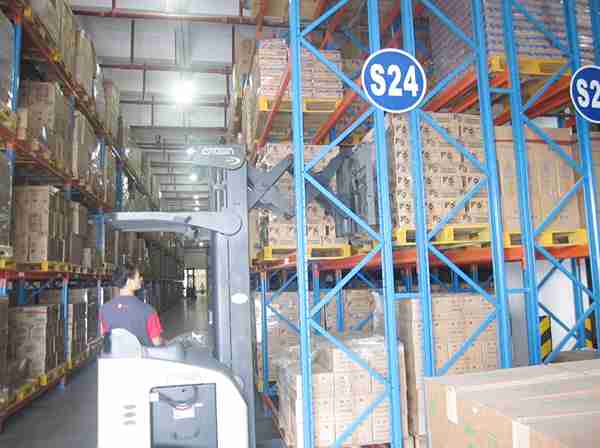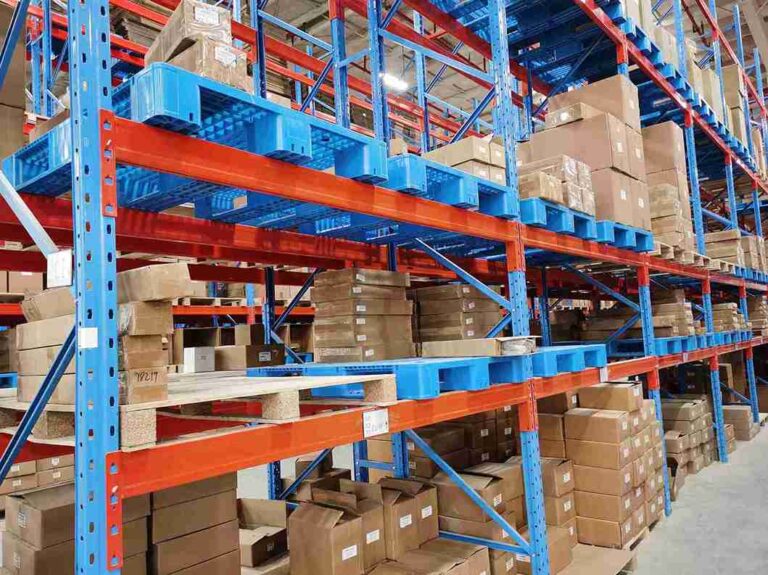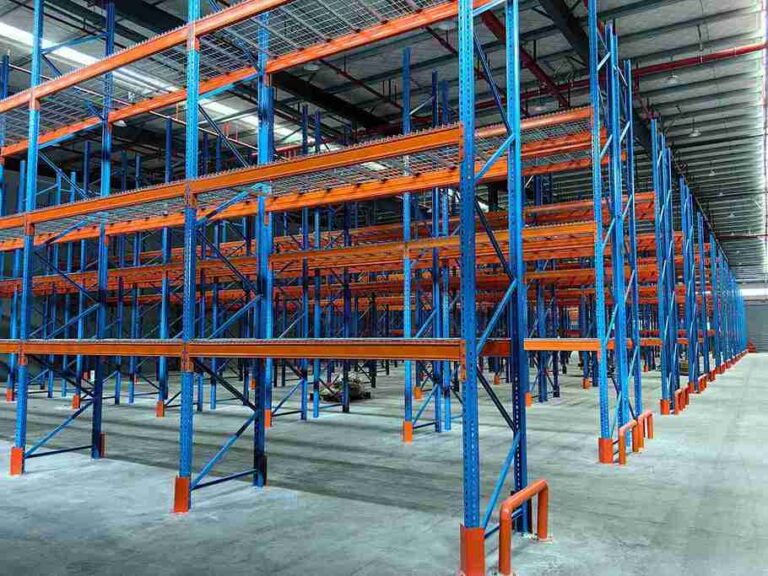
📐 "First 50 Enterprise Queries Get Custom 3D Warehouse Design" Plan















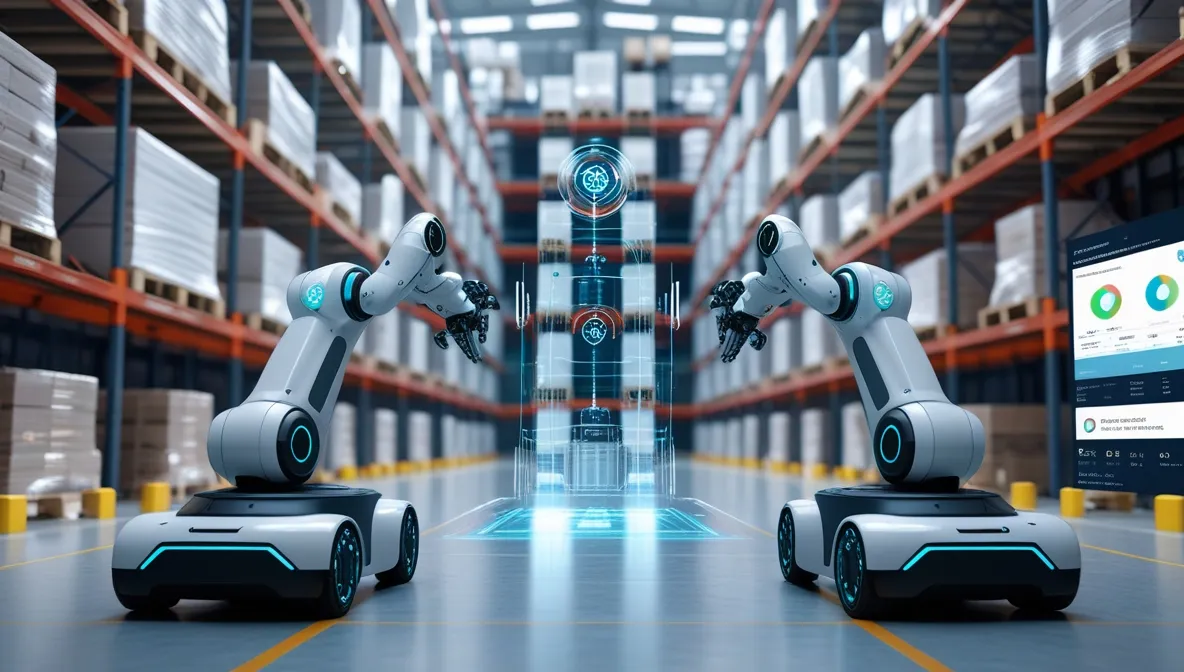
AI in supply chain logistics.In an era where warehouse storage efficiency can make or break profitability, enterprises are turning to AI-driven logistics to solve age-old challenges—from maximizing selective pallet racking space to preventing structural failures in boltless shelving systems. This 8,000+ word guide explores how machine learning in logistics, predictive analytics, and AI-powered robotics are transforming supply chains, with actionable insights tailored to the storage shelf industry.
Why AI is Non-Negotiable for Modern Warehousing
The storage rack industry faces a critical dilemma: demand for faster order fulfillment clashes with rising real estate and labor costs. Traditional solutions like drive-in racking or push-back racks only address space utilization, leaving gaps in inventory accuracy and operational agility.
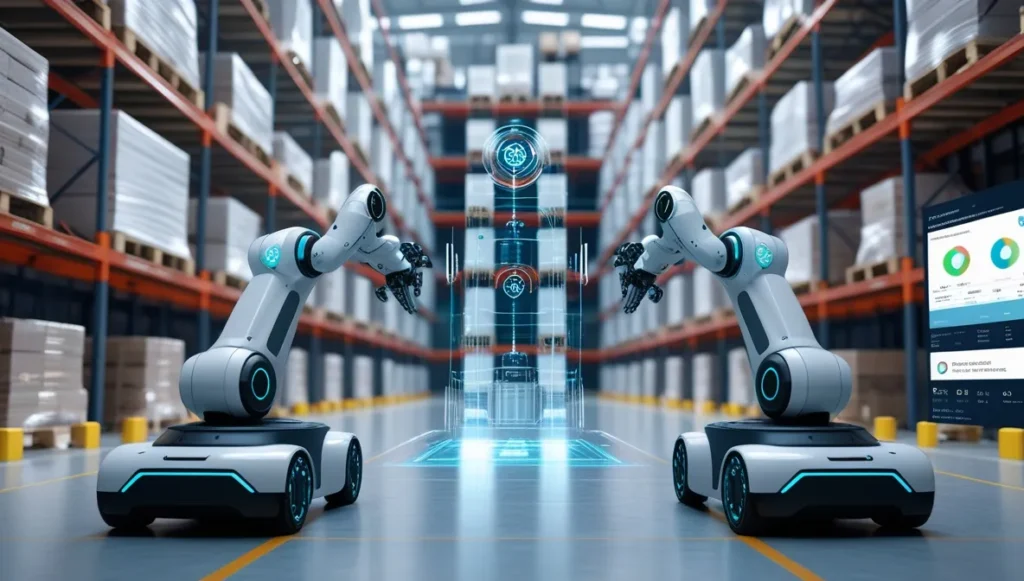
Enter AI in supply chain logistics. By 2025, 80% of warehouses will deploy AI to:
- Optimize high-bay racking layouts for 30% higher storage density.
- Predict maintenance needs for cantilever racks storing irregularly shaped goods.
- Reduce energy waste in cold storage facilities using IoT-enabled pallet flow racks.
Real-World Impact: A Midwest 3PL provider using AI-powered slotting reduced picking times by 45% while doubling teardrop pallet rack capacity (Source: MHI Annual Industry Report).
Core AI Technologies Reshaping Storage Rack Operations
1. Machine Learning in Logistics: Beyond Demand Forecasting
Machine learning (ML) is revolutionizing how warehouses manage pallet racking systems:
- Weight Distribution Analysis: ML models analyze historical load data to prevent overloading selective rack beams—a common cause of collapses in facilities storing heavy automotive parts.
- Traffic Pattern Optimization: By tracking forklift movements in narrow-aisle racking zones, ML identifies congestion hotspots and redesigns layouts to cut travel time by 25% (Interlake Mecalux Case Study).
Case Study: Coca-Cola Europacific Partners used ML to redesign cantilever rack layouts for oversized beverage containers, achieving:
- 35% faster loading/unloading.
- 15% reduction in pallet damage (Coca-Cola Innovation Hub).
2. Computer Vision: The Eyes of Automated Storage
AI-powered cameras mounted on AS/RS (Automated Storage and Retrieval Systems) now:
- Detect misaligned pallets on push-back racks before retrieval, reducing product damage by 90%.
- Scan labels on carton flow racks with 99.9% accuracy, eliminating manual verification.
Industry Data: According to Honeywell Intelligrated, warehouses using AI vision systems report a 40% drop in mispicks (Honeywell Supply Chain Solutions).
AI-Driven Warehouse Automation: Solving Storage Rack Challenges
Optimizing High-Density Racking with AI
High-bay warehouses (12m+ height) using mobile pallet racking face unique risks, including “dead zones” where stock becomes inaccessible. AI addresses this by:
- Analyzing retrieval frequency to position fast-moving SKUs in accessible flow rack zones.
- Adjusting pallet rack configurations in real-time based on seasonal demand shifts.
Example: A European e-commerce giant using AI-driven dynamic slotting achieved:
- 40% higher storage density in drive-in racking areas.
- 20% lower labor costs through optimized picking paths (Dematic Success Story).
Predictive Maintenance for Racking Systems
Structural failures in boltless shelving can lead to catastrophic collapses. AI tools like Siemens’ Predictive Maintenance Software:
- Monitor vibration data from selective racks storing fragile electronics.
- Predict beam fatigue 6-8 months in advance, cutting unplanned downtime by 60% (Siemens Industrial AI).
Transportation & Inventory: AI’s Role in End-to-End Efficiency
Smart Inventory Allocation for Mixed Racking Systems
Warehouses combining selective racks, mezzanine shelving, and cantilever racks require nuanced stock placement. Machine learning in logistics enables:
- ABC Classification 2.0: ML algorithms assign SKUs to rack types based on 20+ variables, including weight, turnover rate, and picking frequency.
- Dynamic Slotting: AI repositions items from push-back racks (for bulk storage) to carton flow racks (for fast picks) during peak seasons.
Data Point: Home Depot saved $1.2B annually by using ML to optimize pallet rack slotting (Supply Chain Dive).
AI-Powered Transportation Management
For warehouses with cross-docking facilities, AI:
- Predicts truck arrival times to pre-stage pallets on drive-in racks, reducing dock occupancy by 50%.
- Optimizes multi-stop routes for deliveries involving oversized racks or cantilever-stored goods.
Example: Maersk’s Remote Container Management uses AI to reroute shipments around congested ports, saving $200M annually (Maersk Innovation).
Sustainability & Safety: AI’s Hidden Benefits for Rack-Centric Warehouses
Reducing Carbon Footprint Through AI
- Energy Optimization: AI adjusts lighting and HVAC systems around pallet flow racks storing temperature-sensitive pharmaceuticals.
- Emission Tracking: Procter & Gamble slashed warehouse emissions by 30% using AI to consolidate shipments on selective pallet racks (P&G ESG Report).
Worker Safety Enhancements
In facilities with narrow-aisle racking, AI wearables:
- Alert forklift operators about blind-spot collisions near cantilever rack arms.
- Monitor ergonomic risks during manual picking from wire shelving units.
Stat: Warehouses using Samsung’s AI Safety Suite report a 55% drop in rack-related accidents (Samsung Warehouse Solutions).
Implementation Guide: Adopting AI in Your Rack & Shelf Operations
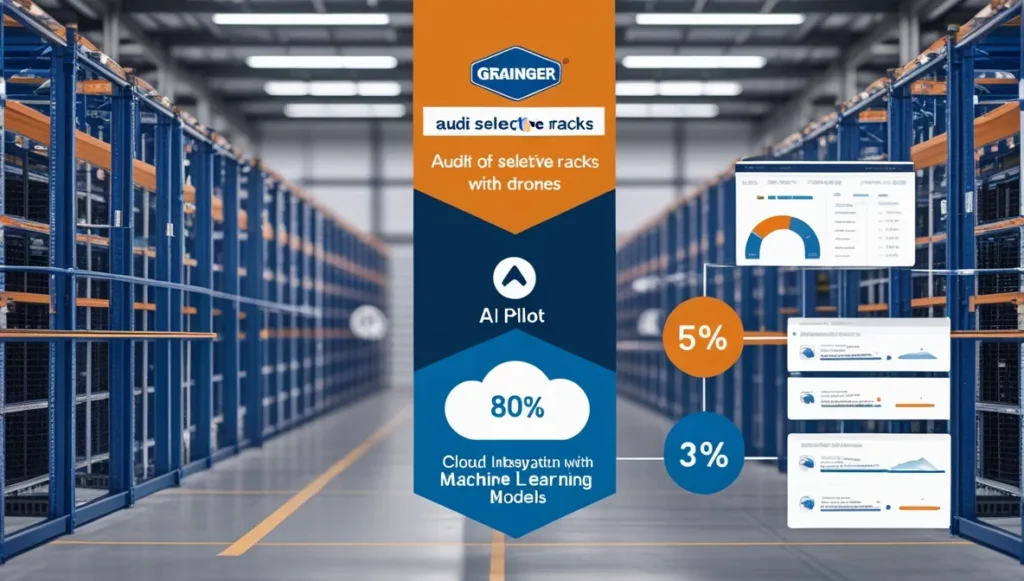
Step 1: Audit Your Current Rack Infrastructure
- Map existing rack types (selective, drive-in, push-back) and IoT readiness.
- Use tools like Locus Robotics’ Rack Assessment Toolkit to identify AI-ready zones.
Step 2: Pilot AI in High-Impact Areas
- Start with predictive replenishment for fast-moving SKUs on carton flow racks.
- Grainger achieved 99% order accuracy after a 3-month ML pilot on selective racks (Grainger Case Study).
Step 3: Scale with Cloud-Based AI Platforms
- Deploy Blue Yonder’s Luminate Platform to unify data from AS/RS systems, rack sensors, and ERP tools.
- DHL’s Resilience360 reduced rack downtime by 70% through AI-driven risk analytics (DHL Supply Chain).
Conclusion: The AI-Powered Warehouse is Here to Stay
From preventing boltless shelving failures to optimizing high-bay racking layouts, AI in supply chain logistics is no longer optional. As Gartner notes, early adopters in the storage rack industry achieve:
- 20-30% higher throughput.
- 15-25% lower operational costs (Gartner Supply Chain Trends).
FAQs
1. How does AI prevent overloading in pallet racking systems?
AI analyzes IoT load sensors and historical data to alert managers before beams exceed capacity.
2. Can AI optimize a warehouse with both cantilever and drive-in racks?
Yes. Blue Yonder’s 3D simulations design hybrid layouts that maximize SKU-specific storage (Blue Yonder Case Study).
3. What’s the ROI timeline for AI in small rack-centric warehouses?
Most see payback in 8-14 months via reduced labor and damage costs (MHI 2023 ROI Calculator).
4. How does AI handle cold storage racking systems?
Lineage Logistics uses AI to balance refrigeration costs and retrieval times in -25°C environments (Lineage Innovation).
5. Are there AI tools for retrofitting older rack systems?
Yes. Honeywell’s Retrofit AI Kit adds sensors to legacy selective racks for real-time monitoring.
Welcome to contact us, if you need warehouse rack CAD drawings. We can provide you with warehouse rack planning and design for free. Our email address is: jili@geelyracks.com